Charleston
South Carolina
I travel with time and a pair of good shoes.
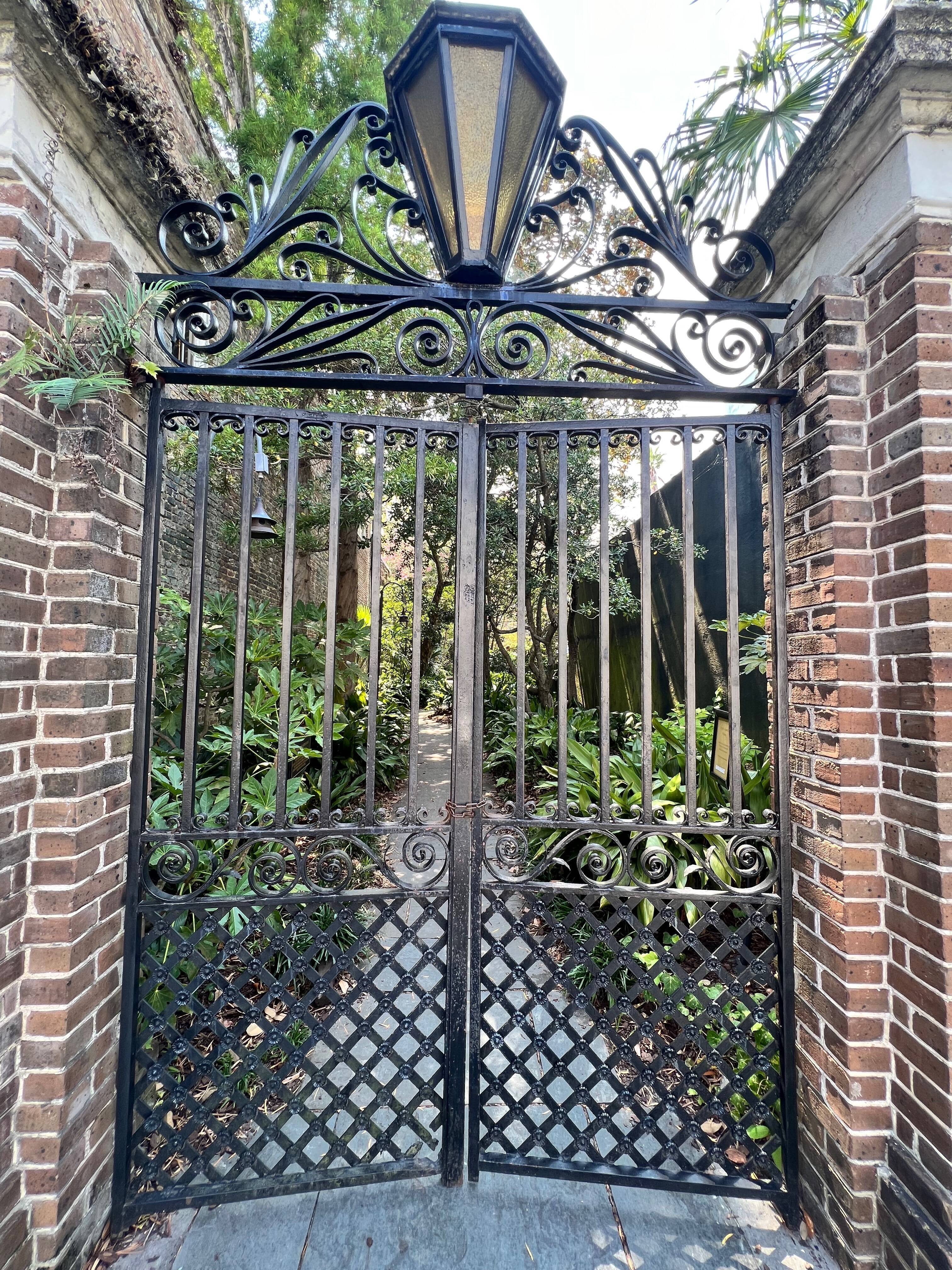
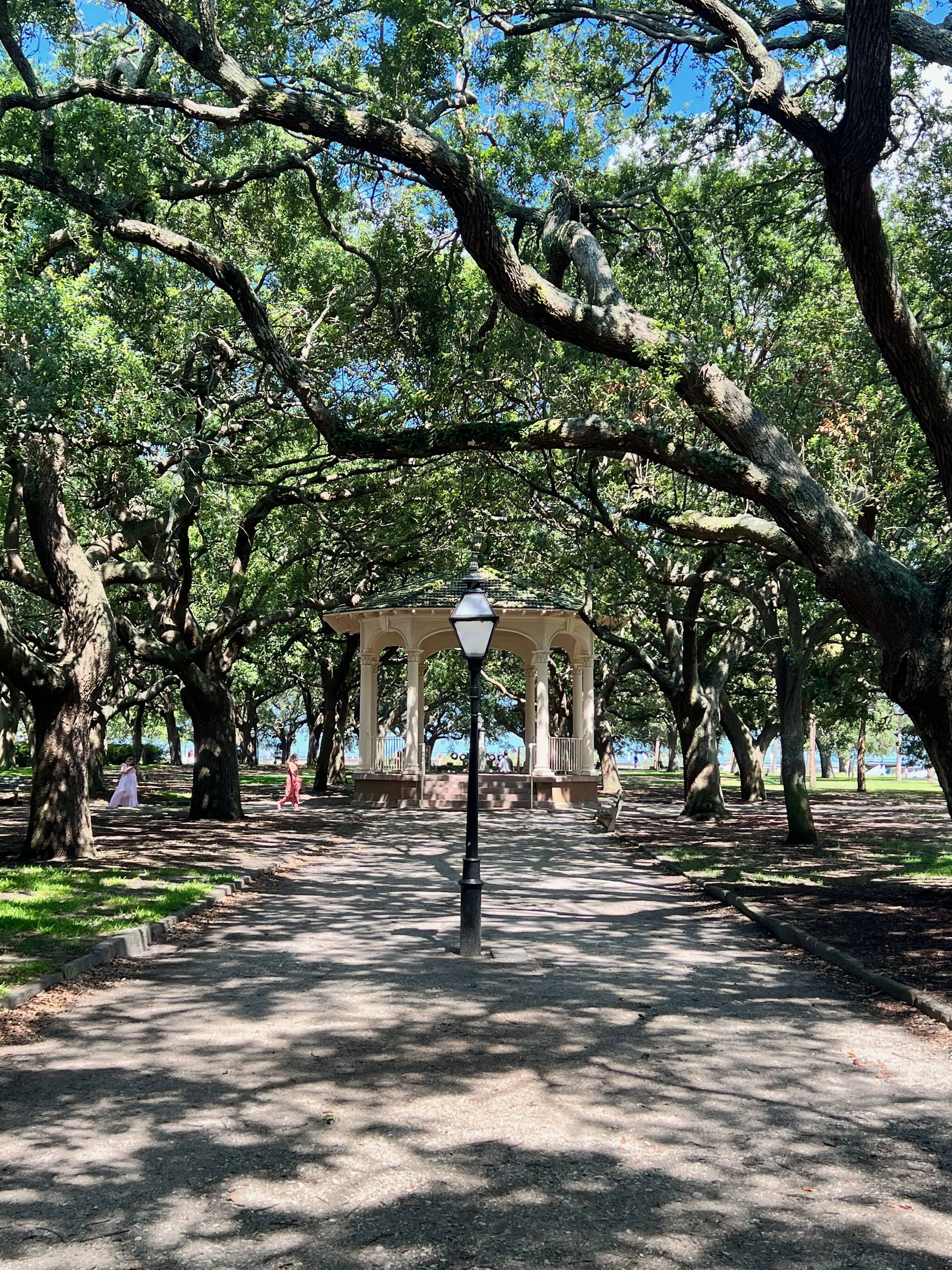
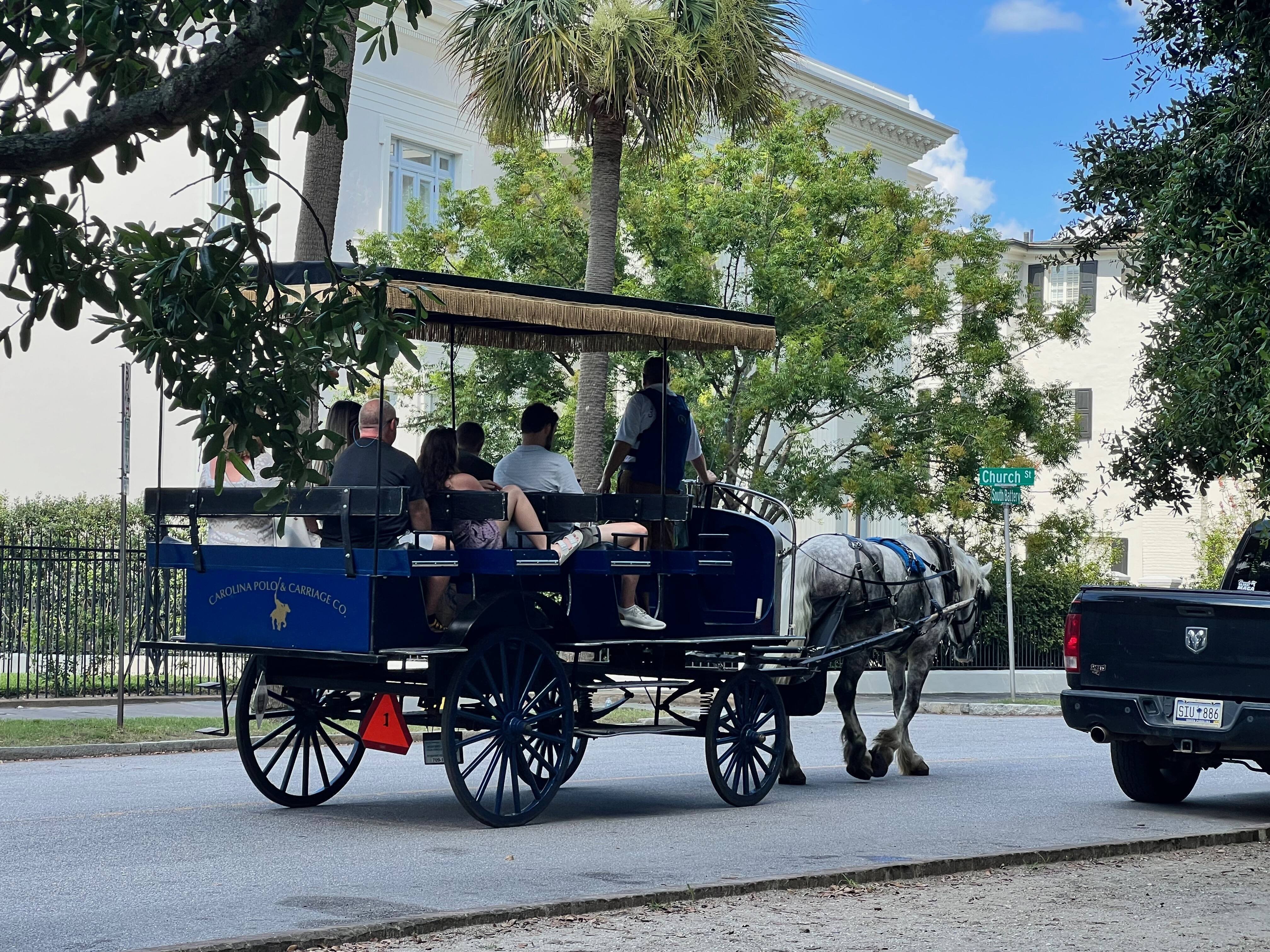
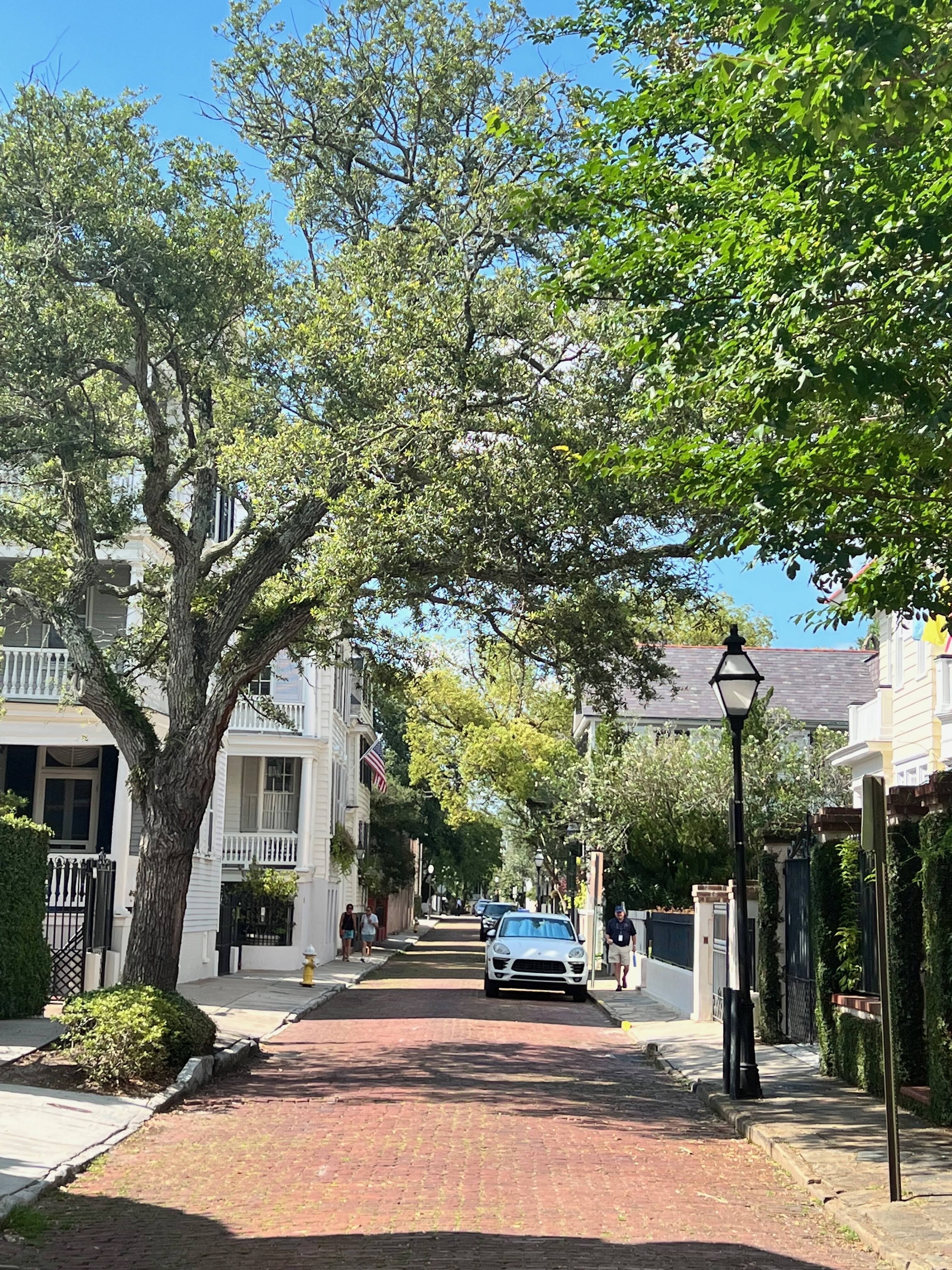
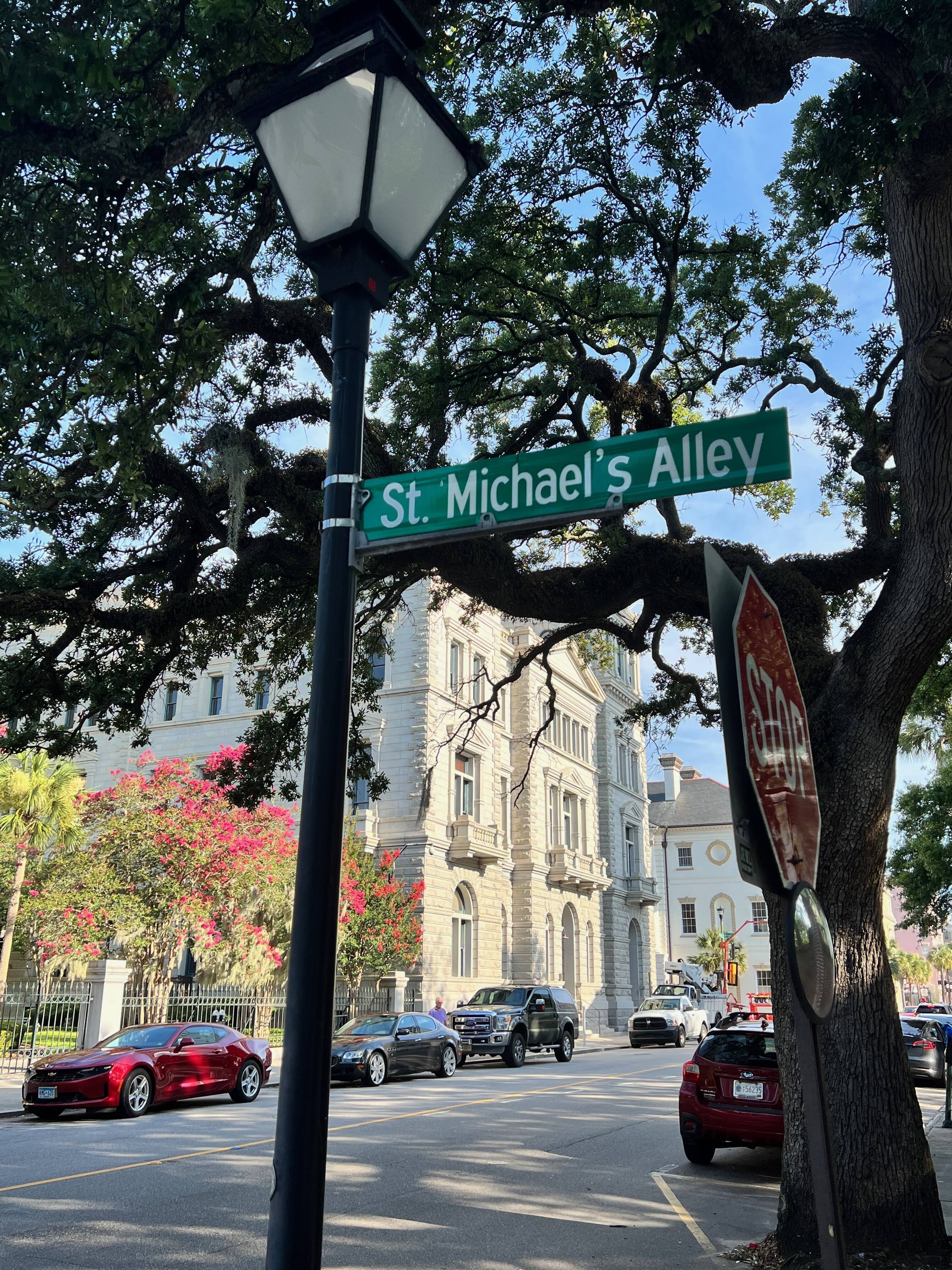
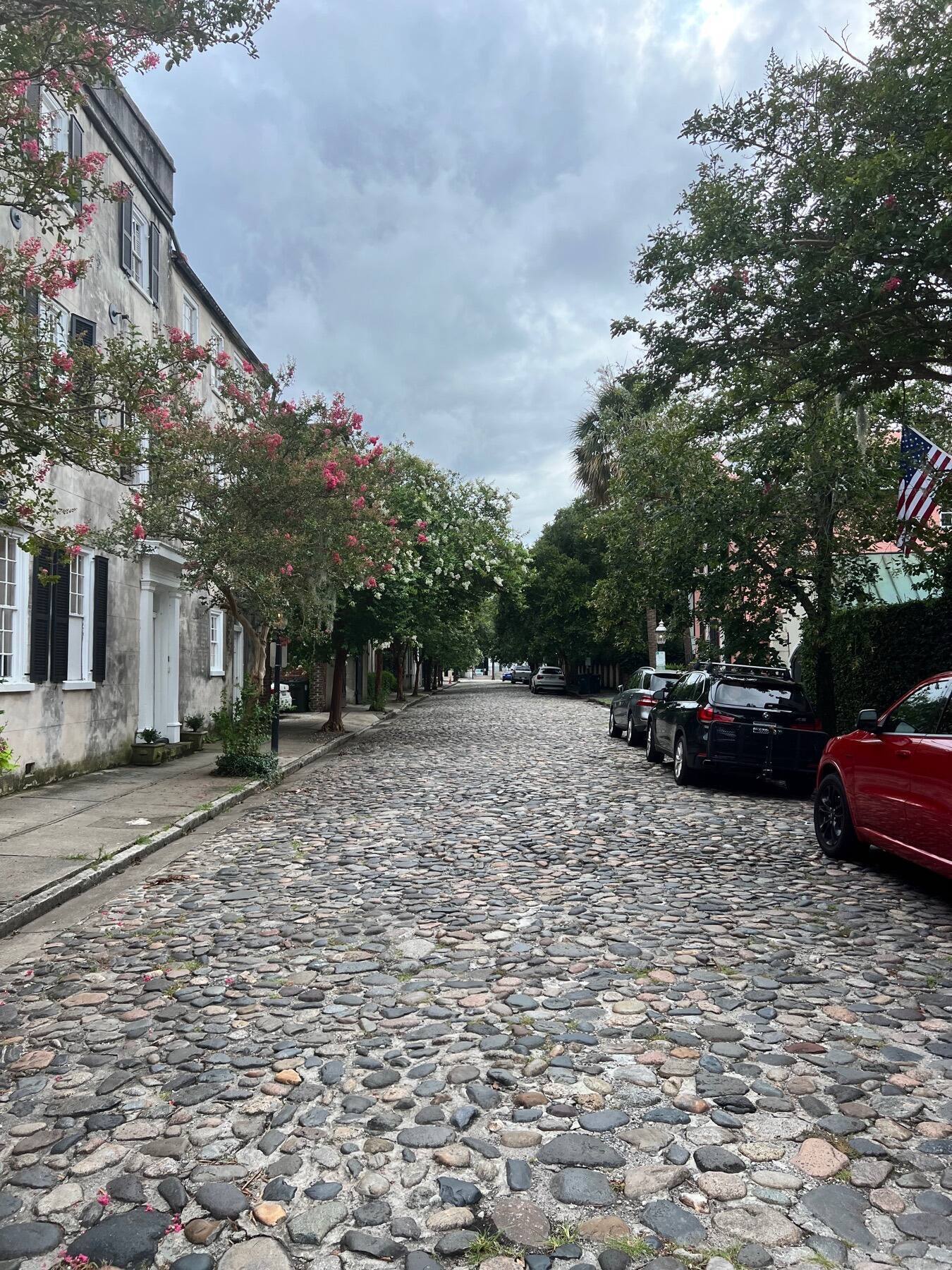
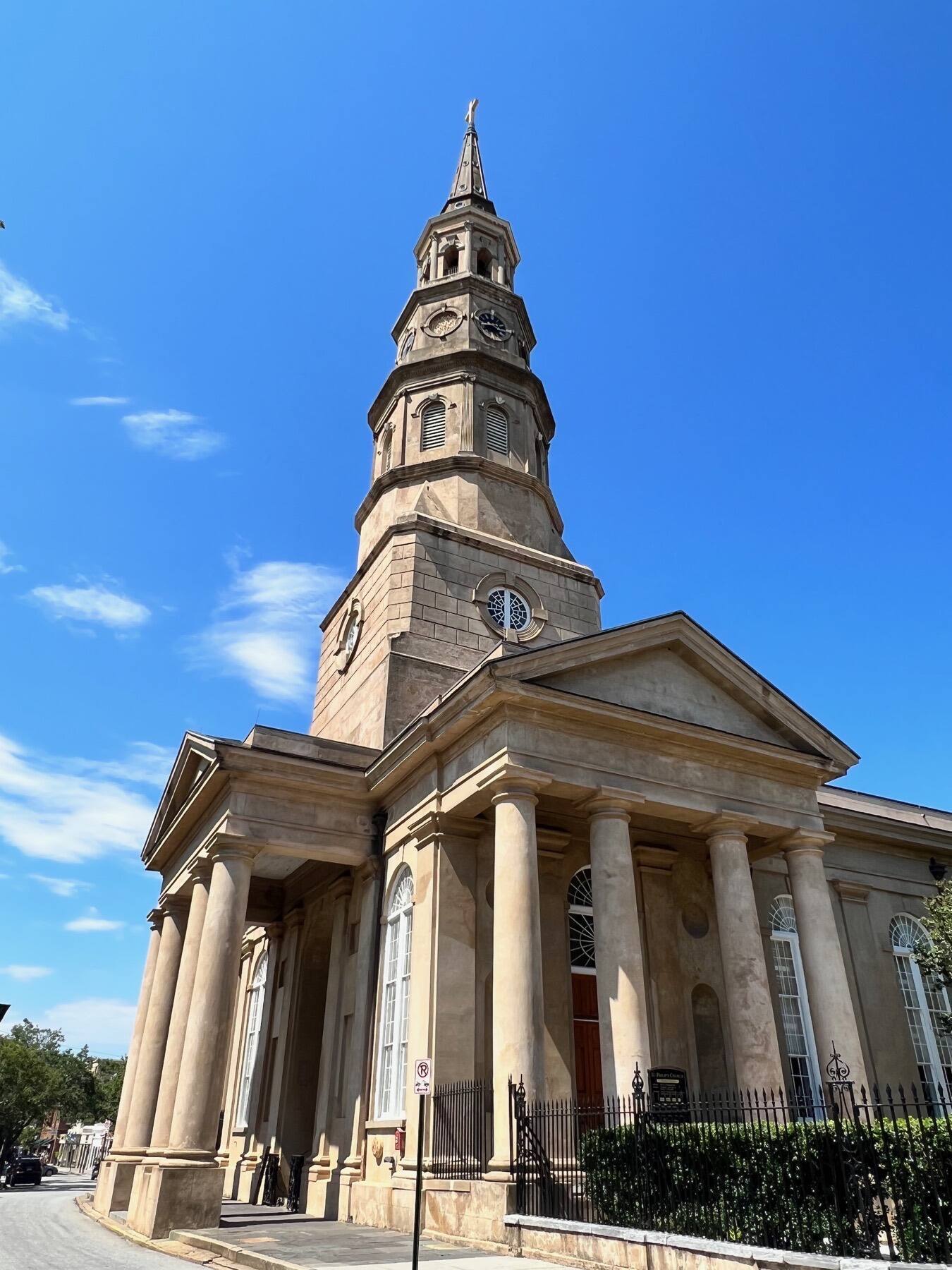
When I arrived in Charleston, I did what I always do in a new city: I walked. South on King Street, no destination, no agenda, just the city at its own pace. And King Street is a good street to start on, because it reveals Charleston in layers. The boutiques and restaurants. The architecture getting older and grander as you move south. The church spires multiplying above the roofline -- this is the Holy City, and it earns the name with more than 400 churches. And then, almost without noticing it, you're in South of Broad, and everything changes register. The homes on East Battery and Meeting Street are not merely historic. They are spectacular. Piazzas facing the harbor. Ironwork gates enclosing gardens you can't quite see. The kind of beauty that makes you stop mid-sentence.
I had been to Charleston once before with my sons to visit the College of Charleston -- a beautiful campus in a beautiful city, the kind of place that makes the decision difficult. This time I came alone, rented an apartment a few blocks from the historic district, and gave the city the time it deserves. Over the weeks I was there, I threw myself into learning as much as I could, tracing the history of America through these streets. The Old Slave Mart. The Old Exchange and Provost Dungeon. Fort Sumter. The International African American Museum. The Heyward-Washington House. The Aiken-Rhett House. And I spent countless hours walking King Street and Meeting Street, through the French Quarter, through the graveyards, through every neighborhood the city would open to me.
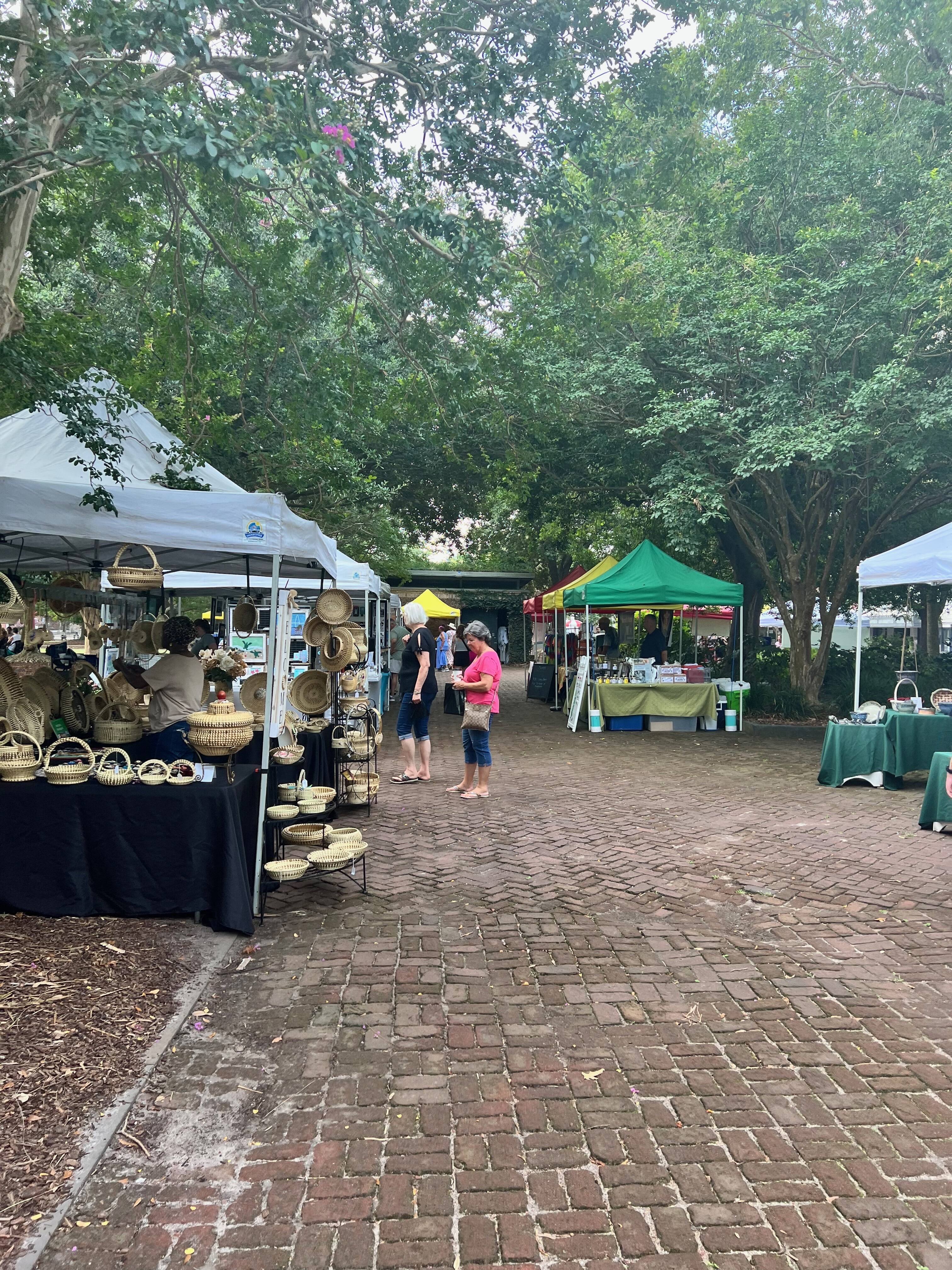
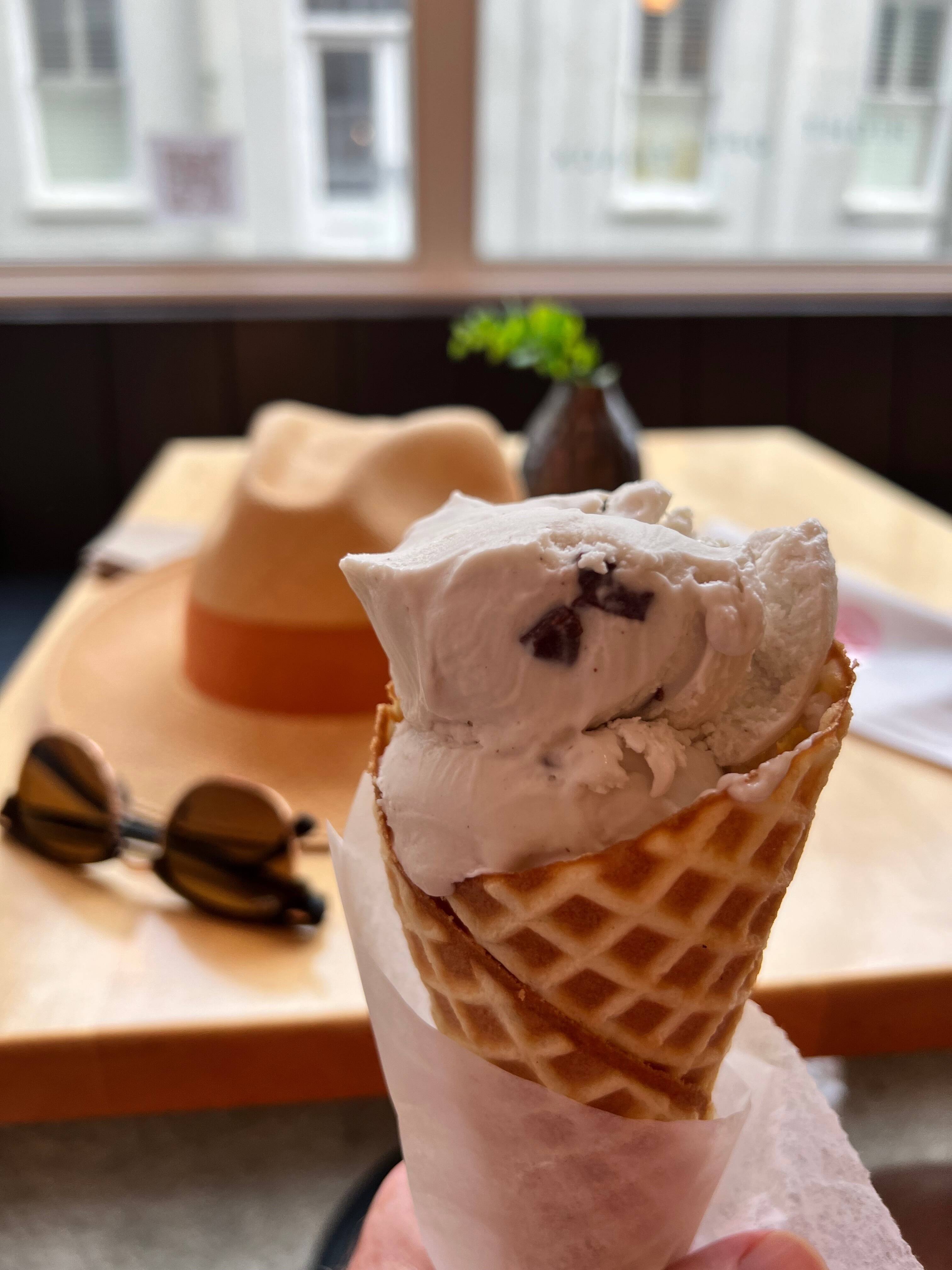
Charleston is often at the top of must-visit lists and deserves to be there. The art scene alone earns it -- galleries throughout the historic district, and the Gibbes Museum of Art, where I spent a long afternoon in the permanent collection. Nights at Joseph P. Riley Jr. Park for RiverDogs baseball. Ice cream at Off Track. The City Market. Fourth of July fireworks from the steps of the U.S. Customs House, the harbor lit up and the city turned out in force. And the afternoon monsoons that roll in off the water in August, soak everything, and then leave the air somehow no cooler than before.
One night I sat behind a family of four at a RiverDogs game. Over the course of several innings the father and I talked about our shared love of family and baseball, about bringing our sons to games. He talked about his work as a mason and the work he was doing on the homes in South of Broad -- the plaster, the ironwork, the piazza columns, the foundations on which some of this city's most spectacular real estate rests. When the game was over, he gathered his boys and left, and I sat for a moment thinking about what he had said: that the houses never stop needing work. That the work is always there.
Charleston is one of the most beautiful cities in America. It is also one of the most honest, if you are paying attention. The beauty and the history are not separate things here. They are the same thing, and the city will not let you pretend otherwise.
Walk slowly. Start on King Street. Let the layers find you.
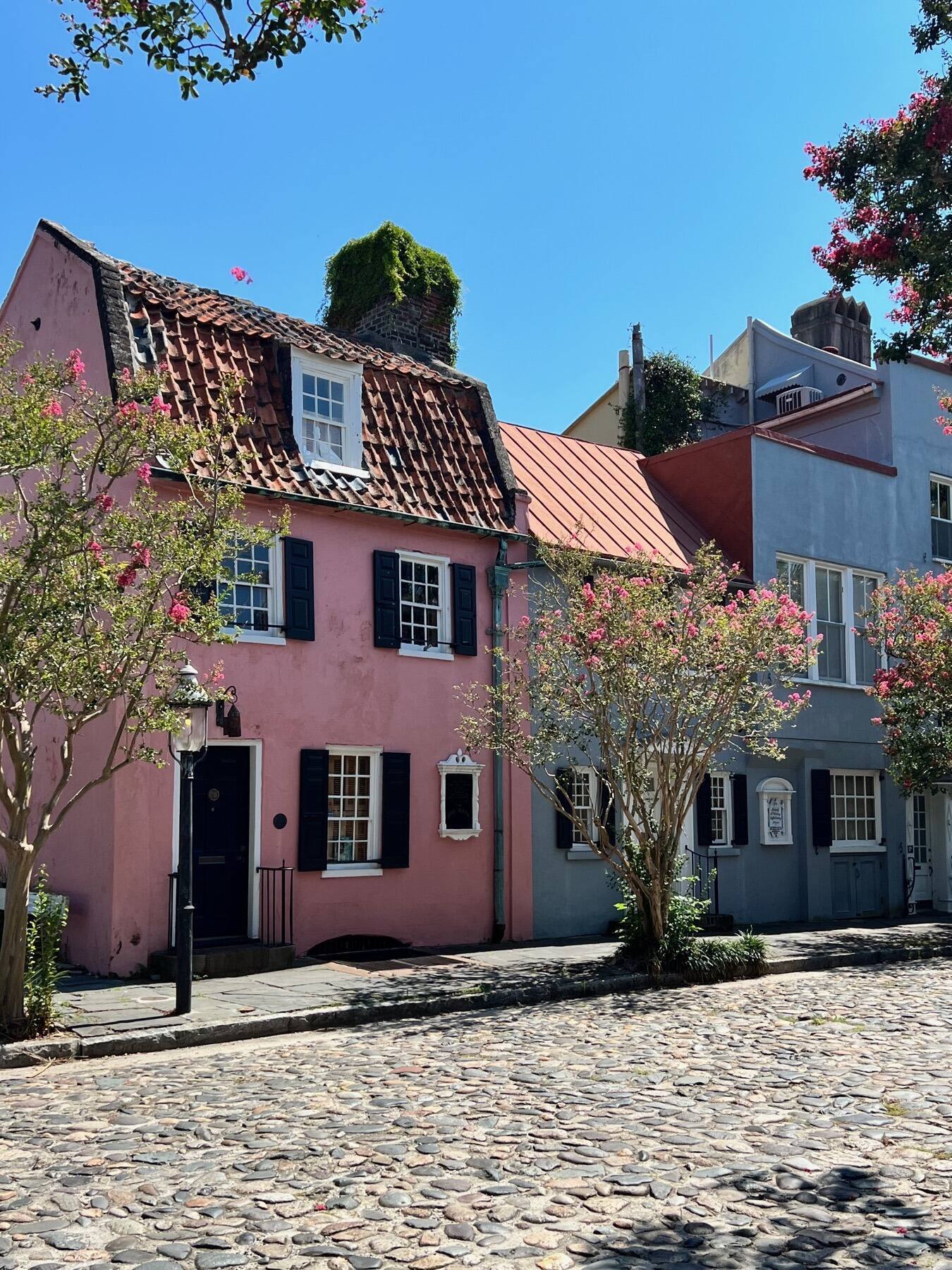
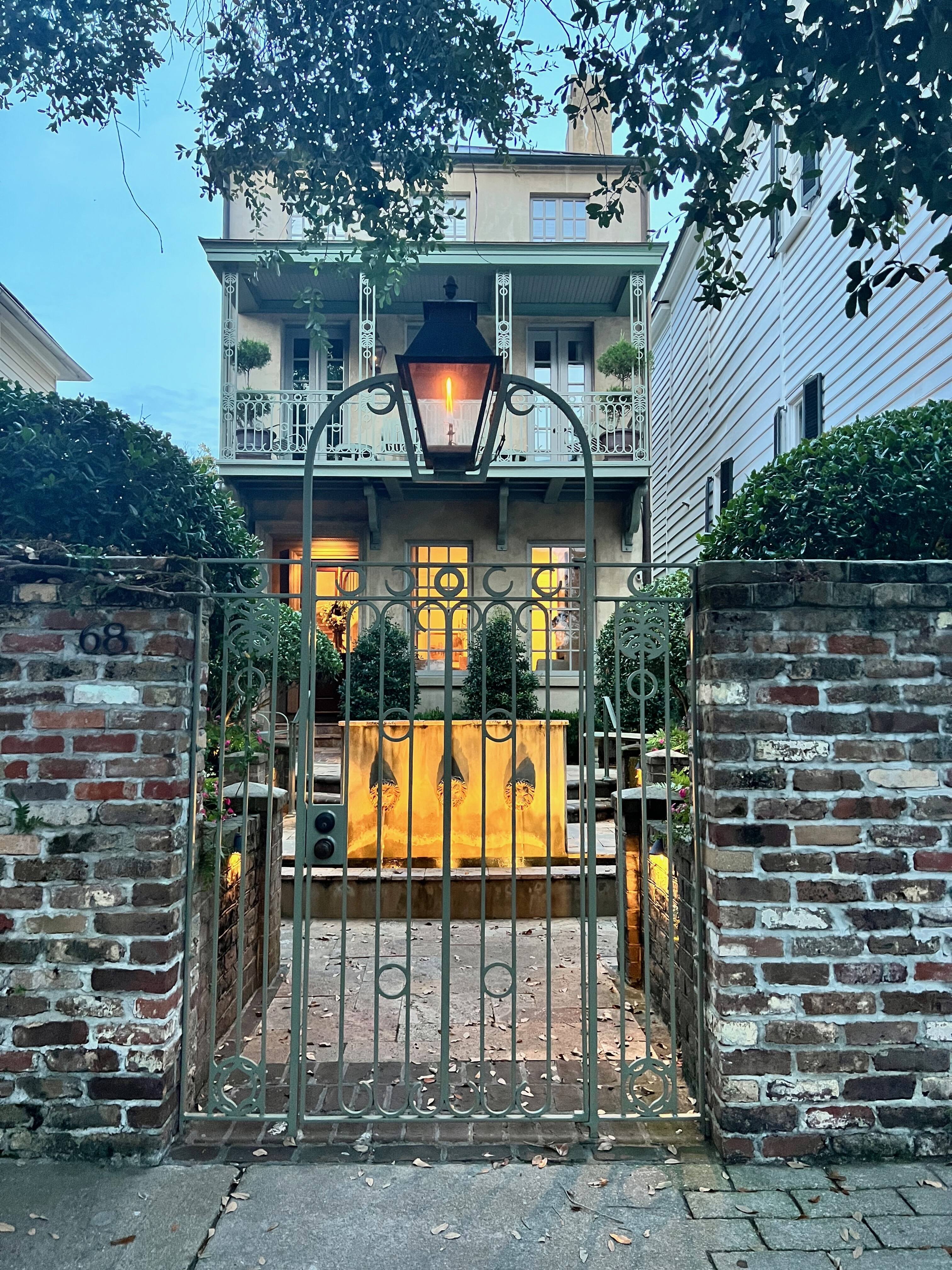
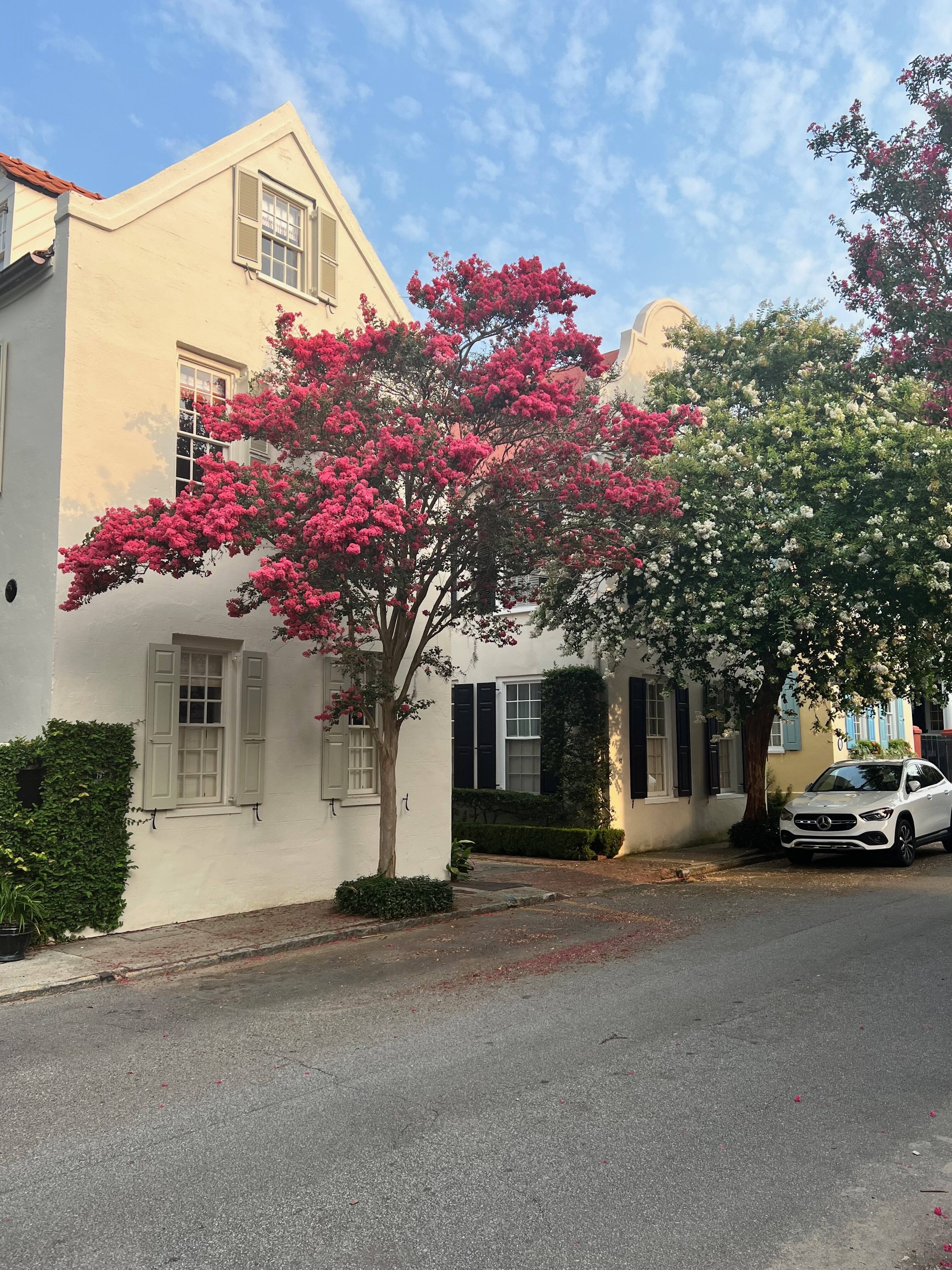
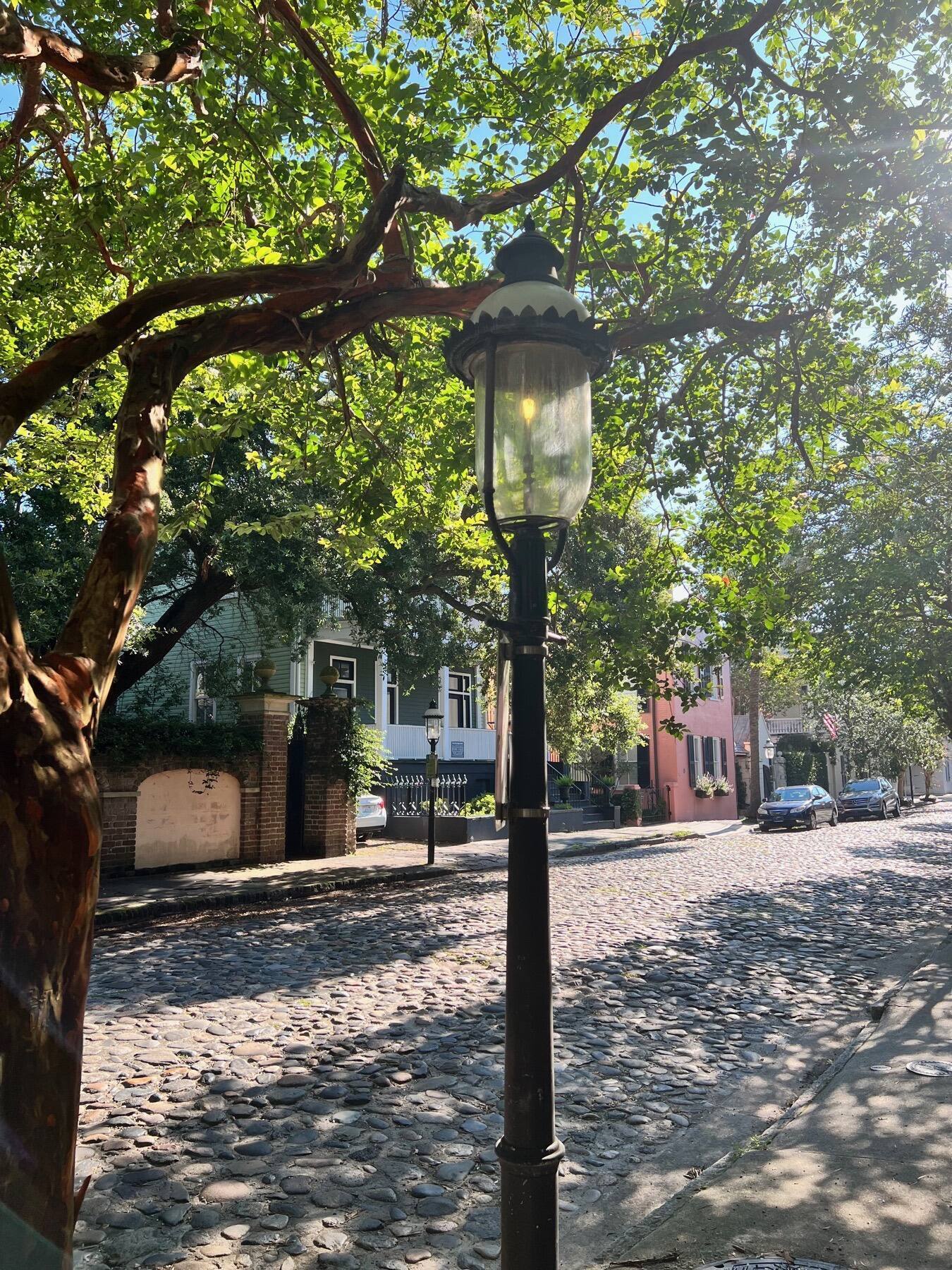
The homes on East Battery and Meeting Street are among the most magnificent in America. This neighborhood began taking shape in the mid-1700s, and the architecture that emerged -- on a scale and with a refinement that stops you cold -- reflects more than a century of accumulated wealth. Piazzas facing the harbor. Walled gardens visible only in glimpses through iron gates. The specific palette of Charleston's painted facades: ochre, sage, dusty rose, cream. What you are looking at was built by enslaved carpenters, ironworkers, and masons whose names are not on the plaques. Walking South of Broad without holding that knowledge is possible. It asks more of you than the beauty does.
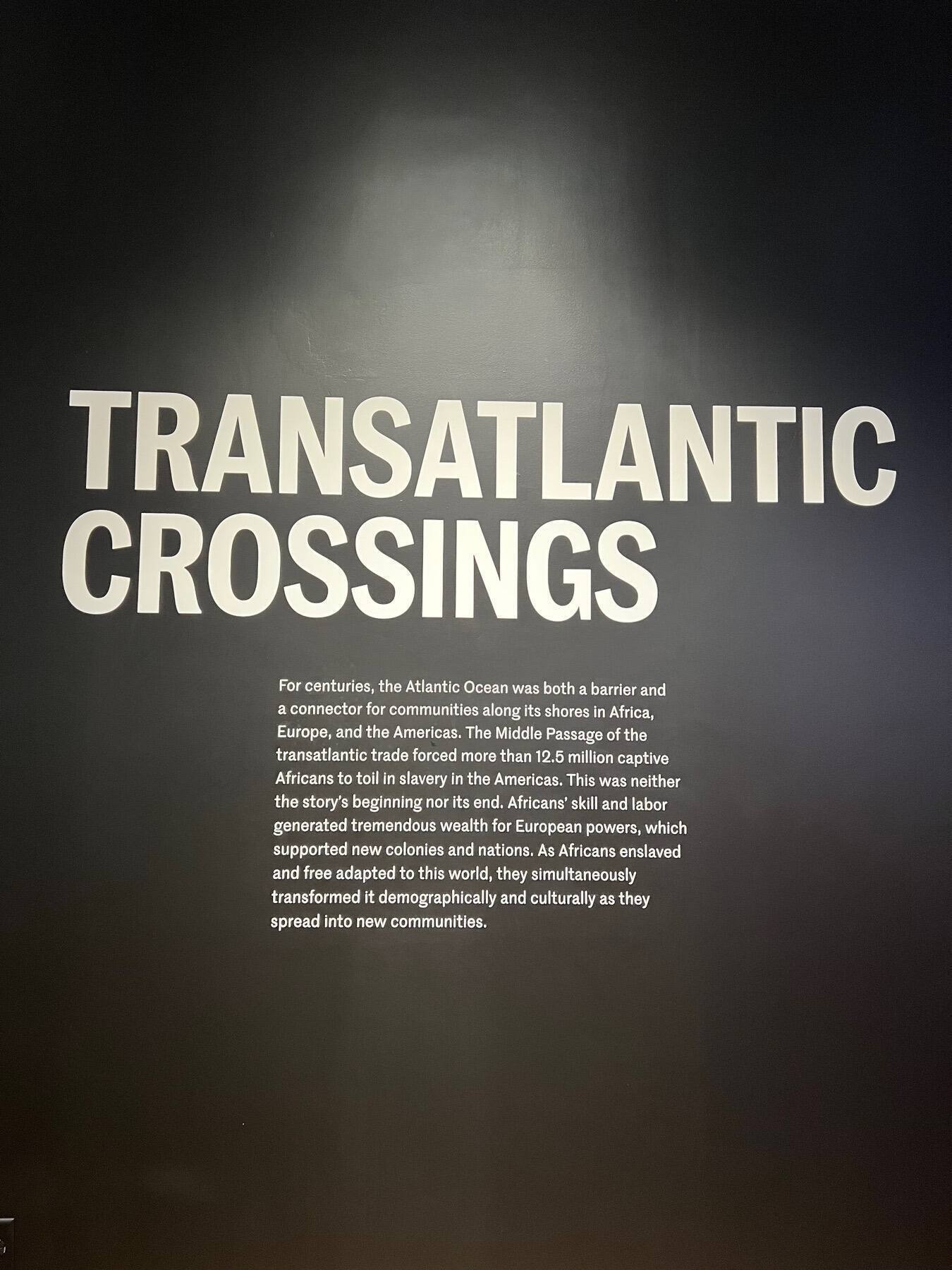
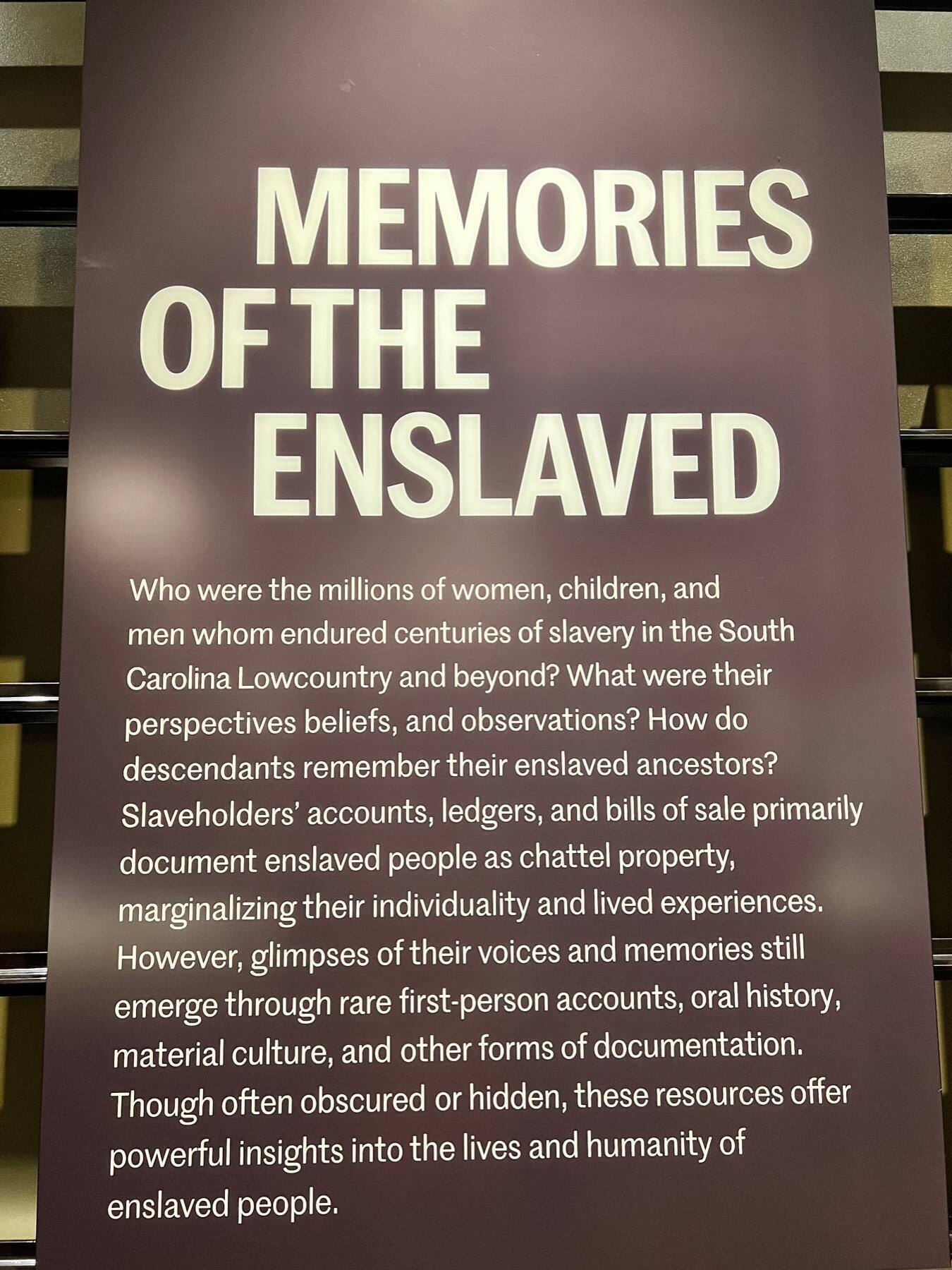
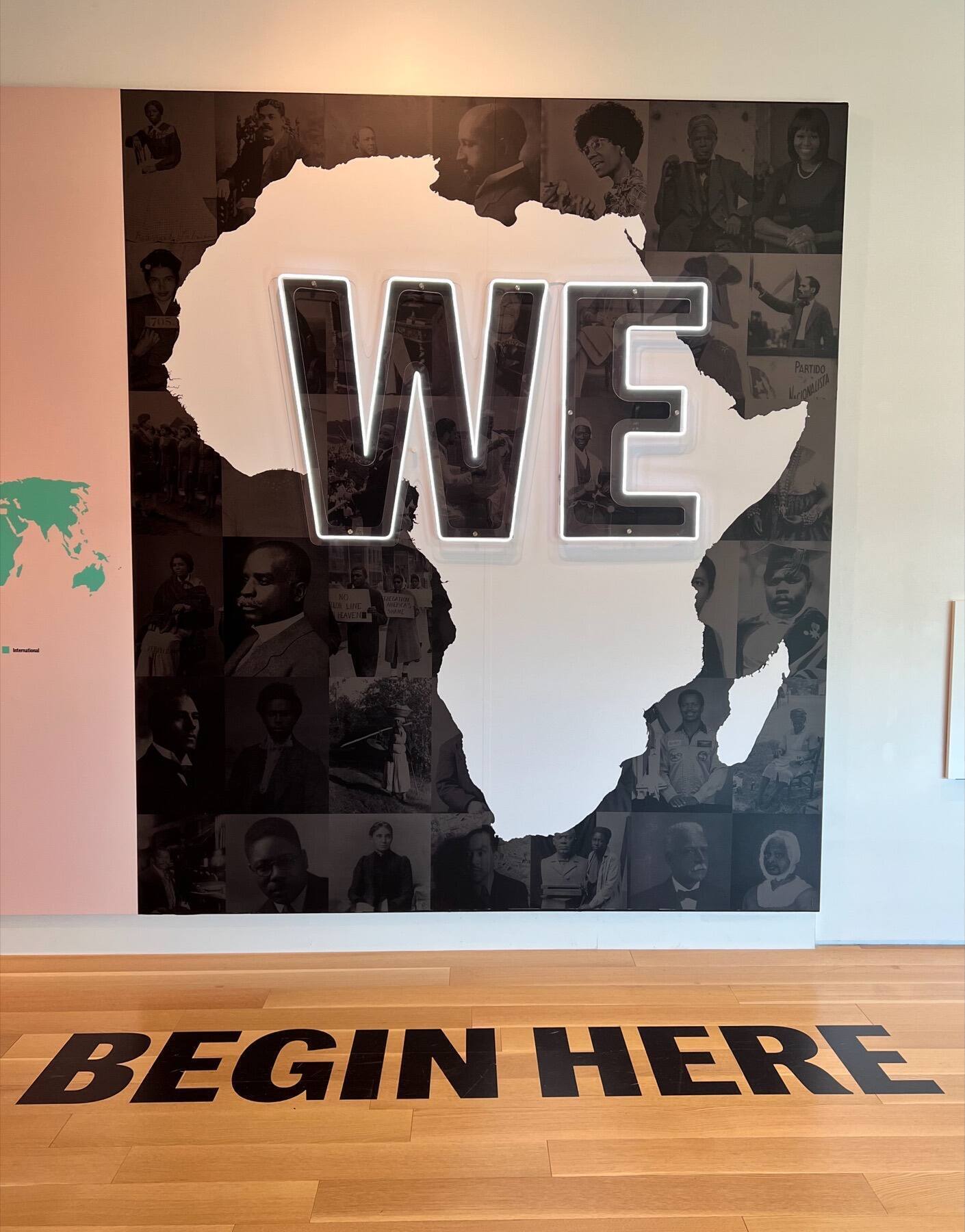
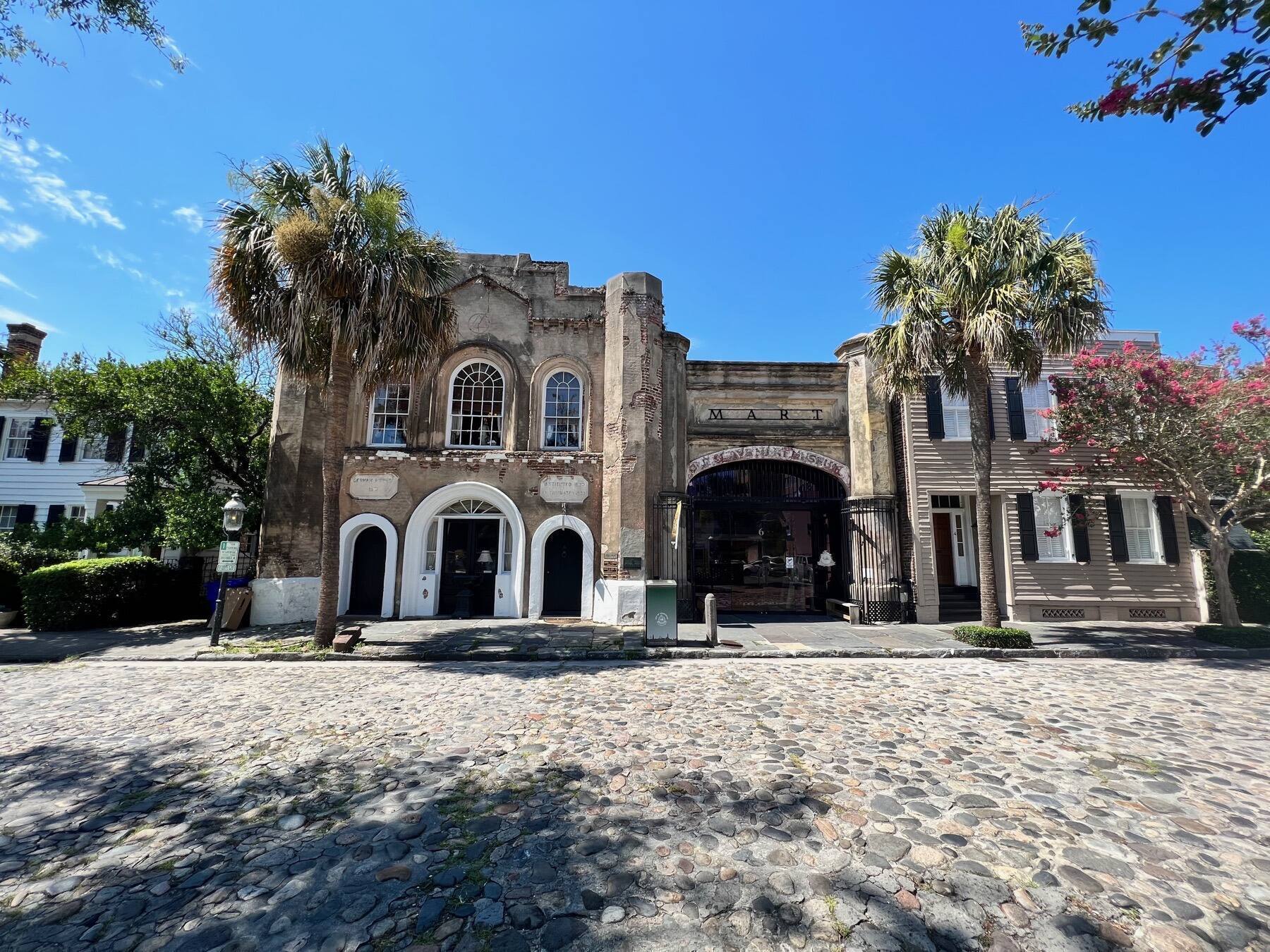
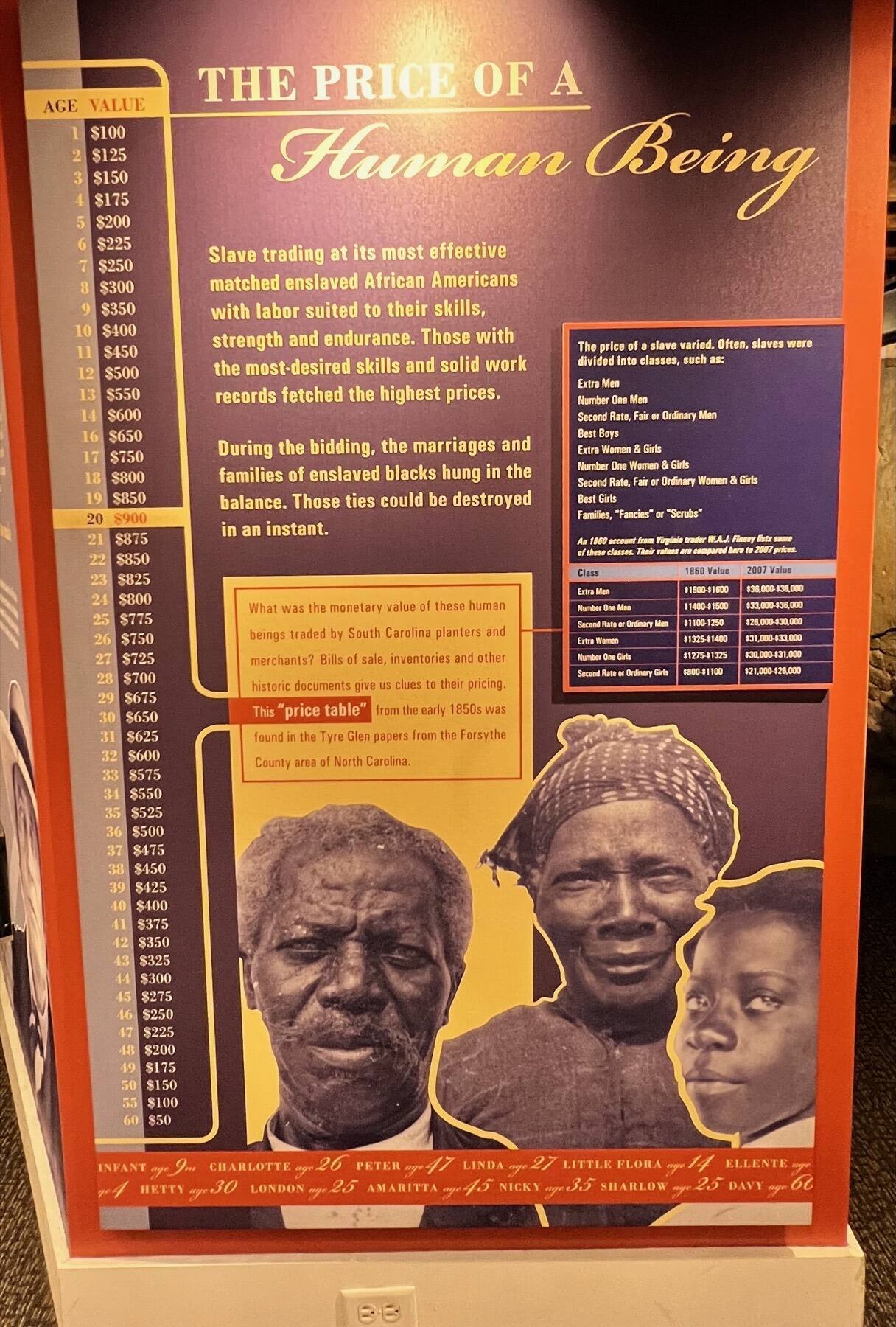
The International African American Museum sits on Gadsden's Wharf -- the site where the majority of enslaved Africans brought to what became the United States arrived, were processed, and were sold. The building is constructed on piers above the original wharf footprint, so it literally floats above the ground where it happened. Inside, the exhibit "Departure: Generations of Captivity" documents with forensic clarity the scale of the transatlantic slave trade and the specific mechanics of what occurred on this waterfront. One exhibit displays the price of a human being, organized by age and sex, in the methodical register of an auction house. I stood in front of it for a long time. There is no adequate response. There is only the standing there. The Old Slave Mart on Chalmers Street is the other essential stop -- a local academic gave a talk when I was there, and the combination of the space and the scholarship landed with the weight of a physical thing. These are not museum experiences. They are reckonings.

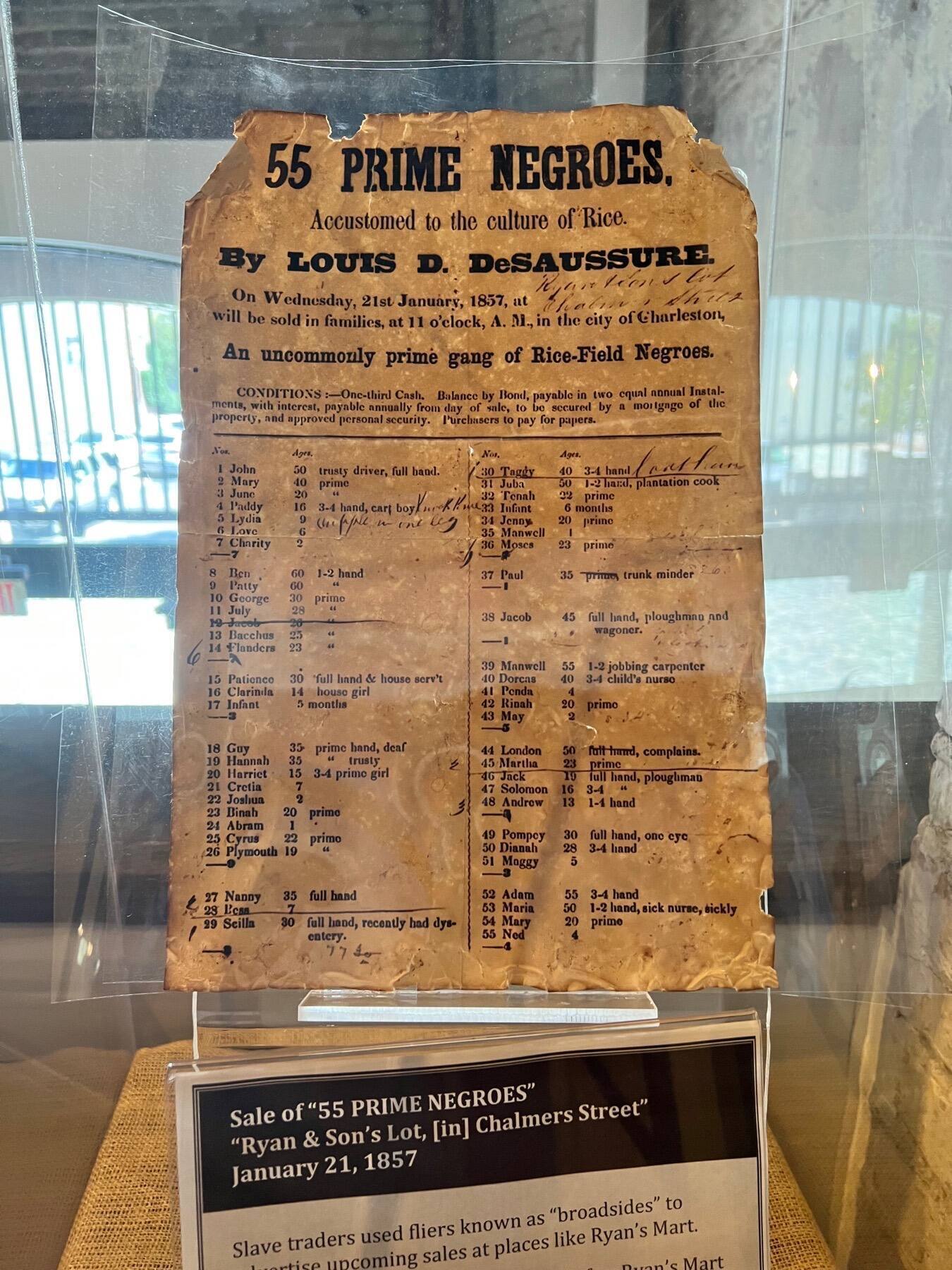
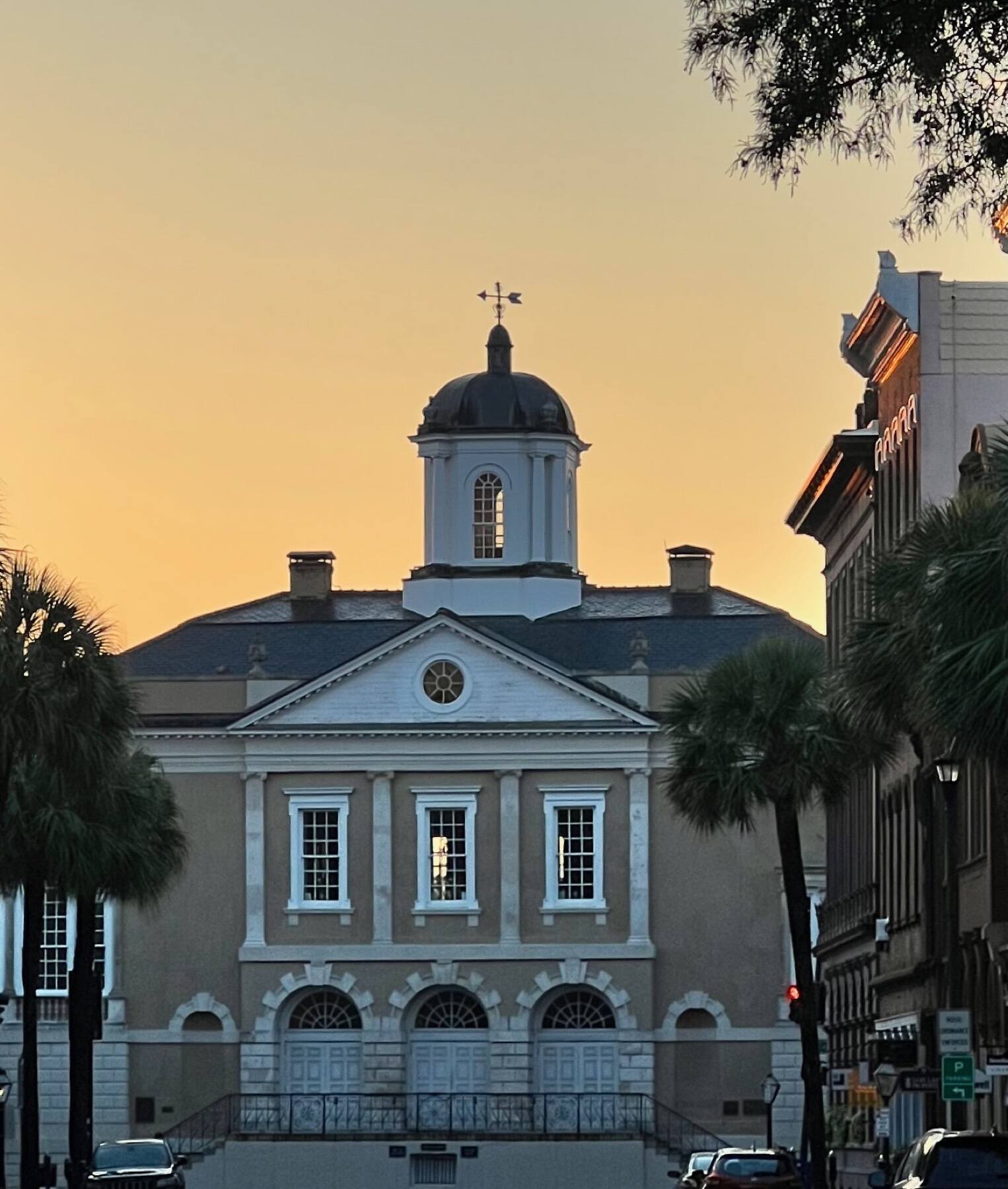
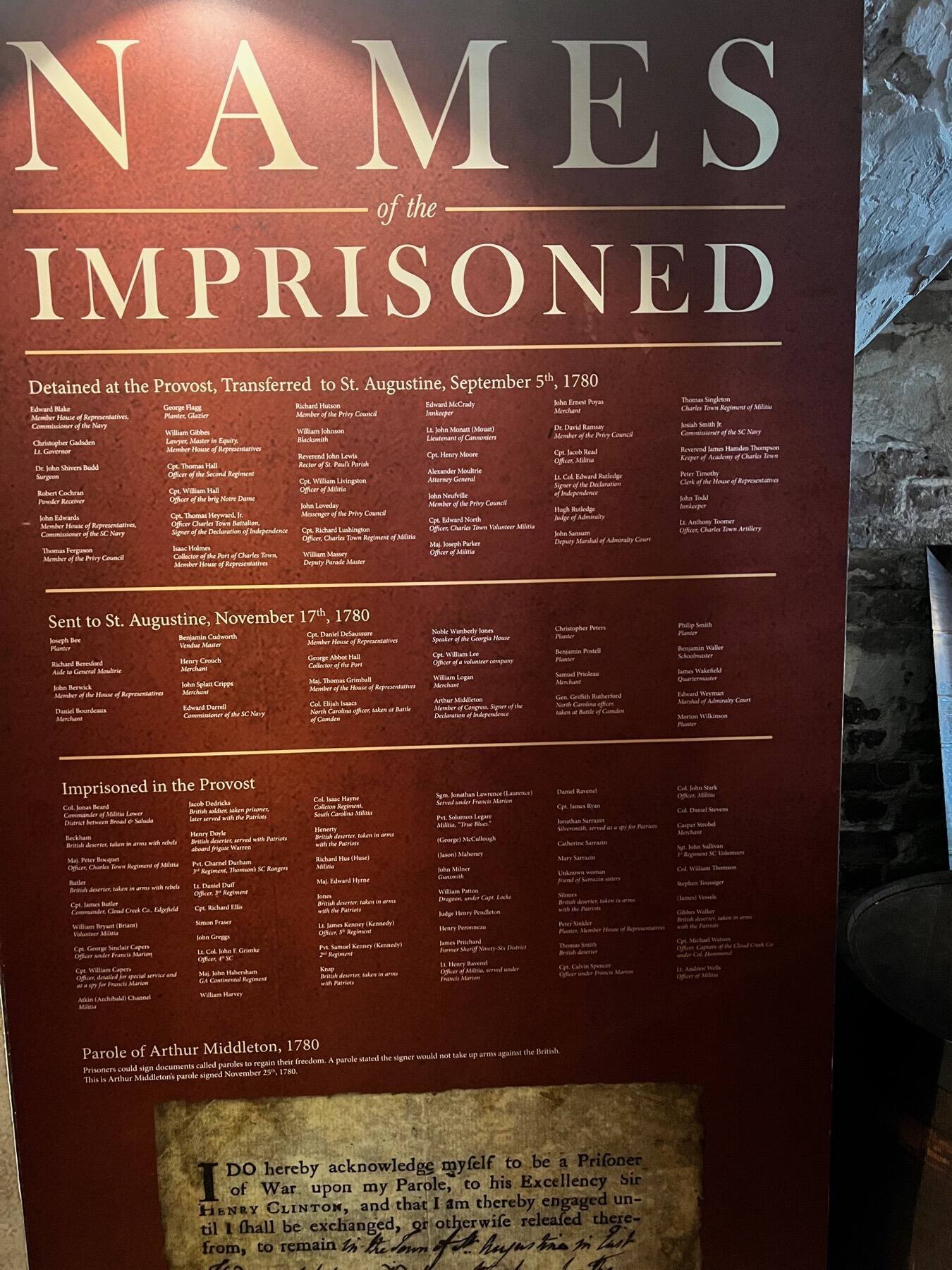
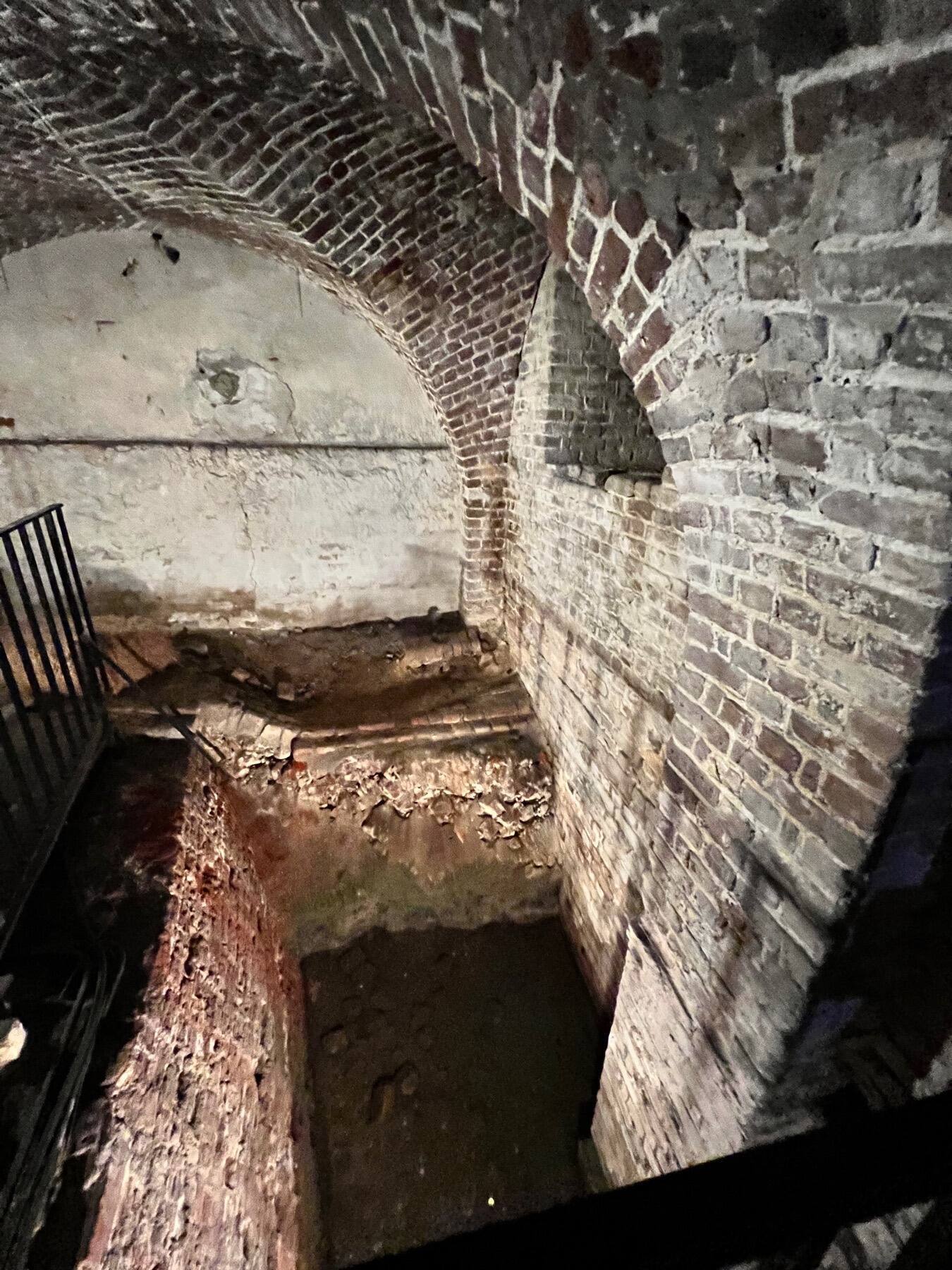
Before you go to Fort Sumter, go to the Old Exchange and Provost Dungeon on East Bay Street. Completed in 1771, it is one of only three buildings still standing where the U.S. Constitution was originally ratified. In 1791, George Washington was entertained there with lavish dinners, concerts, and dances attended by hundreds of Charleston's elite. During the Revolution, the British converted the building's lower floor into a military prison -- American prisoners of war, British soldiers, private citizens, and enslaved people all endured its confines. Between the Revolution and the Civil War, it became Charleston's most common site for public slave auctions. The docent who gave my tour carried all of it with genuine care -- the Constitutional history, the Washington dinners, the dungeon, the auctions -- in the same breath. That is the only honest way to hold Charleston.
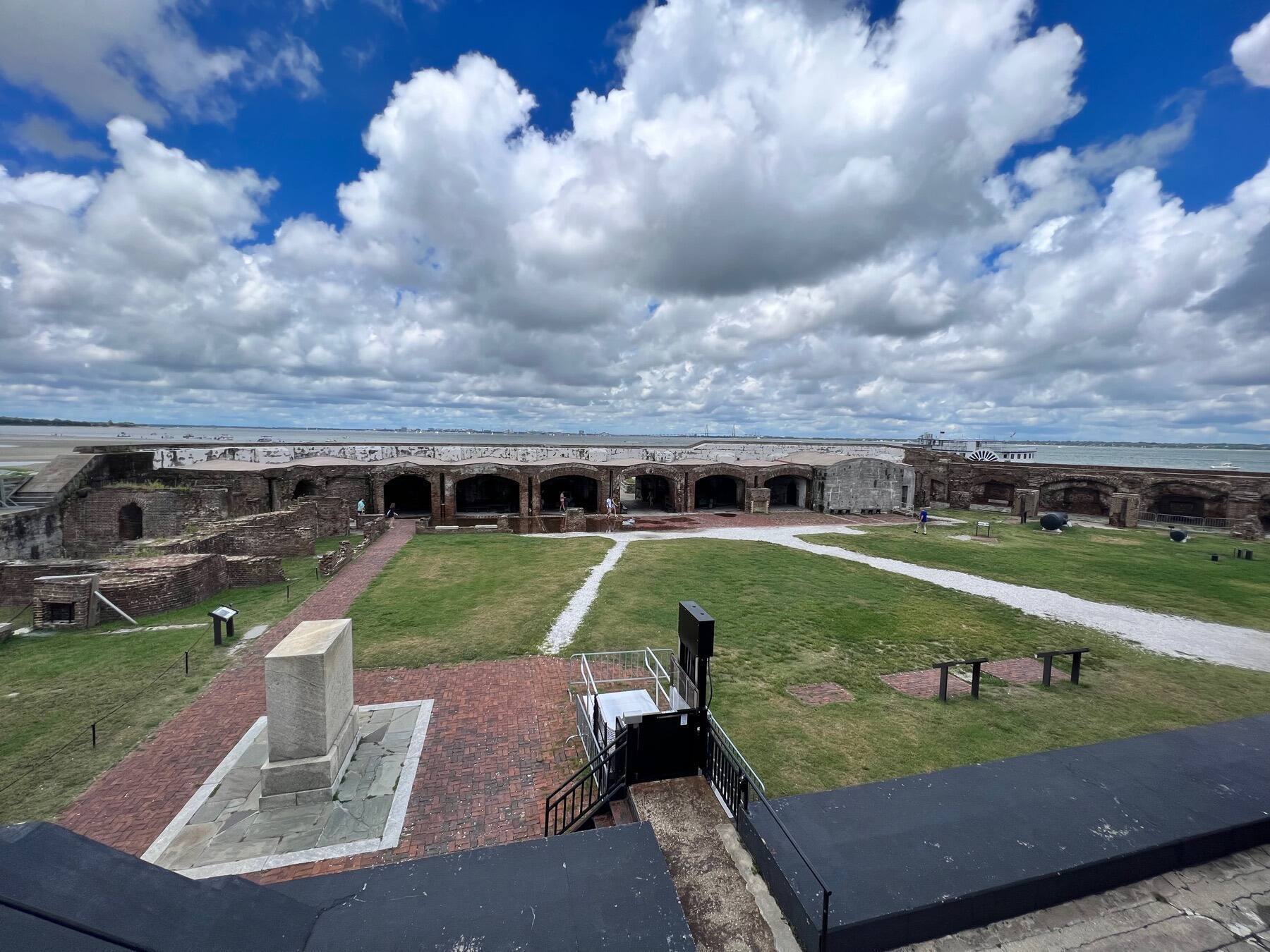
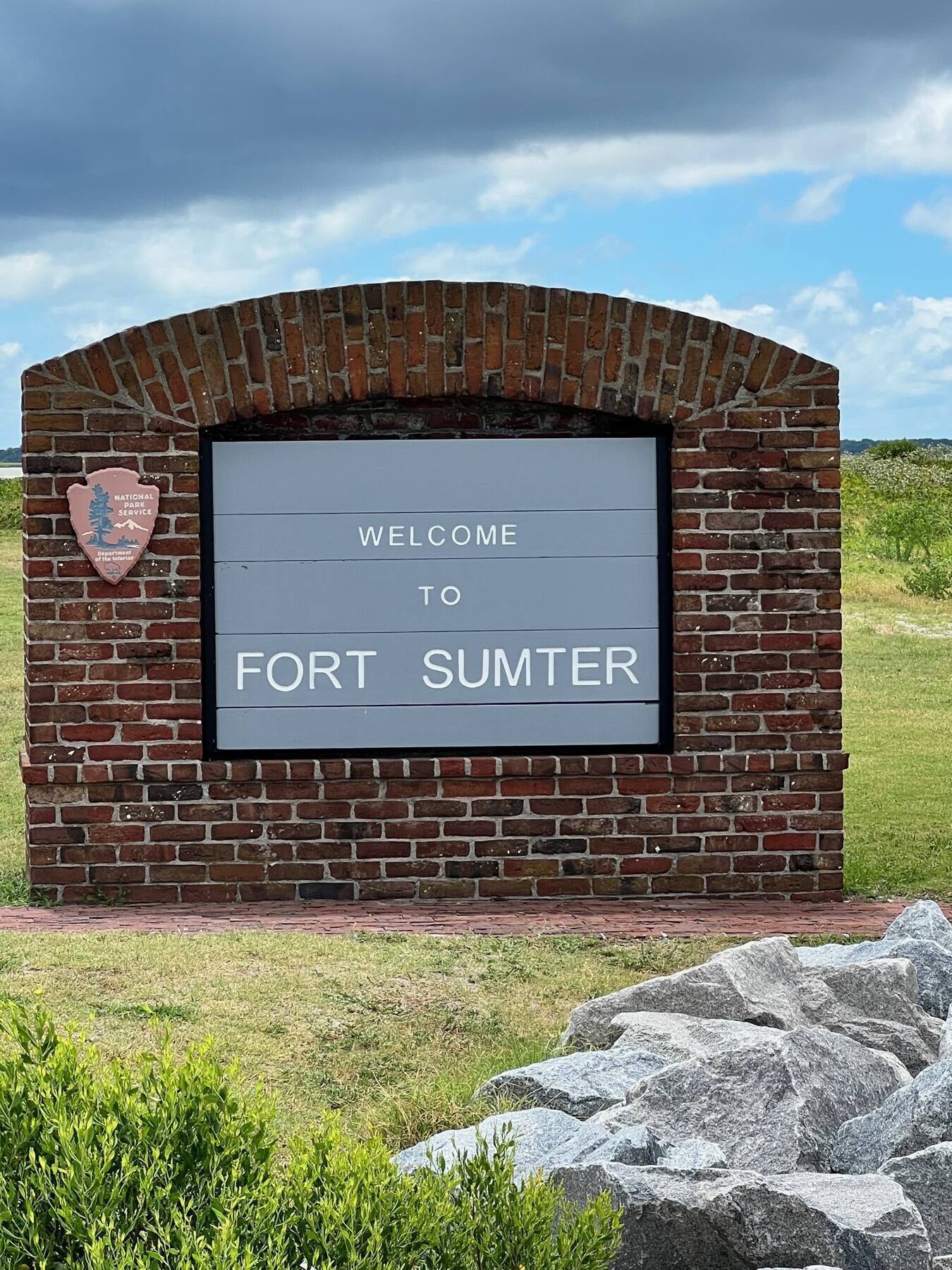
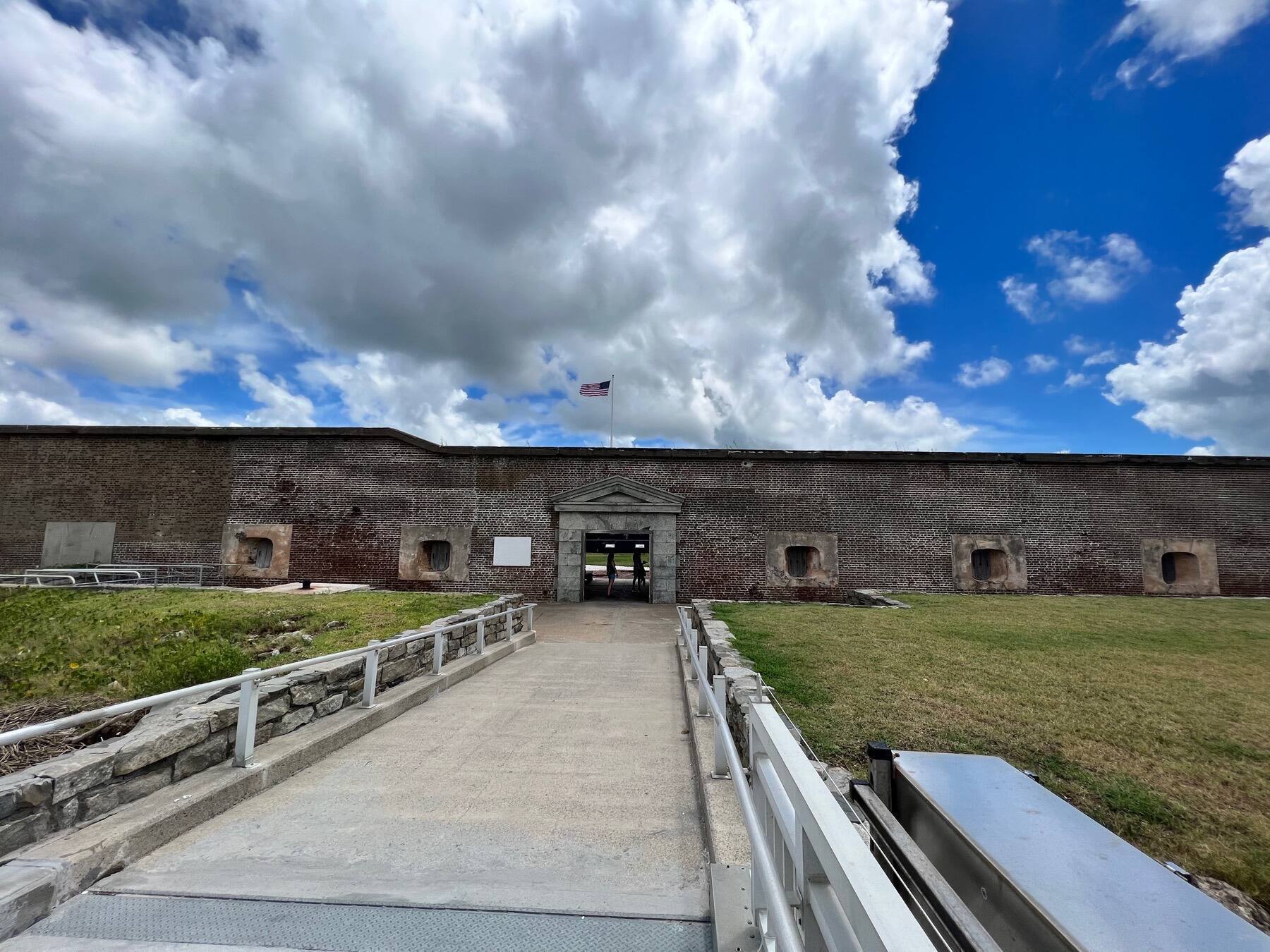
Then take the ferry to Fort Sumter. It is smaller than you expect and more isolated, sitting in the middle of Charleston Harbor on an artificial island with nothing around it but water and the city's skyline in the distance. When Major Robert Anderson moved his 85-man garrison there on the night of December 26, 1860 -- relocating under cover of darkness from the more vulnerable Fort Moultrie on Sullivan's Island -- the fort was still unfinished. No supplies, no reinforcements coming, Confederate batteries surrounding it on every shore. On April 11, 1861, Confederate General P.G.T. Beauregard demanded surrender. Anderson refused. At 4:30 in the morning on April 12th, the bombardment began. It lasted 34 hours. When Anderson marched his men out, they played "Yankee Doodle." On the 50th round of a 100-gun salute, an accidental explosion killed Private Daniel Hough -- the first casualty of the Civil War. Standing in the fort and understanding the geometry of what happened -- the ring of Confederate batteries, the unfinished walls, the impossible supply situation -- is a different education than reading about it.
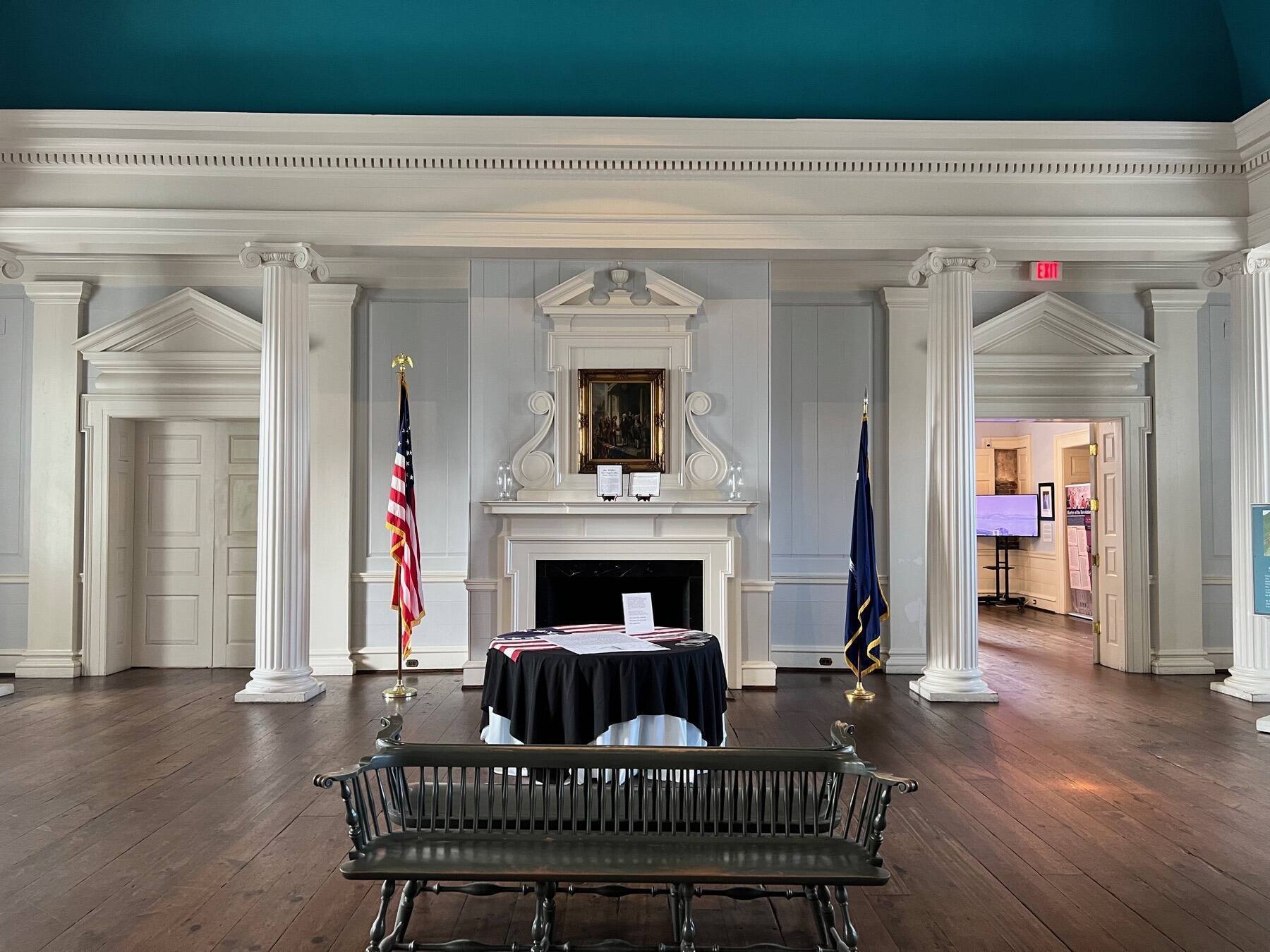
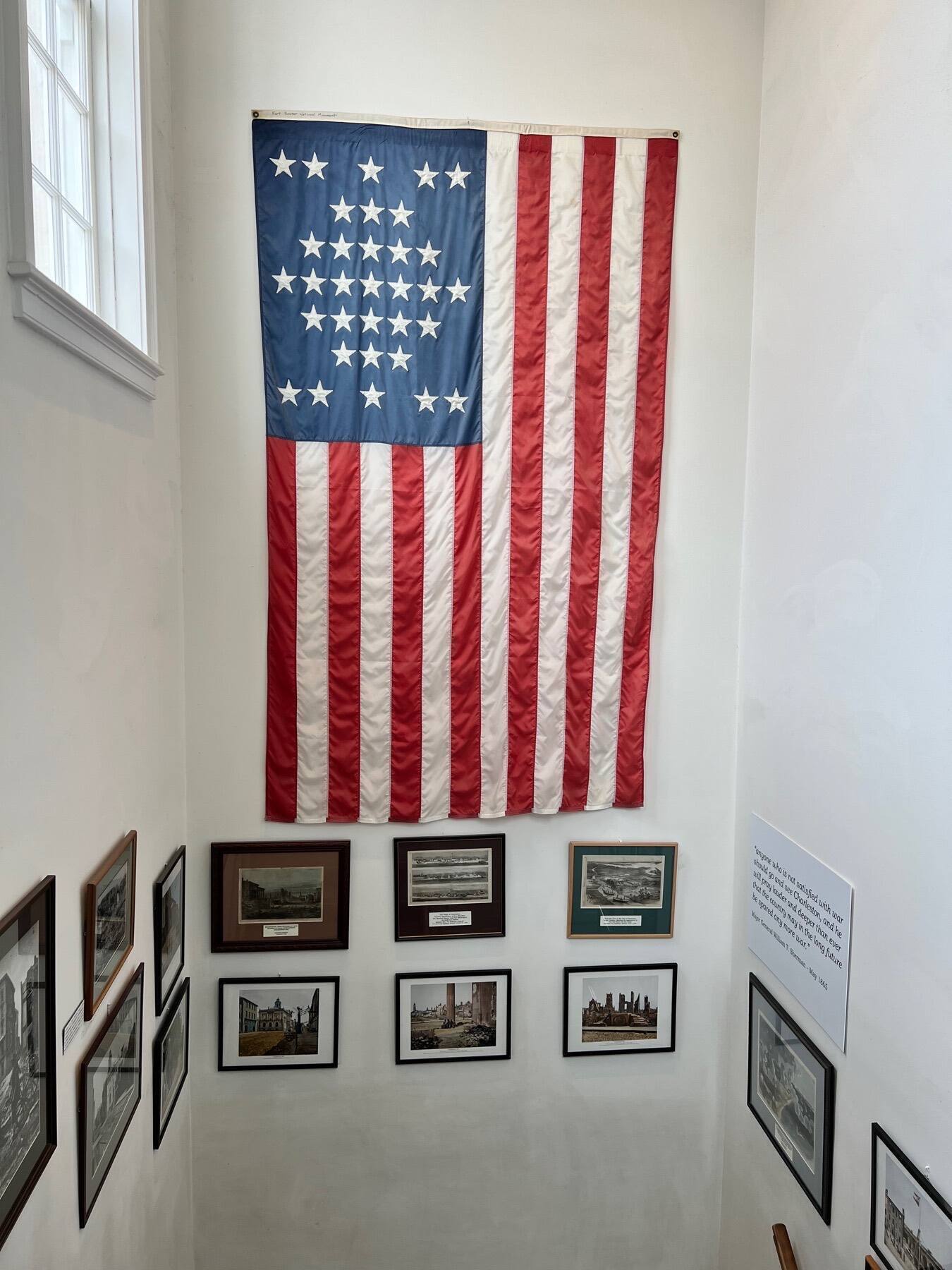
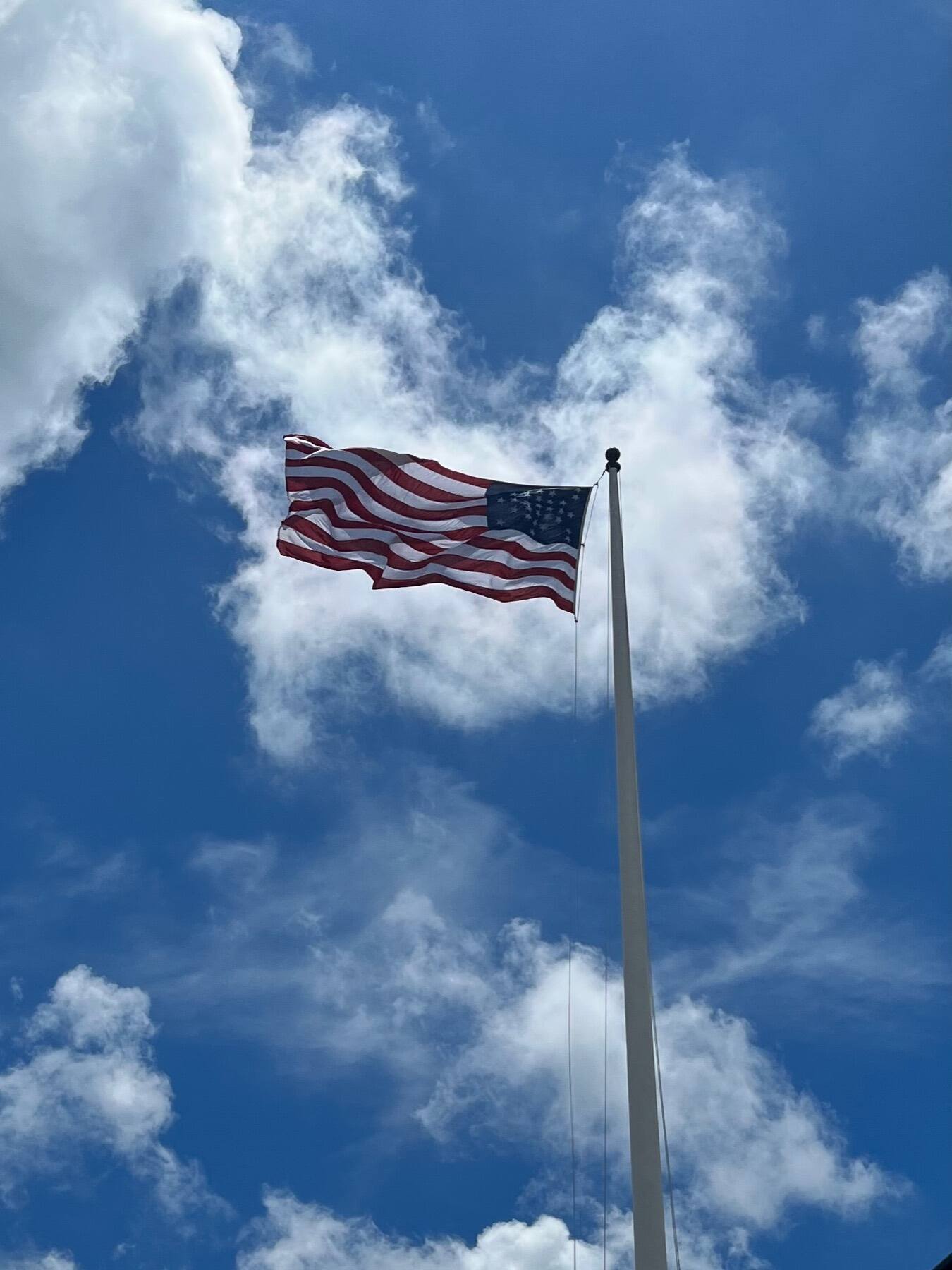
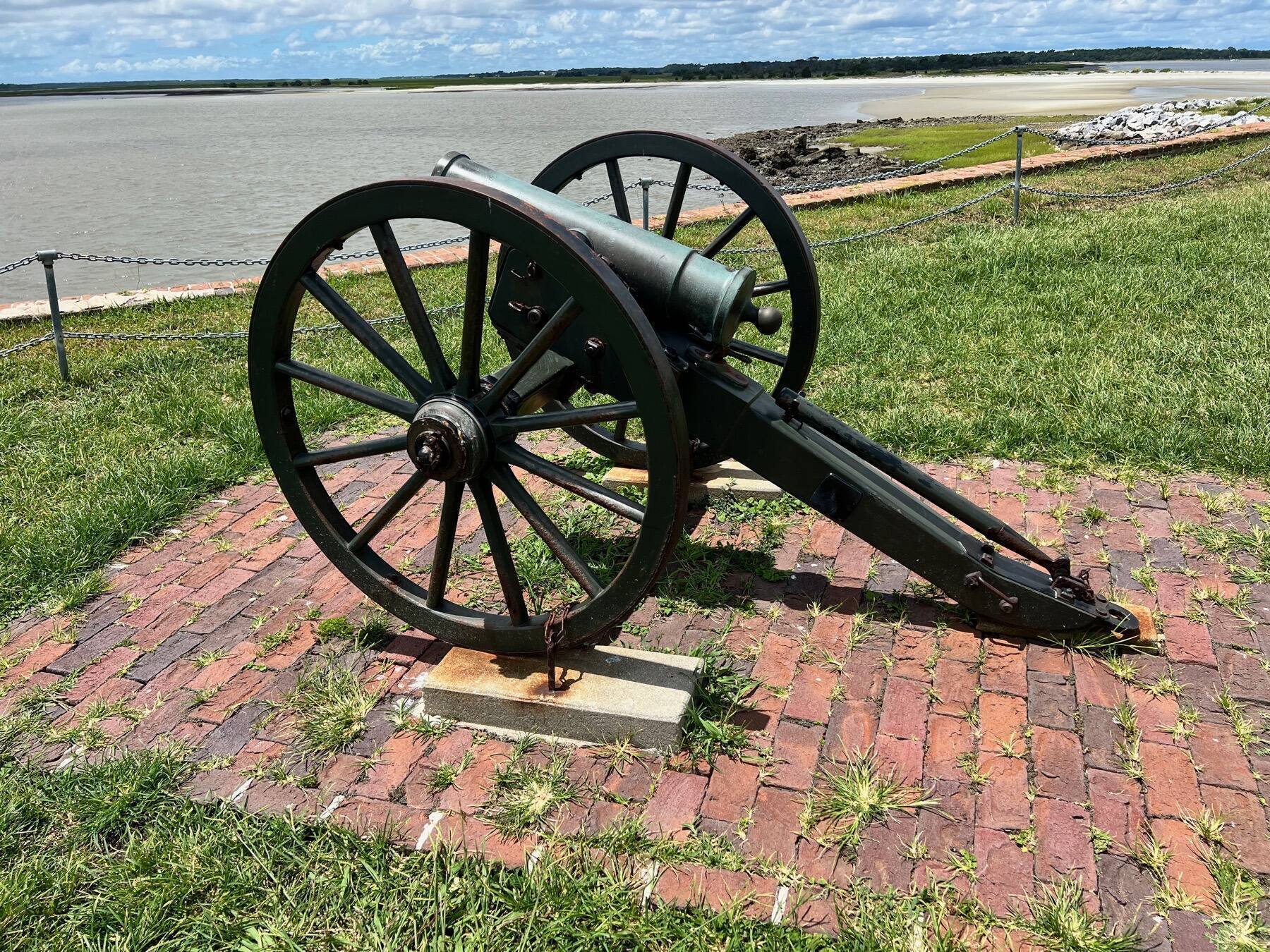
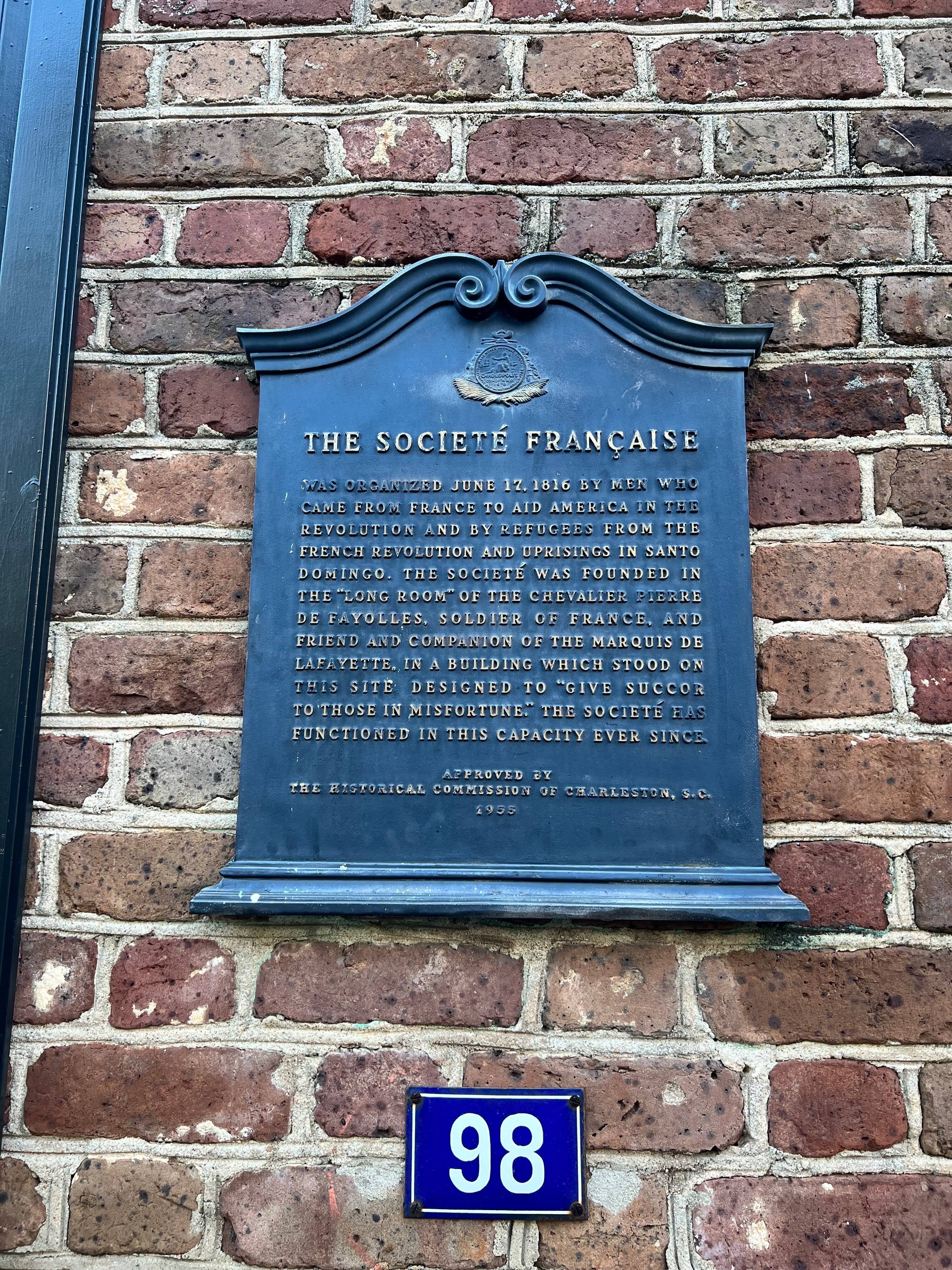
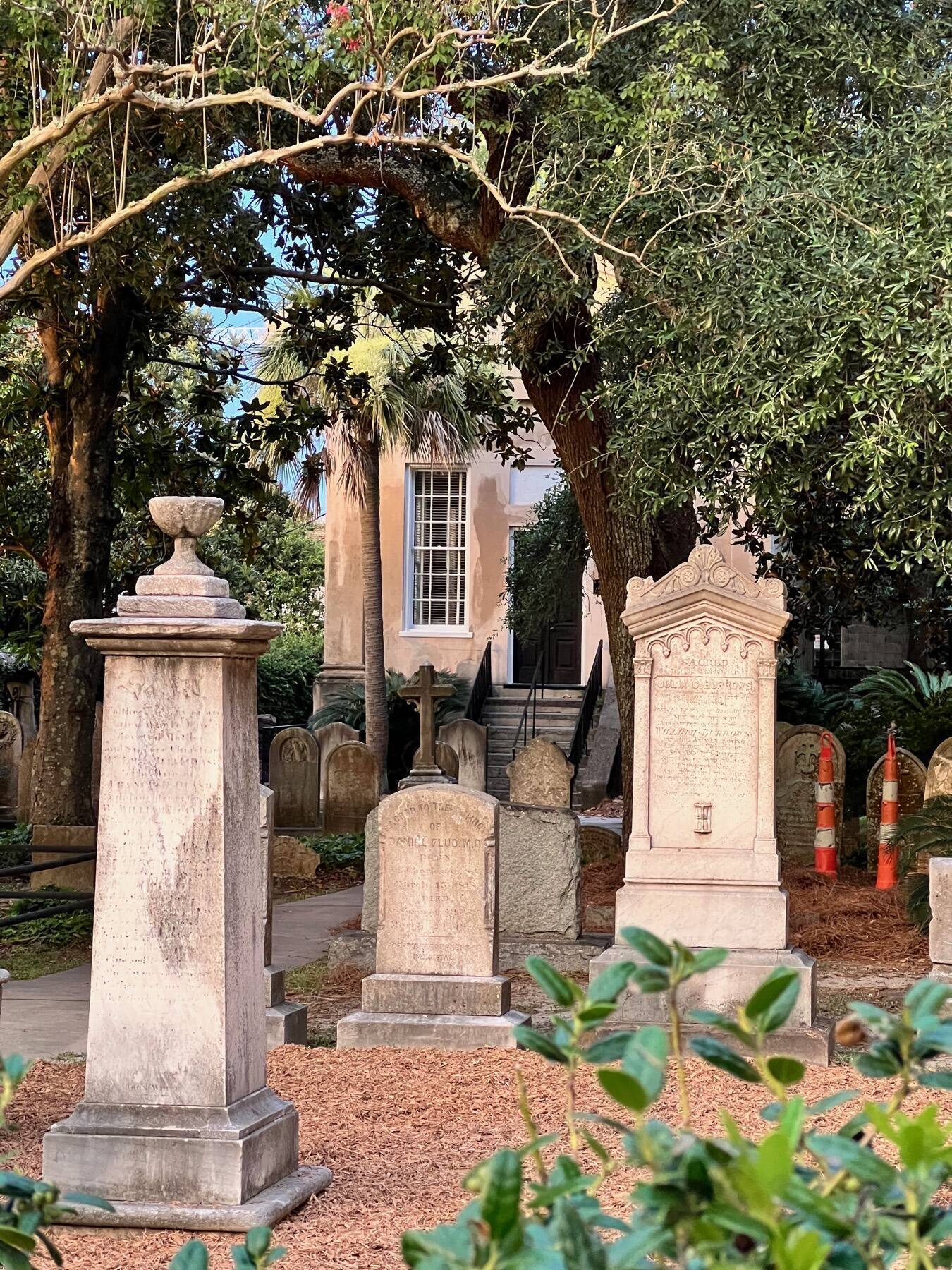
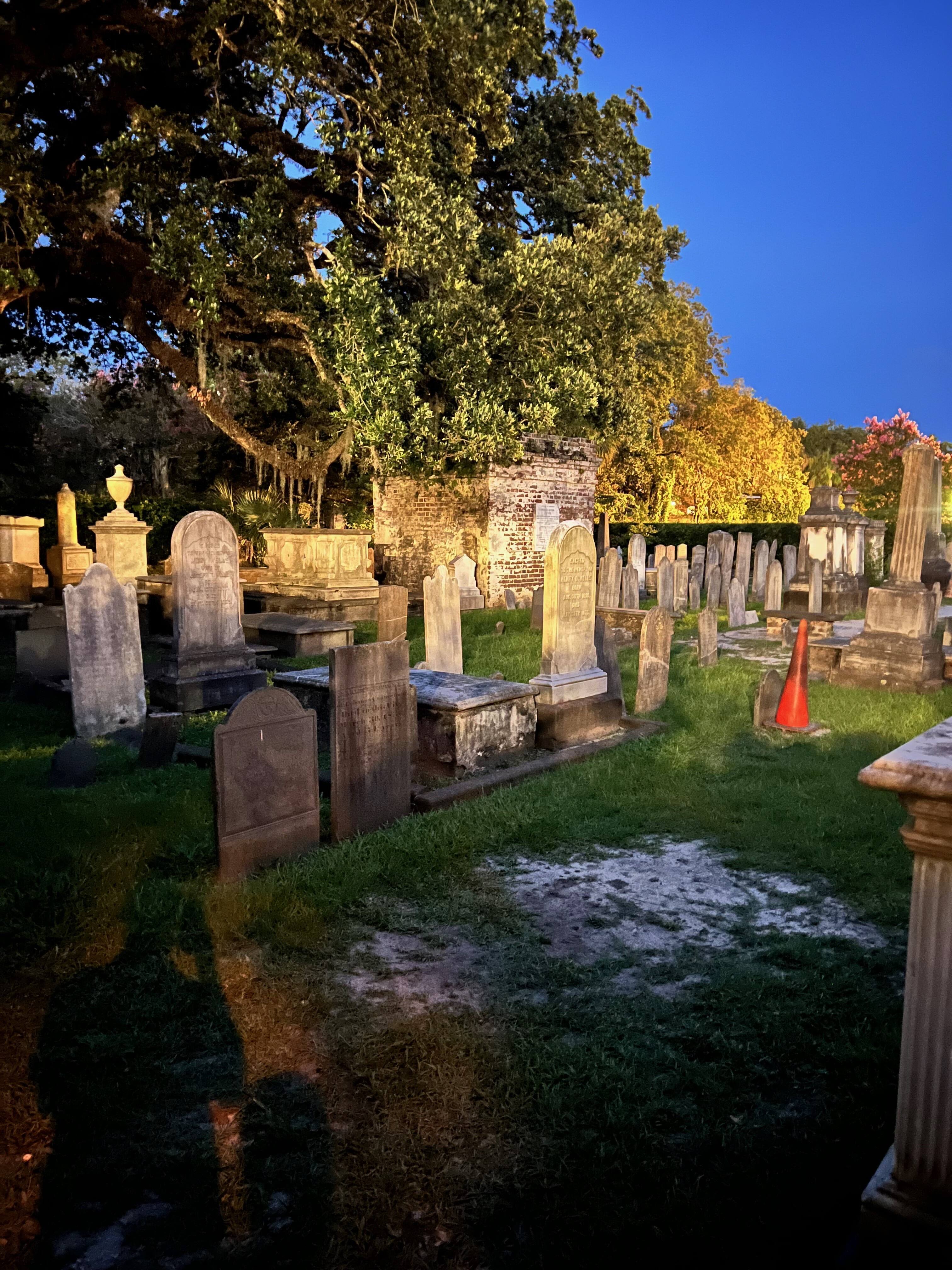
The French Quarter, between Broad Street and the Cooper River, is the city's oldest neighborhood -- the narrow alleys, the half-hidden courtyards, the church graveyards that predate the Republic. It is also where Charleston is most openly haunted, not in the commercial ghost tour sense, but in the sense that the past is simply present here in a way it isn't in most American cities. I did a ghost tour through the graveyards one evening -- the stories are genuinely unsettling, as they should be in a city this old, with this much history compressed into this small a peninsula. What I remember most is walking the churchyards afterward and understanding that the distinction between the ghost story and the history is thinner here than anywhere I've been. One piece of insider knowledge: Edgar Allan Poe was stationed at Fort Moultrie on Sullivan's Island from 1827 to 1828 -- enlisted as a teenager under the alias Edgar A. Perry, trying to escape his debts. He rose from private to regimental sergeant major. The island's marshes and the harbor he looked out at became the setting for "The Gold-Bug," his most widely read story during his lifetime. Sullivan's Island is a short drive across the harbor. Poe's Tavern is still there, still serving, still decorated with his face on every wall.
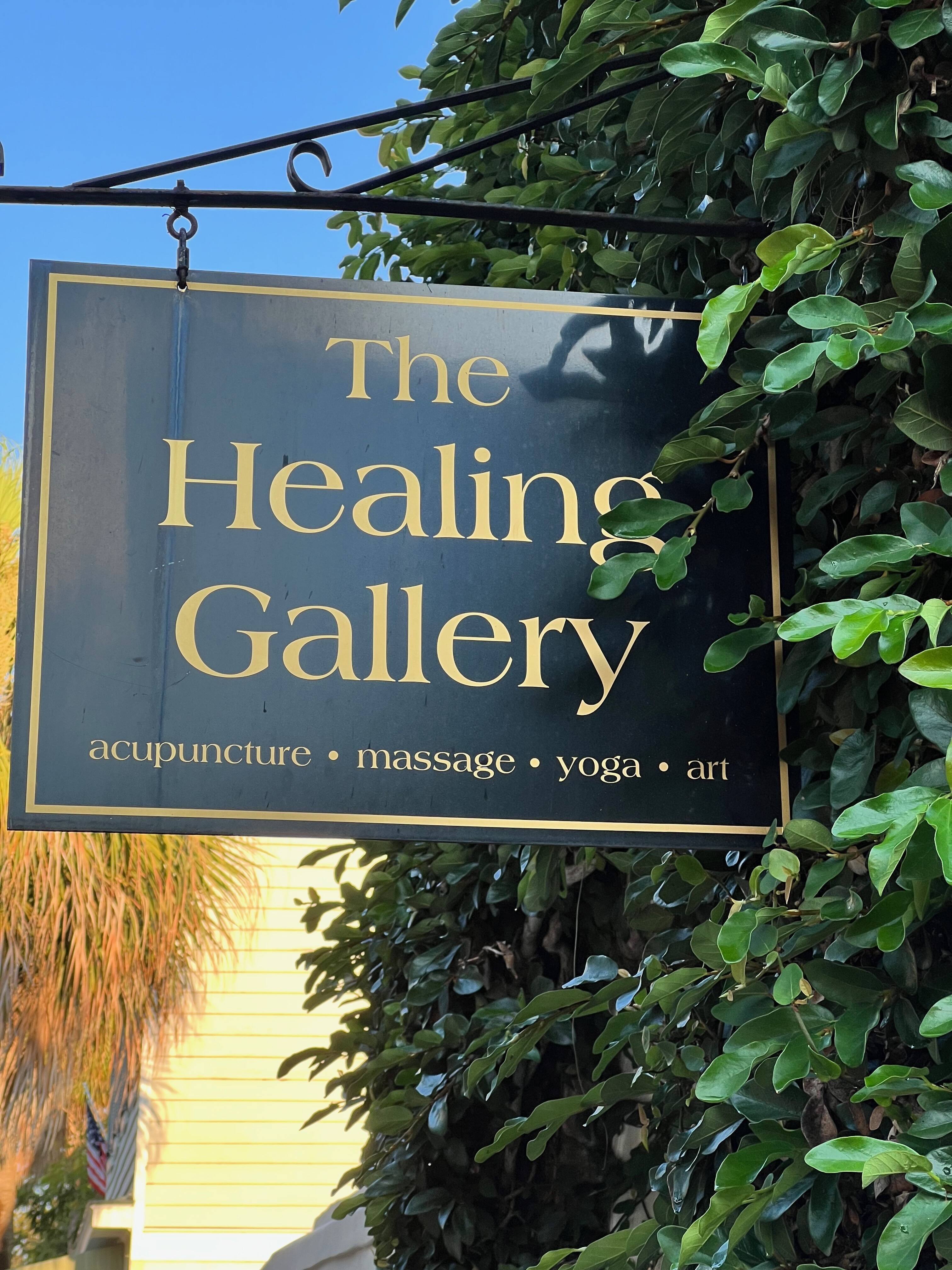
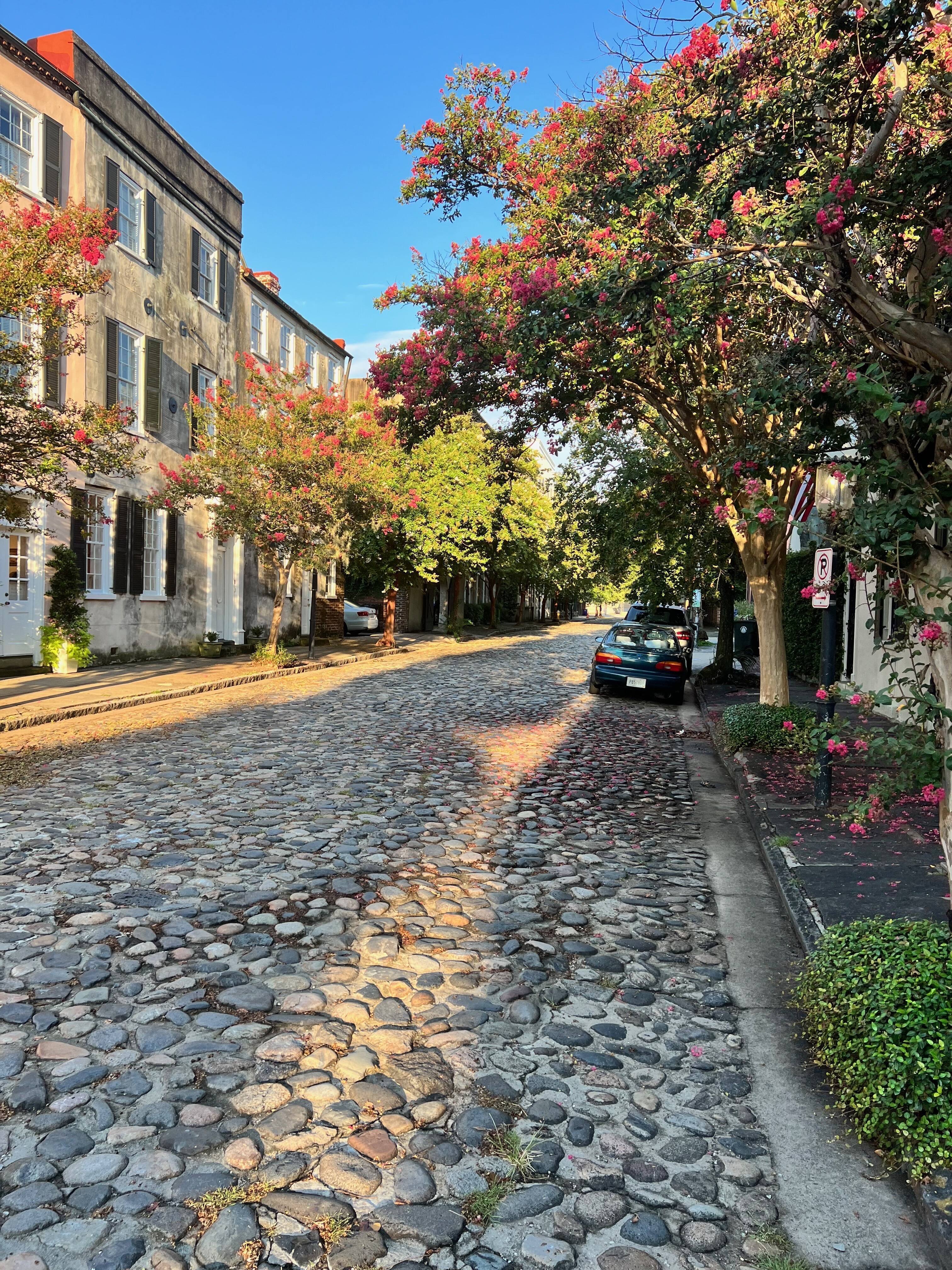
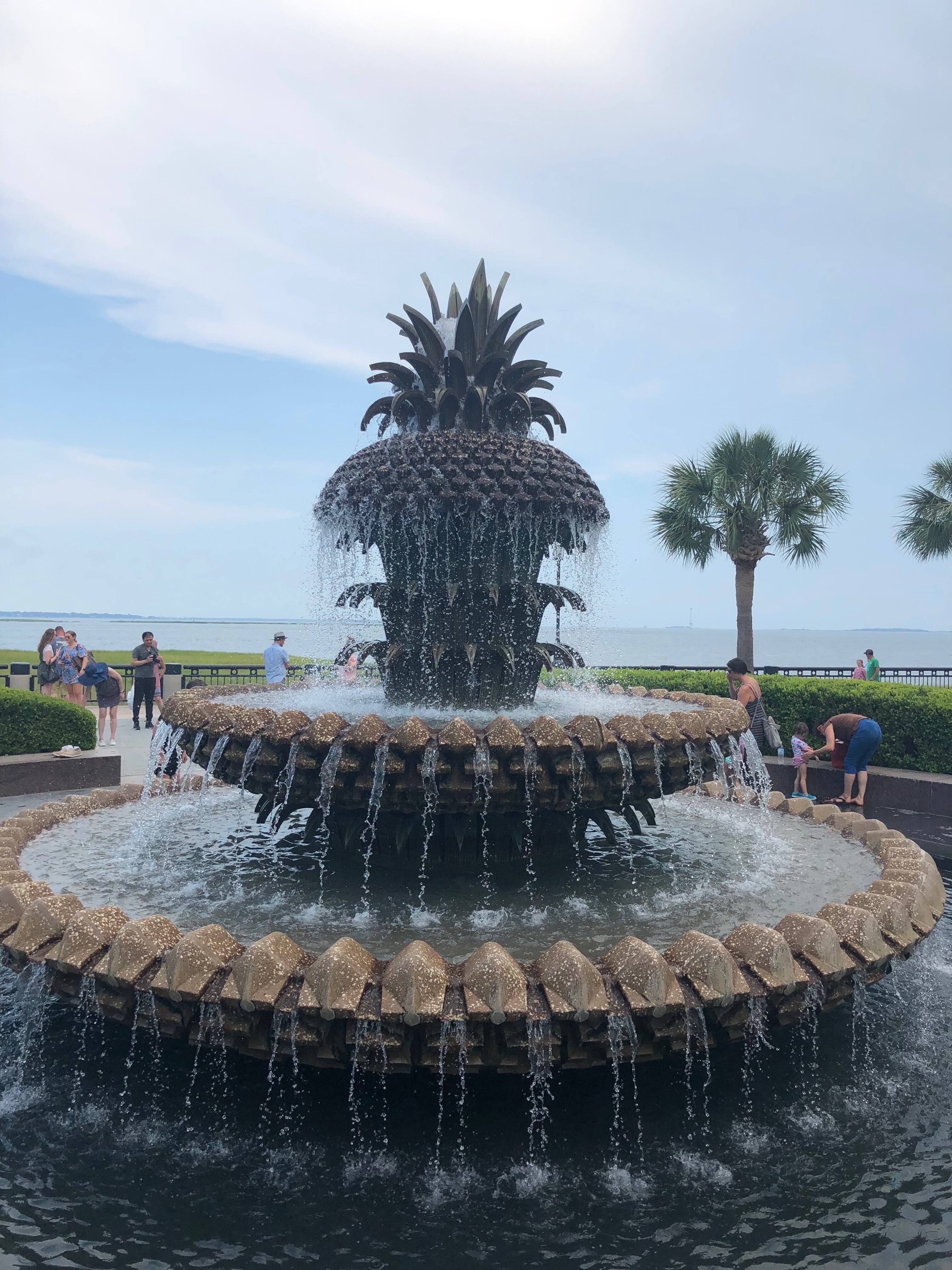
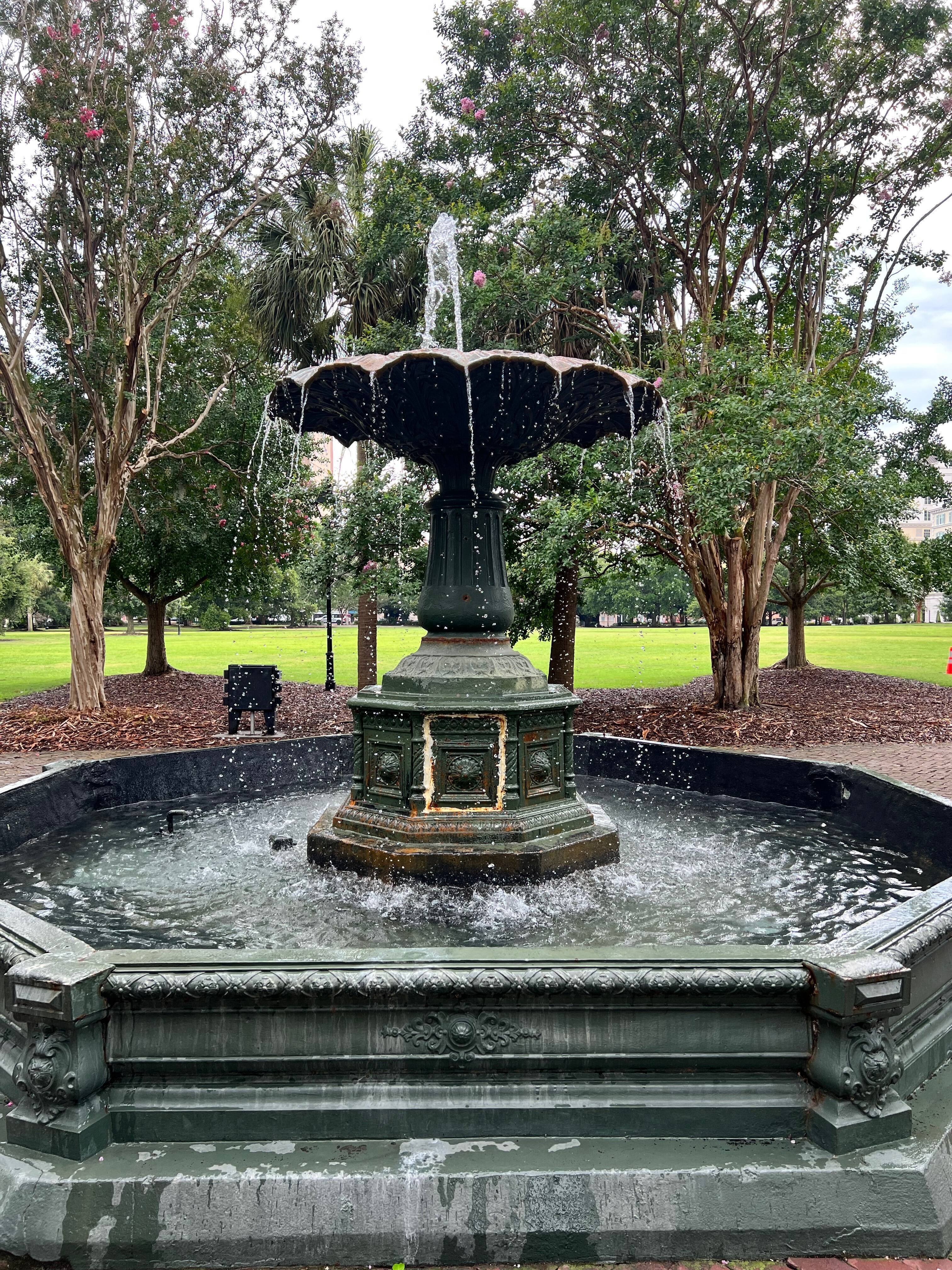
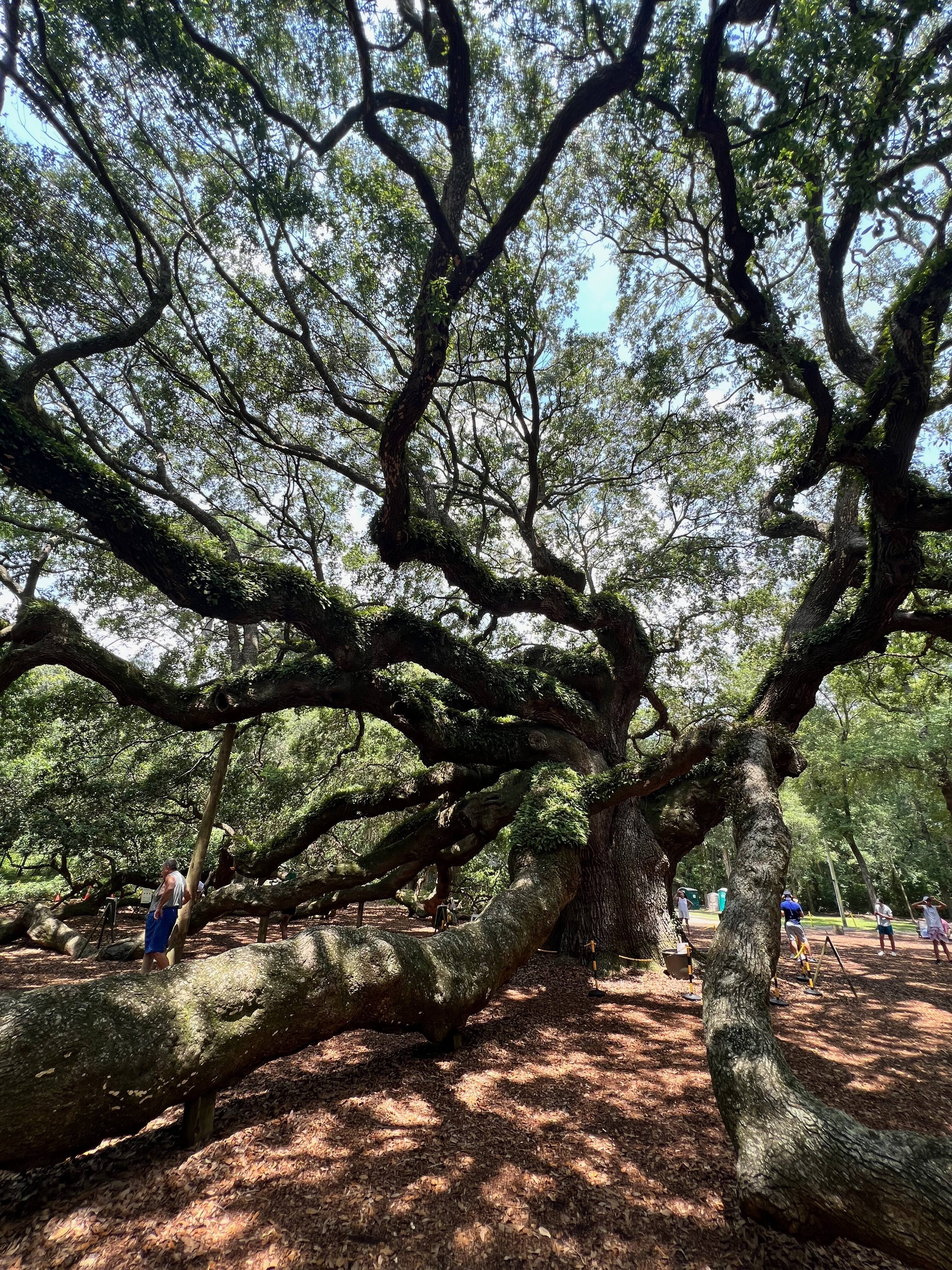
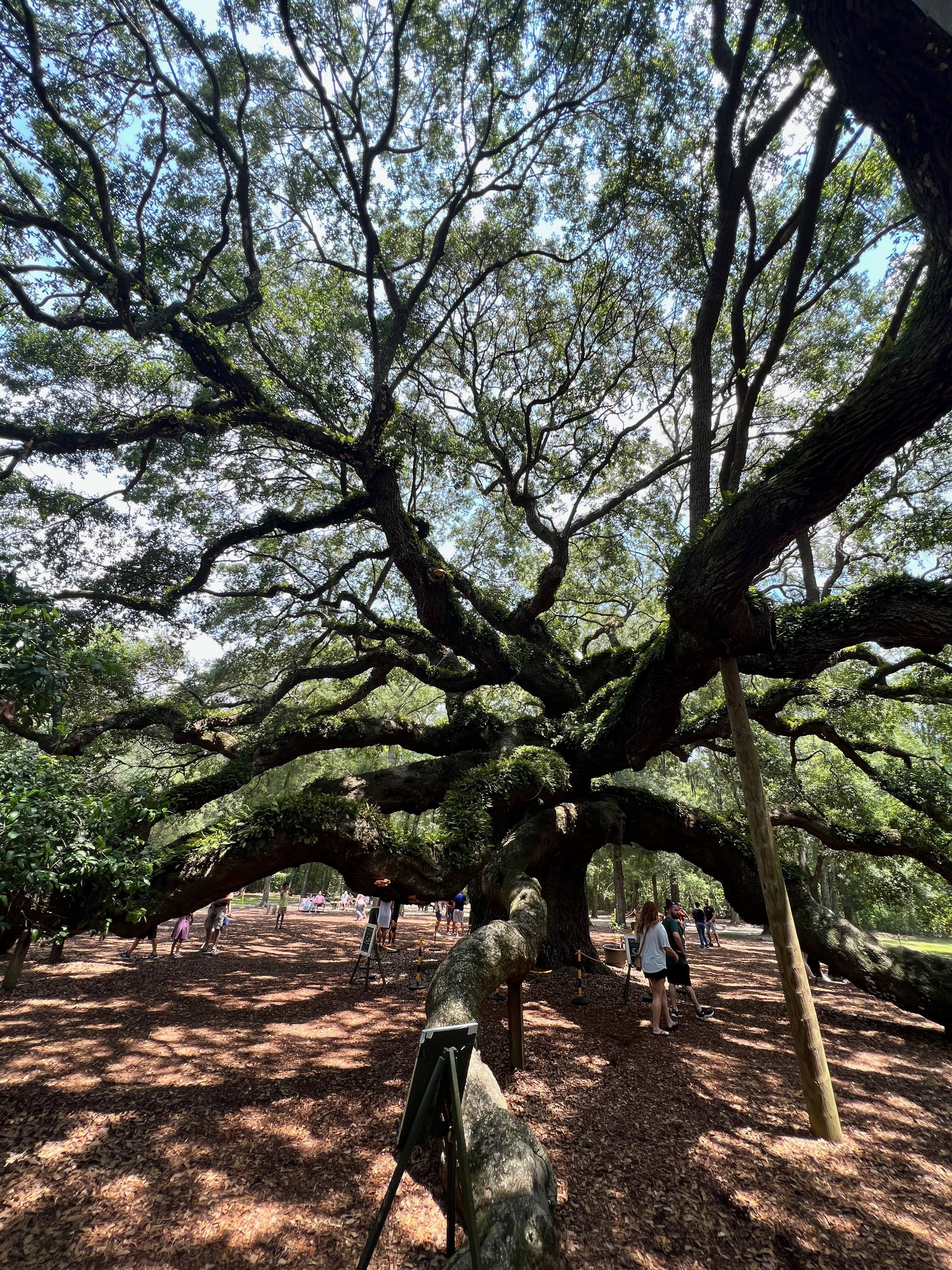
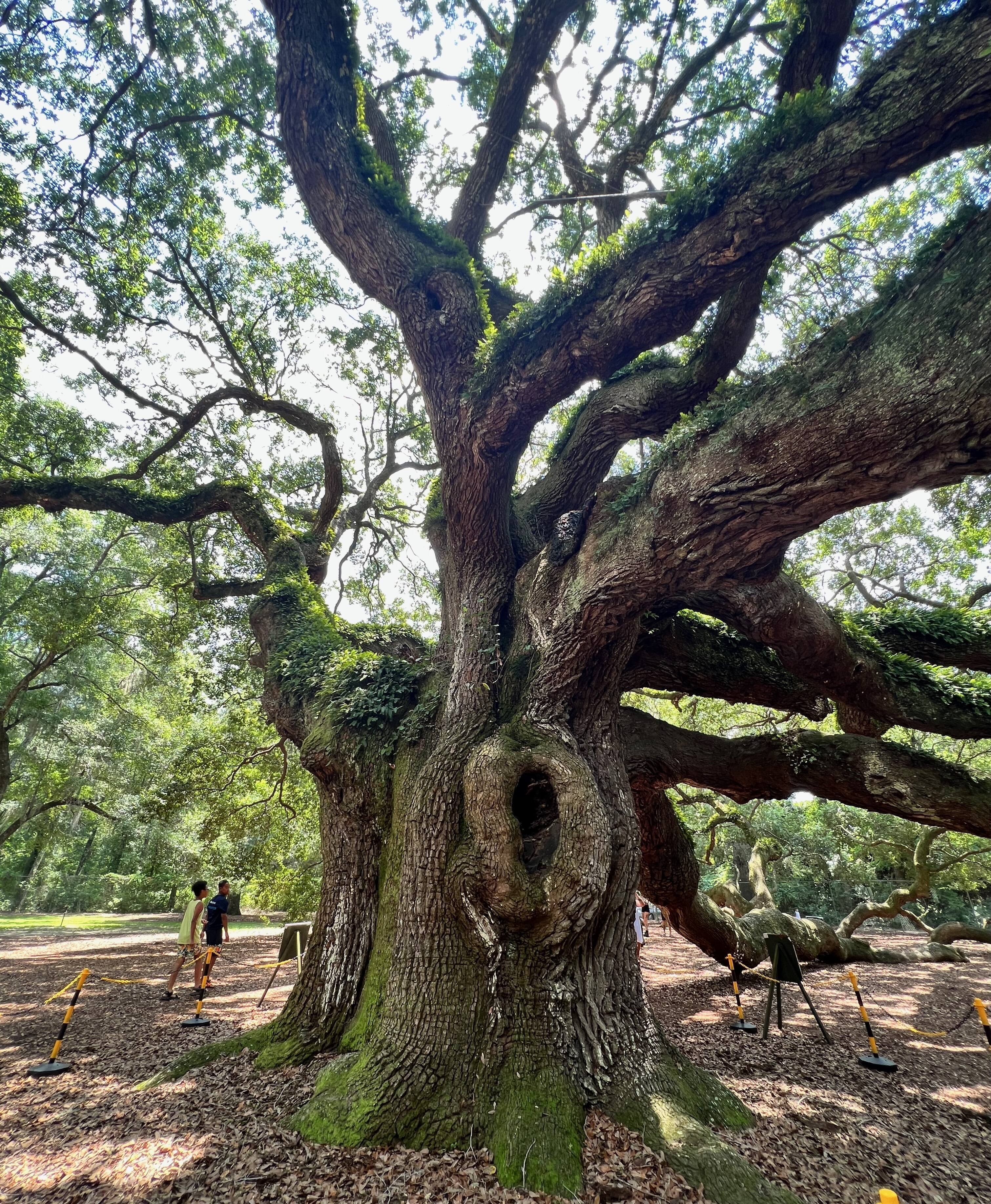
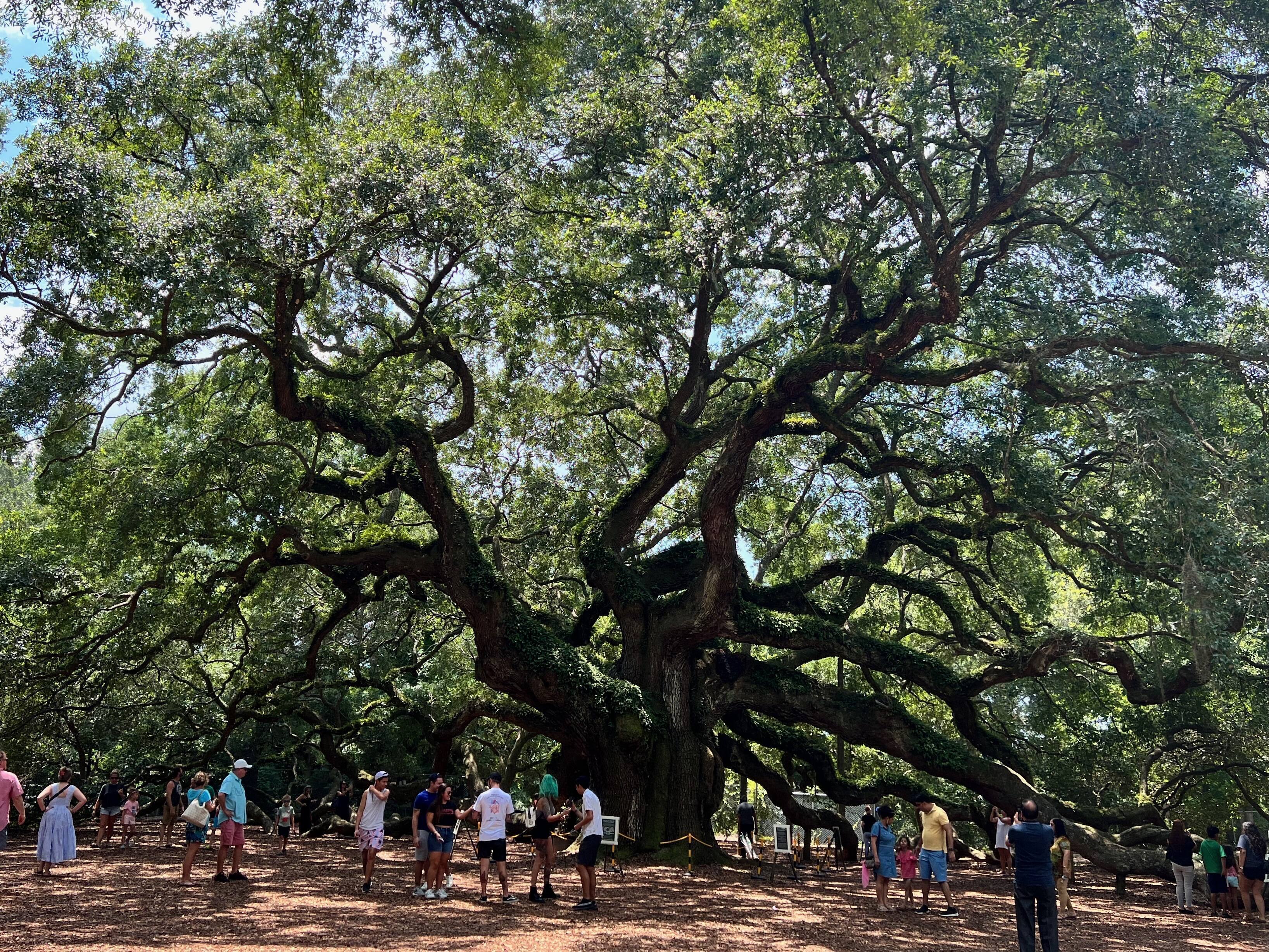
Drive to Johns Island. The Angel Oak is a live oak estimated to be 400 to 500 years old. Its canopy covers more than 17,000 square feet. Its branches reach the ground in places and rise again. It is one of the oldest living things east of the Mississippi, and standing beneath it -- which is the only appropriate response, standing beneath it and looking up -- you understand immediately why certain cultures do not have a word for the sacred that is separate from the word for a very large, very old tree. It was alive before the colony was founded. It survived the plantation era, the Civil War, two centuries of hurricanes. It is still here. Go in the morning, before the crowds. Give it more time than you think you need.
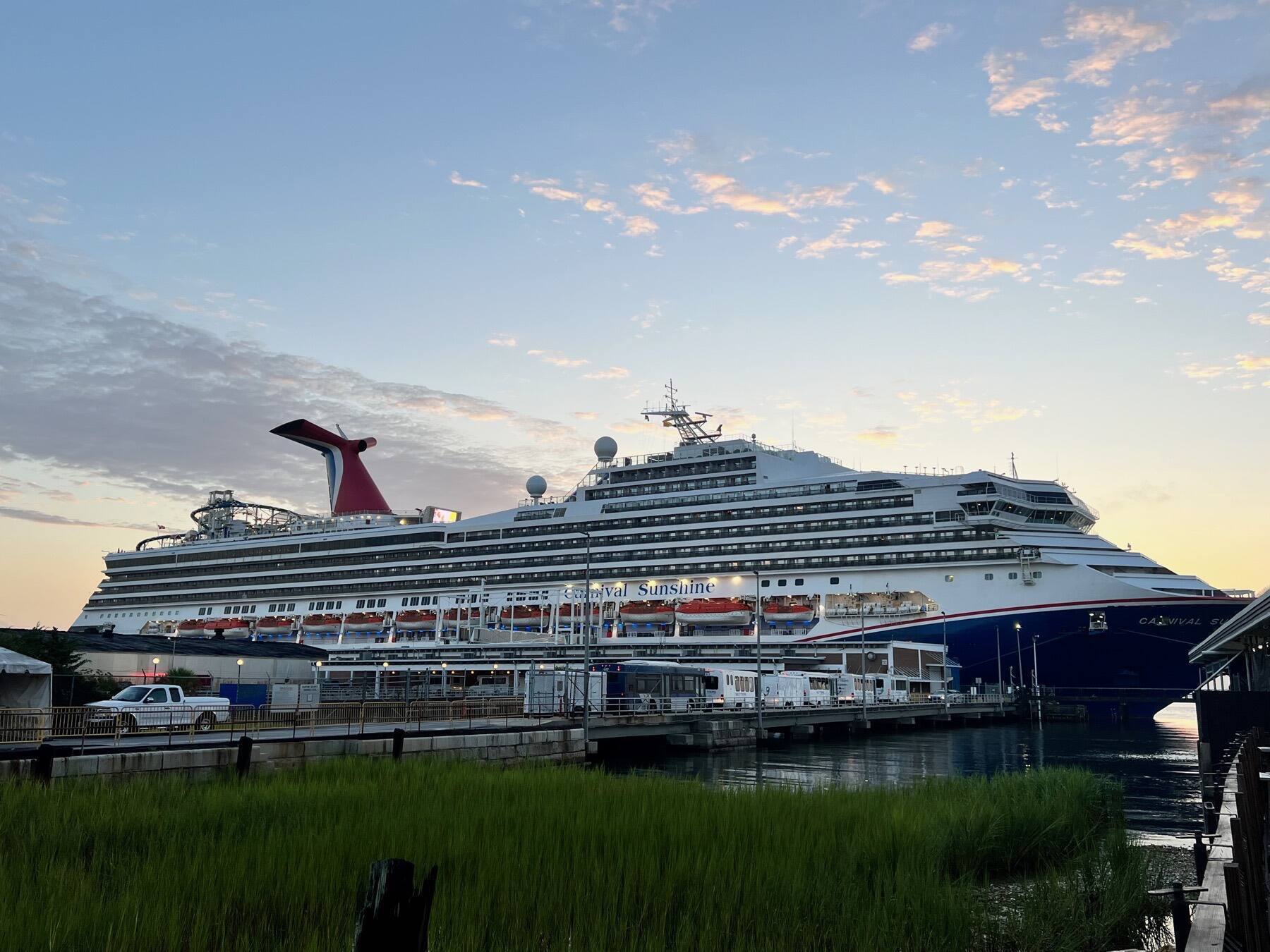
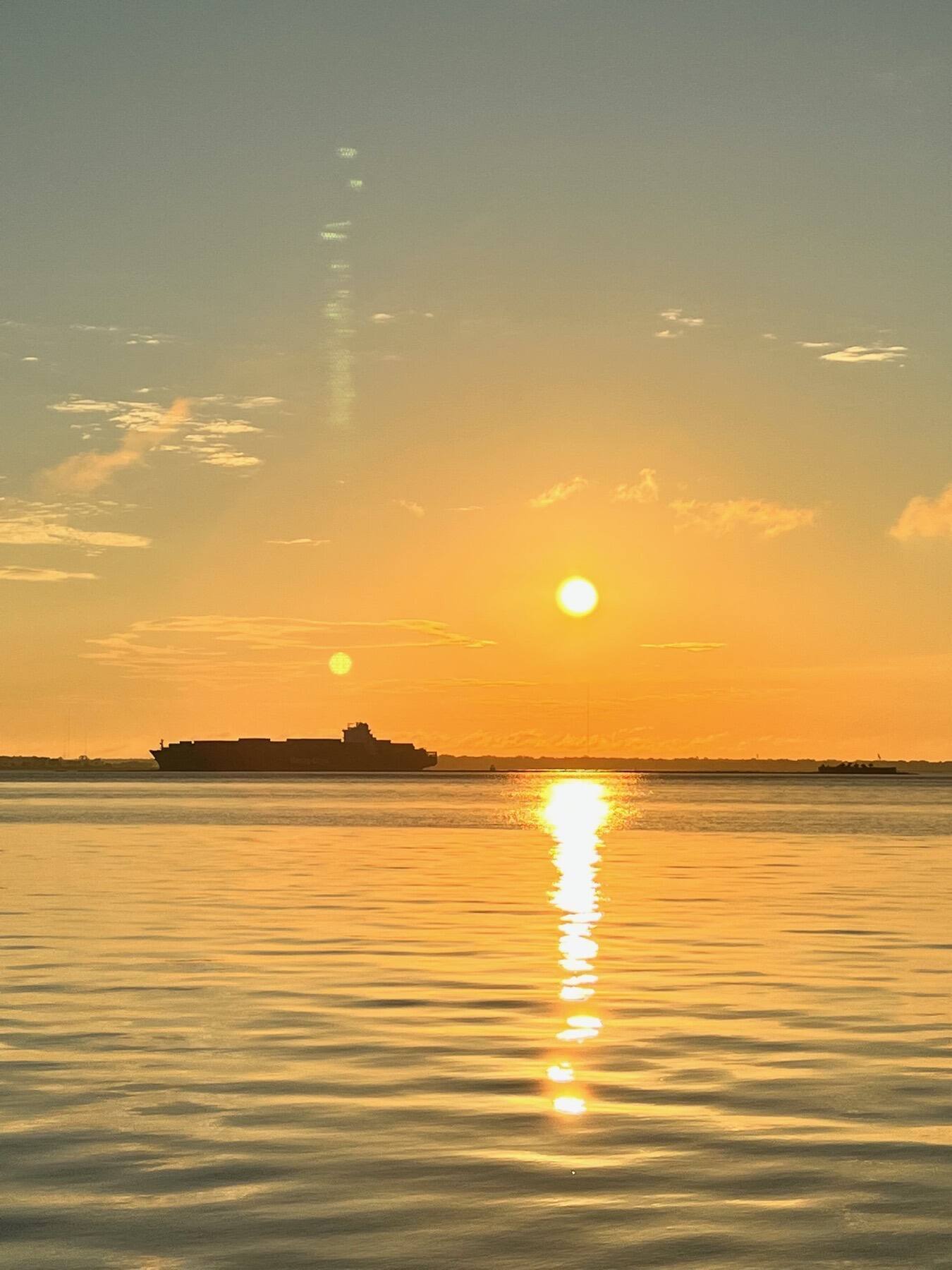
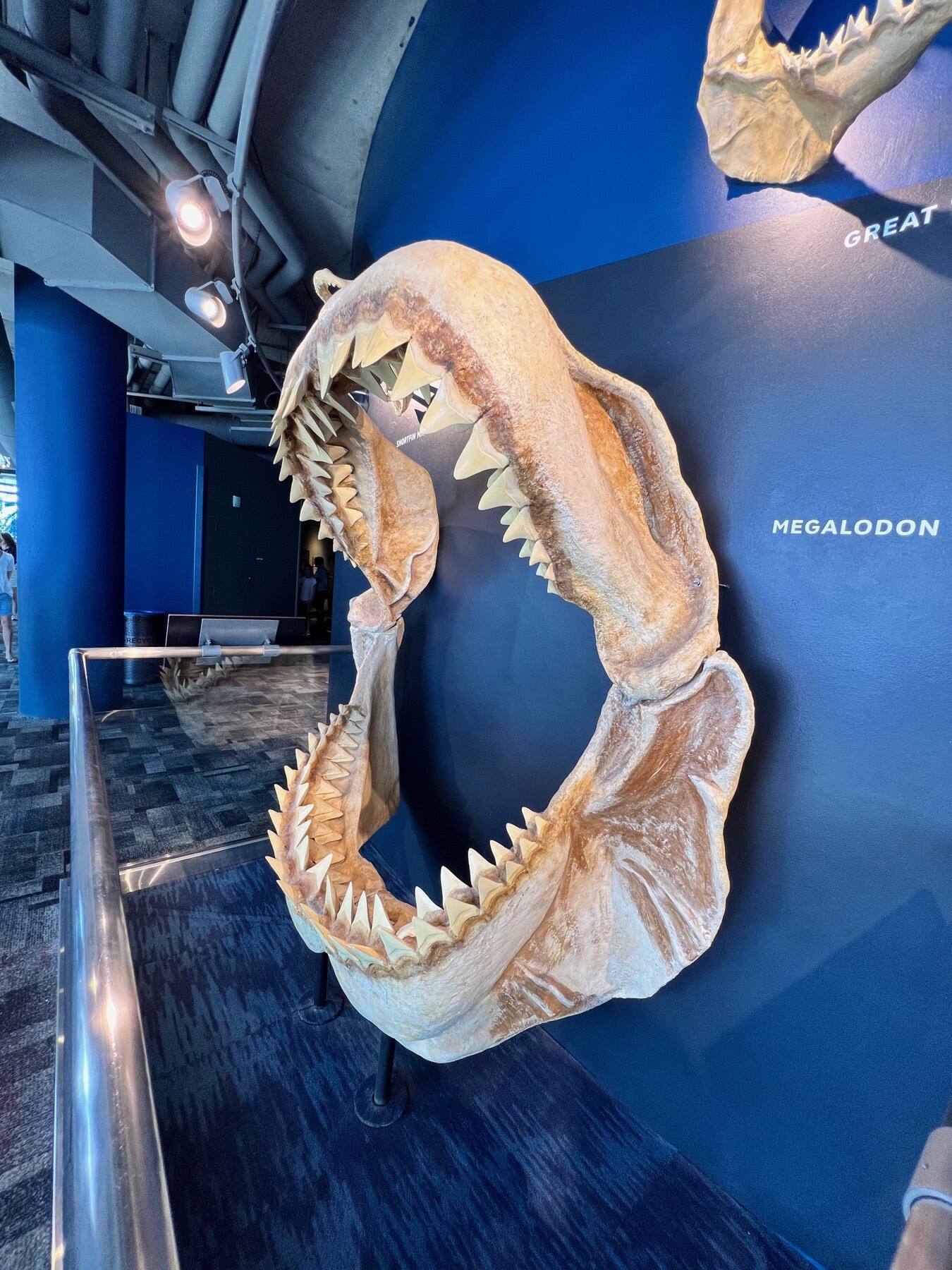
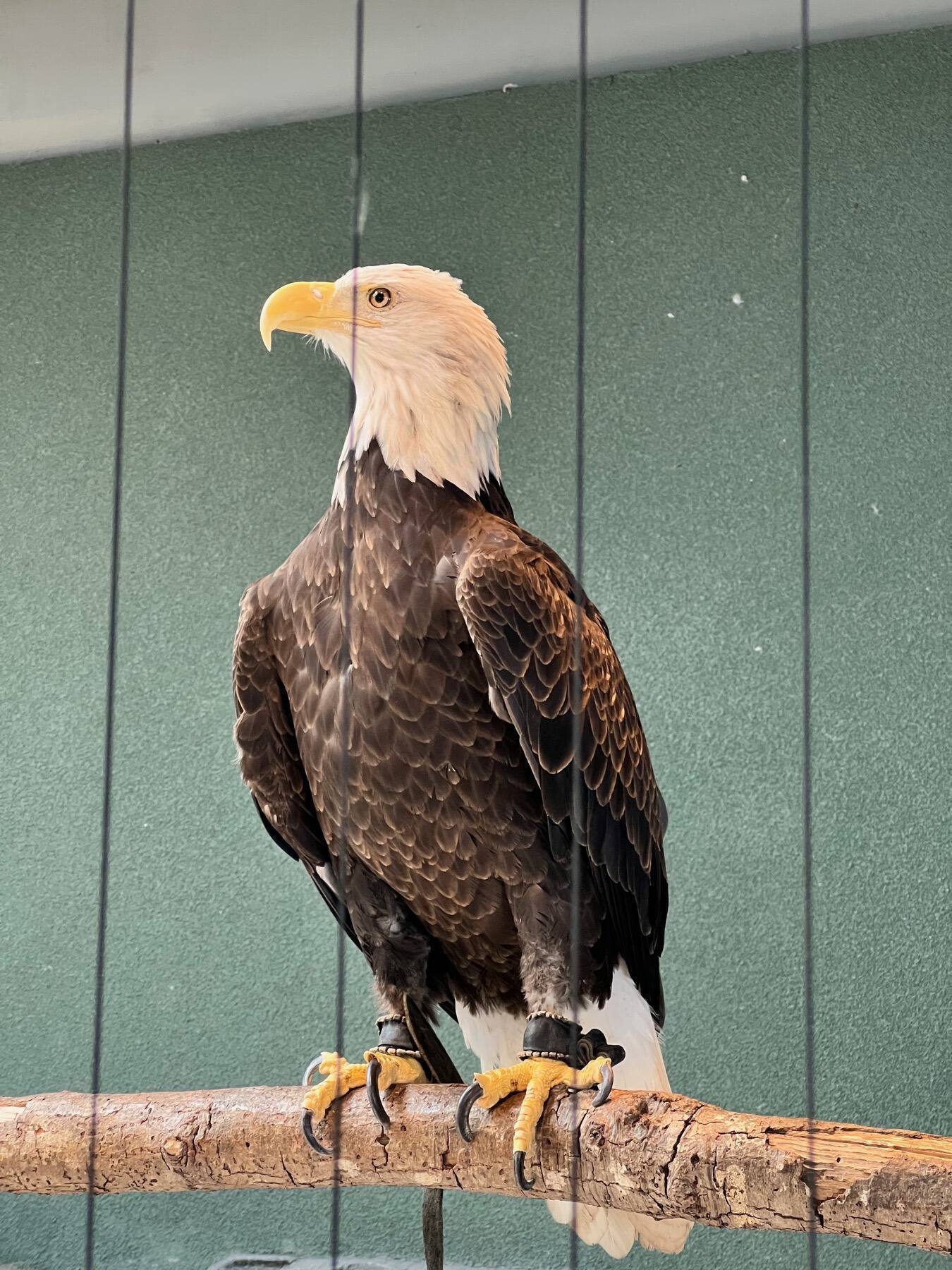
Charleston's relationship to water is total. The Cooper River and the Ashley River frame the peninsula. The harbor opens to the Atlantic. The tidal marshes on the sea islands extend the relationship in every direction. The sunsets from the Battery -- standing at the seawall where the harbor meets the open water, Fort Sumter visible on its island, the city's skyline behind you -- are some of the most beautiful I've seen anywhere. The South Carolina Aquarium on the Cooper River is worth an afternoon: the sea turtles in rehabilitation, the bald eagles recovering from injury, the shark tank, the tank full of schooling fish that moves like a single organism. Liberty, the bald eagle in residence, watched me watch her for a long time. I looked away first.


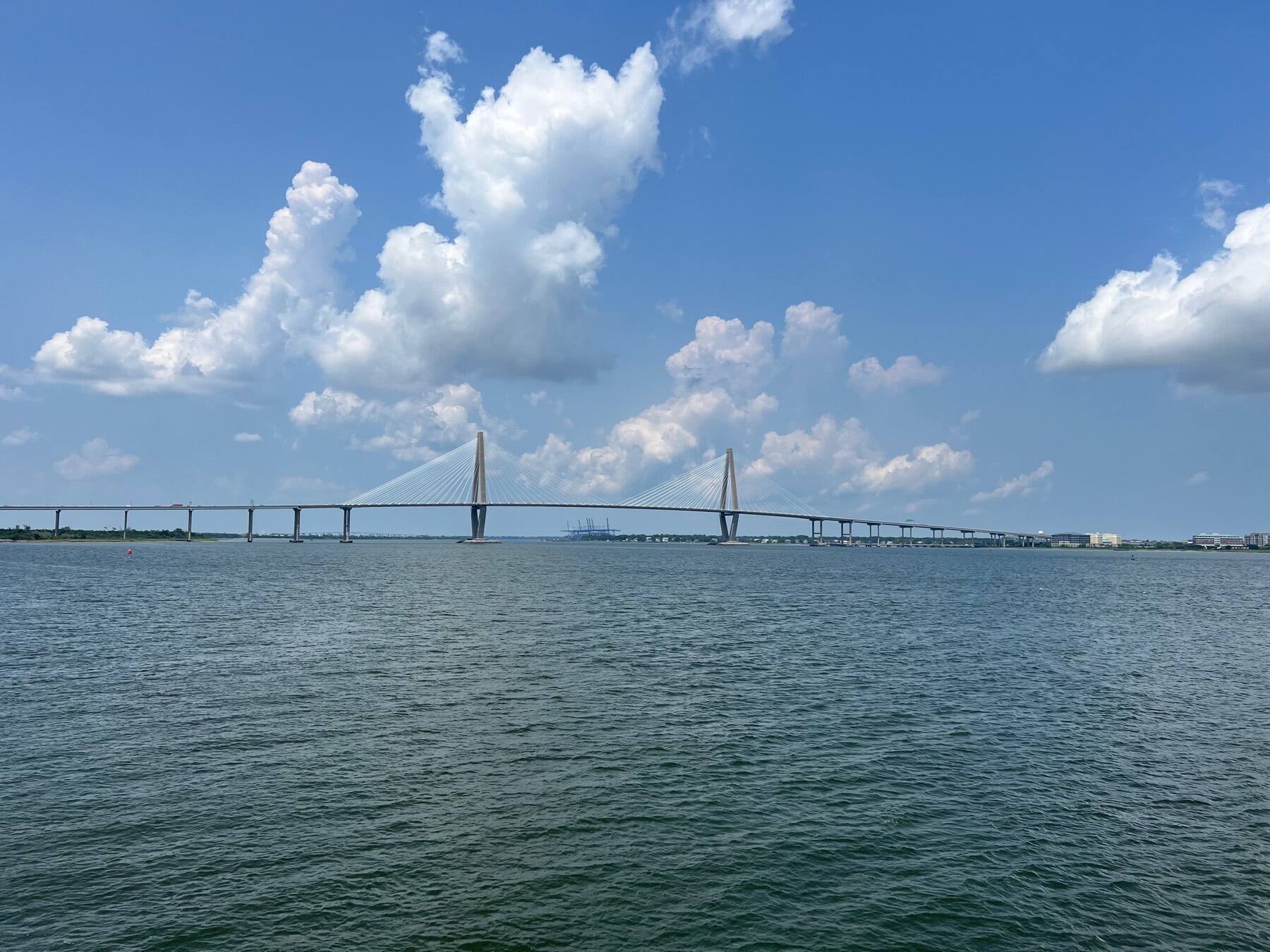

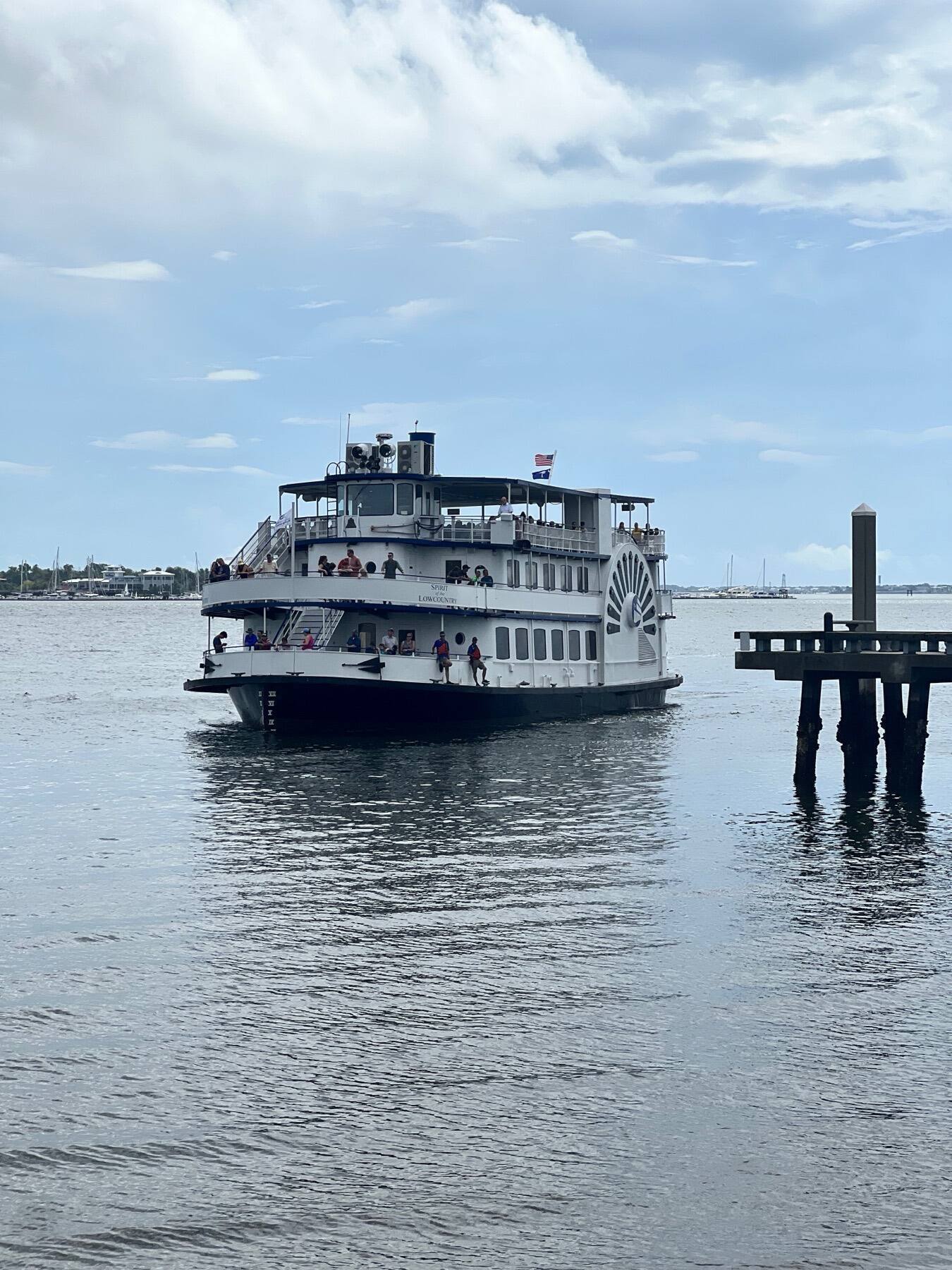
I thought about what it means to say I could live here -- a thought that crossed my mind more than once, walking these streets. It is a real thought. The beauty is real. The pace is real. The food is real, and Off Track Ice Cream is exactly as good as people say. The Gibbes Museum of Art, the galleries on King Street, the live music, the Lowcountry light at dusk -- Charleston earns the attention it gets as a place to live and to visit.
But thinking about living somewhere beautiful that was built by people who were not paid to build it, who were not free, who were not able to think about living anywhere at all -- that thought has to sit alongside the first one. They don't cancel each other out. They make each other more complicated, which is more honest than either thought alone.
Charleston will not let you off the hook. That is its most important quality. The city is too smart, too layered, and too old to let you have the beauty without the history. You can try to separate them. The city will not cooperate.
Go. Walk slowly. Stay longer than you planned. Let both things be true at once.