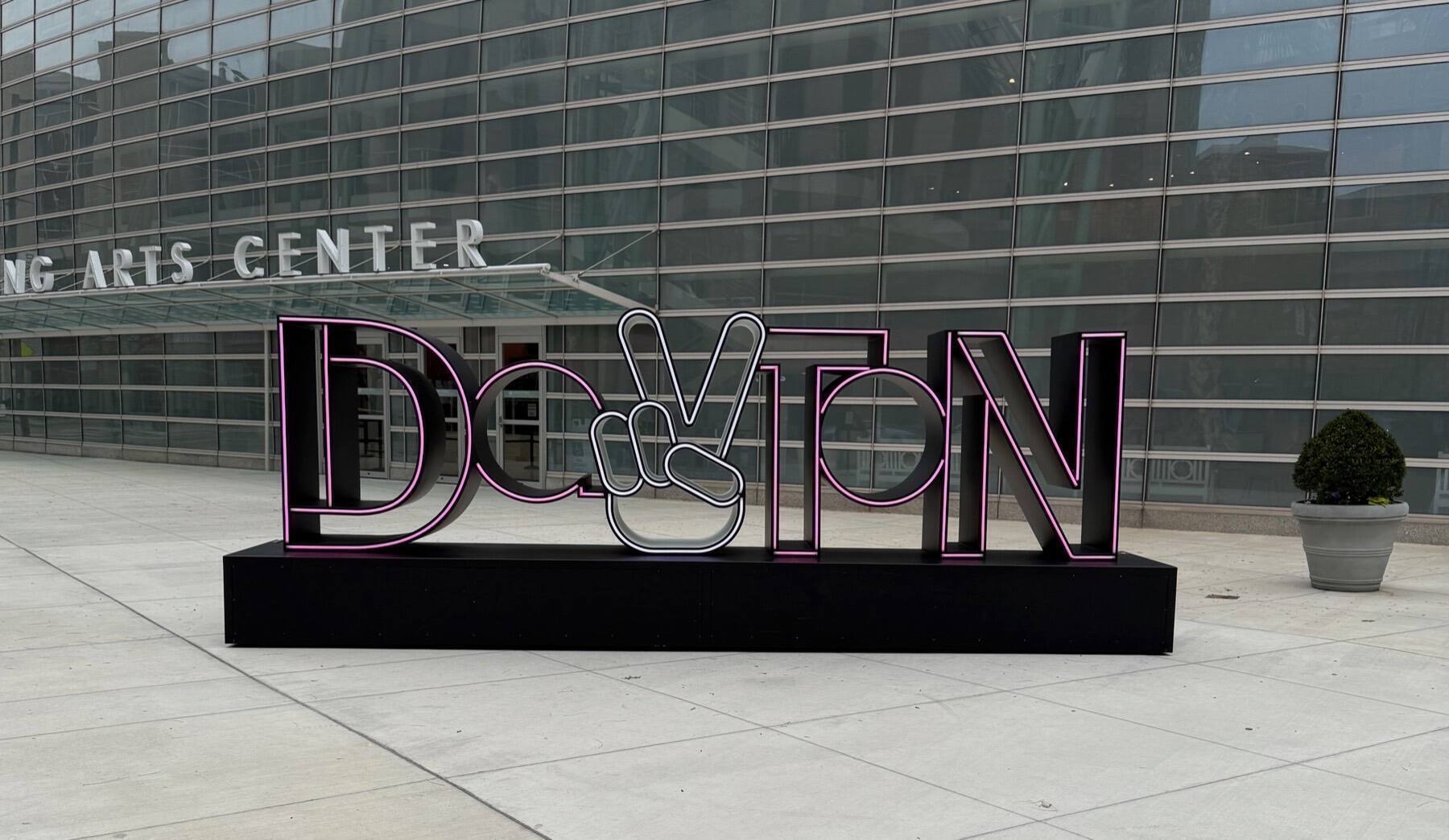
Dayton
Ohio
On October 1, 2022, an Uber driver turned onto Xenia Avenue and glanced back at me with a question on his face he didn't say out loud.
Are you sure about this?
I said yes. I was still deciding whether it was true.
I had come to town because my son was a freshman at the University of Dayton. I had an Airbnb on a working-class street, a cream-colored suitcase that had already been scarred by baggage handlers, and a set of assumptions about America that the road had not yet finished taking from me. I didn't know the street names. I didn't know the neighborhoods. I didn't know where to get coffee or which parks were worth walking through.
What followed was four years of slow discovery.
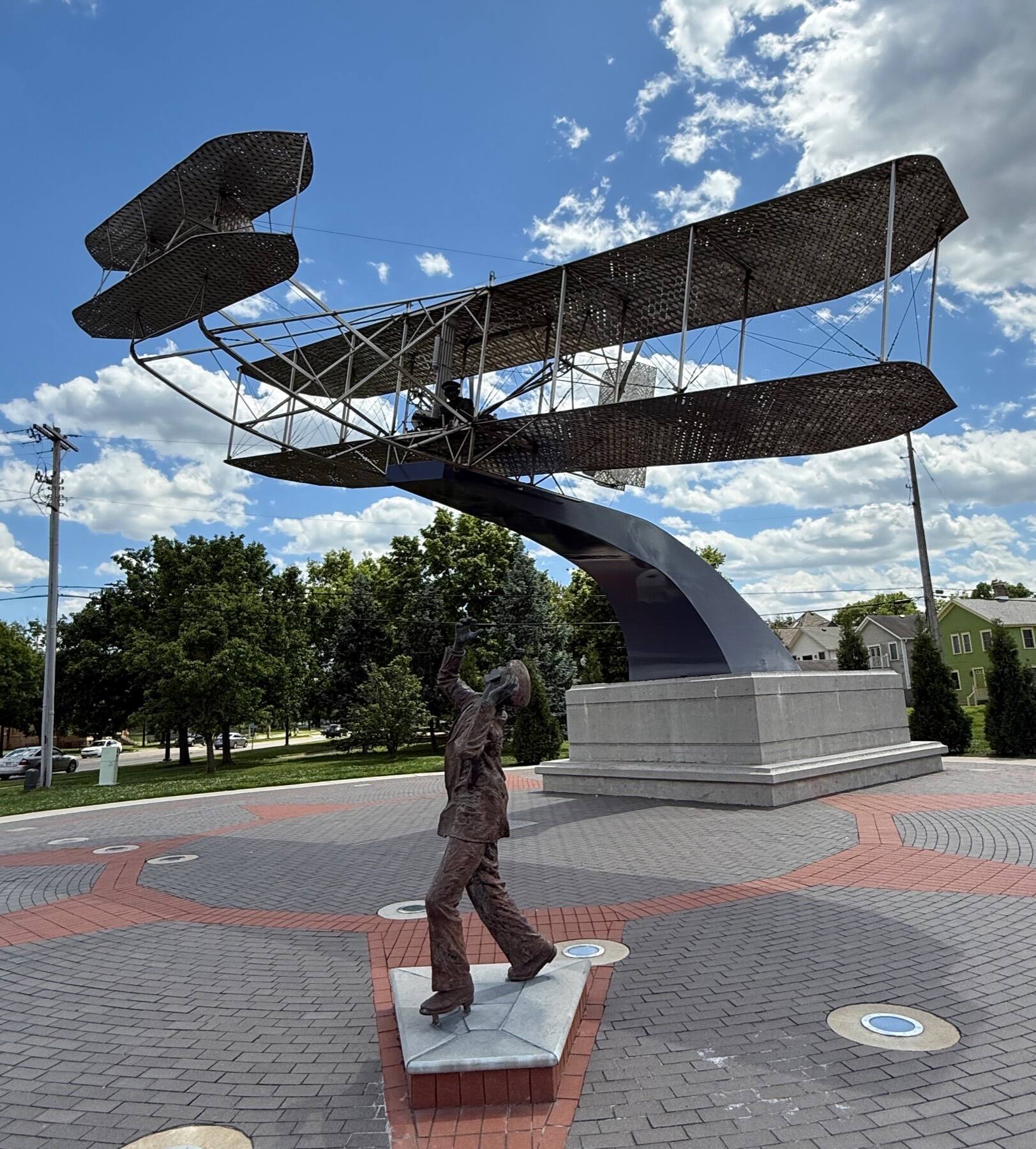
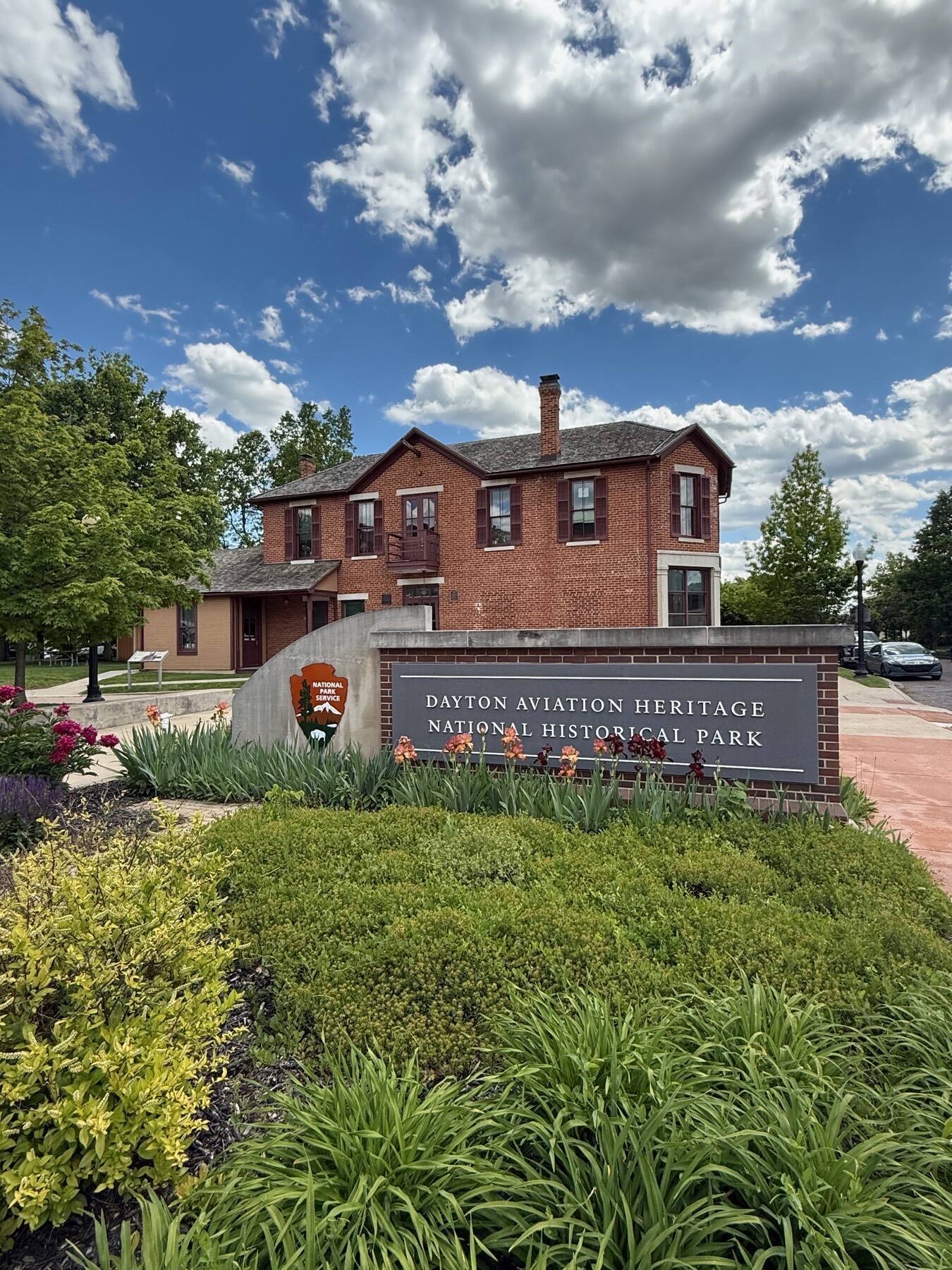
Dayton is the birthplace of aviation. Wilbur and Orville Wright grew up here, built their bicycle shop here, and designed the first powered aircraft here. Most people who know that fact couldn't tell you what street it happened on. I can now.
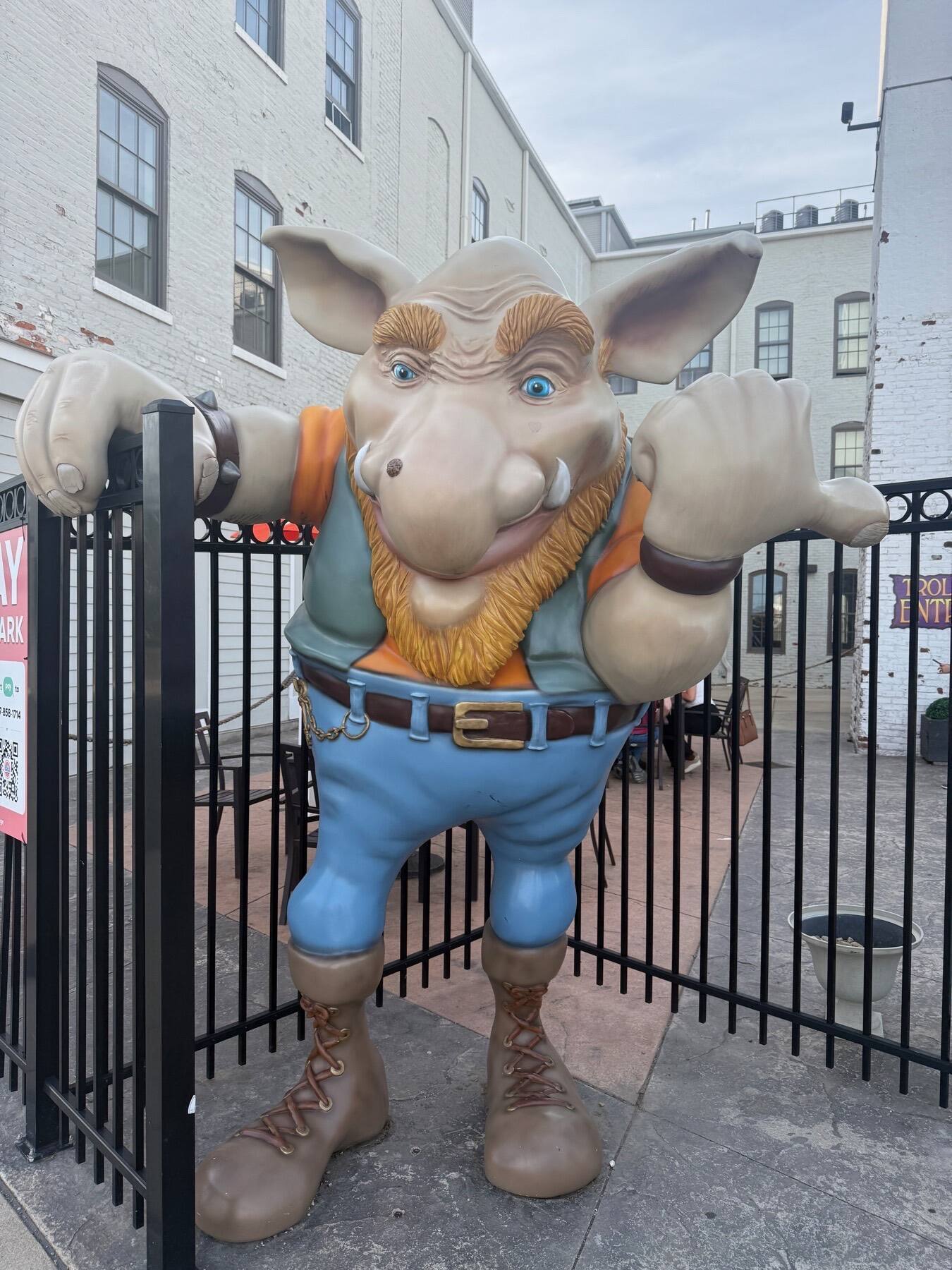
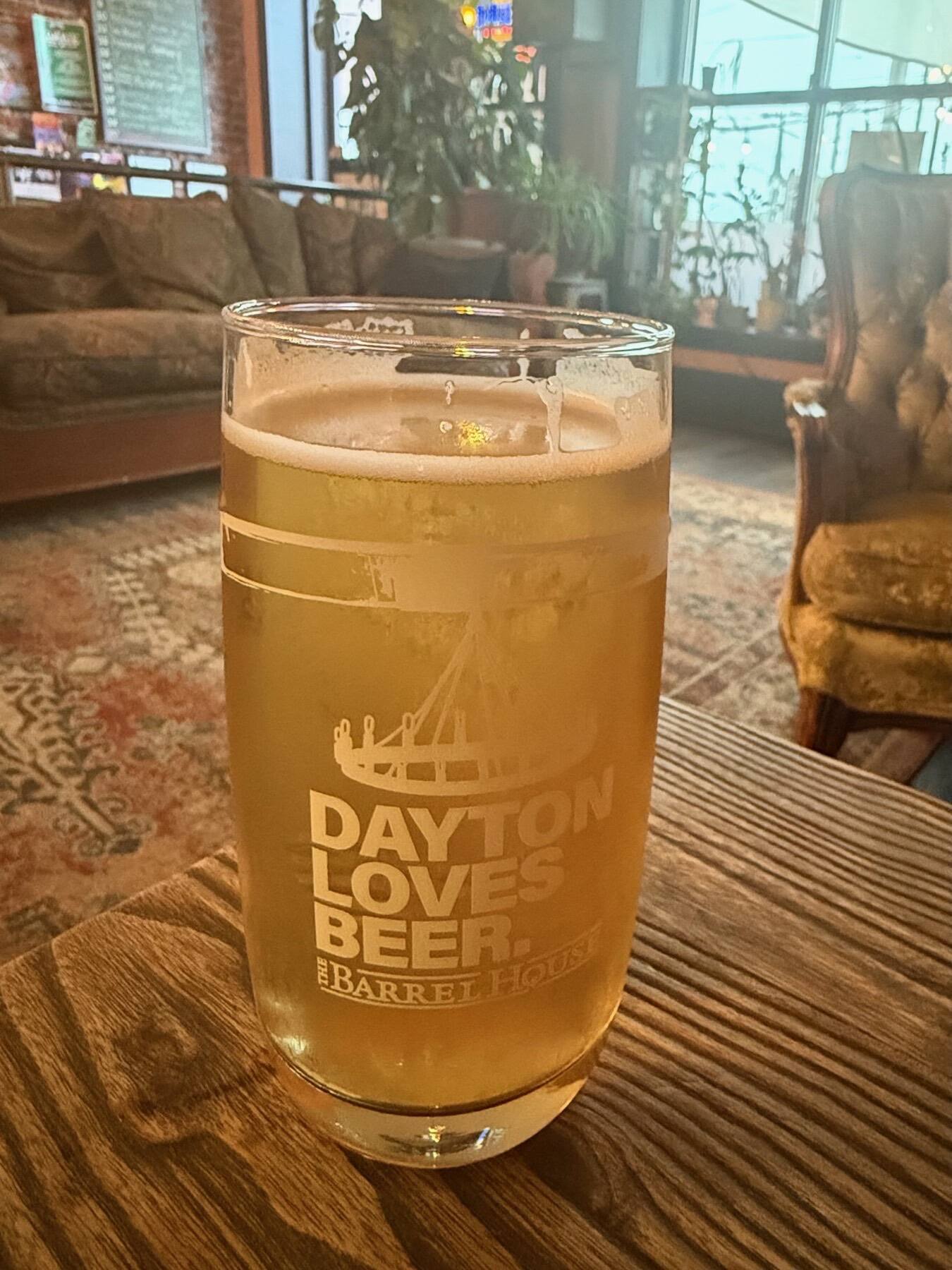
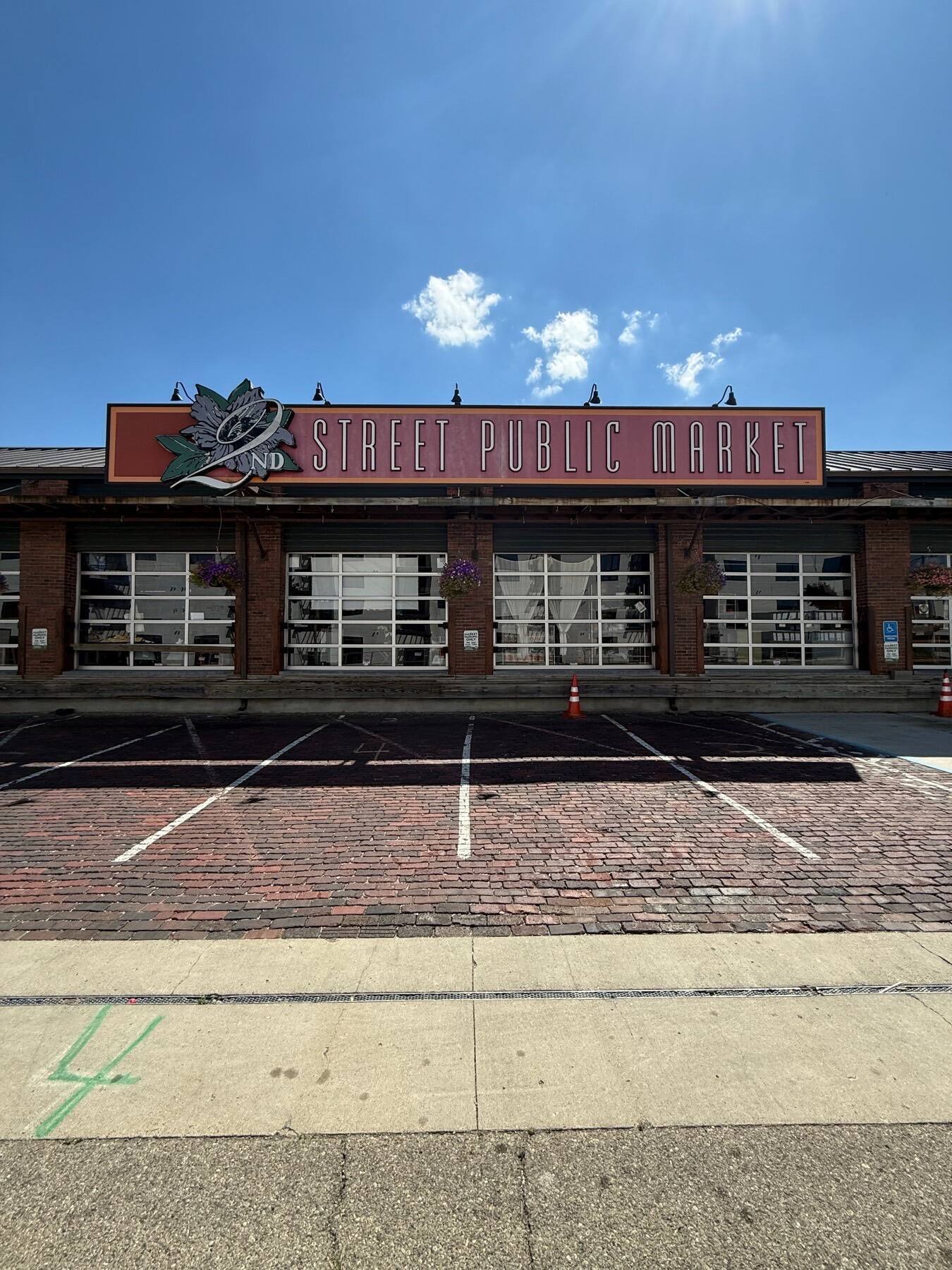
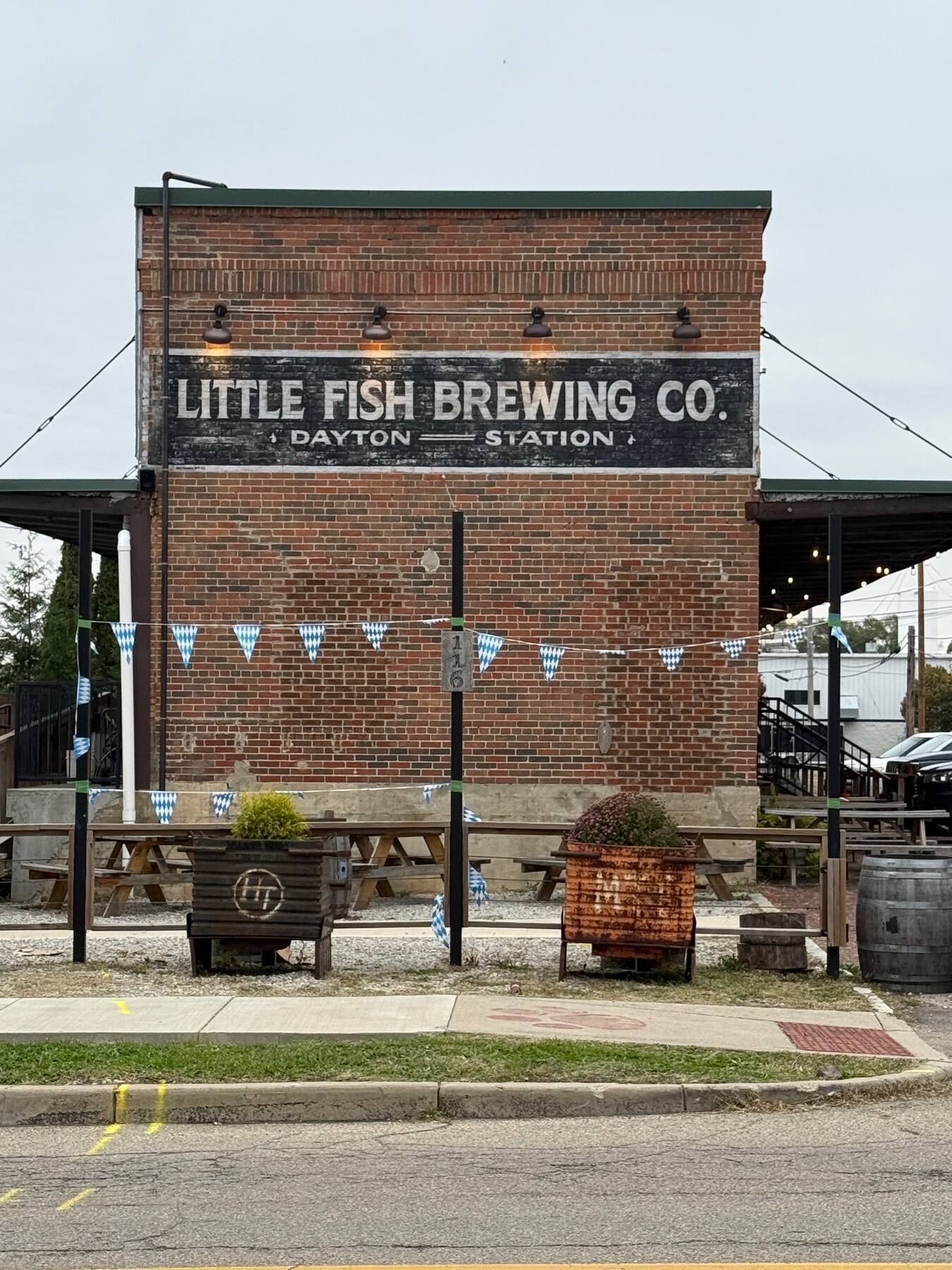
Over eight months spread across those years -- staying in apartments on Brown Street, Hickory, South Patterson, Wayne Avenue, Xenia -- Dayton became as familiar to me as any place I had ever lived. I knew which seat to take in the library on Third Street. I knew what to order at the Dublin Pub, the Barrel House, Old Scratch, and the Troll Pub. Learned about DORA, rode The Flyer and found the 2nd Street Market. I knew the team at Biggby Coffee on Warren Street. Every morning there, a group of Dayton police officers came in for coffee. One day, after weeks of seeing me at my usual table, they invited me over. Over time, we shared stories about our lives and our families. They became friends -- the kind you look forward to seeing, the kind whose absence you notice.
I didn't expect to find that in a coffee shop in Ohio.
I found it anyway.
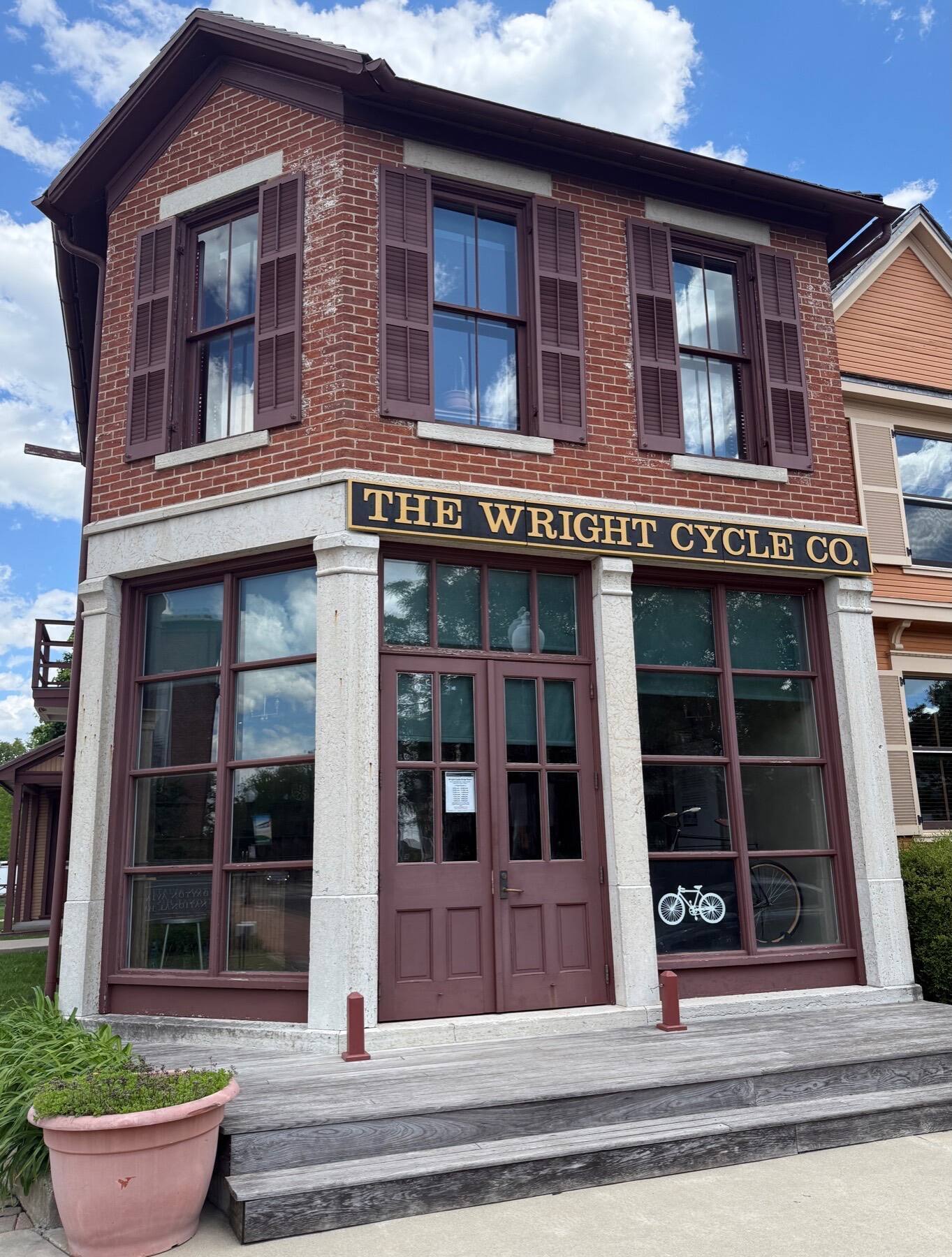
On my last full day in Dayton -- May 11, 2026, the day after my son graduated -- I walked more than 32,000 steps. Fifteen miles. Up Xenia Avenue and back past 212 Hickory over to campus. Through the Oregon District and across the Third Street Bridge. Down to the Wright Brothers' cycle shop and back along the river. I wasn't sightseeing. I wasn't ready to say goodbye.
This community saved me. It welcomed me in ways that I never expected or will ever forget. Dayton, Ohio -- a city the country underestimates -- has that in it.
Go find out for yourself.
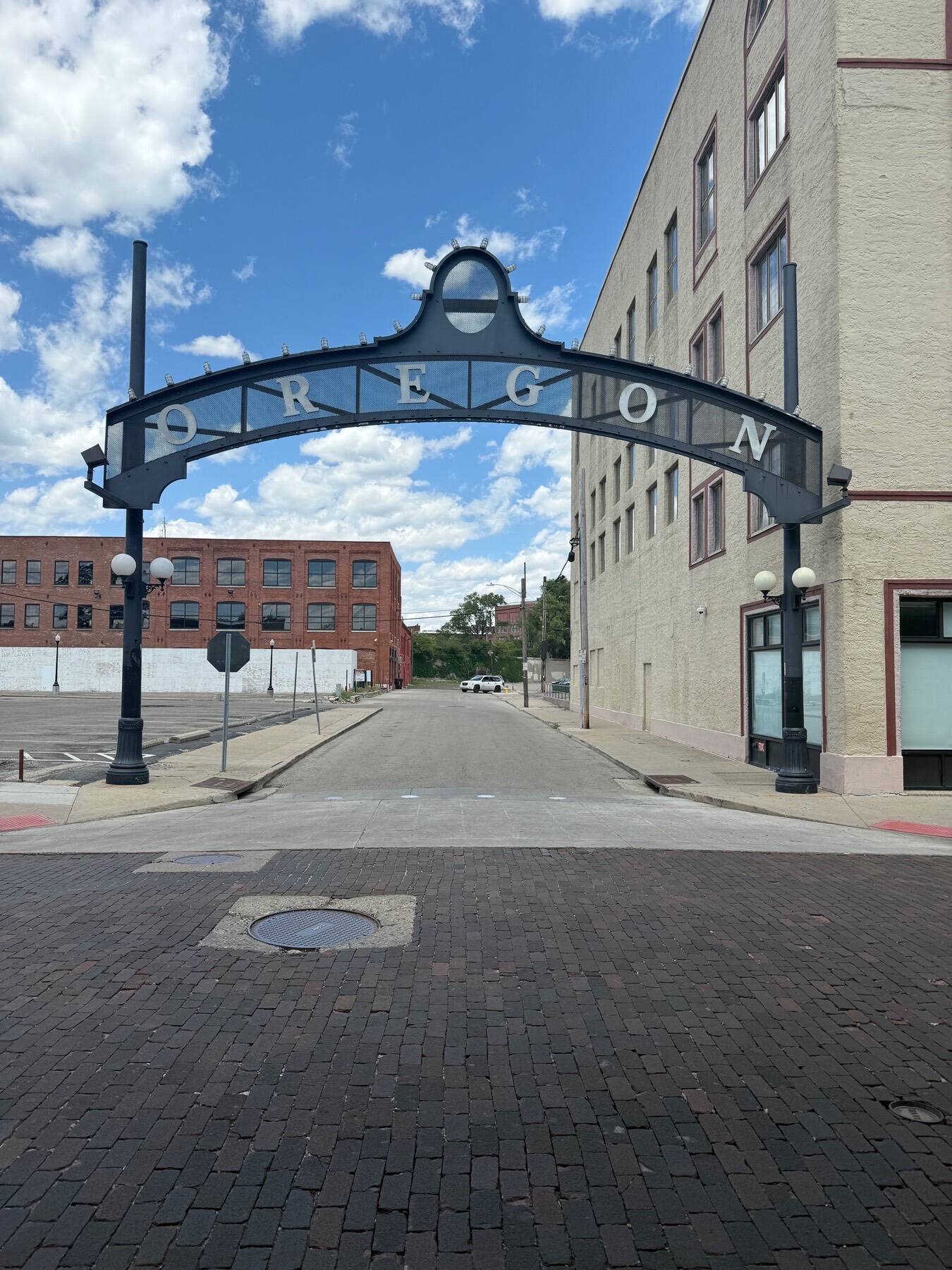
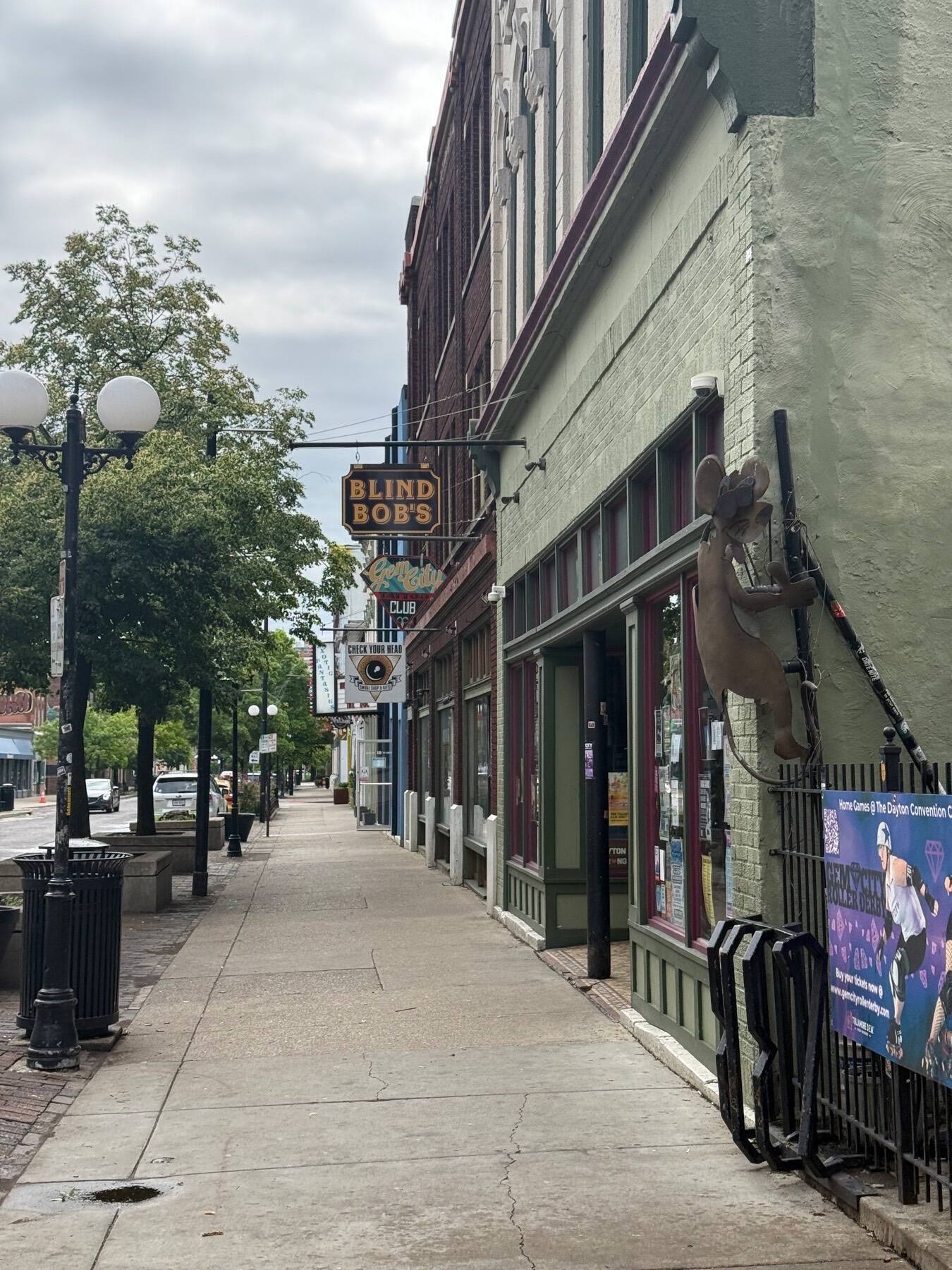
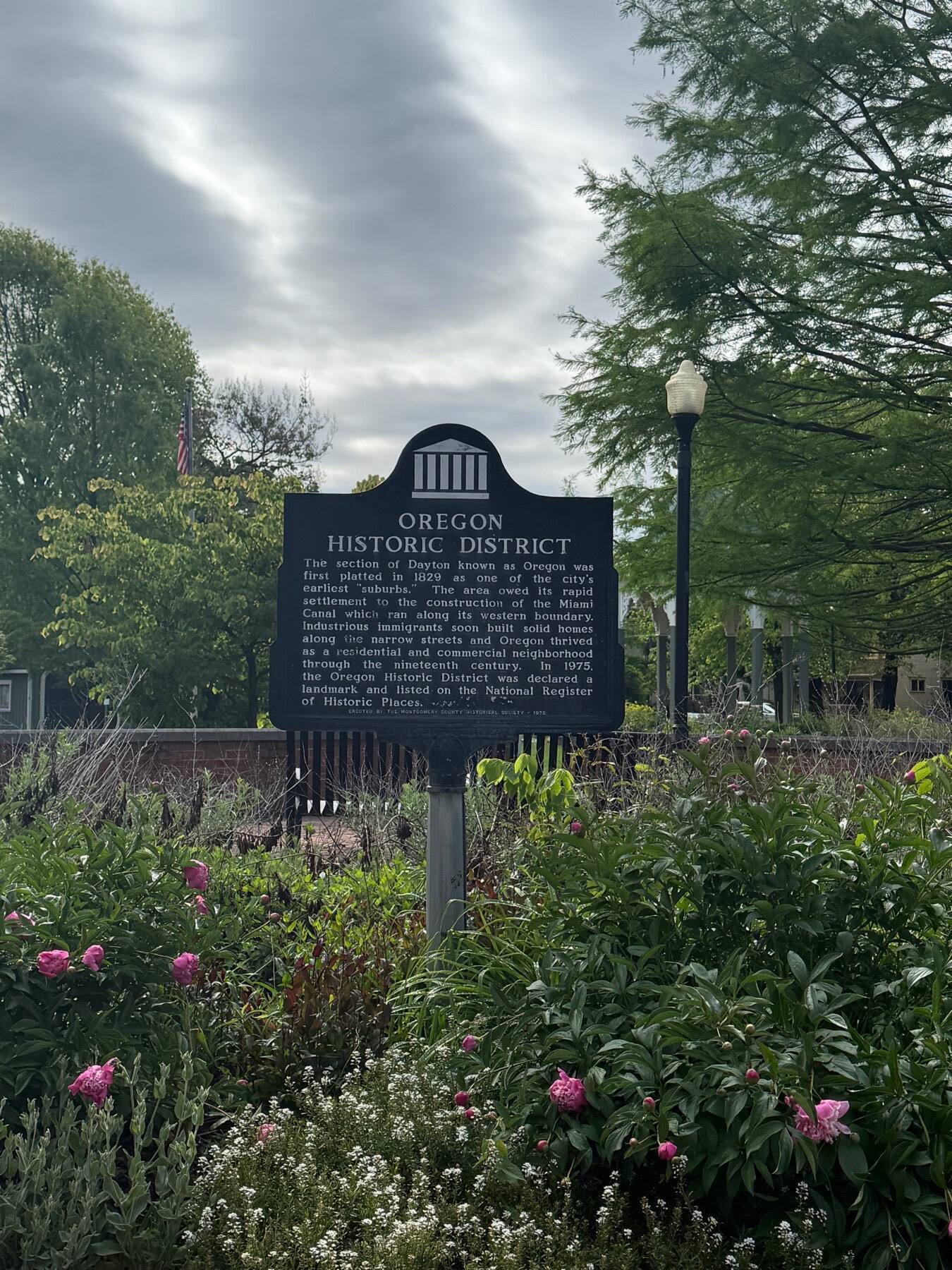
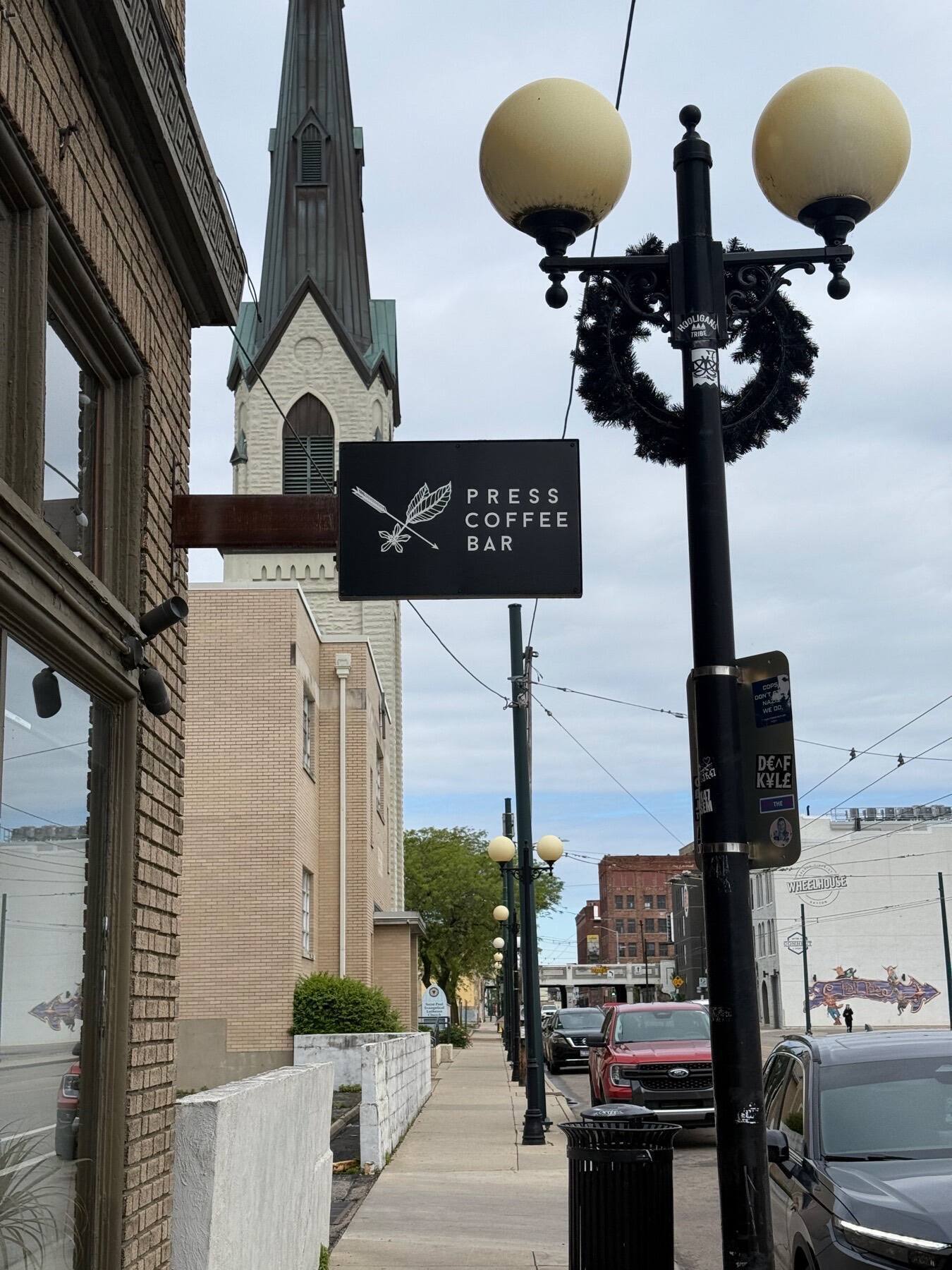
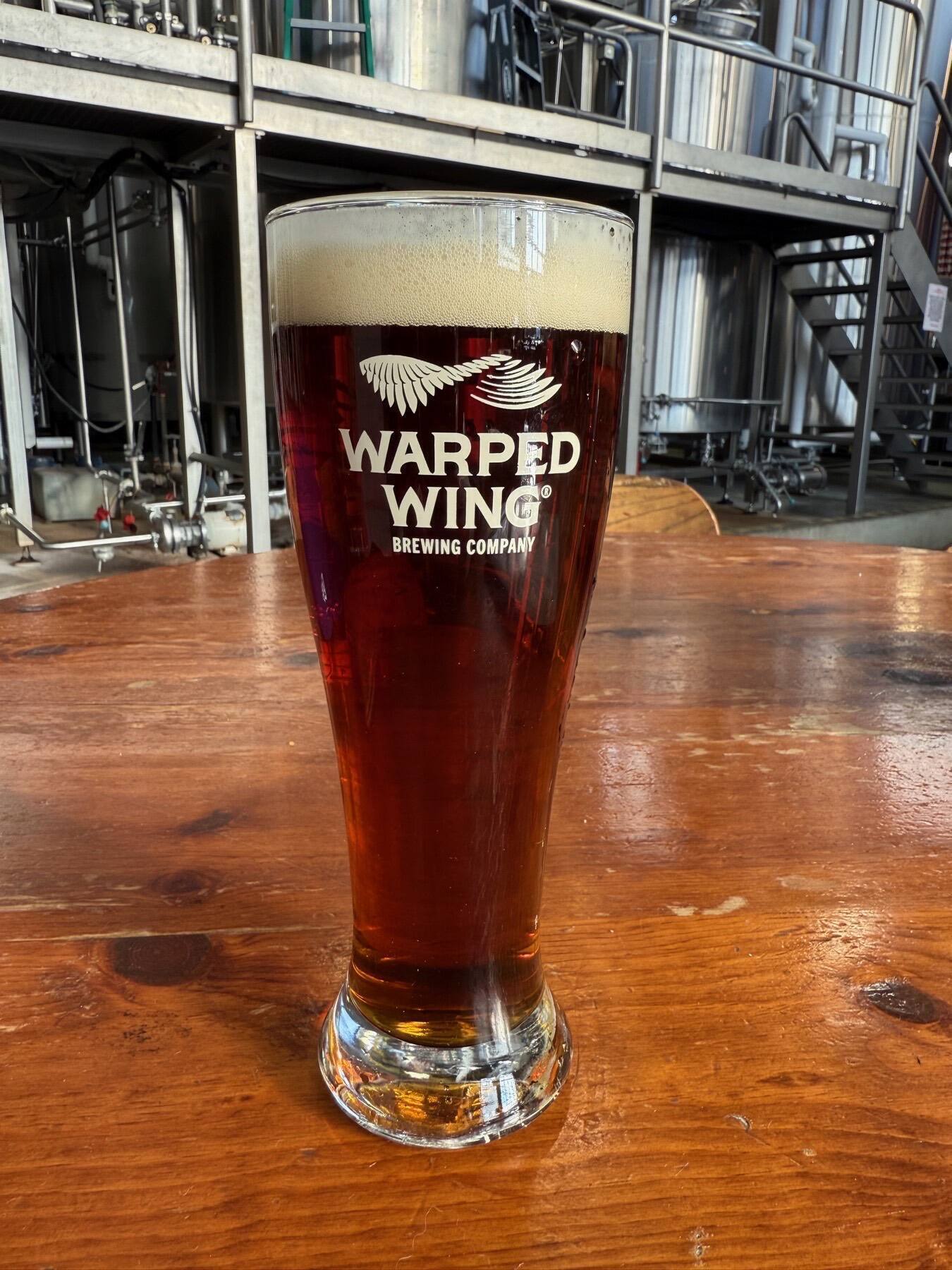
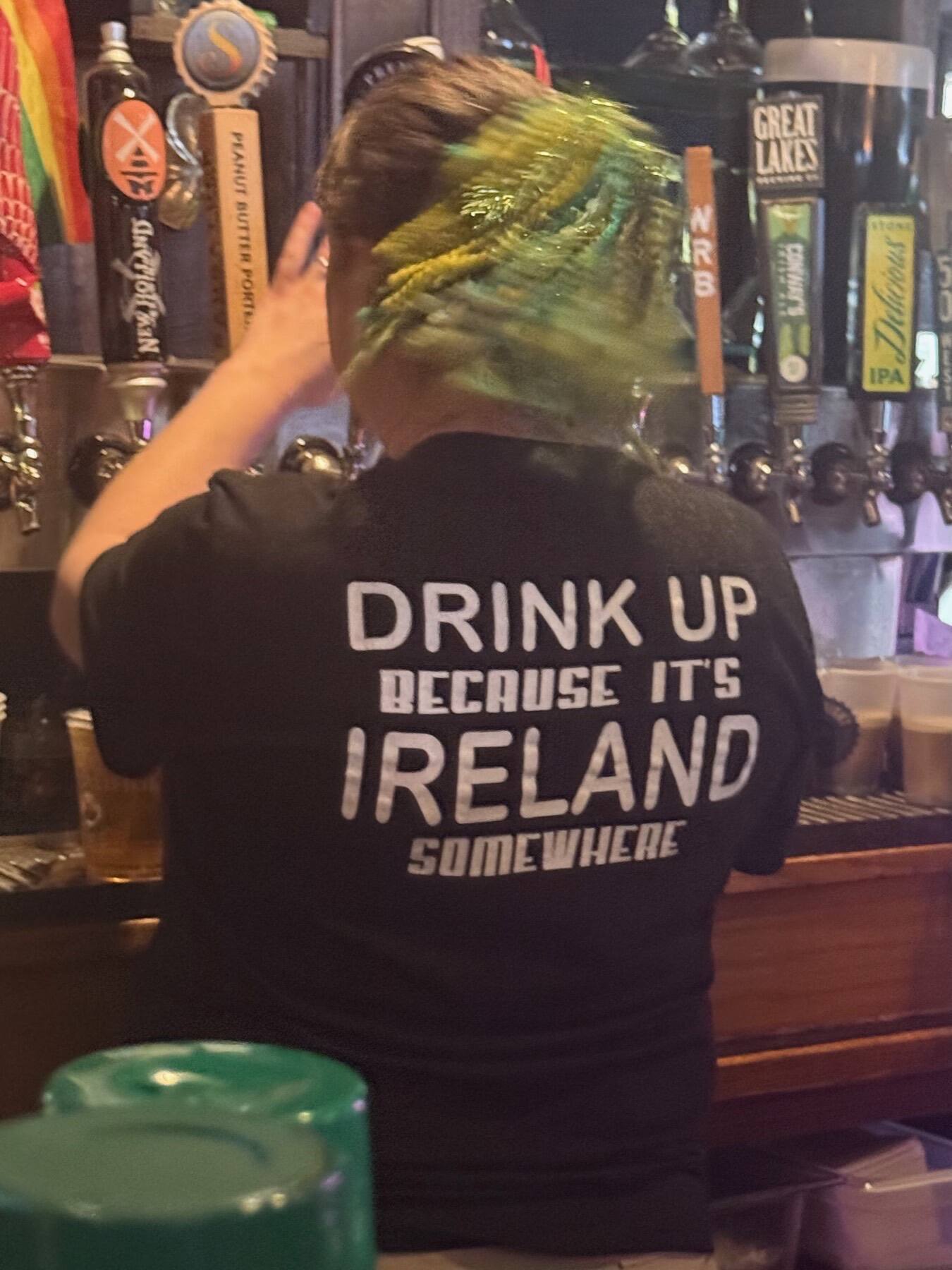
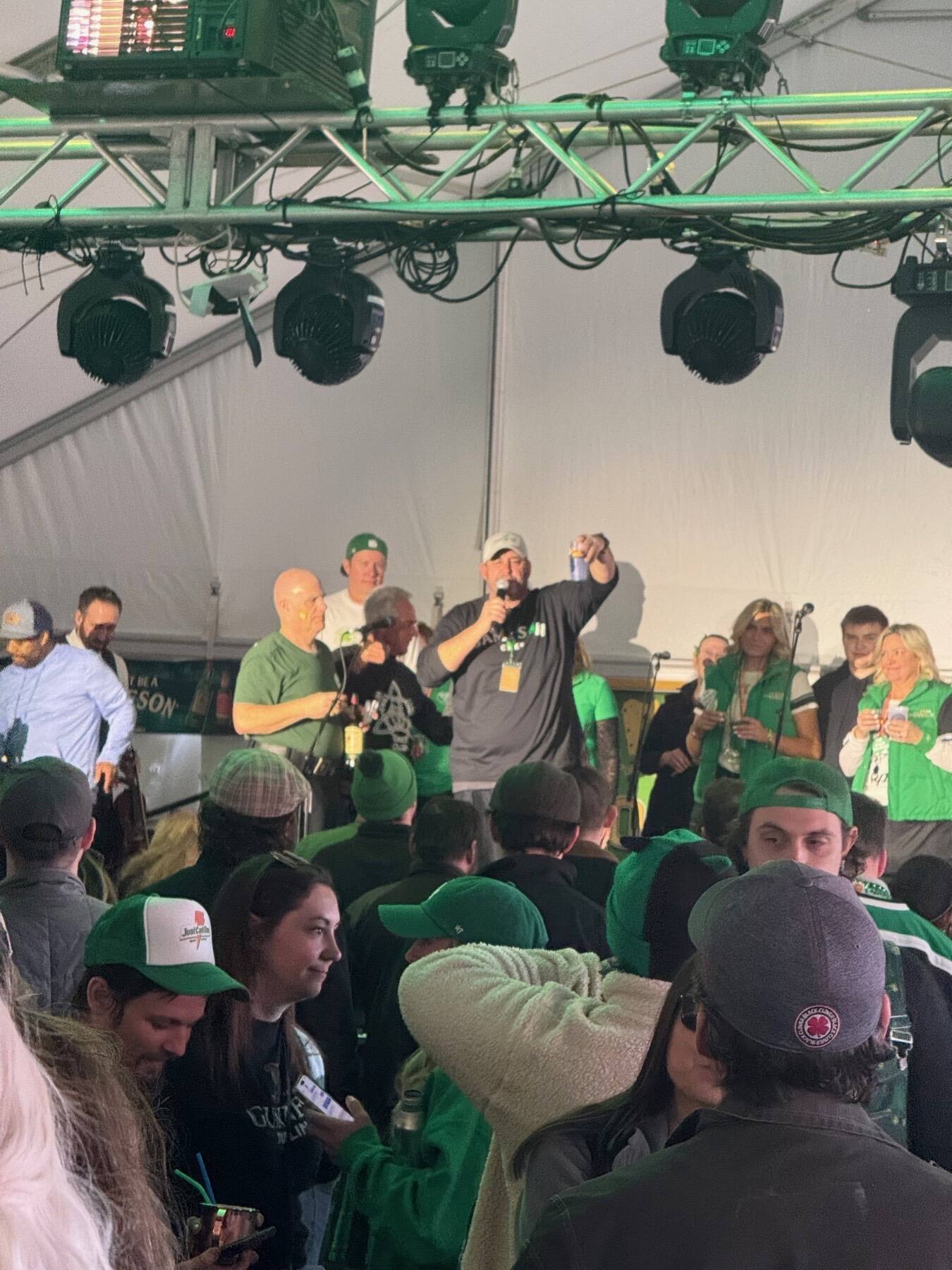
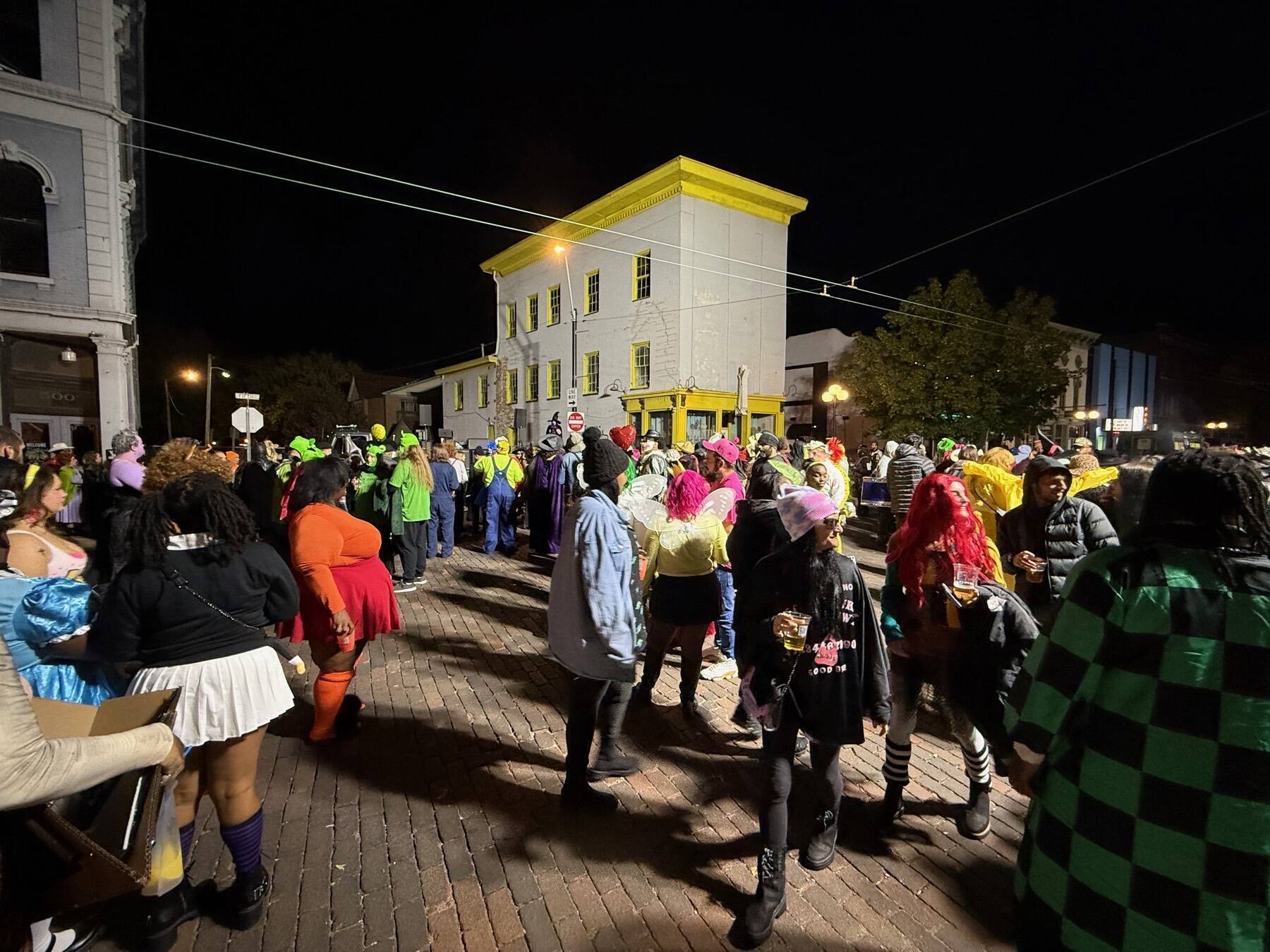
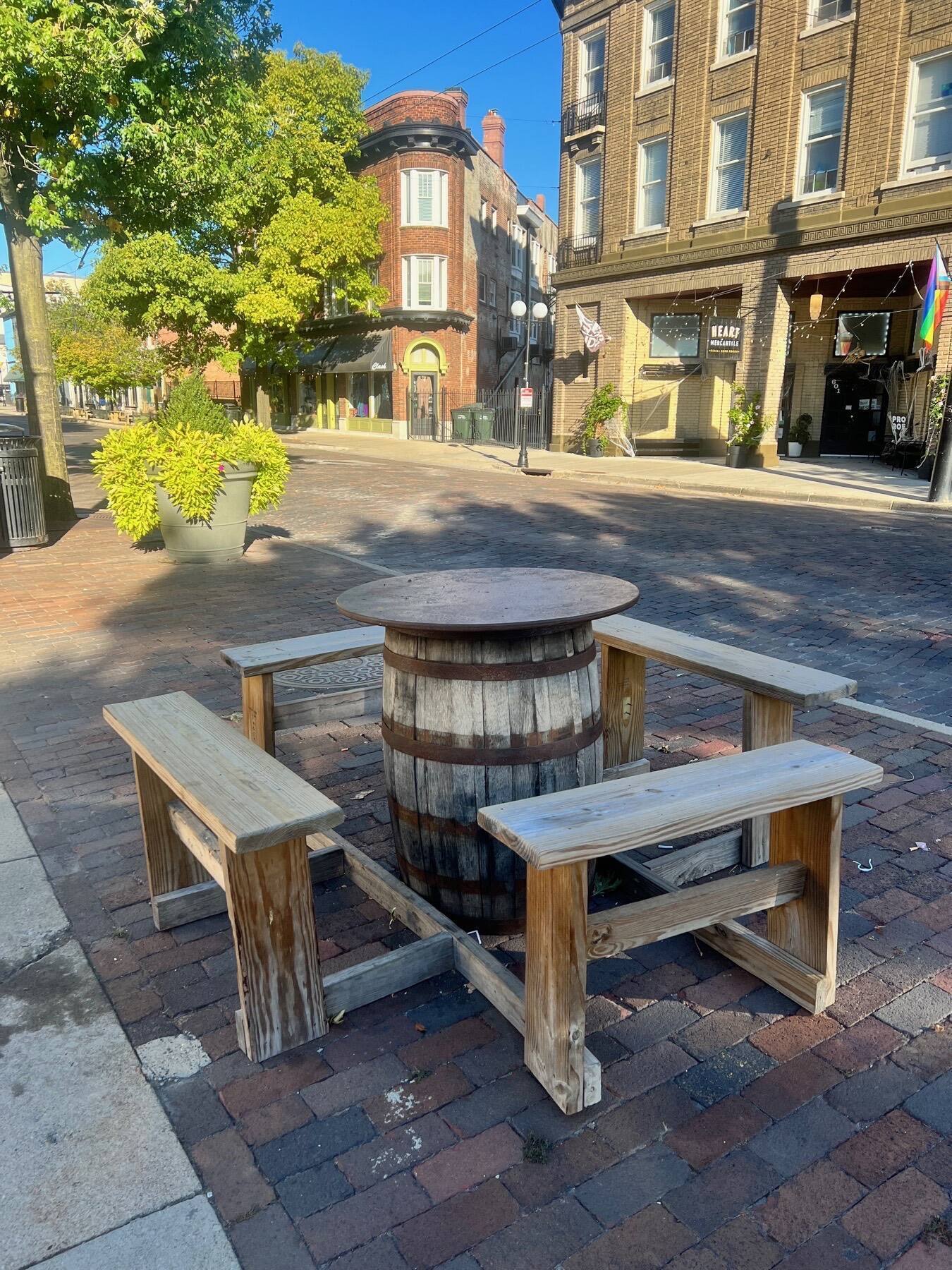
The Oregon District is one of the most genuinely livable neighborhoods in any American city I have spent time in. Fifth Street is its spine -- lined with 19th-century brick, independent bars, coffee shops, and restaurants that have earned their regulars. The Troll Pub. The Dublin Pub. Lucky's Tavern. Press Coffee. The Trolley Stop. Warped Wing. On weekends, the whole district comes alive. The people are from the city, not visiting it. That distinction matters more than most travel guides acknowledge. The Oregon District also throws one of the best St. Patrick's Day parties and Halloween celebrations in Ohio. If your timing is right, don't miss either one.
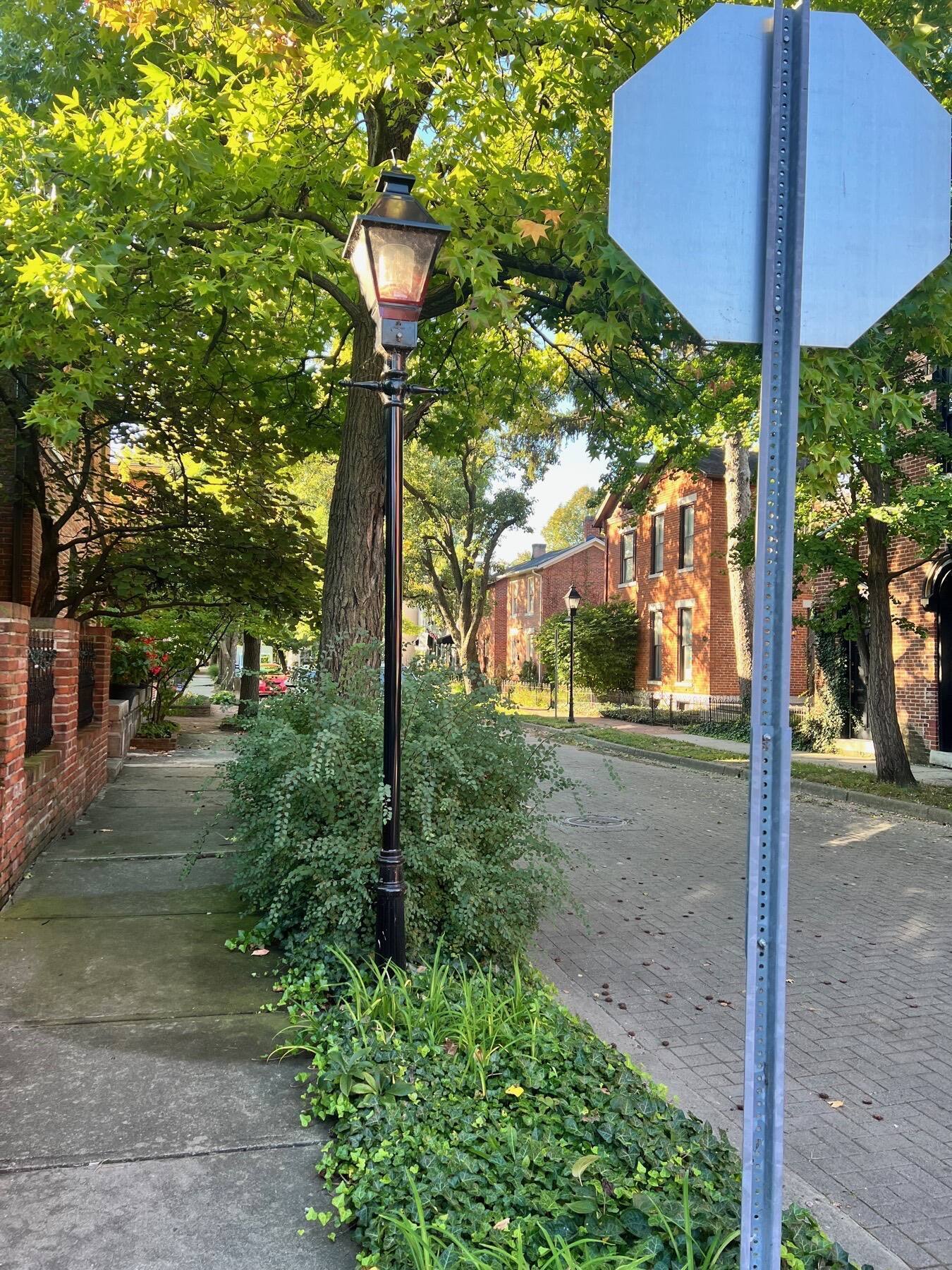
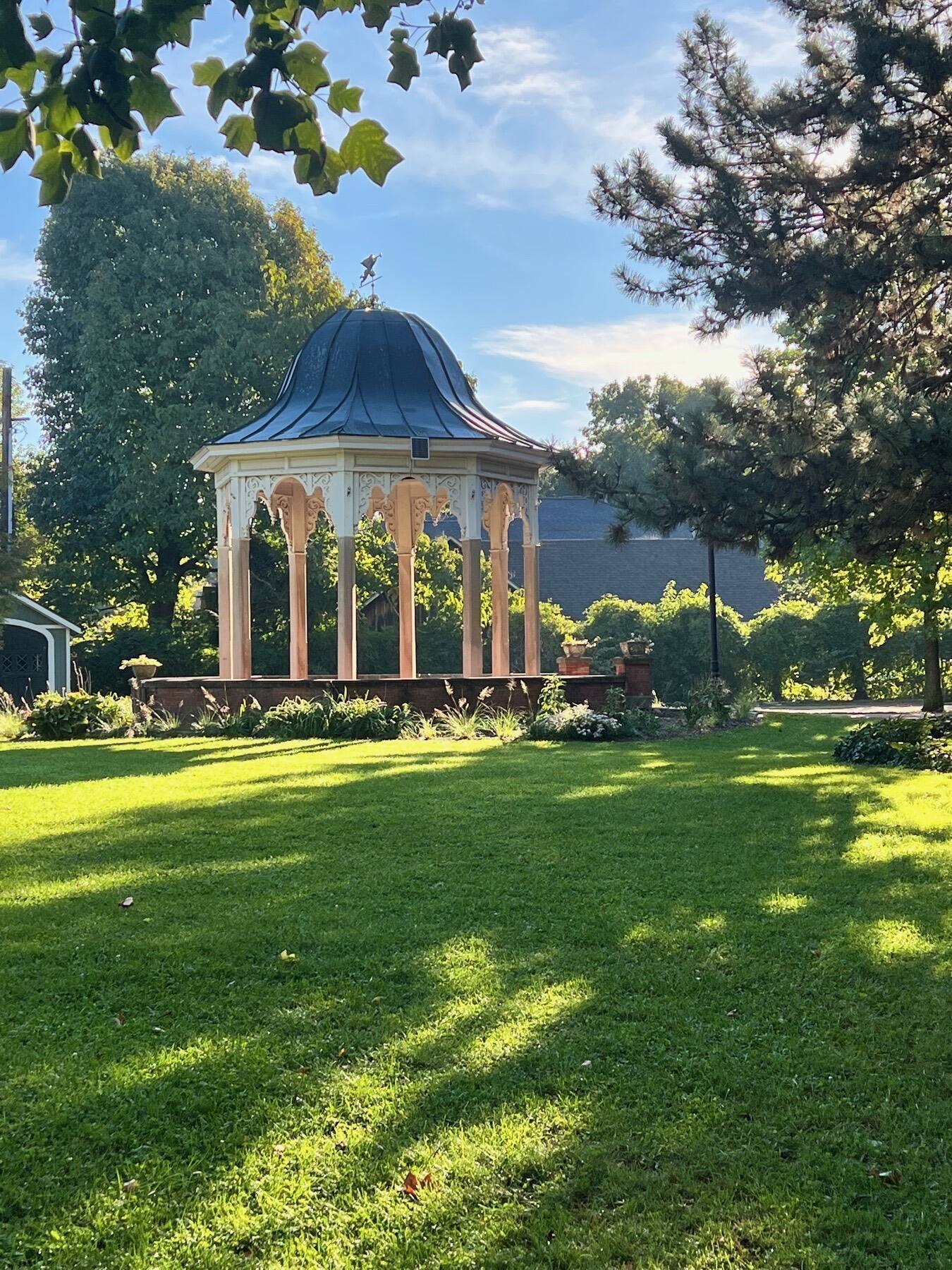
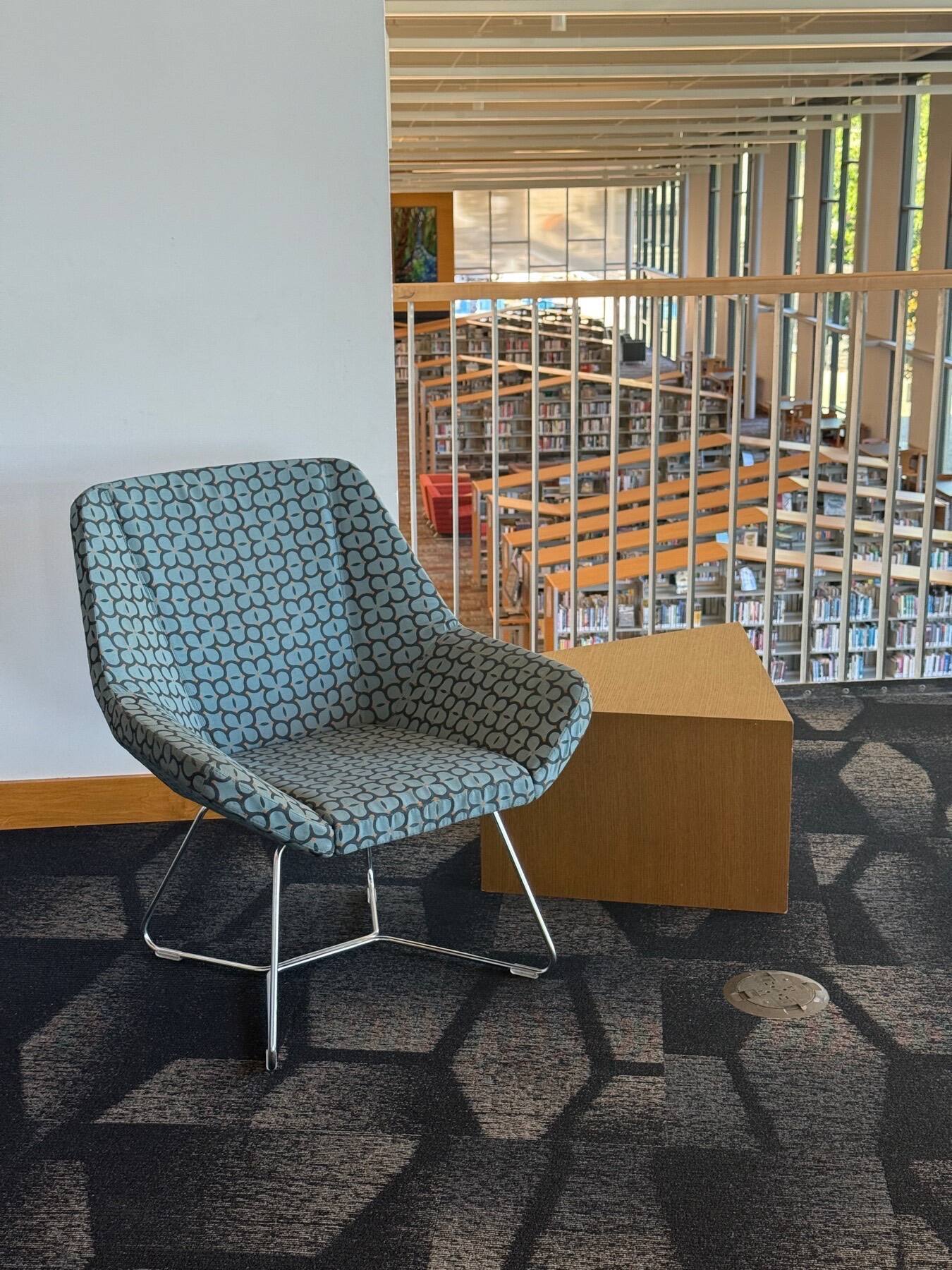
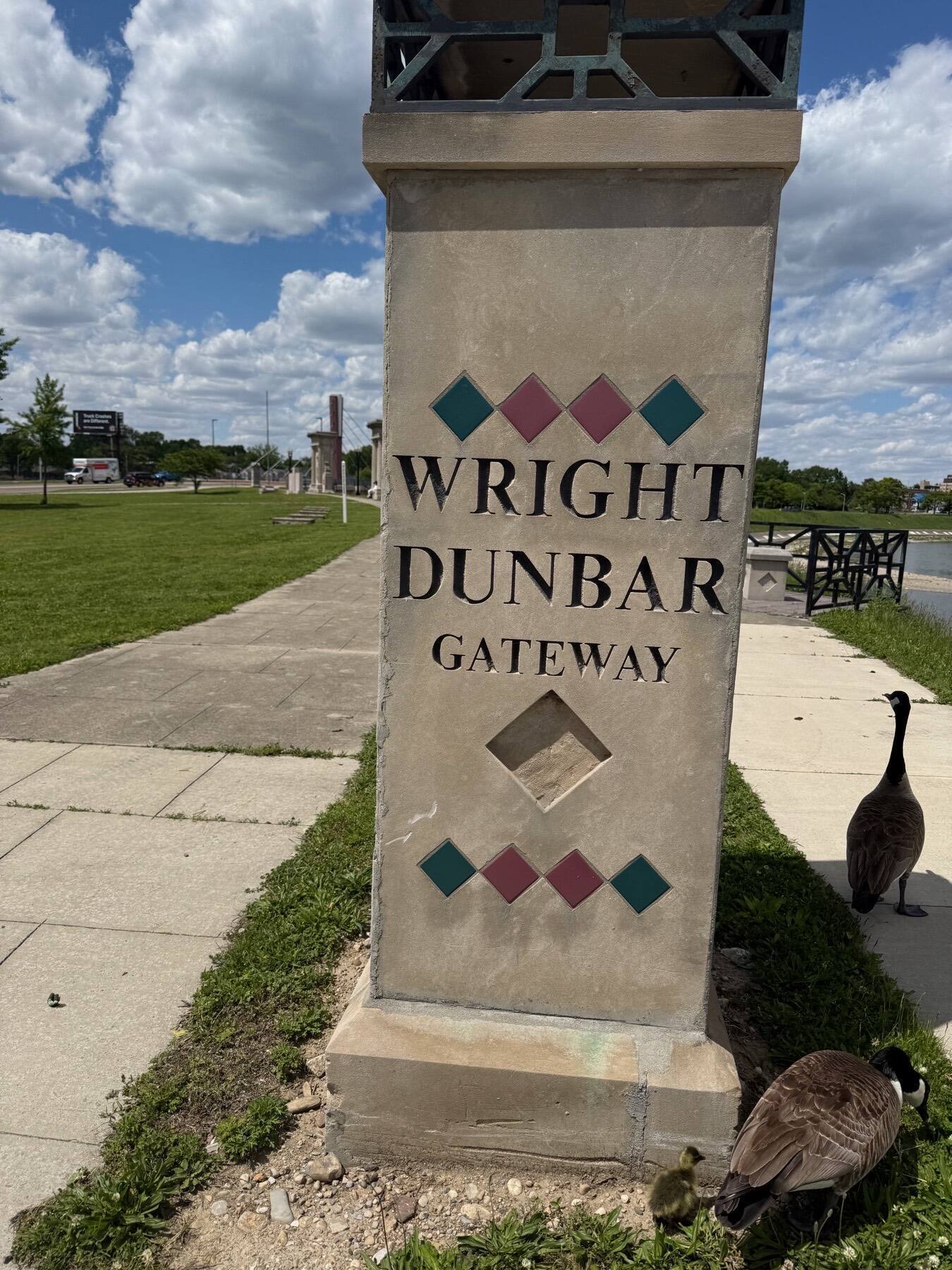
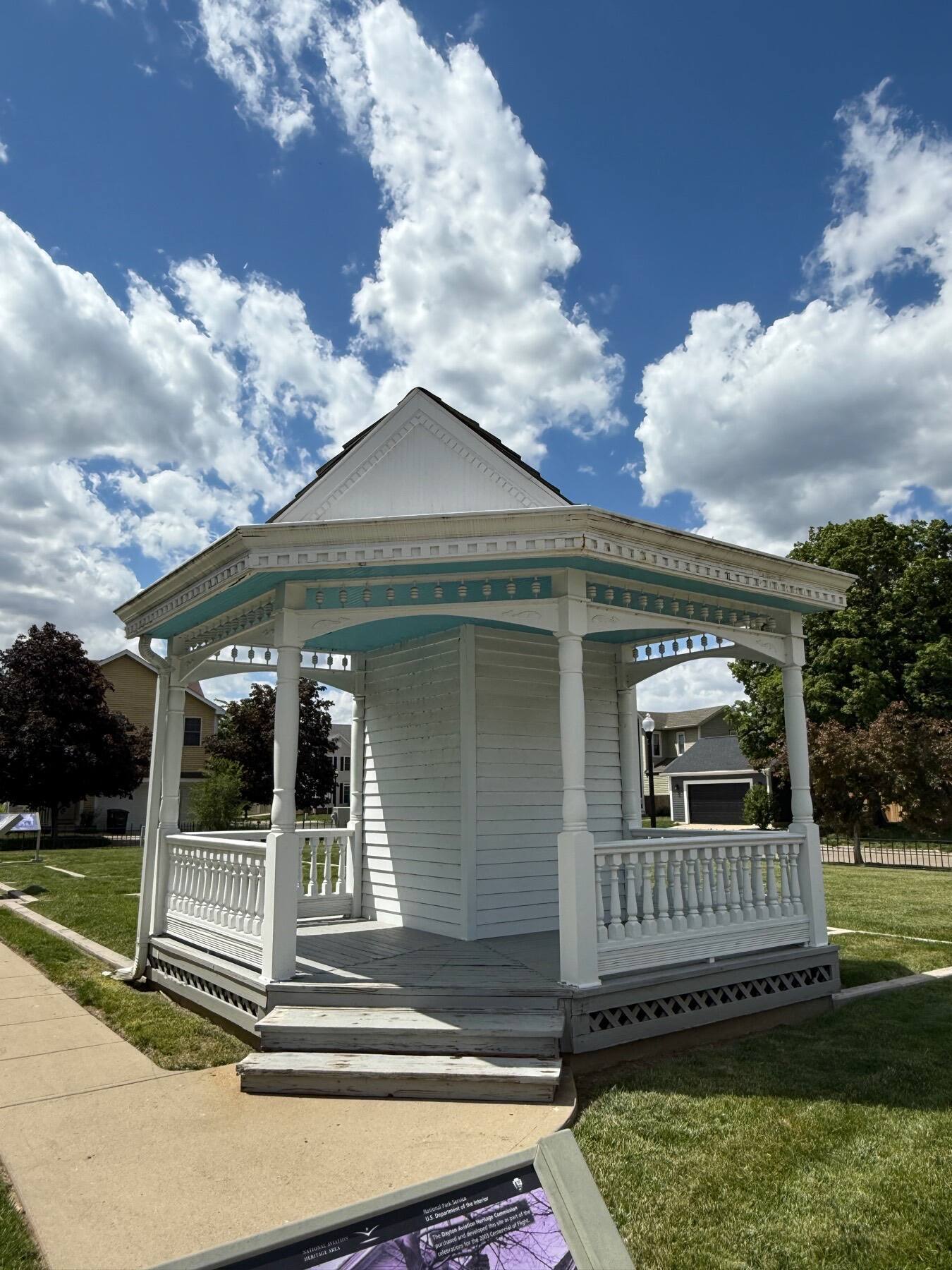
Wilbur and Orville Wright grew up in Dayton. Their bicycle shop, where they designed and built the first powered aircraft, still stands on West Third Street. Their home is a few blocks away. The Wright-Dunbar neighborhood -- named partly for Paul Laurence Dunbar, the poet who grew up on the same block as the brothers -- is one of the more quietly remarkable places I walked into on my last day in the city. I had spent four years here and still hadn't found it. That is either an argument for staying longer or proof that Dayton keeps revealing itself on its own schedule. Probably both.
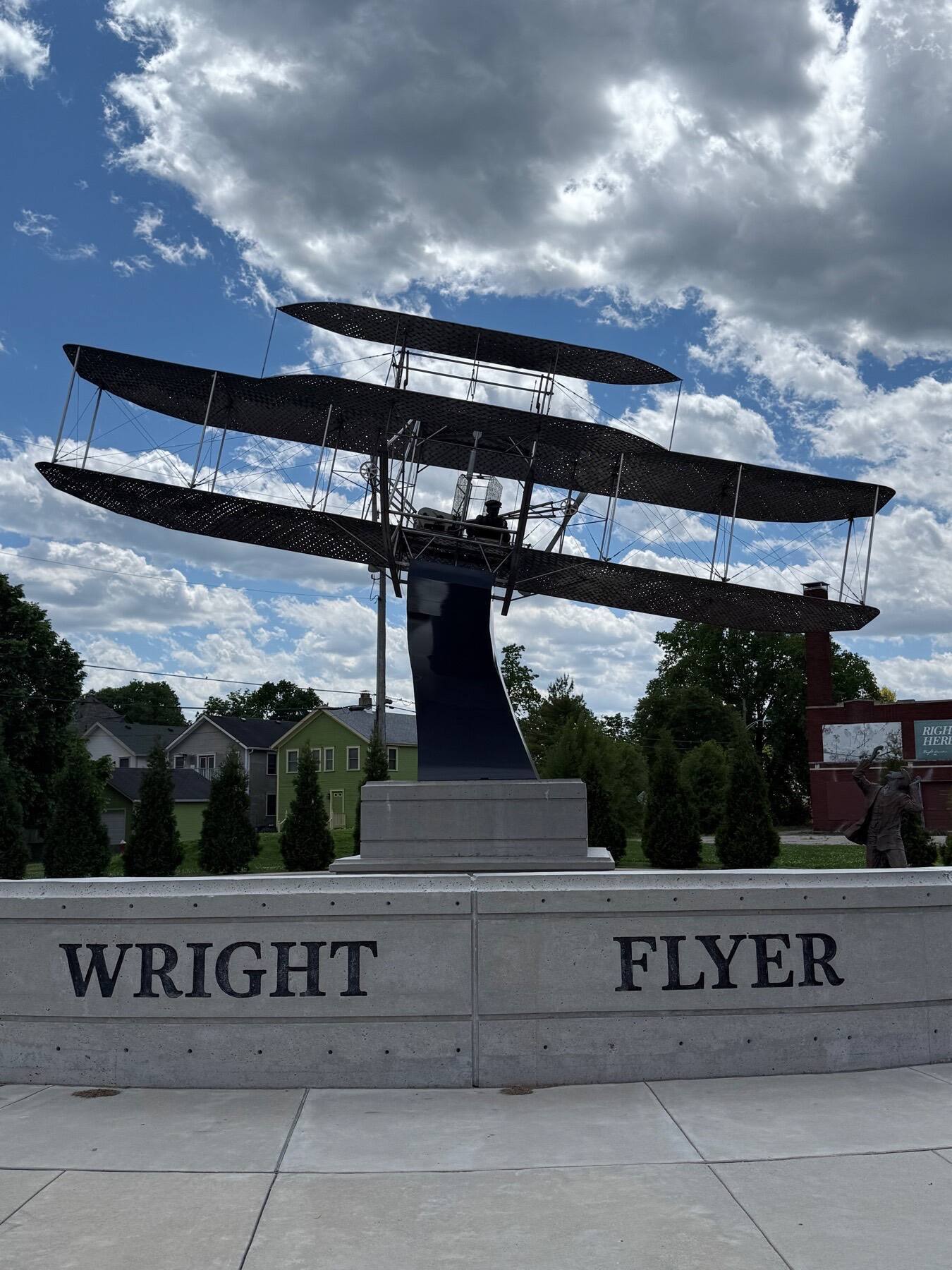
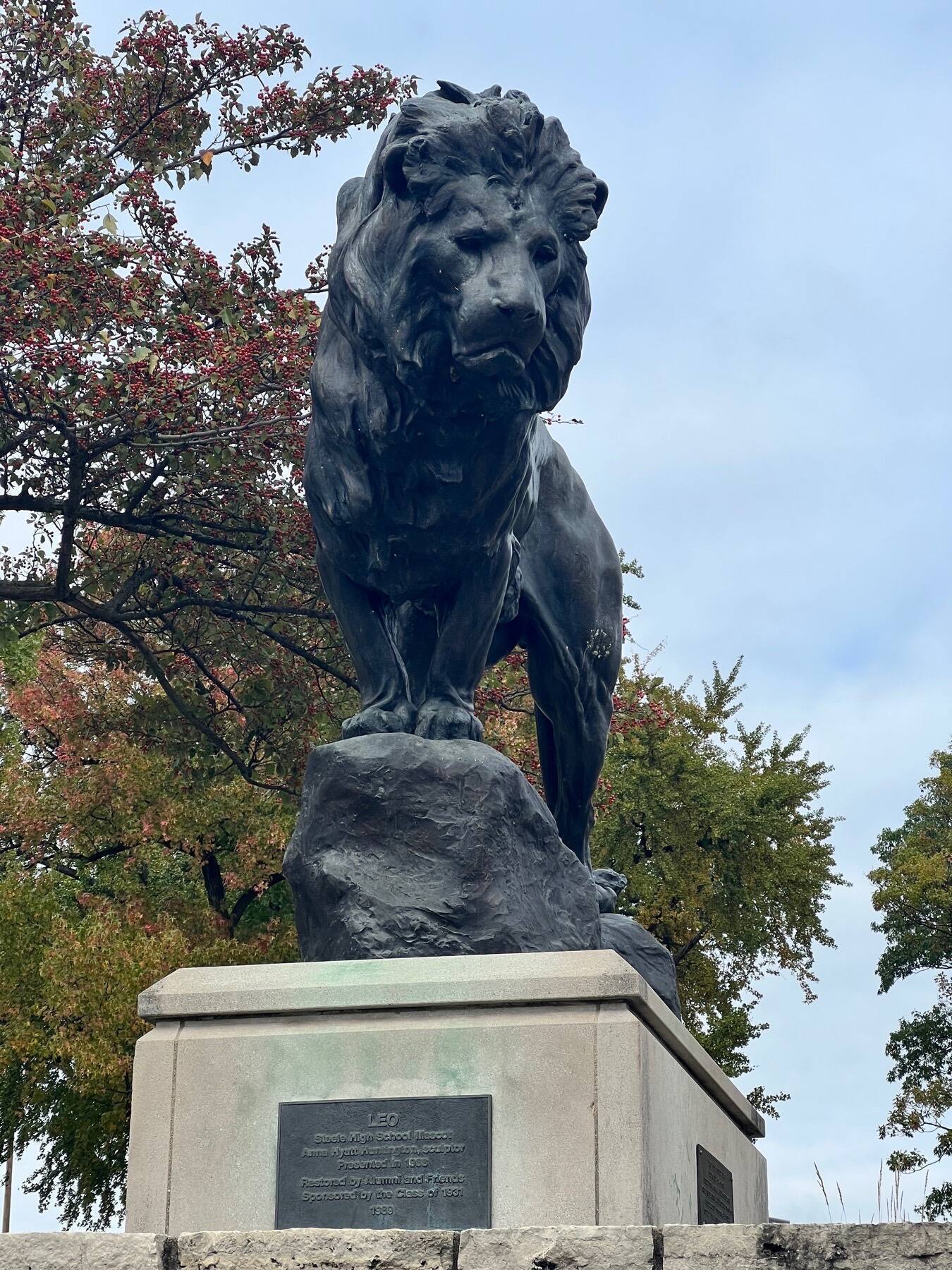
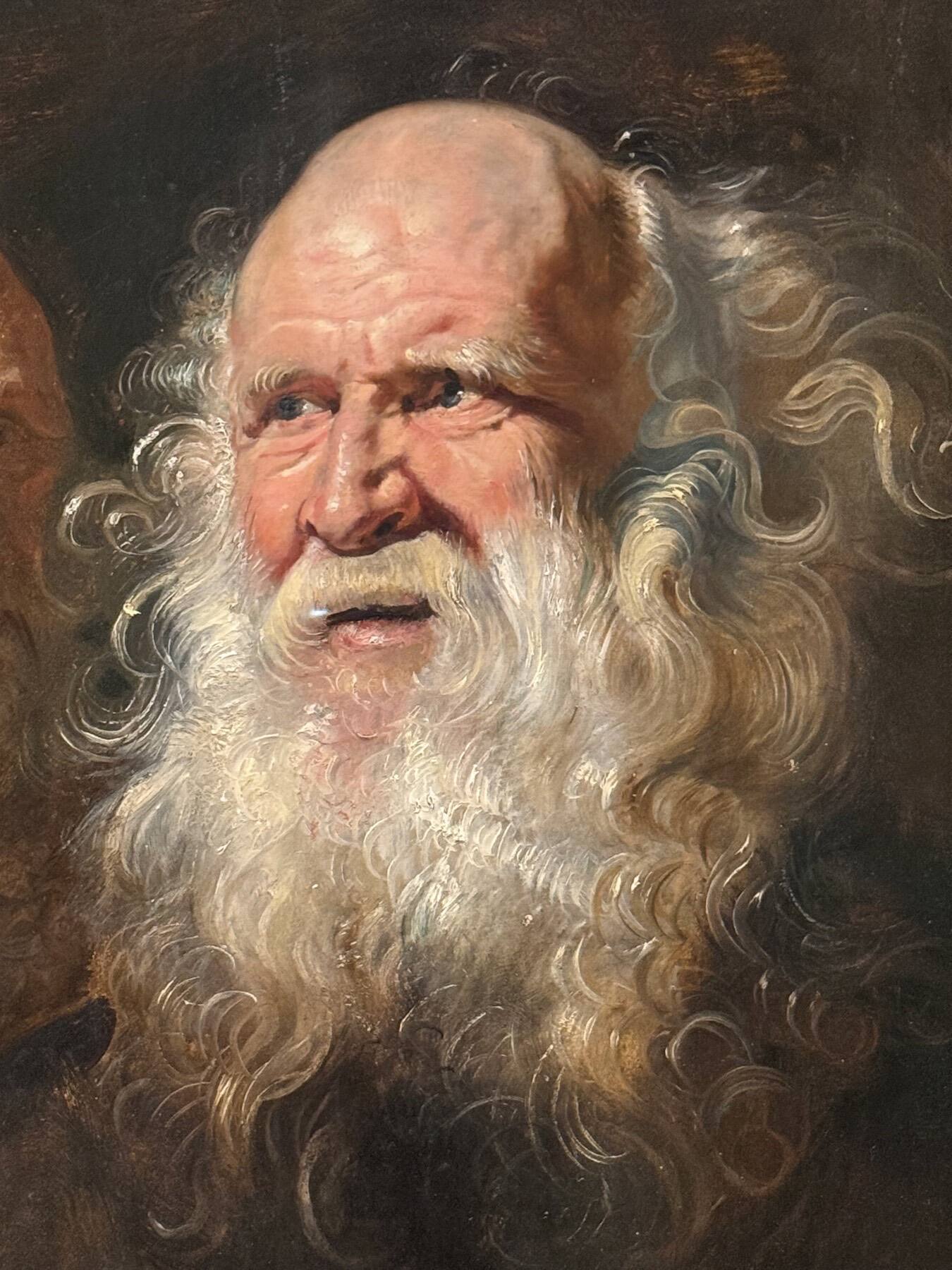
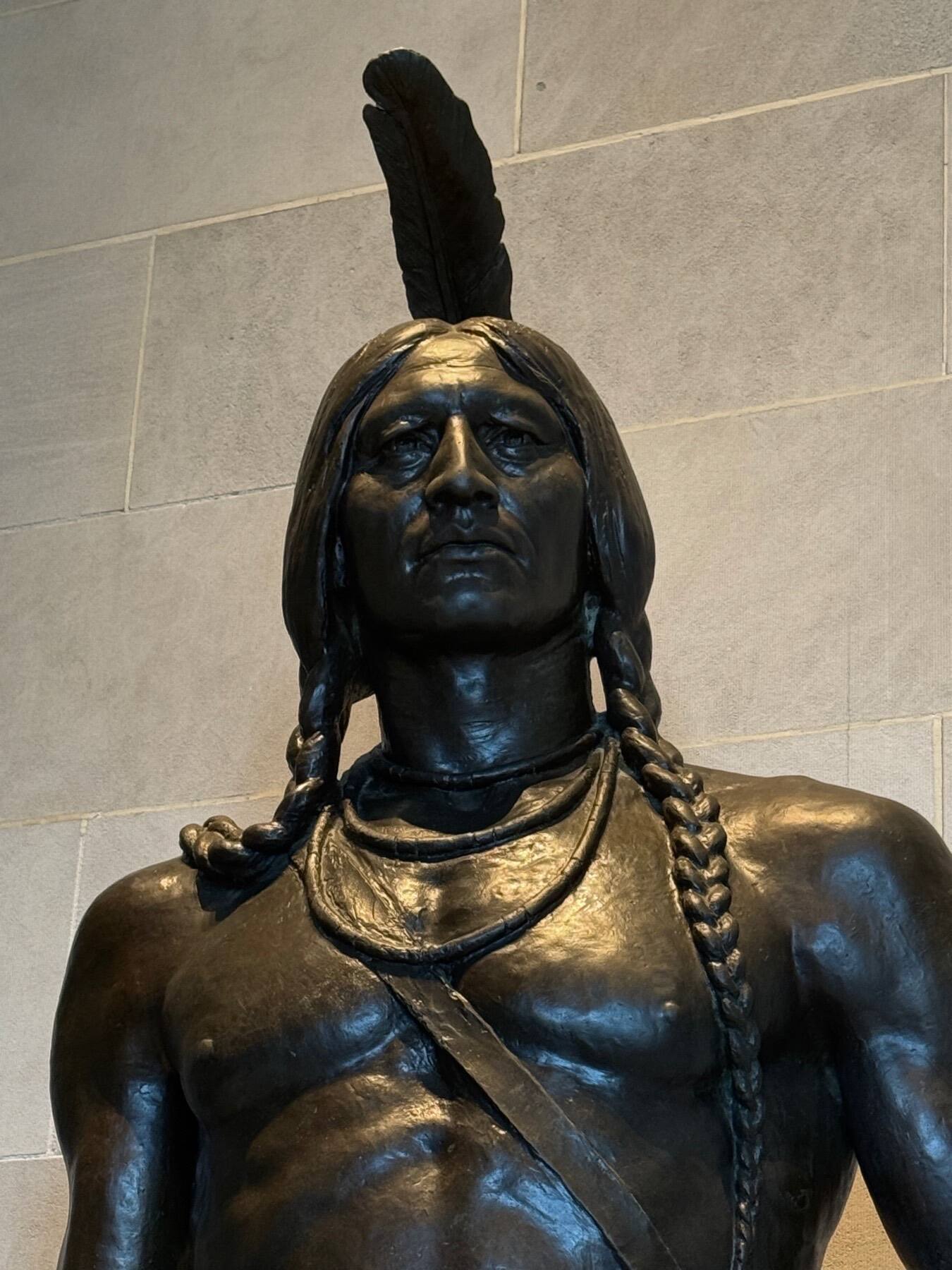
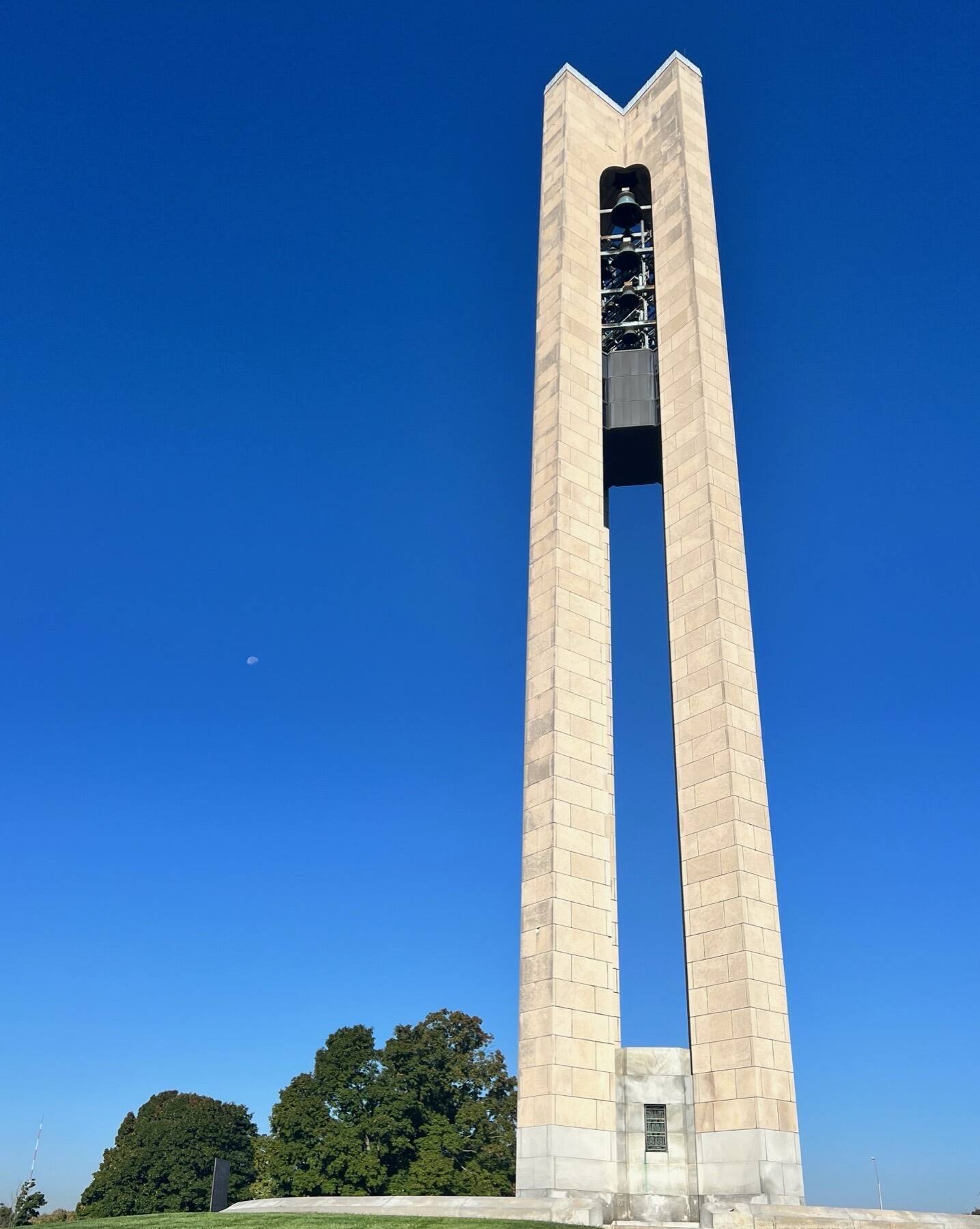
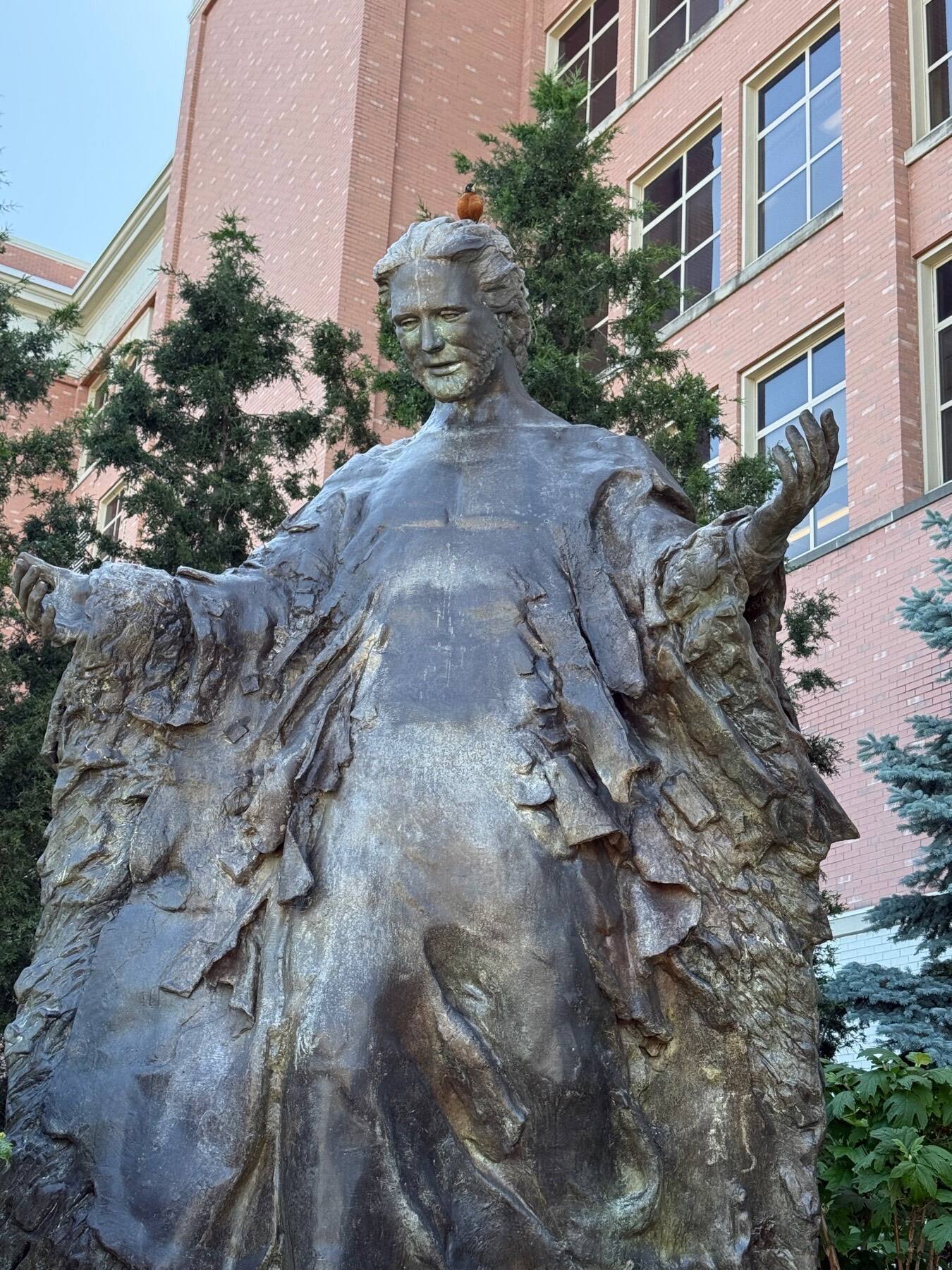
Two destinations most visitors never find, and both are worth the detour. The Dayton Art Institute sits on a hill overlooking the Great Miami River with a permanent collection that would hold its own in a city twice the size -- Monet, Rubens, and a Cyrus Edwin Dallin bronze that stops you cold. The building itself is worth the visit. A few miles away, Carillon Historical Park is 65 acres of actual Dayton history -- Wright Brothers aircraft, a Conestoga wagon, a functioning 1905 steam locomotive, and the Deeds Carillon tower whose bells mark the hours across the south side of the city. They are separate destinations. Plan accordingly. Neither gets the attention it deserves.
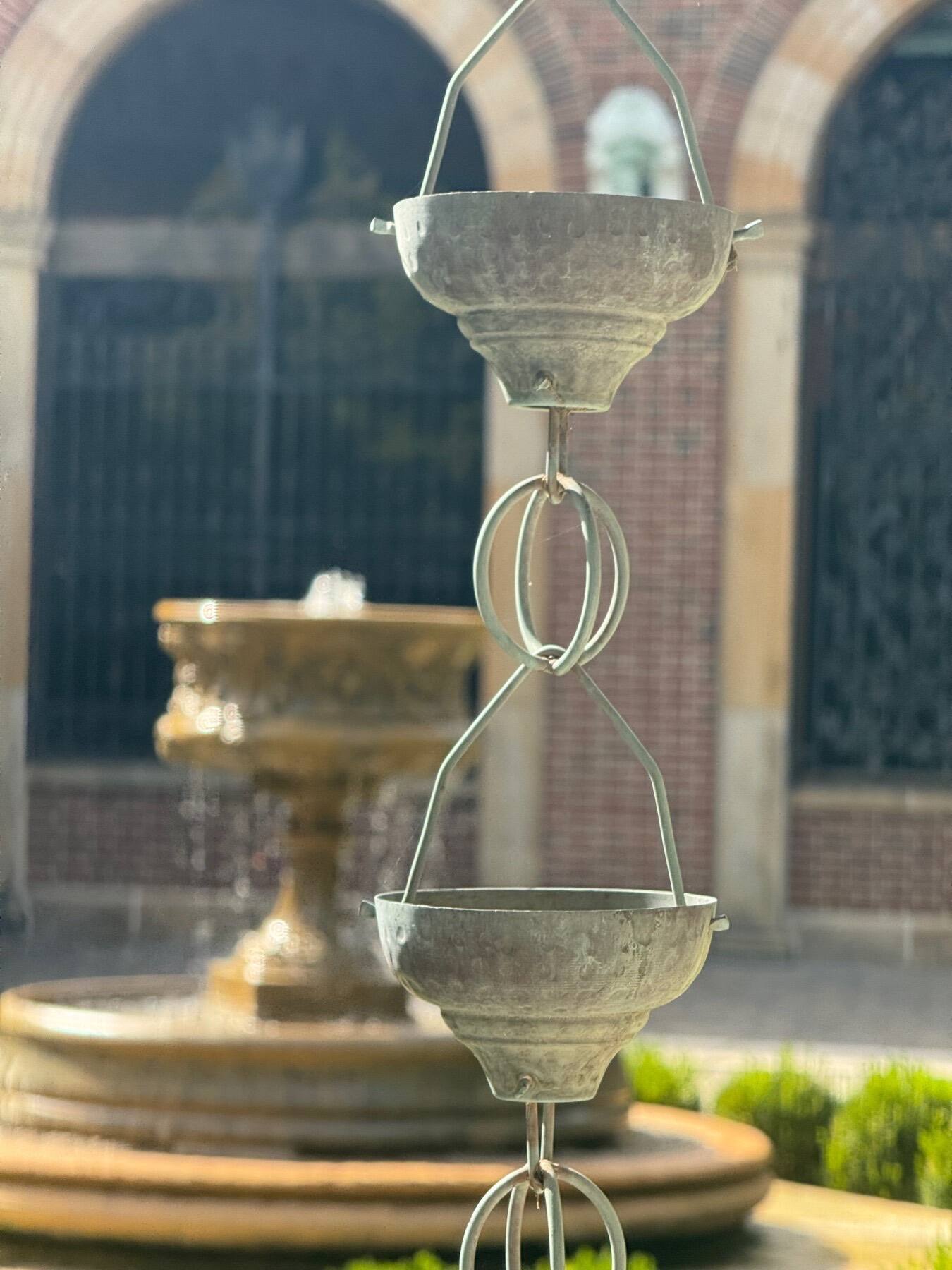
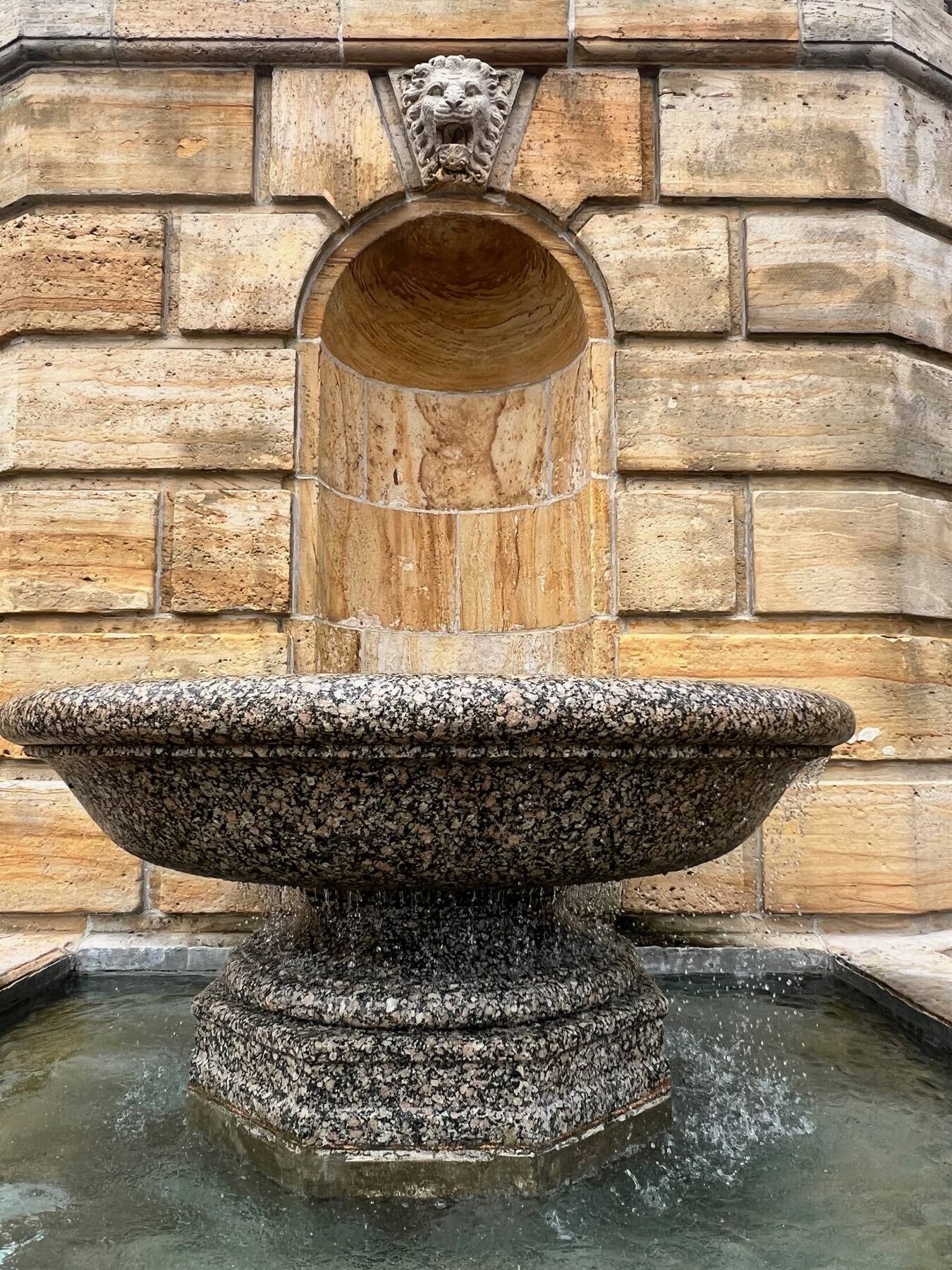

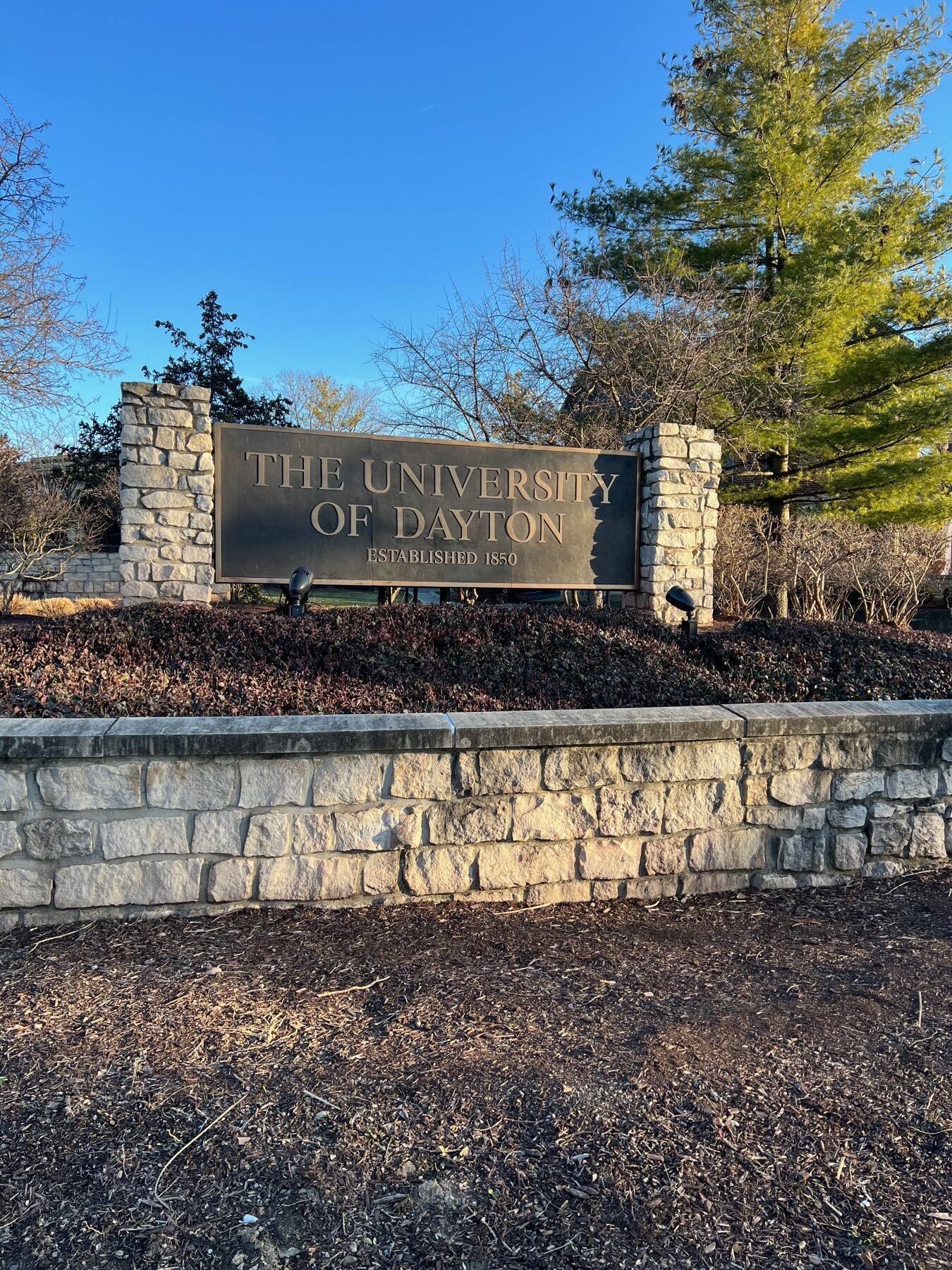
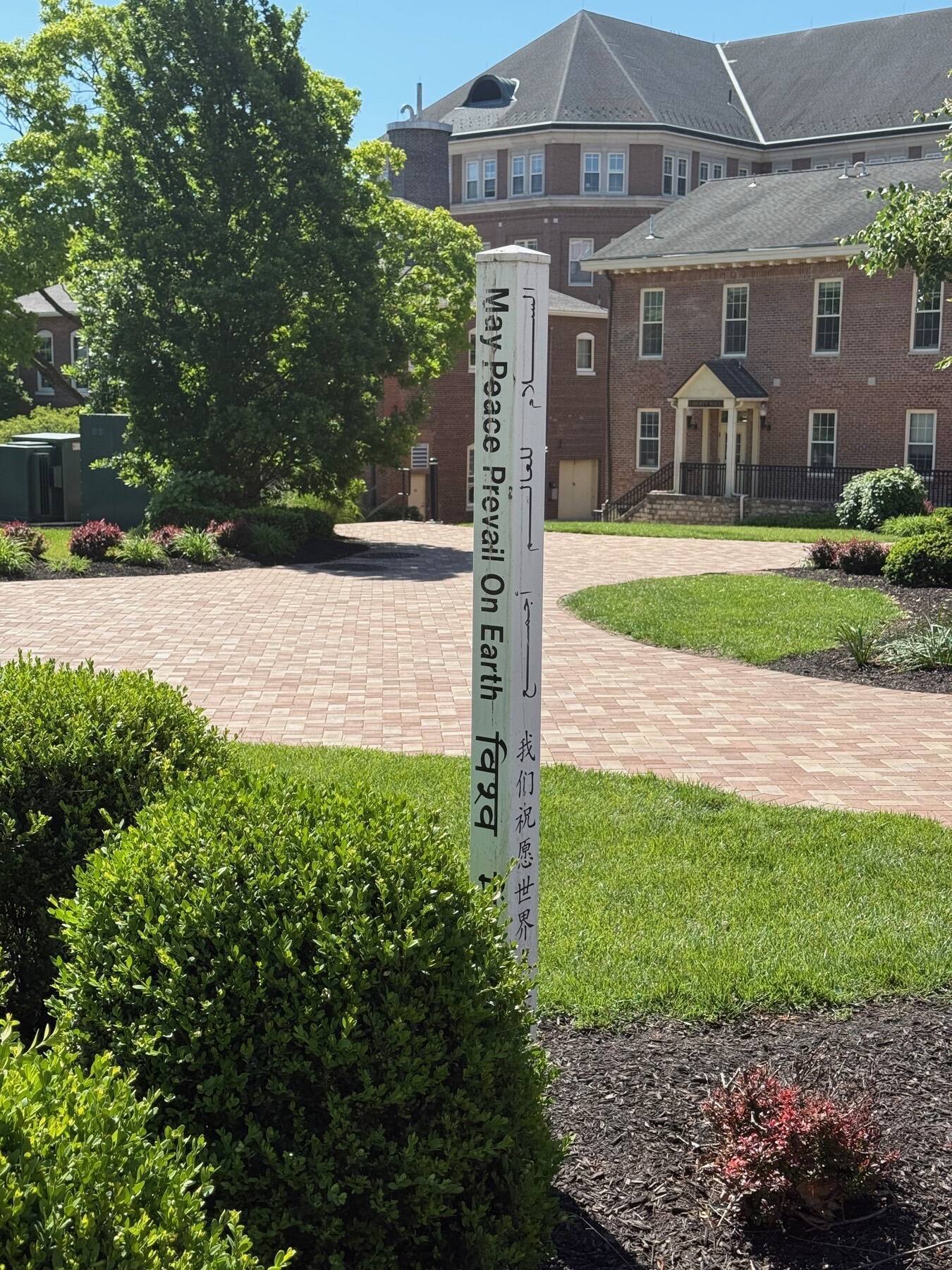
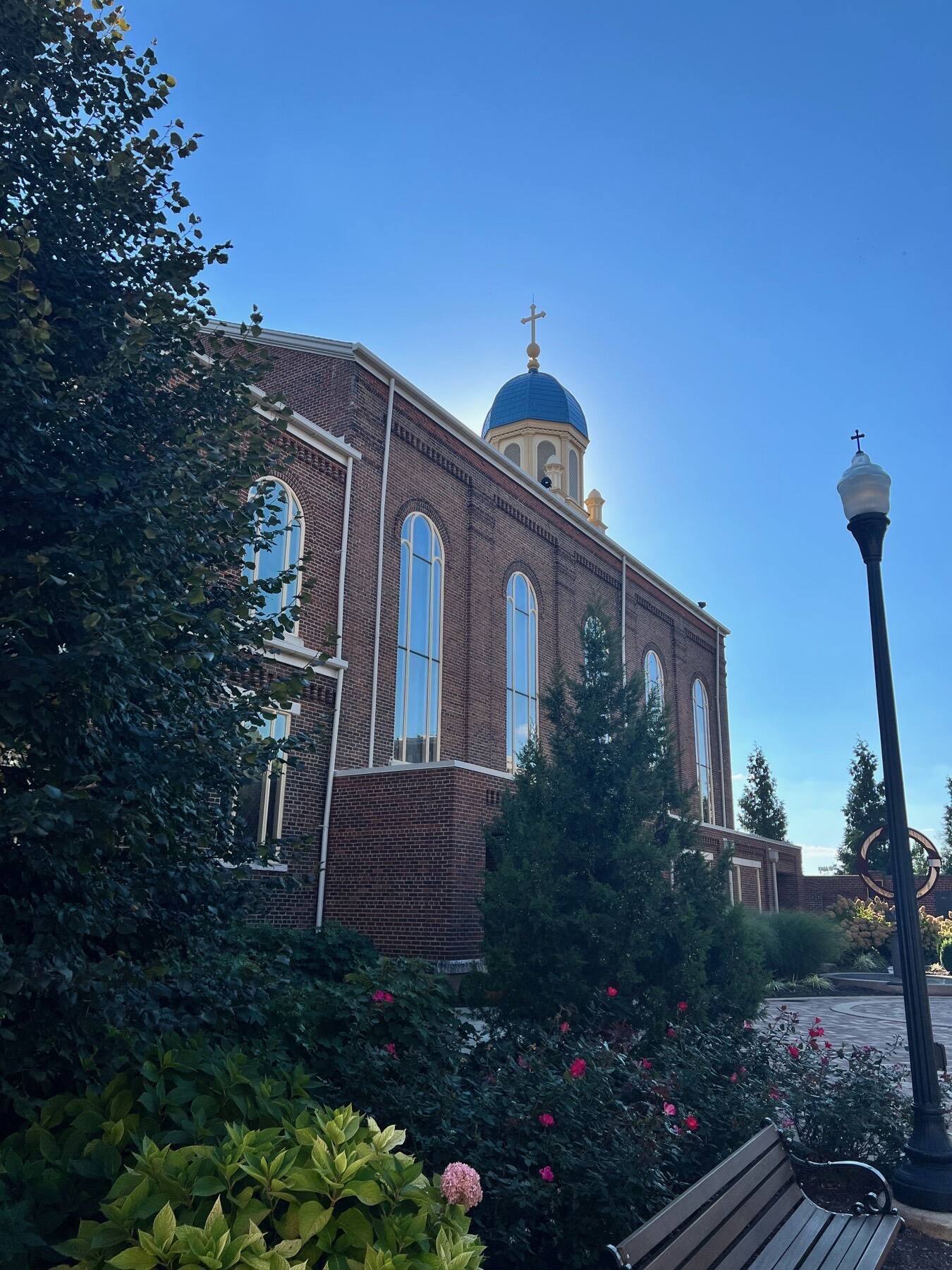
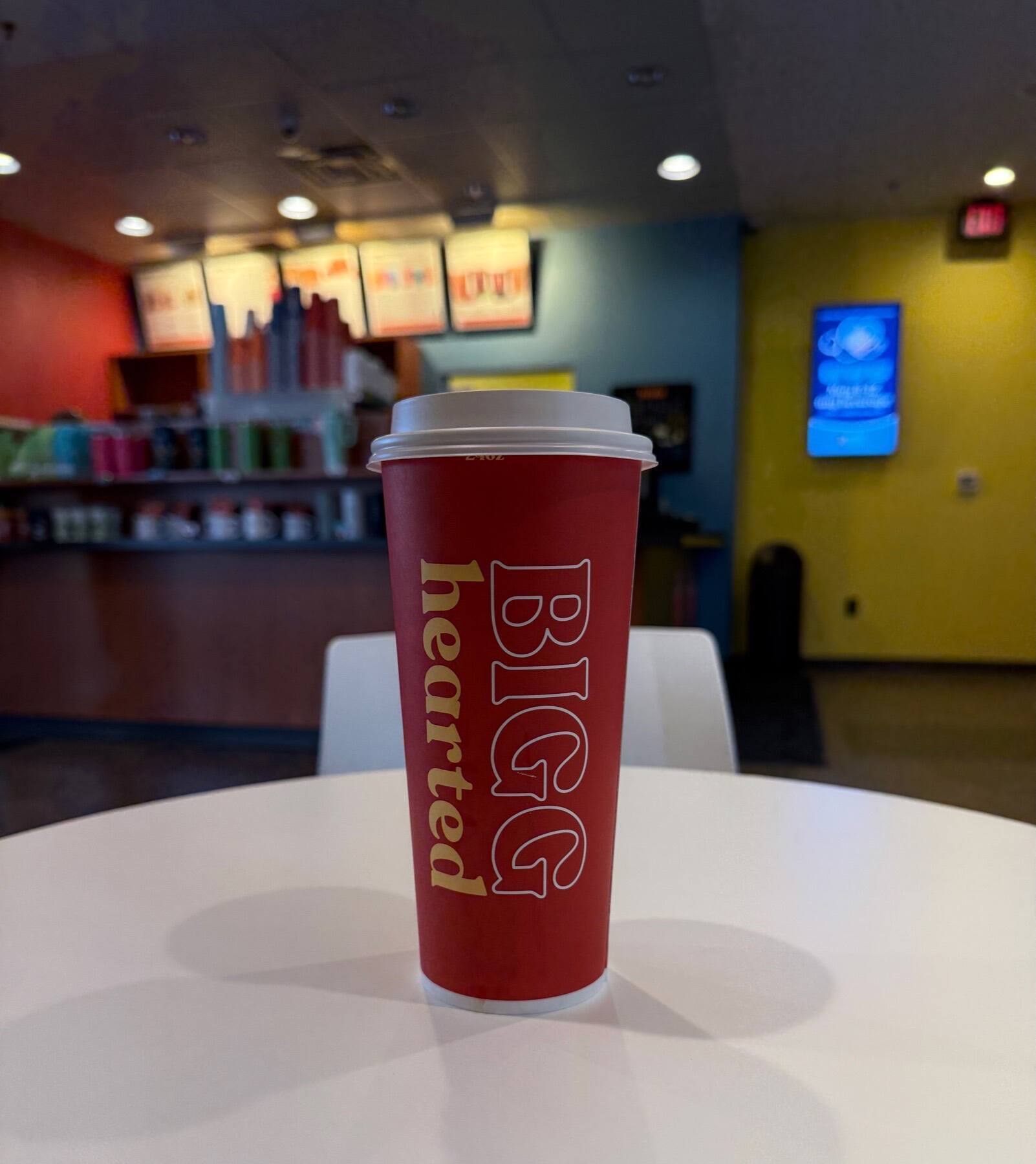
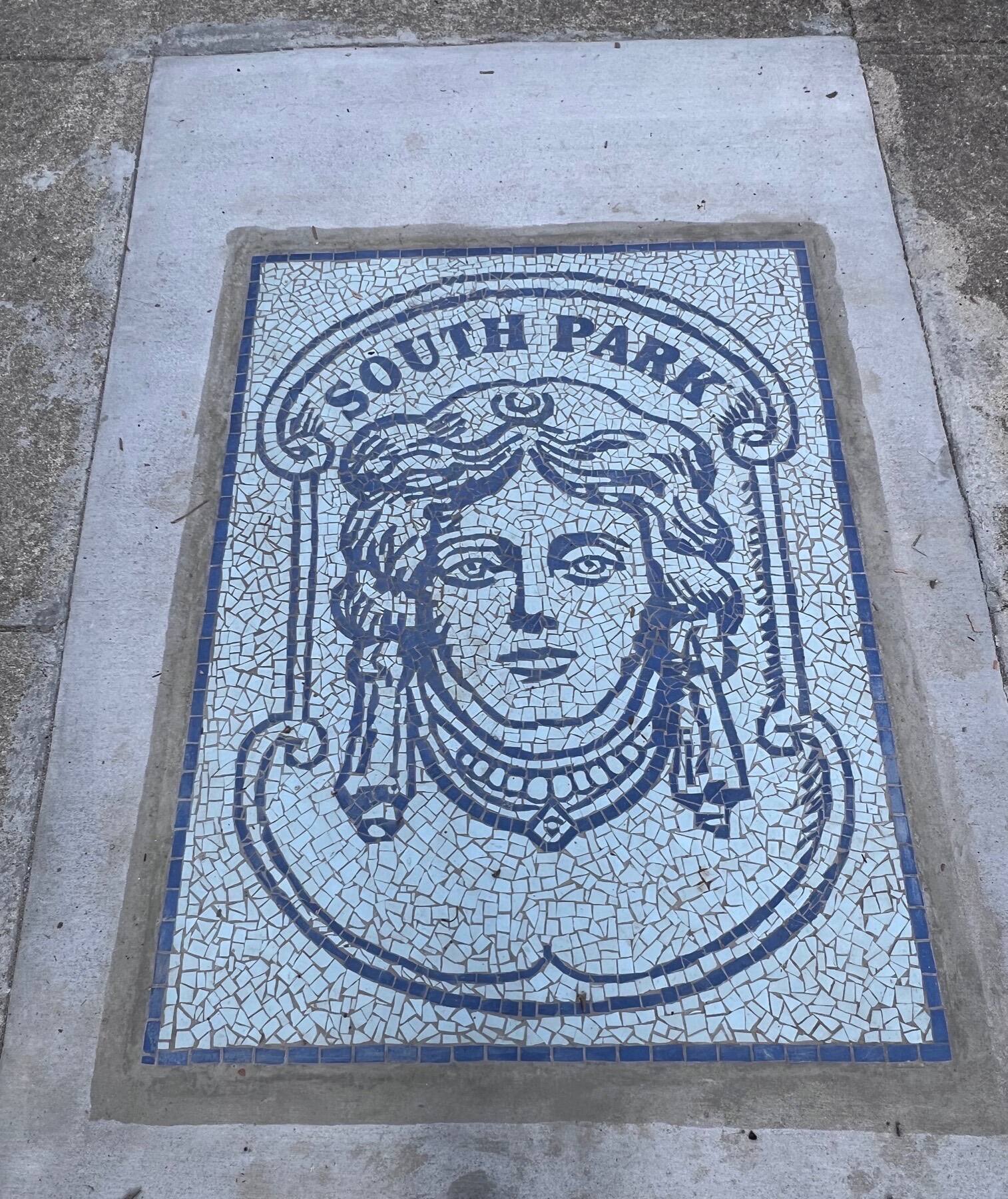
The University of Dayton has approximately 12,000 students and a campus culture unlike almost any other I've encountered -- genuinely warm, community-oriented, rooted. The student neighborhood surrounding it, Brown Street running south toward the Oregon District, has a lived-in energy that spills into the South Park Historic District, one of Dayton's most architecturally intact neighborhoods. On a Saturday morning it is exactly the kind of place you want to be walking through slowly. Then go to Biggby Coffee on Warren Street. Get there early. Tell them you heard about the place.
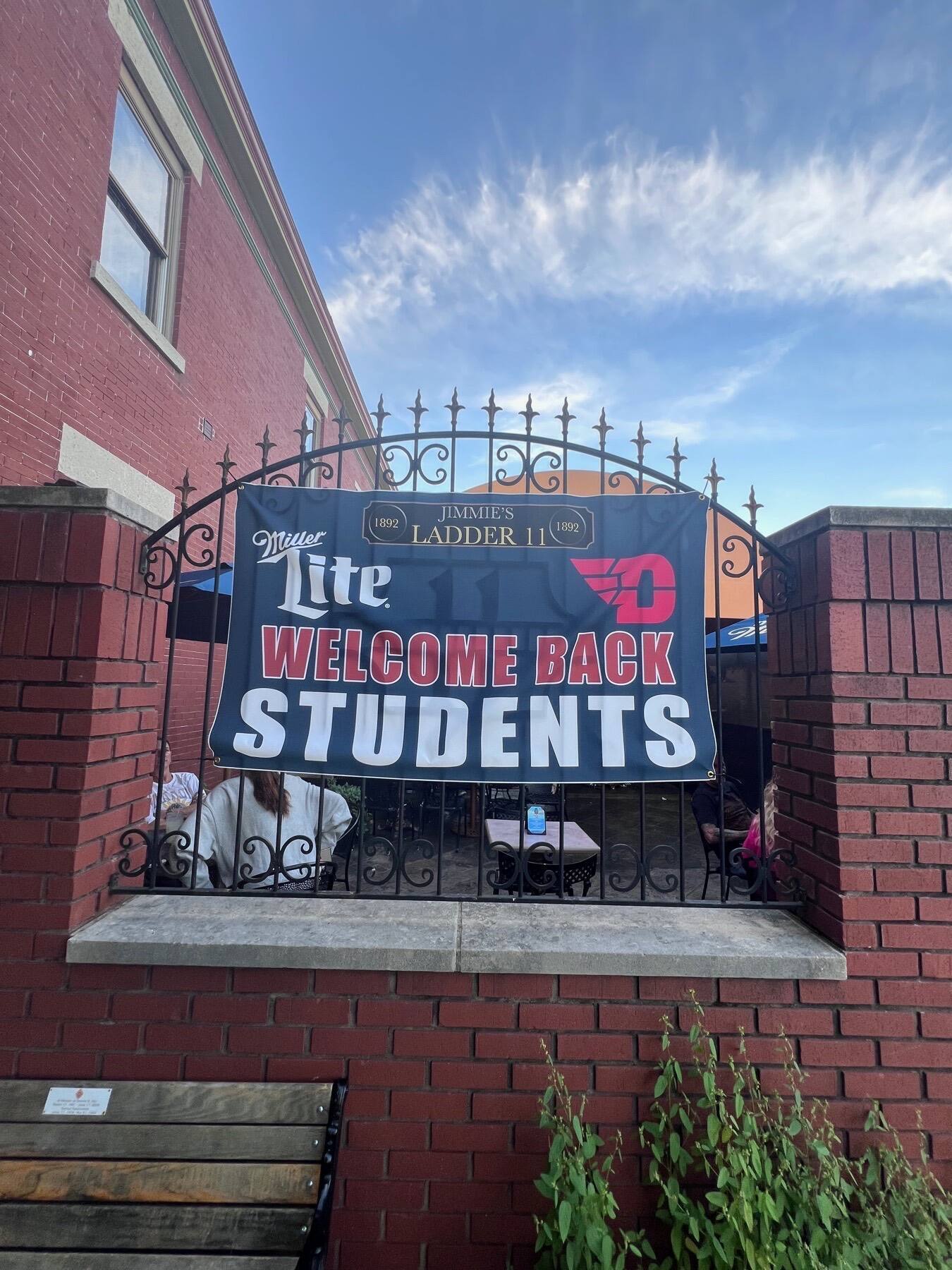
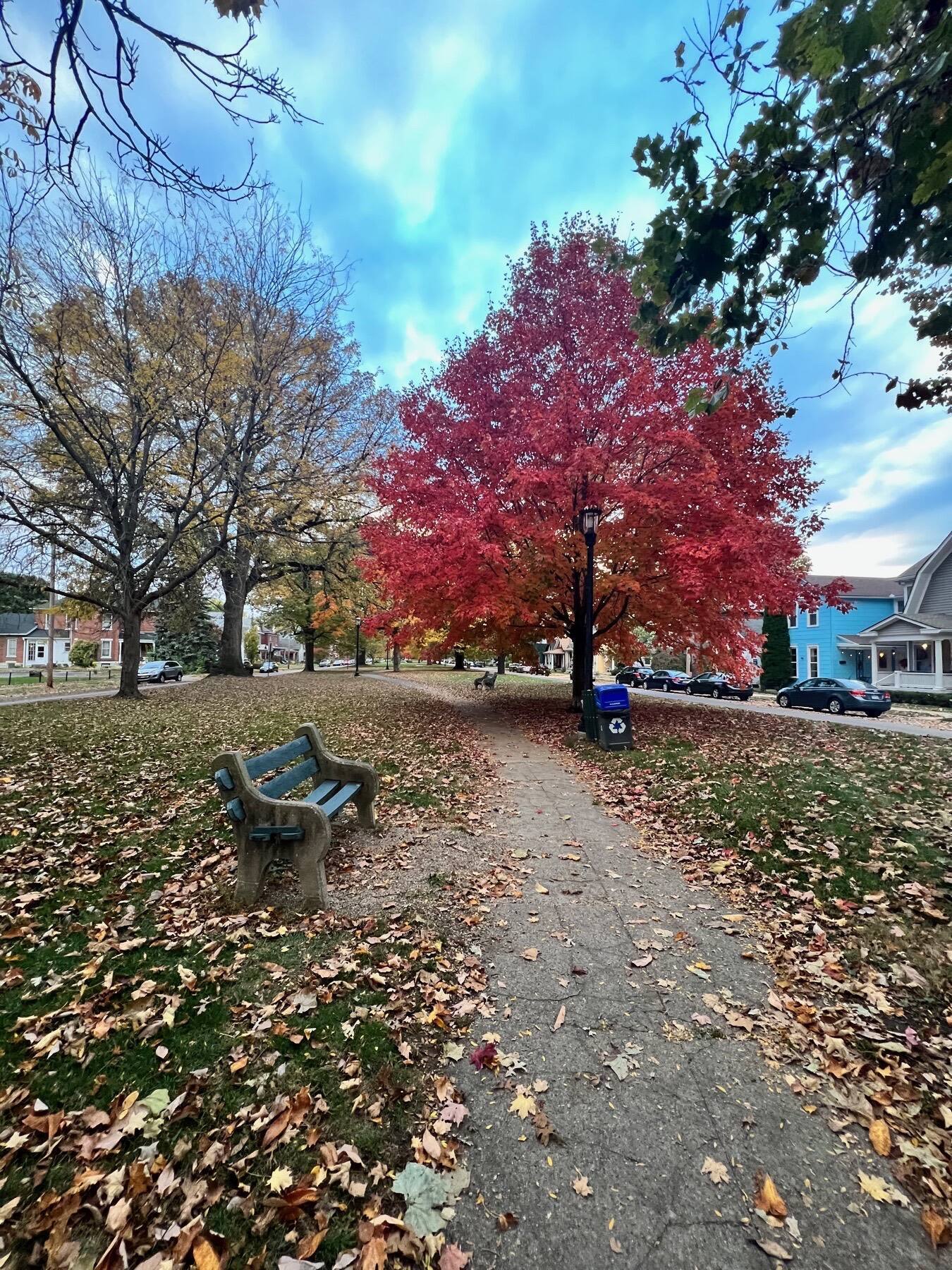
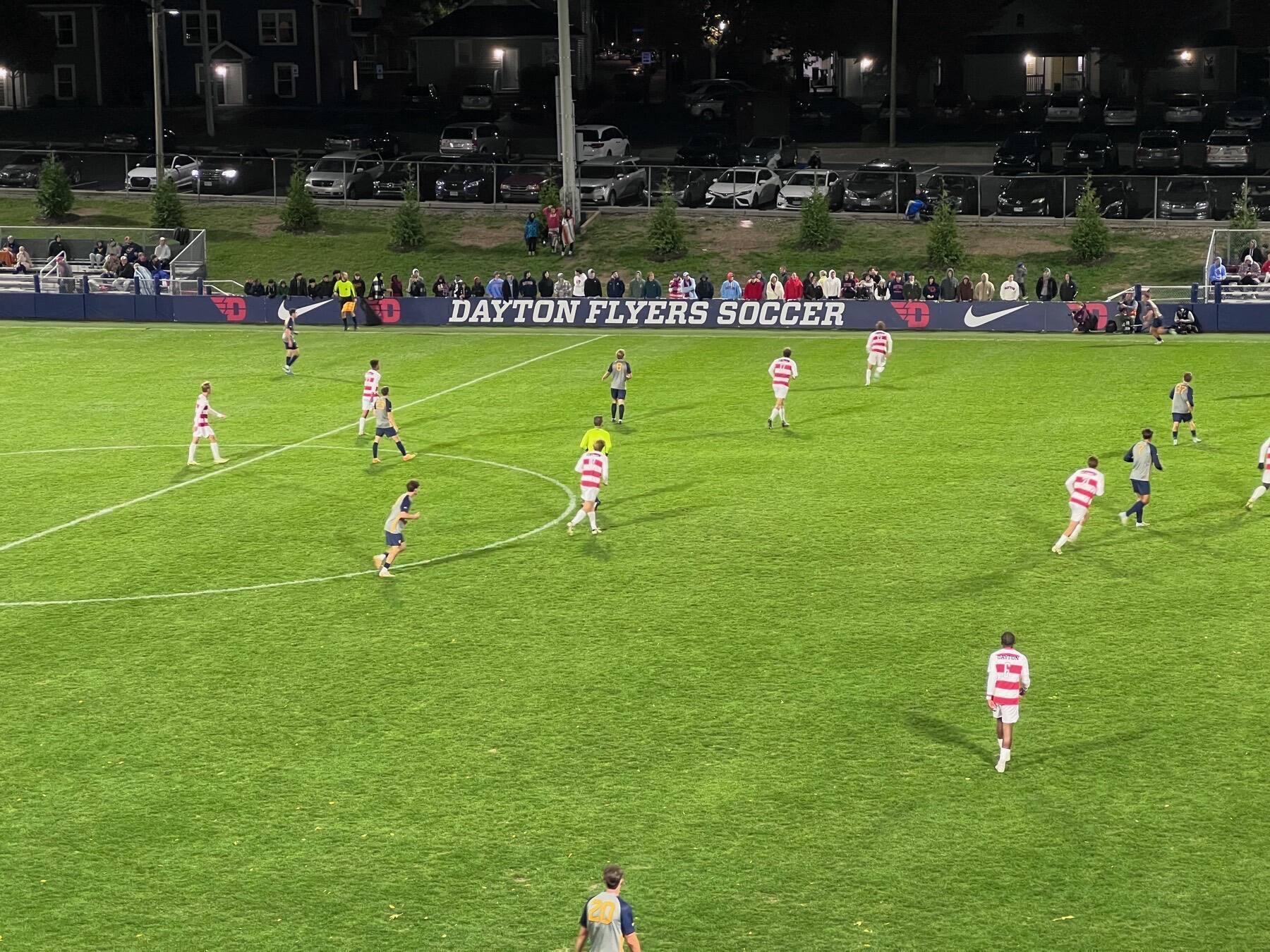
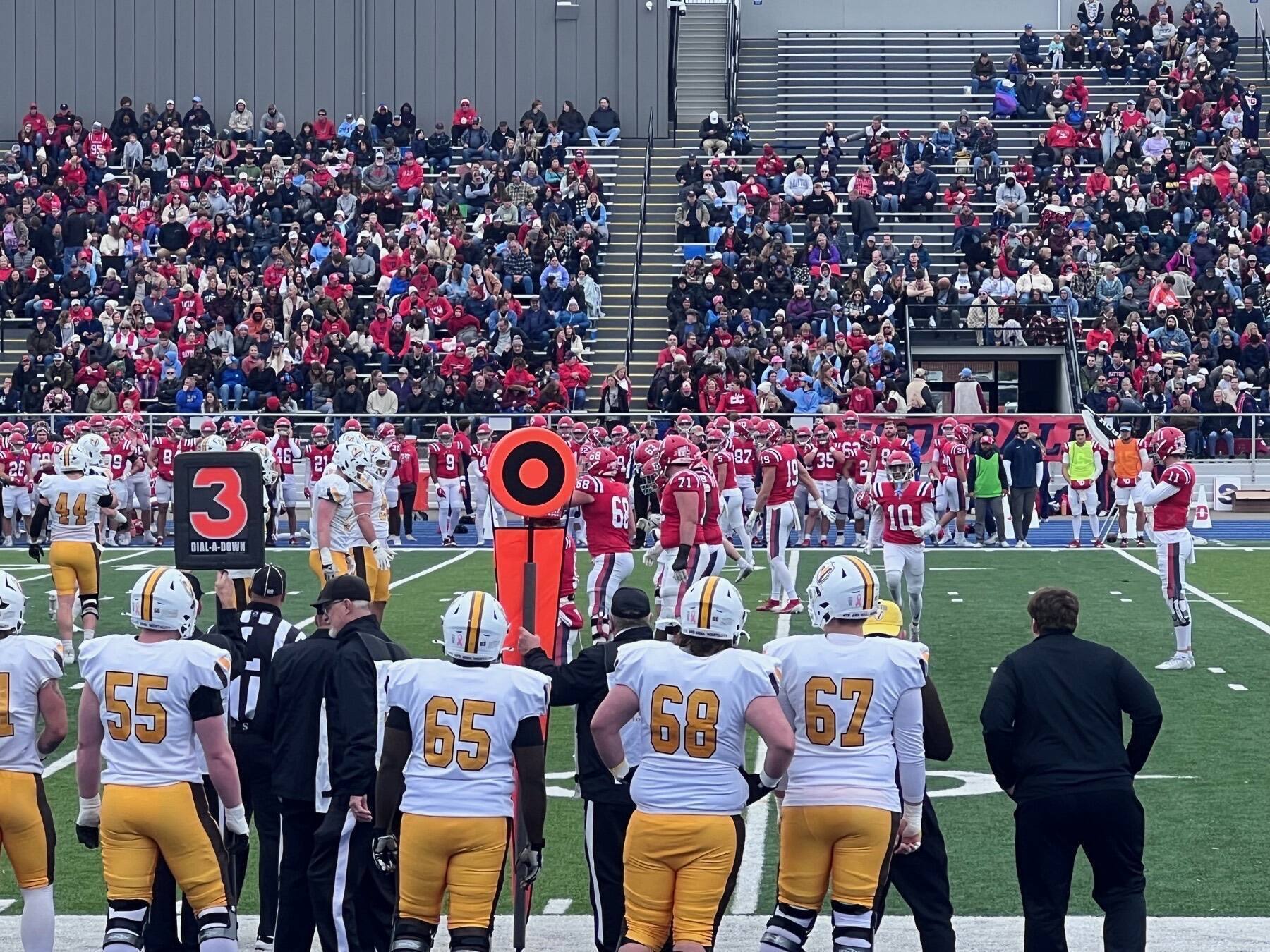
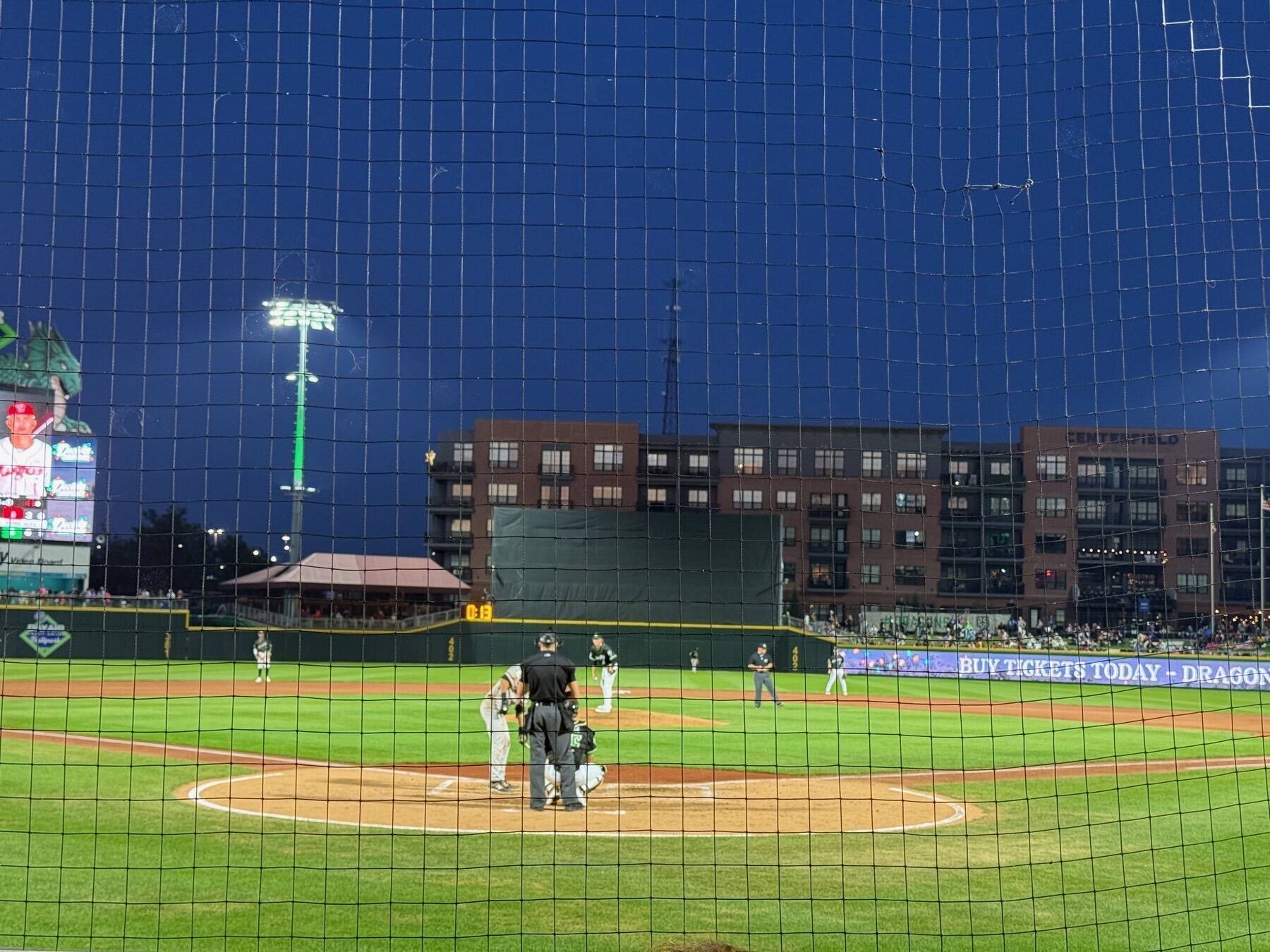
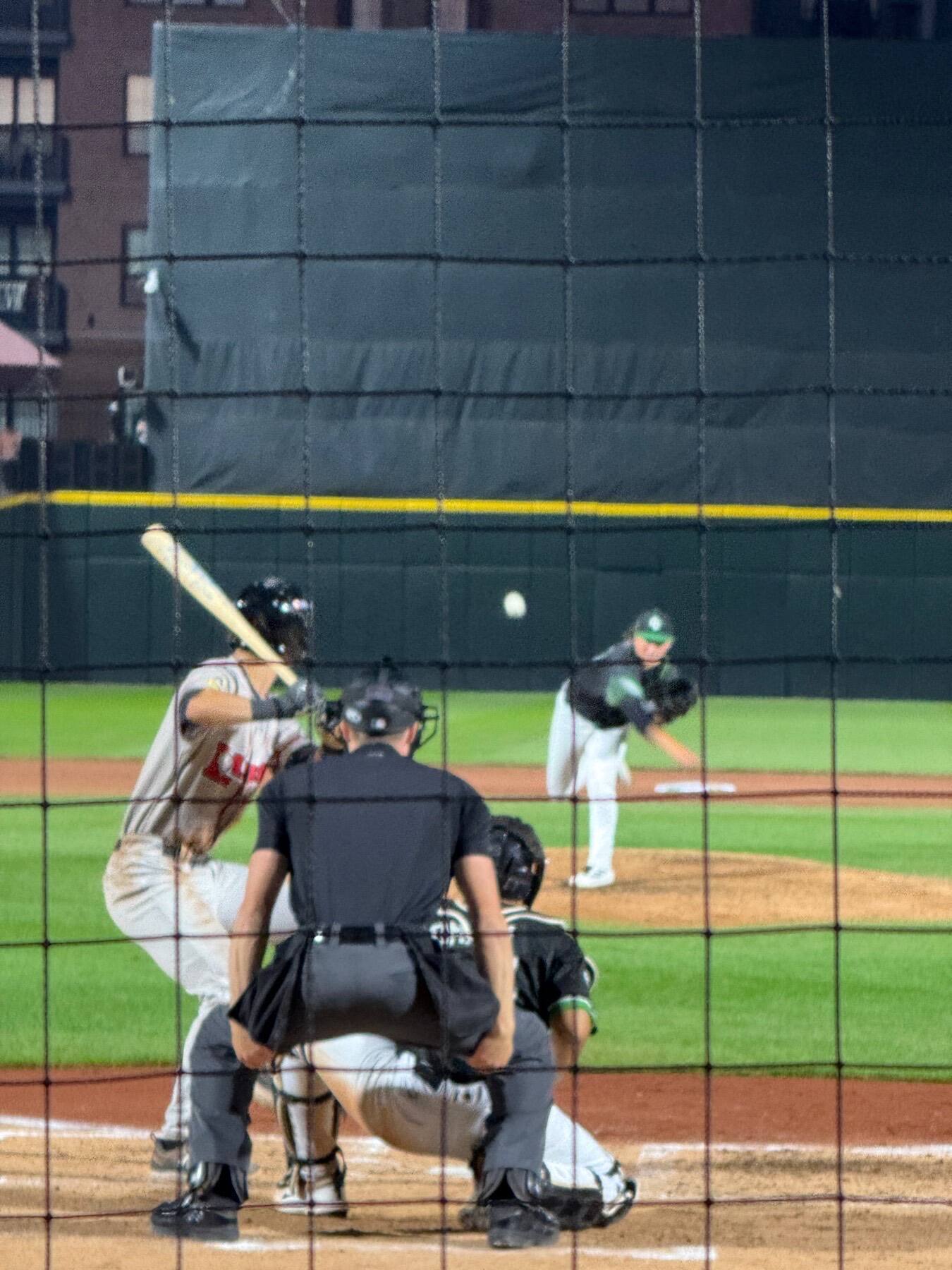
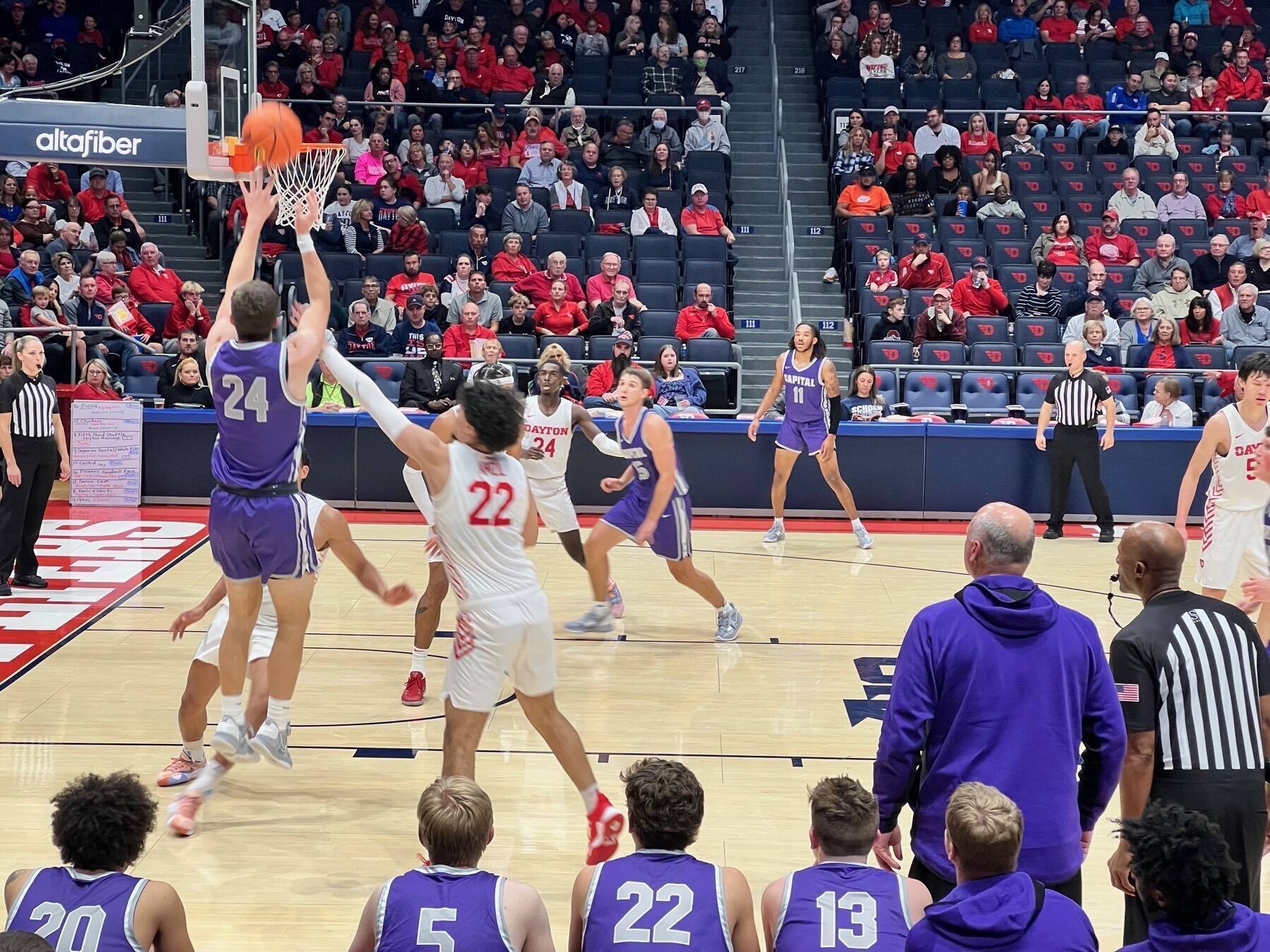
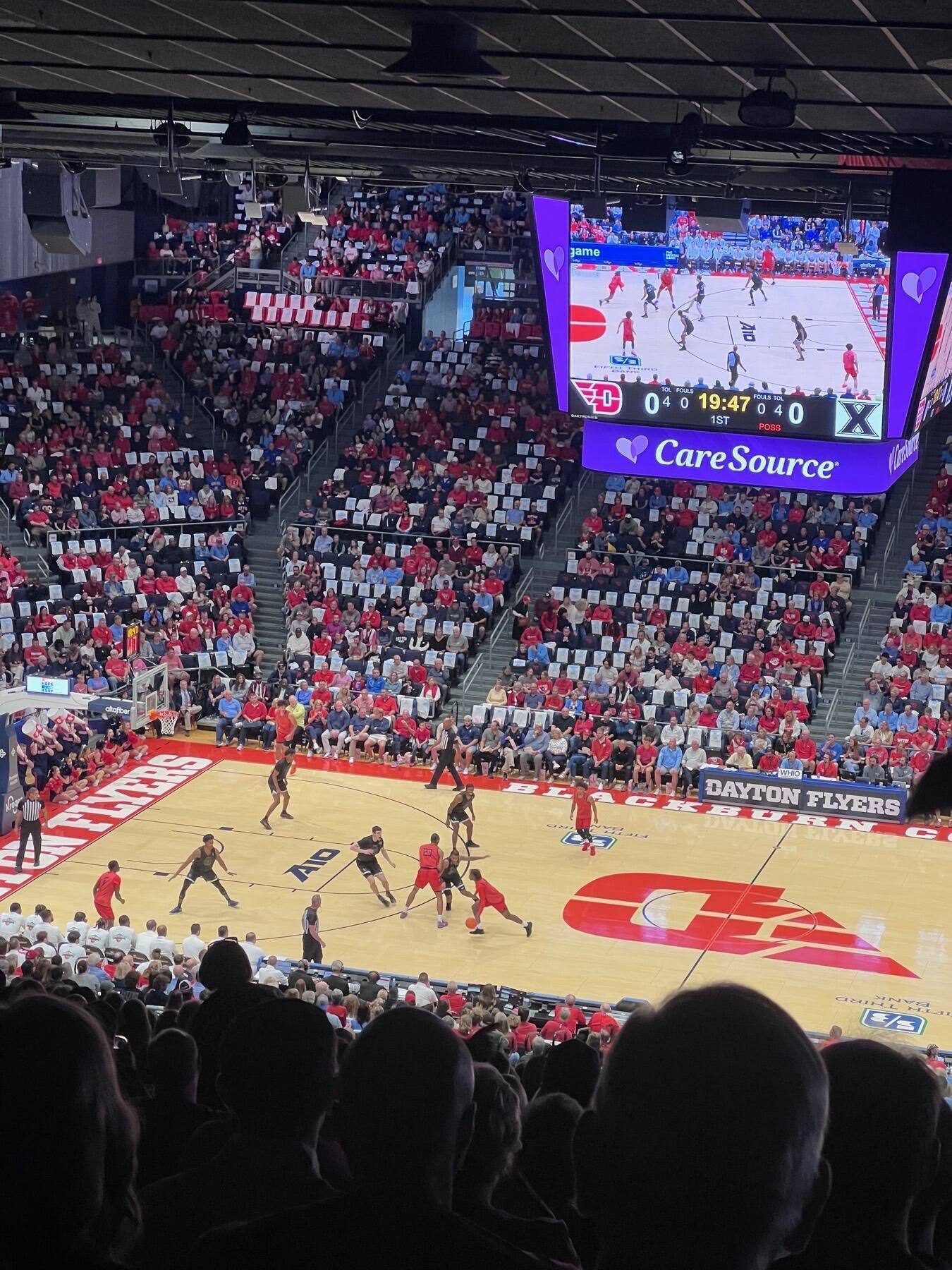
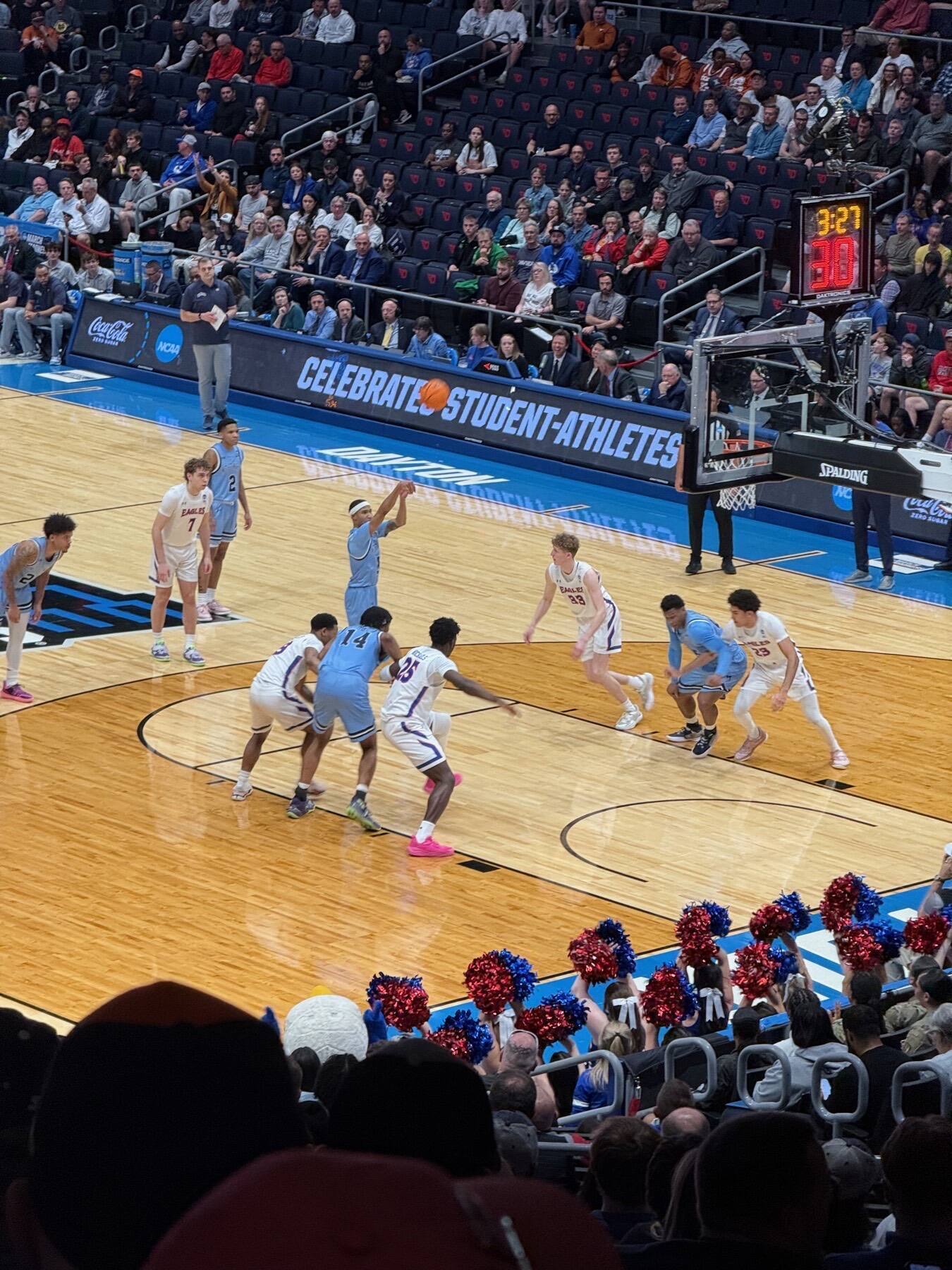
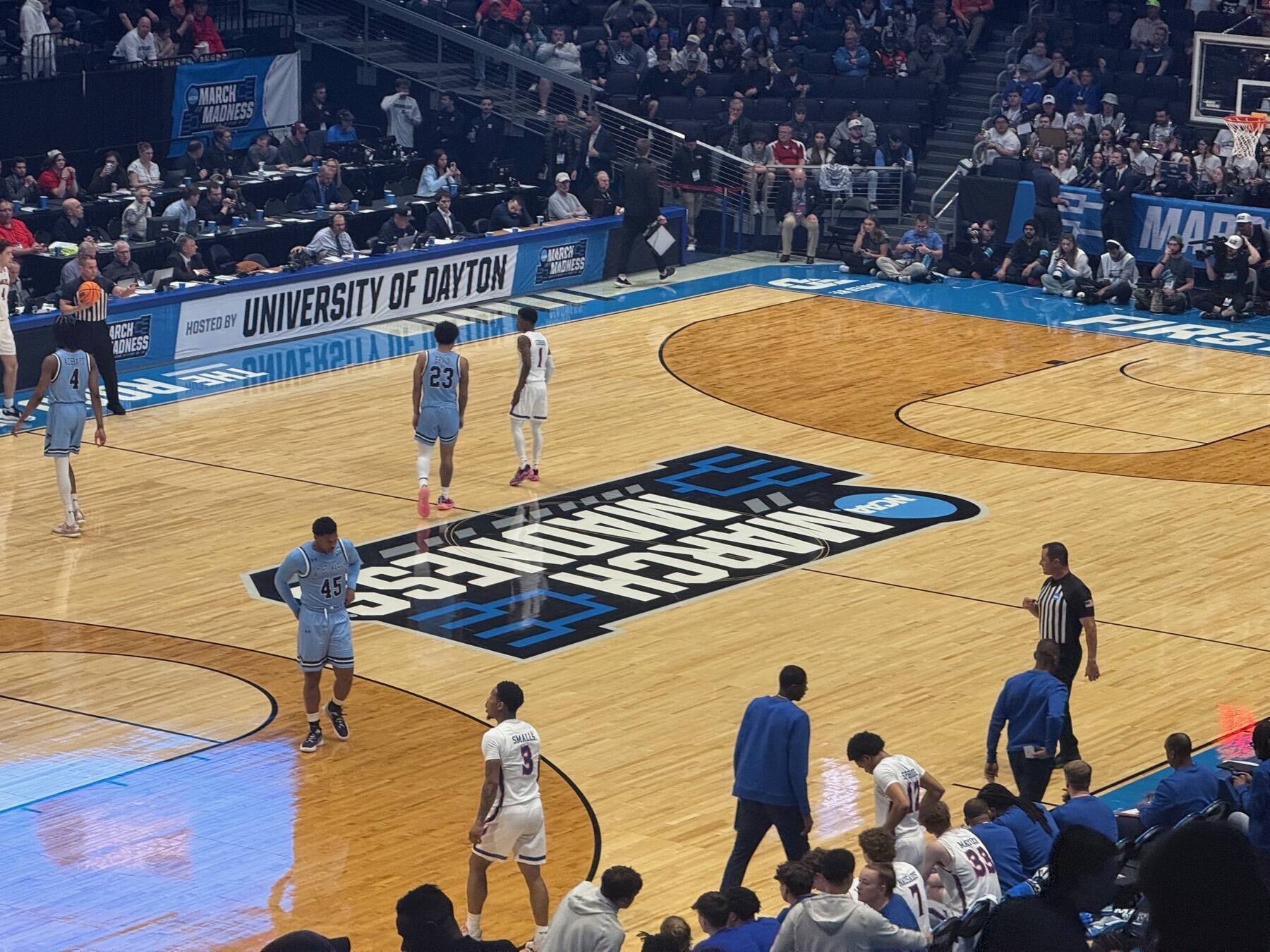
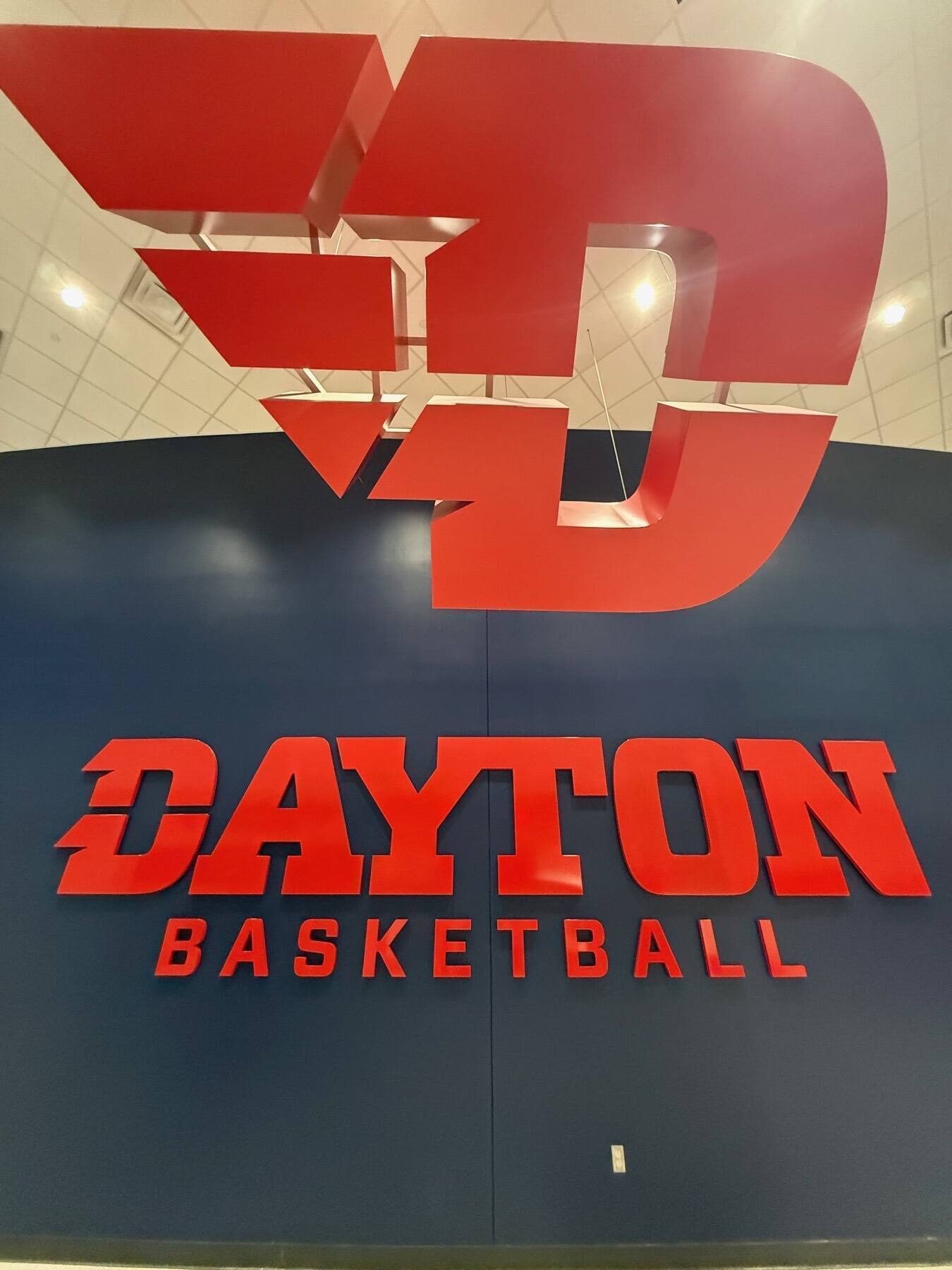
The University of Dayton Flyers basketball program is a genuine college basketball community. The UD Arena fills up, the student section is loud, and the loyalty runs through the whole city, not just the campus. Every March, Dayton also hosts the NCAA First Four -- the opening round of March Madness -- making UD Arena the place where the tournament actually begins. I was there for one of those games. The energy is something else entirely. The Dayton Dragons play Class-A baseball at Day Air Ballpark on the river -- their consecutive sellout streak is the longest in professional sports history. I went to games in both buildings. Both felt like the city showing up for itself. In a country where that feeling is harder to find than it used to be, it is worth something.
Dayton is a city that doesn't ask you to be impressed by it.
It doesn't have a famous skyline or a marquee attraction that ends up on every travel list. What it has is something harder to market and more valuable than either: a quality of life that reveals itself slowly, to people who stay long enough to see it.
The Oregon District on a Friday night. The library on a Tuesday afternoon. The Carillon bells on the hour. The police officers who made room at the table for a stranger. The Biggby team who learned your order and asked about your work. The Wright Brothers' bicycle shop on a quiet street that most visitors never find.
I came to Dayton because my son was here. The city had no obligation to include me.
It included me anyway.
When I finally rode out of Dayton airport for the last time, I spent the whole Uber ride talking about the city -- the neighborhoods, the history, the places worth going. The driver looked at me like I'd lived here my whole life.
I told him I had. In a way that counted, I had.
Some cities ask you to admire them. Dayton asks you to stay long enough to understand them. That is a quieter and more honest invitation -- and one that is very much worth accepting.