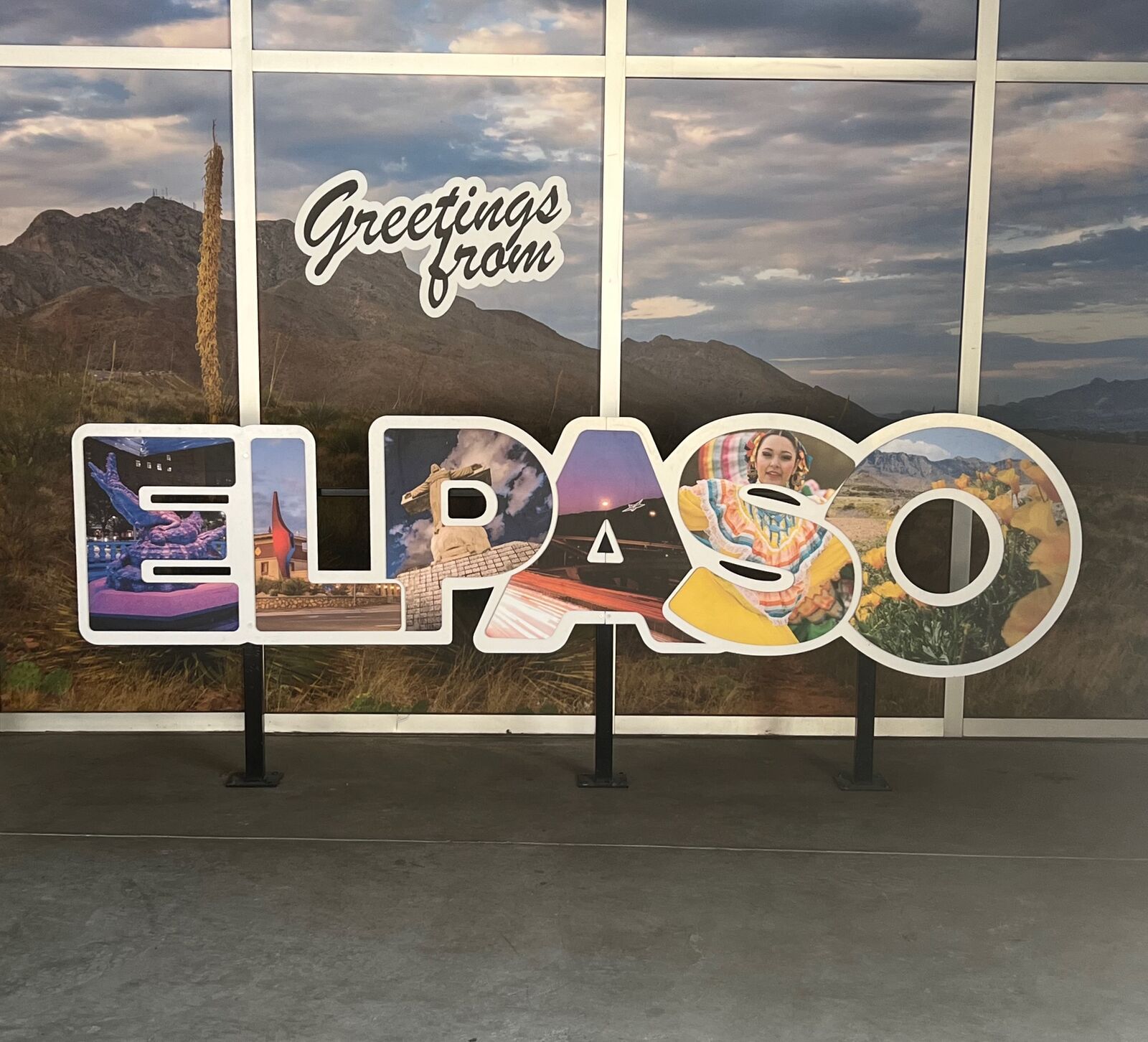
El Paso
Texas
Before arriving, I expected El Paso to be a city defined by a border. After three weeks living there, I realized the border explained surprisingly little.
Every morning I could see Mexico from my apartment. Downtown streets flowed effortlessly between English and Spanish. Families crossed the bridges the way commuters elsewhere cross rivers. Baseball games, coffee shops, neighborhood taco stands, university sidewalks, churches, museums, and grocery stores all belonged to a community whose rhythms long predated the politics that dominate the national conversation.
What surprised me most wasn't that El Paso sits beside another country. It was discovering how many of America's oldest stories are still visible here.
Indigenous communities that never disappeared.
Catholic missions still serving living congregations.
Murals that preserve memory better than monuments.
A border that divides governments more easily than families.
El Paso reminded me that some places are easier to misunderstand from a distance than almost anywhere else in America.
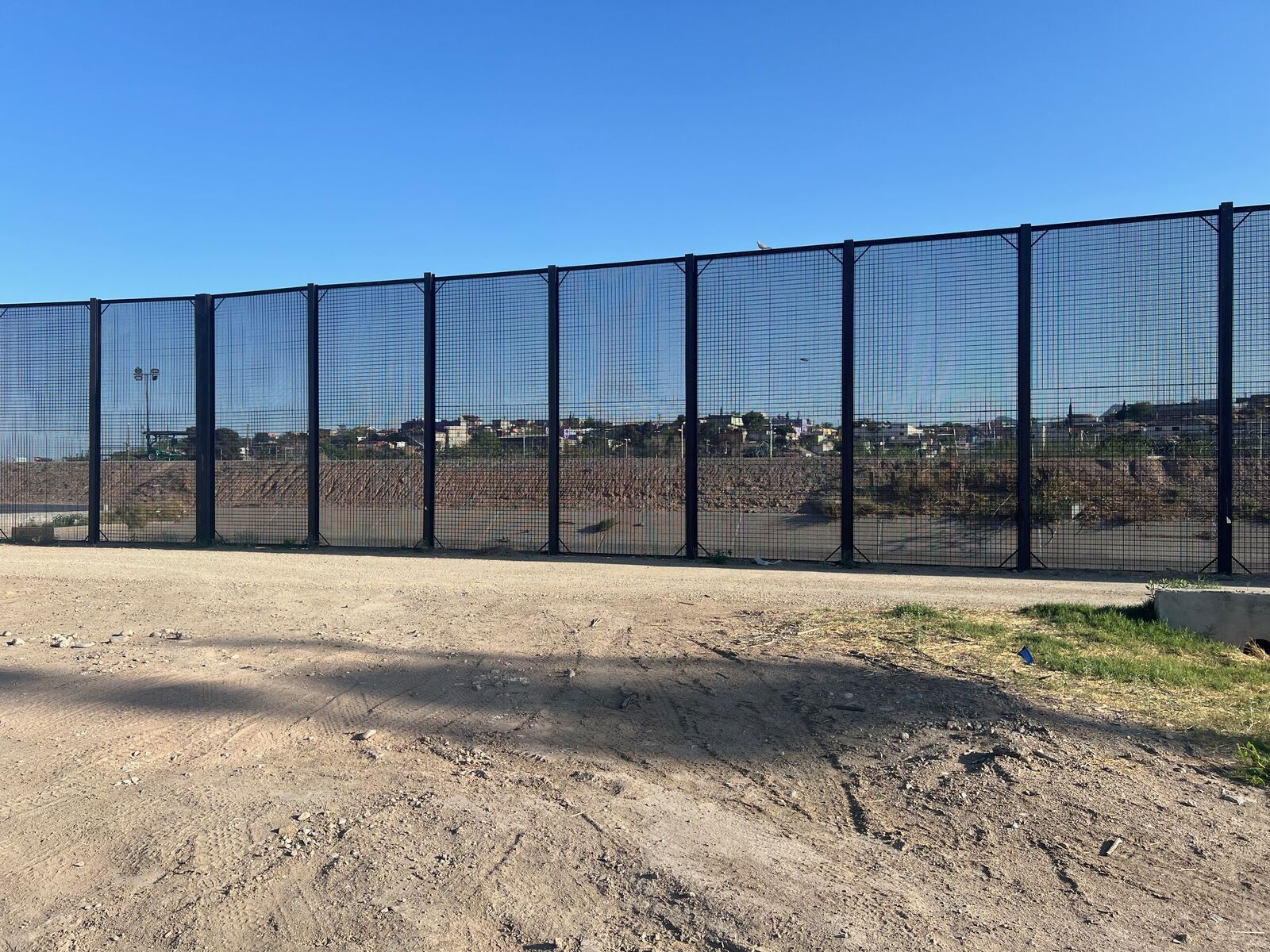
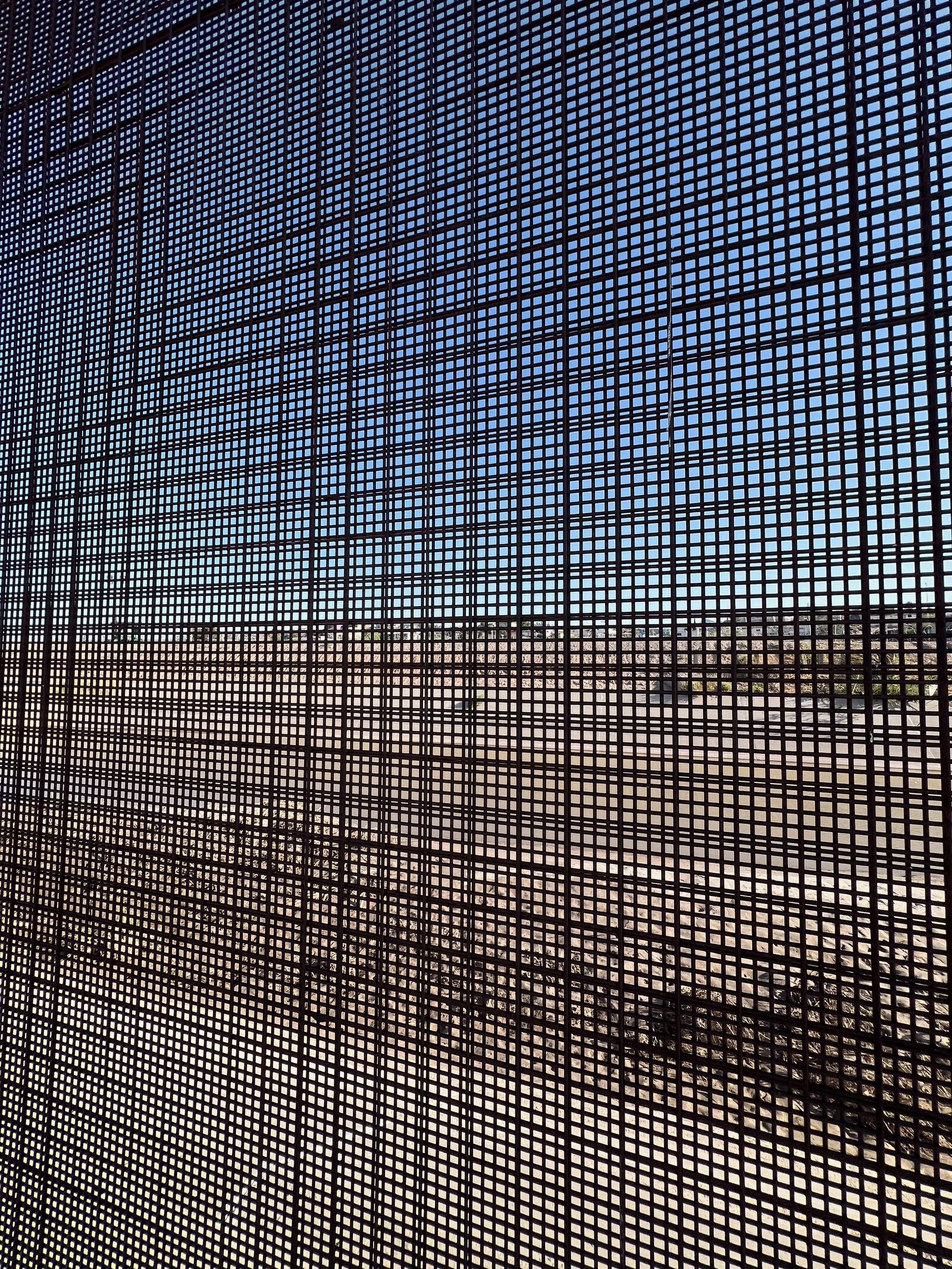
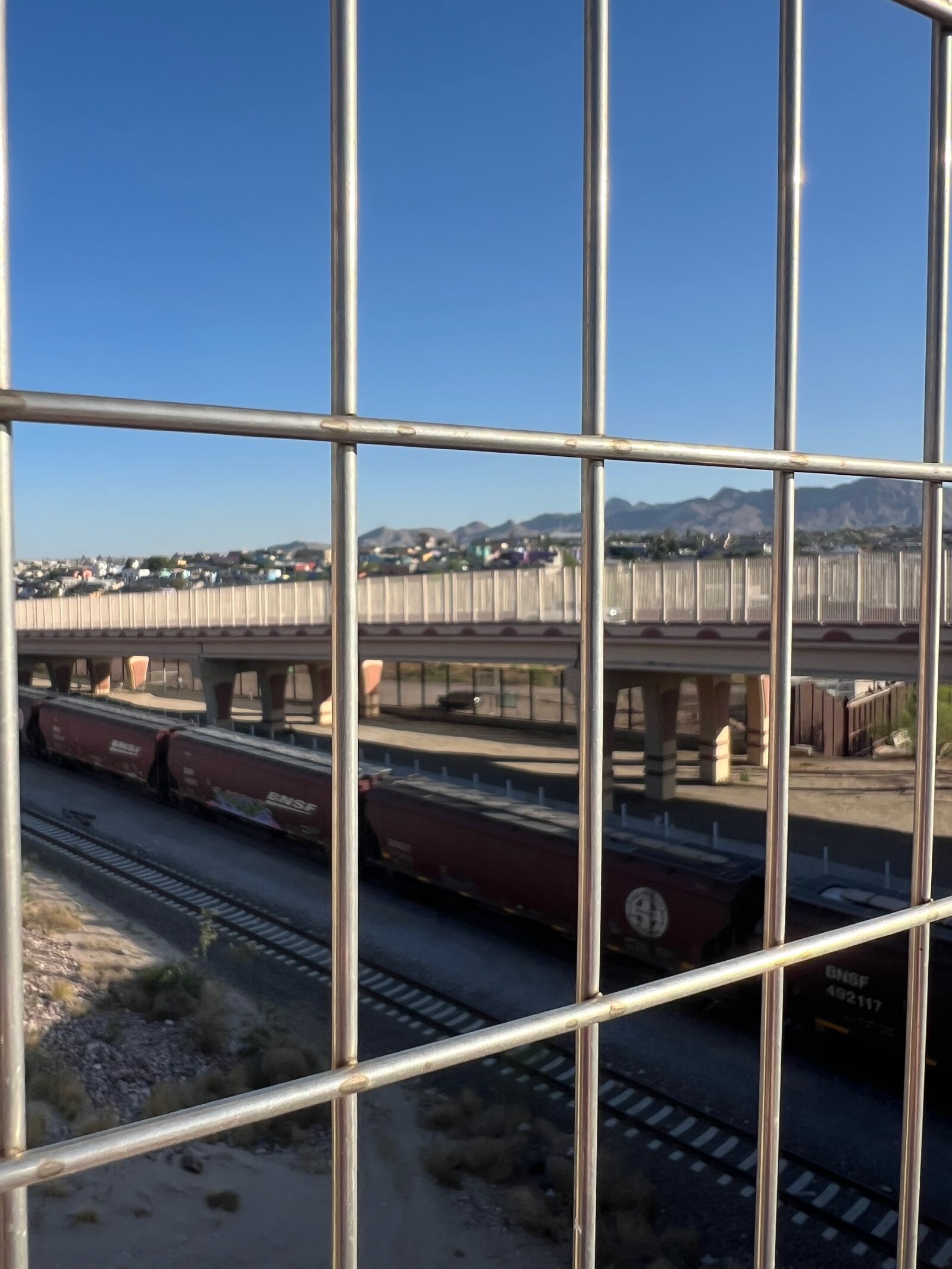
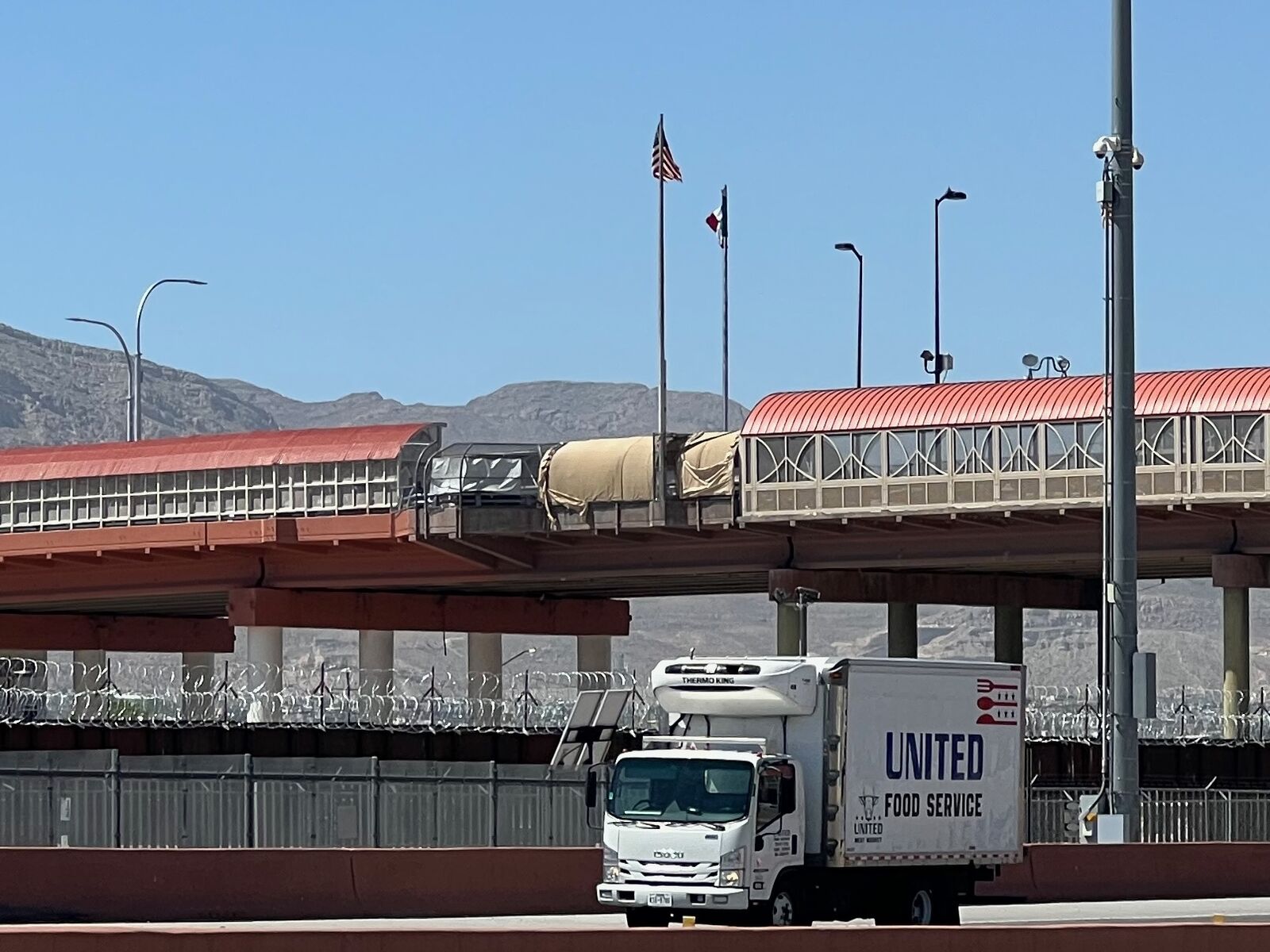
The border wall runs along a dirt access road on the city's edge, steel slats close enough together that Juárez behind them resolves into rooftops, water towers, the ordinary architecture of a city that is not foreign so much as adjacent. Up close, the fence is just material: mesh, steel, shadow falling in even rows across the ground. From a distance it is the most photographed and most misunderstood object in the country's political imagination. Standing at it, what struck me wasn't danger. It was proximity. Mexico was never an idea here. It was the view out my window every morning.
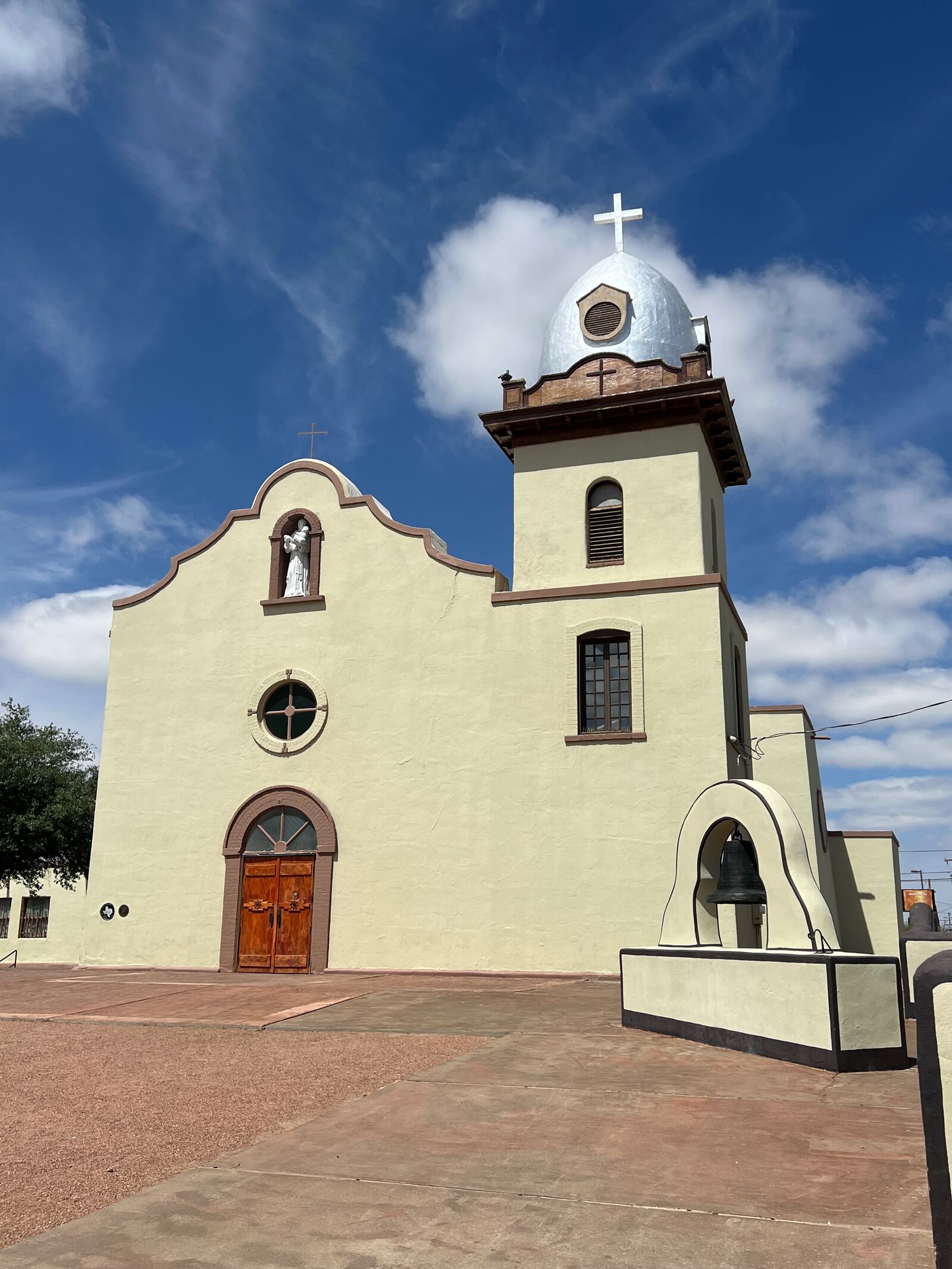
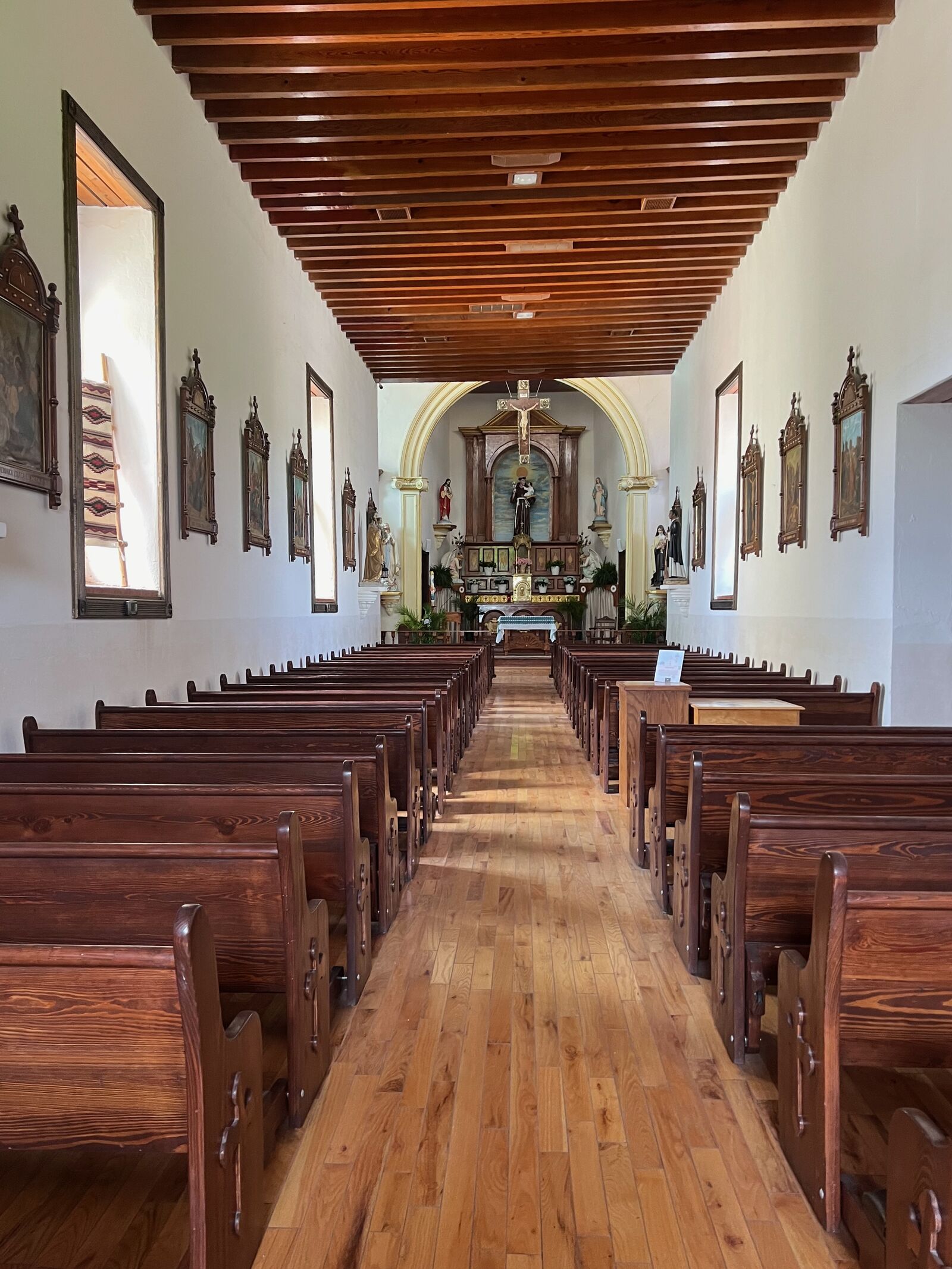
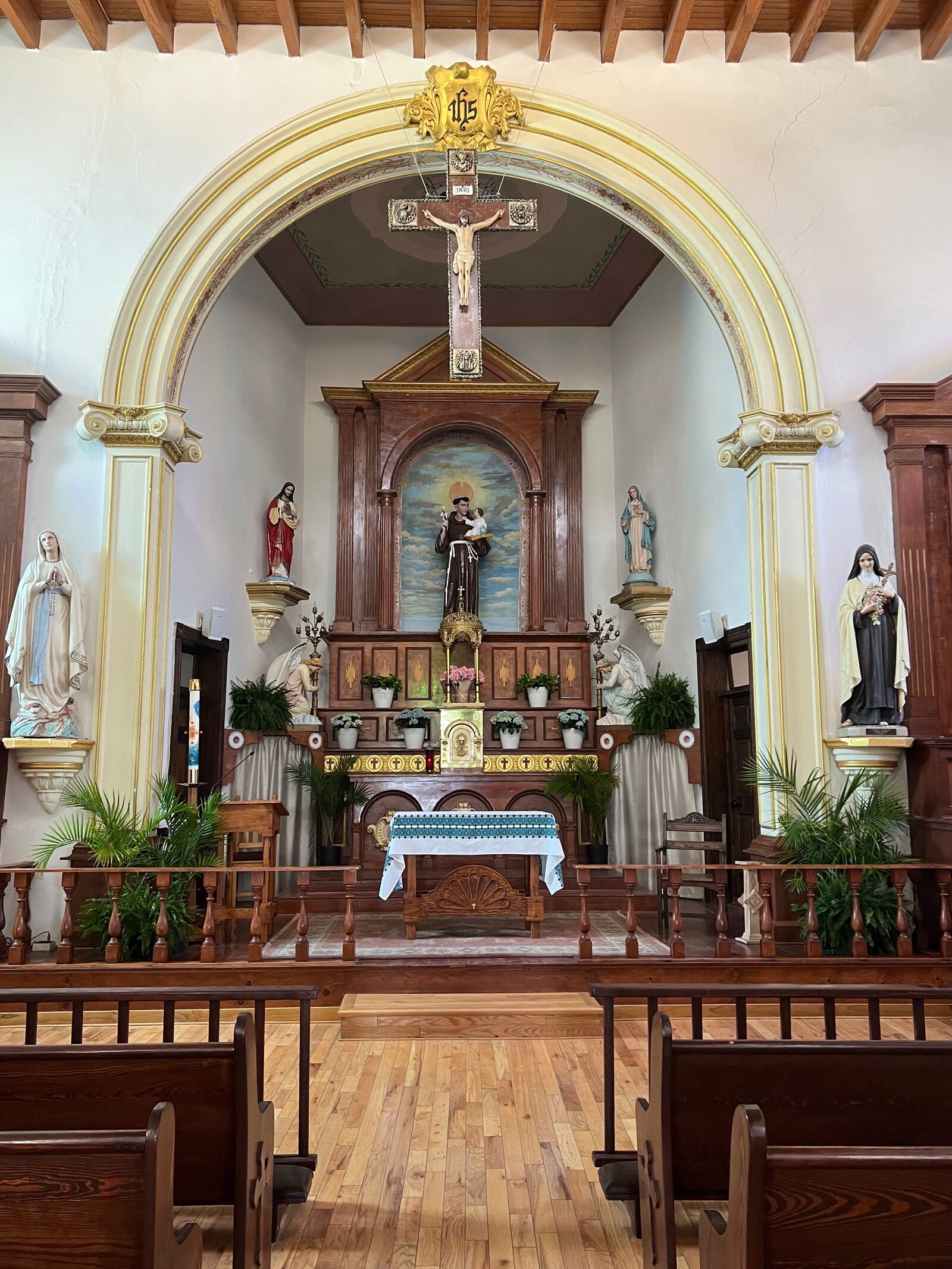
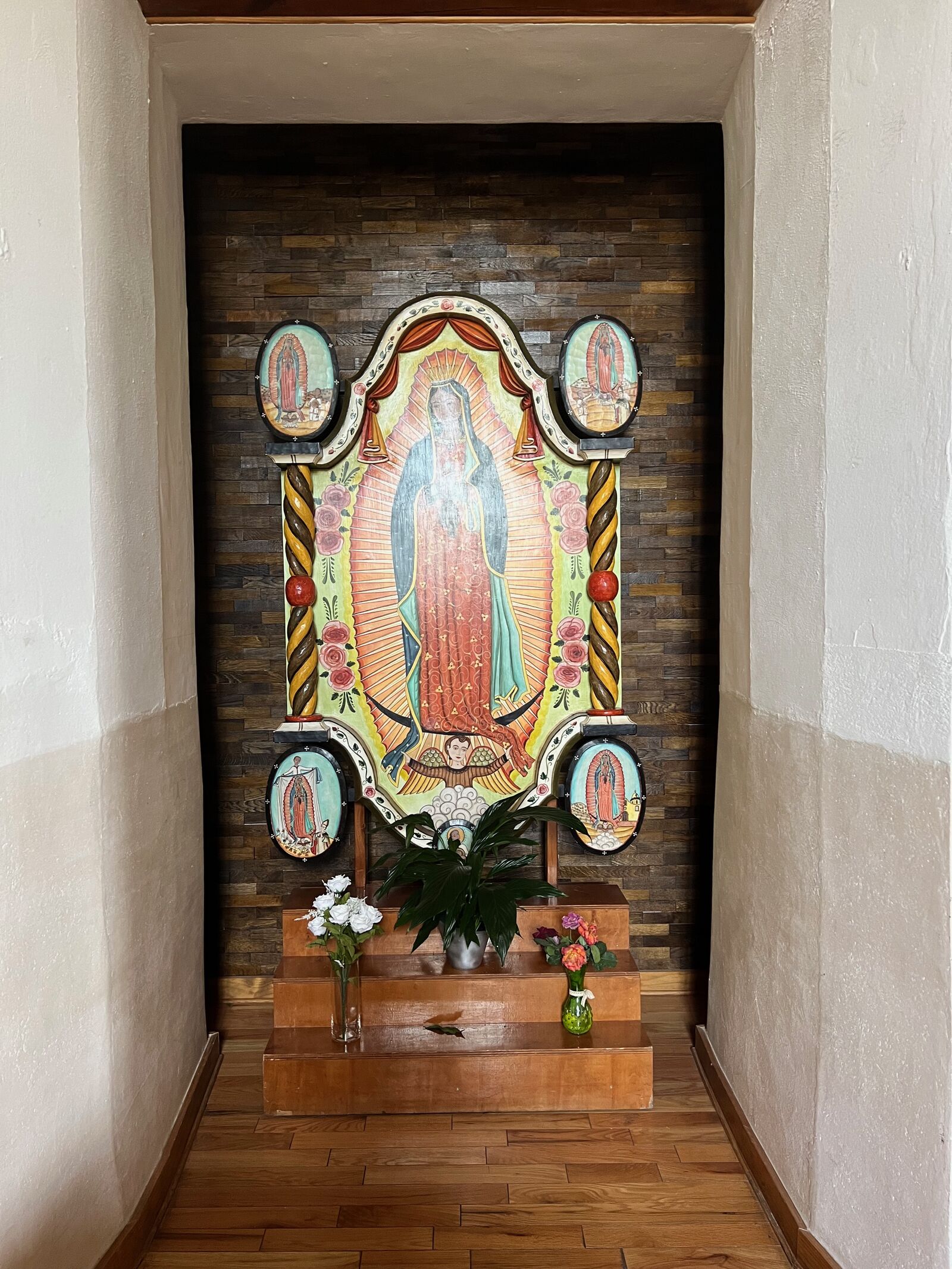
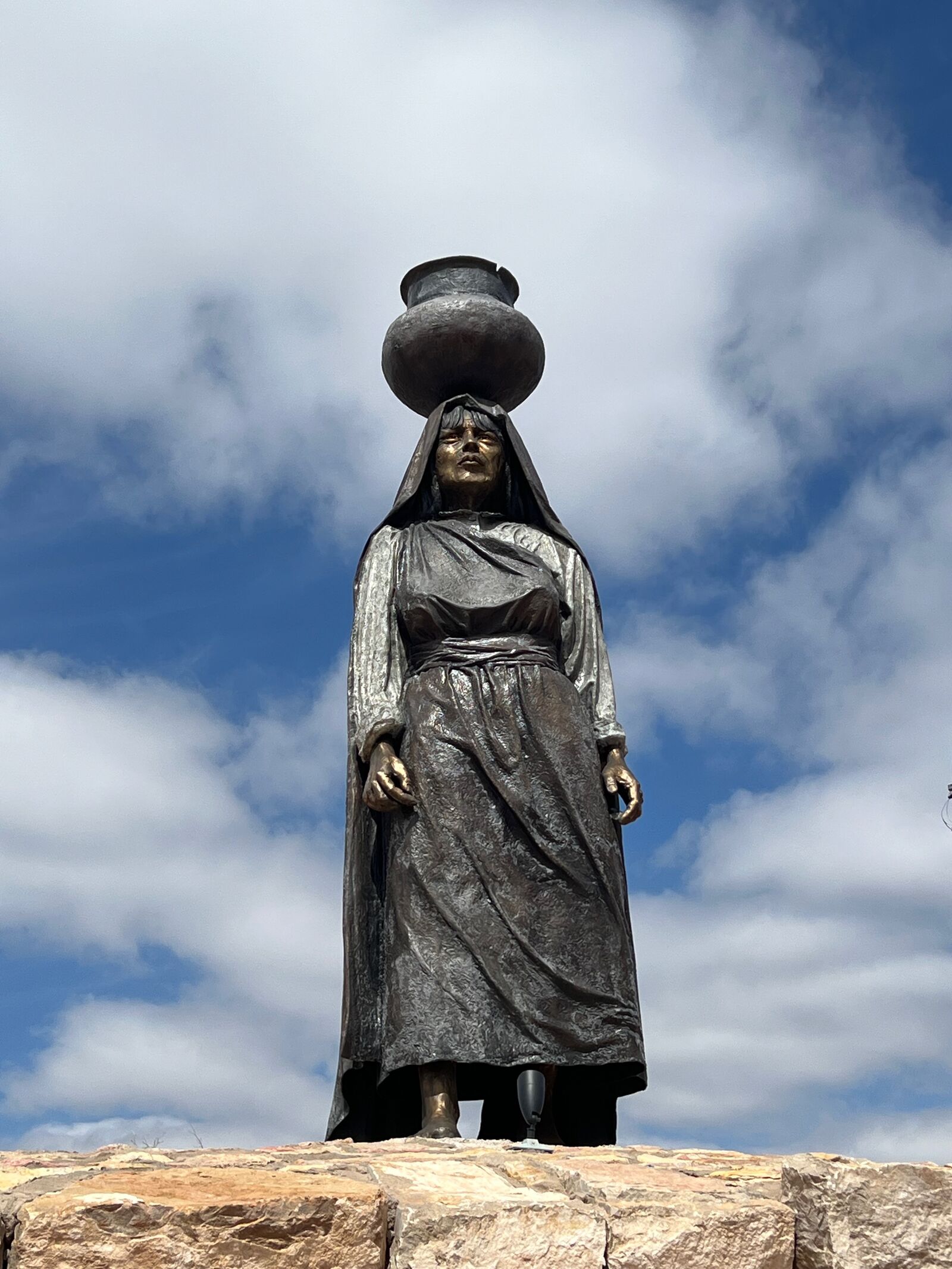
The Tigua ancestors who founded Ysleta came south during the upheaval of the Pueblo Revolt of 1680, and their descendants have kept this bend in the river for more than three hundred years, longer than Texas has existed, longer than the border itself. At the Pueblo's Cultural Center, signs asked visitors not to photograph the exhibits, and I put my phone away; being present did not entitle me to collect what was being shared. At the Ysleta Mission, founded in 1682, a woman working the gift shop let me into the chapel. Rows of polished pews, a crucifix suspended beneath the arch, sunlight falling across the center aisle. It is not a preserved past. It is a working parish, and the flowers on the altar will need tending again next week, the way they always have. The full account of that day lives in the Finding America Ysleta dispatch.
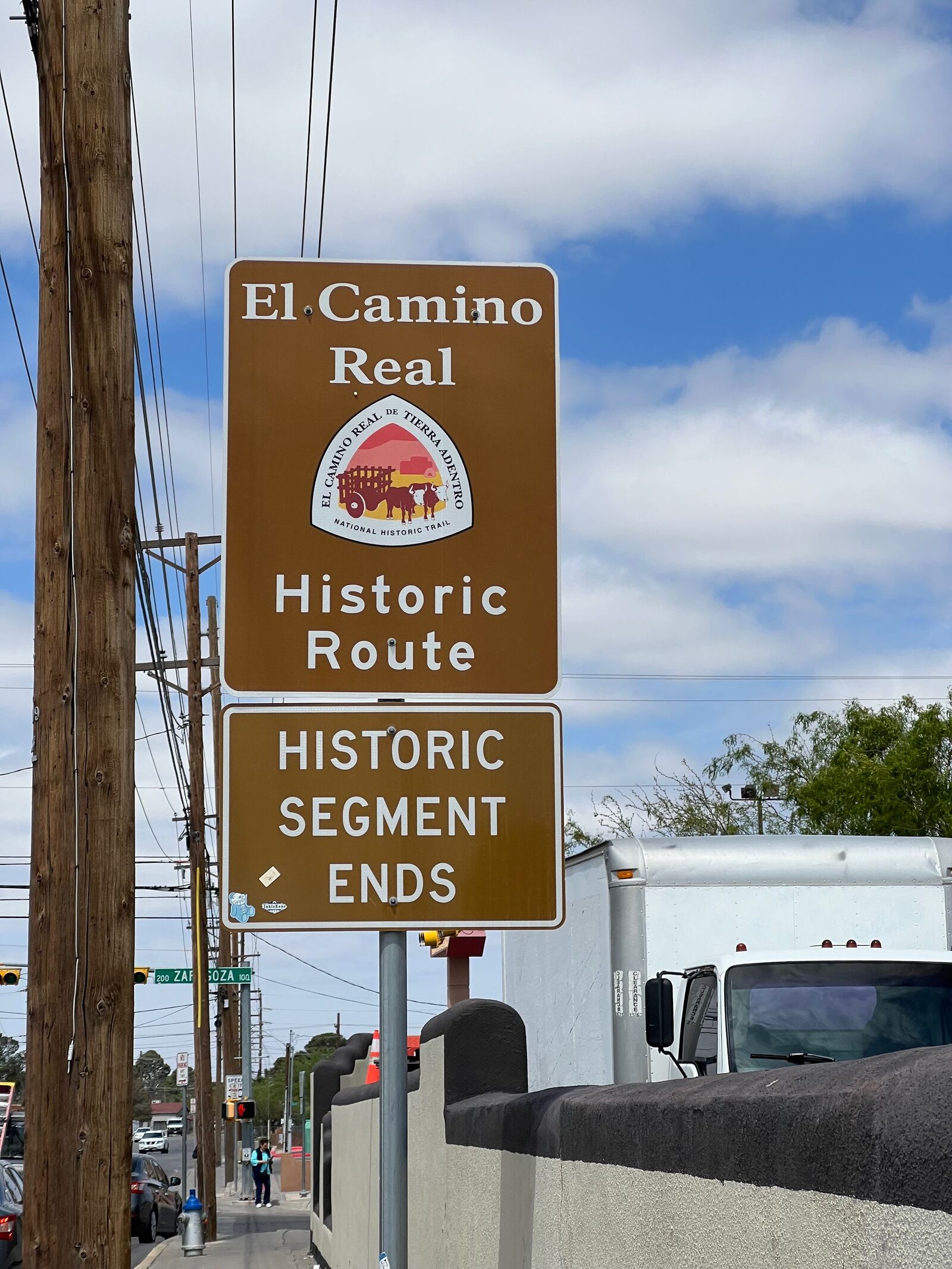
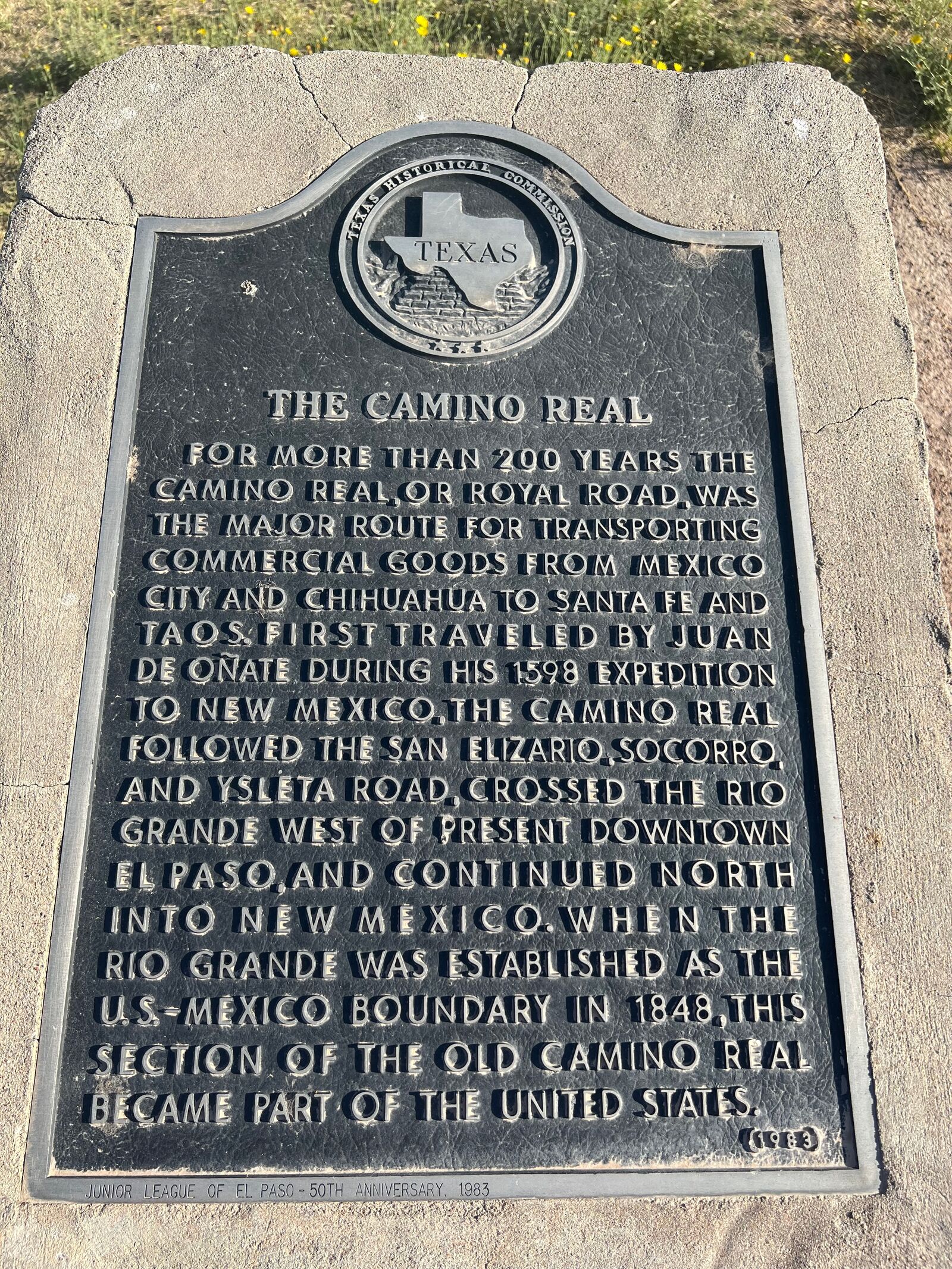
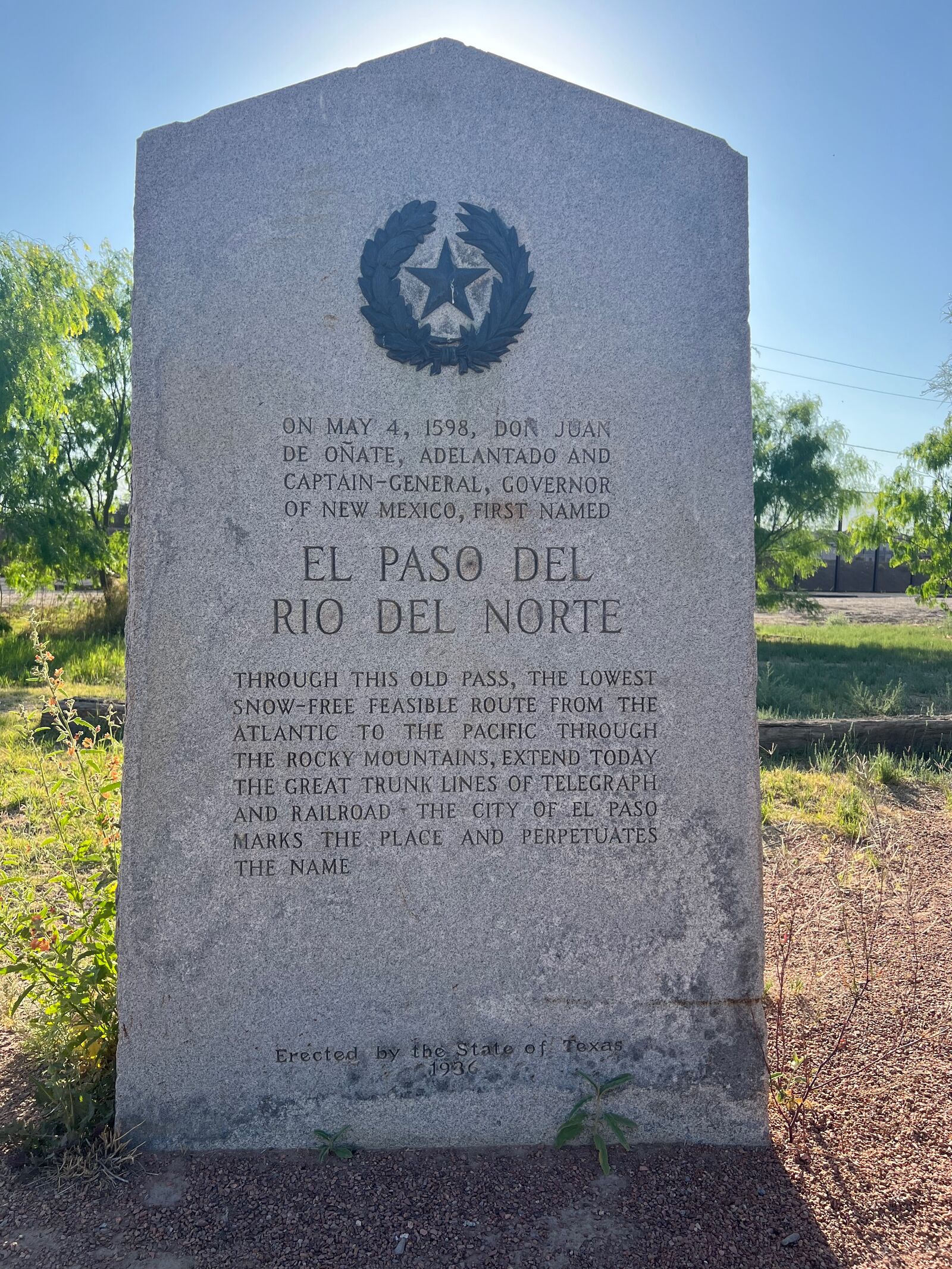
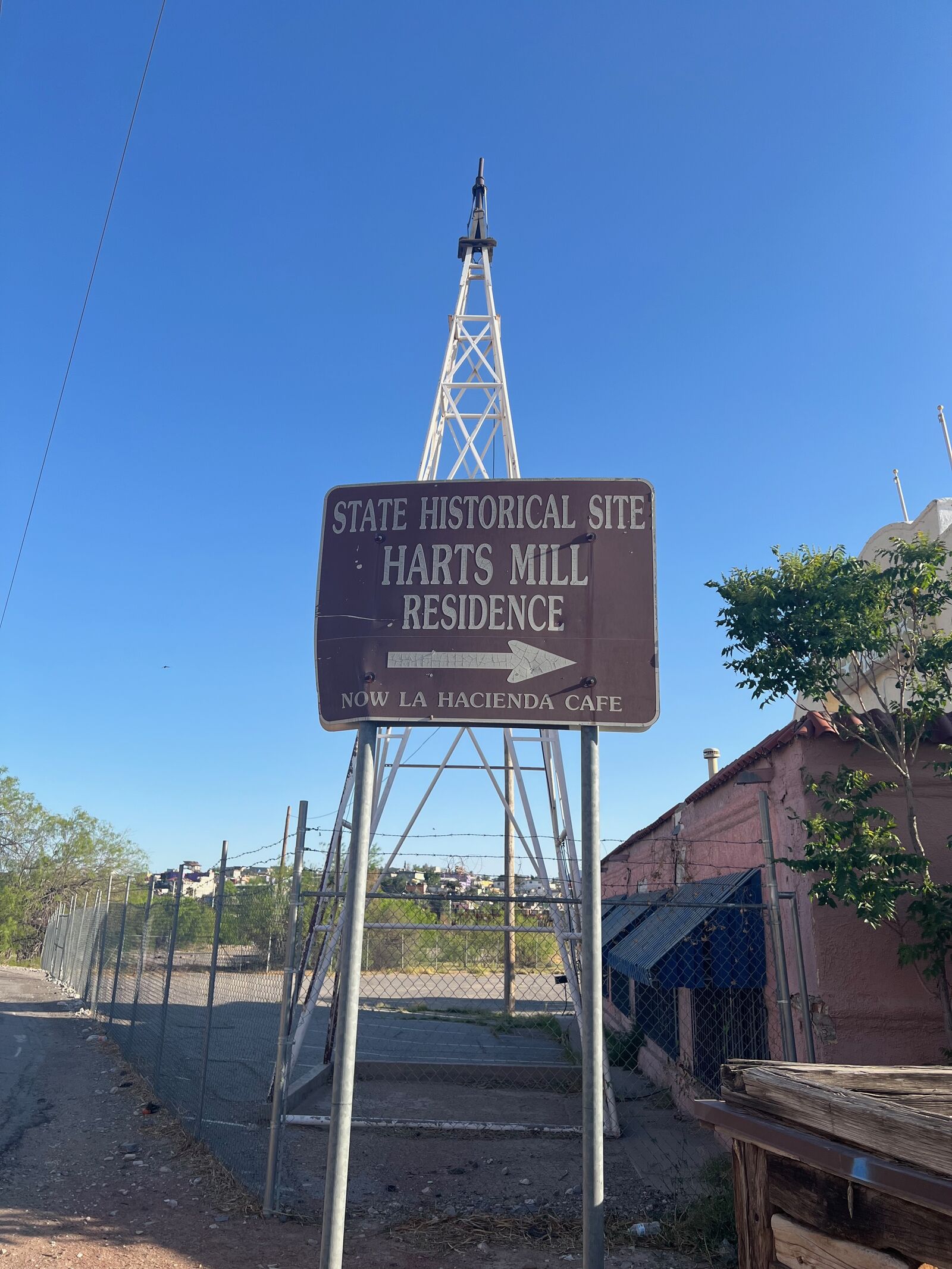
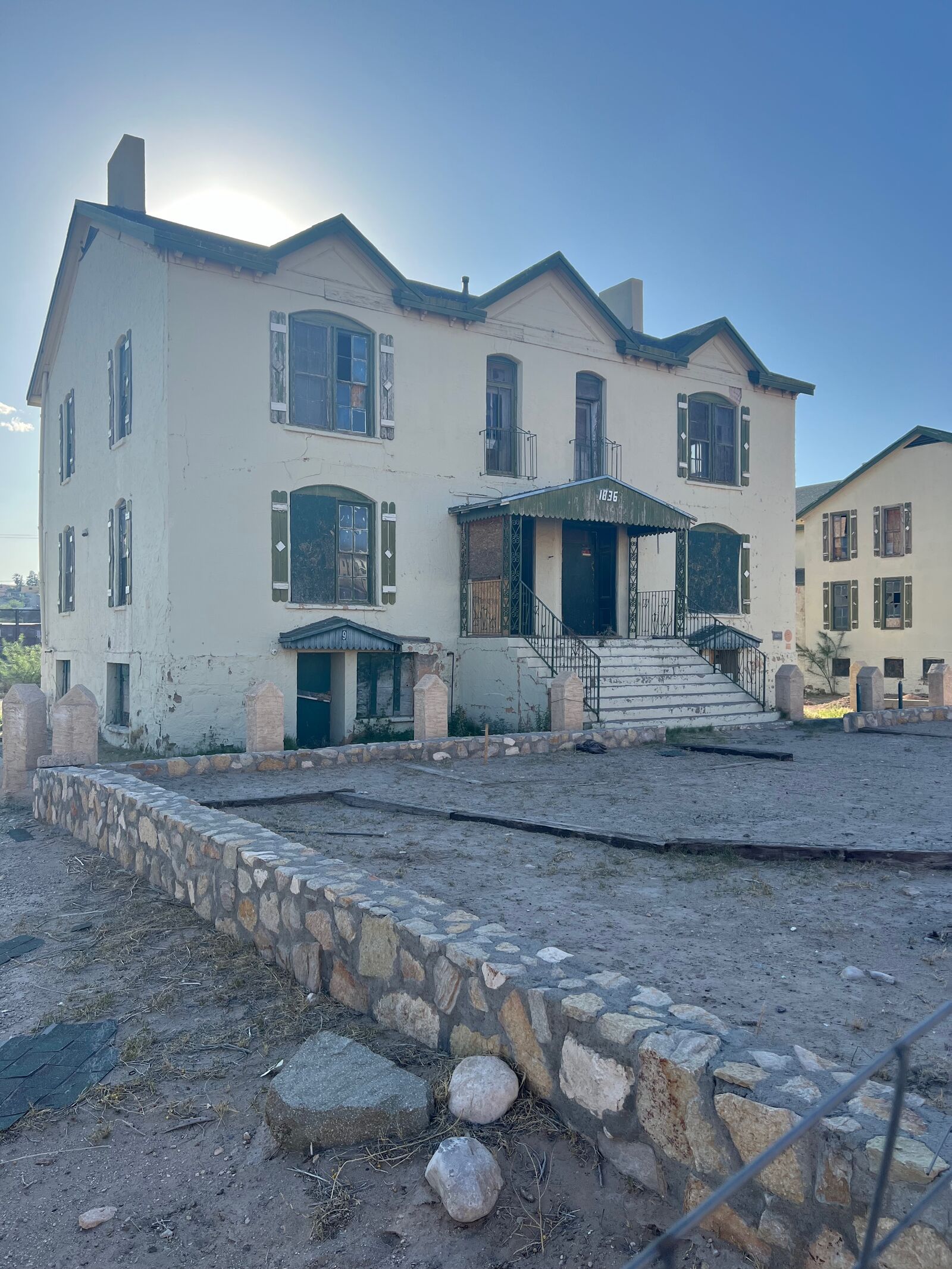
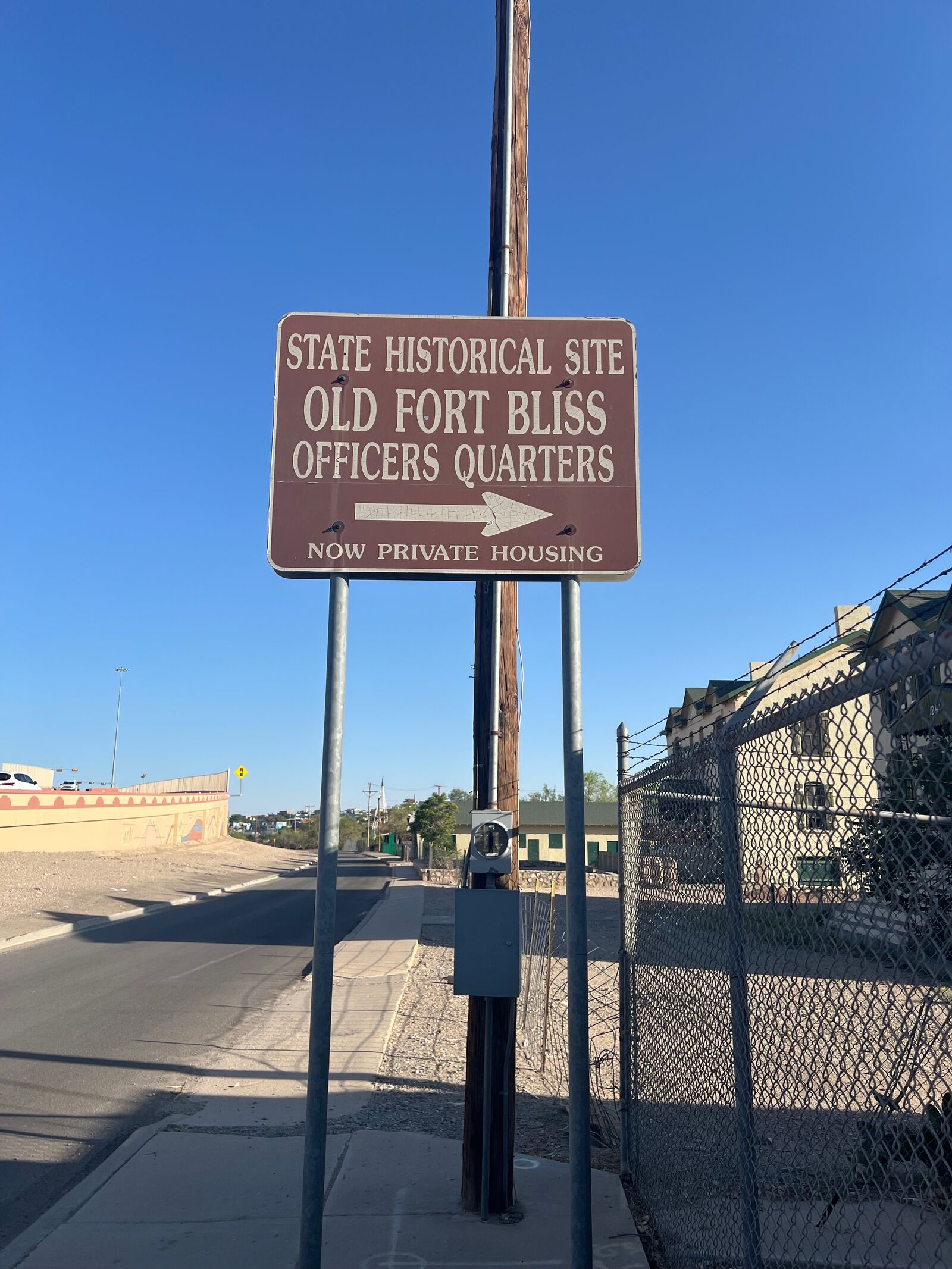
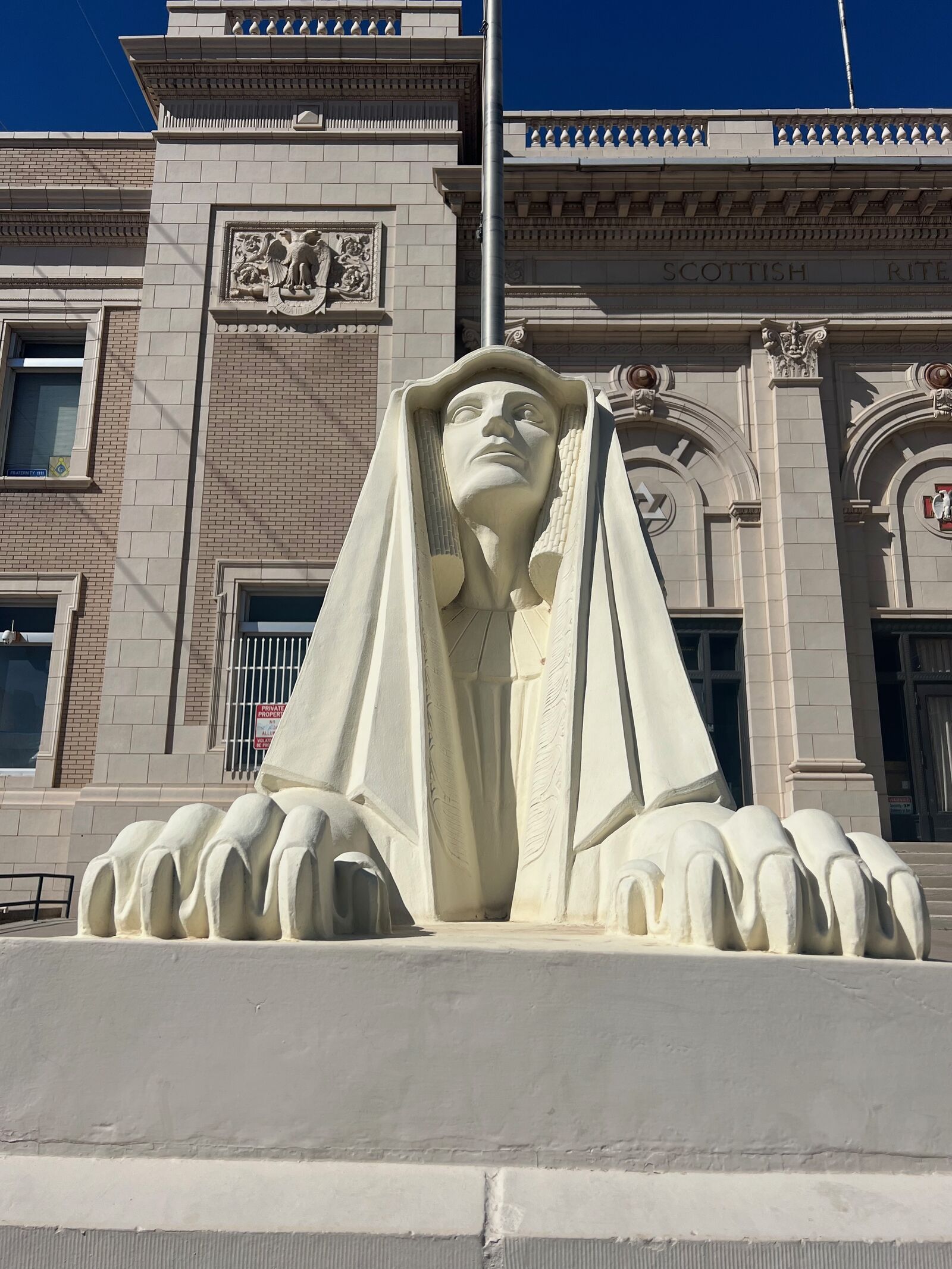
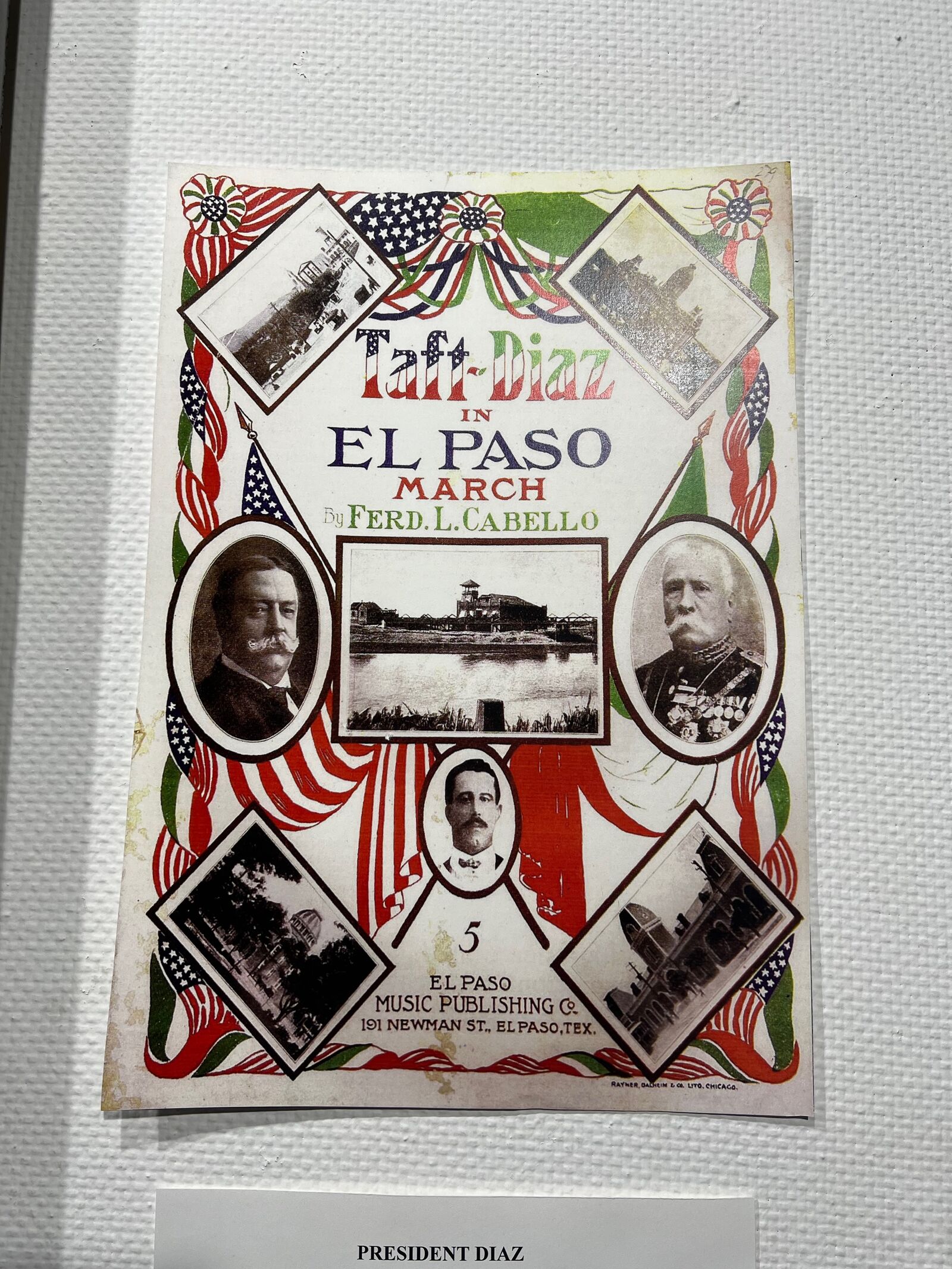
El Paso keeps its history close to the surface: a Camino Real marker on a residential corner noting two hundred years of commercial traffic between Mexico City and Santa Fe, a stone reading El Paso del Rio del Norte, the Old Fort Bliss Officers Quarters standing empty behind a chain-link fence, now private housing, a sign pointing to it as if anyone passing would know what they were looking at. A weathered poster for a Taft-Díaz march sits framed in a downtown gallery, two presidents, two countries, one shared event. None of this is curated into a single museum. It is scattered across the city the way memory actually works, in markers you almost miss and buildings nobody has decided what to do with yet.
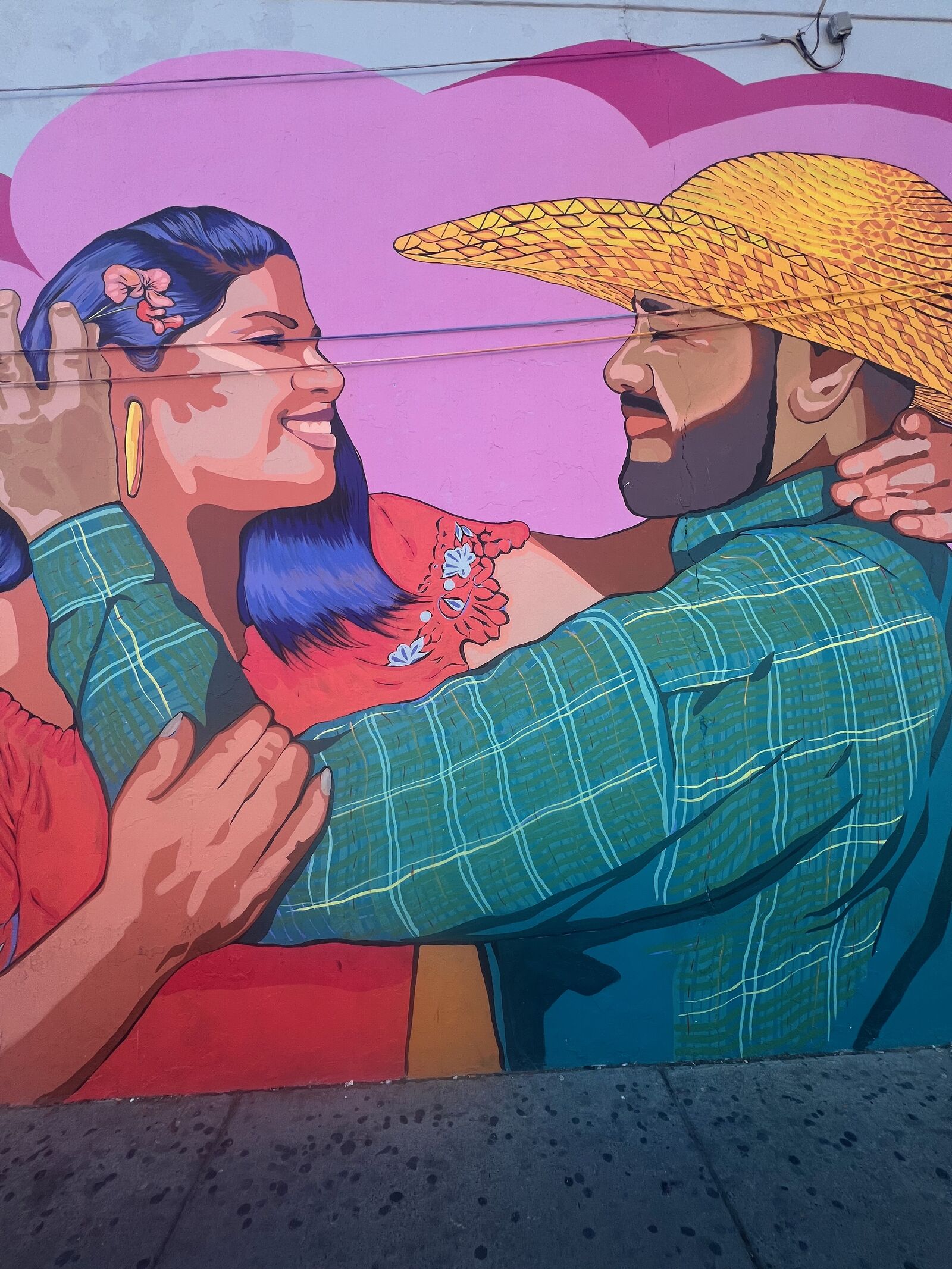
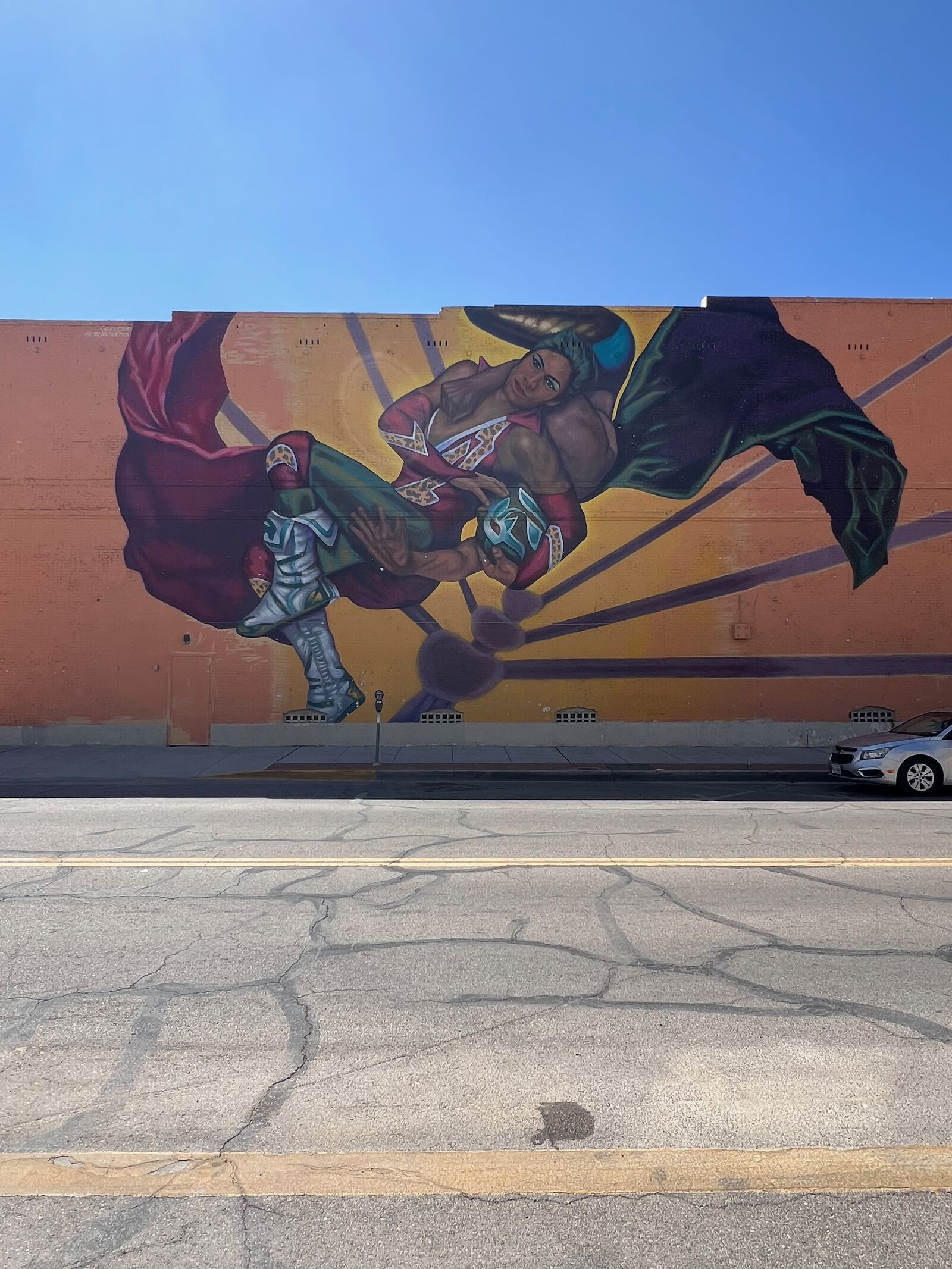
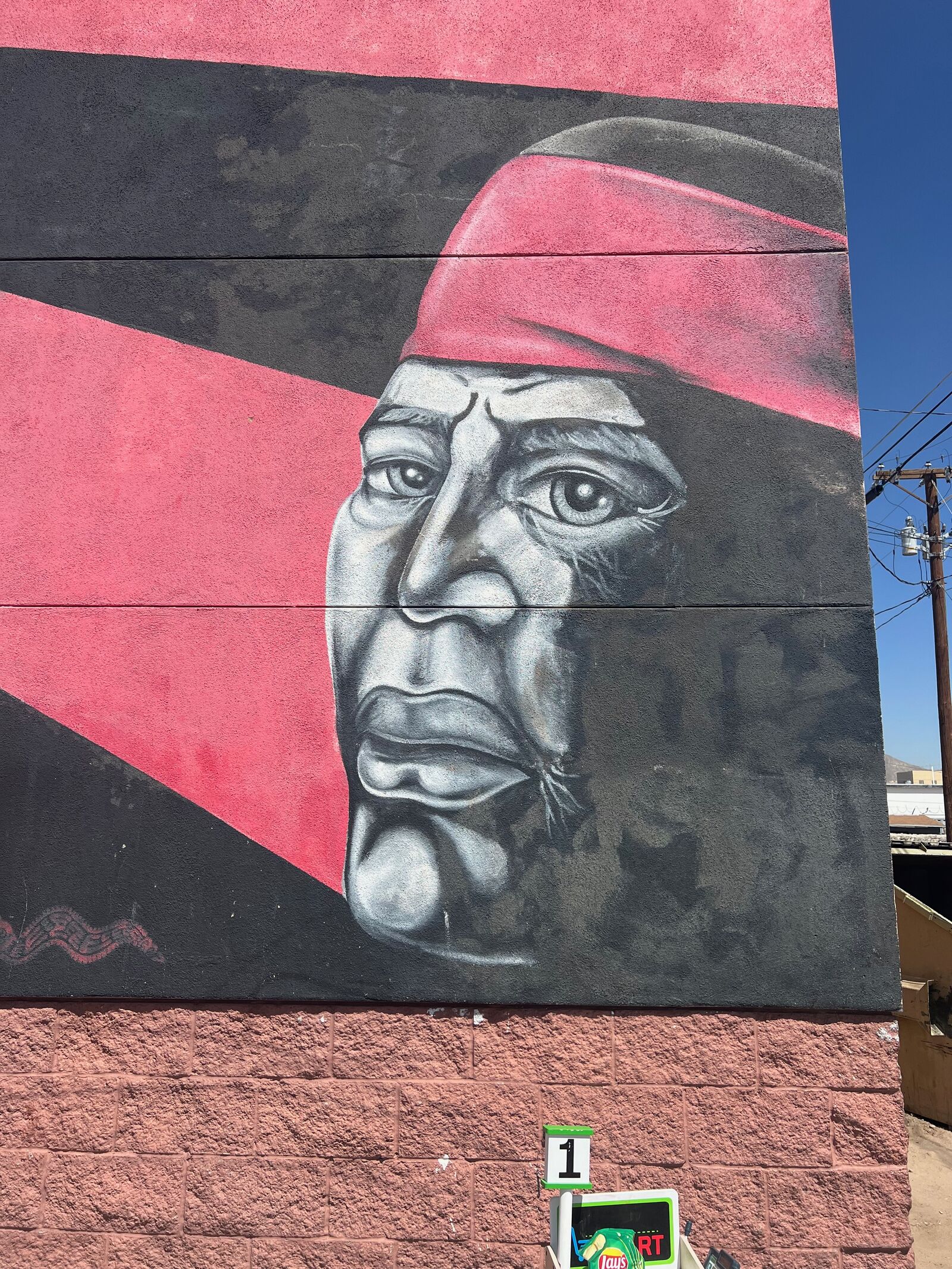
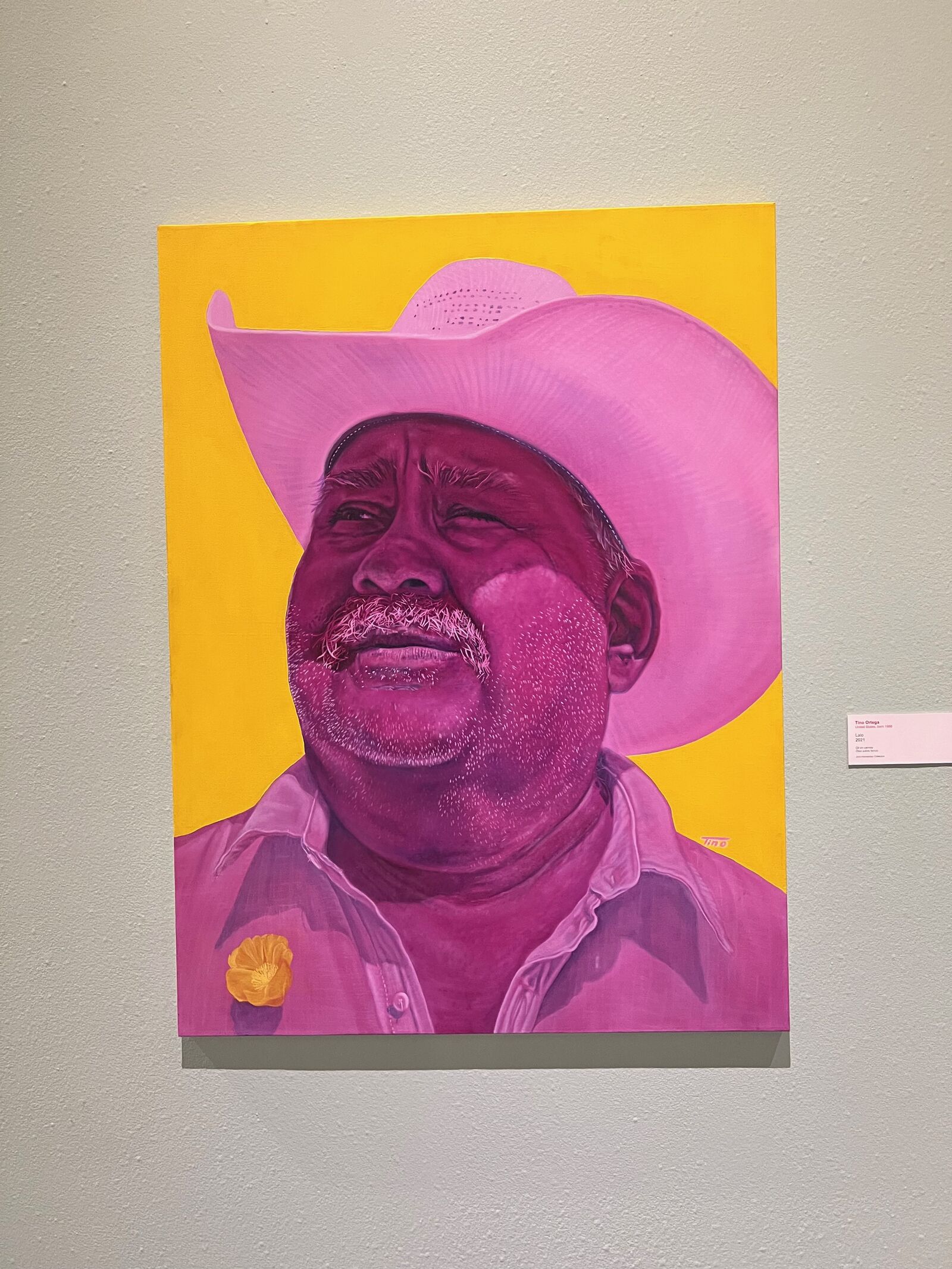
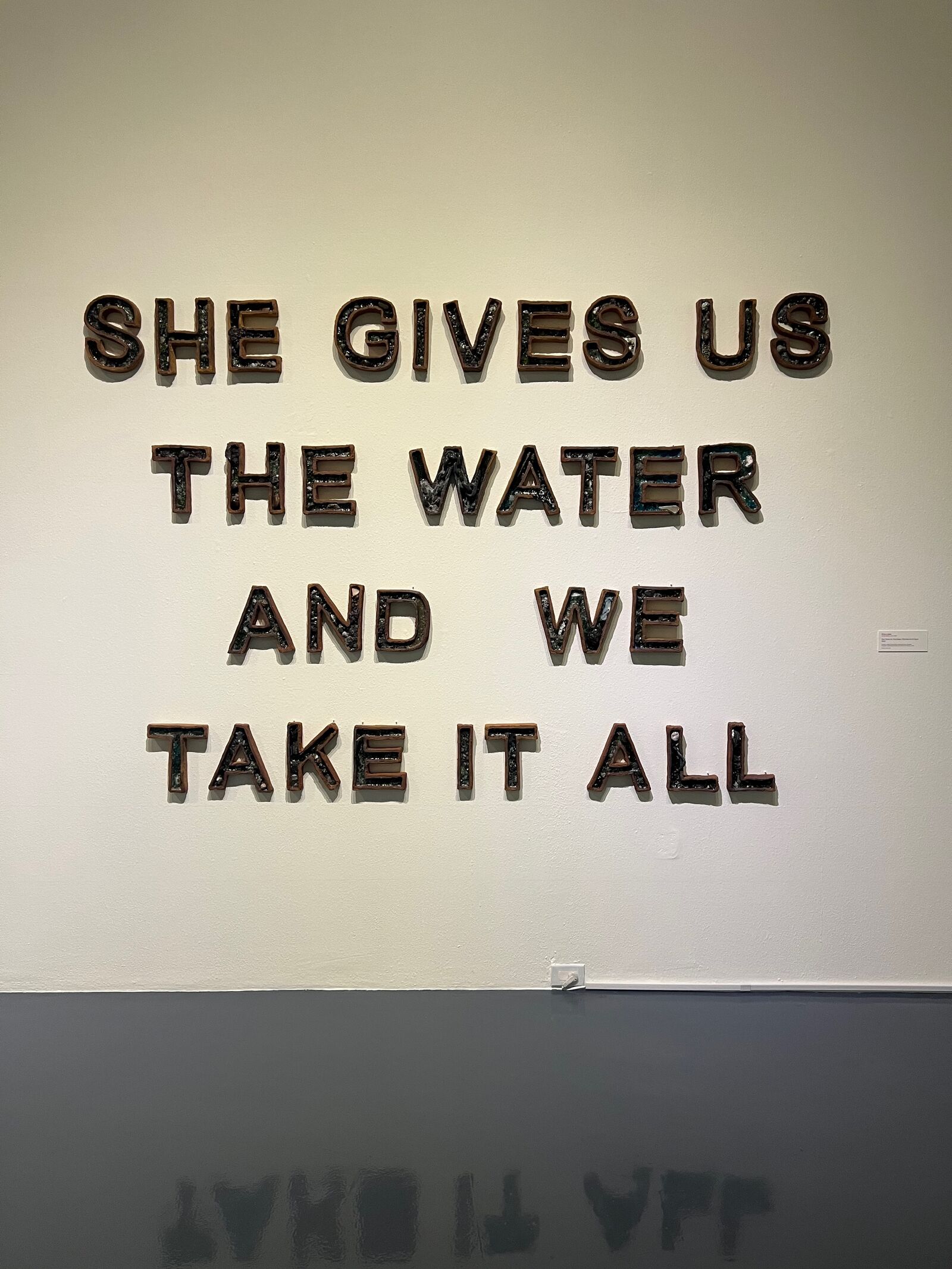
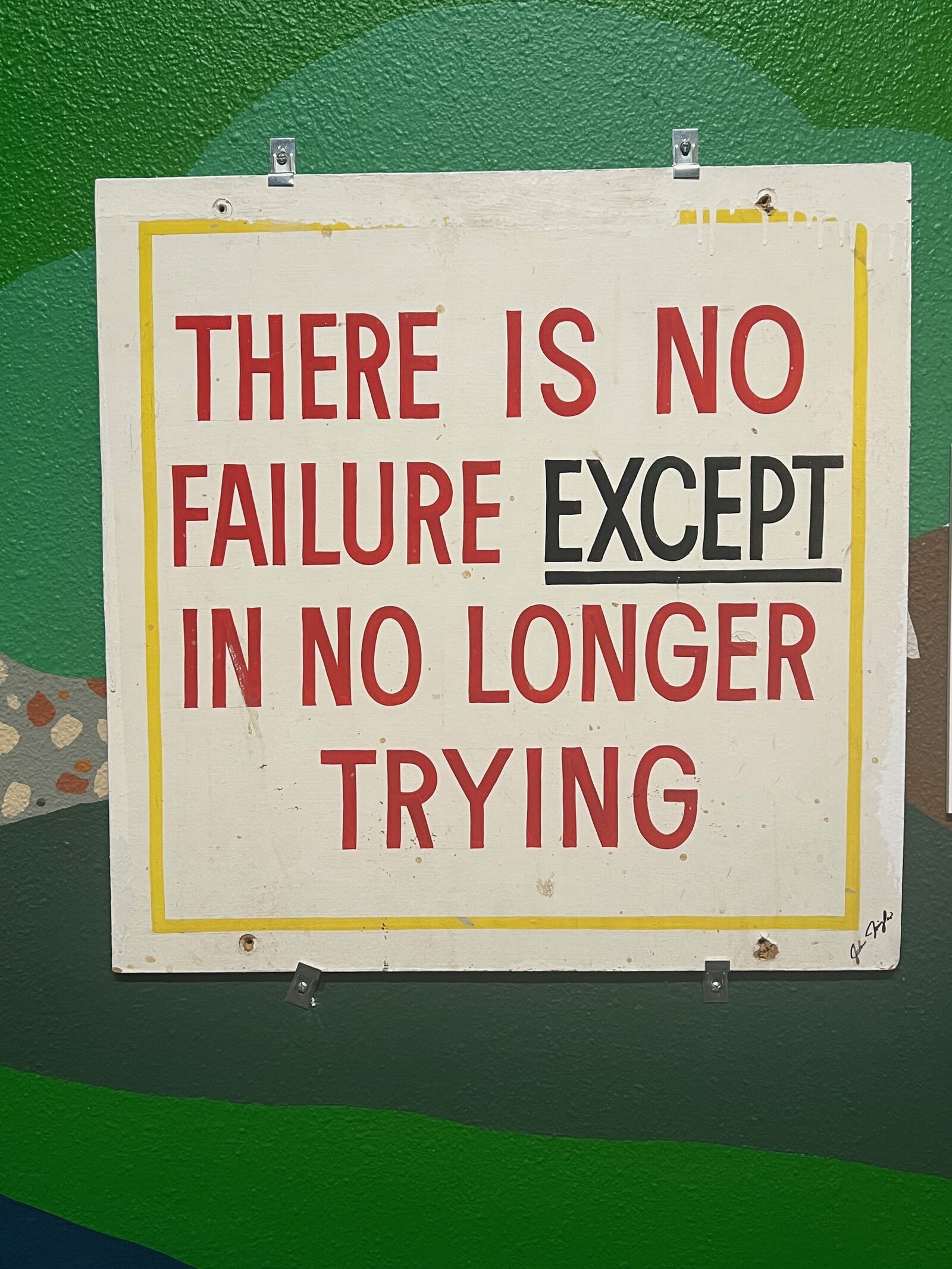
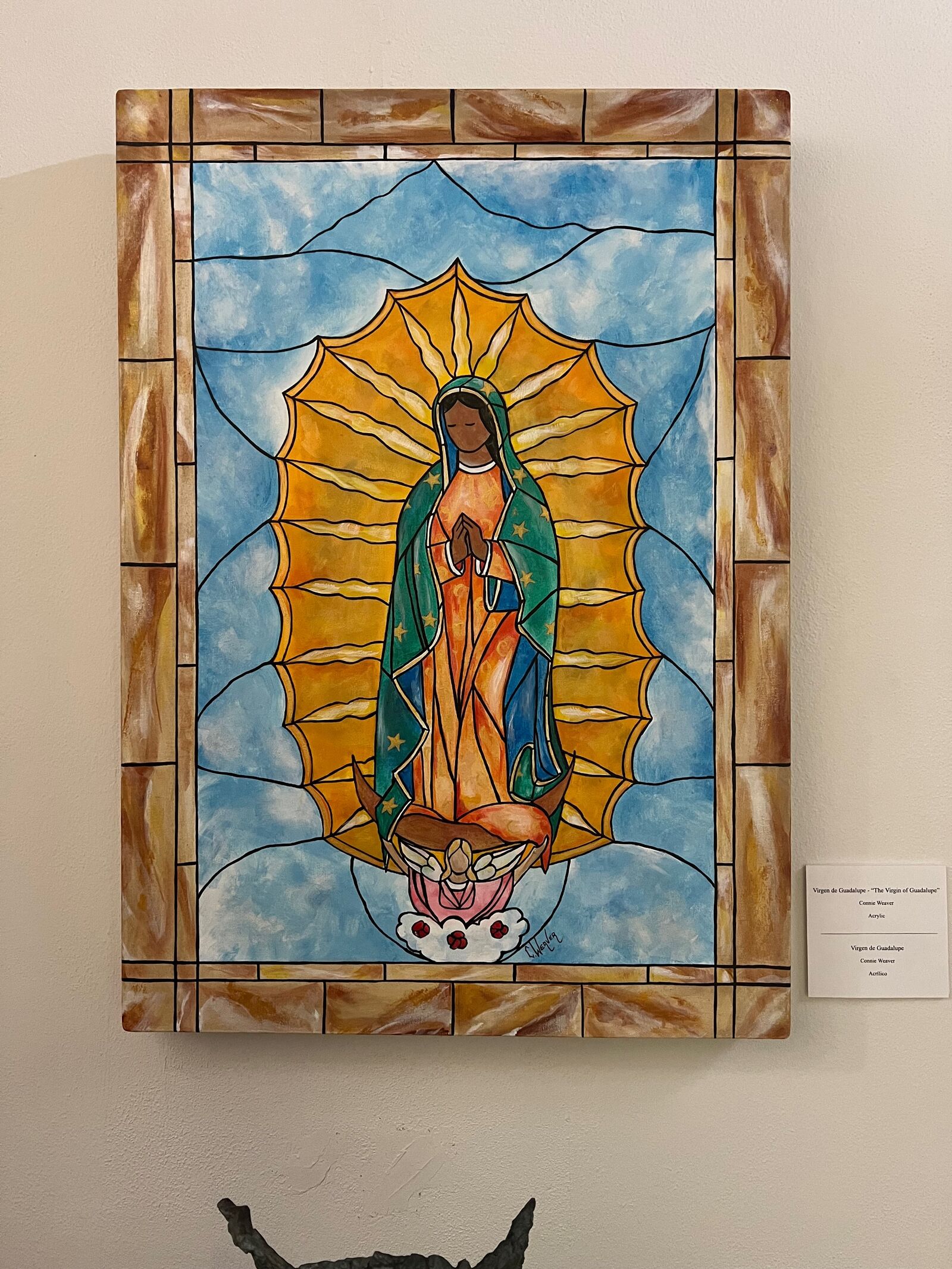
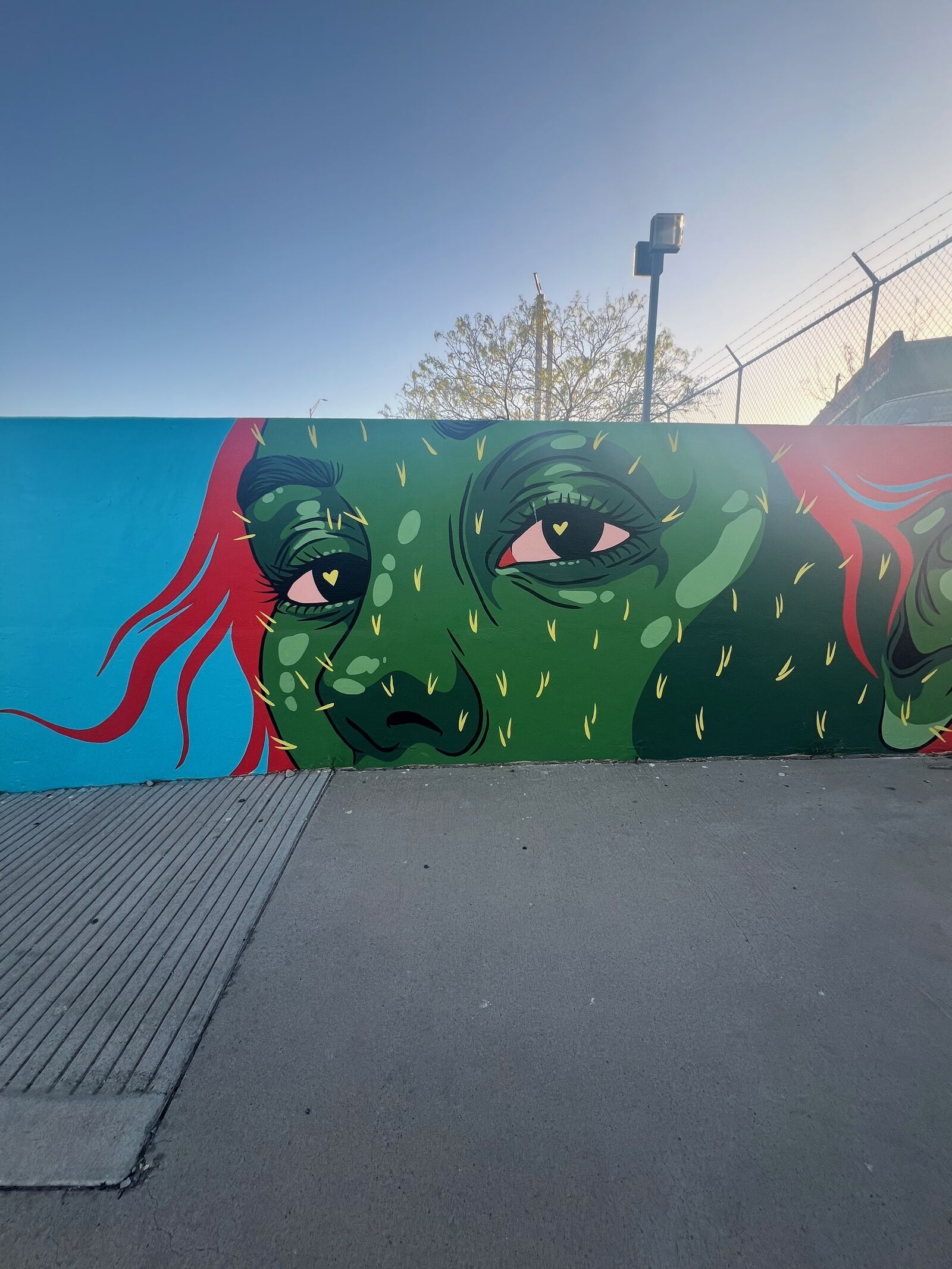
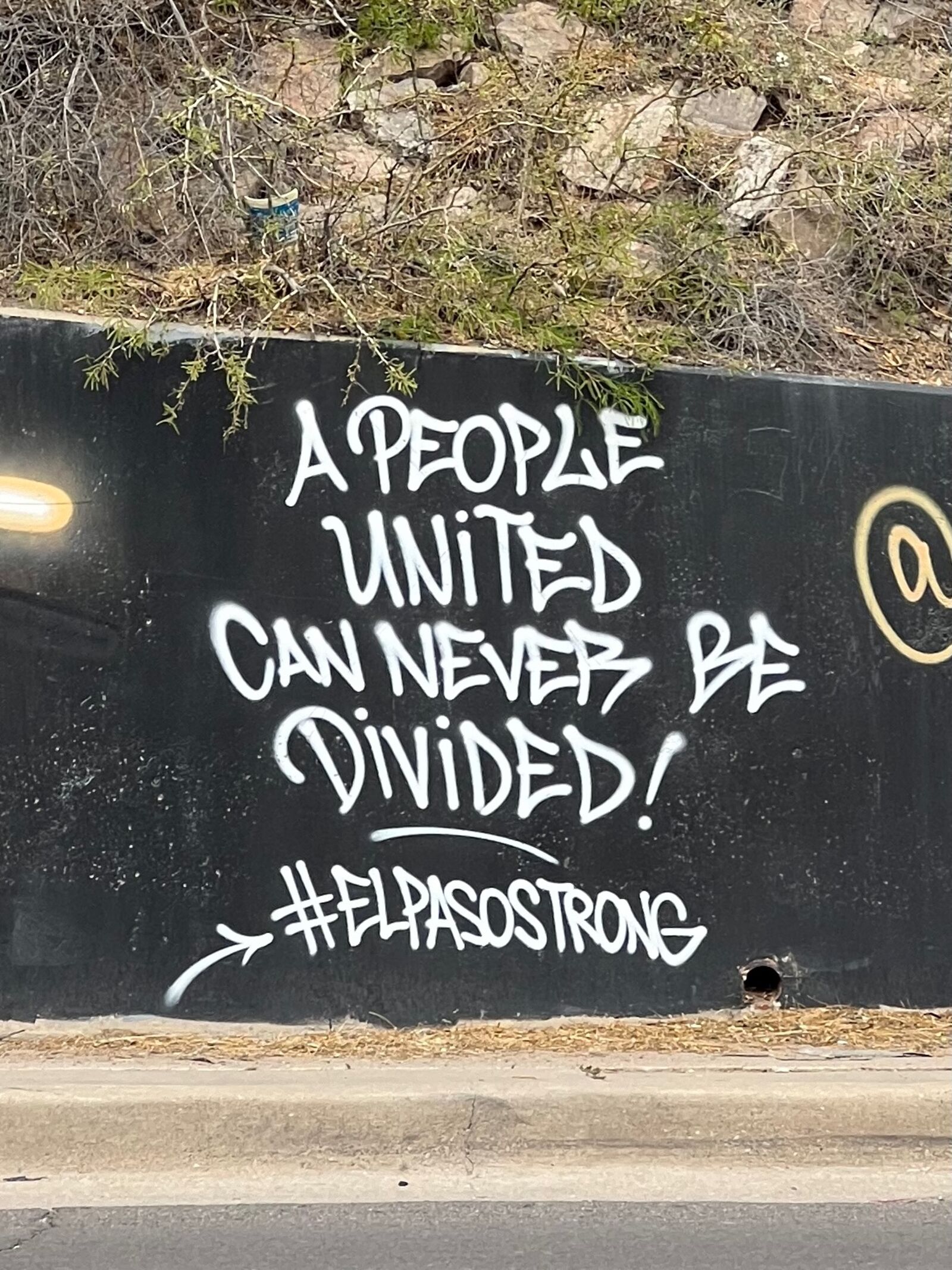
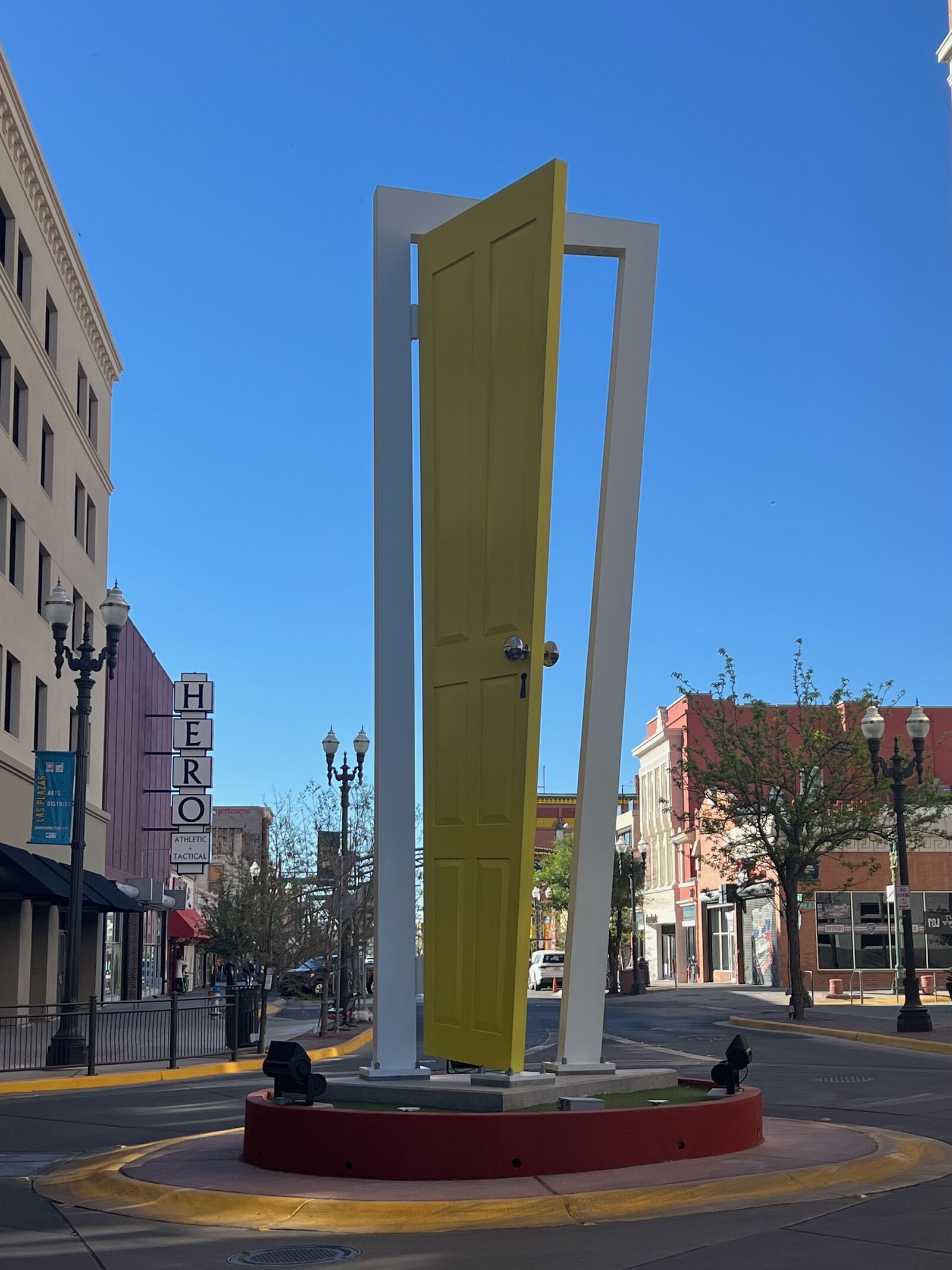
El Paso's murals and gallery walls don't decorate, they speak. "She Gives Us the Water and We Take It All" runs across a gallery wall in plain block letters, no illustration needed. A painted couple embraces beneath a wide-brimmed hat and a straw hat, tenderness rendered at mural scale on the side of a building. A face in pink and gray watches the street from a wall near the tracks. "There Is No Failure Except in No Longer Trying" hangs, unironic, on a hand-lettered sign. None of it is asking an outsider's permission to exist. It was made by and for the people who walk past it every day, and it happened to let me stand there and look.
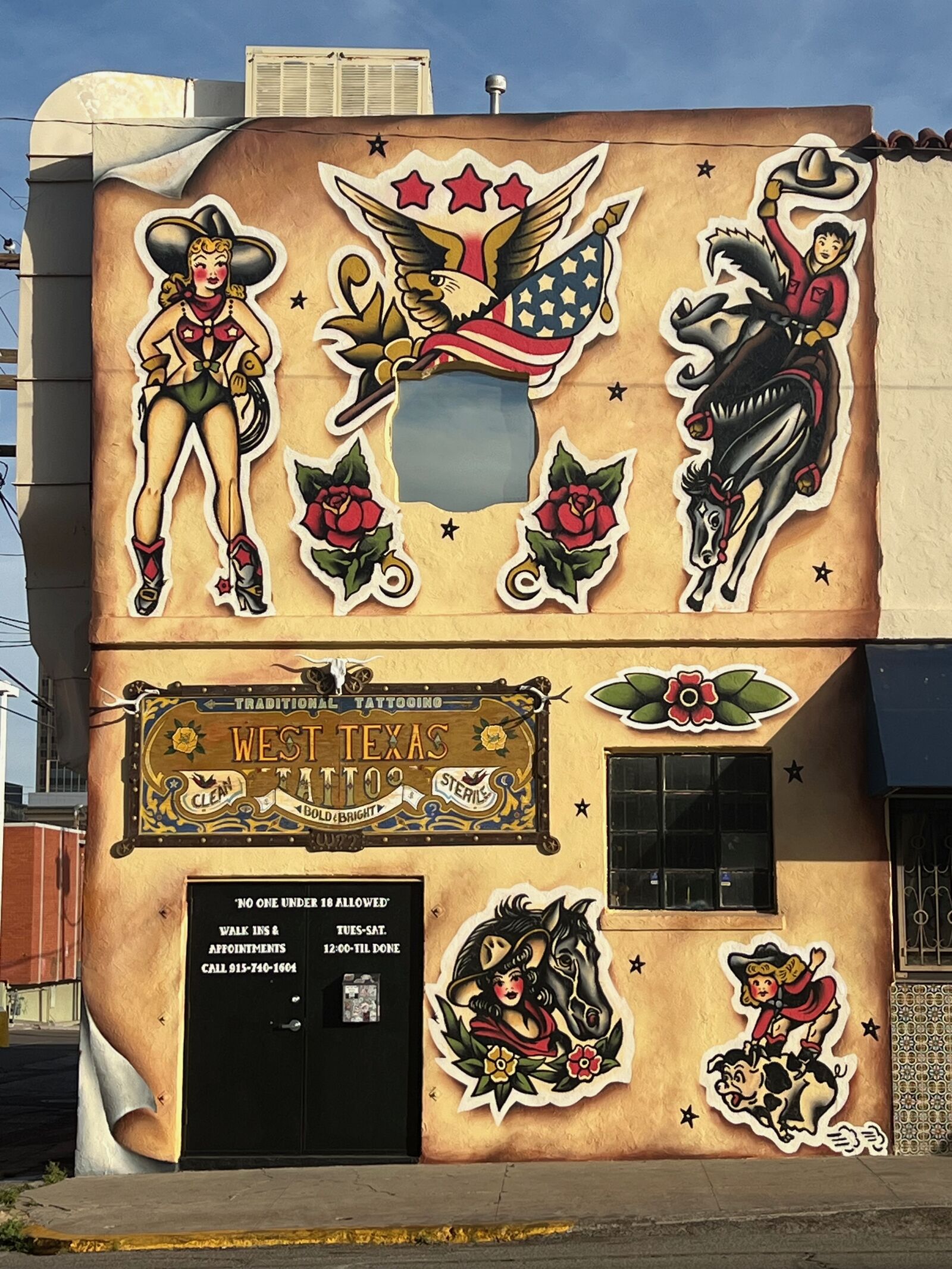
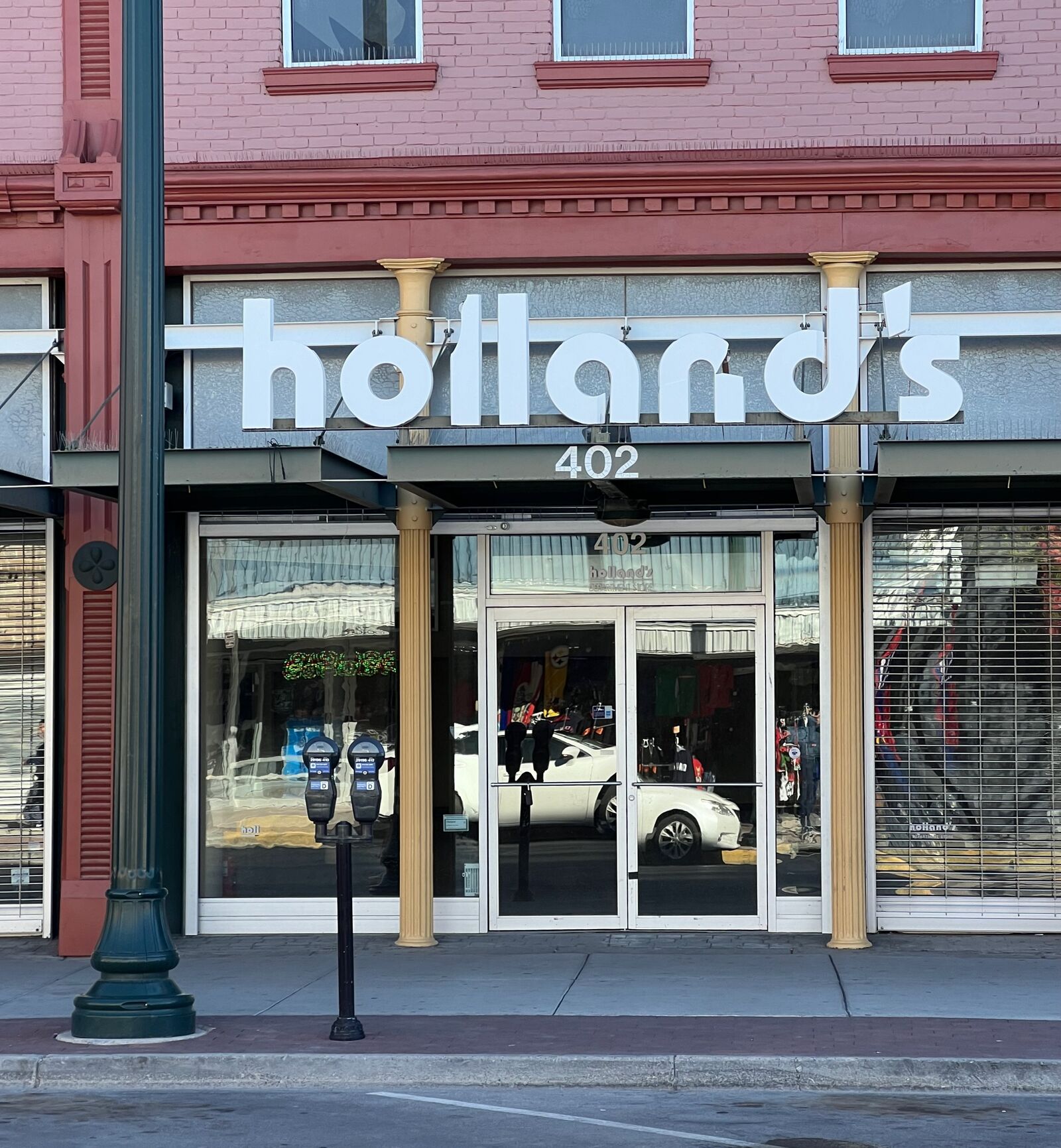
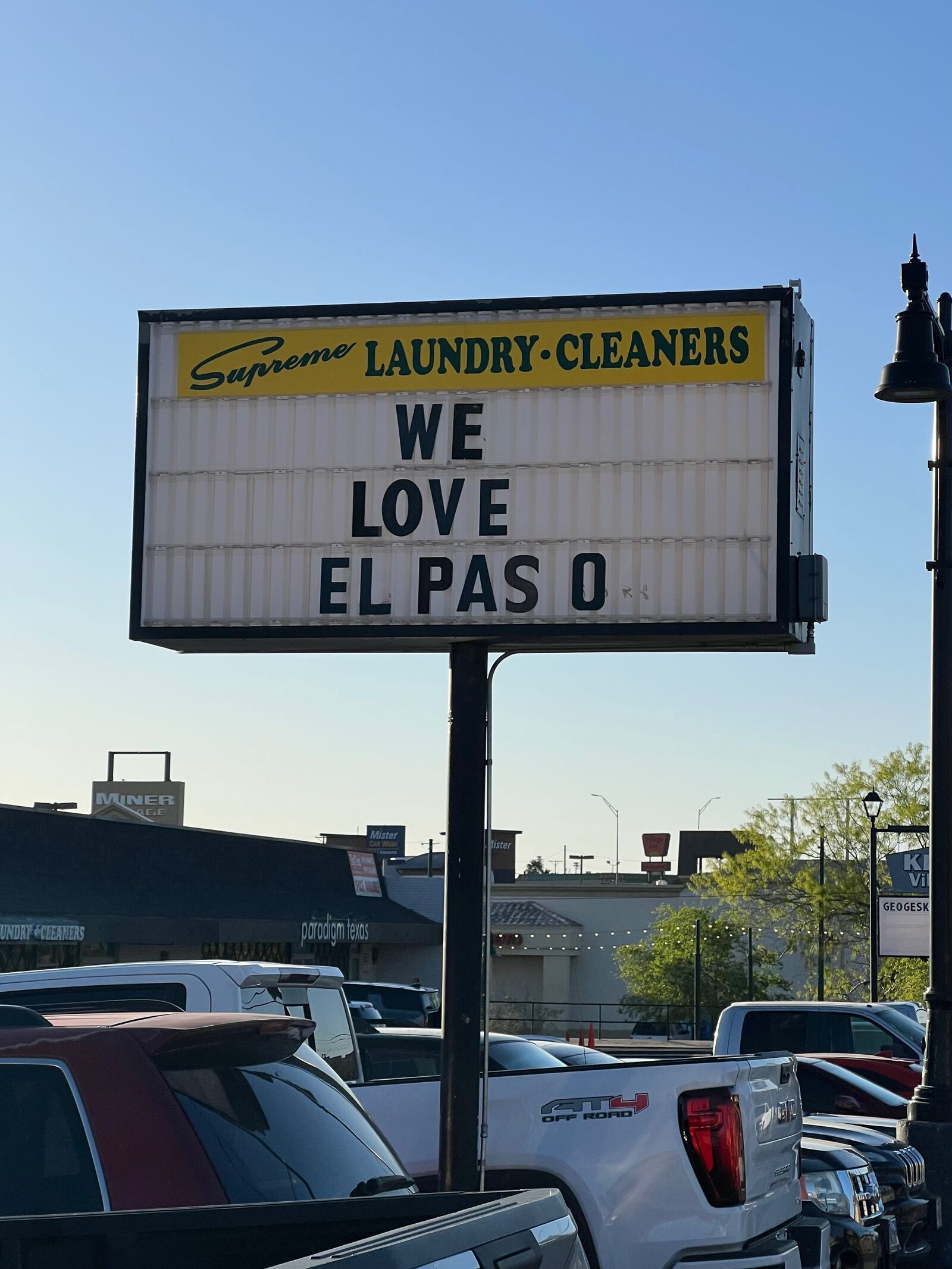
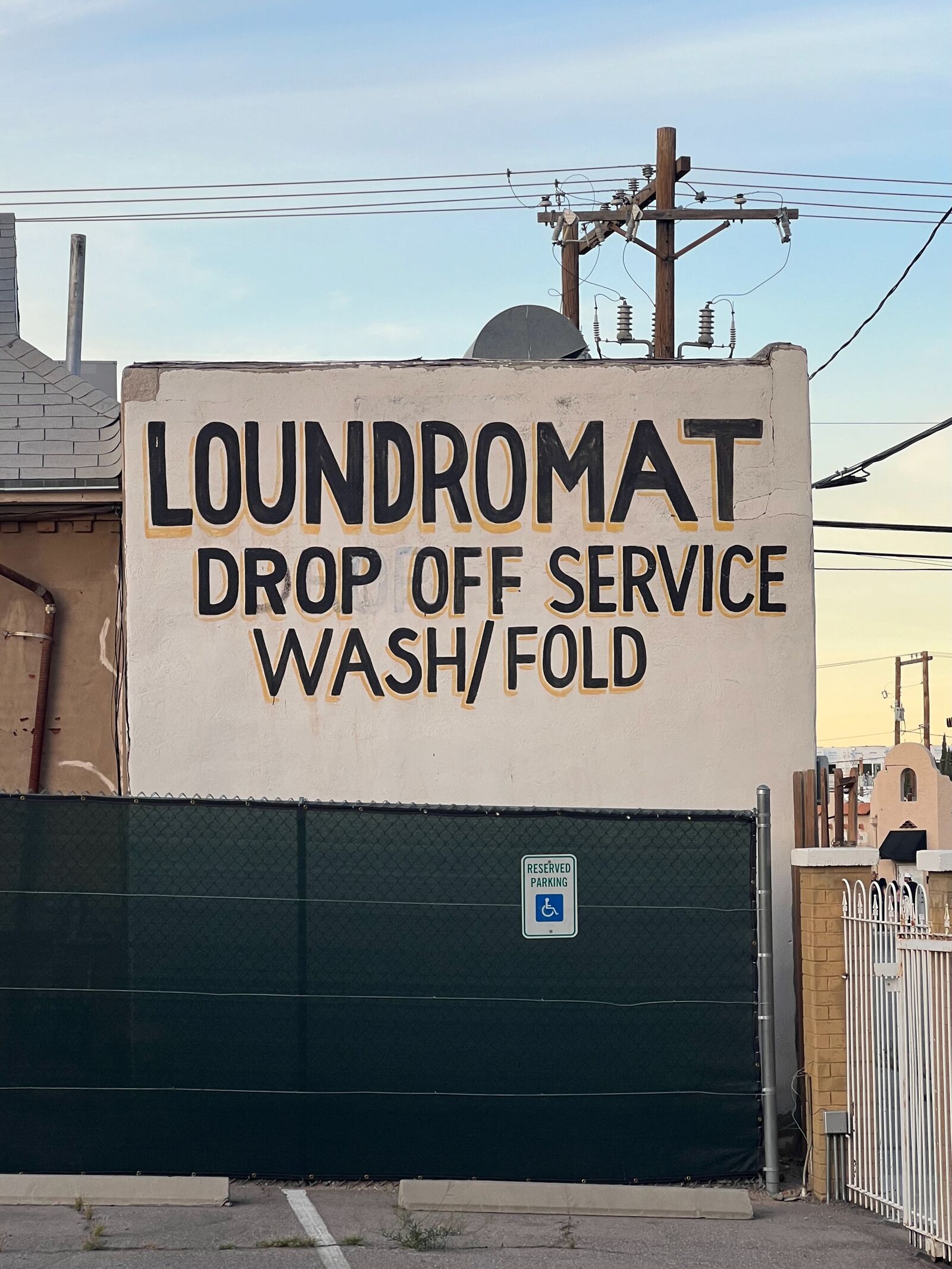
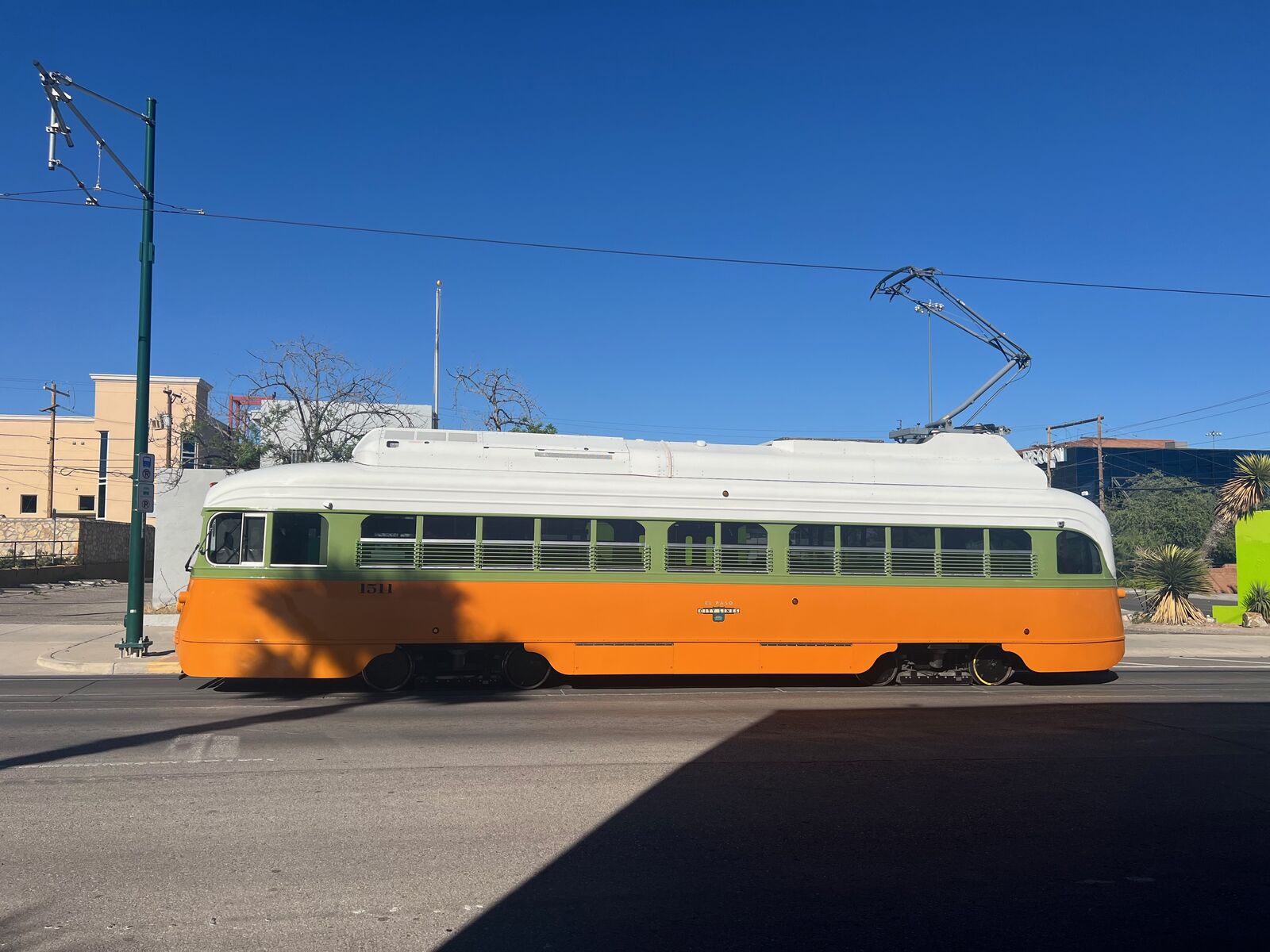
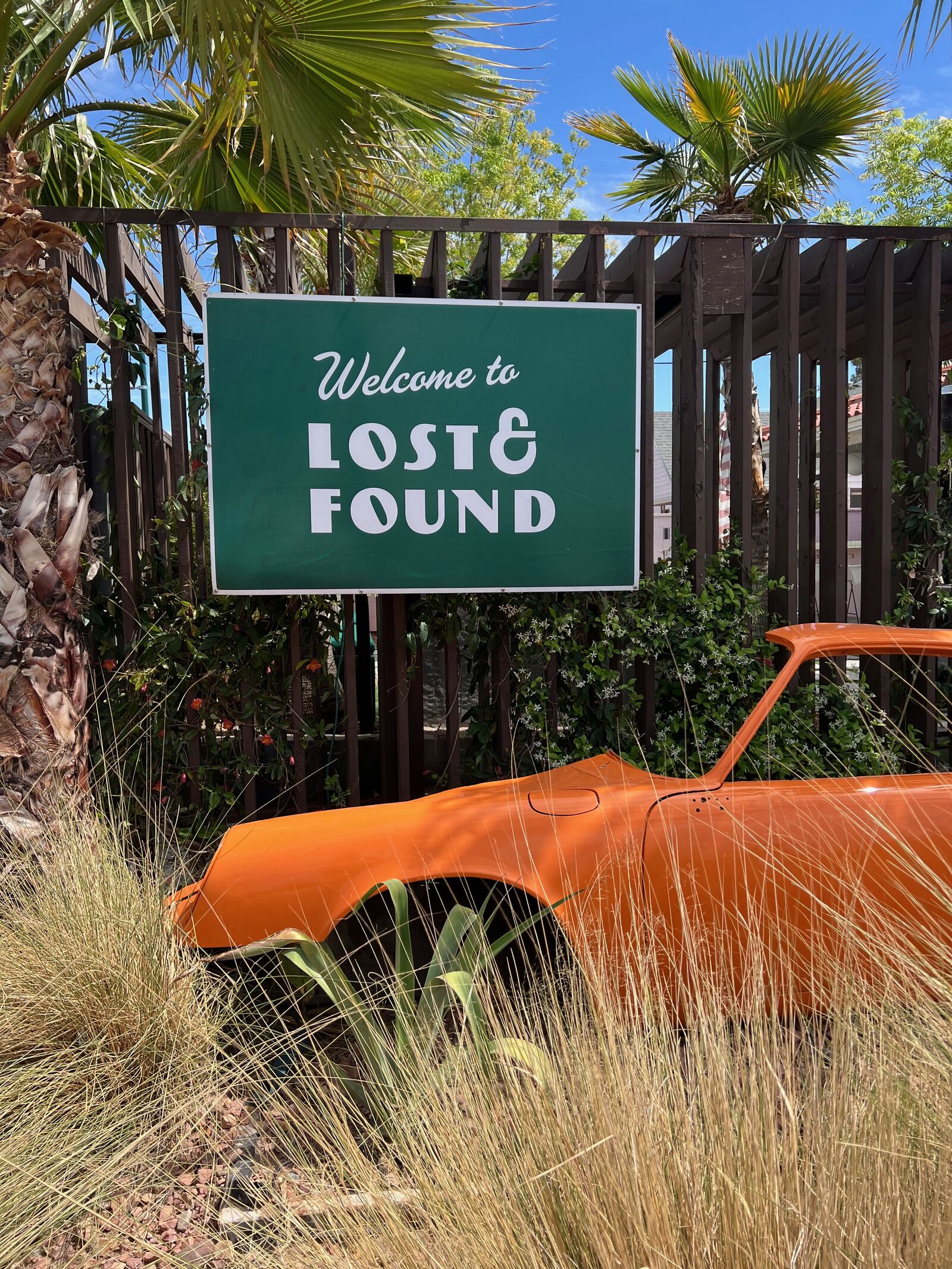
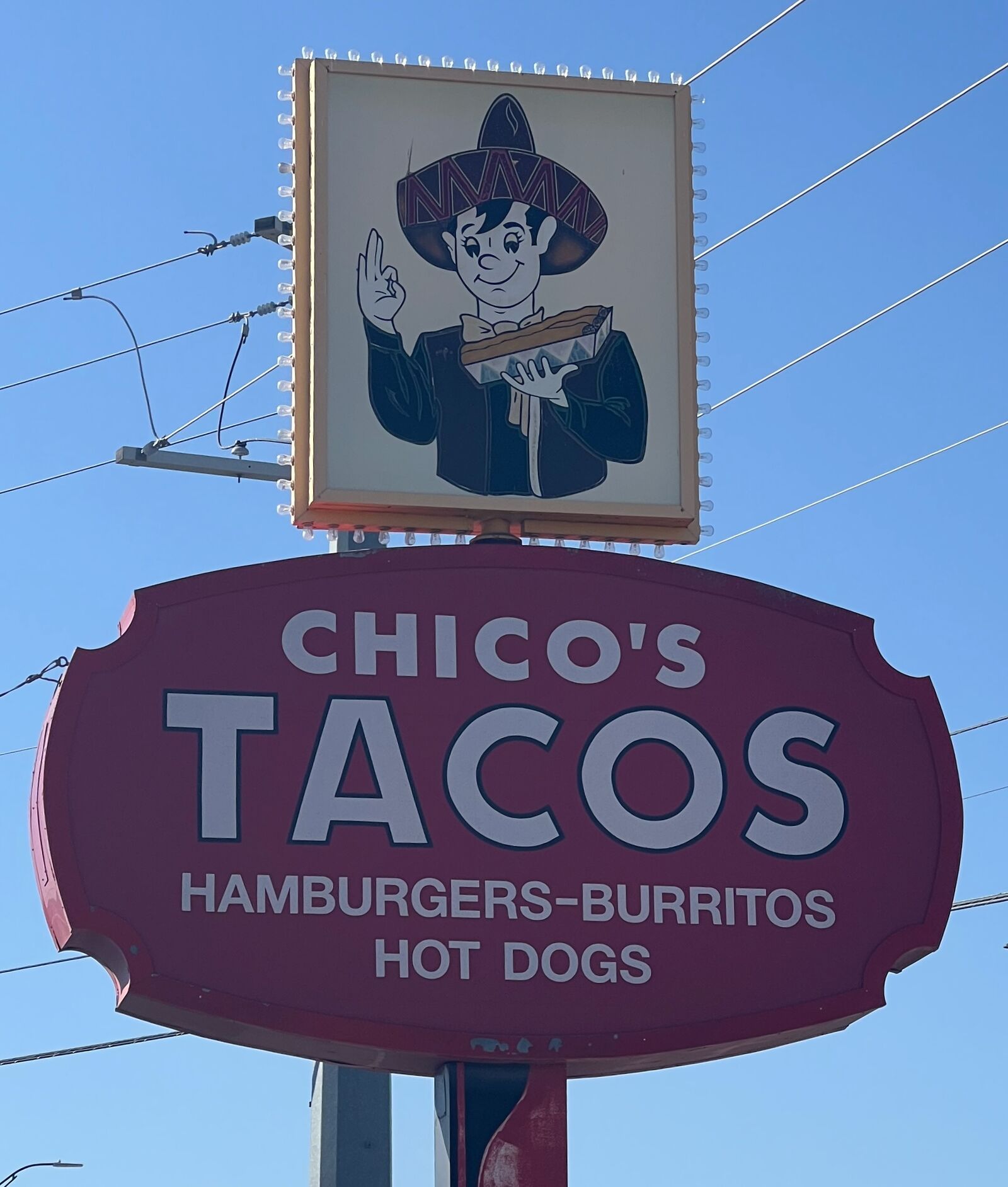
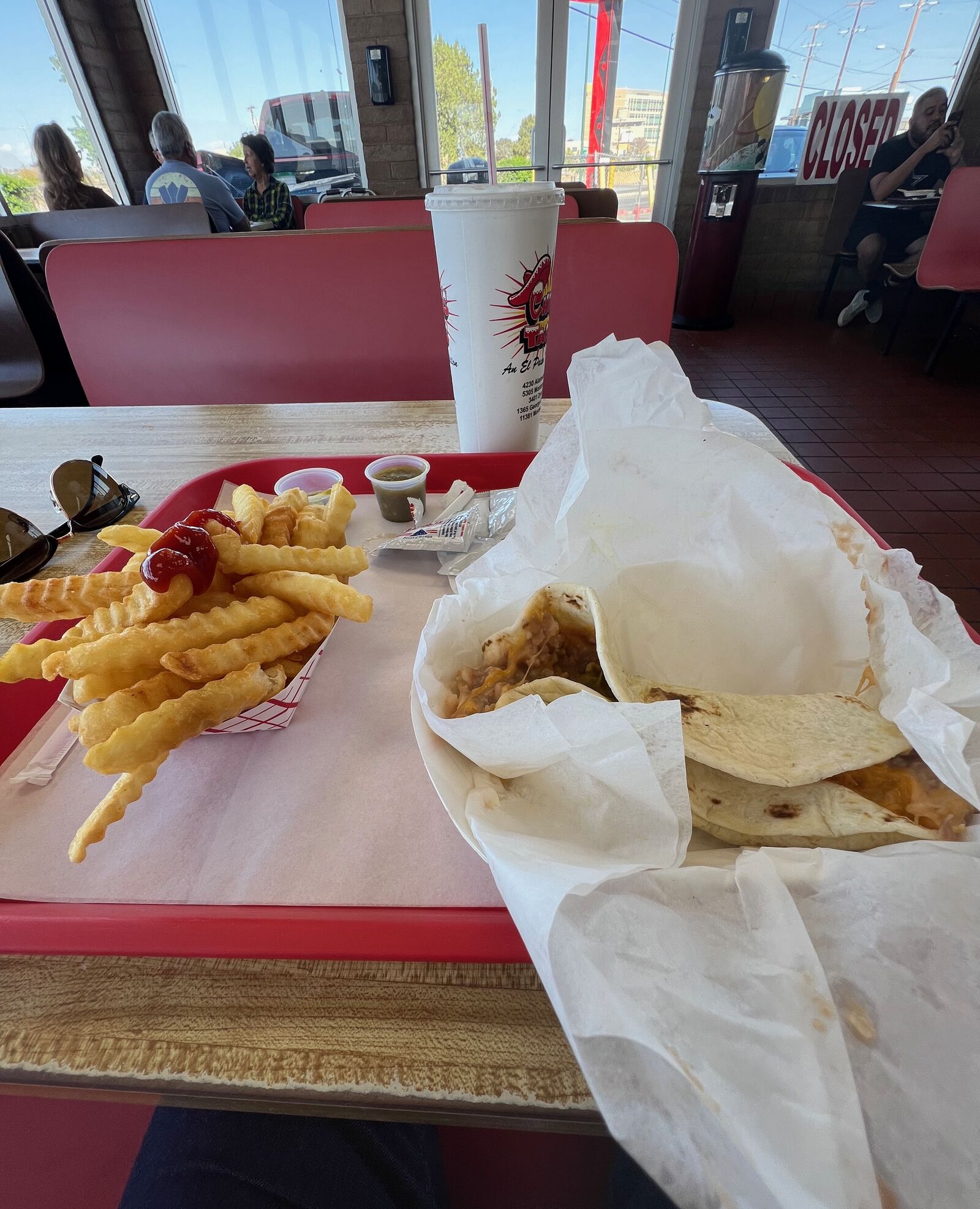
Chico's Tacos, hamburgers, burritos, hot dogs, a sign that hasn't changed its promise in decades. A laundromat with drop-off service and wash-and-fold painted straight onto the block wall. Holland's storefront downtown, parking meters out front, the kind of shop that survives because a city keeps showing up for it. A restored orange-and-green streetcar running the old rail line. A marquee reading, simply, WE LOVE EL PASO. And Lost & Found, the café up near the university where I spent a fair number of afternoons working, an orange car rusting gently in the yard out front. This is the city underneath the narrative -- not an argument, just a Tuesday.
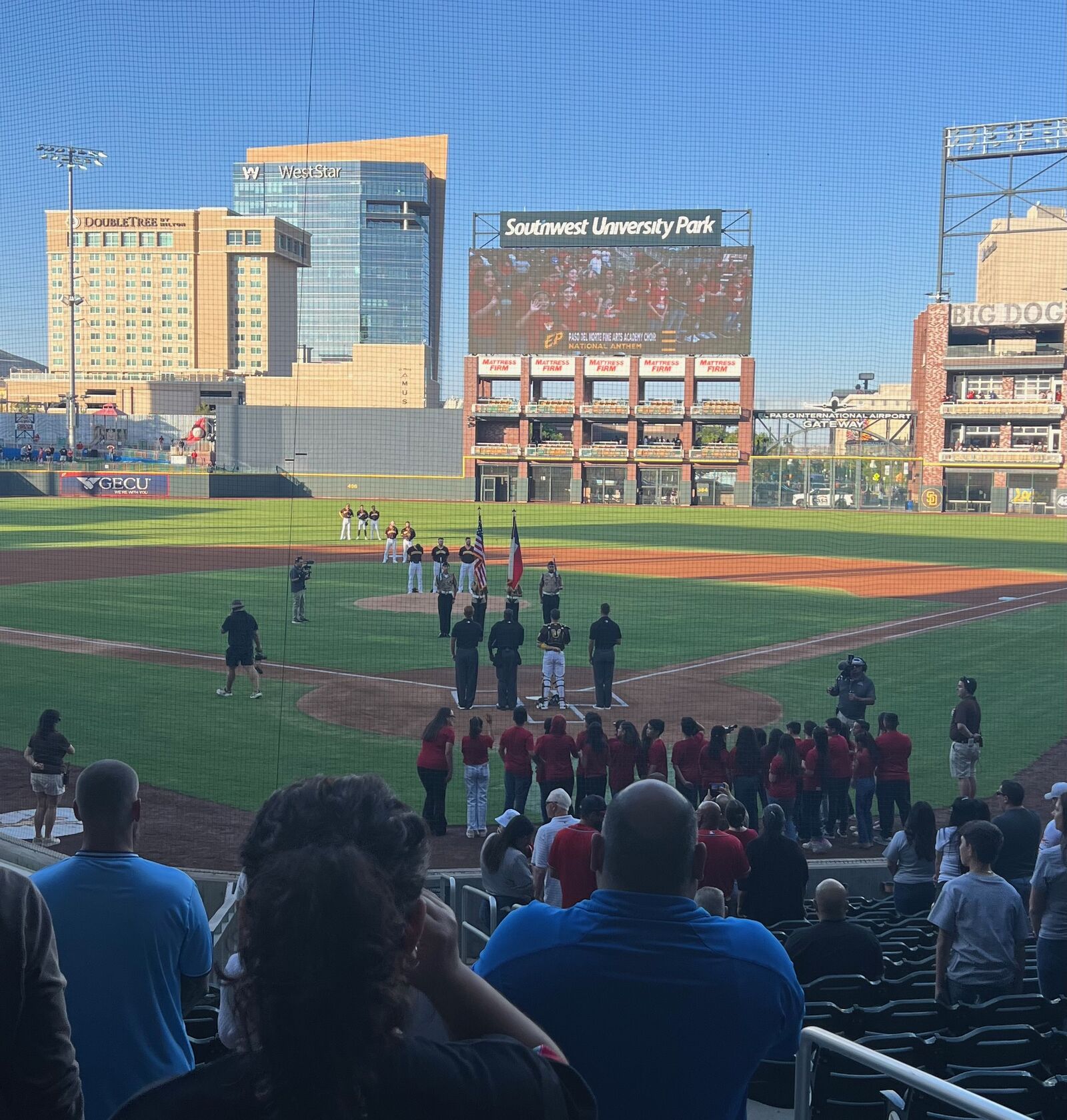
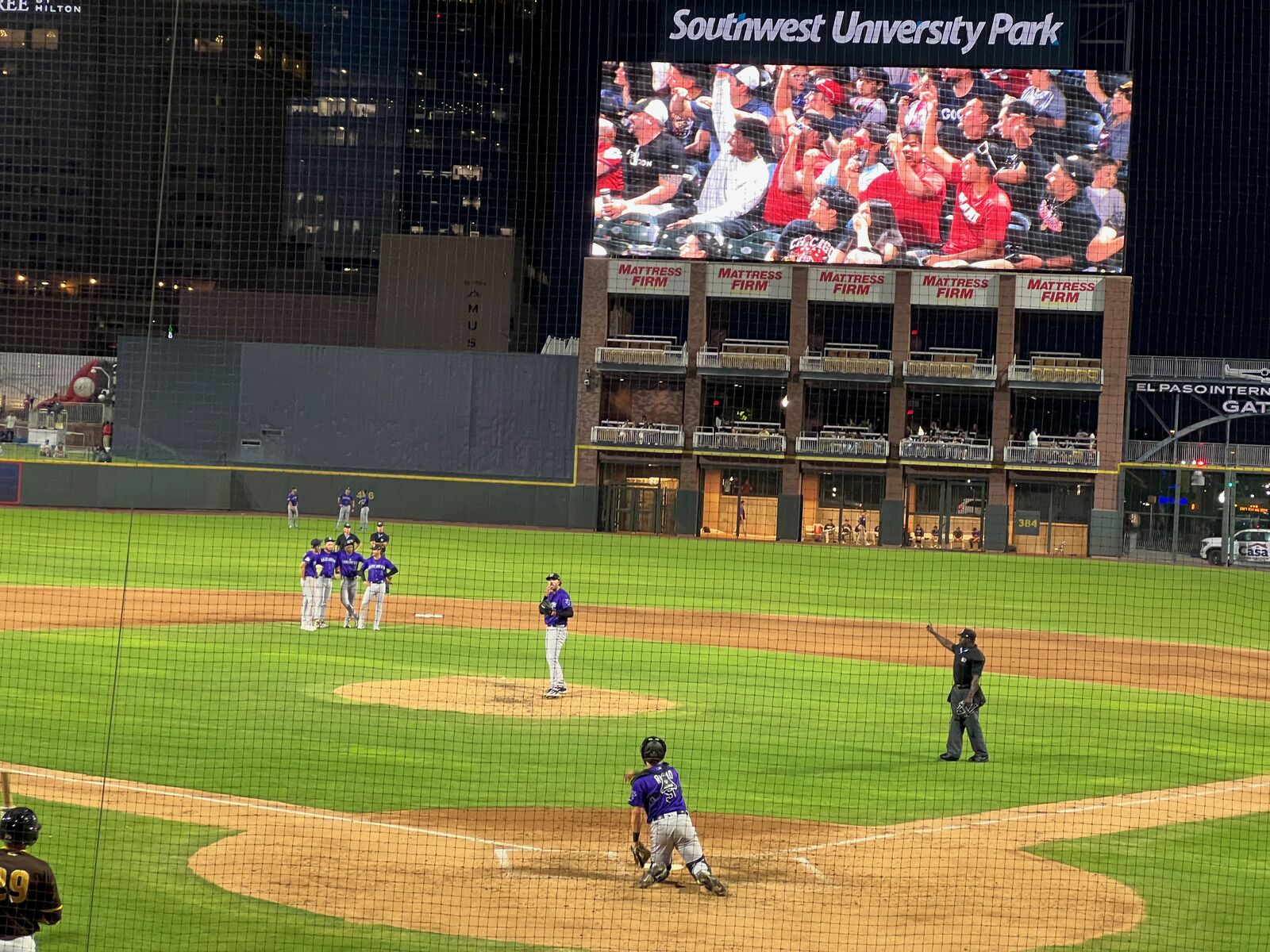
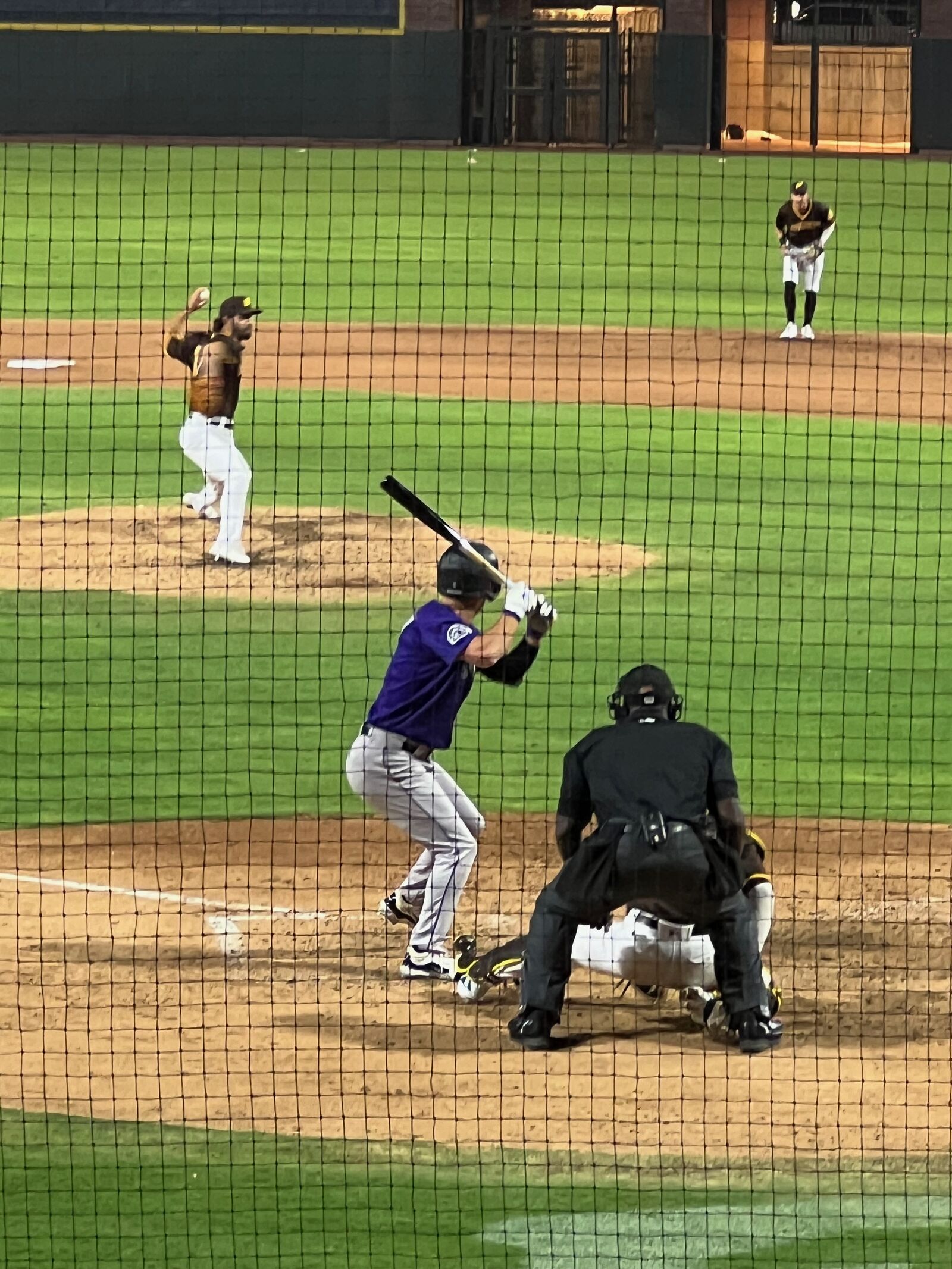
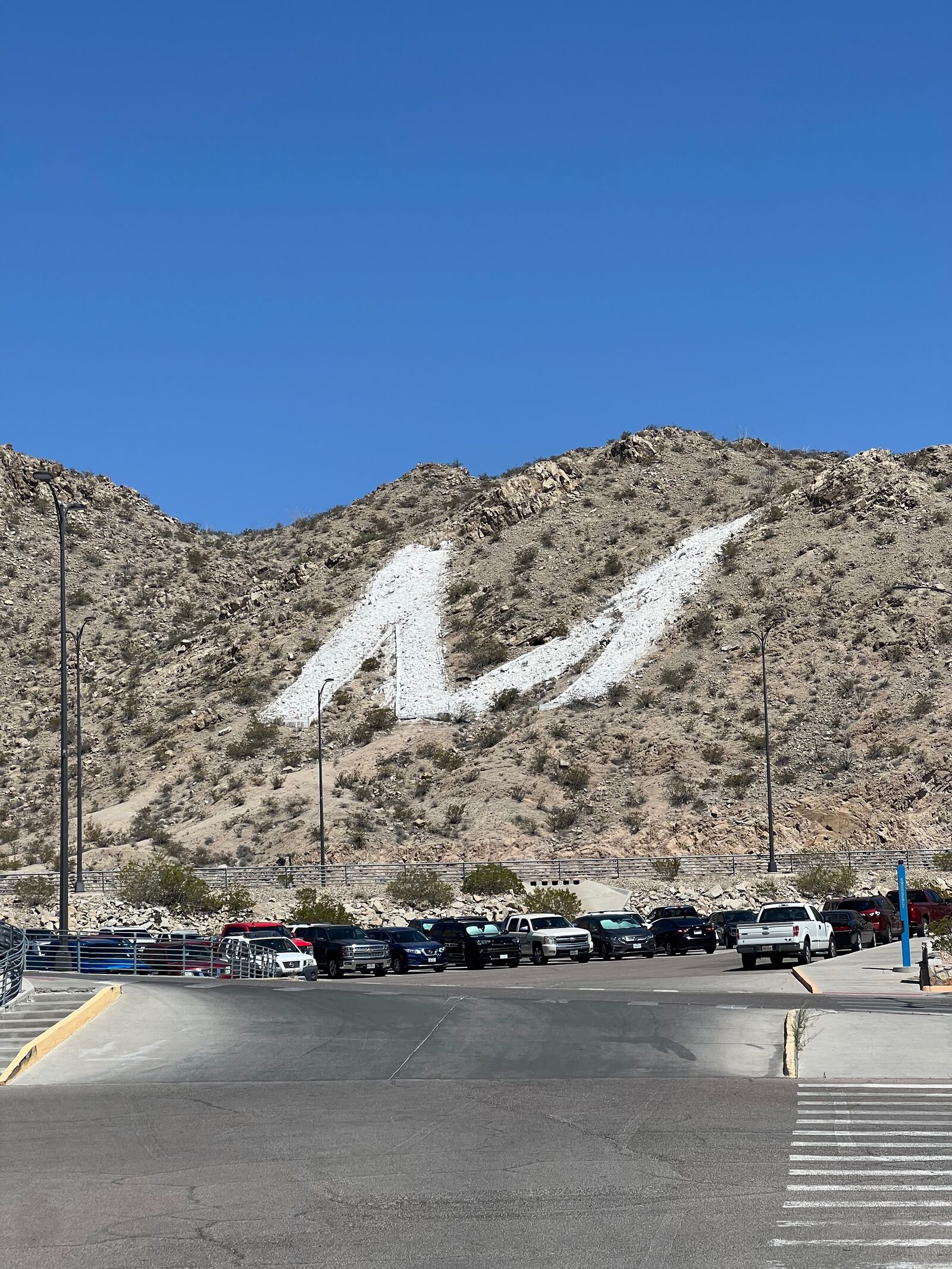
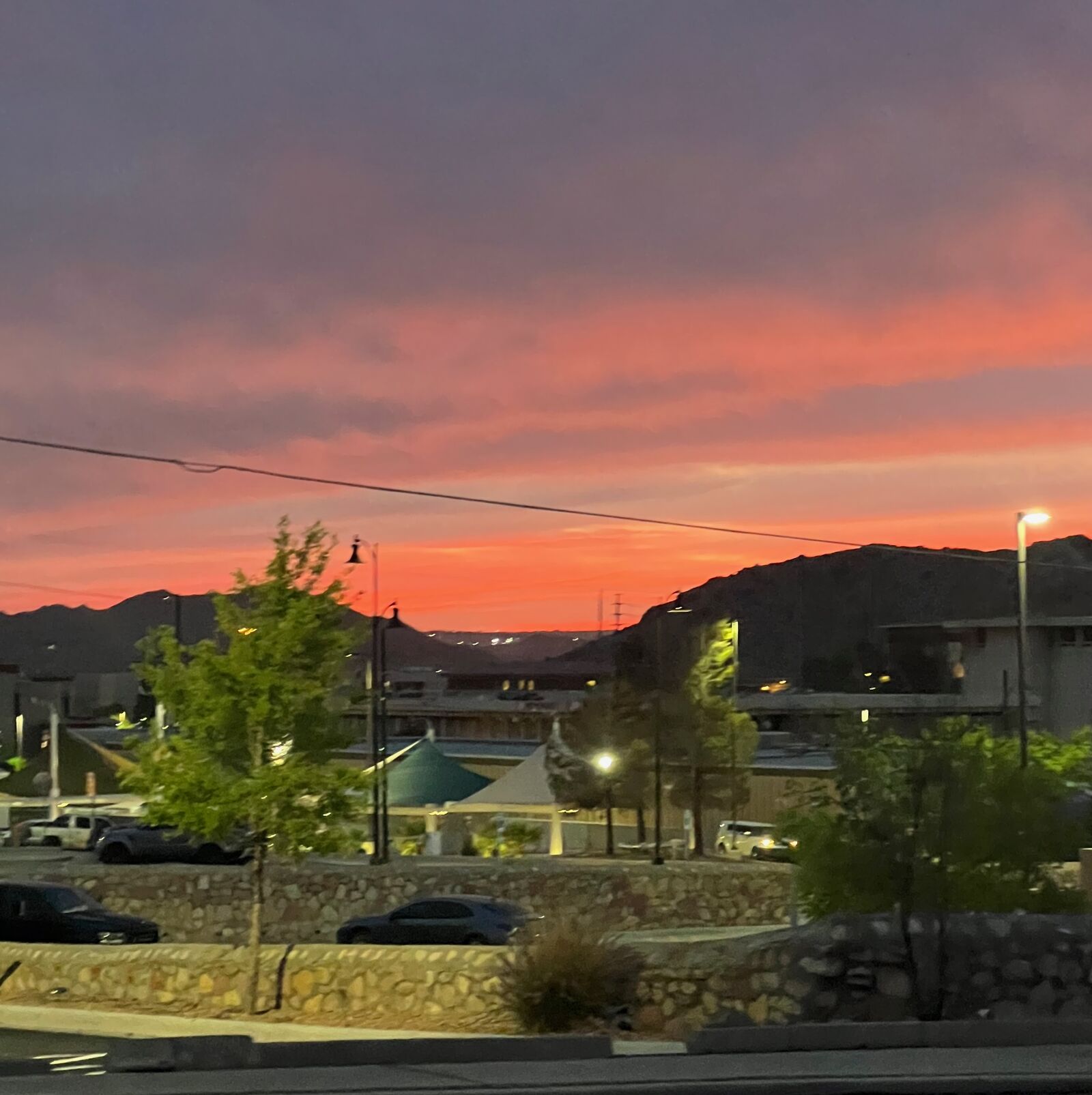
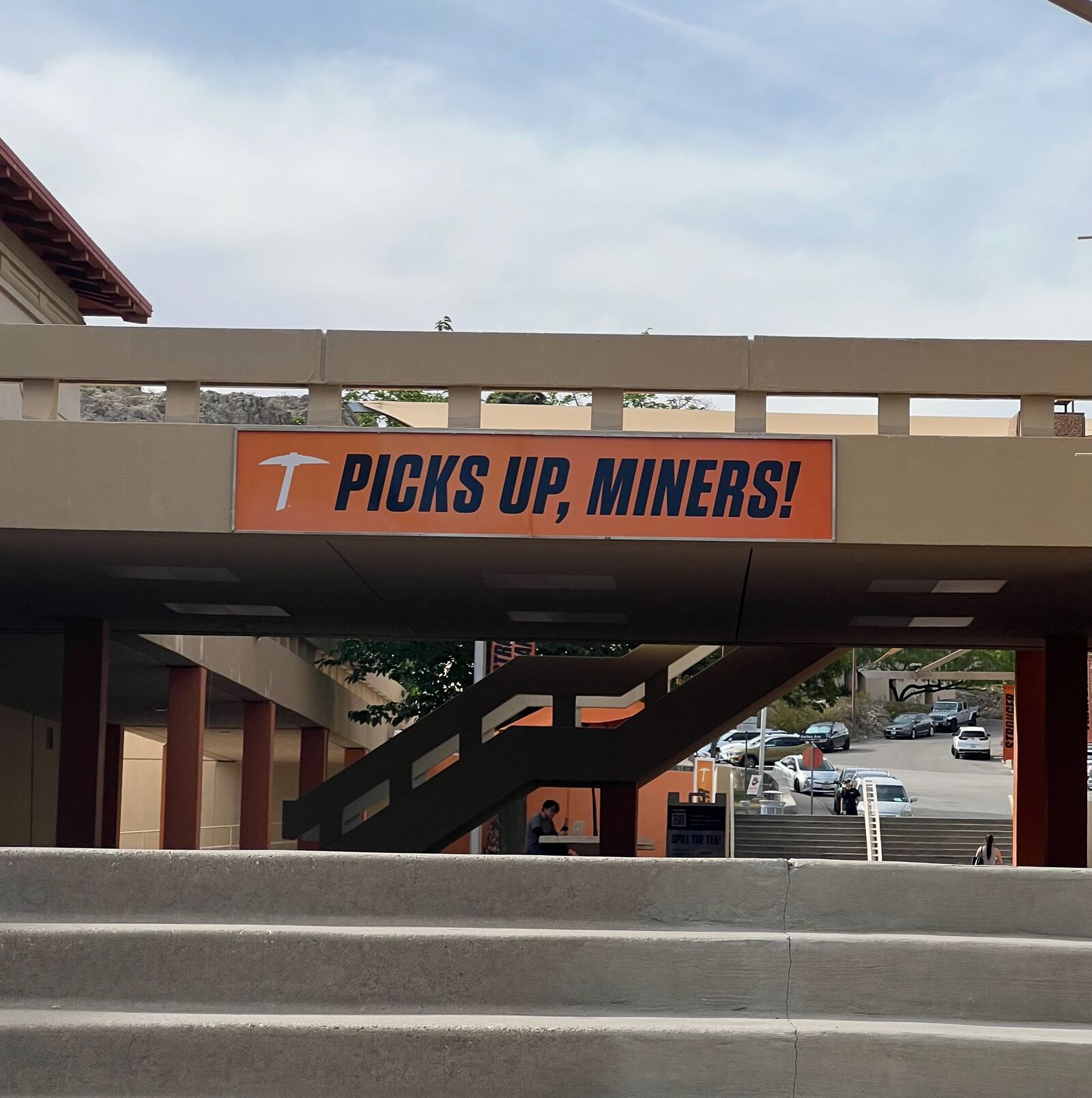
Southwest University Park sits against the desert and the downtown skyline at once, the Franklin Mountains rising behind the outfield wall. I went to two Chihuahuas games. Baseball here felt less like a sport than a civic gathering, a place where a city that gets talked about constantly by people who've never been to it just goes ahead and has a summer night. The white "M" painted onto the mountainside above campus marks UTEP the way a flag marks a country. And the sunsets, when the sky goes from pink to violet to gray over the mountains and the whole city seems to exhale at once, are their own kind of argument for staying.
Near the intersection of E. Rio Grande Avenue and N. Campbell Street, I saw it: a line well over a hundred people deep, stretching toward Montana Avenue, growing as I walked. No noise, no protest, no sign explaining its purpose. Just a quiet line, marked by a deep, weary dignity. Men, women, children, the elderly, families, veterans, the working poor, the unhoused. I've seen these lines in Chicago, in New Haven, in Memphis. In every place, the same stillness: people suspended between need and shame, between visibility and invisibility, waiting for a box, a meal, a moment of relief.
I didn't photograph it, out of respect. I walked past a second time and learned what the building was: the Kelly Center for Hunger Relief, tents set up like a small fair, food, clothing, diapers and wipes, blood pressure checks. Ordinary things that are, for some families, out of reach. I thought about how little it takes to join that line. A lost job. A medical bill. A rent increase. The distance between security and hunger measured not in miles but in weeks.
Hunger has a name in El Paso, the same as it does everywhere else. It has a body. It waits. It stands in line. And around it, quietly, a community shows up for itself, tent by tent, week after week.
I came to El Paso thinking I was traveling to America's edge. Instead I found one of its oldest centers.
The people I met were not living at the margins of the country. They were living inside a history that predates many of the assumptions we carry about the nation itself.
The farther I traveled through El Paso, the less useful the language of "here" and "there" became. Cultures overlapped. Histories layered together. Faith, family, language, and memory refused to stay inside the boundaries governments had drawn.
Perhaps that is what makes El Paso feel different. It is not where America ends. It is one of the places where America is still being negotiated.
Walk to the wall. Then walk to the bridge. Notice which one tells you more.