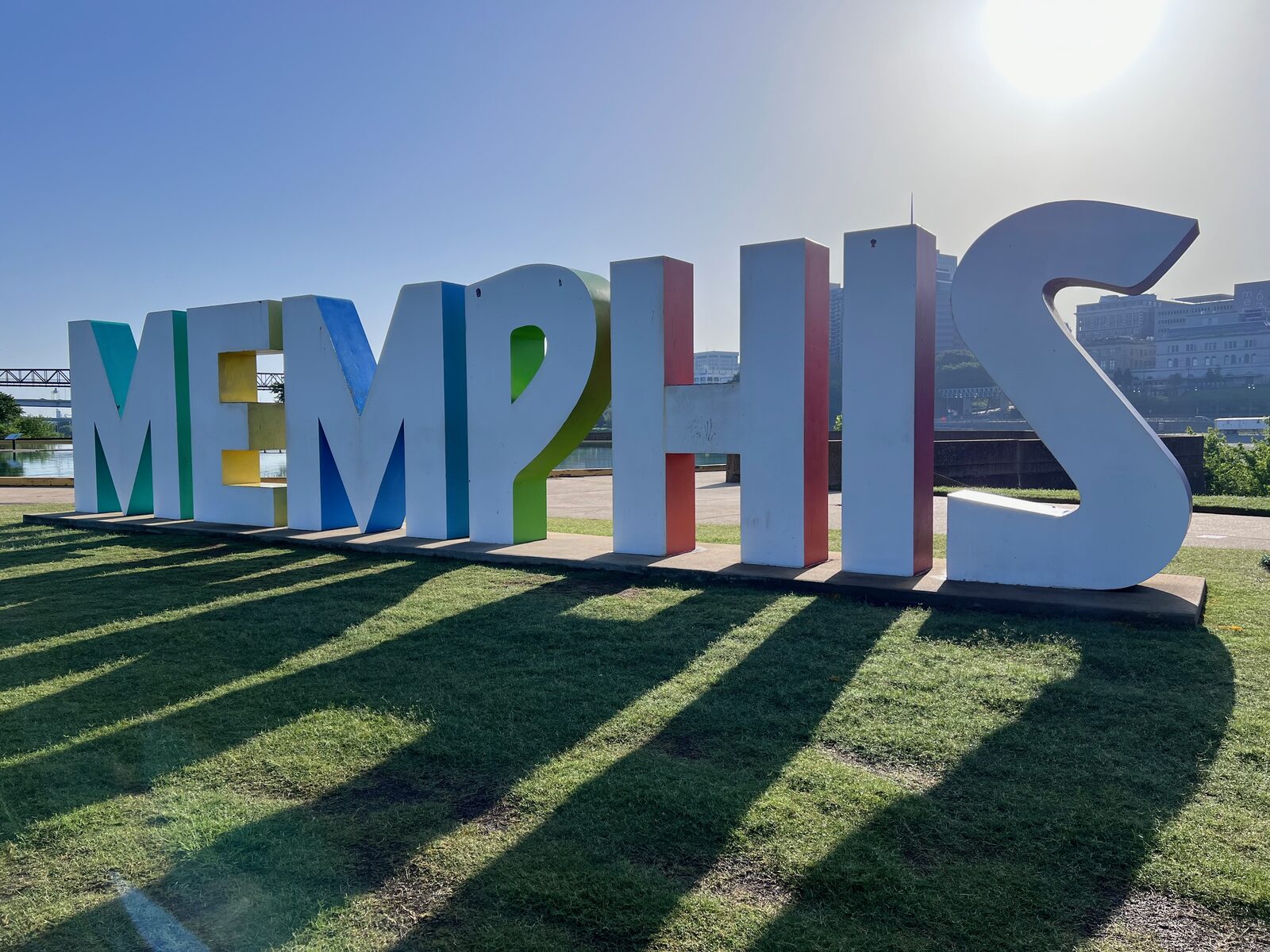
Memphis
Tennessee
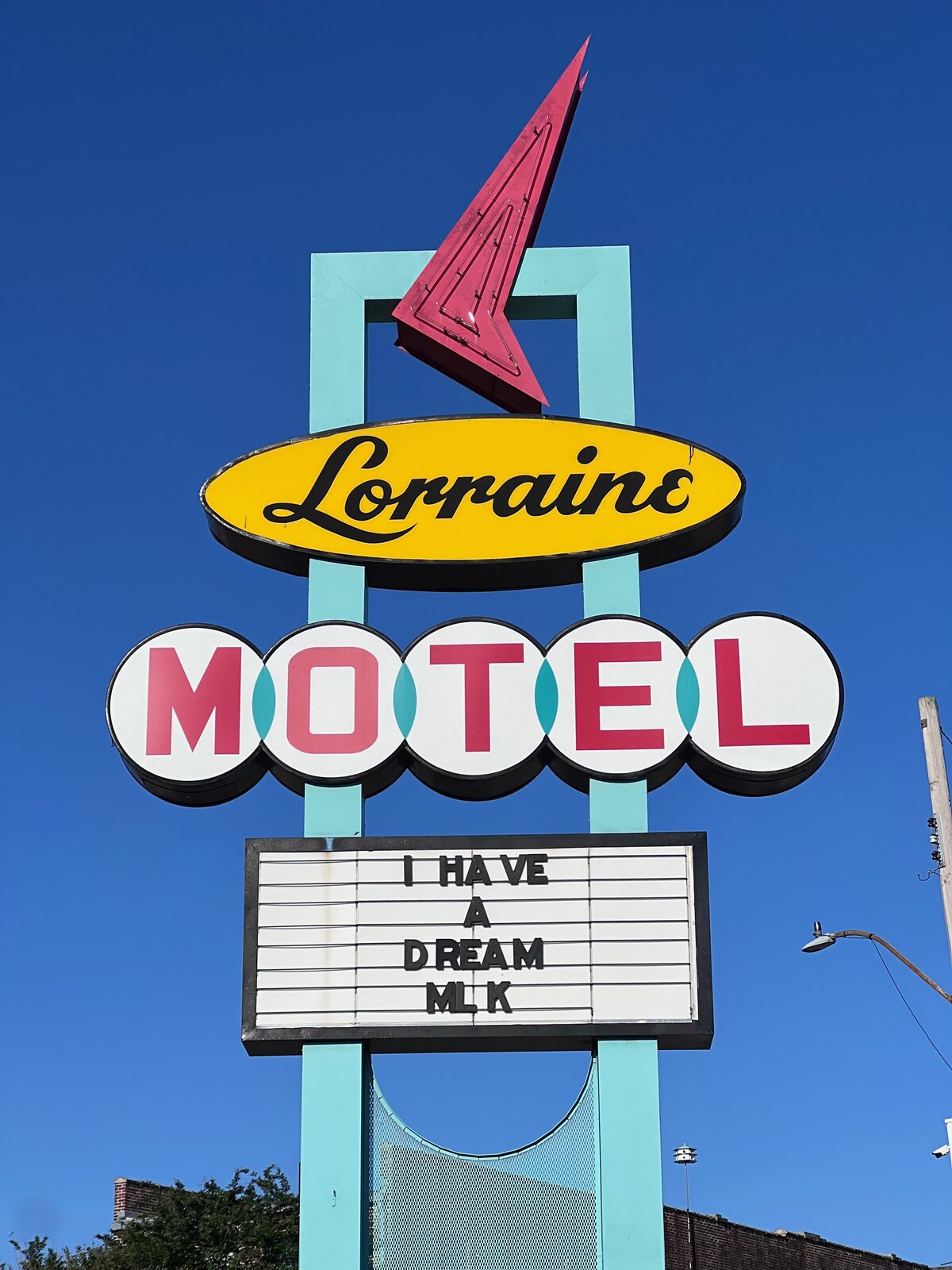
Three women stopped me on South Main Street and asked a question. I had my headphones in, the way I usually do when I walk a new city, and by the time I pulled them out the only word I caught clearly was motel. Memphis draws visitors from everywhere, and that stretch of downtown has no shortage of hotels and motels, so I told them what there were plenty of nearby and sent them on their way.
I watched their faces change. Surprise, then something closer to disbelief.
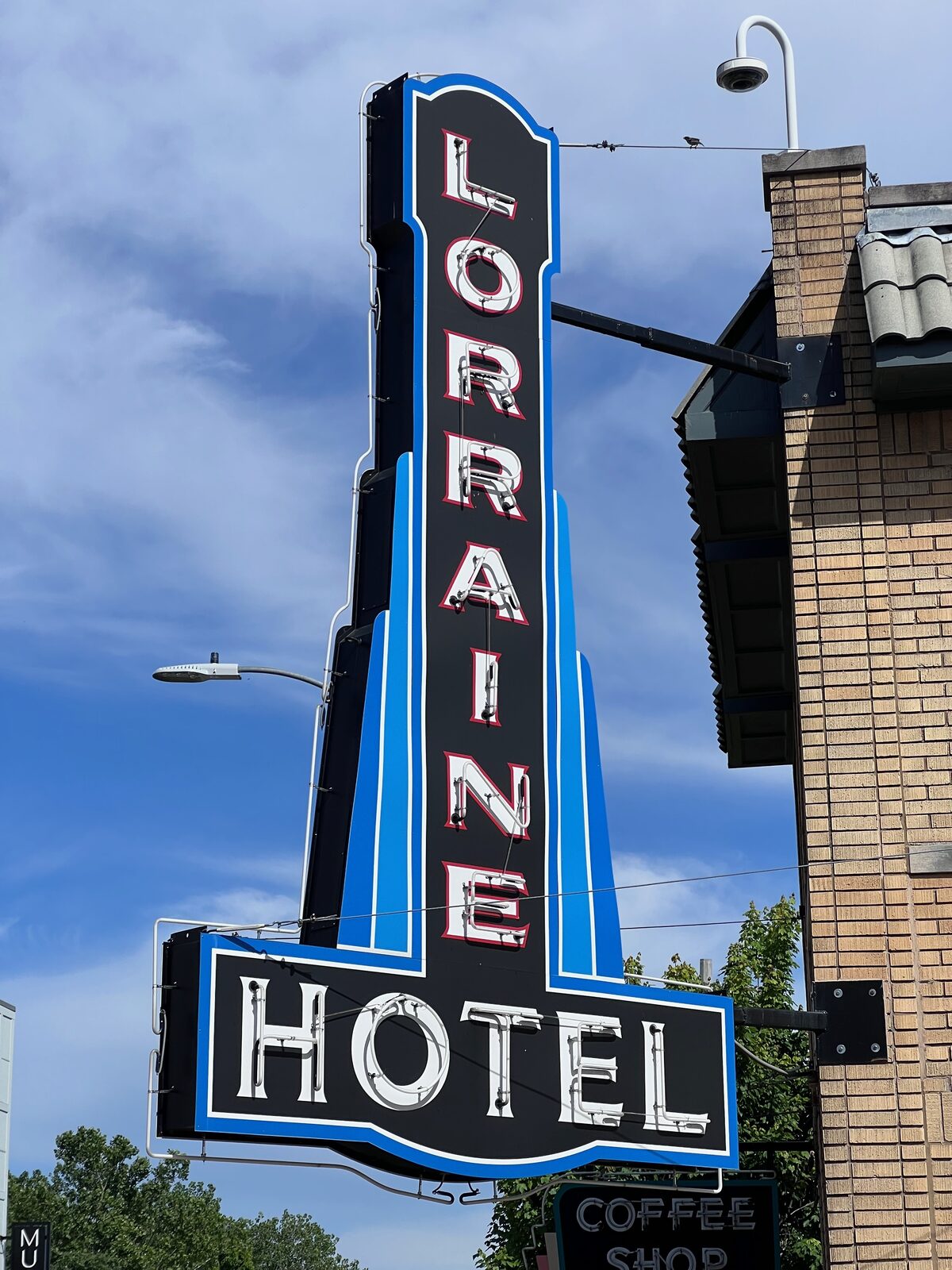
They had asked for the Lorraine Motel. I had just walked past it.
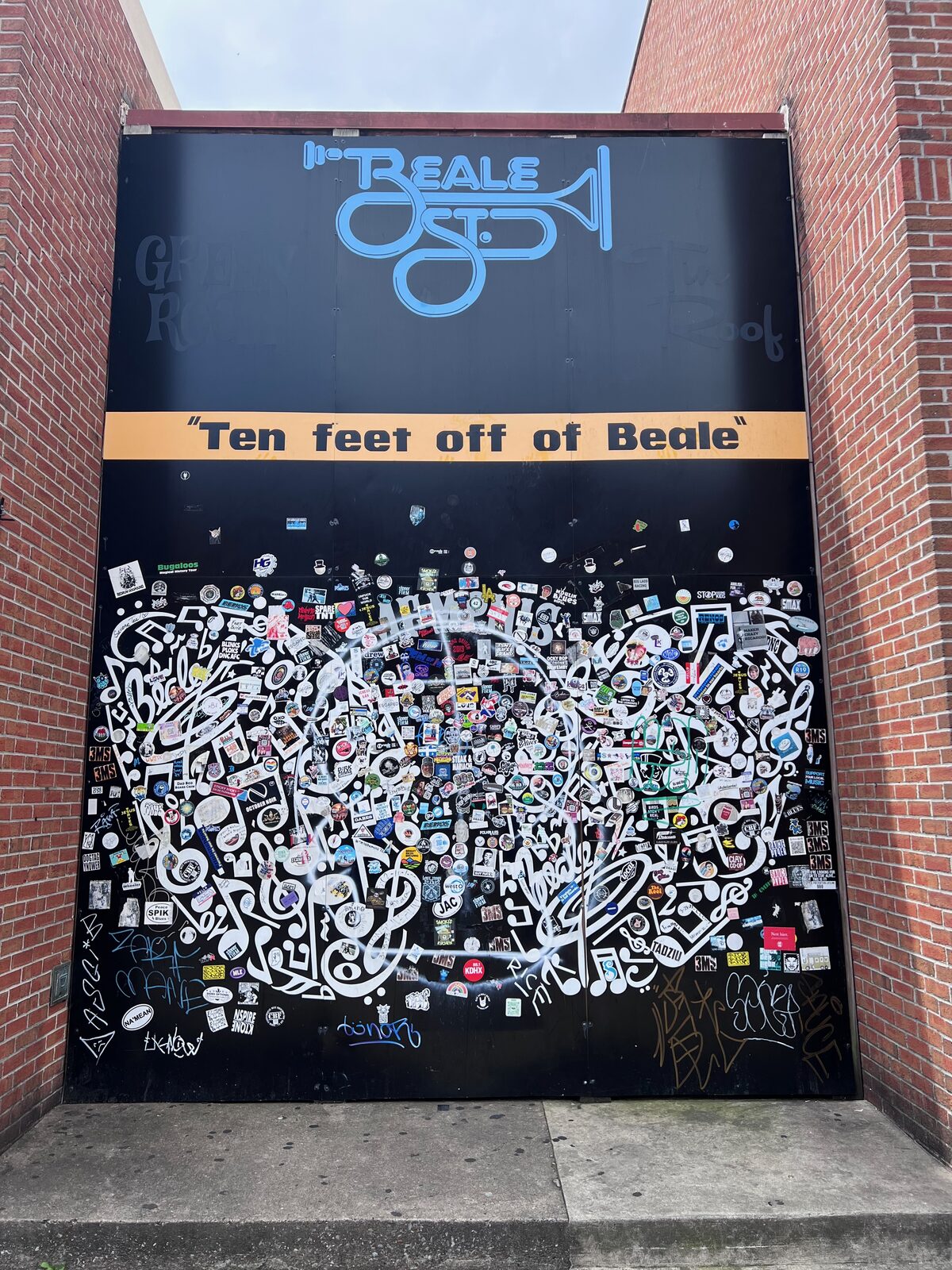
My relationship with Memphis started long before that afternoon. My doctor was the older brother of Marc Cohn, and I was a senior in college when "Walking in Memphis" came out. From that point on I wanted to know what it actually felt like to have my feet ten feet off of Beale. It took years to get there, first on a business trip with a night at B.B. King's and a tour of Graceland, and even after that first visit the pull to go back never really left.
Memphis was founded twice over, first by the Chickasaw who held the bluff above the river for centuries, then by a land speculation partnership that included Andrew Jackson, the same man who would later sign the Indian Removal Act and send the Chickasaw west on their own Trail of Tears. The city grew rich on cotton grown by enslaved labor, then on the blues and rock and roll made by Black musicians whose names most of the world eventually knew and whose earnings rarely matched their genius. W.C. Handy published the first blues composition here in 1909. B.B. King learned his craft here, on the radio and in the clubs, before Lucille ever left the city limits. Memphis sells itself as the Home of the Blues, Beale Street, the Peabody ducks, Graceland. That city is real. Half a mile away is a different one entirely, and I walked that half mile more than once.
Memphis will not let you have the music without the wound. You can try to separate them. The city will not cooperate.
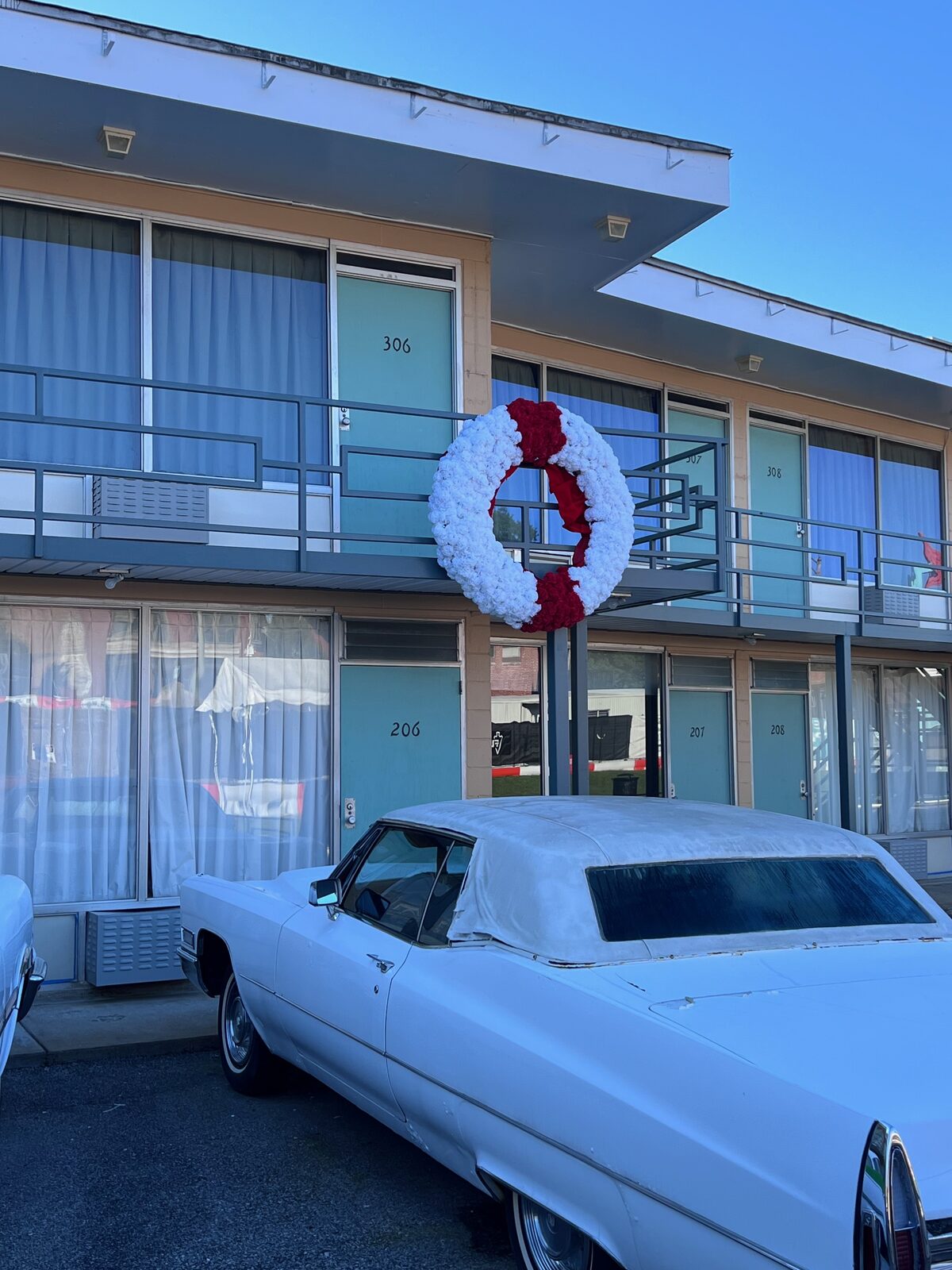
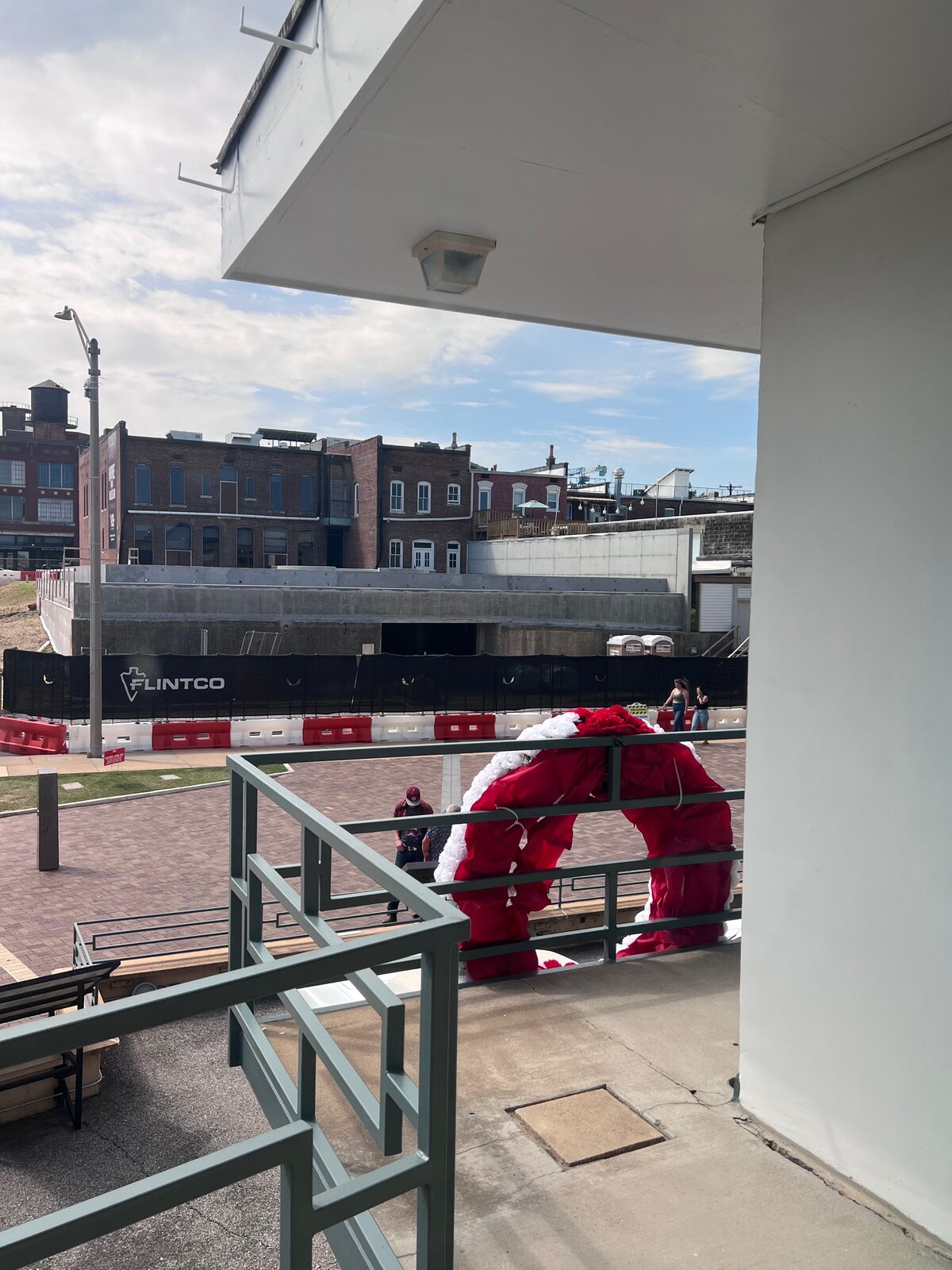
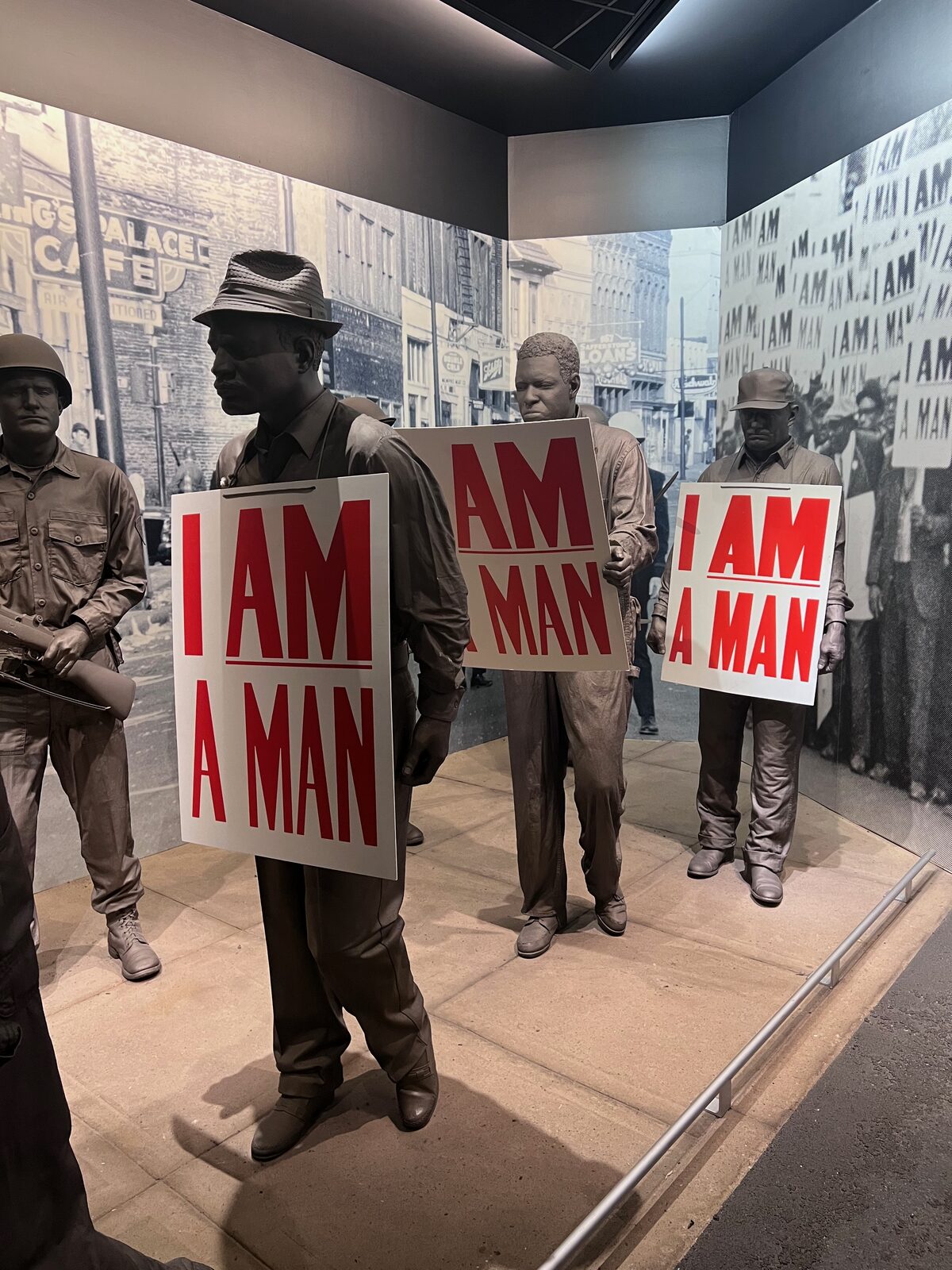
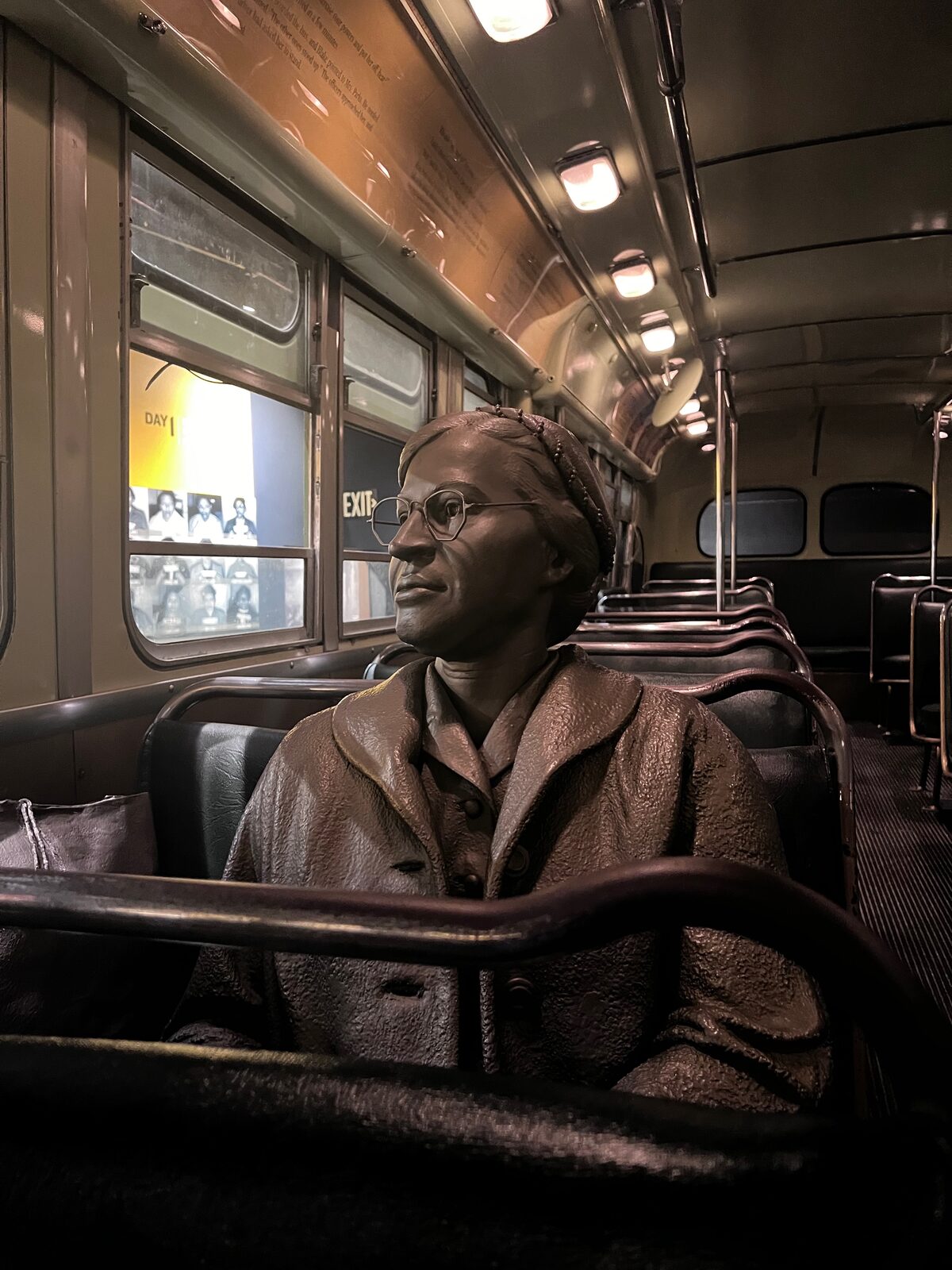
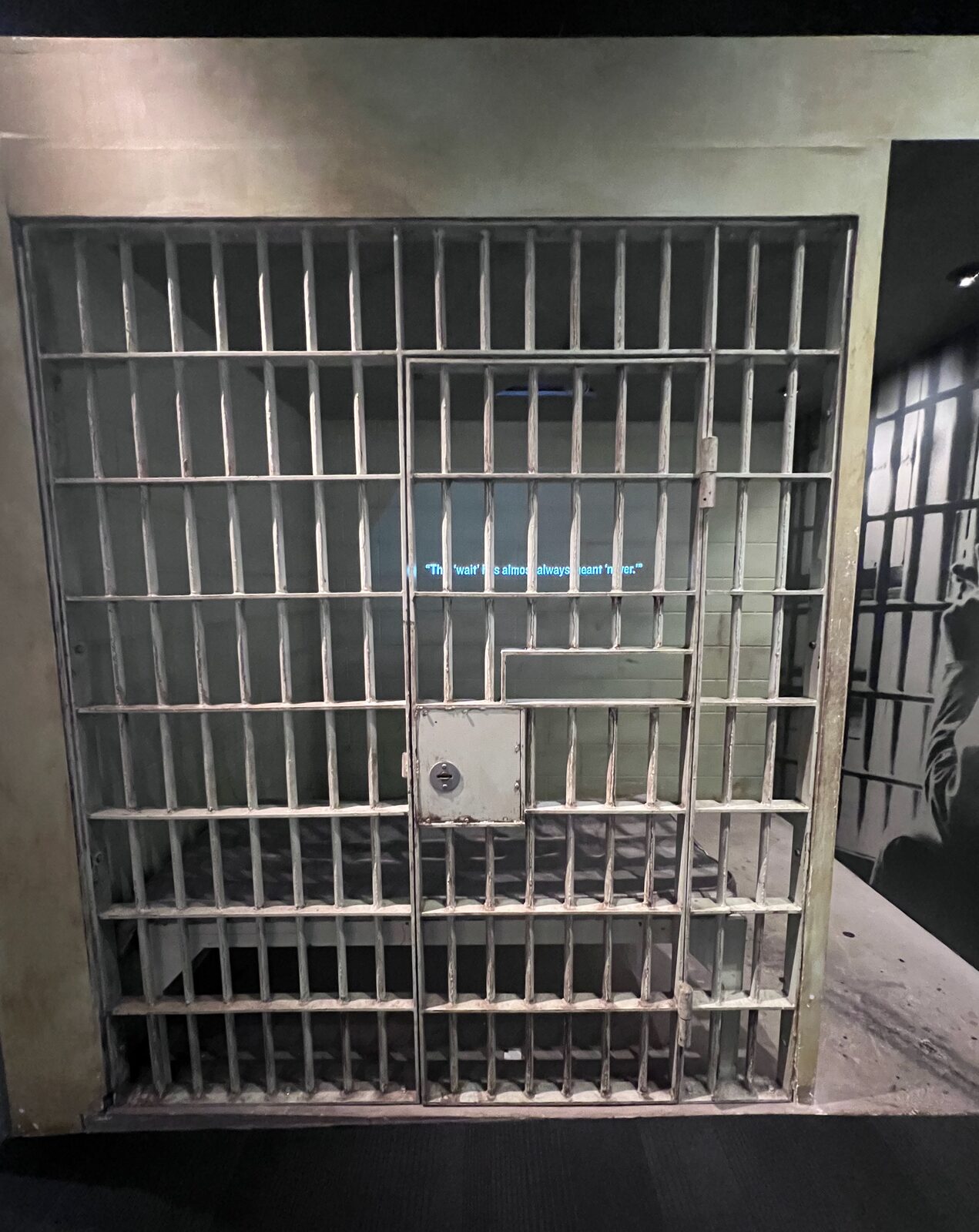
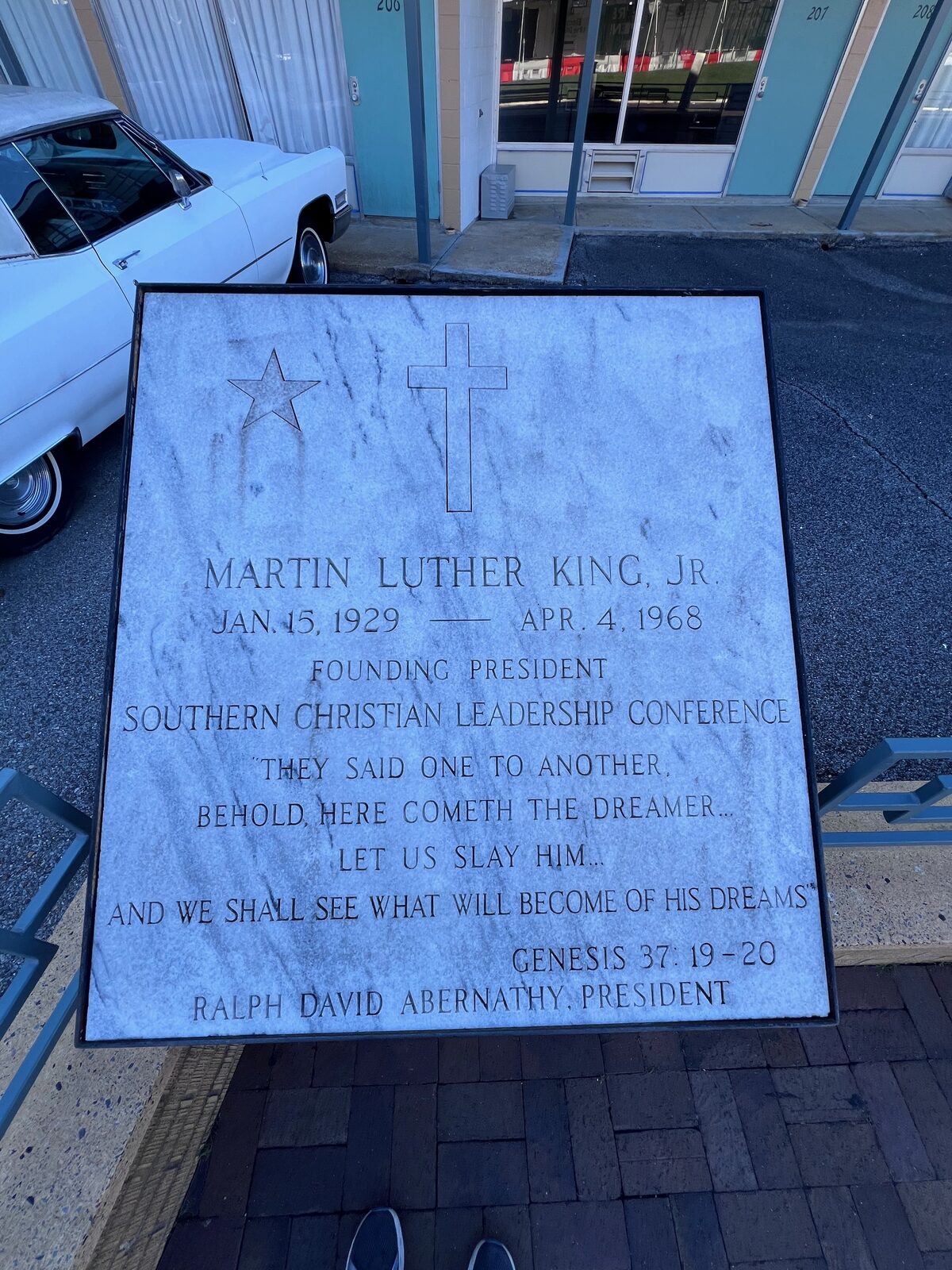
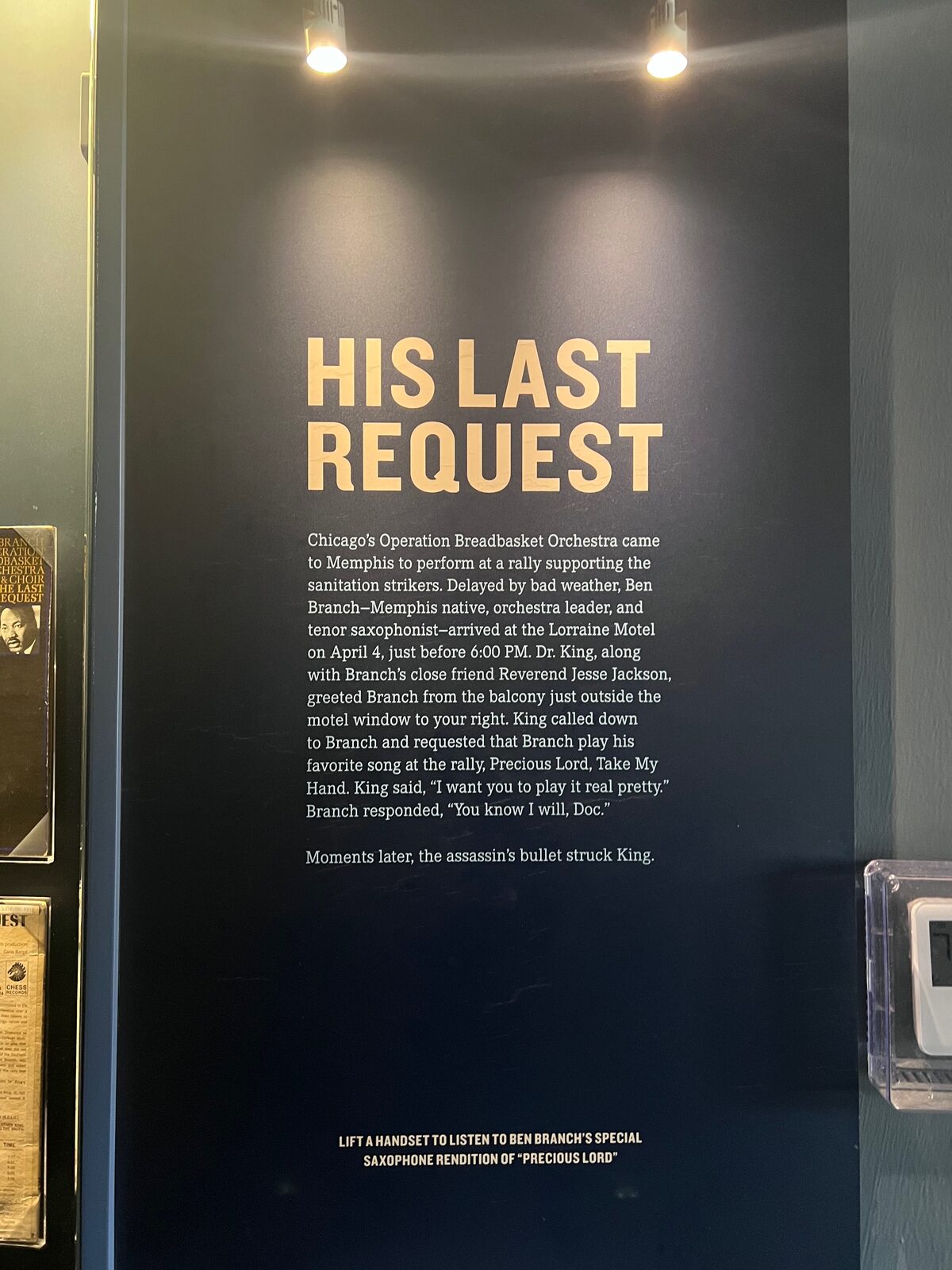
To stand beneath the balcony of room 306 is to feel the distance between what America promised and what it delivered collapse into a single point. The building is now the National Civil Rights Museum, and it does not let you wander. It guides you, room by room, decade by decade, narrowing toward Memphis, toward the sanitation workers' strike, toward the I AM A MAN signs, until you turn a corner and find yourself standing between the two motel rooms, close enough to understand the actual geography of the shot, not just the photograph of it. Dr. King came to Memphis to support sanitation workers demanding to be treated as men. He was shot on that balcony on April 4, 1968. The violence does not feel like history at that distance. It feels like something that never fully became past tense.
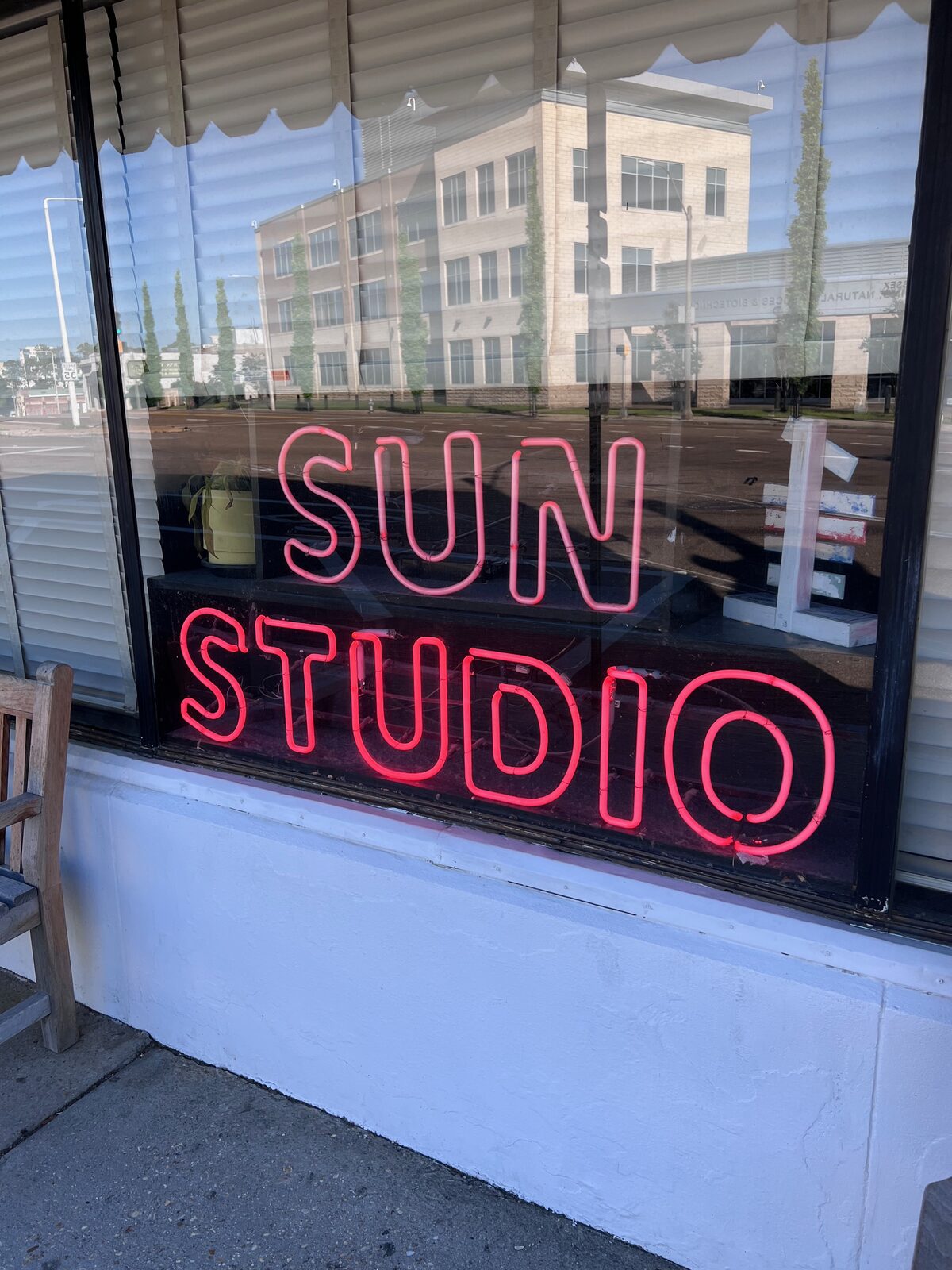
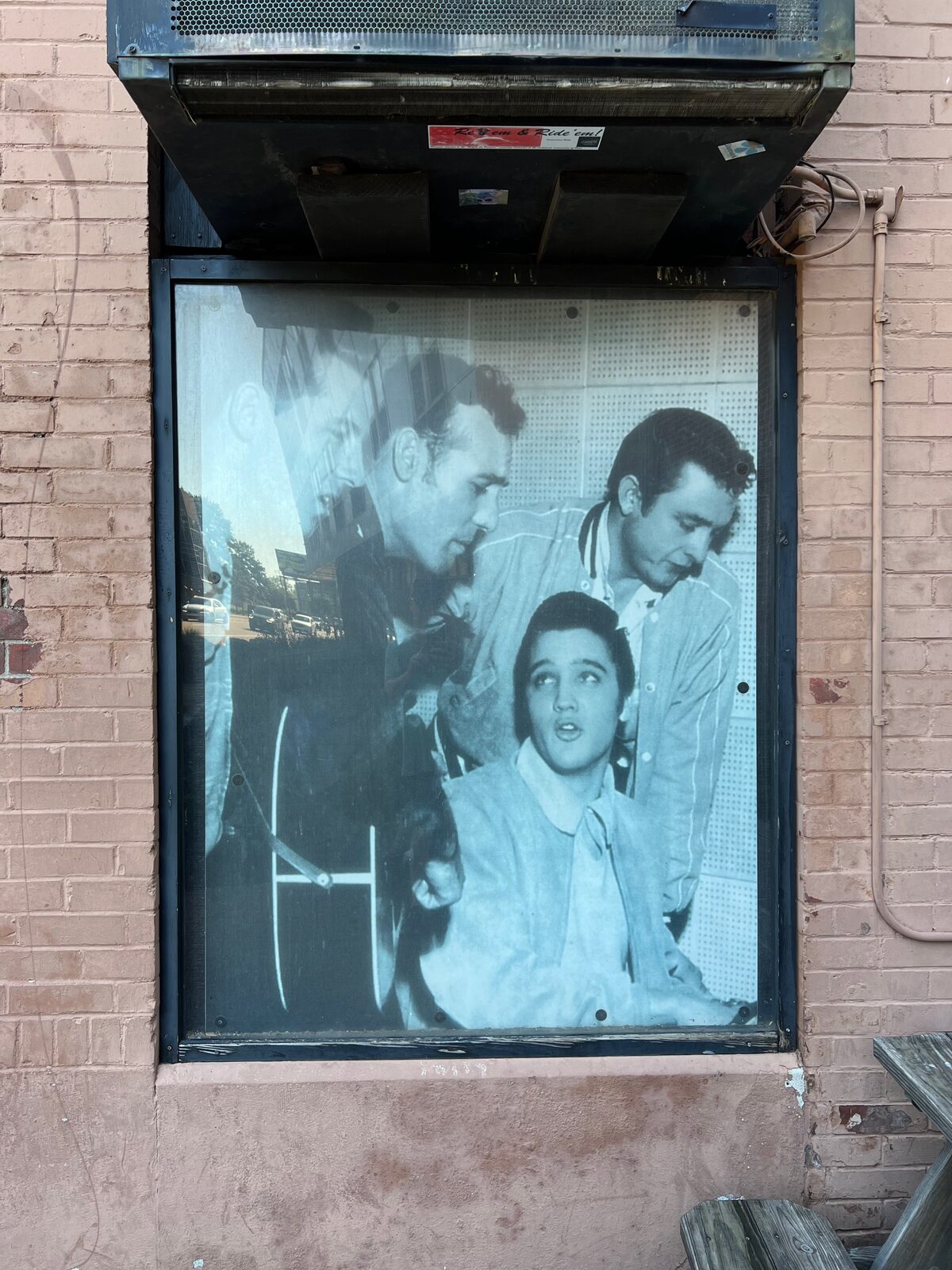
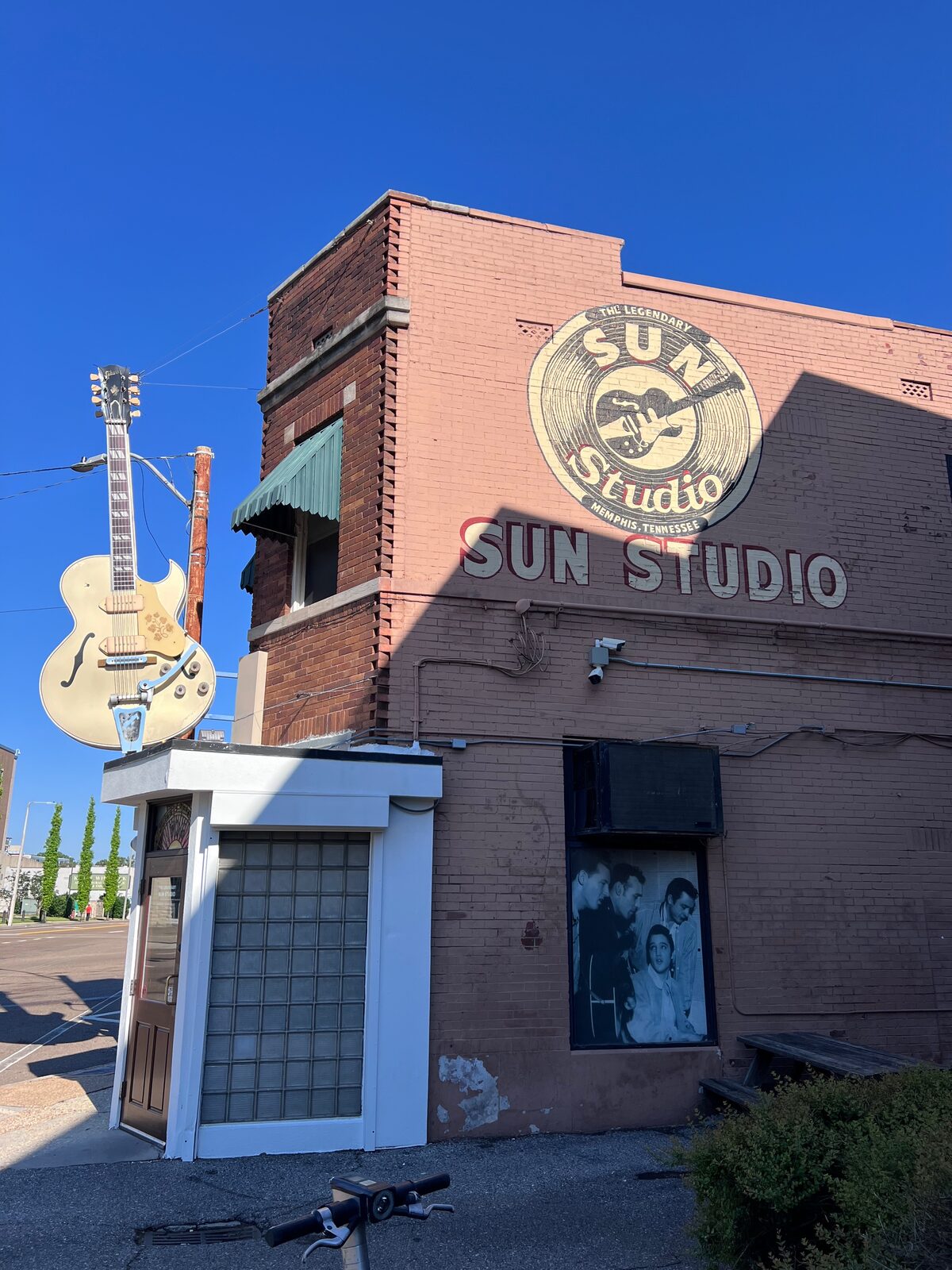
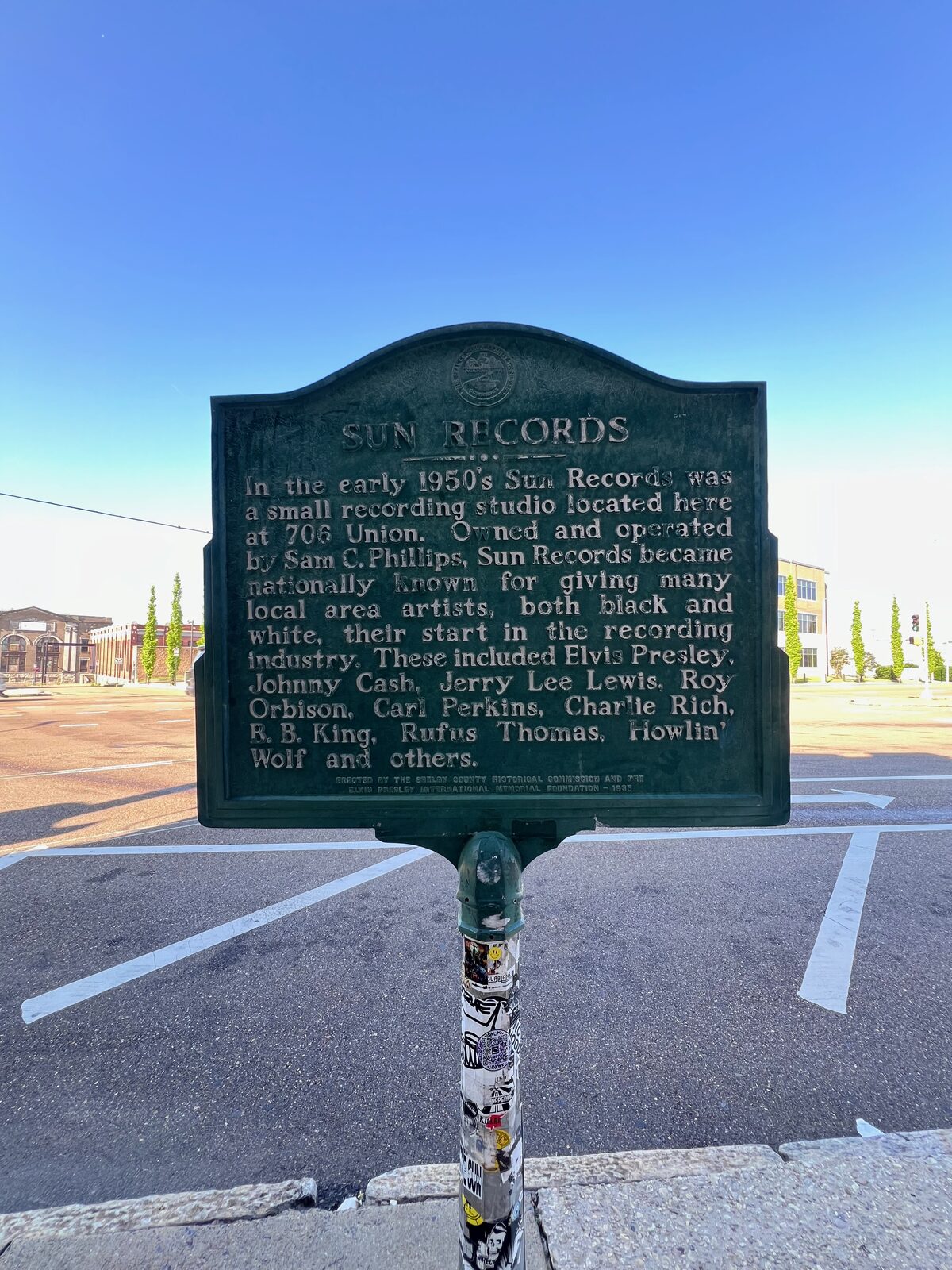
The room at 706 Union Avenue is small. The equipment is original or close to it. You can stand at the microphone where Elvis stood, where Howlin' Wolf stood, where Johnny Cash and Carl Perkins stood, and feel the specific weight of what was made in that space by a producer who understood that the genius being suppressed by segregated radio needed only the right room and the right ears. Graceland is a monument to what Elvis became. Sun Studio is a monument to what made him. The two sites sit a mile and a half apart, and the distance between them is the whole story of Memphis music in miniature, the difference between the myth and the truth.
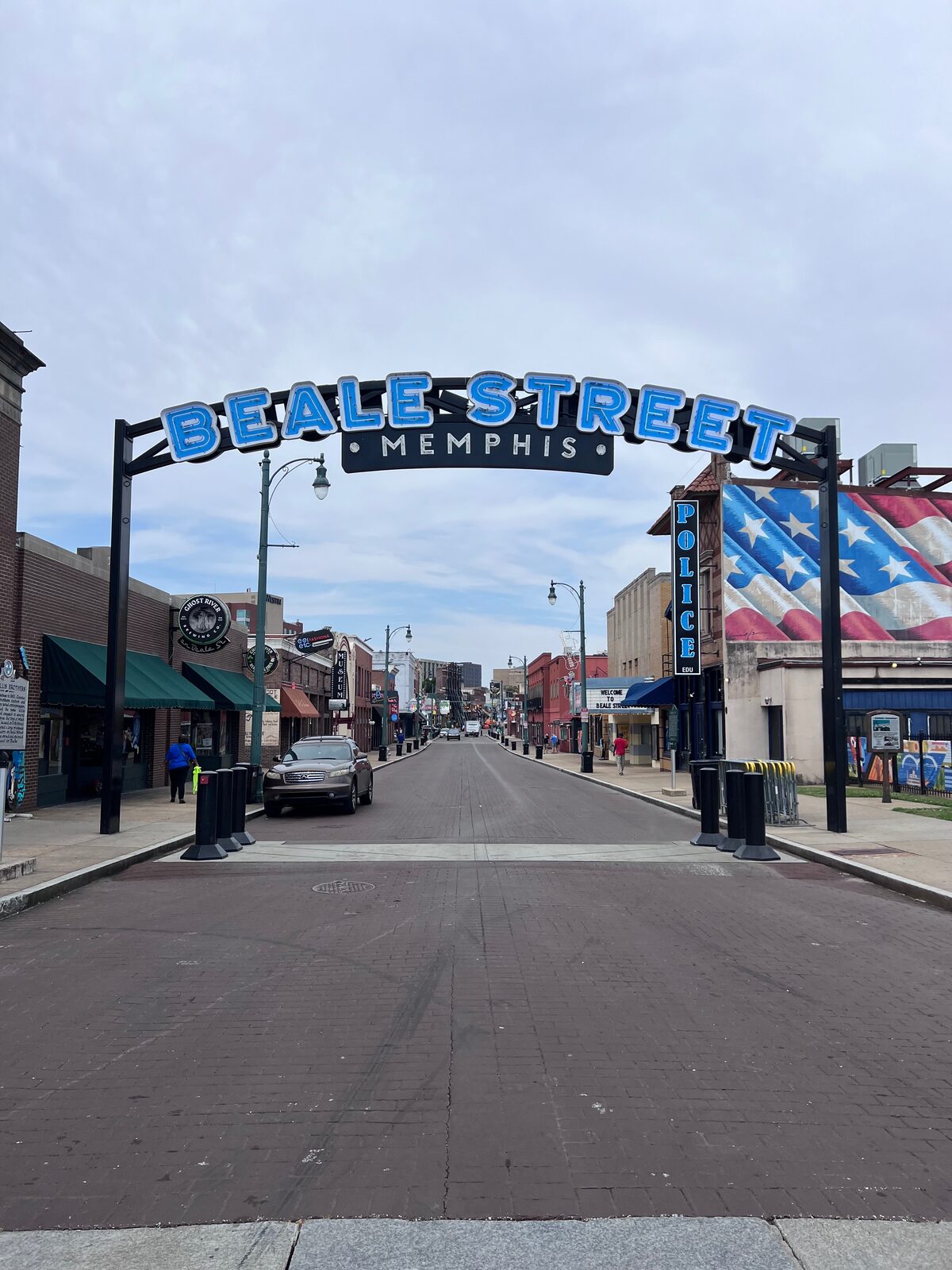
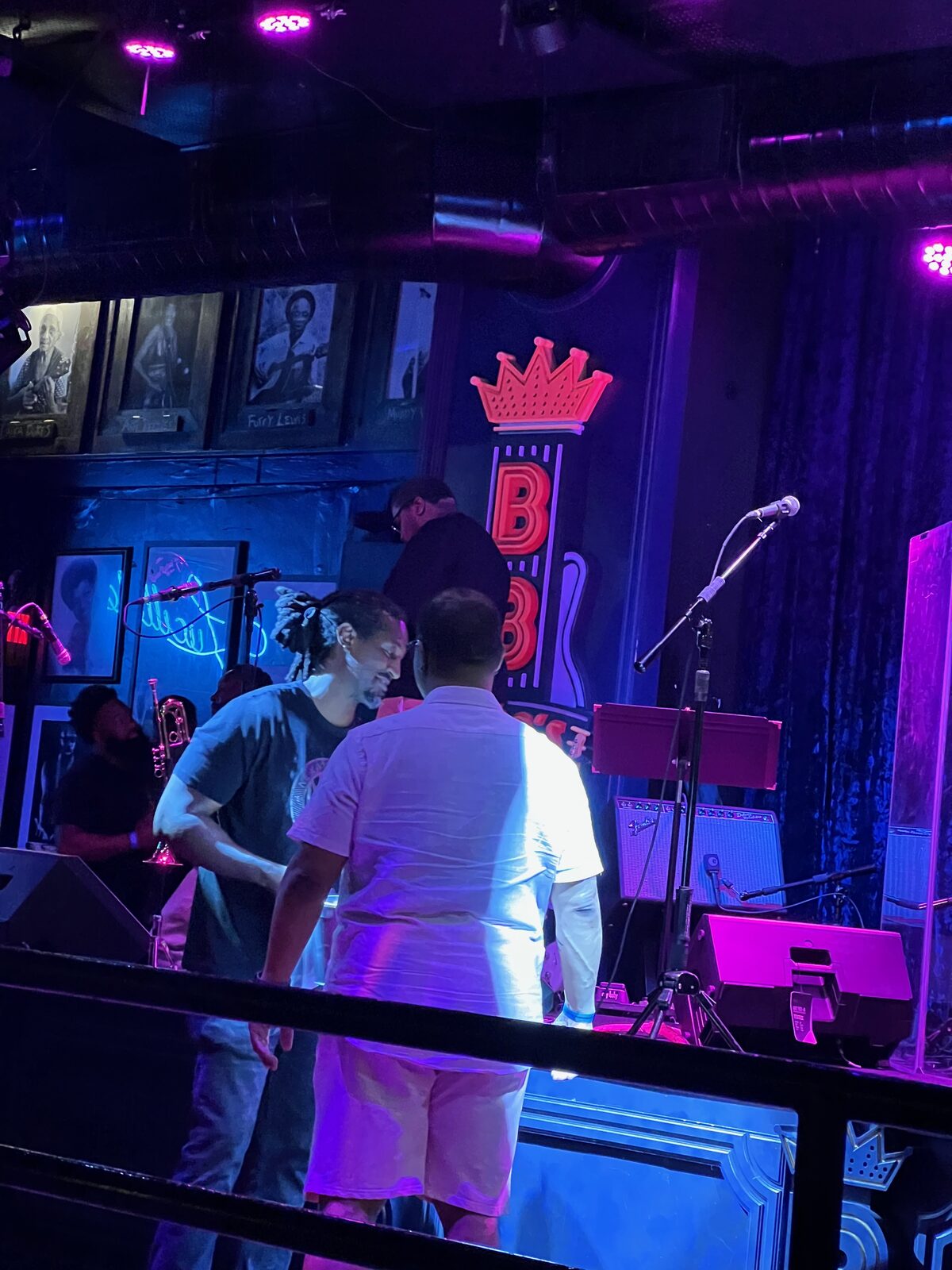
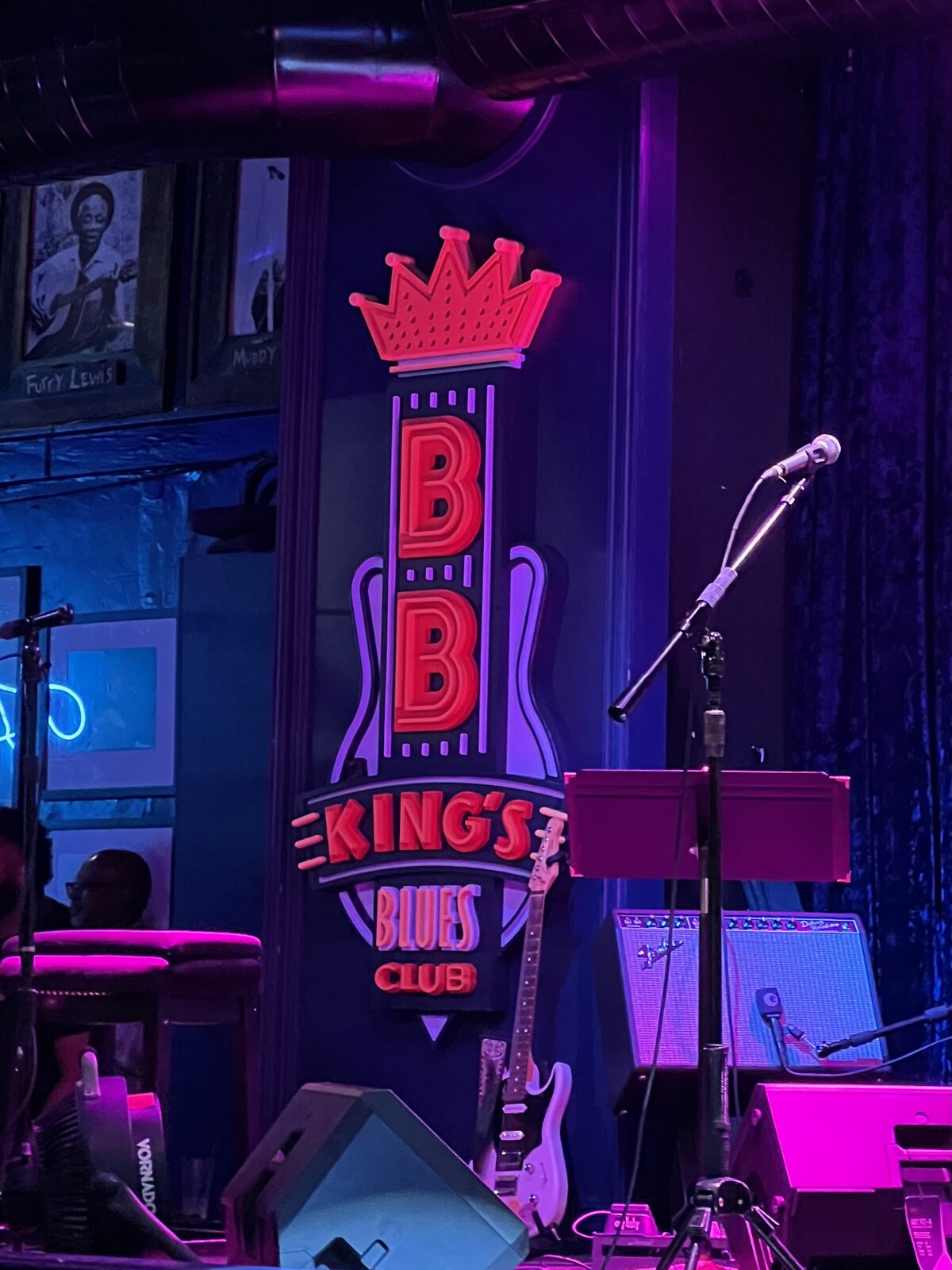
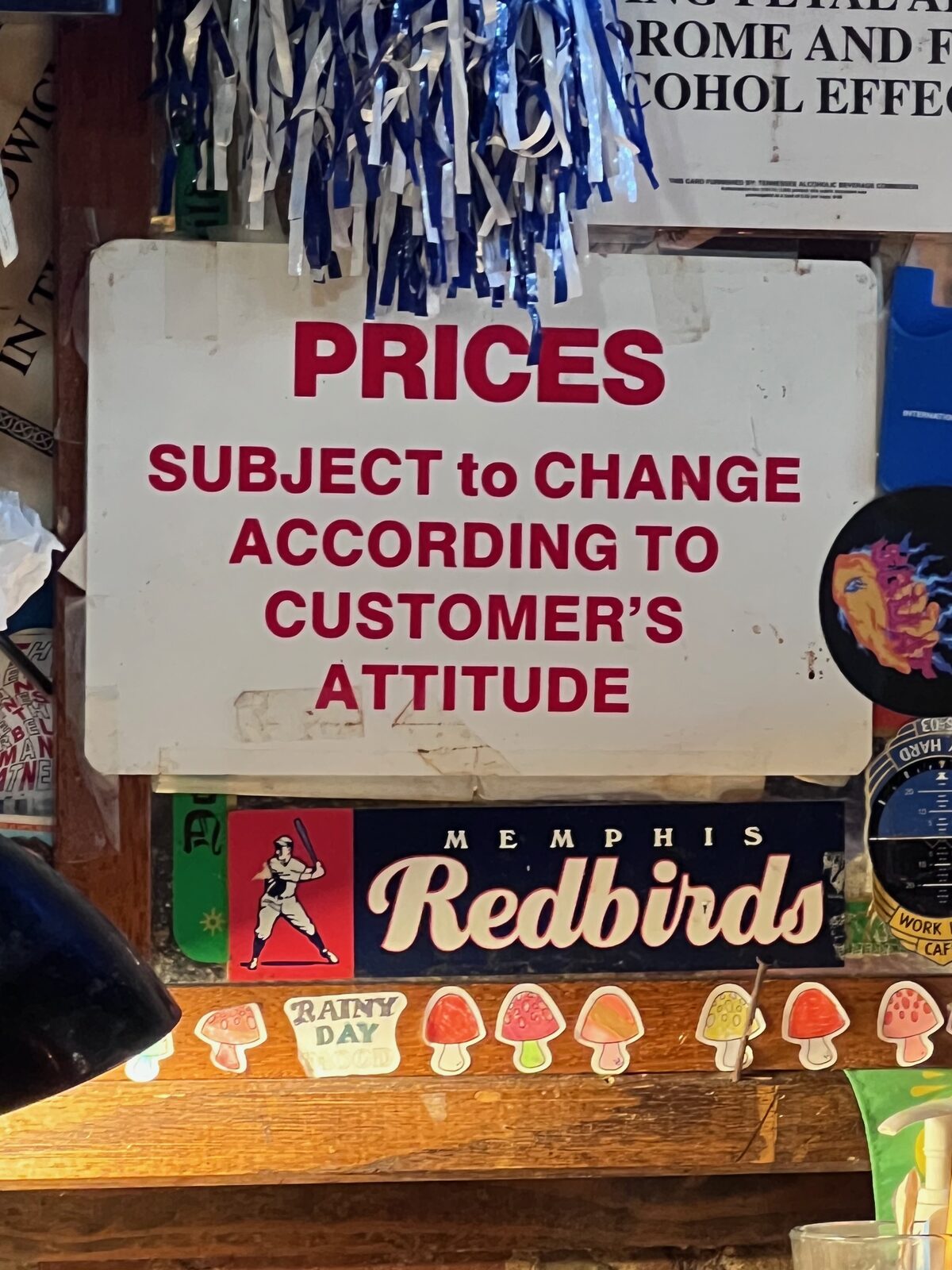
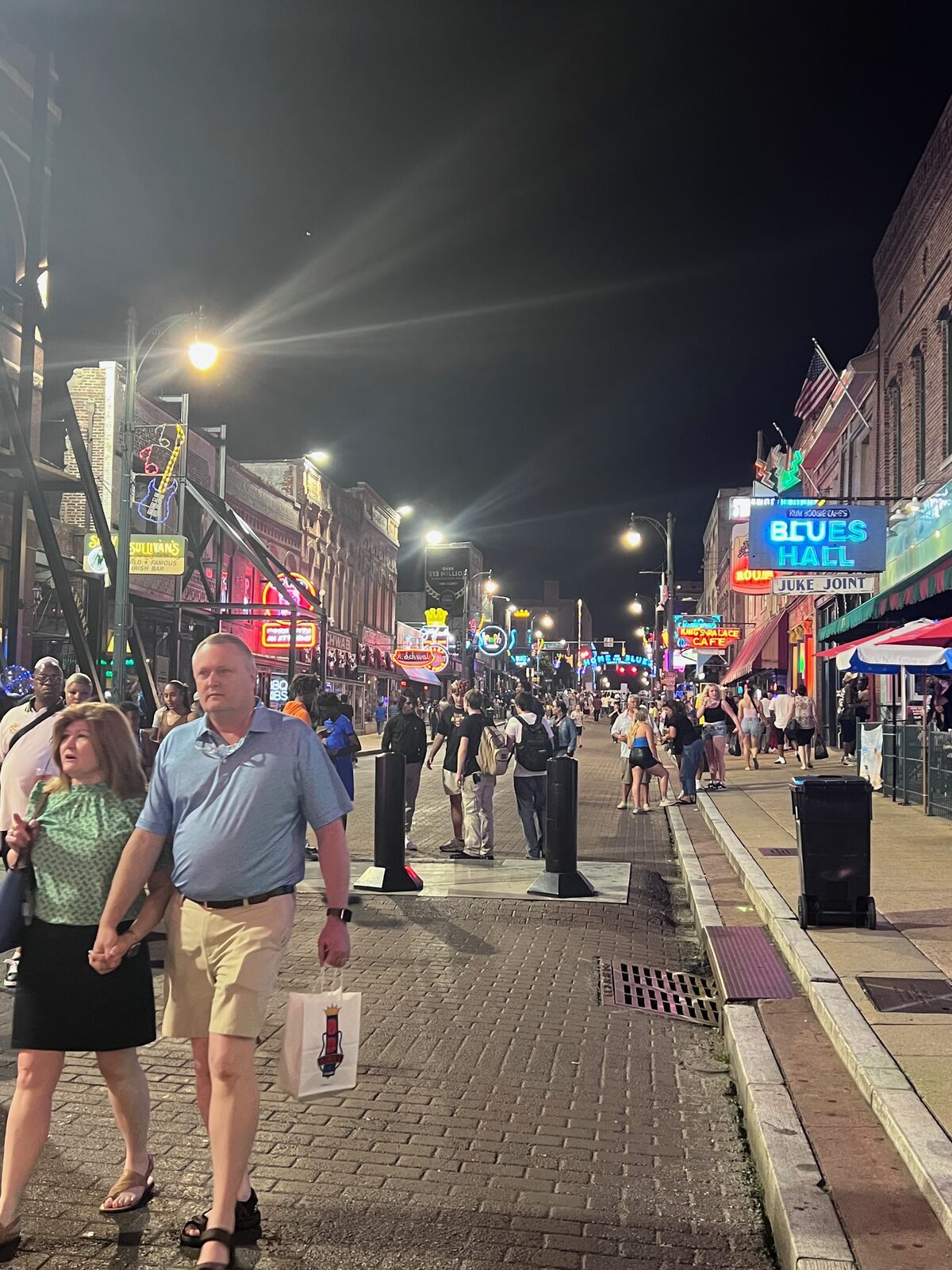
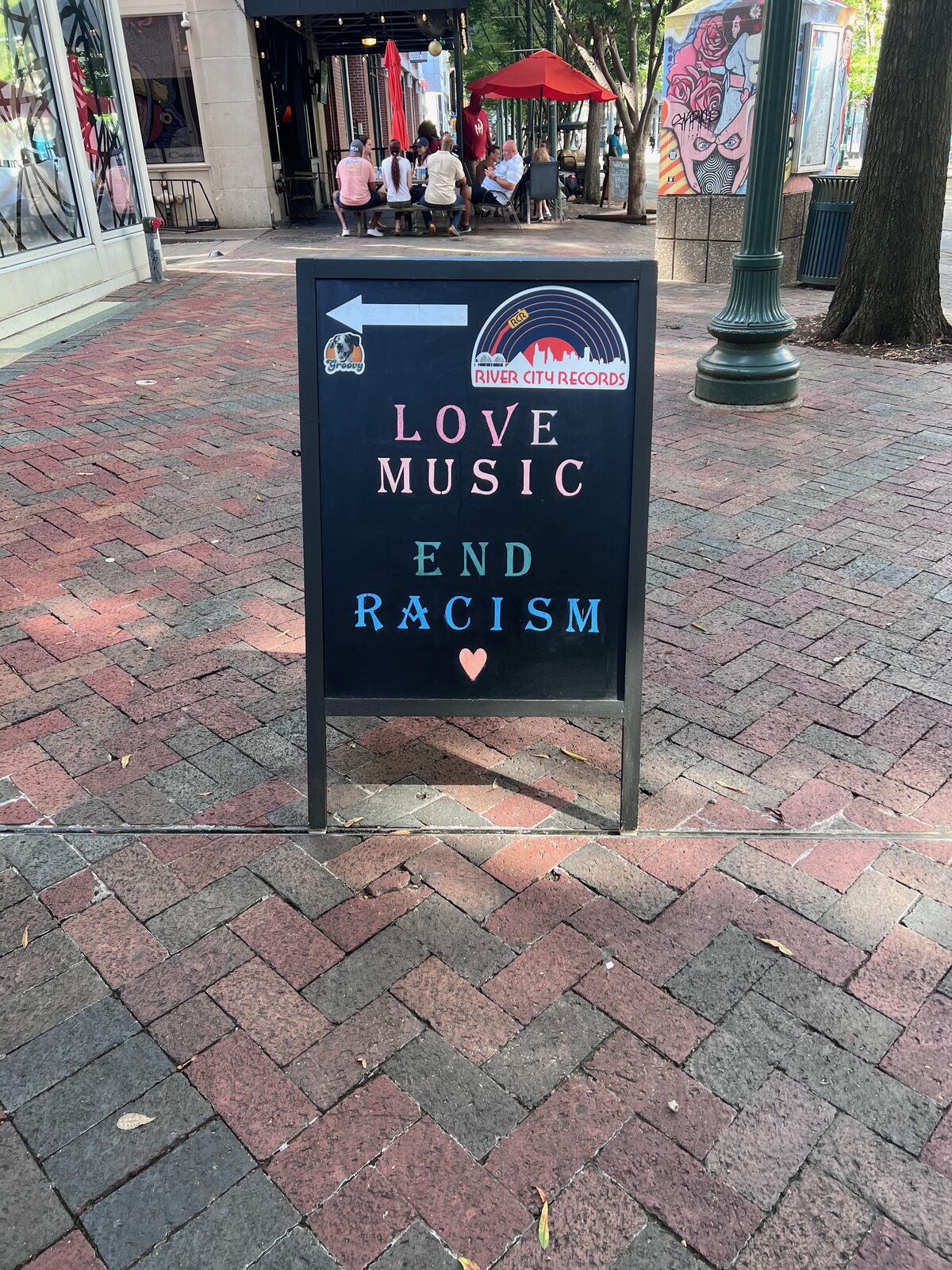
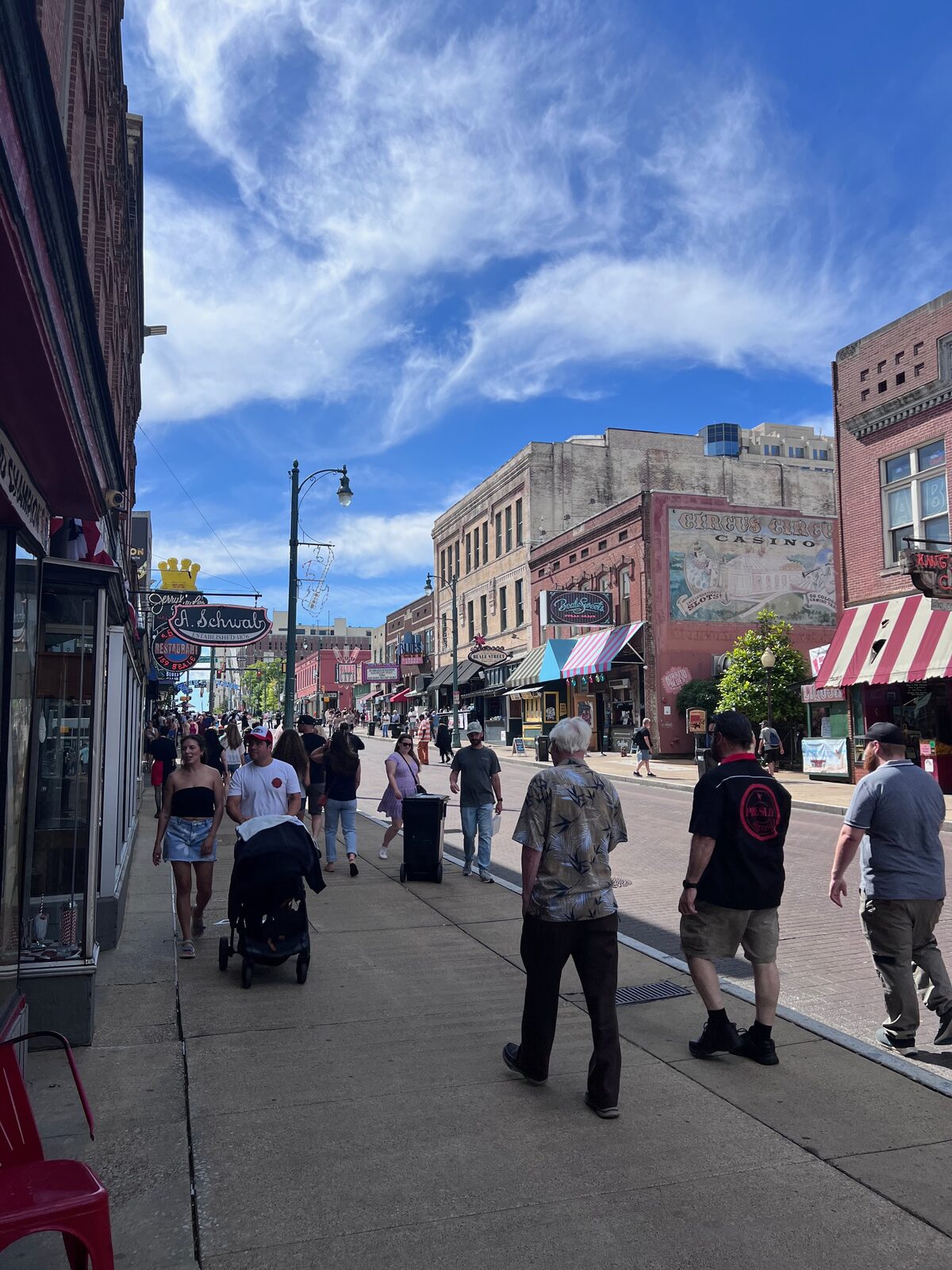
At B.B. King's Blues Club the band plays under a crown of red neon, and the room fills with people dancing between courses of ribs and beer. Beale Street is real and performed at once. The clubs and the music are genuine. The street itself has been converted from the Black commercial corridor it once was into something built primarily for visitors, which does not make the music inside any less true, only more complicated. A hand painted sign in one of the bars reads Prices Subject to Change According to Customer's Attitude. Down the block someone has hung another sign that reads Love Music End Racism, easy to miss and impossible to forget once you have seen it.
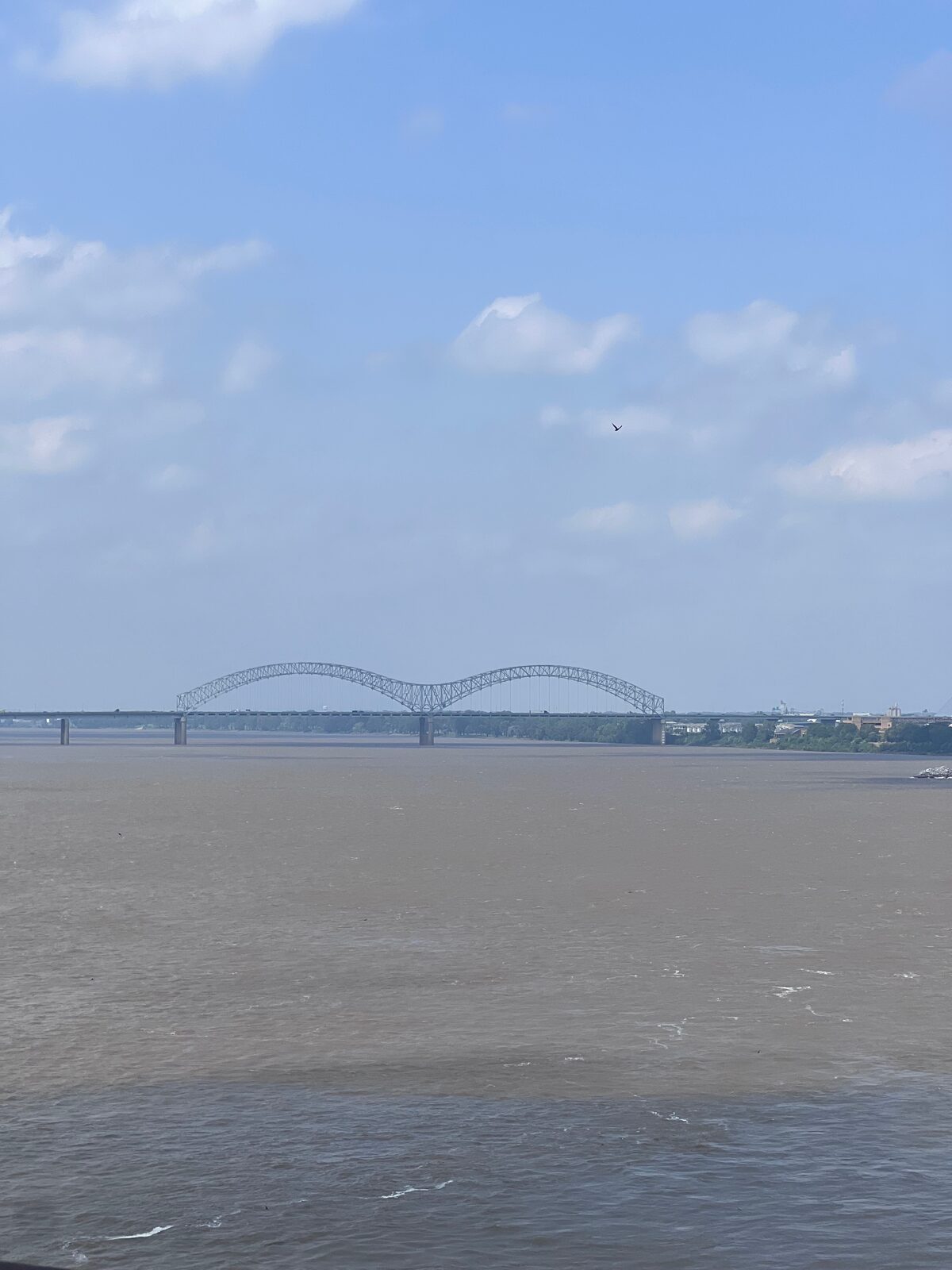
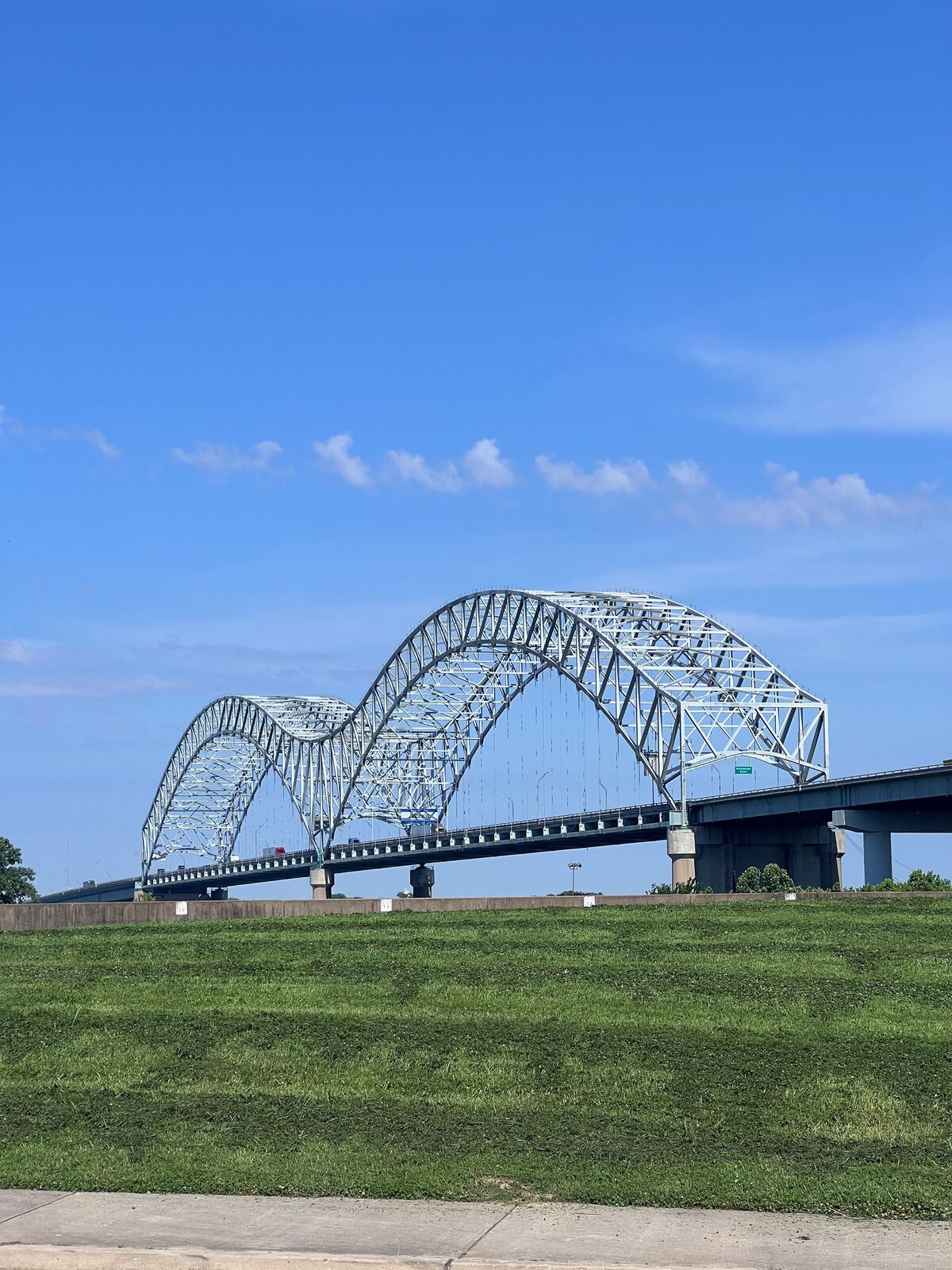
Standing at the edge of Mud Island and looking at the Mississippi, brown and enormous and moving with a force that has nothing to do with the city beside it, is its own kind of instruction. Memphis exists because of this river and at its mercy. The Hernando de Soto Bridge arcs across it toward Arkansas, and the Big River Crossing carries walkers and cyclists over the water on the old railroad span, a quieter way to feel the same scale.

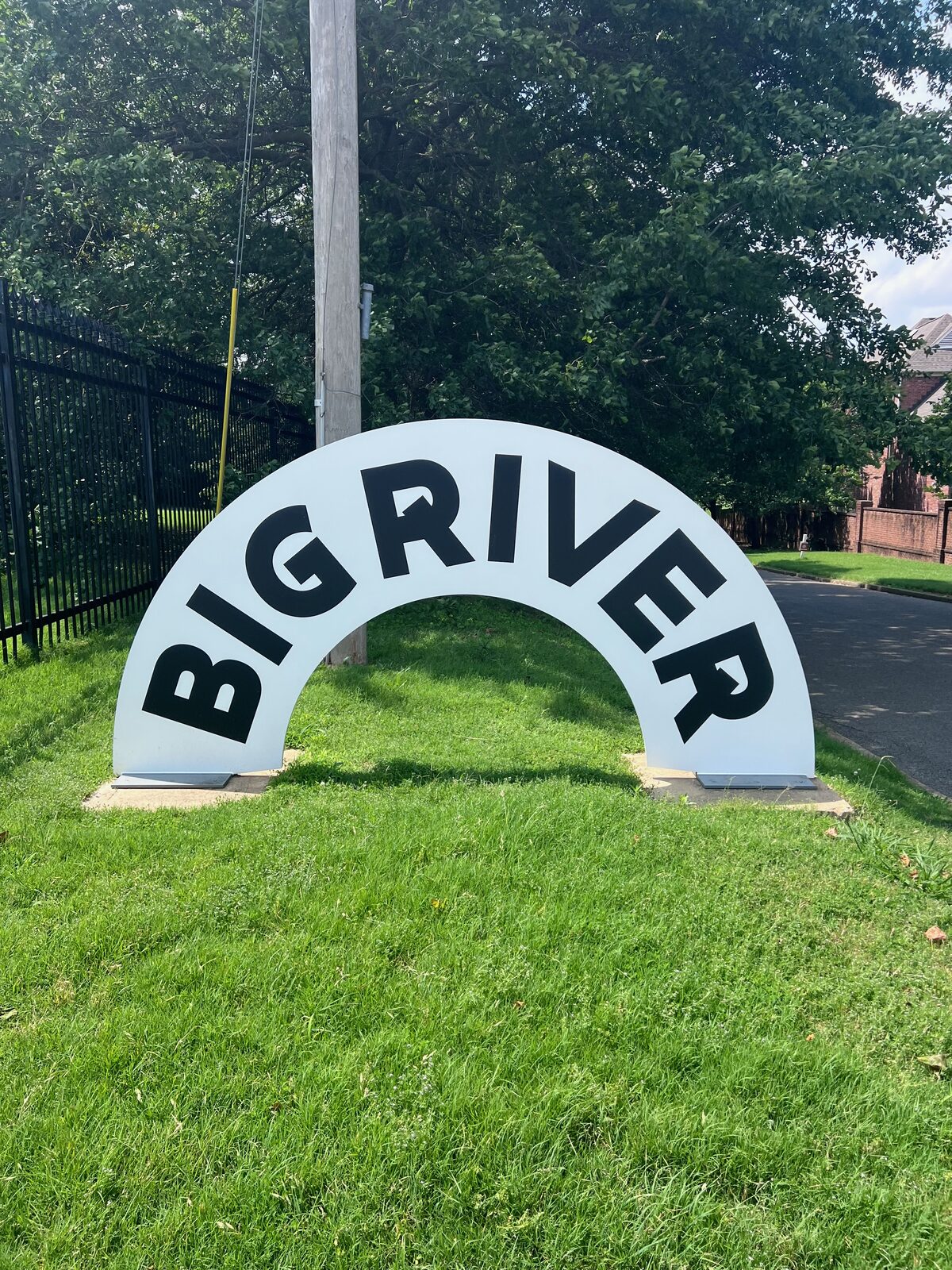
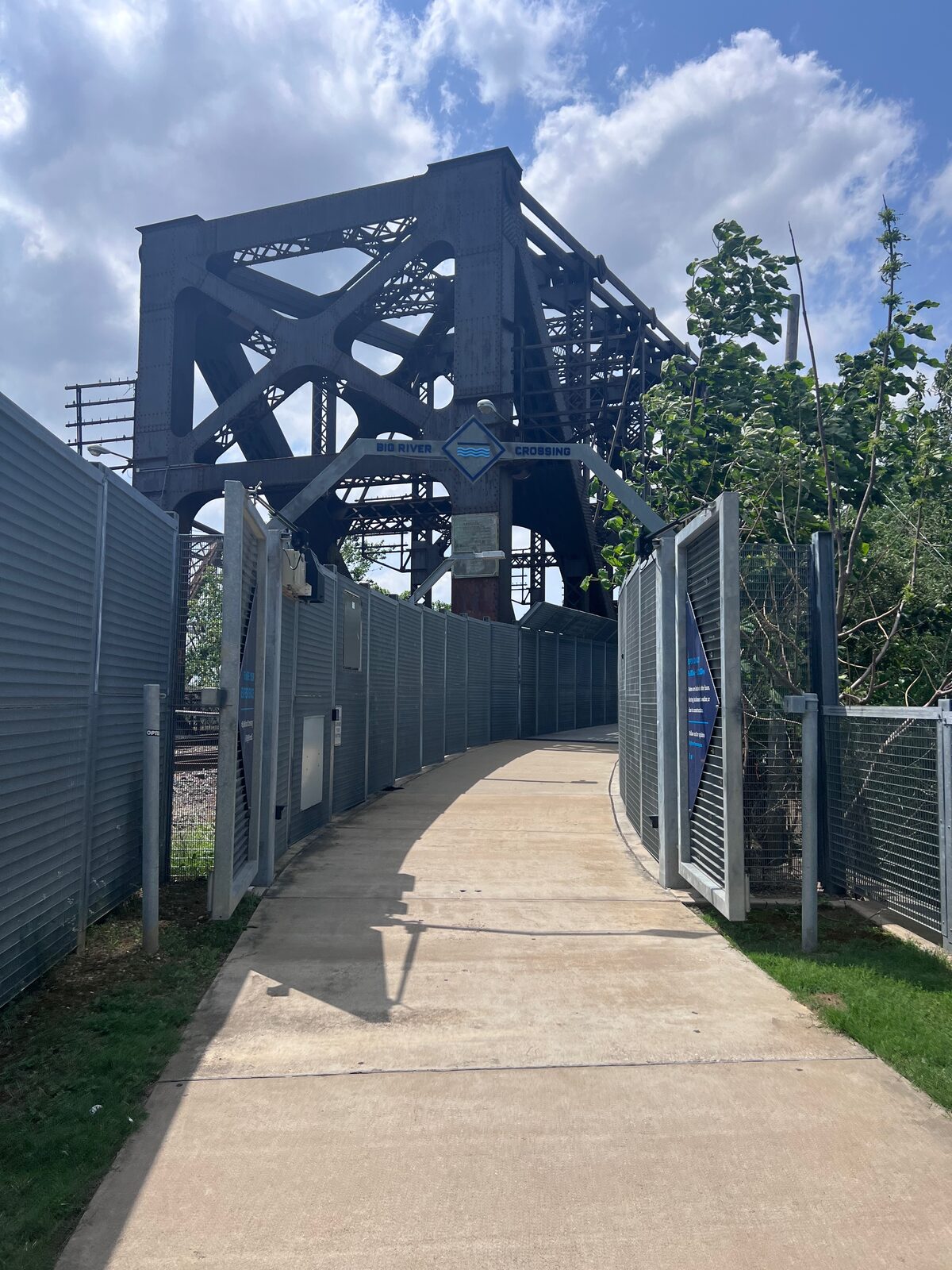
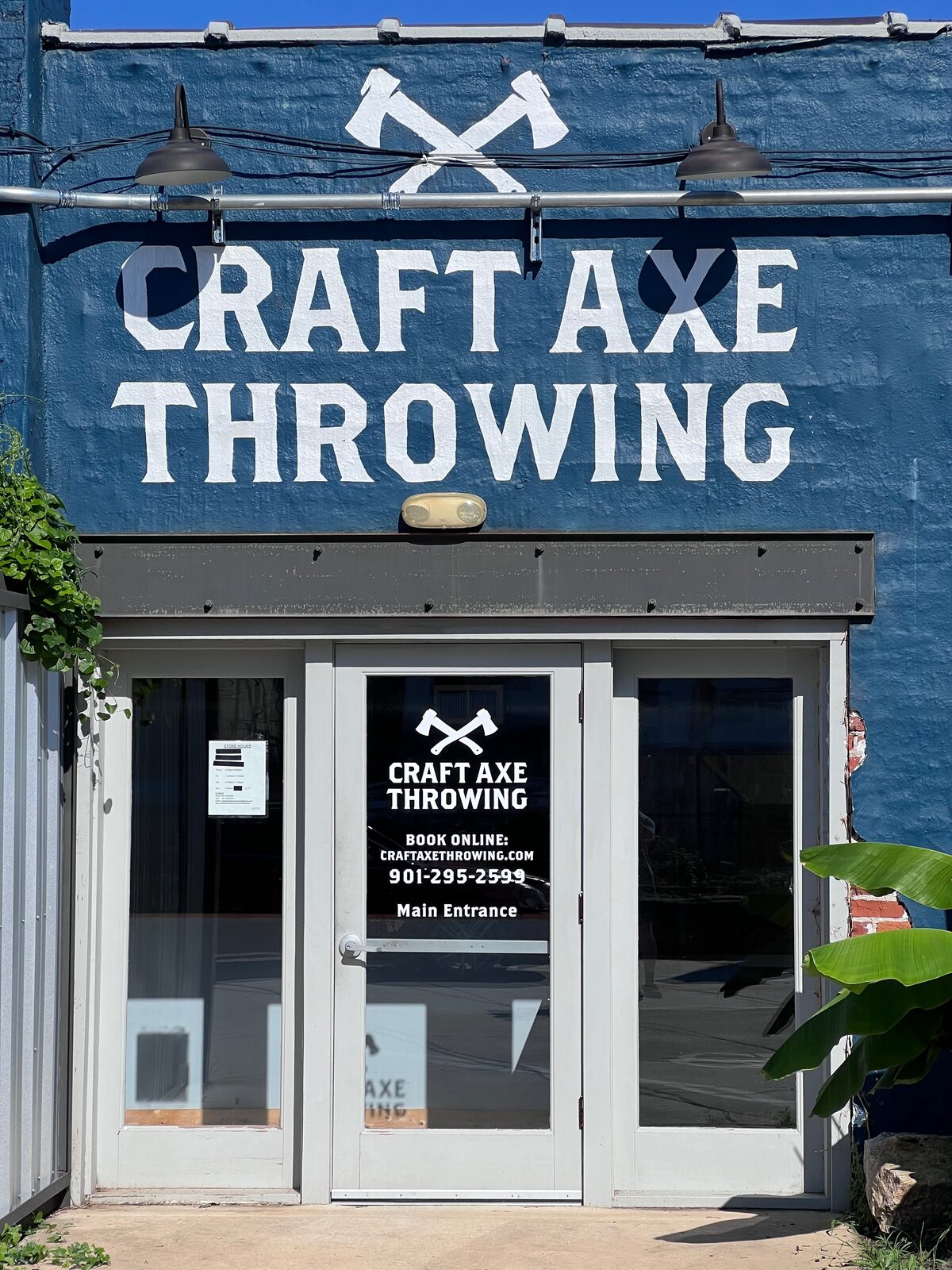
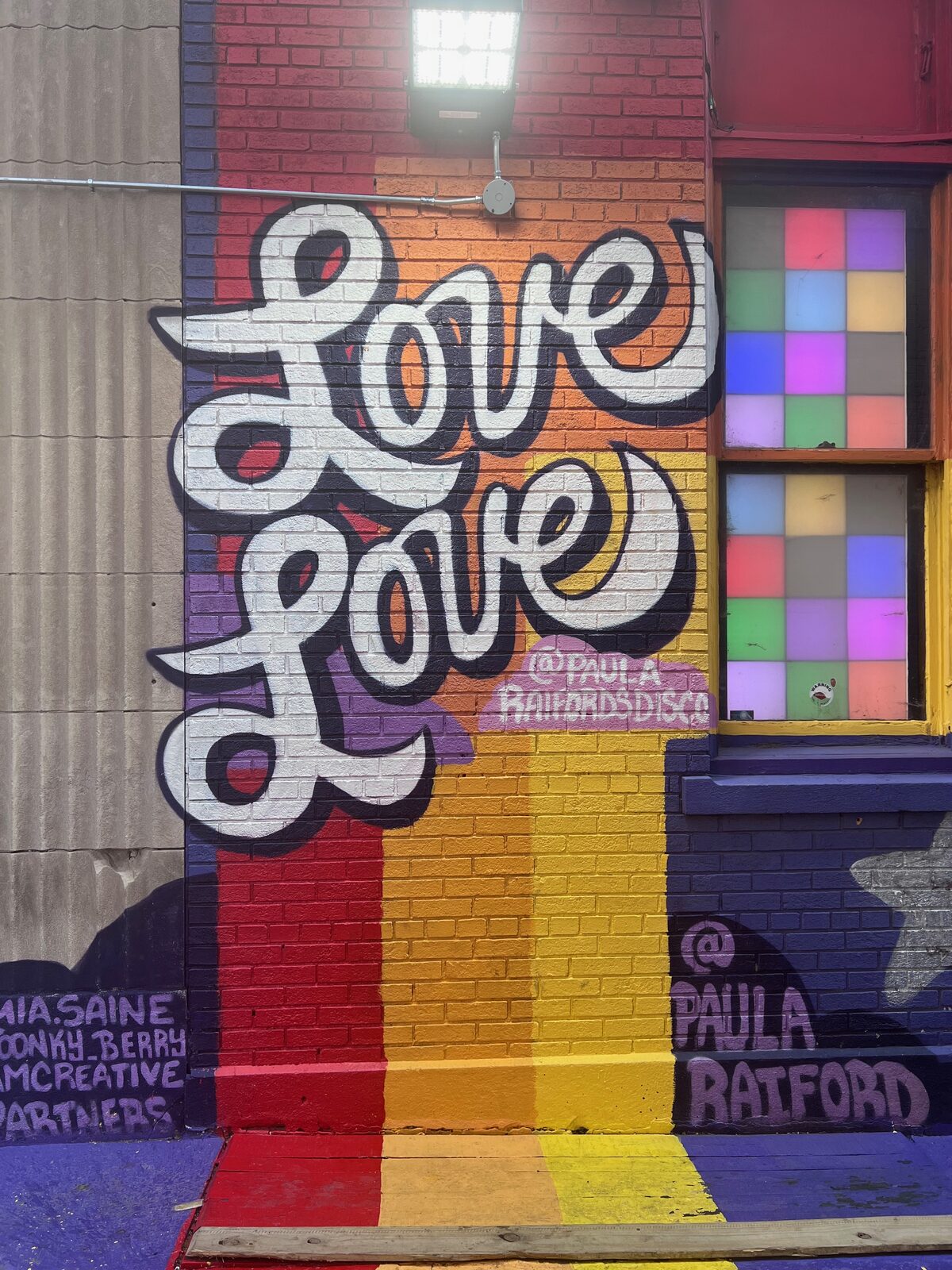
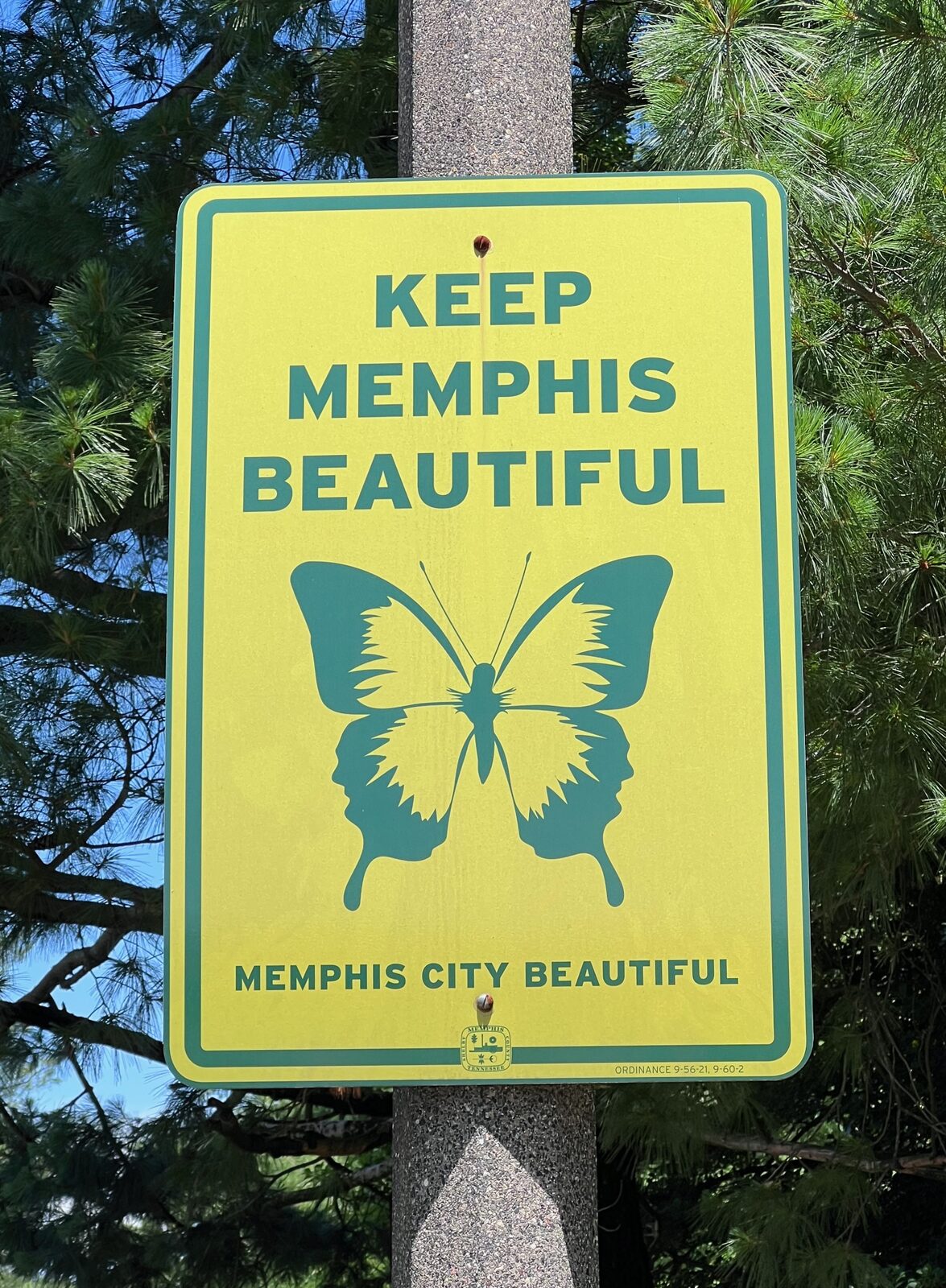
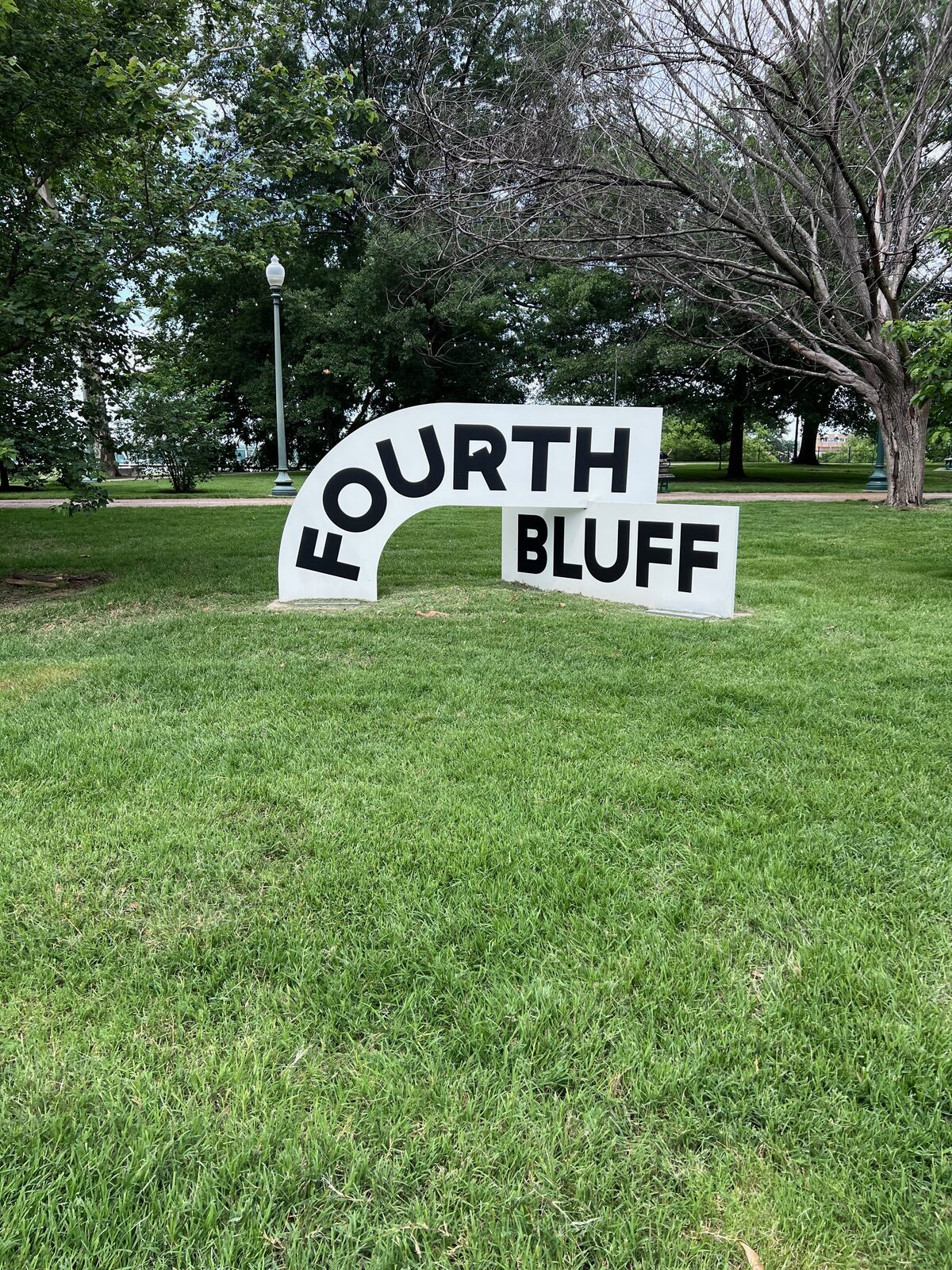
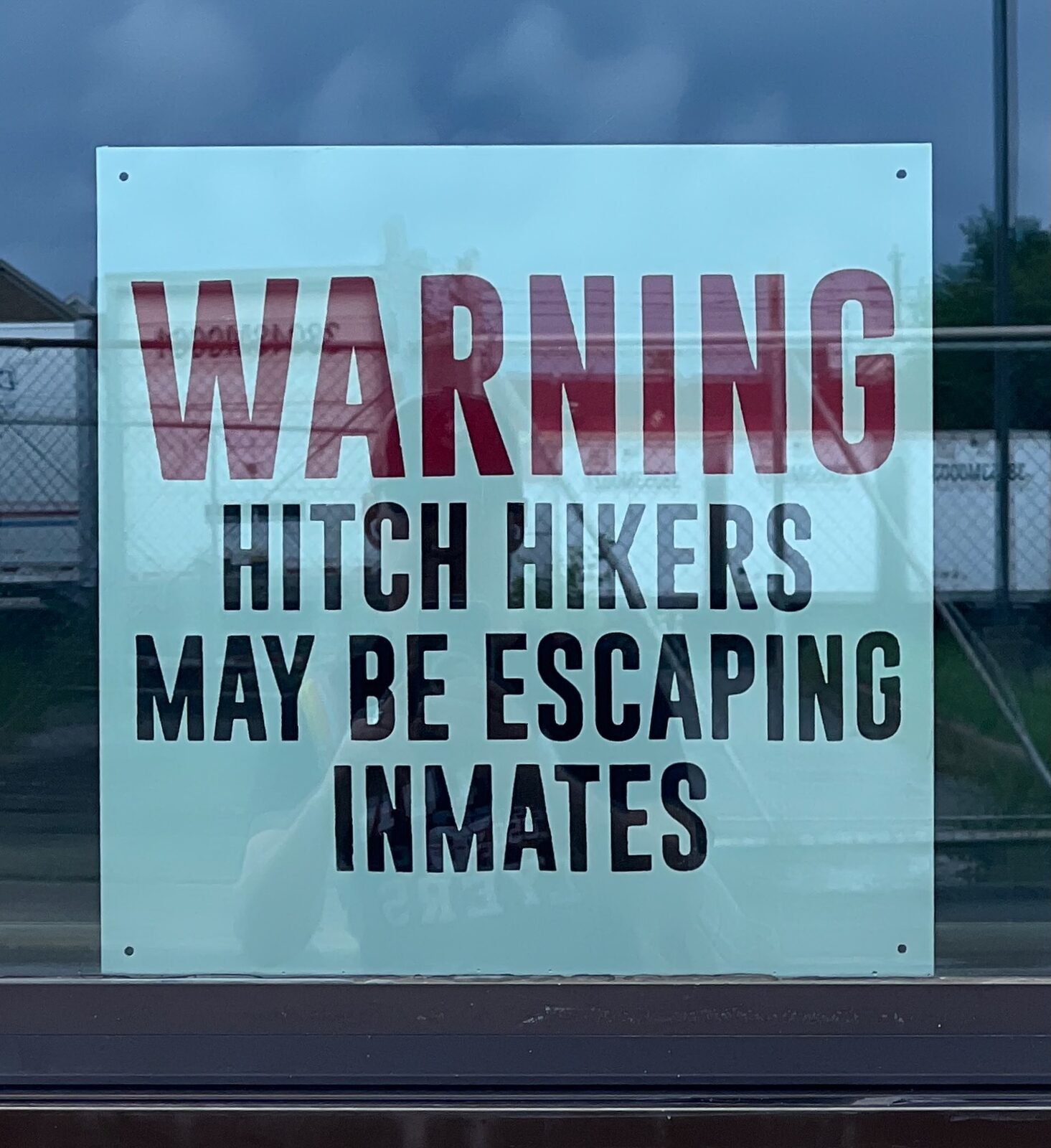
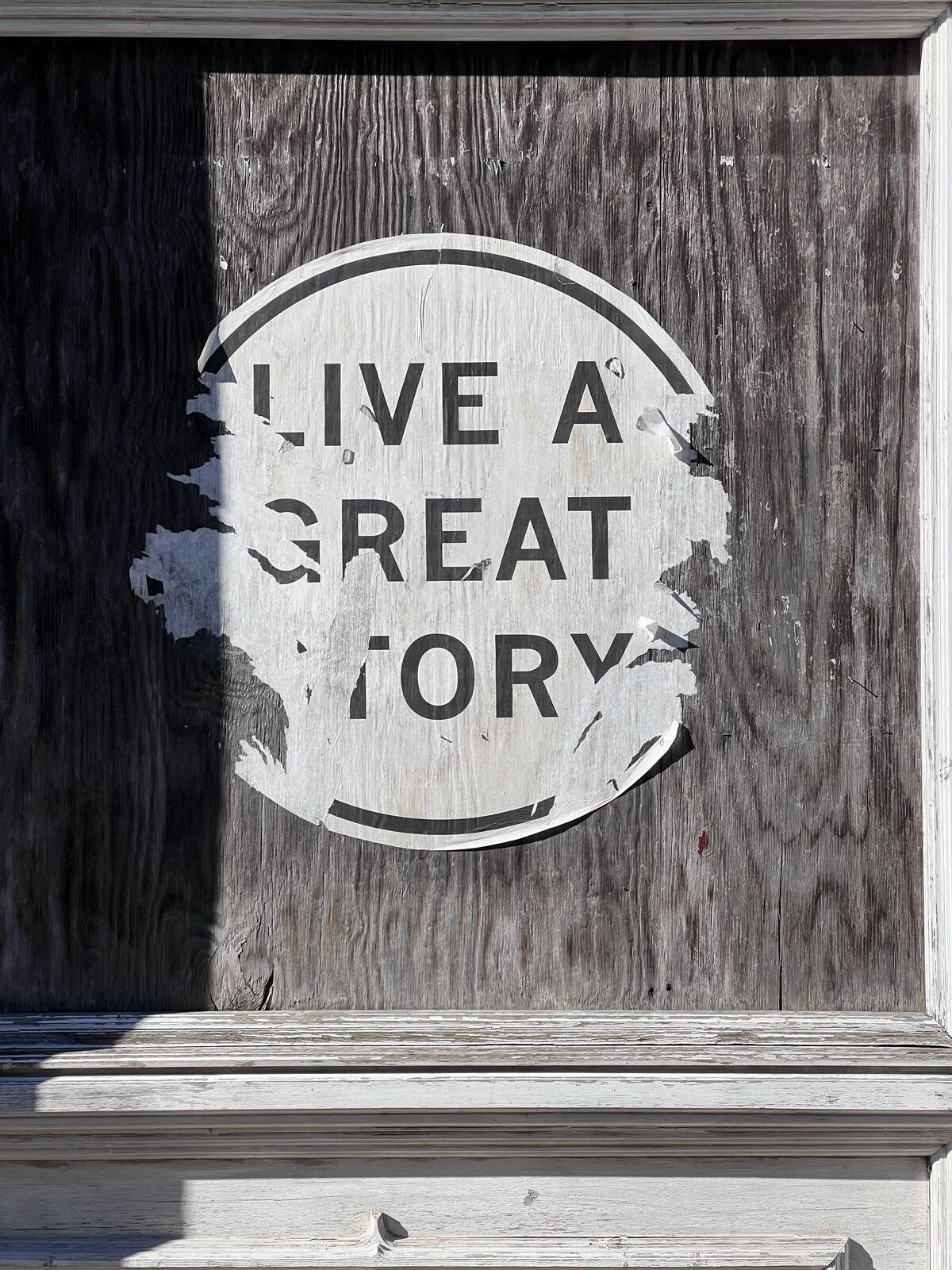
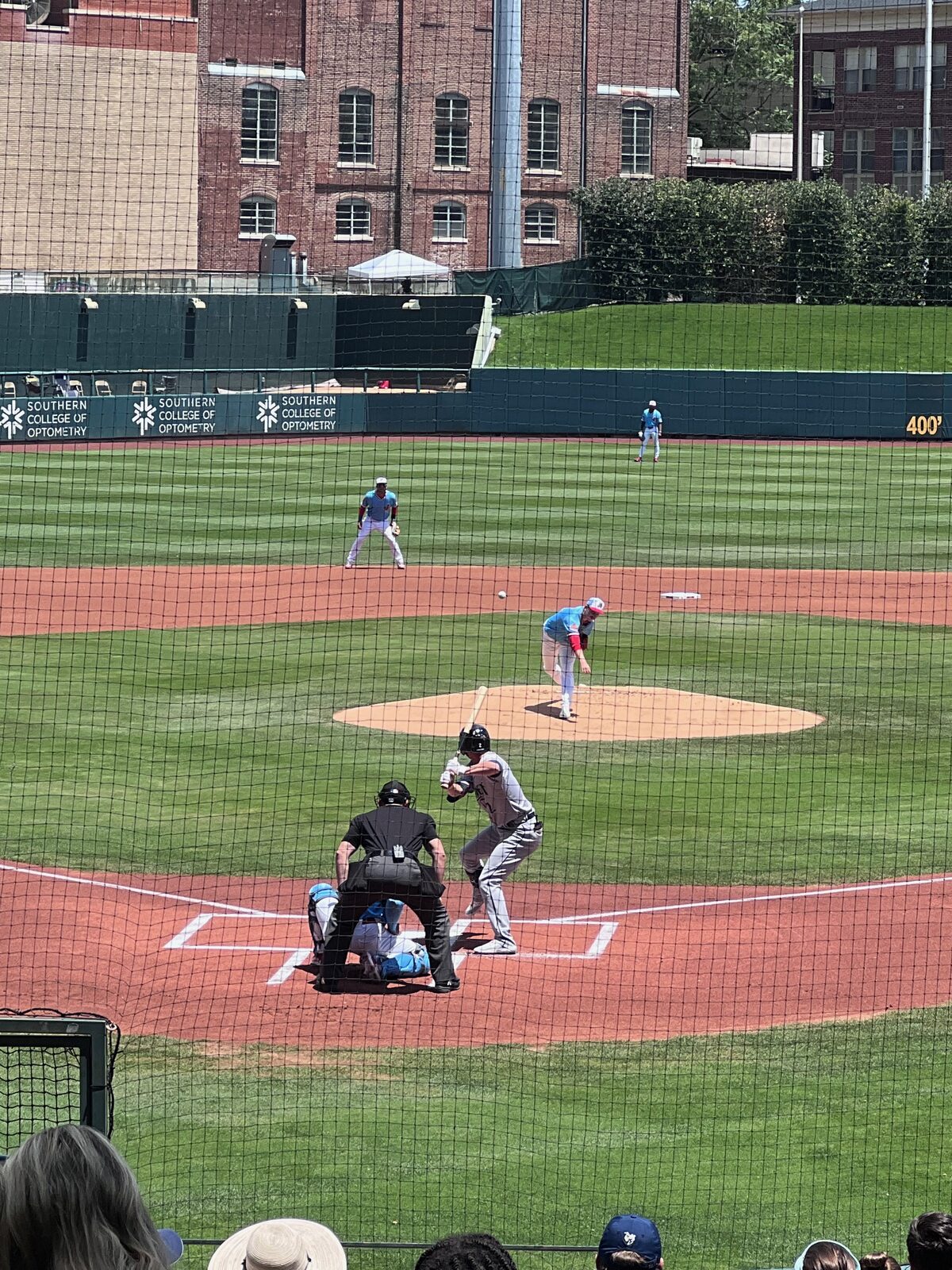
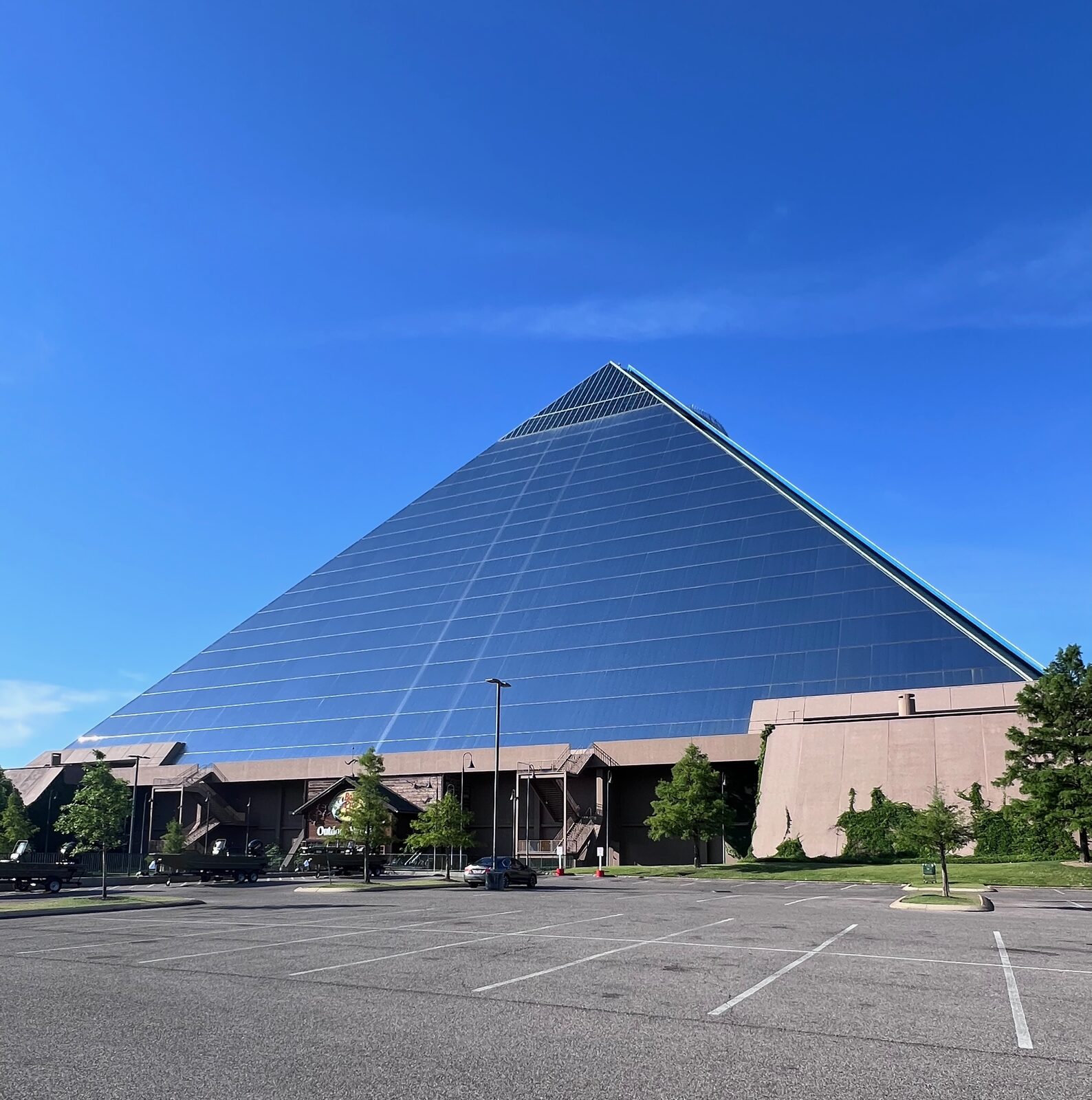
Not everything in Memphis carries the same weight. Downtown streets fill with foot traffic past axe throwing bars and mural covered walls, a purple haired figure on one building, the word Love painted twice in a rainbow of color on another. A yellowed sign reminds you to Keep Memphis Beautiful. Another, staked into a lawn overlooking the river, marks the Fourth Bluff. A third, taped inside a shop window, warns that hitch hikers may be escaping inmates, which is either a joke or is not, and the ambiguity is the point. There is a minor league baseball game under lights, the Pyramid glowing blue against the evening sky, and a torn plywood sign that simply reads Live A Great Story. This is Memphis living its ordinary life alongside its history, not performing either one for anybody.

I had come to Memphis to pay attention. I had done the reading, walked the streets, planned the visit around exactly this kind of looking. And when three women asked me the one question that mattered, I answered a different question, one nobody had asked, because I was somewhere else in my own head.
Memphis has been through enough that it has earned the right to ask more of its visitors than most cities do. It survived a yellow fever epidemic that killed a tenth of its population and cost it its own city charter for over a decade. It built the largest inland cotton market in the world on the backs of people who owned none of the wealth they created, and then it did something similar with the blues, with rock and roll, with soul, a century of genius extracted and sold at a profit that rarely made its way back to the neighborhoods that produced it. It is also the city where the movement's greatest leader came to stand with sanitation workers demanding to be treated as men, and where he was killed for it. A place carrying that much history does not owe anyone an easy visit.
It is possible to walk past history while believing you are looking for it. Memphis makes sure you find out.
Go. Take your headphones out. Let the city ask you what you came looking for.