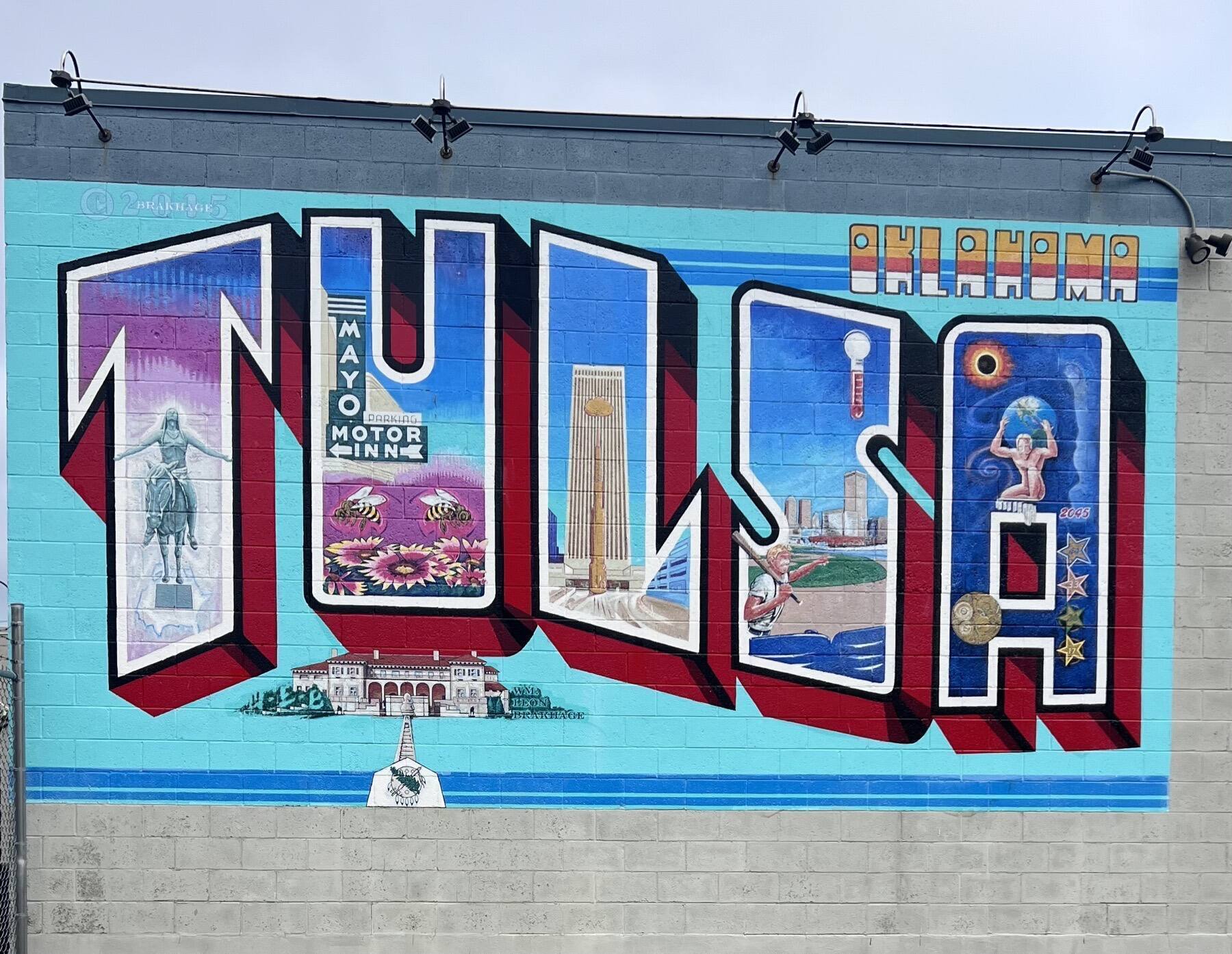
Tulsa
Oklahoma
Tulsa sits on Osage land. That is where the story begins -- before the oil, before the Art Deco skyline, before Route 66 ran through the middle of it. The land was already old when the first wildcatters arrived.
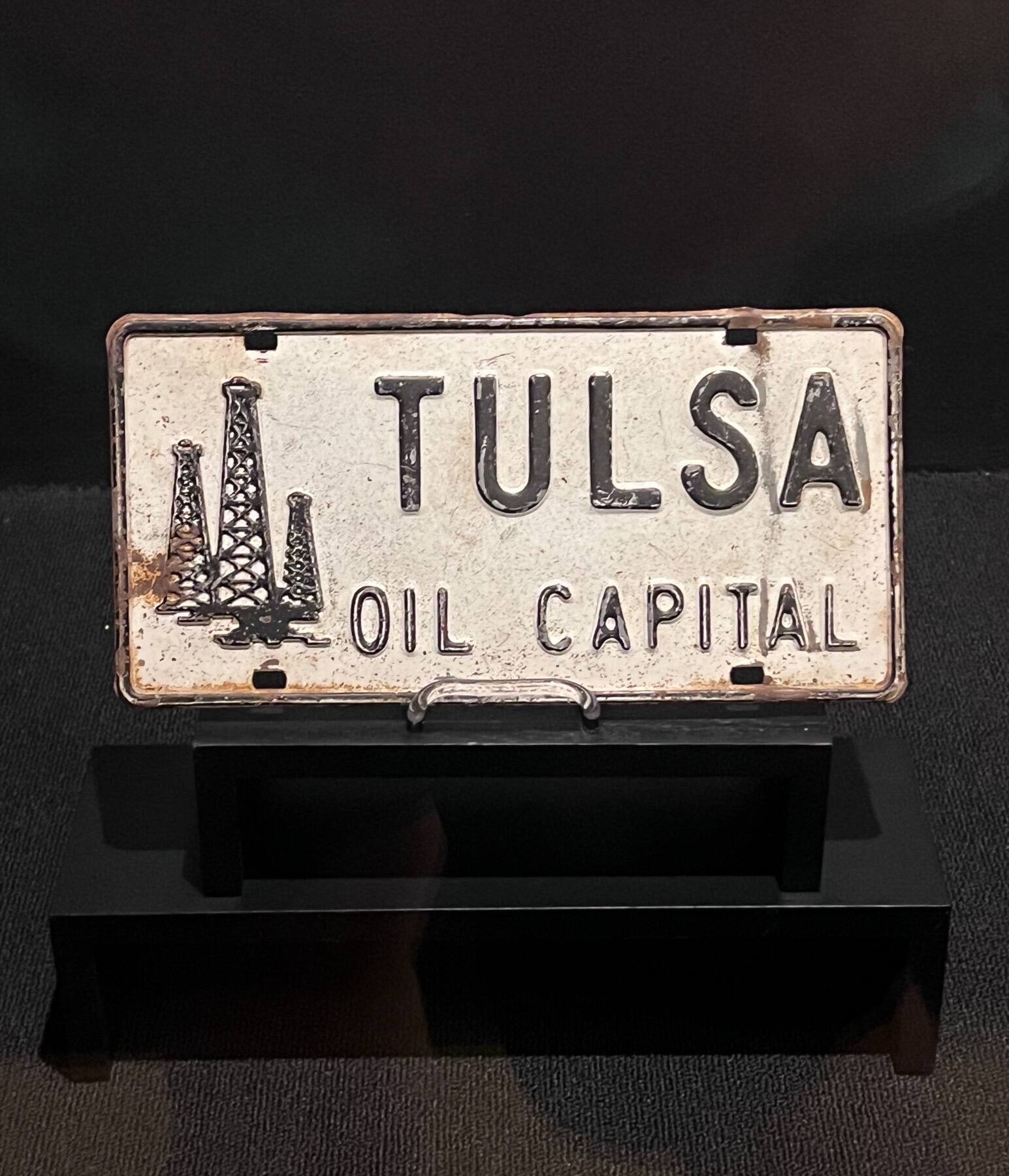
Then came the oil. In the early decades of the twentieth century, Tulsa became one of the wealthiest cities in America almost overnight. The men who made those fortunes -- Waite Phillips, Harry Sinclair, Frank Phillips -- built monuments to themselves in glass and terracotta and Indiana limestone. They built the Philtower and the BOK Tower and the Philbrook Villa and the Philcade and dozens of other Art Deco masterpieces that still define the downtown skyline. Standing in the middle of it, you can use BOK Tower the way sailors used stars -- once you know where it is, you can find your way back from anywhere.
What they built is extraordinary. What that same era built alongside it is the other half of the story.
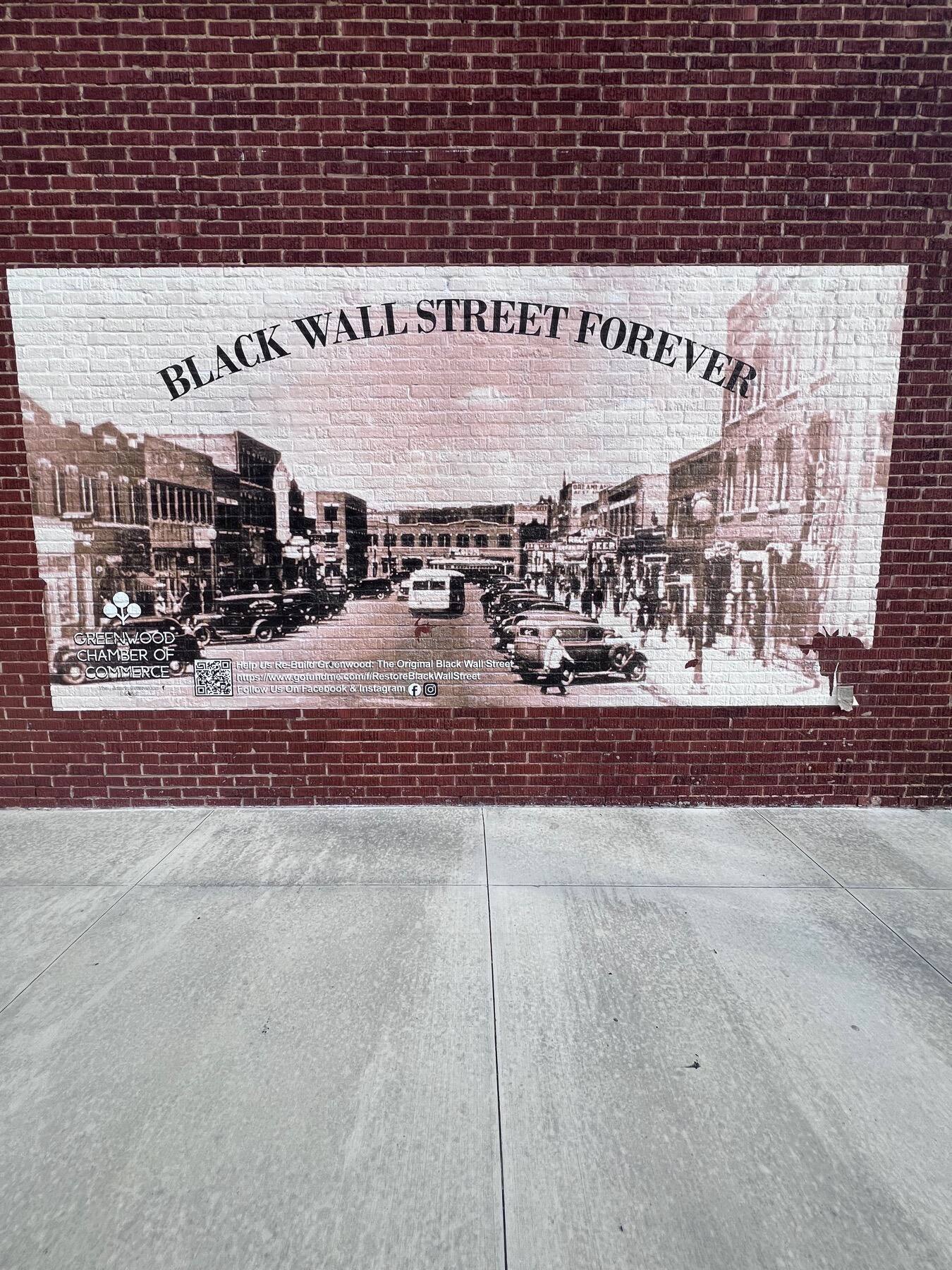
In 1921, a white mob destroyed the Greenwood District.
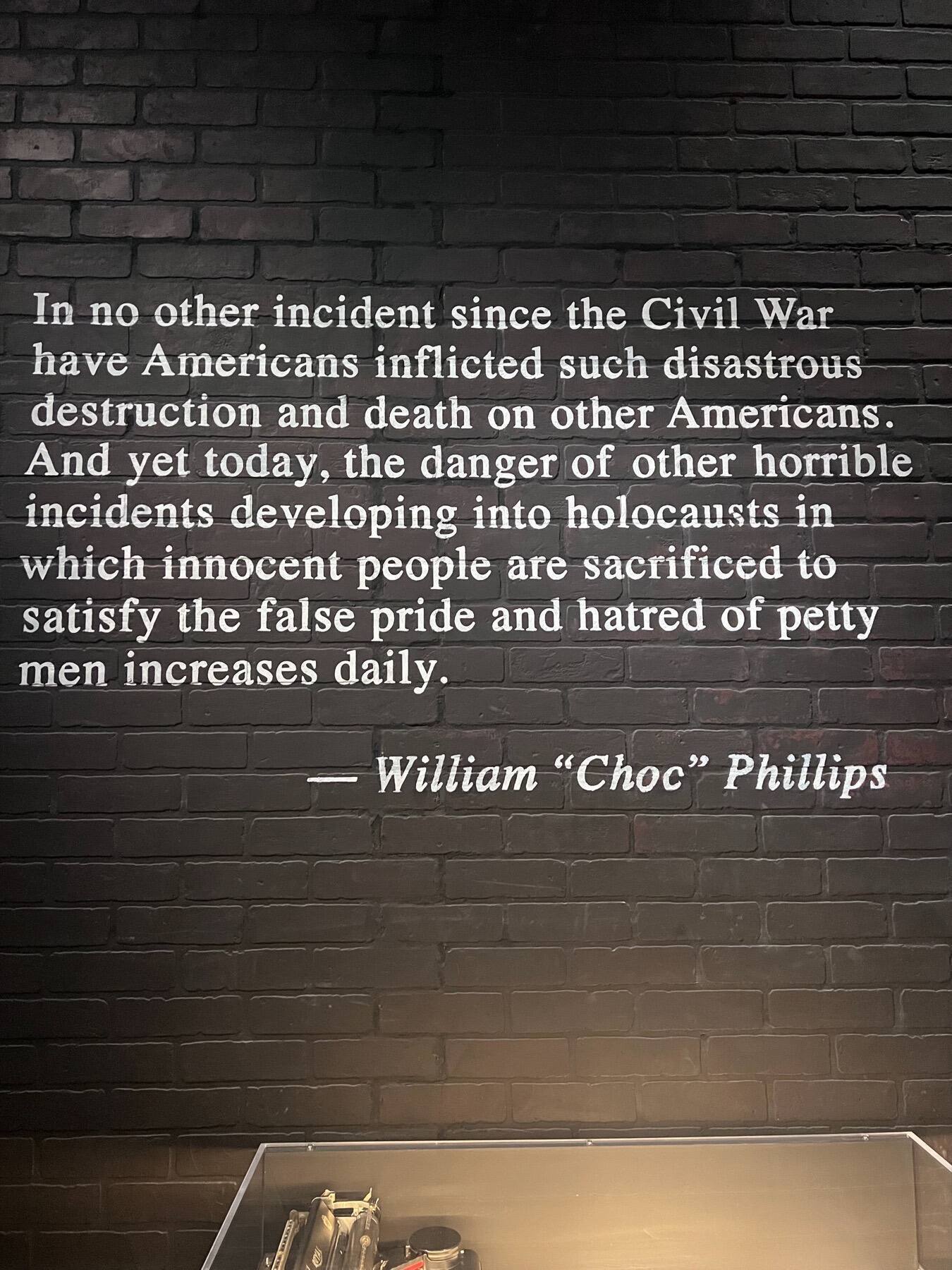
I won't rush past that sentence. The thriving Black neighborhood known as Black Wall Street was burned to the ground in less than 24 hours. Hundreds killed. Thousands left homeless. And for most of the twentieth century, the massacre was erased so completely from the public record that most Americans -- including me -- never learned it had happened.
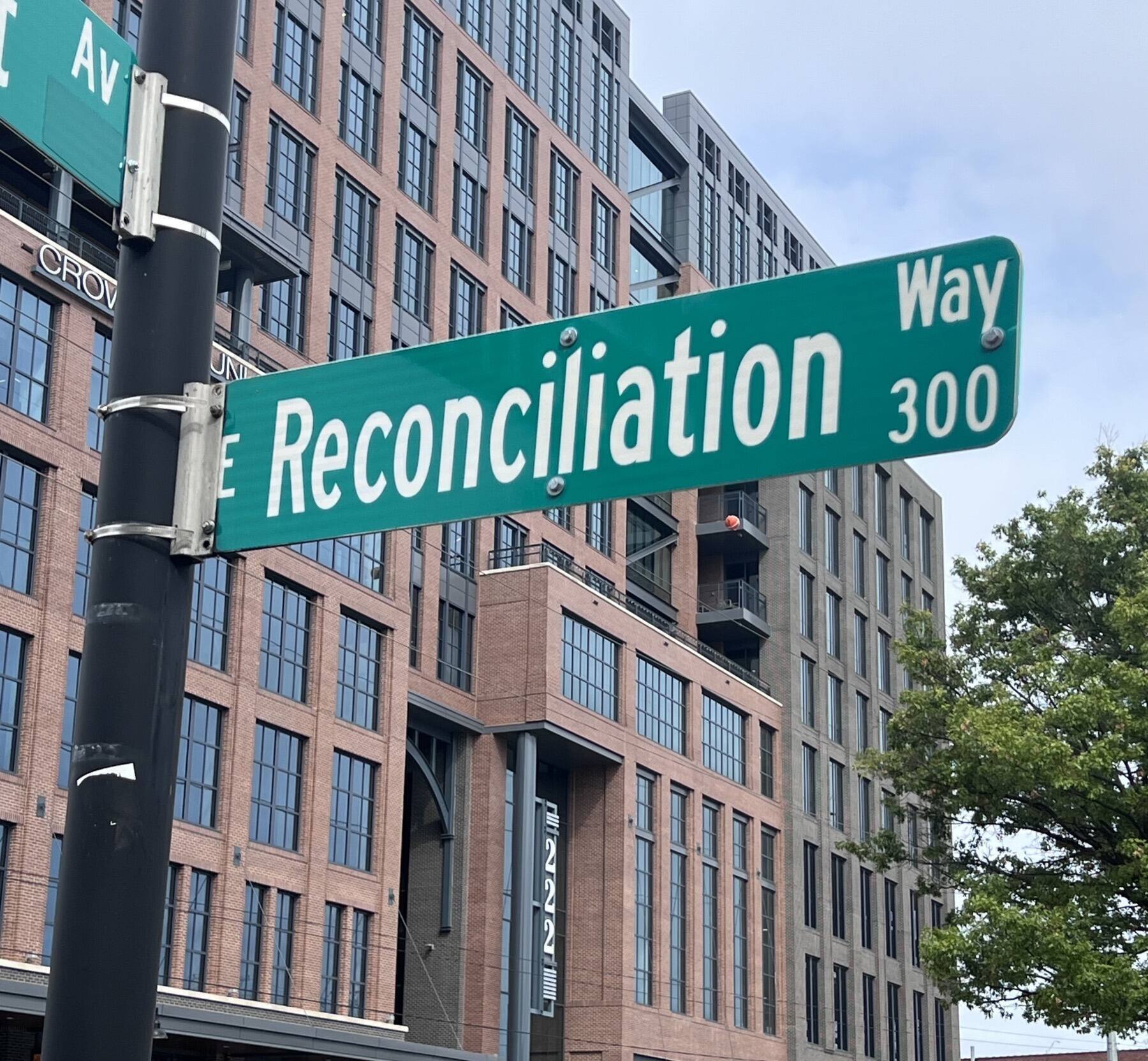
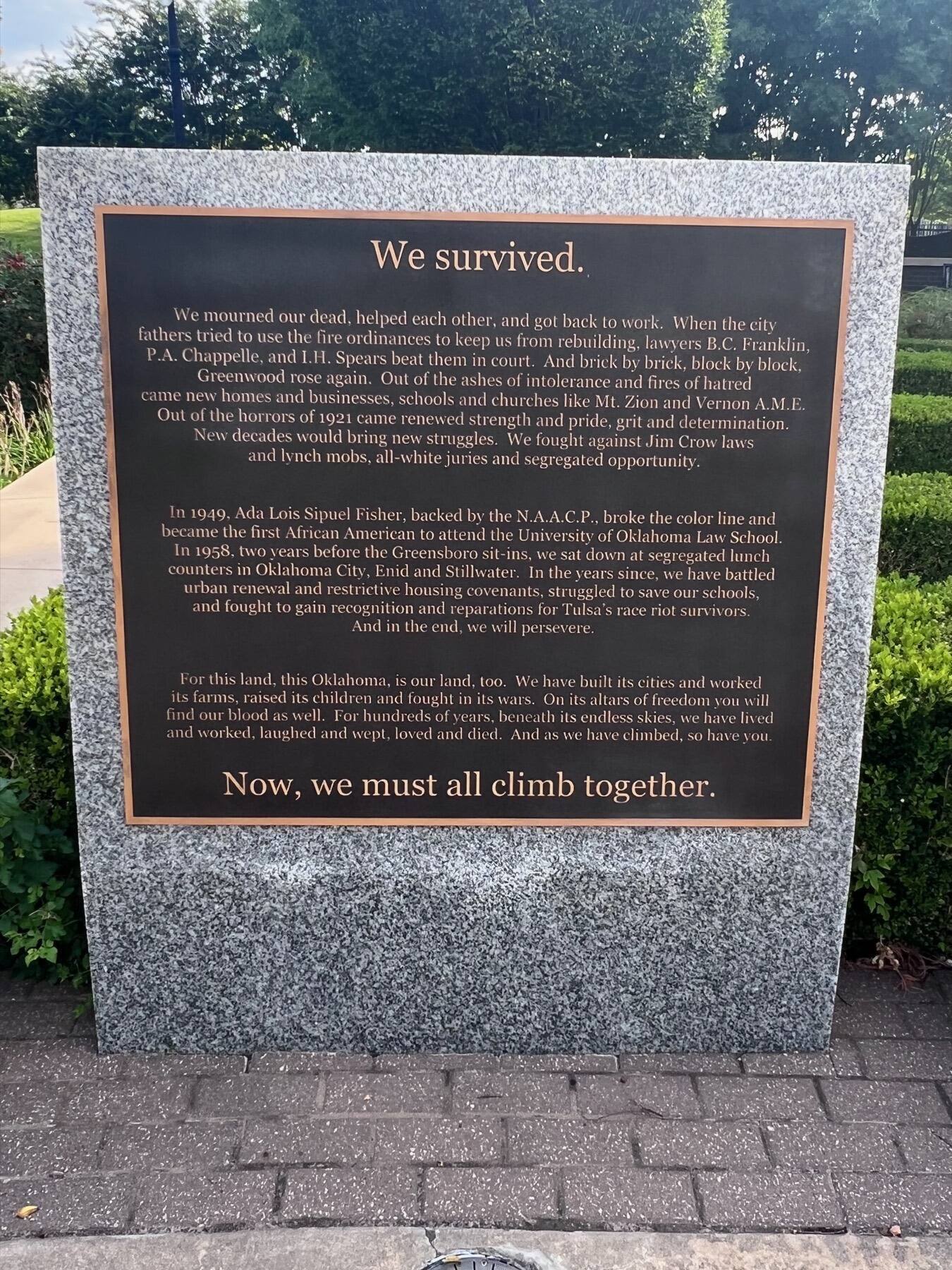
There is a street in Tulsa called Reconciliation Way. I stood at that intersection for a long time, thinking about the weight of that name.
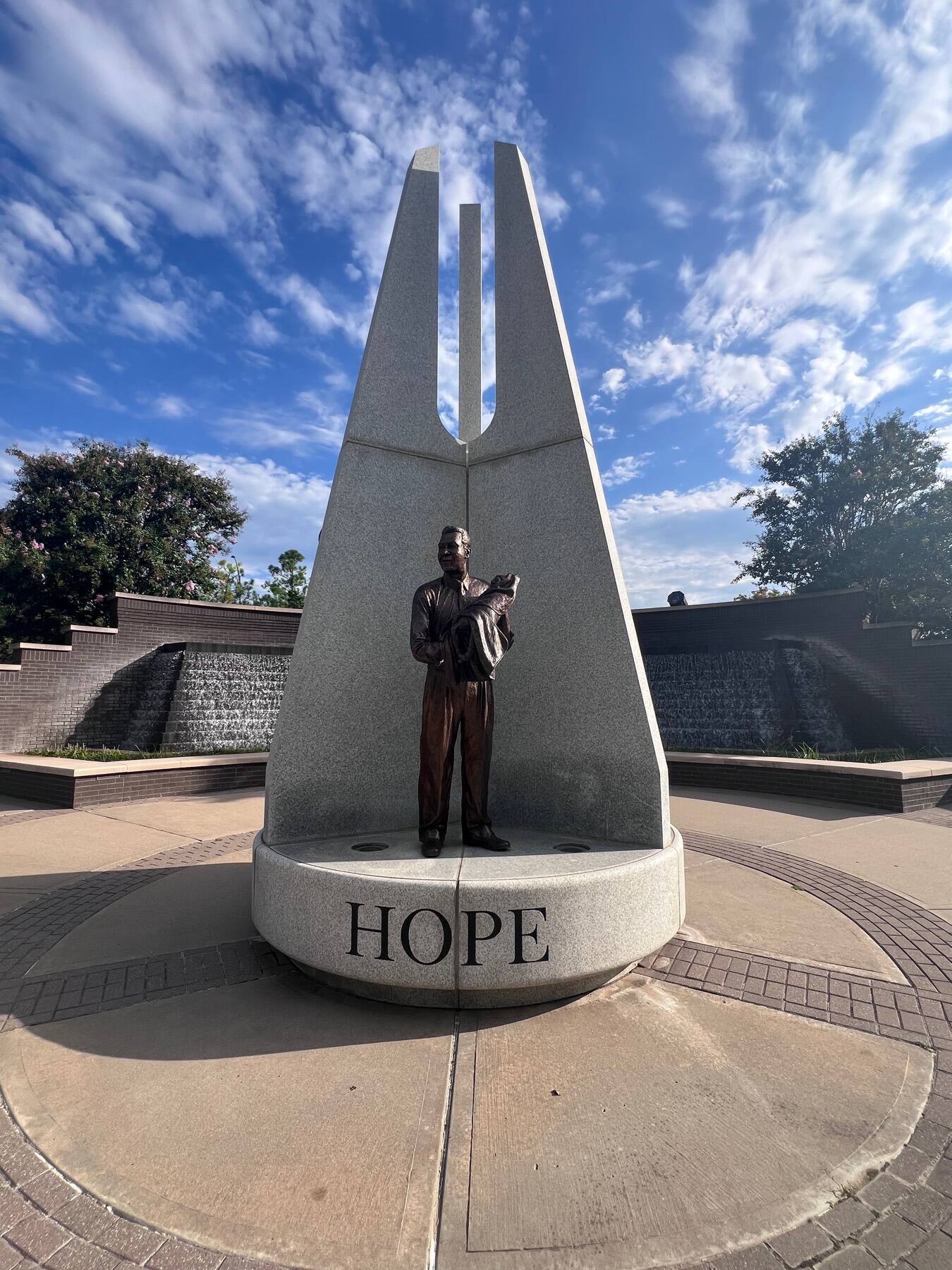
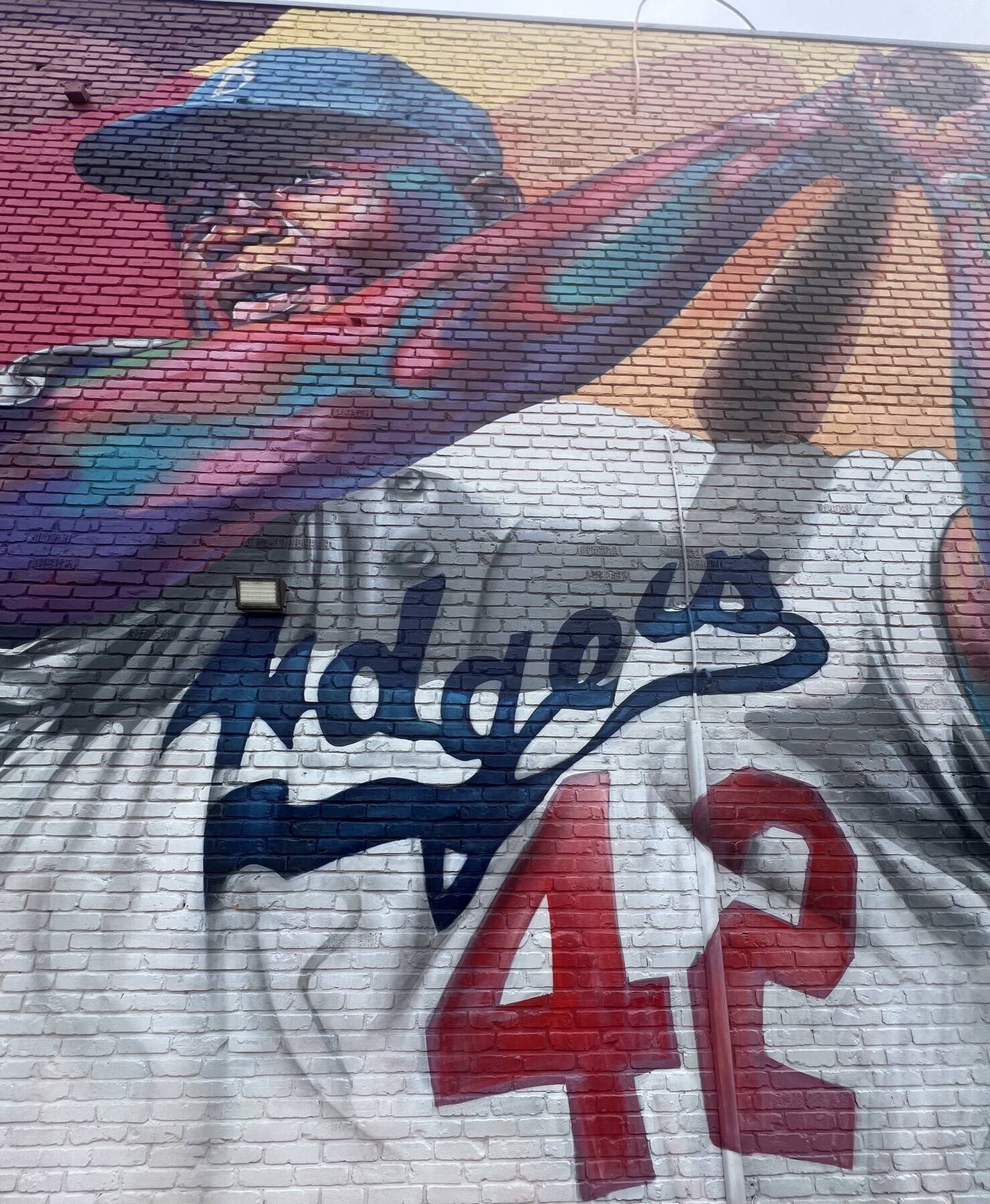
What survived was something harder to destroy than buildings. People rebuilt. And today, Greenwood is beautiful again -- hotels, restaurants, a baseball stadium, Greenwood Rising, Reconciliation Park, and in an alley off East Reconciliation Way, vibrant Día de los Muertos murals that celebrate Hispanic heritage and refuse to let the neighborhood be only one thing.
But beauty is complicated here. Greenwood is still fighting a second kind of loss -- not by violence this time, but by rents, development pressure, and the ongoing question of who gets to stay and build wealth in the place their families rebuilt.
I stayed long enough to understand that Tulsa contains more American history per square mile than almost any city its size. Indigenous. The oil boom. Black Wall Street. Route 66 Americana. And now something new -- a civic resurgence, a city actively trying to attract people to live and work here, to stay.
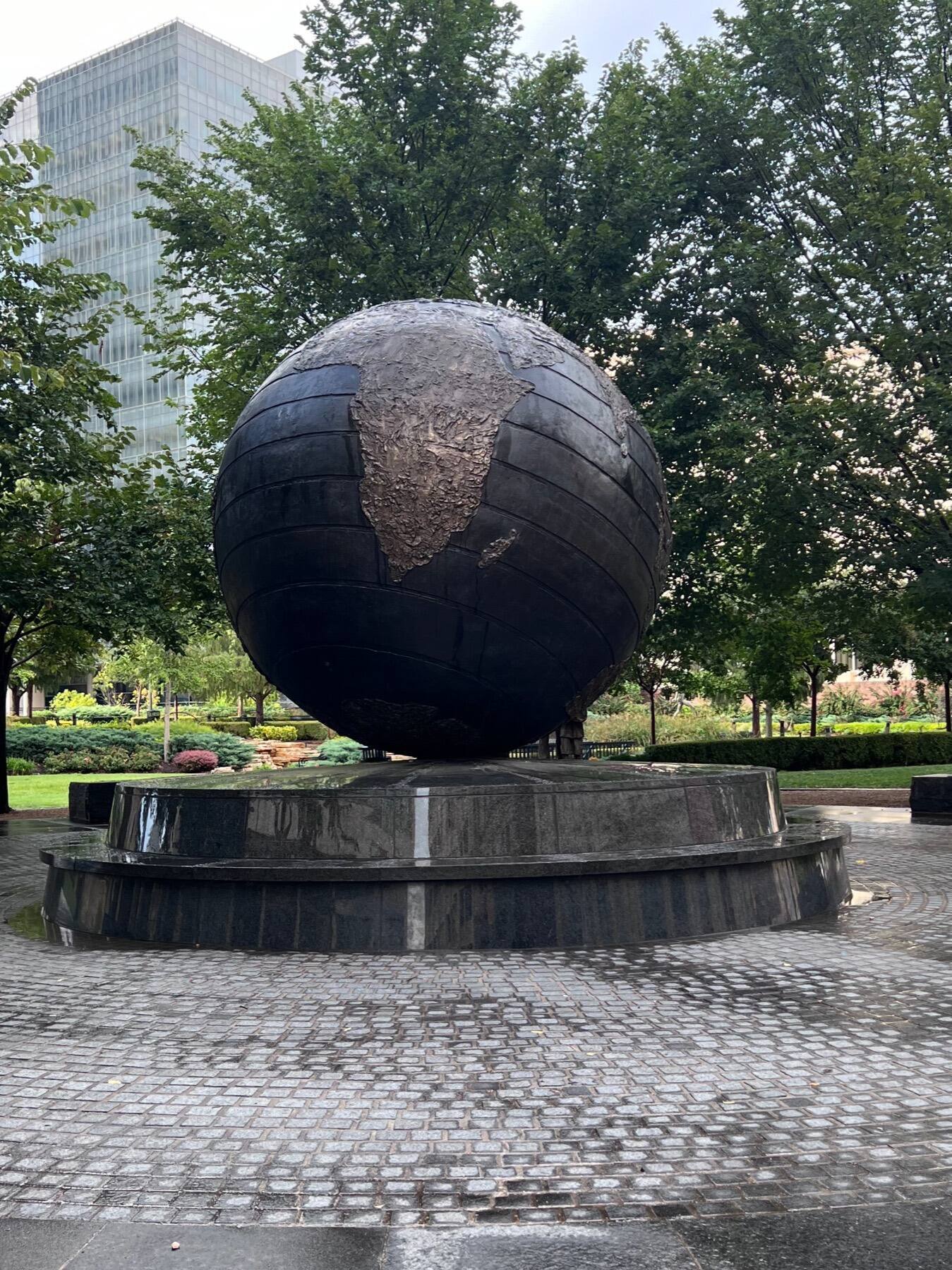
I navigated by BOK Tower. I walked through the Center of the Universe -- a small, strange circle on a brick plaza near the Blue Dome District where sound echoes back at you amplified -- on my way to Chimera on N Main Street in the Arts District, a few doors down from Ida Red General Store, where I'd find a table and work for hours. I went to a reading at Magic City Books. I sat on the lawn of the Philbrook with a margarita on a Friday evening while the city happened around me. Now whenever I watch Tulsa King or The Lowdown, I find myself leaning forward -- that's the street I walked every morning. That's the building I passed on the way to get coffee. That's the neighborhood I knew before it had a television credit.
If you go to Tulsa, give yourself more time than you think you need.
The city has too many layers for a weekend.
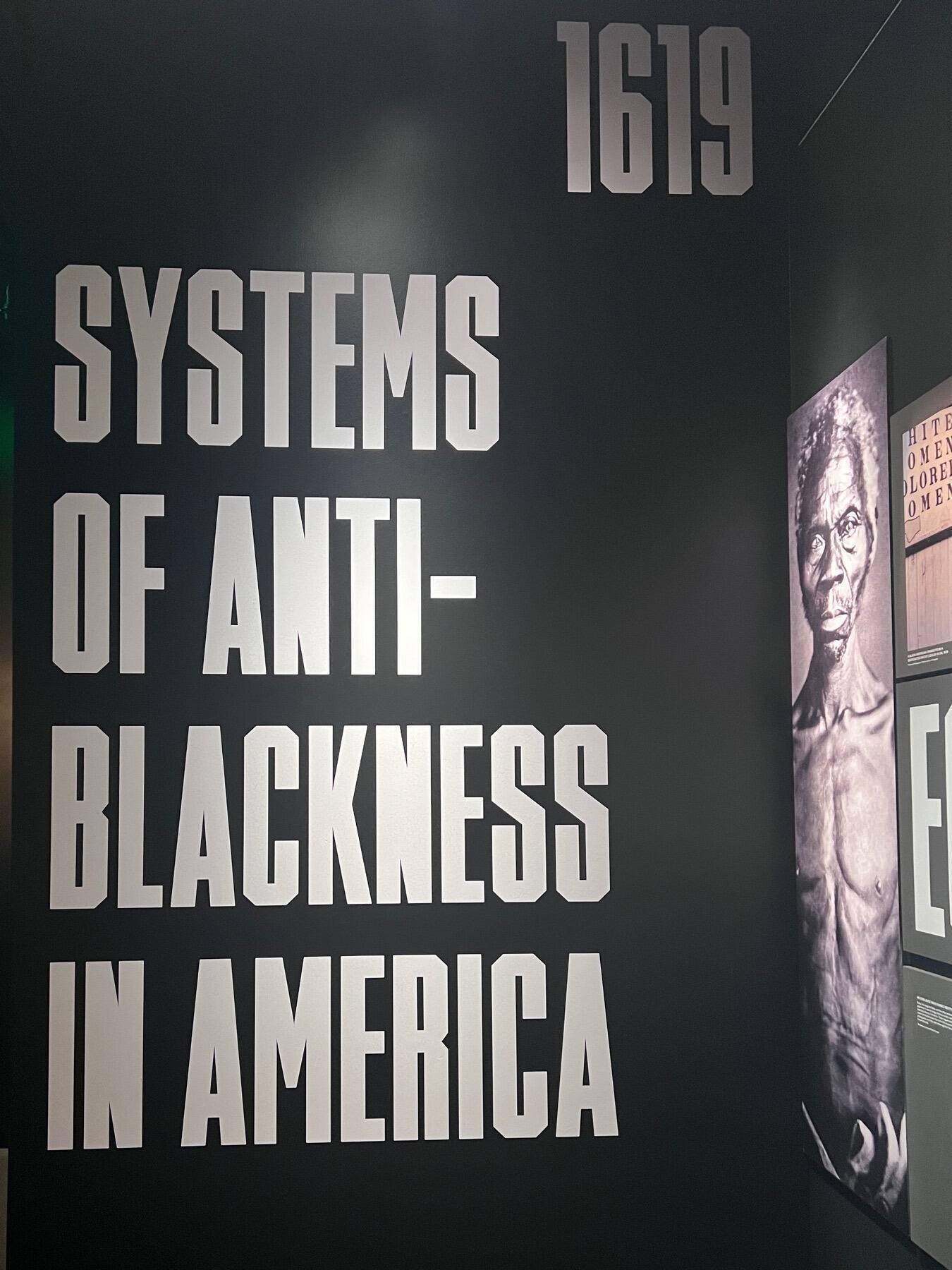
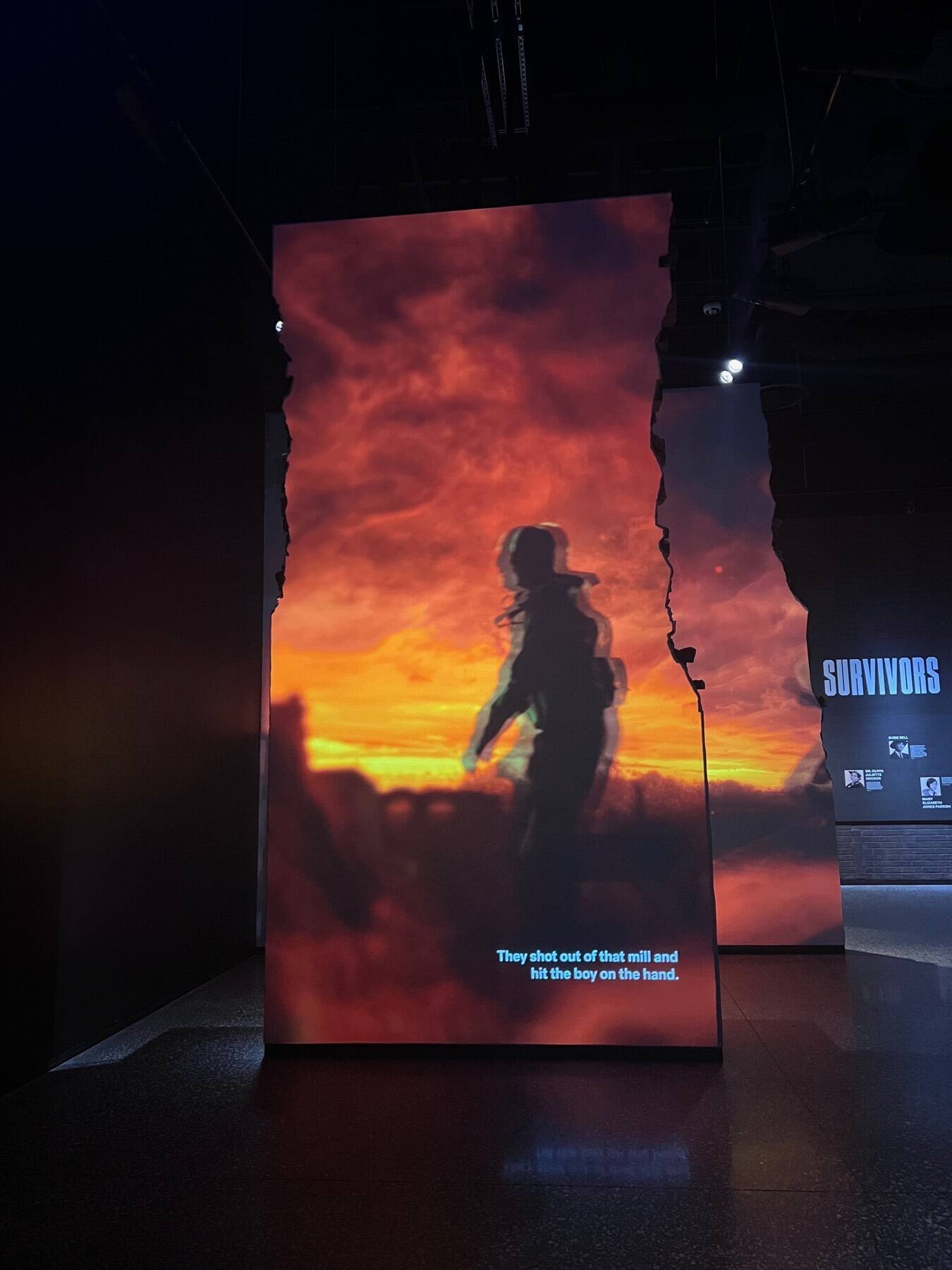
Greenwood Rising is one of the most honest museums in America. It does not soften what happened. It does not let you look away. To walk through it is to understand, at gut level, how a city can choose not to know something that happened in its own streets -- and what it costs when it finally decides to look.
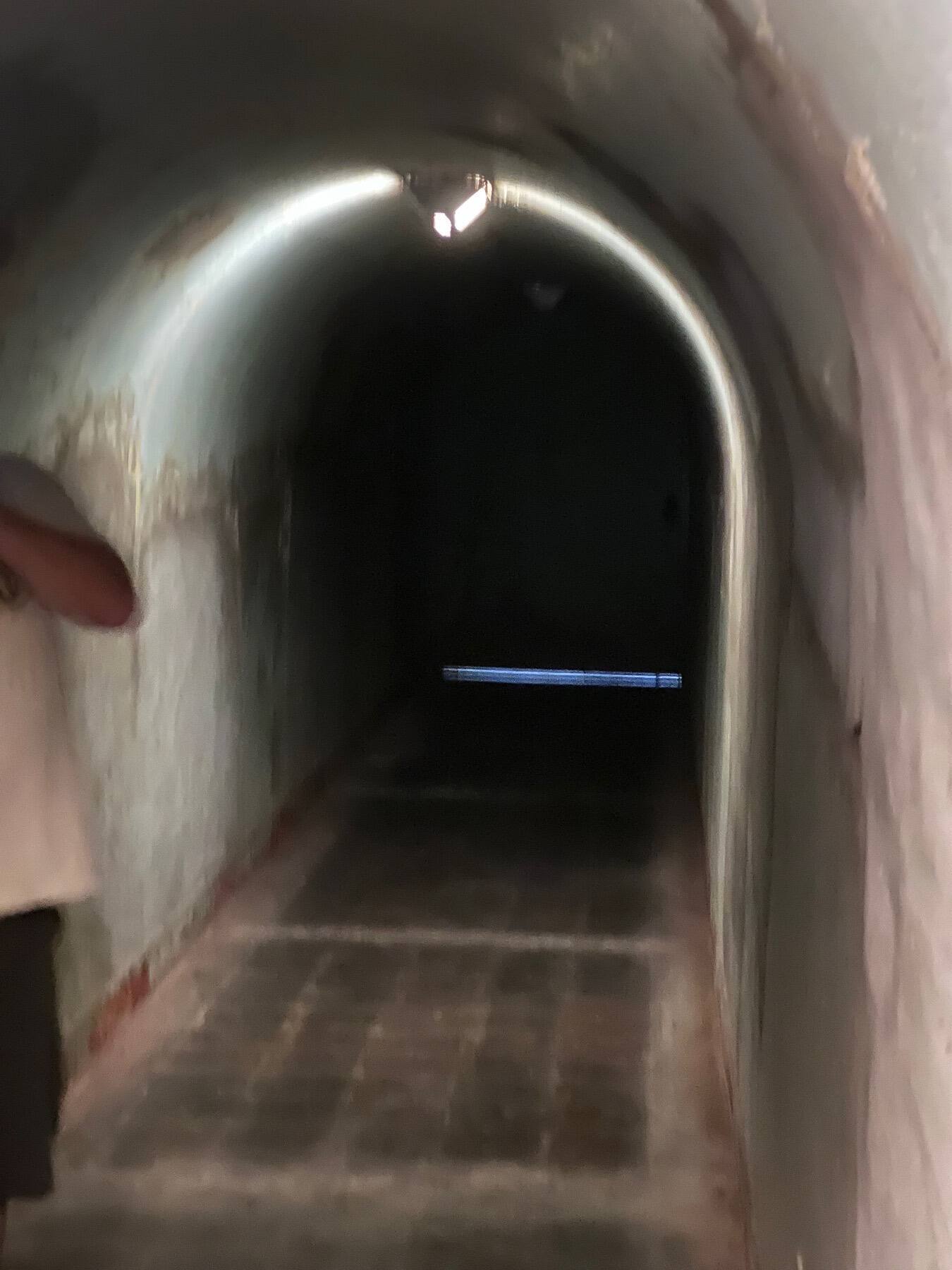
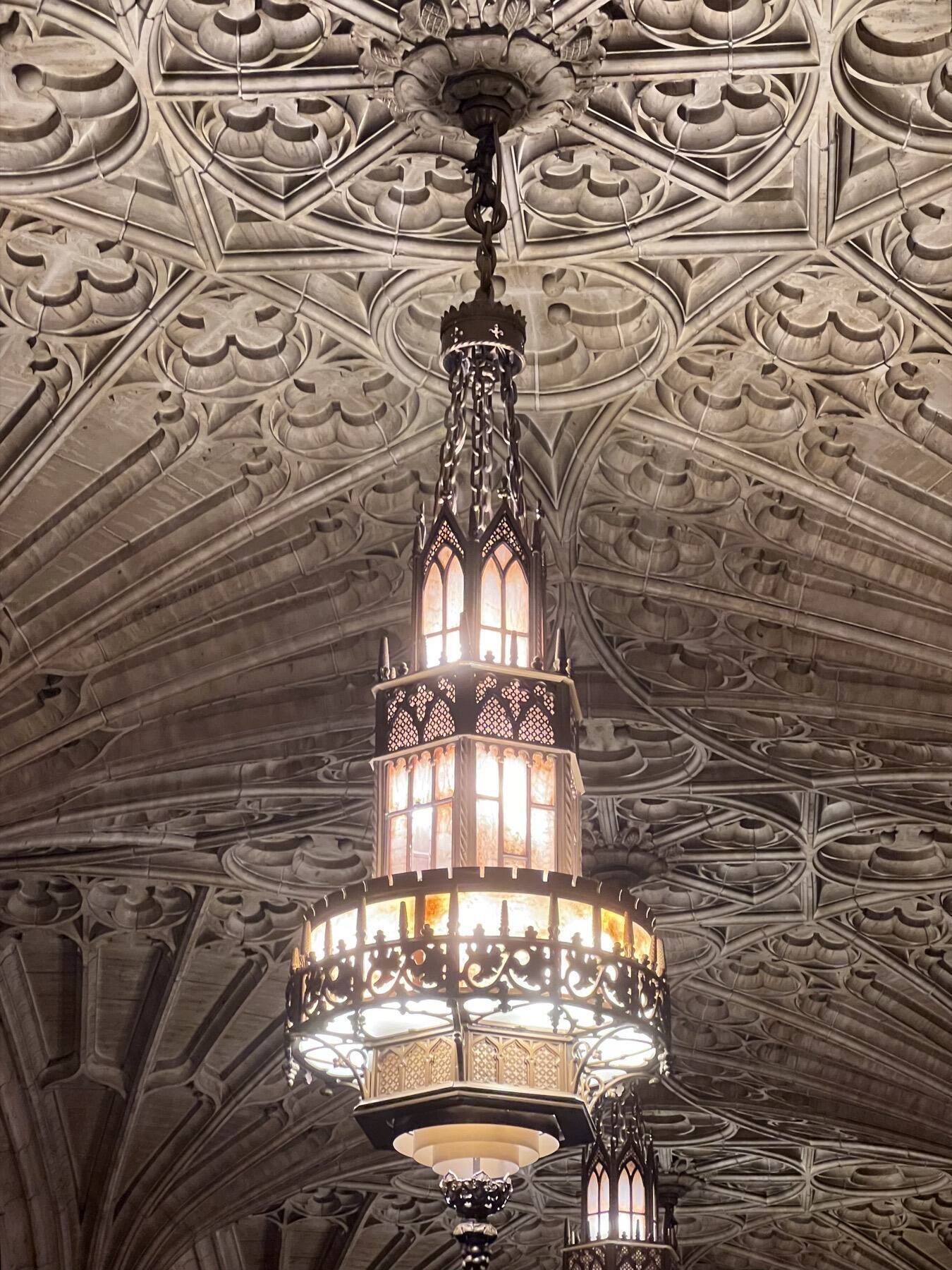
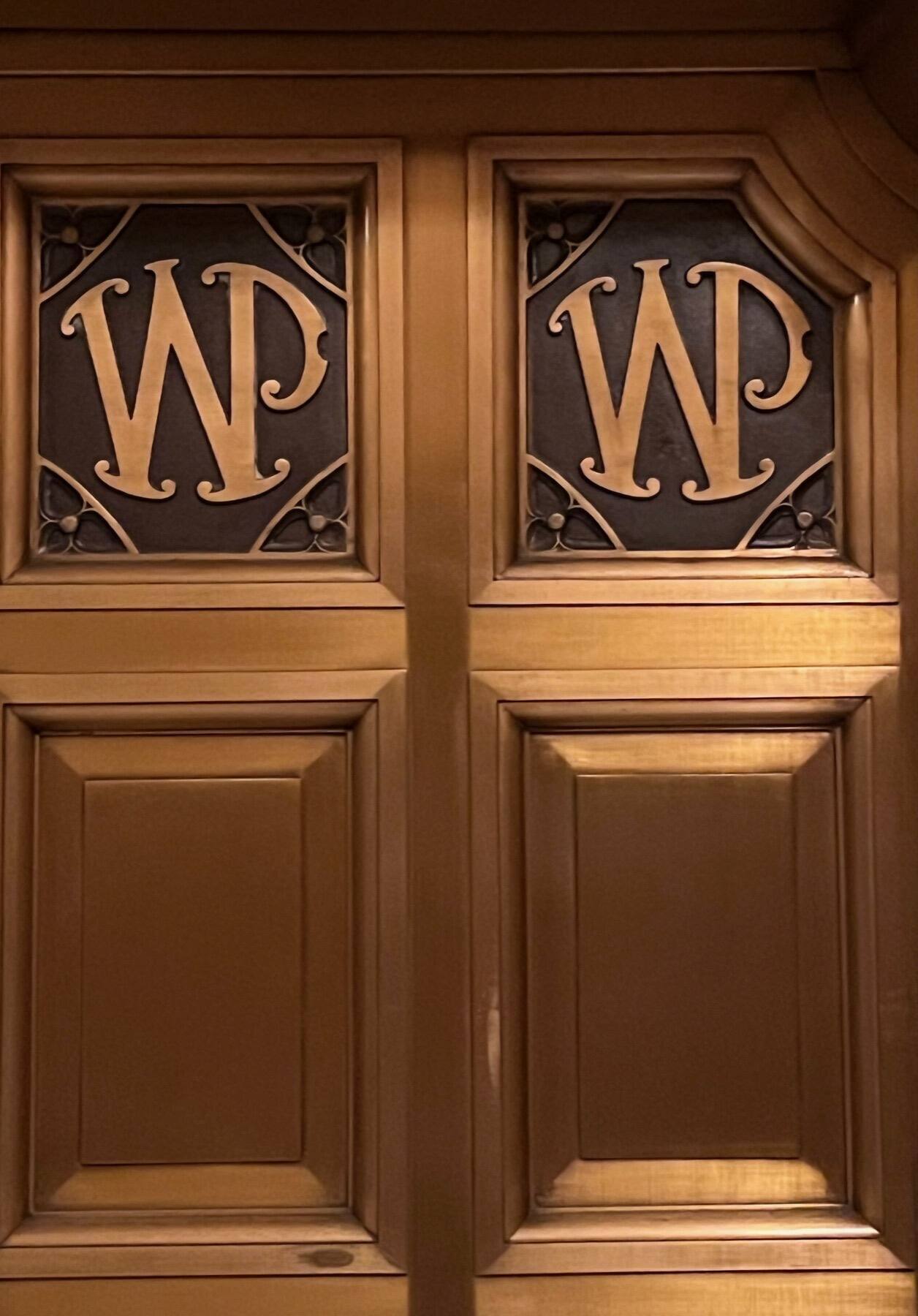
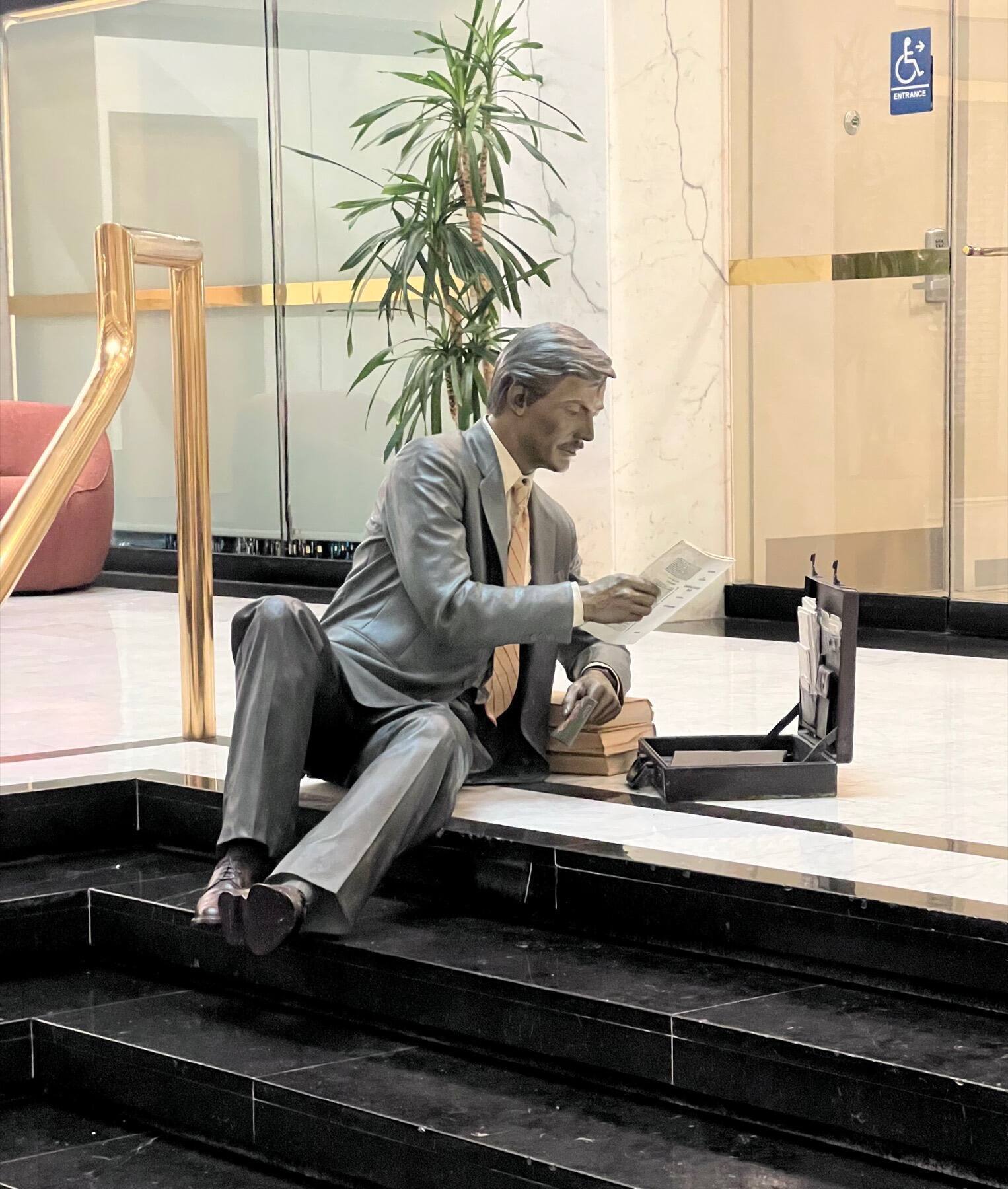
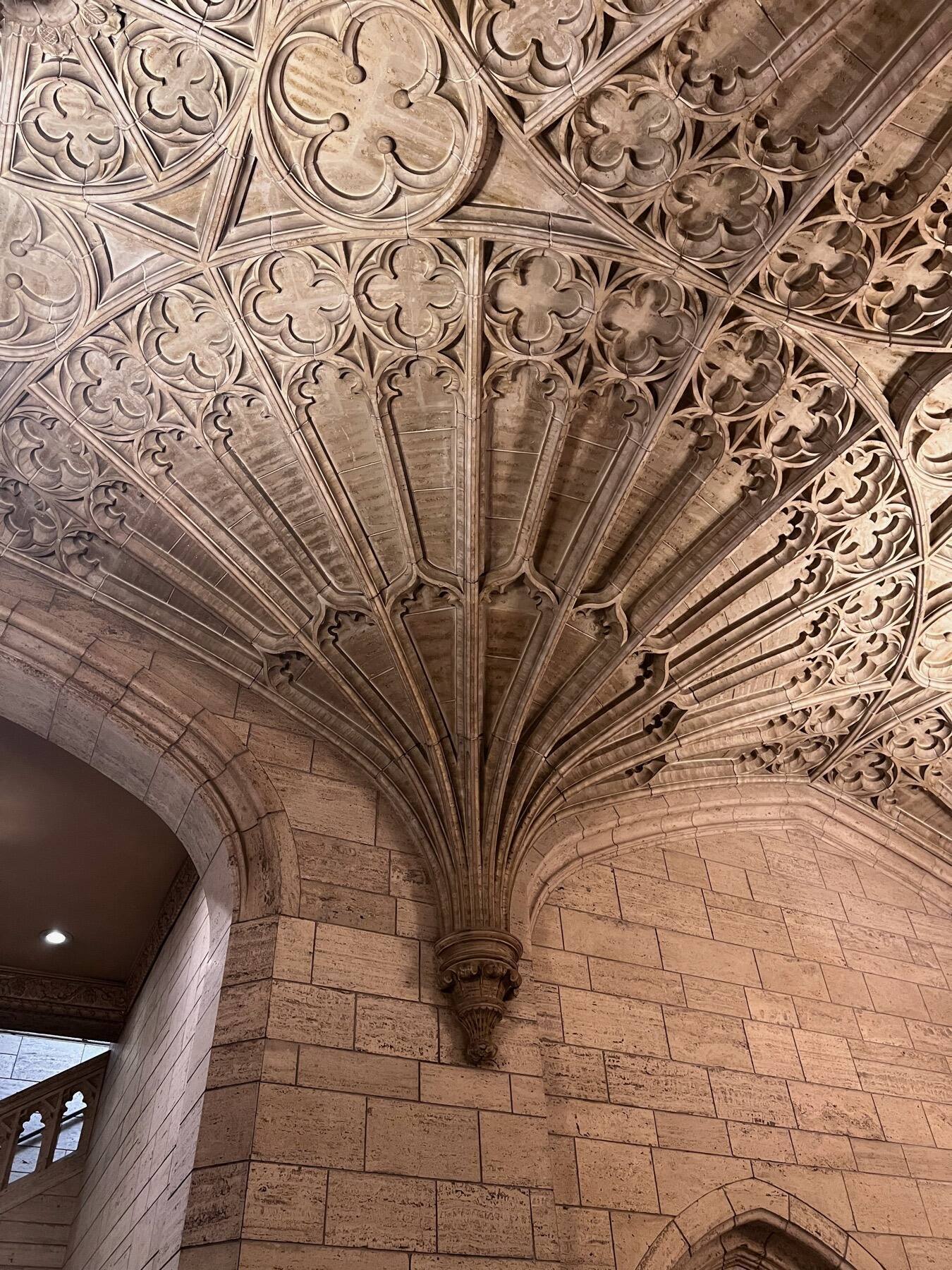
Tulsa's Art Deco downtown is one of the best-preserved collections of 1920s and 30s architecture in America -- and most visitors drive past it without knowing it's there. The tunnels beneath the city, the ornate elevator lobbies, the carved ceilings of buildings commissioned by the men who made Tulsa rich -- Waite Phillips, who built the Philtower and later donated the Philbrook to the city; Harry Sinclair of Sinclair Oil; Frank Phillips, whose fortune built a city block at a time -- this is what the oil era looked like from the inside, at the height of its ambition.
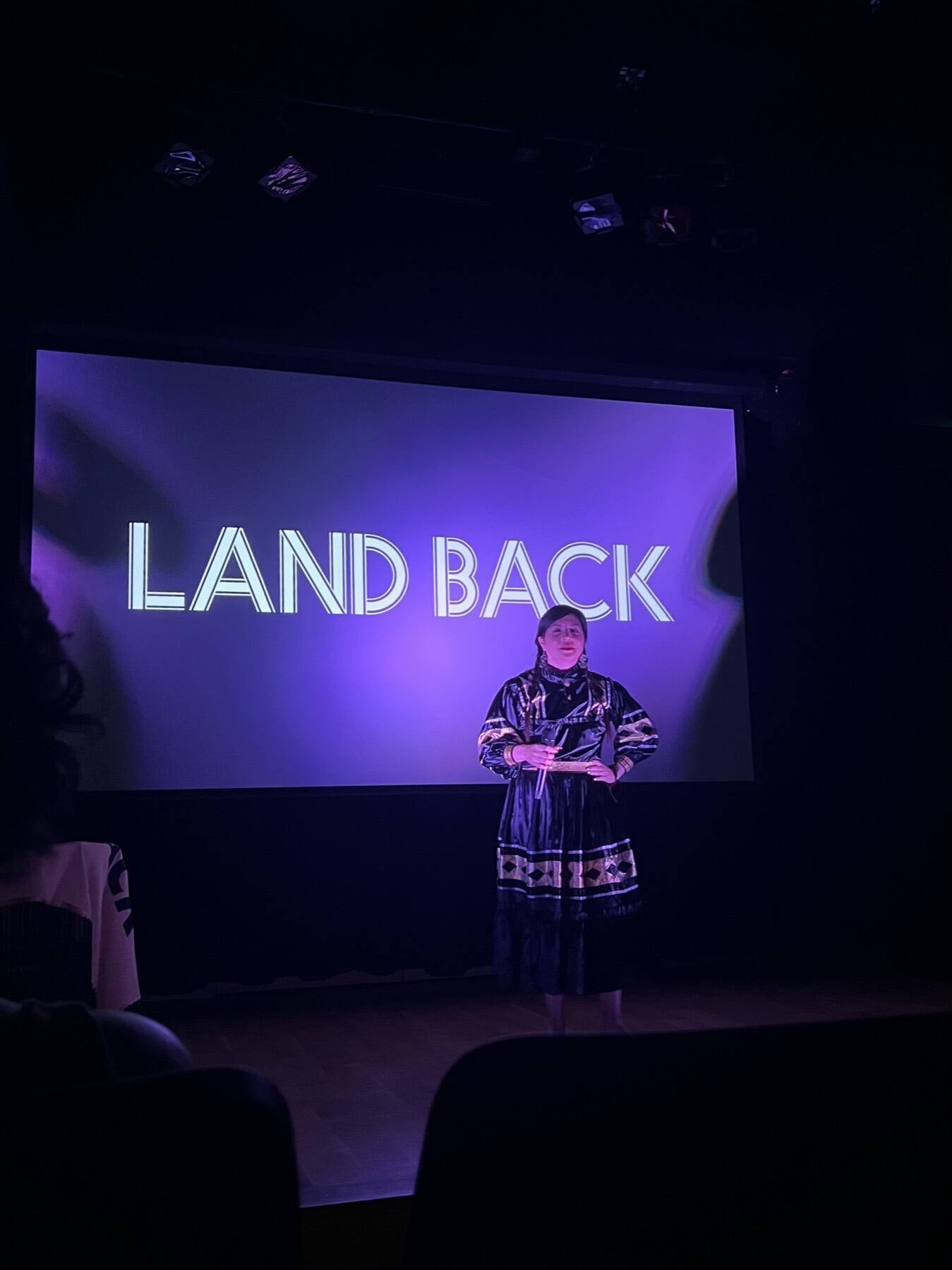
Tulsa holds more of America's musical soul than almost anyone knows. Woody Guthrie grew up in Oklahoma and his archive lives here. The Bob Dylan Center opened in 2022. Route 66 runs straight through the city. Cain's Ballroom, where Bob Wills and the Texas Playboys played every Saturday night in the 1930s, is still standing, still hosting shows on the same wooden floor. And the Golden Driller -- 76 feet tall, hands on hips, TULSA on his belt -- stands guard over all of it.
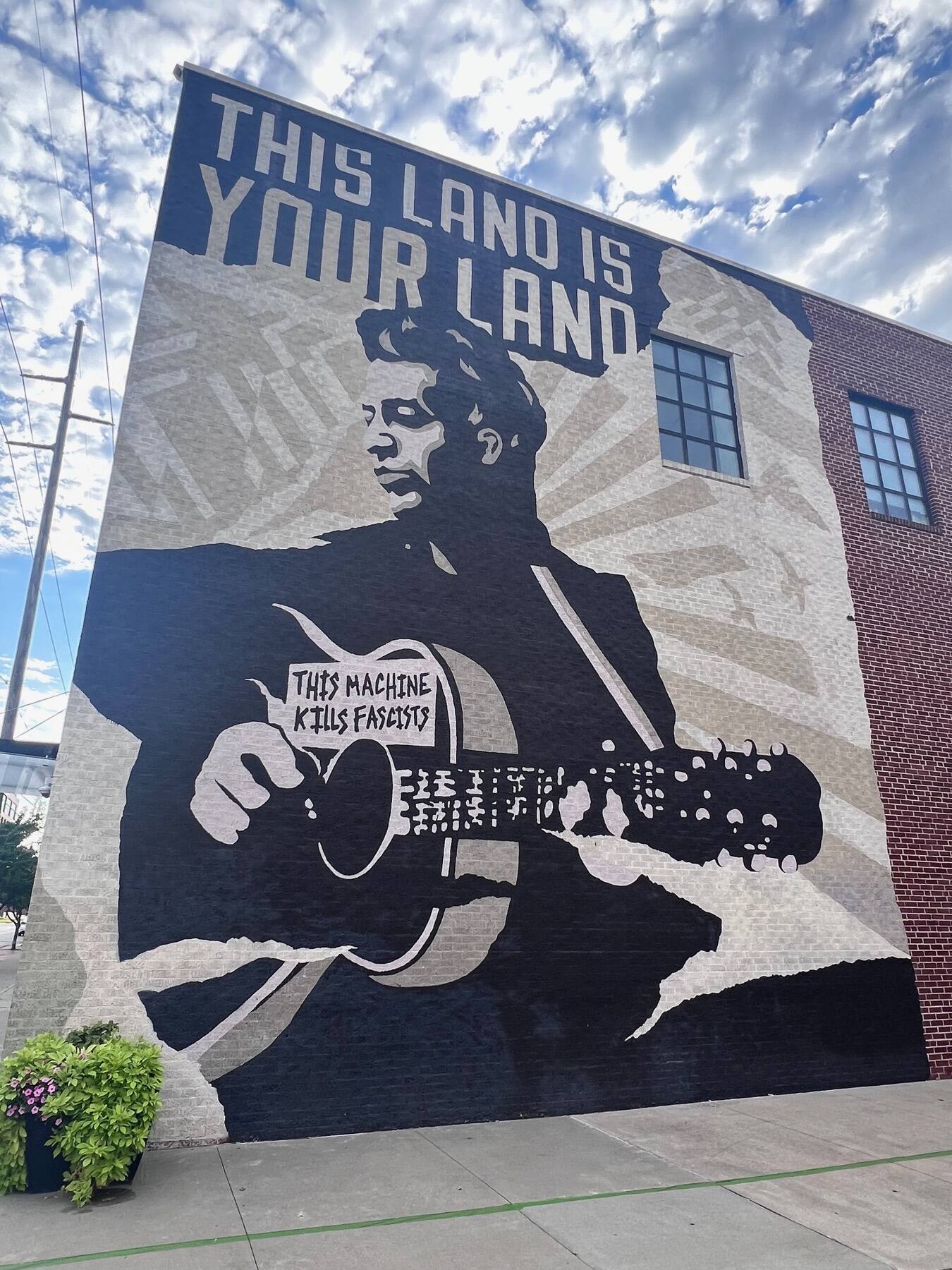
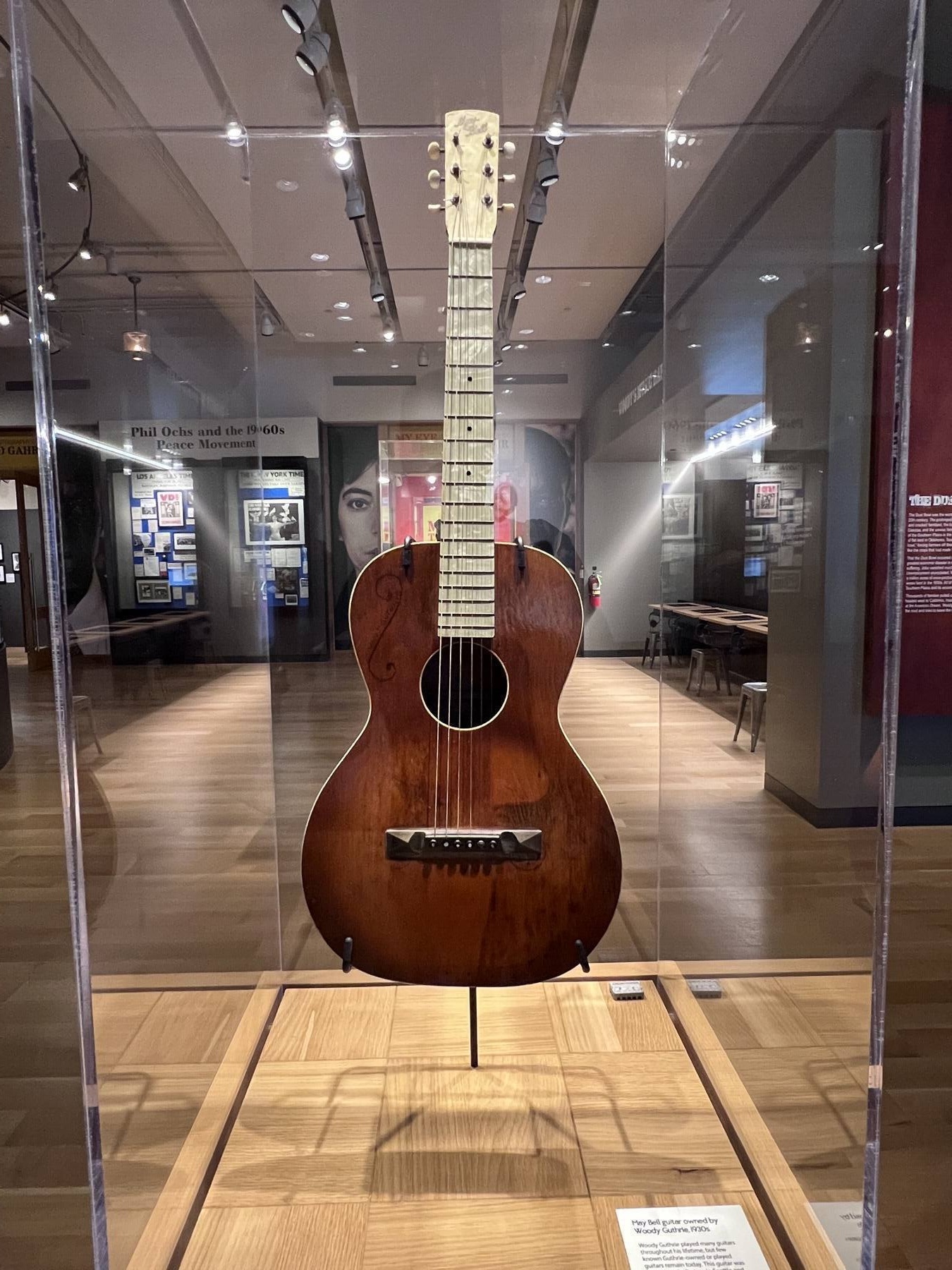
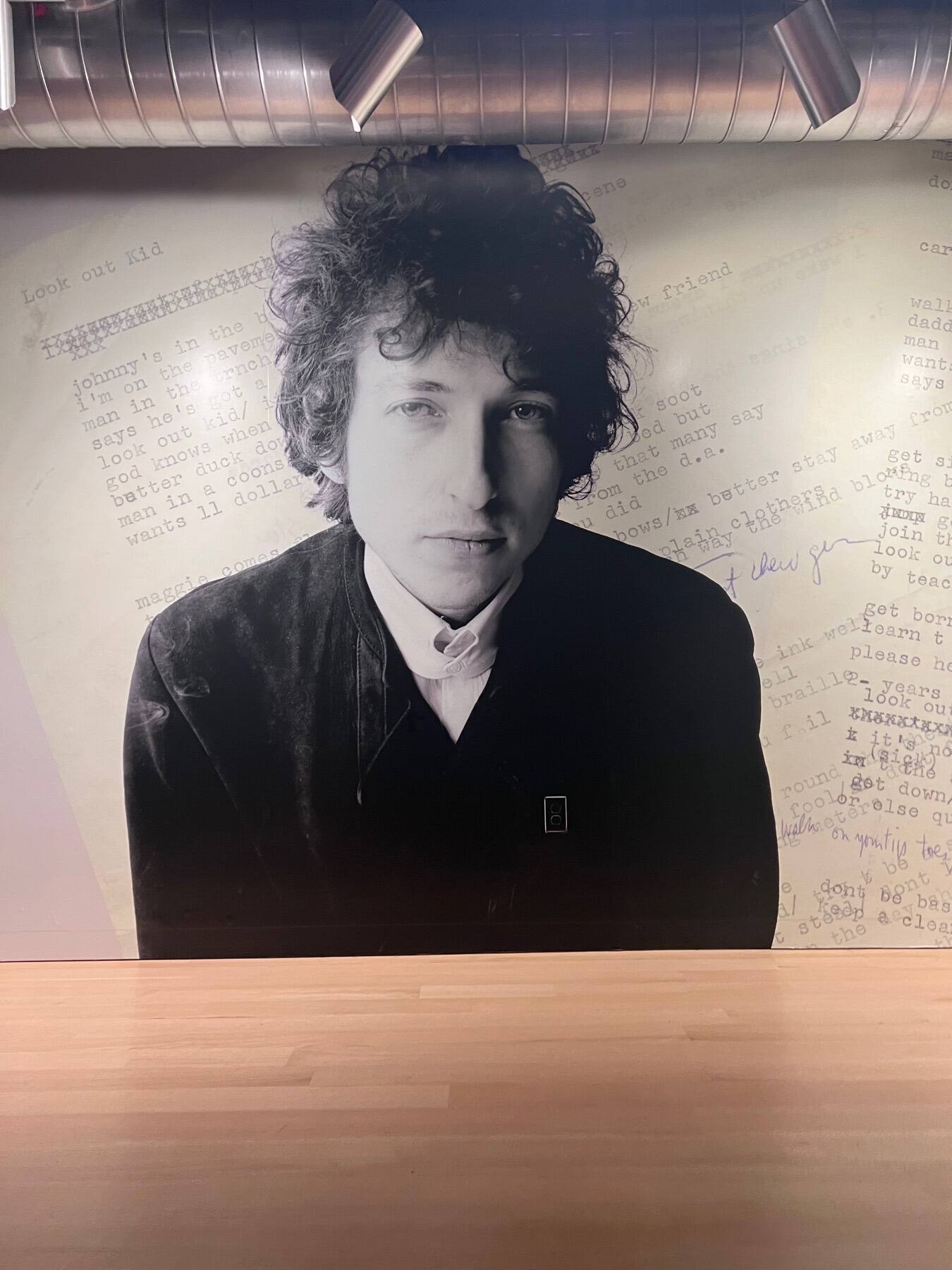
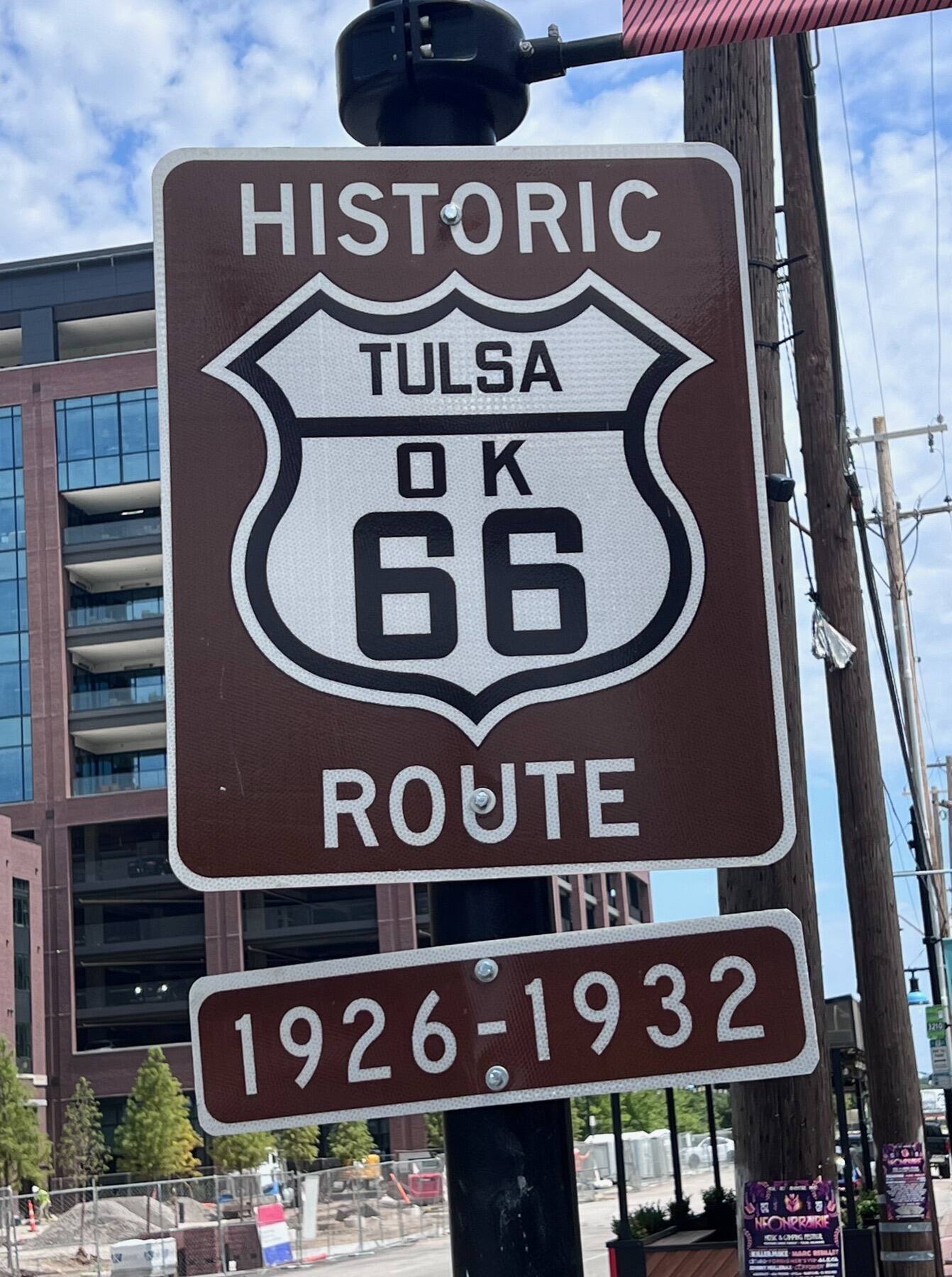
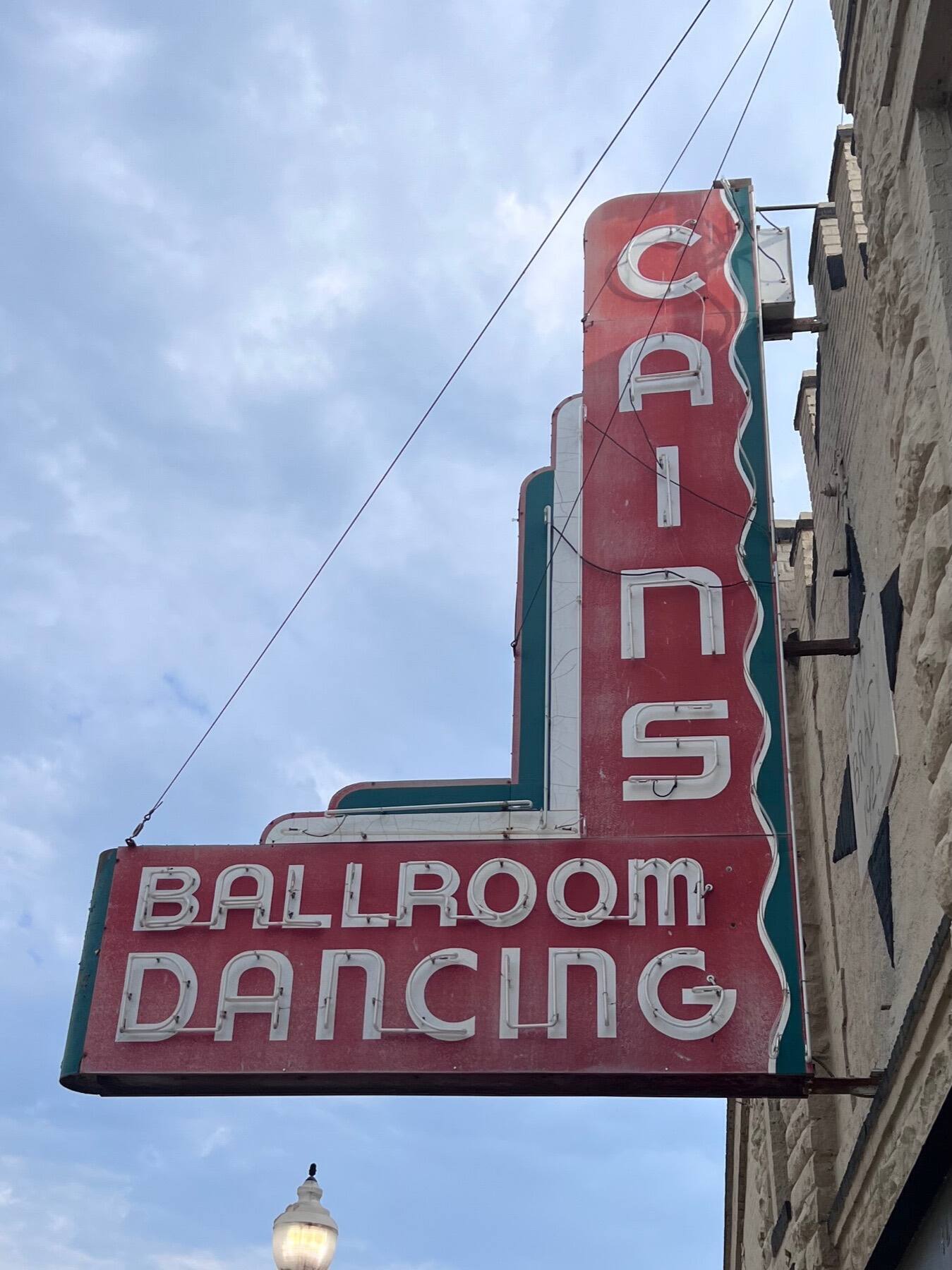
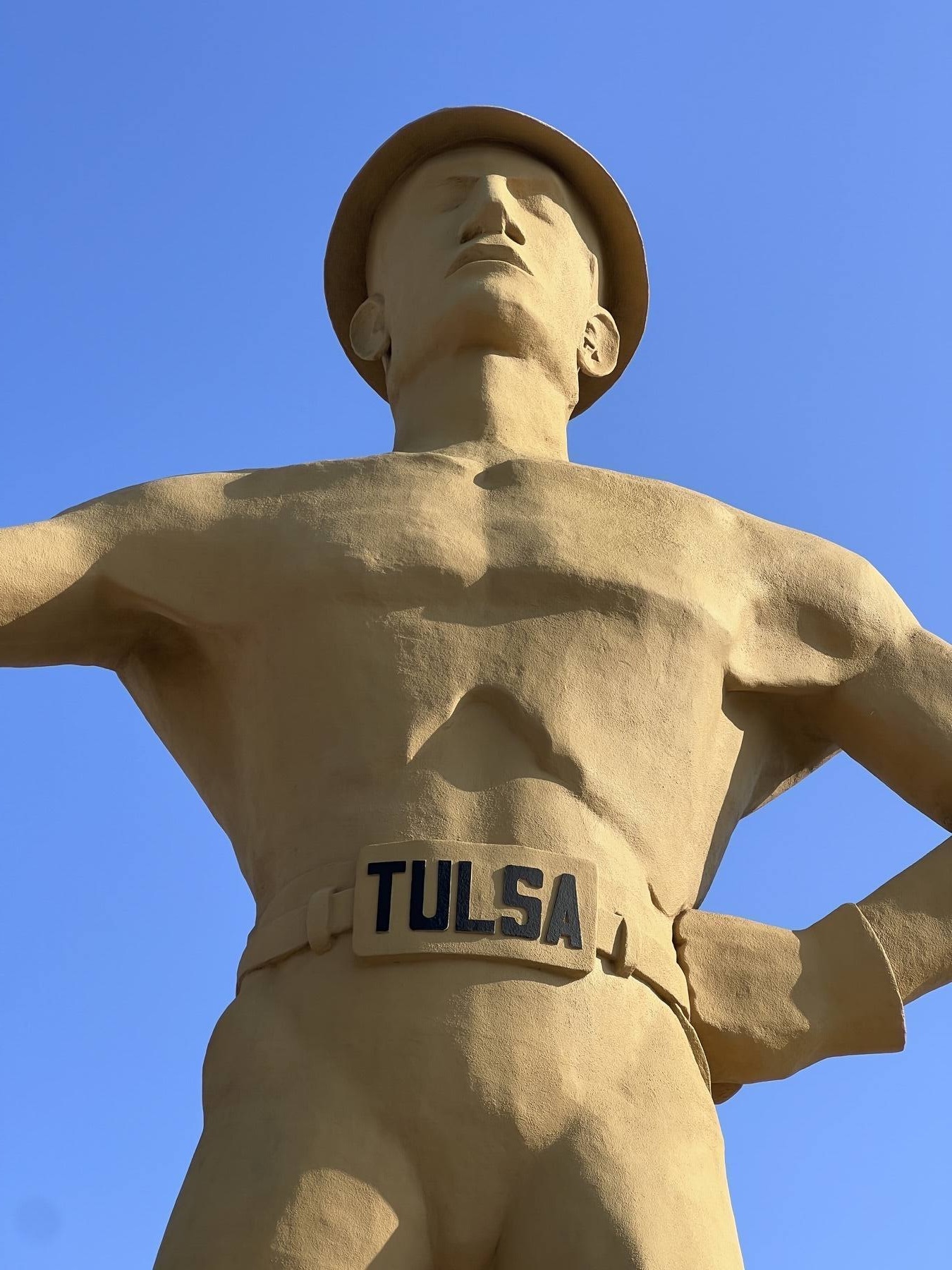
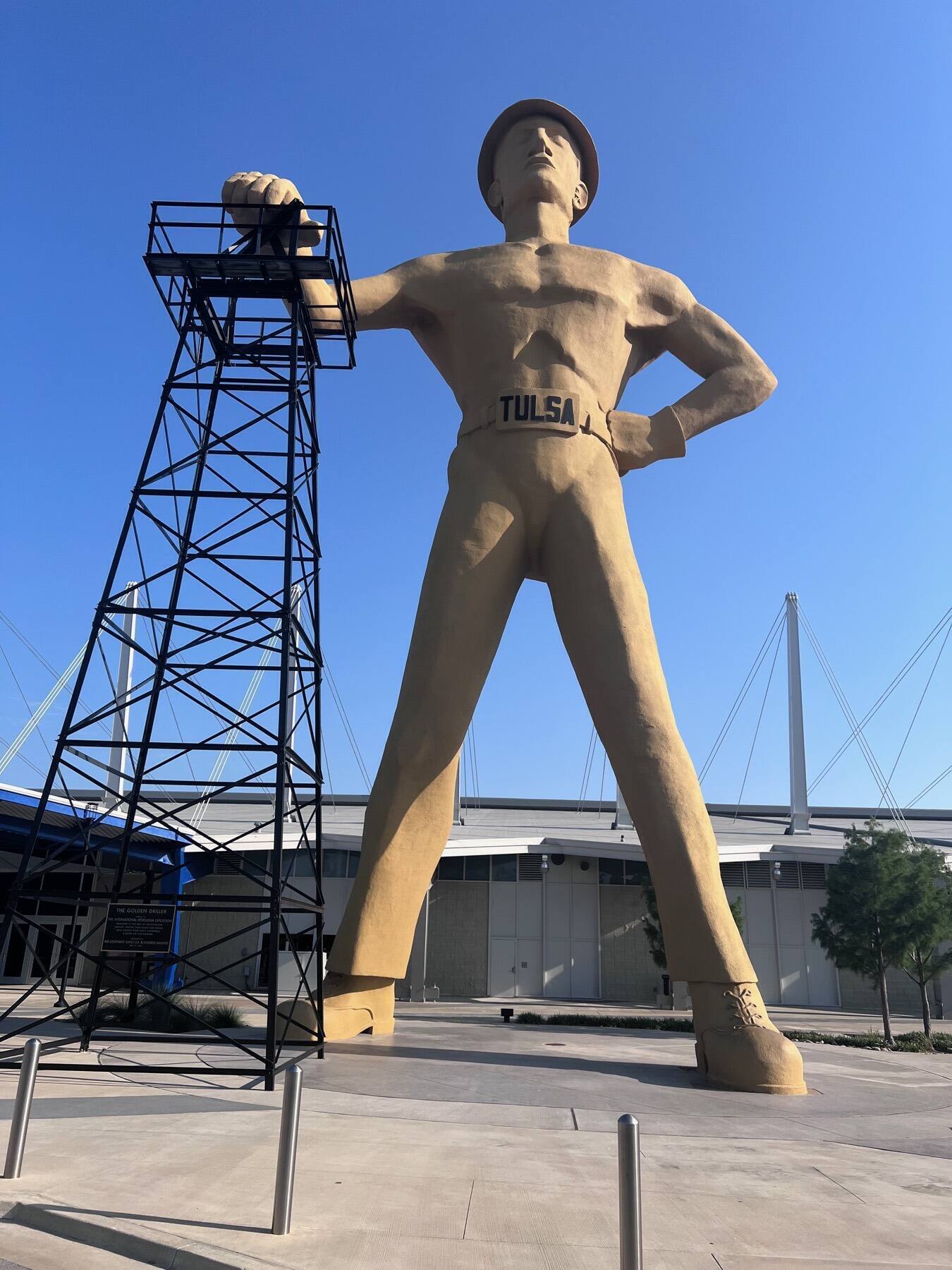
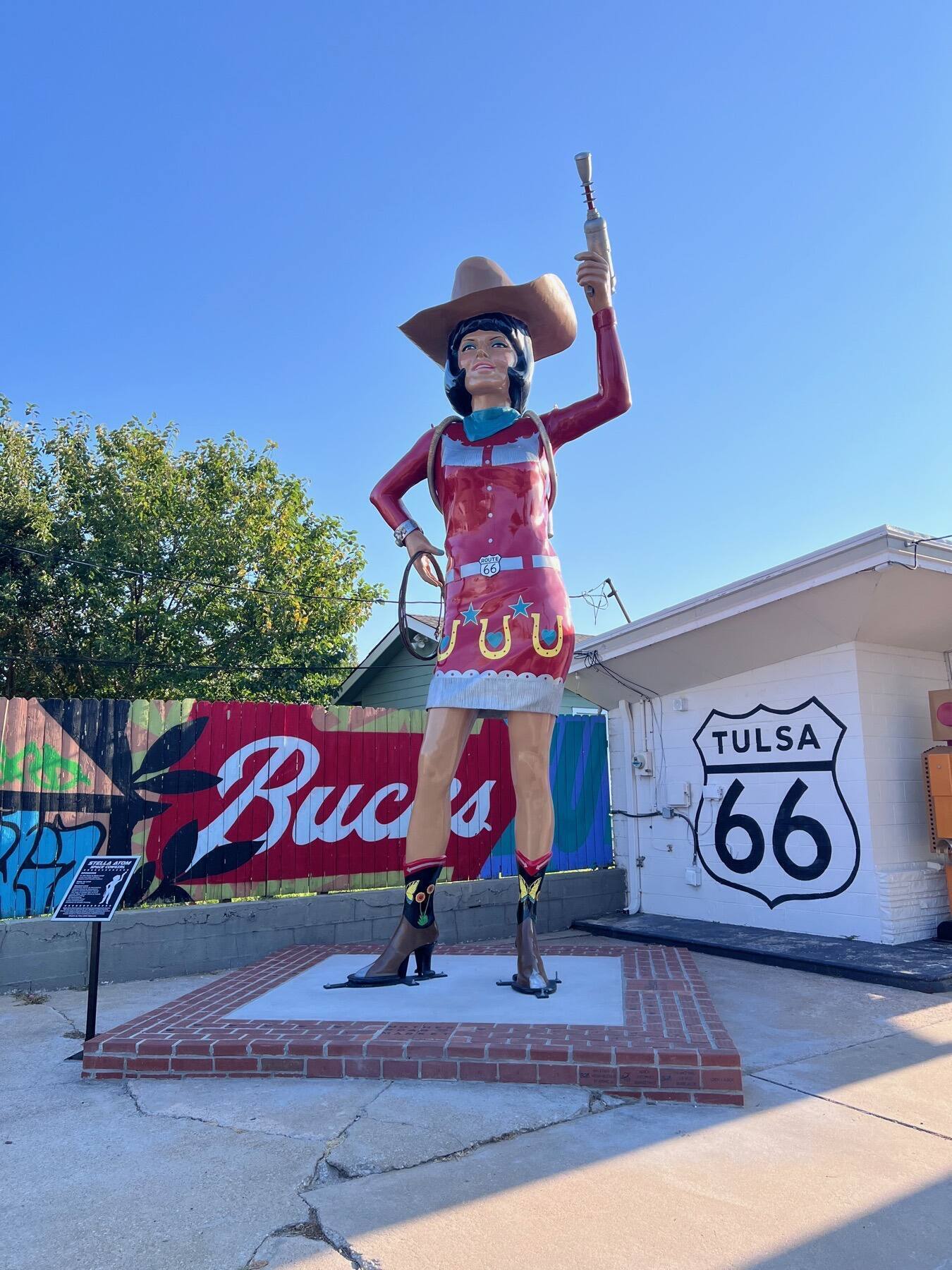
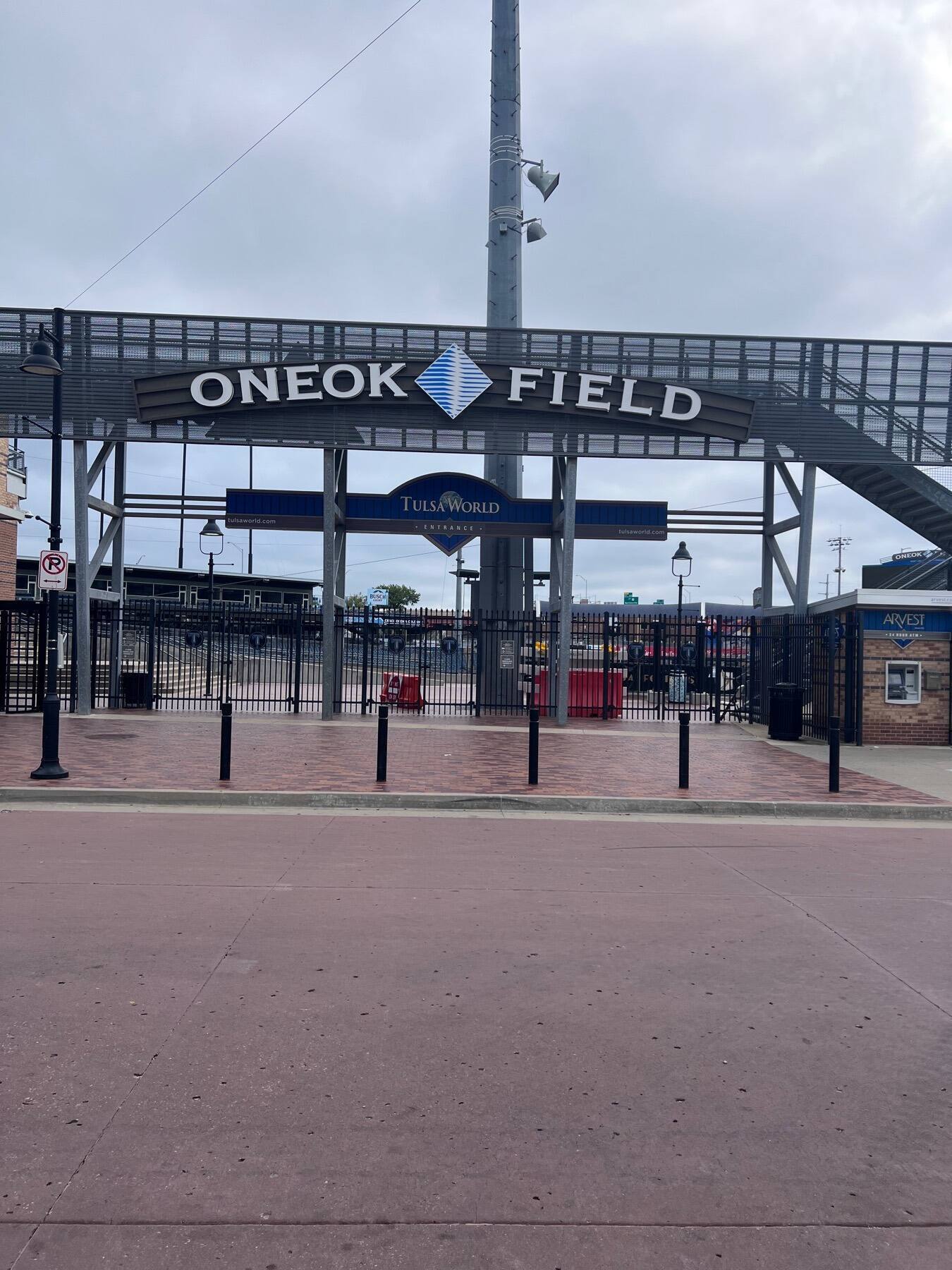
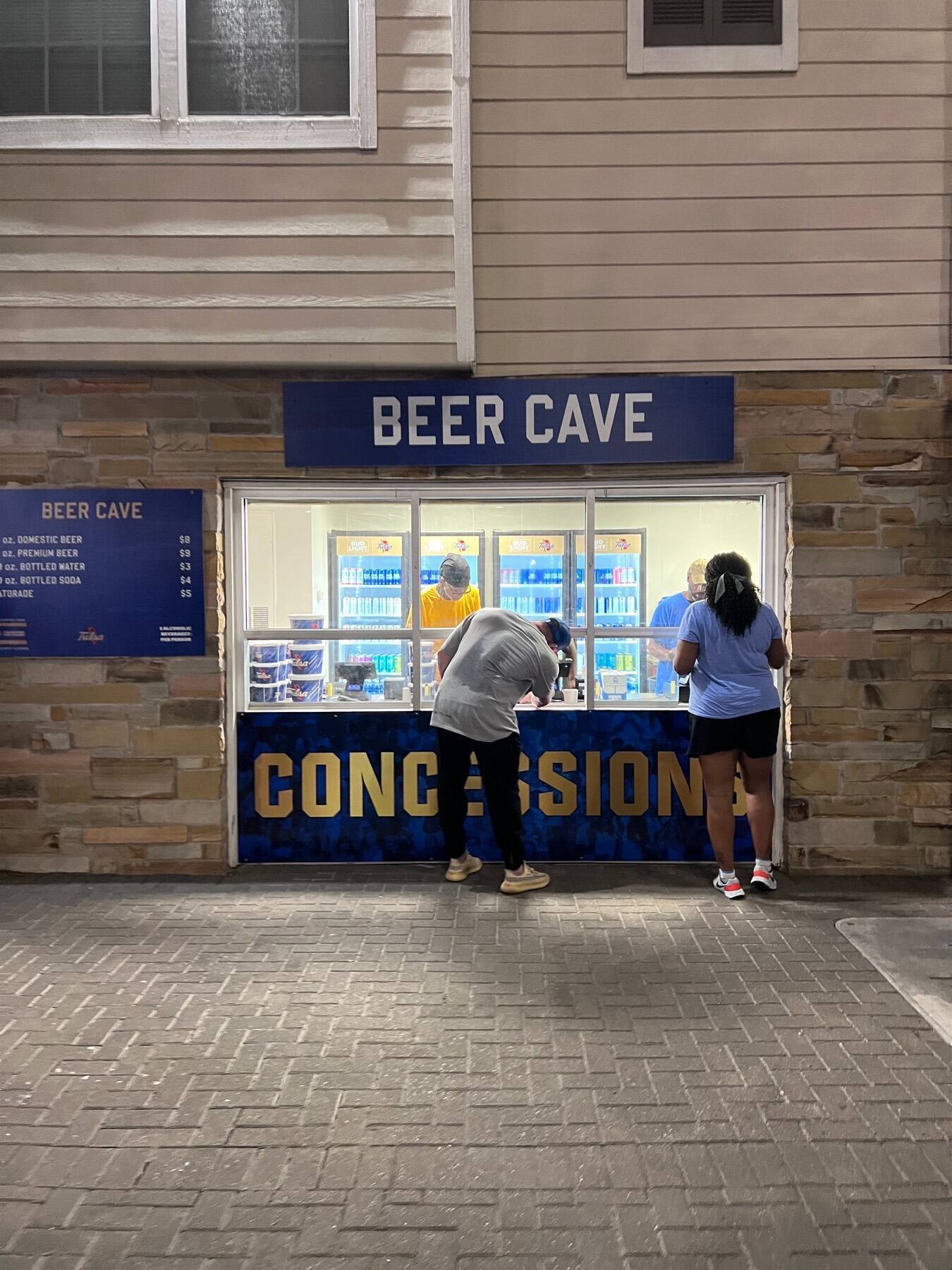
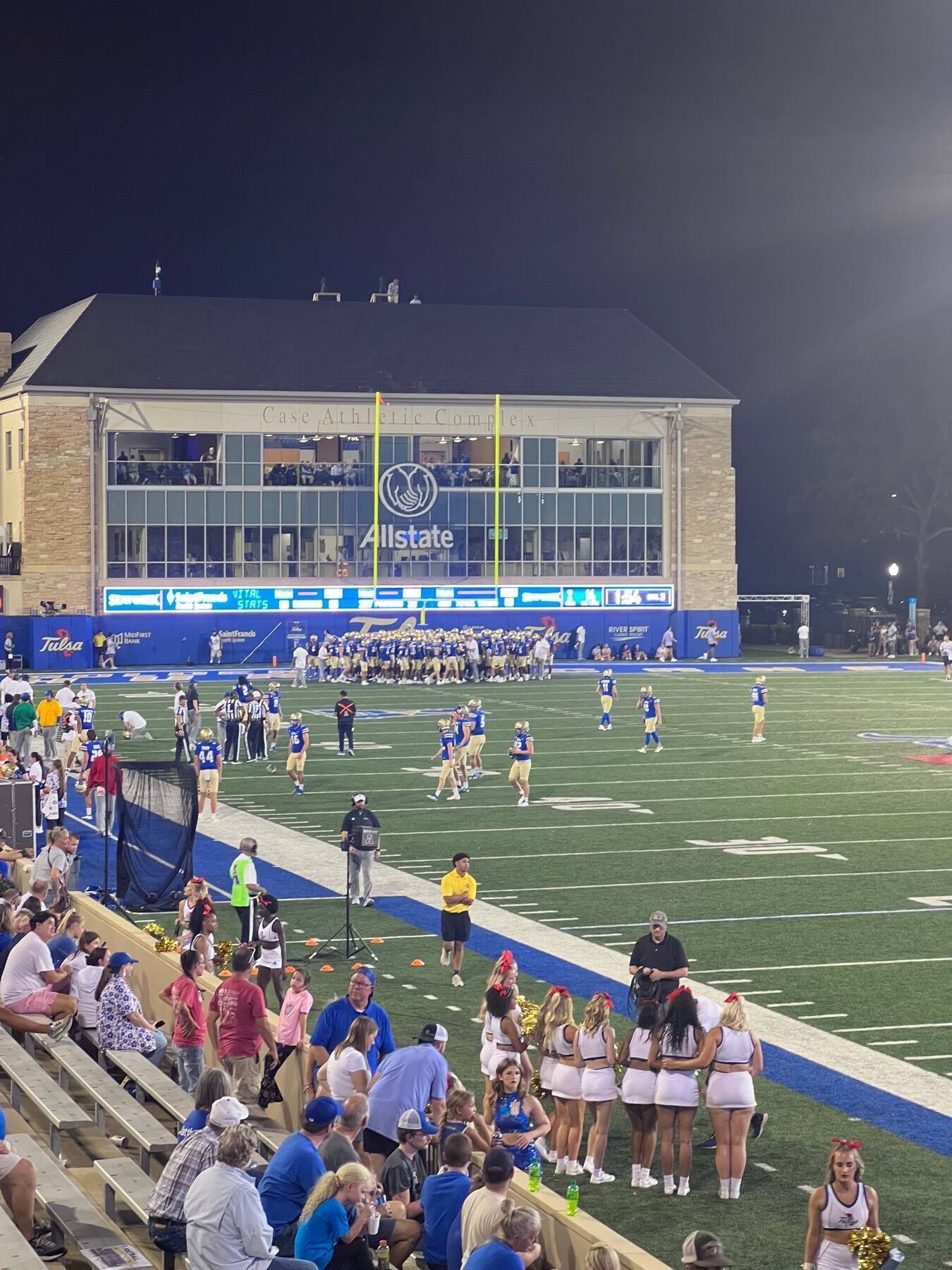
In a city with a complicated history, sports offer something uncomplicated: a reason to gather, a team to root for, a shared identity that doesn't require resolving anything. The Tulsa Drillers play AA baseball in ONEOK Field on the east bank of the Arkansas River. The University of Tulsa Golden Hurricane fill Case Athletic Complex on fall Saturdays. These are the places where Tulsa shows up for itself.
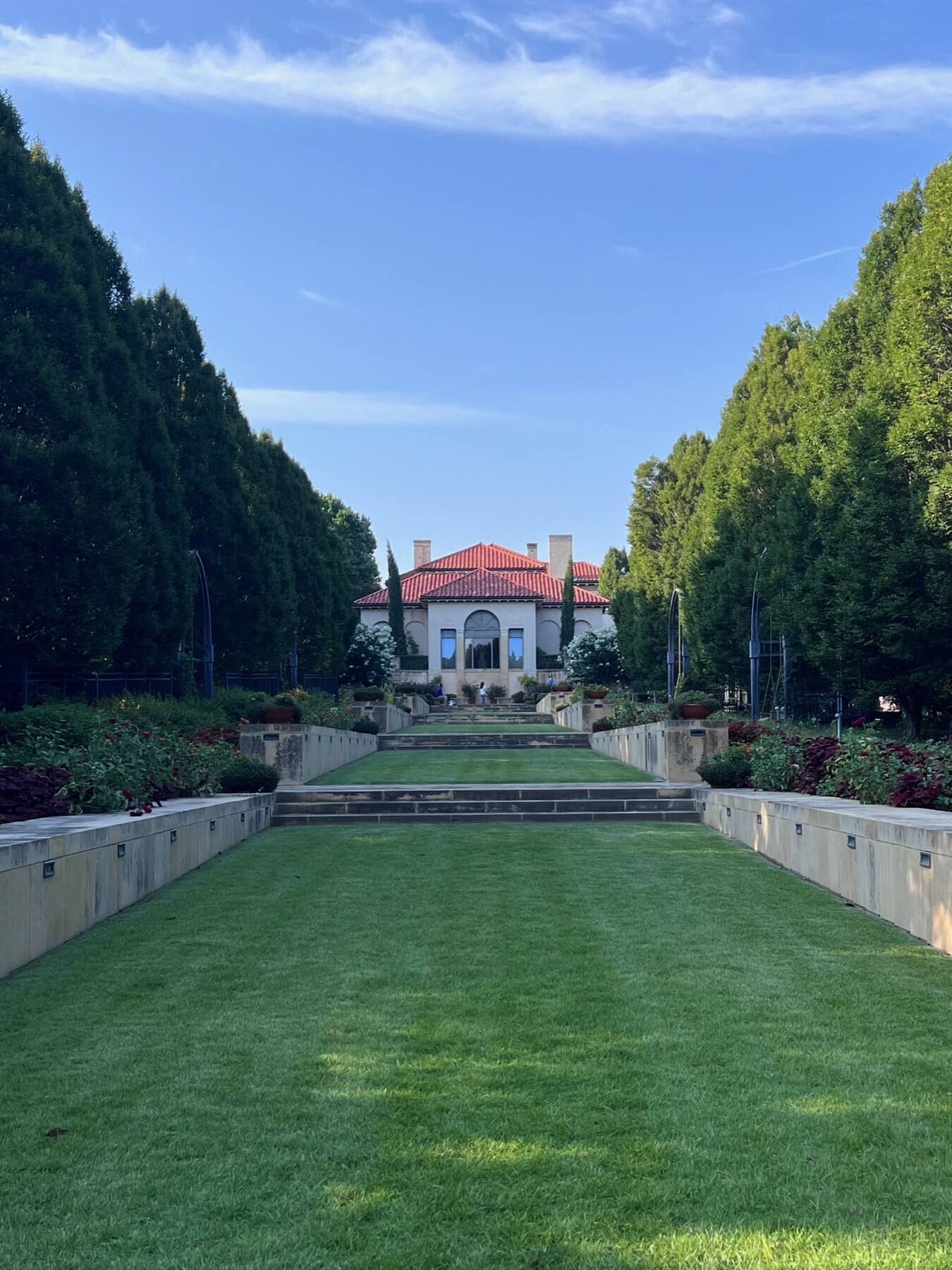
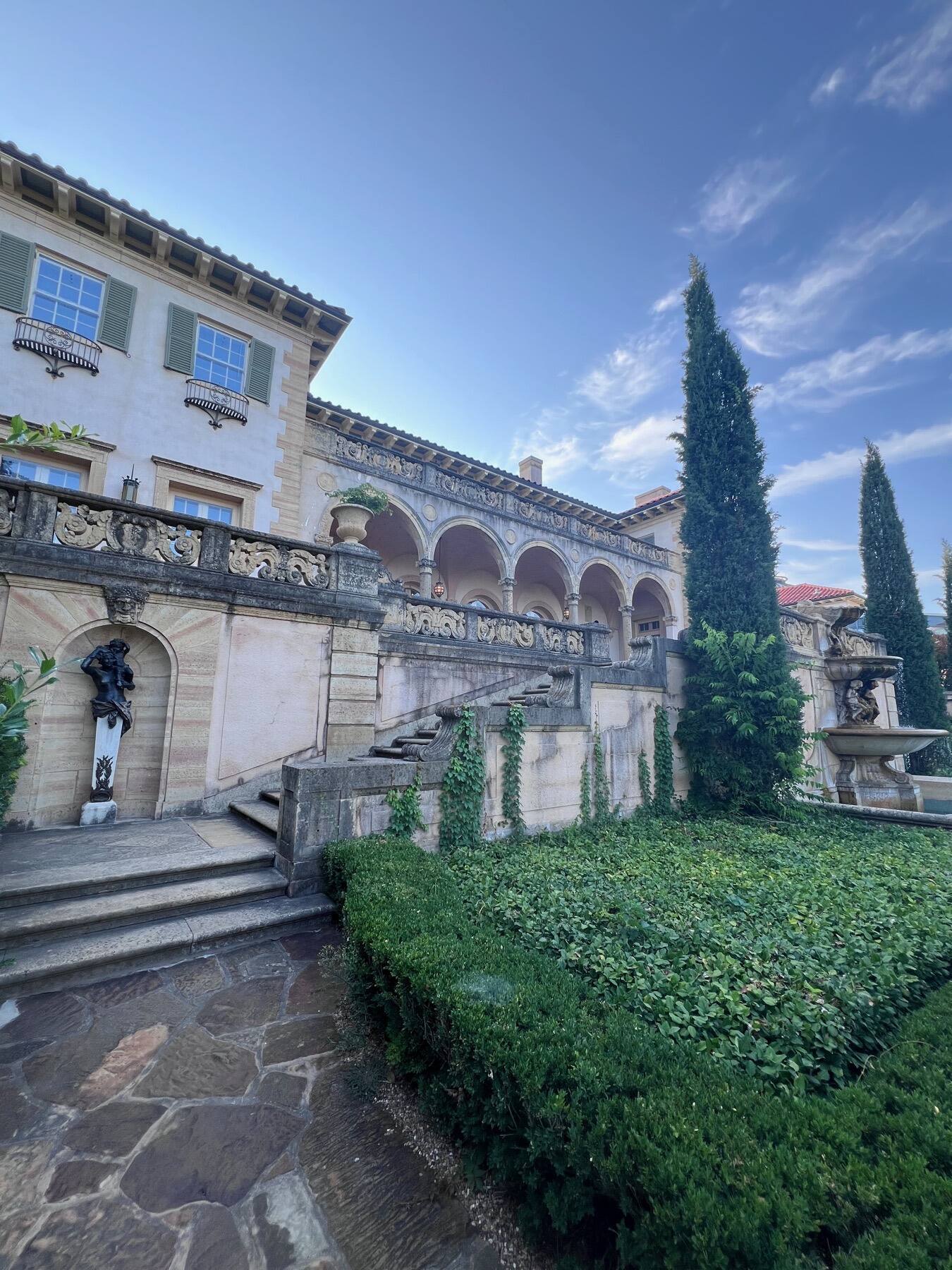
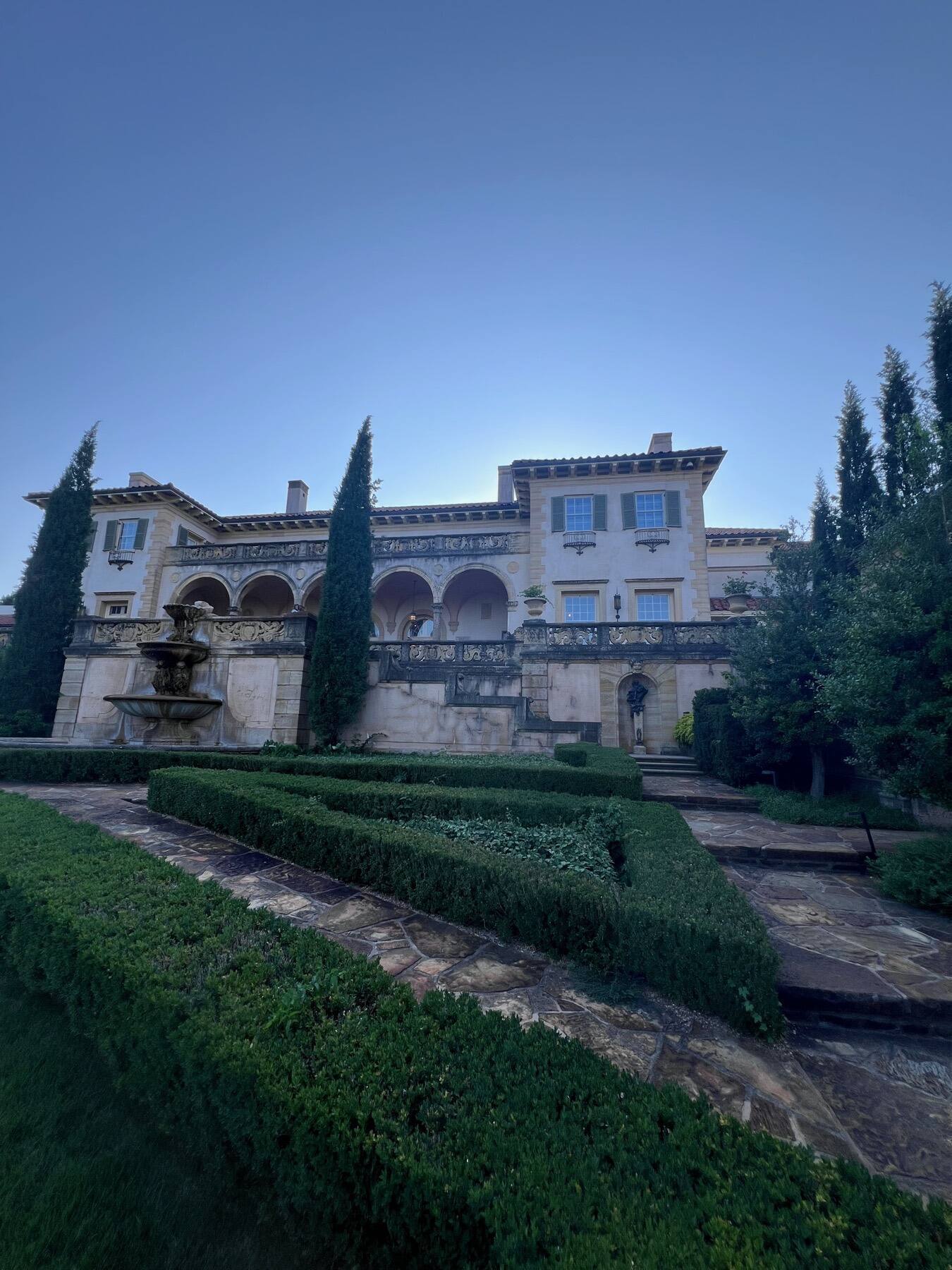
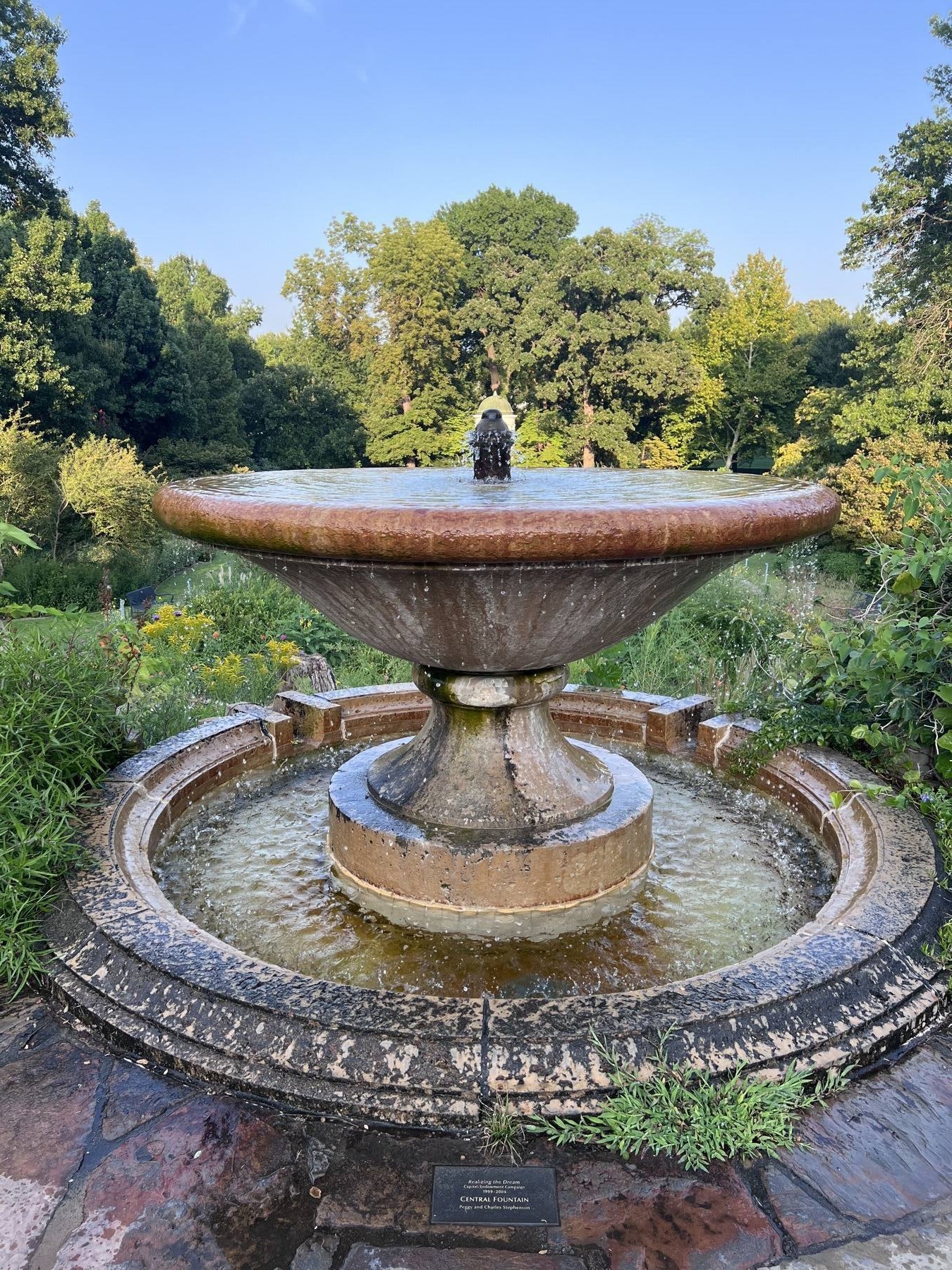
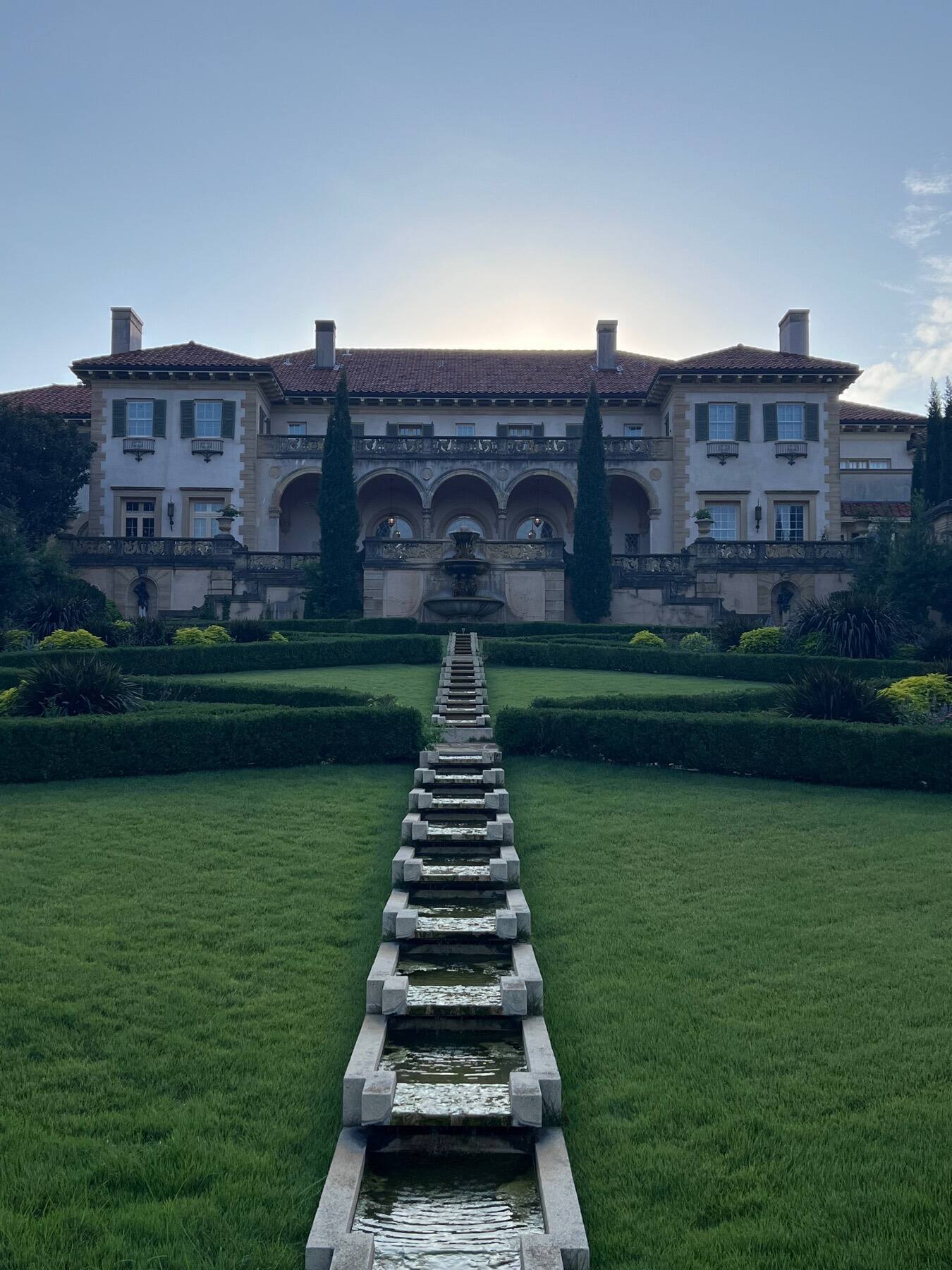
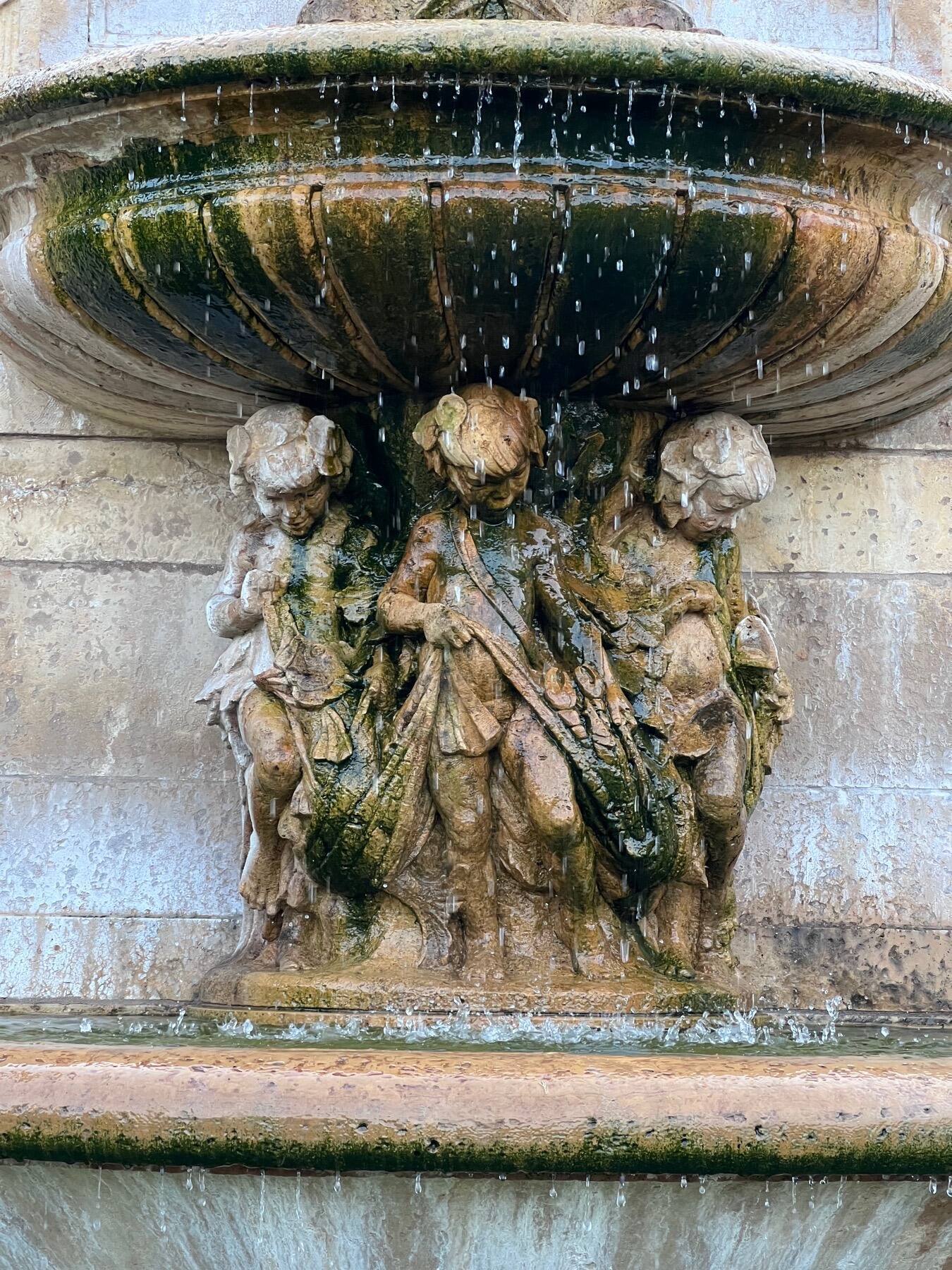
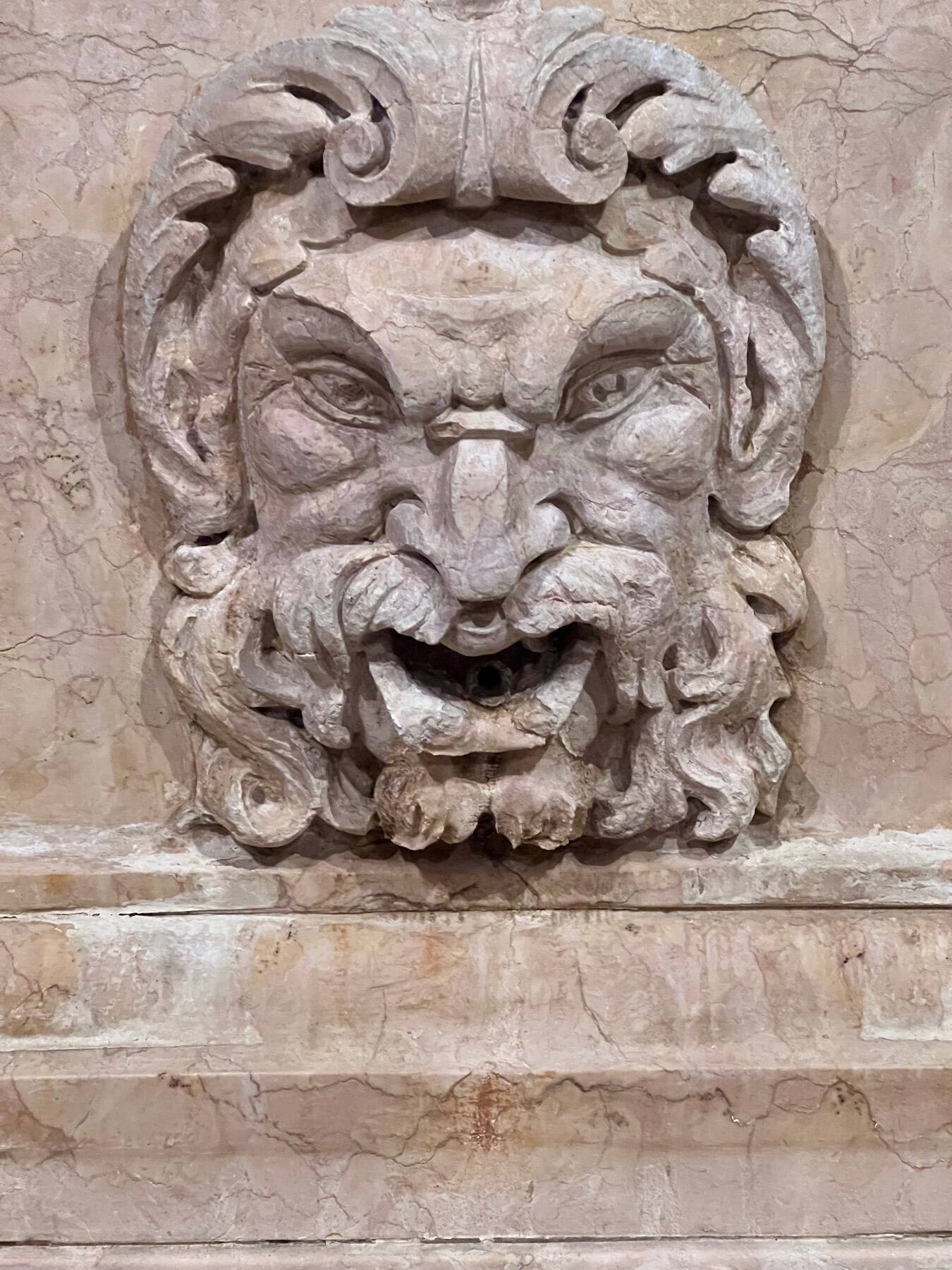
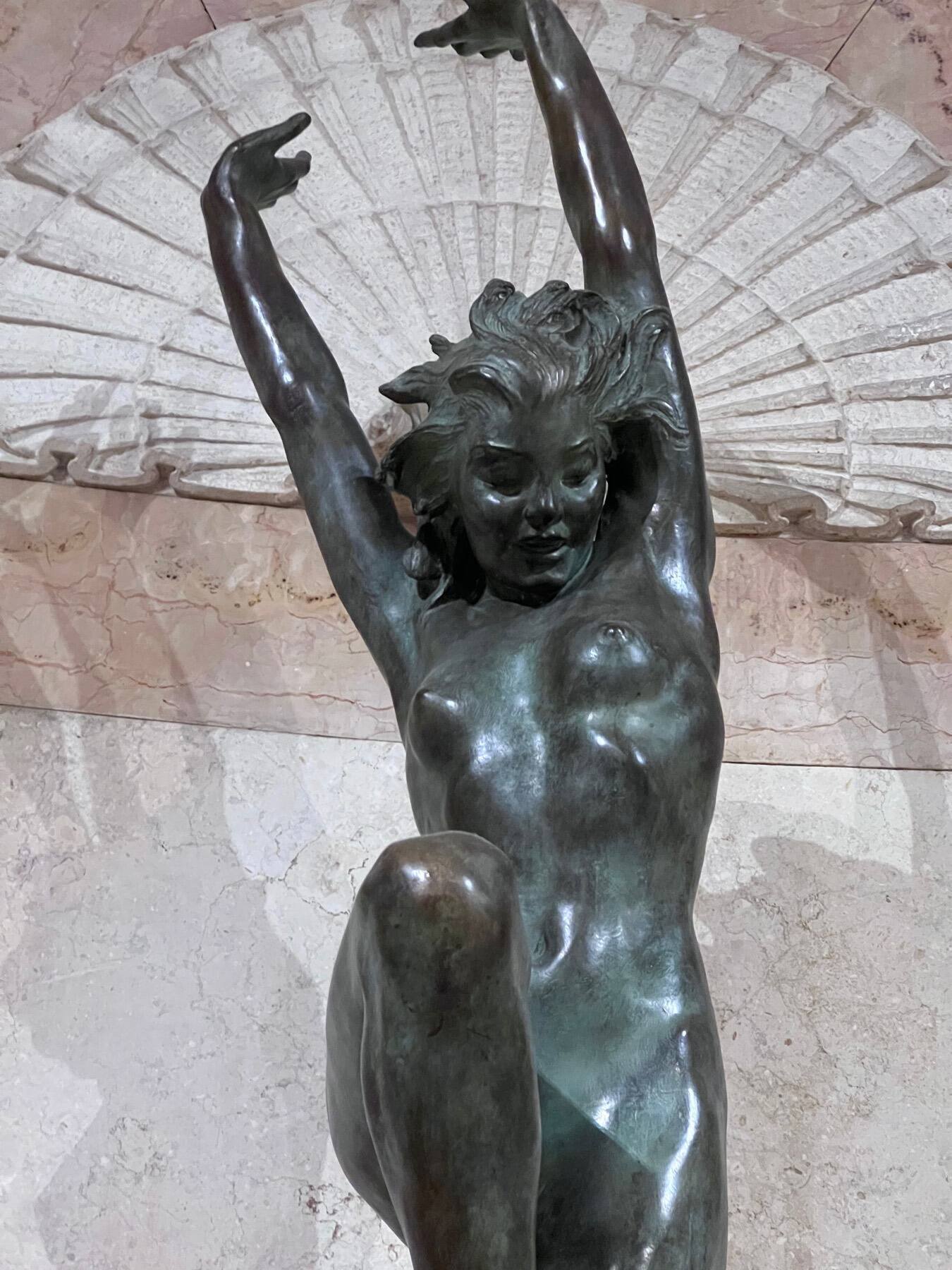
In 1927, oil magnate Waite Phillips built a 72-room Italian Renaissance villa on 23 acres in midtown Tulsa. In 1939, he gave it to the city as an art museum. The gardens are extraordinary. The collection is serious. The building itself is a monument to what private oil wealth looked like at its most aesthetically ambitious. You walk through the Philbrook and think: this is what the oil era built when it decided to be beautiful. Then you remember what else it built.
Tulsa is not only its wound. But the wound explains the shape of everything else.
The Art Deco buildings and the burned blocks of Greenwood are not two separate stories. They are the same story. The wealth that built the Philbrook's gardens and the Philtower's golden elevator doors is the same wealth that structured the conditions in which Black Wall Street was destroyed and its residents were told it hadn't happened.
I loved Tulsa. That is the complicated truth of it. The people are warm, the city is beautiful, the history runs deep in every direction, and the food is better than you've heard. Go to Cain's Ballroom on a Friday night. Stand in the Philbrook gardens at dusk. Walk every block of Greenwood and read every marker.
And then ask yourself what you're standing on.
Some cities ask you to admire them. Tulsa asks you to reckon with them. That is a harder and more honest invitation.