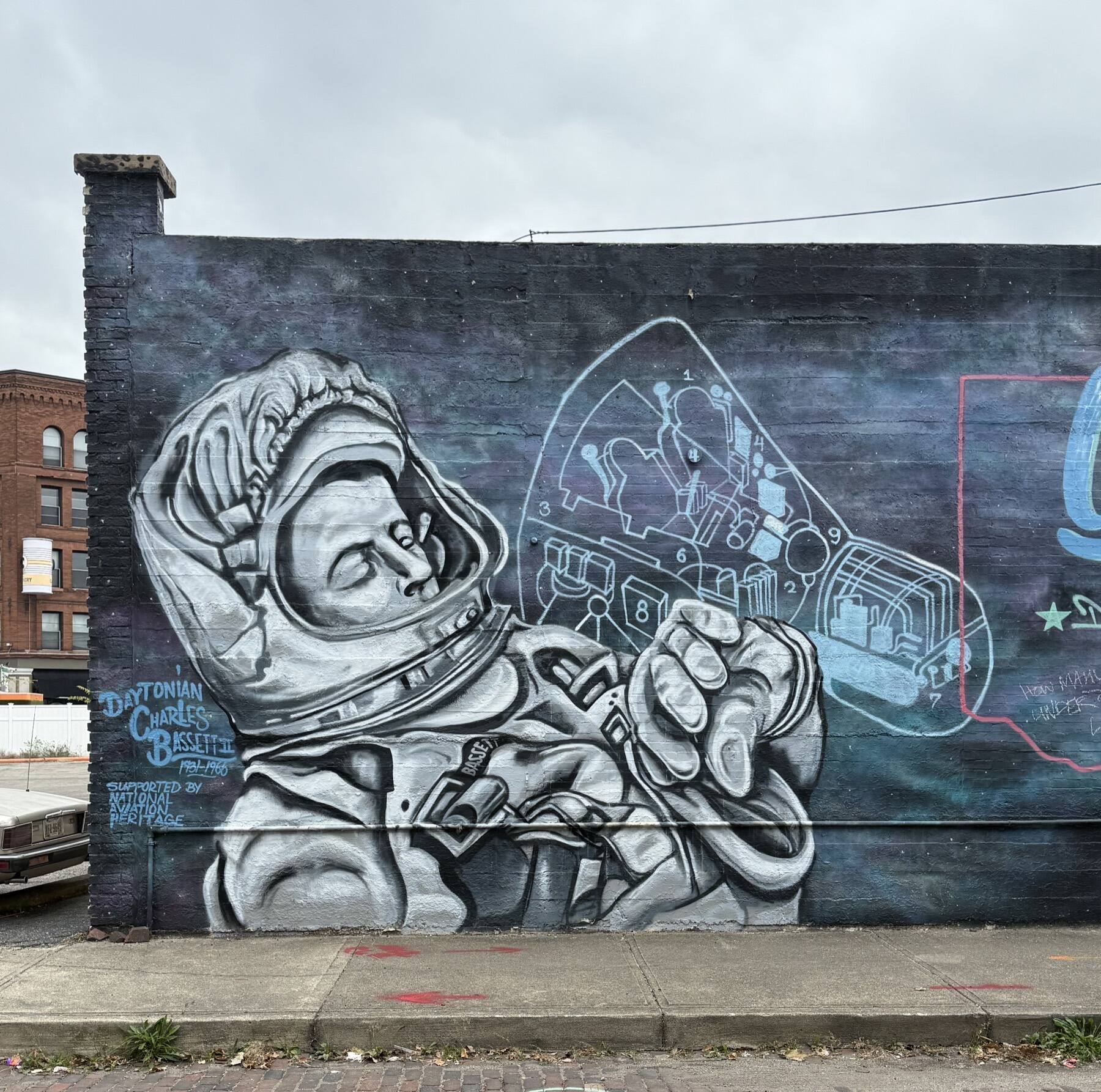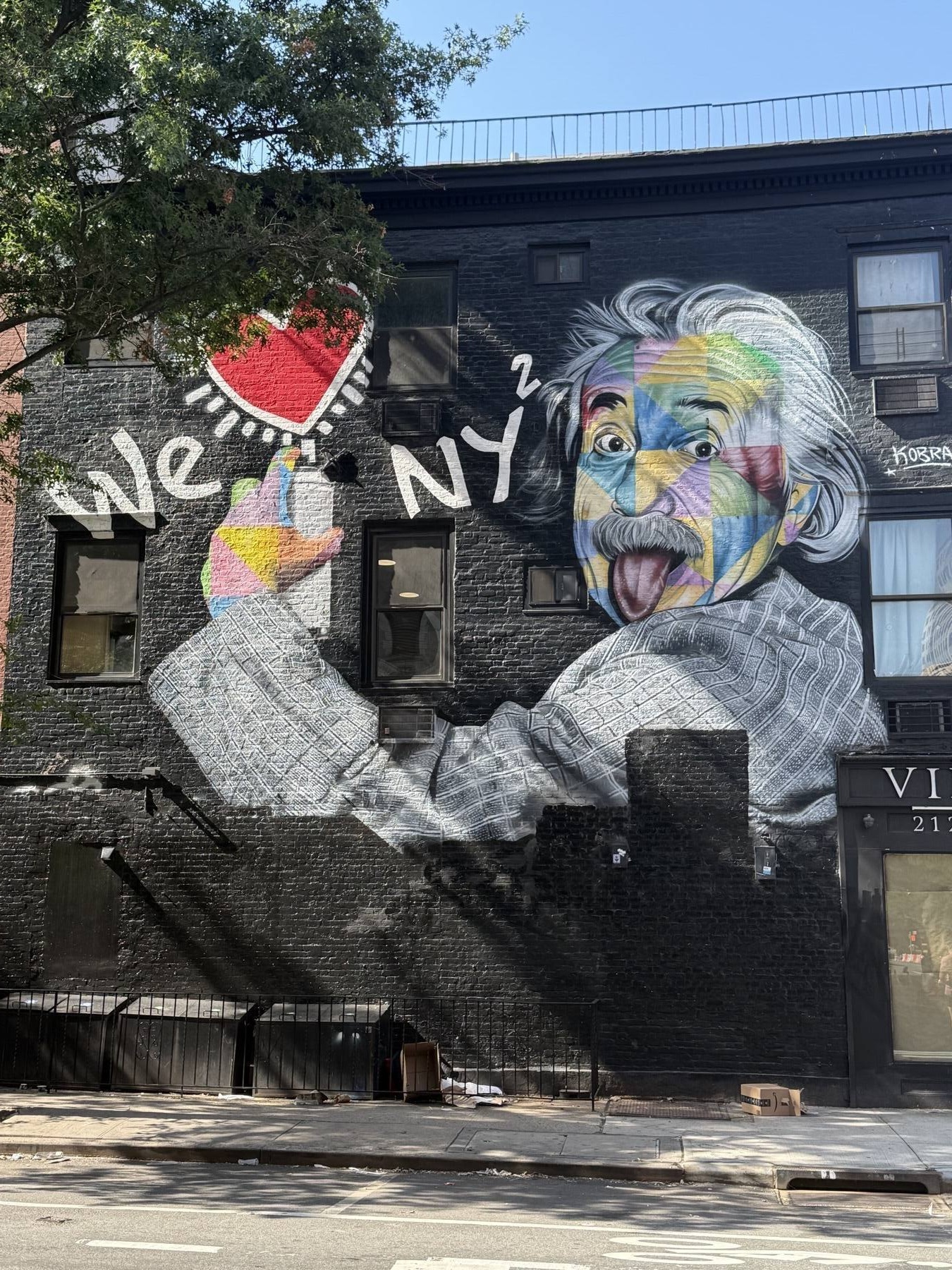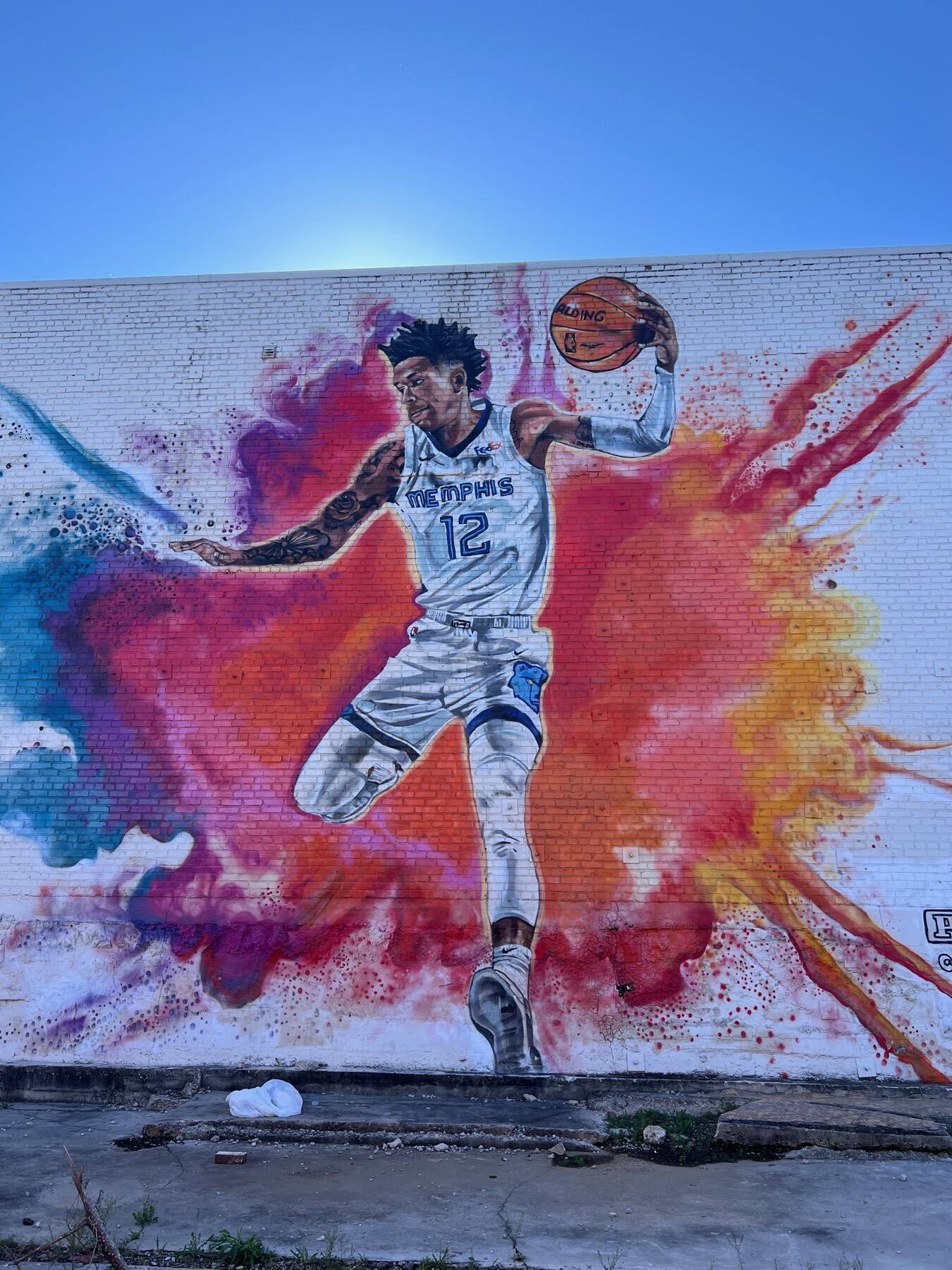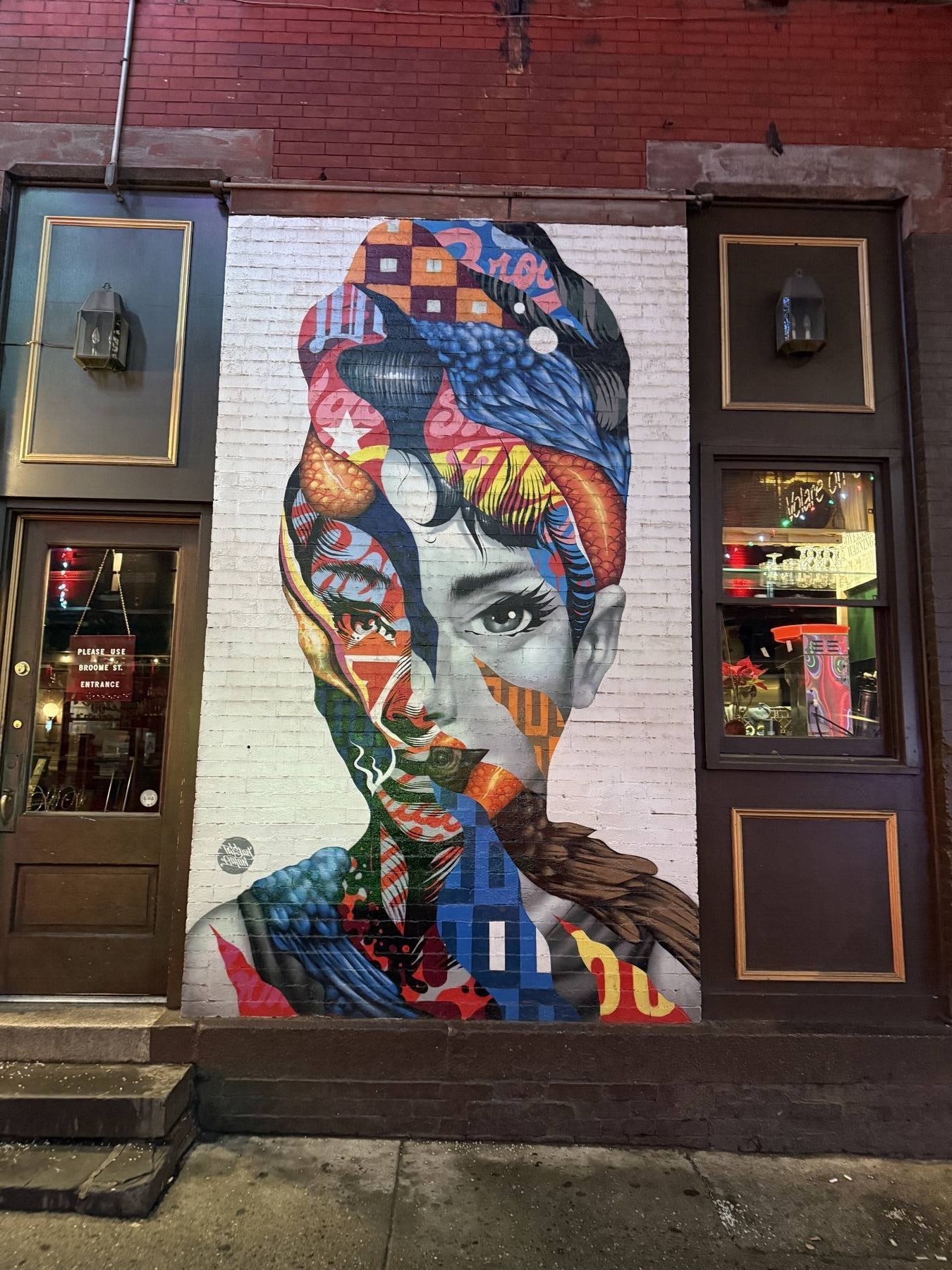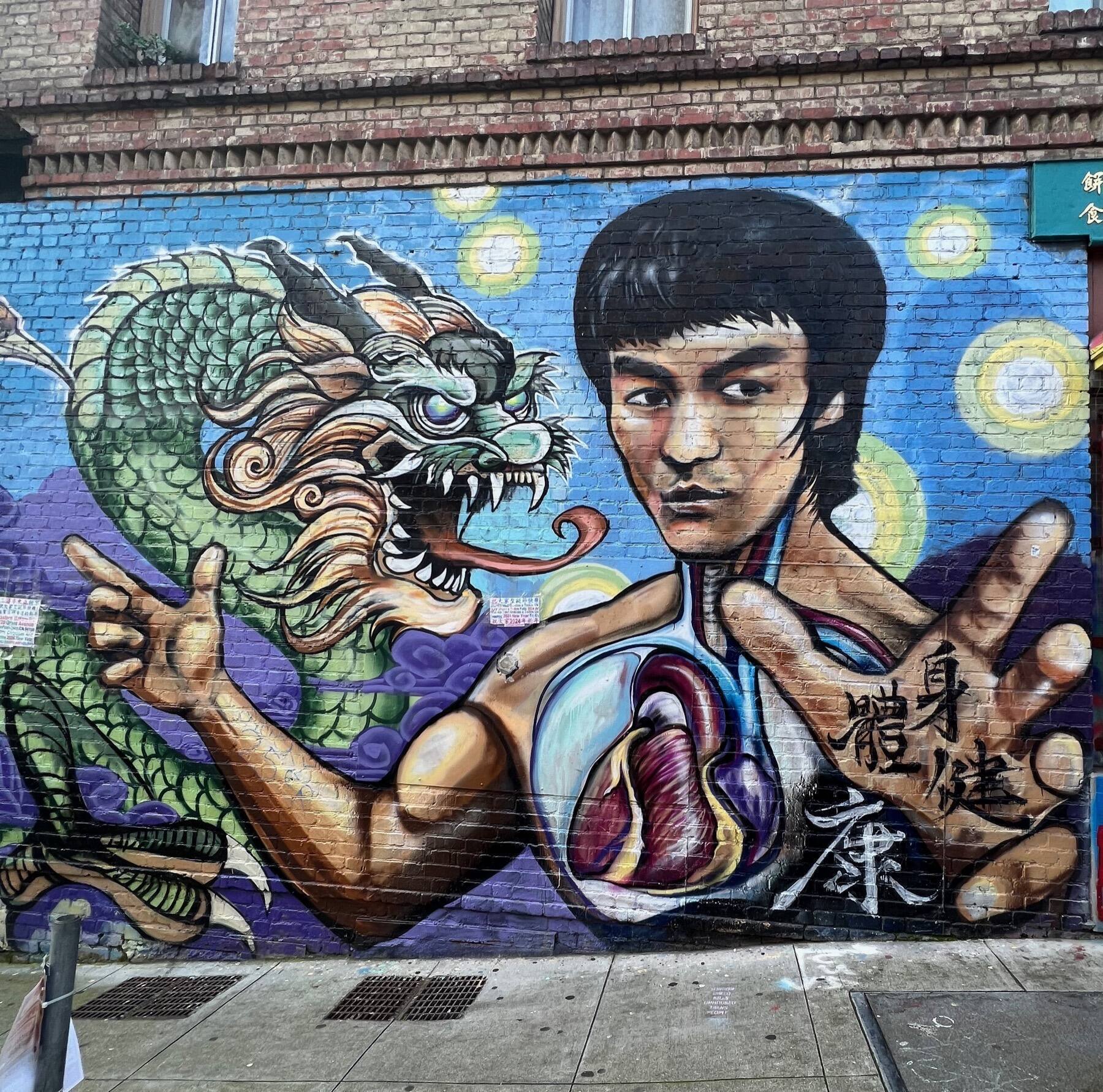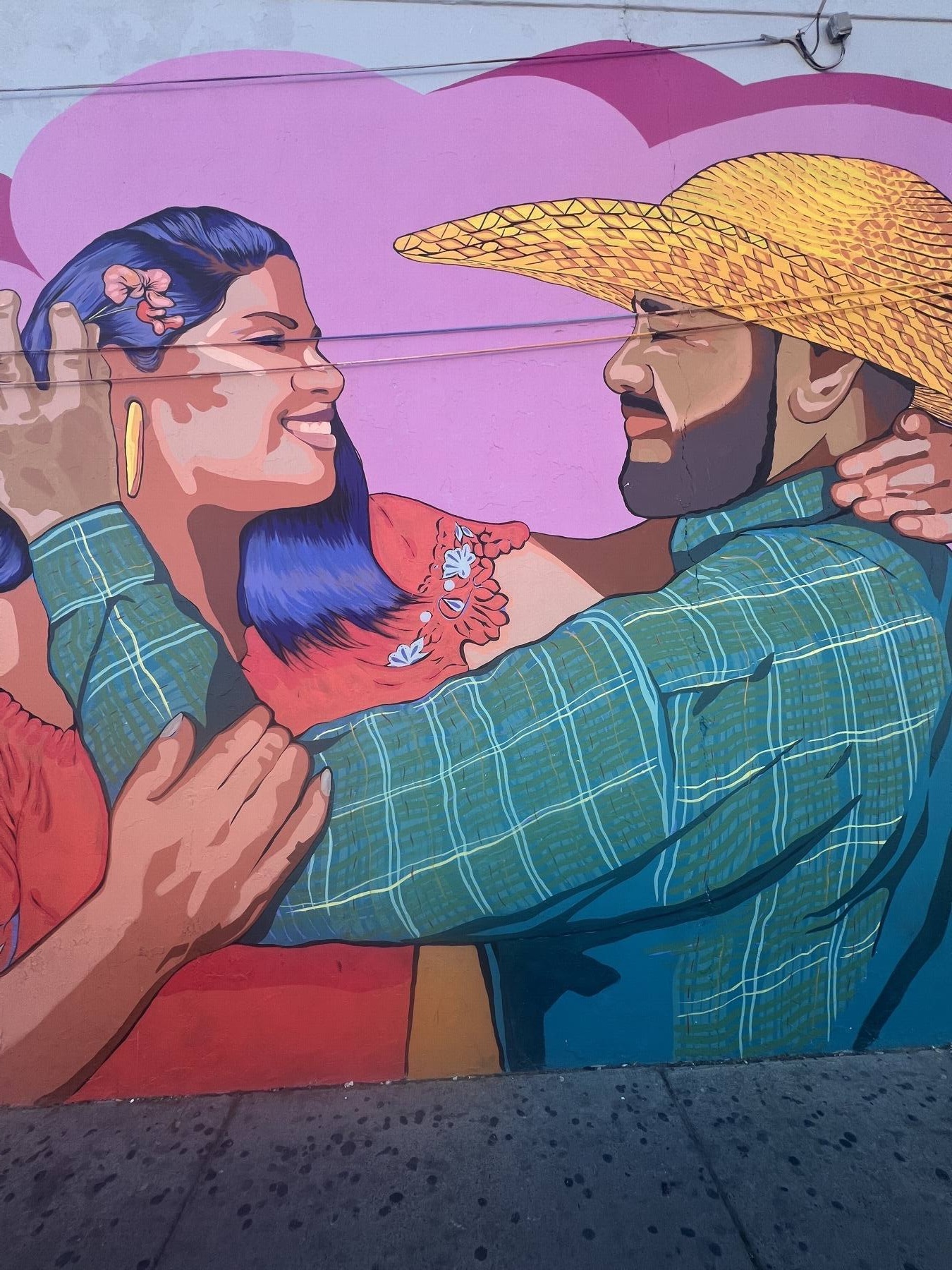
Street art is America's unsanctioned story wall. What we paint on brick and concrete reveals what we celebrate, resist, remember, and refuse to forget. This is not decoration. It's declaration.
I've been drawn to it from the beginning -- not to the galleries, but to the alleys. The murals you find by turning down a side street, or stumbling into a gravel lot, or rounding a corner you almost didn't take. A city's mood isn't in its brochures. It's on its walls.
I started looking for them intentionally. And the more I looked, the more I understood what I was actually doing: documenting the ways communities claim identity in a country that keeps asking them to prove it.
In the blur of the American road, these murals act as oversized signatures -- visual anchors in a landscape that often feels increasingly homogenized. Rendered in bold, defiant colors, they reclaim a local narrative from the static that surrounds us. They welcome you, but they also serve as a reminder: You are stepping into a geography shaped by a specific history, a collective memory, and a refusal to be overlooked.
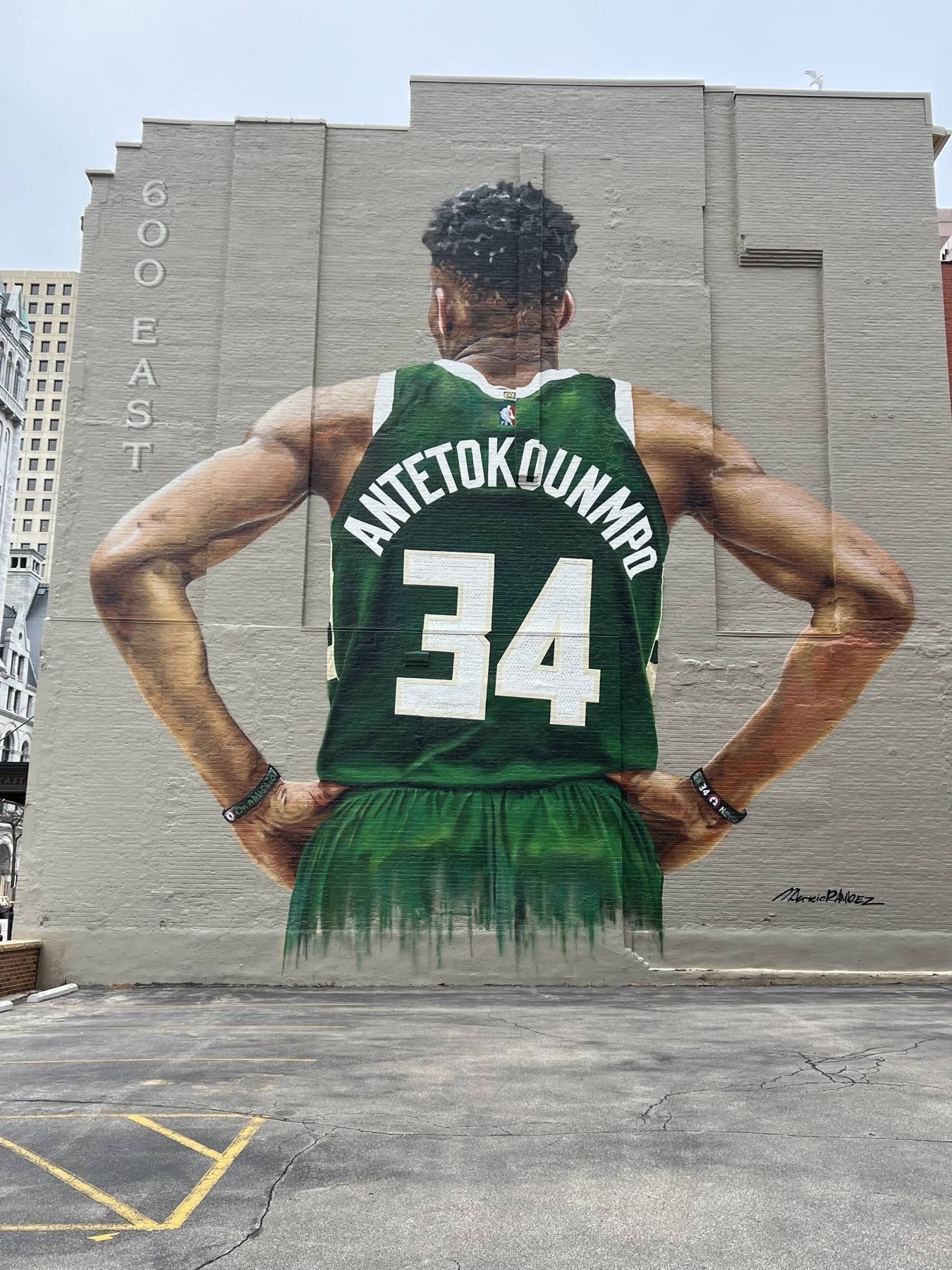
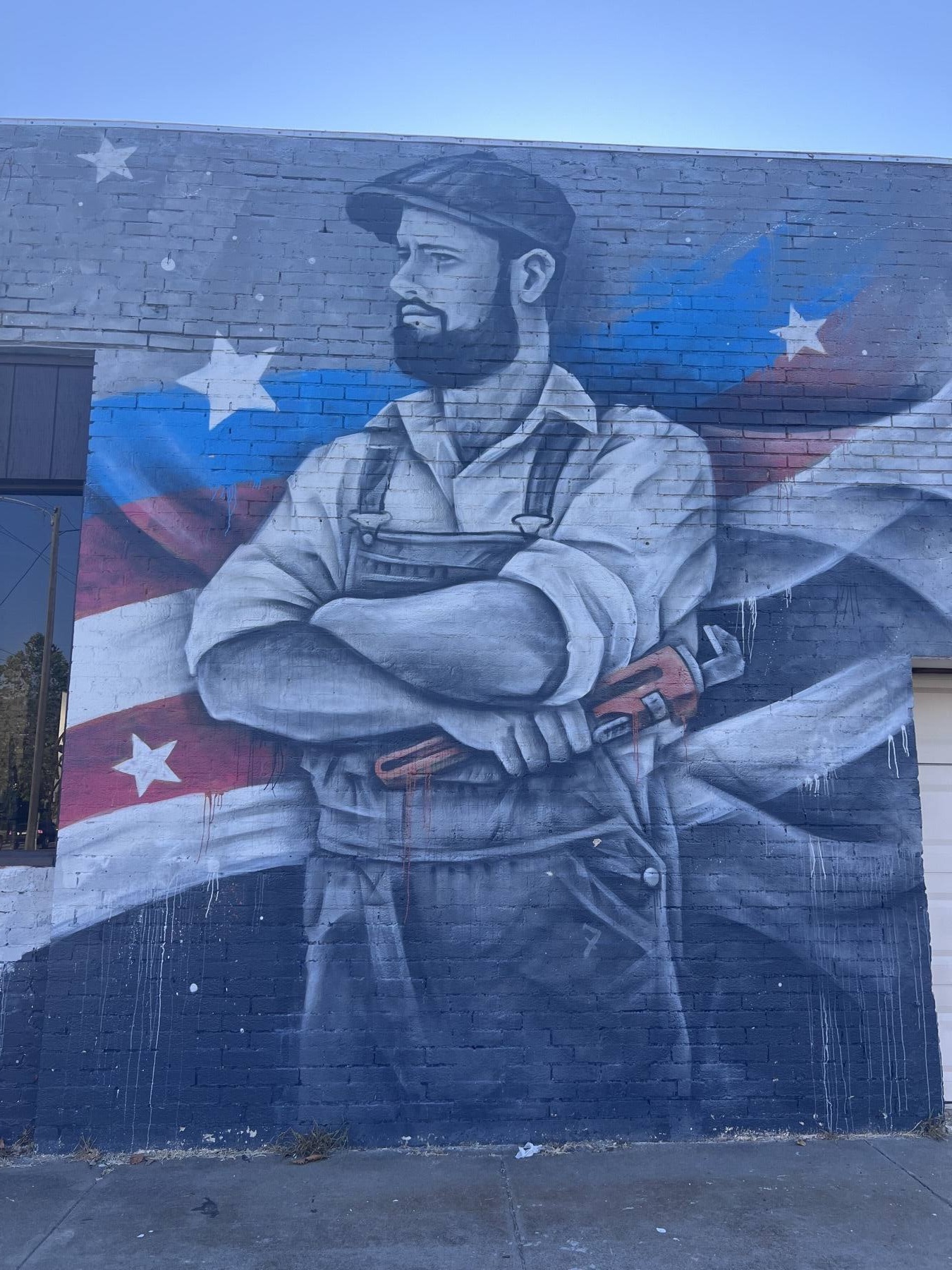
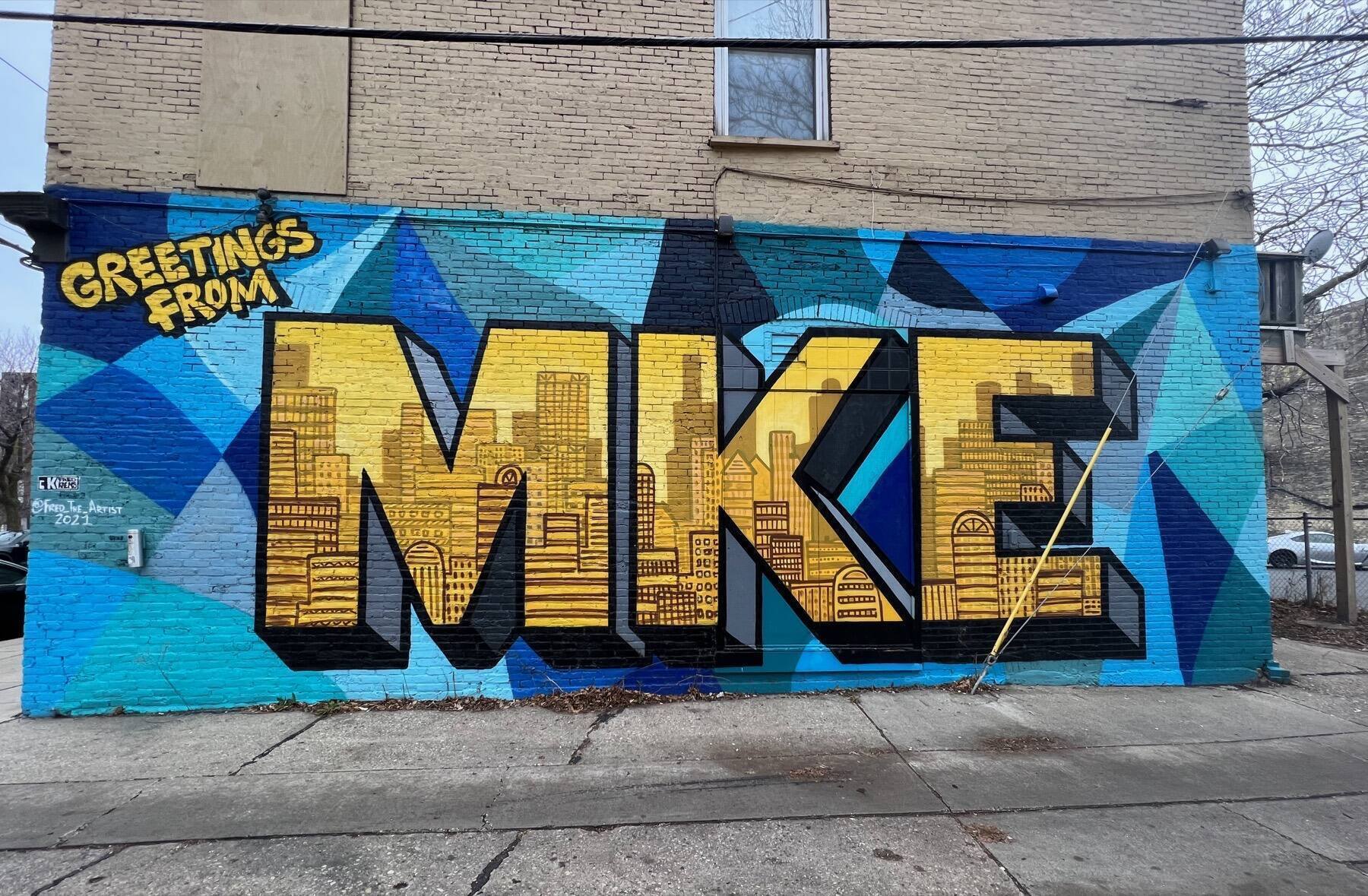
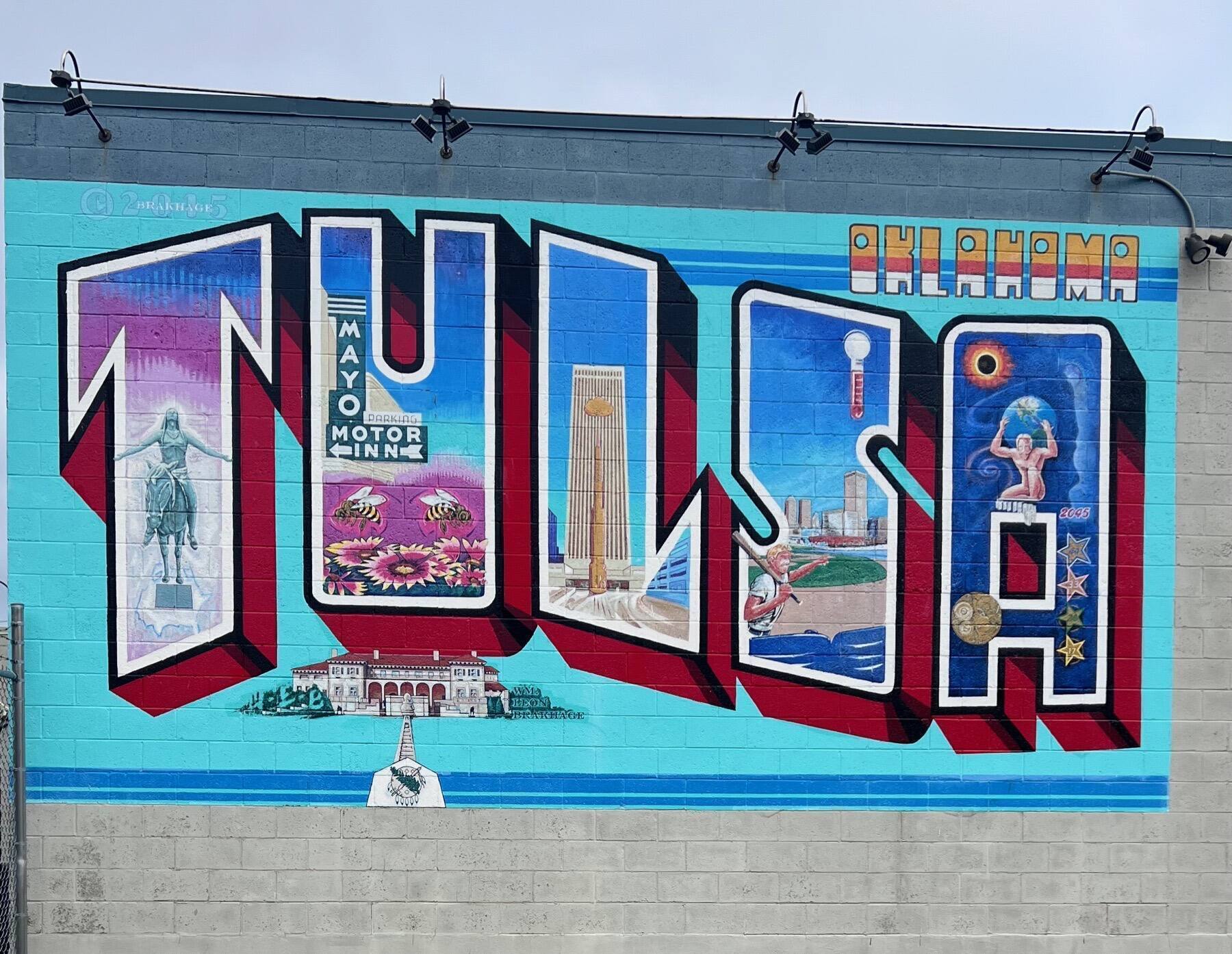
The first one I stumbled upon was in Milwaukee on W. Florida Street. From there, I was hooked. Intentionally looking for opportunities wherever I went. Sometimes I was the only one taking the photo. Other times, like in Austin, I patiently waited for my turn. But whether standing alone in a gravel lot in Tulsa or in a crowd of tourists, I realized I wasn't just capturing paint -- I was documenting the ways communities claim identity in a country that keeps asking them to prove it. Pride, place, and proof of presence.
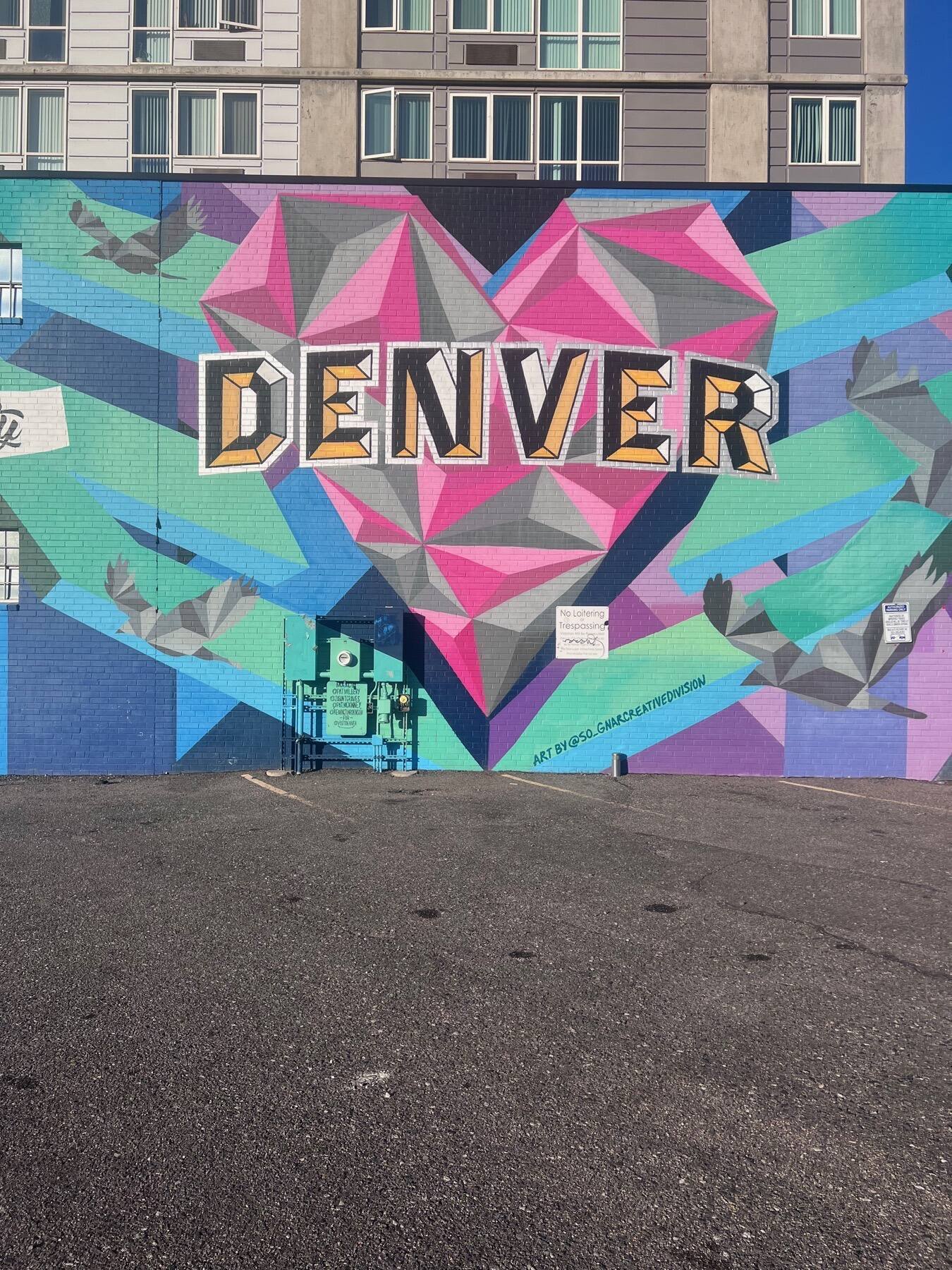
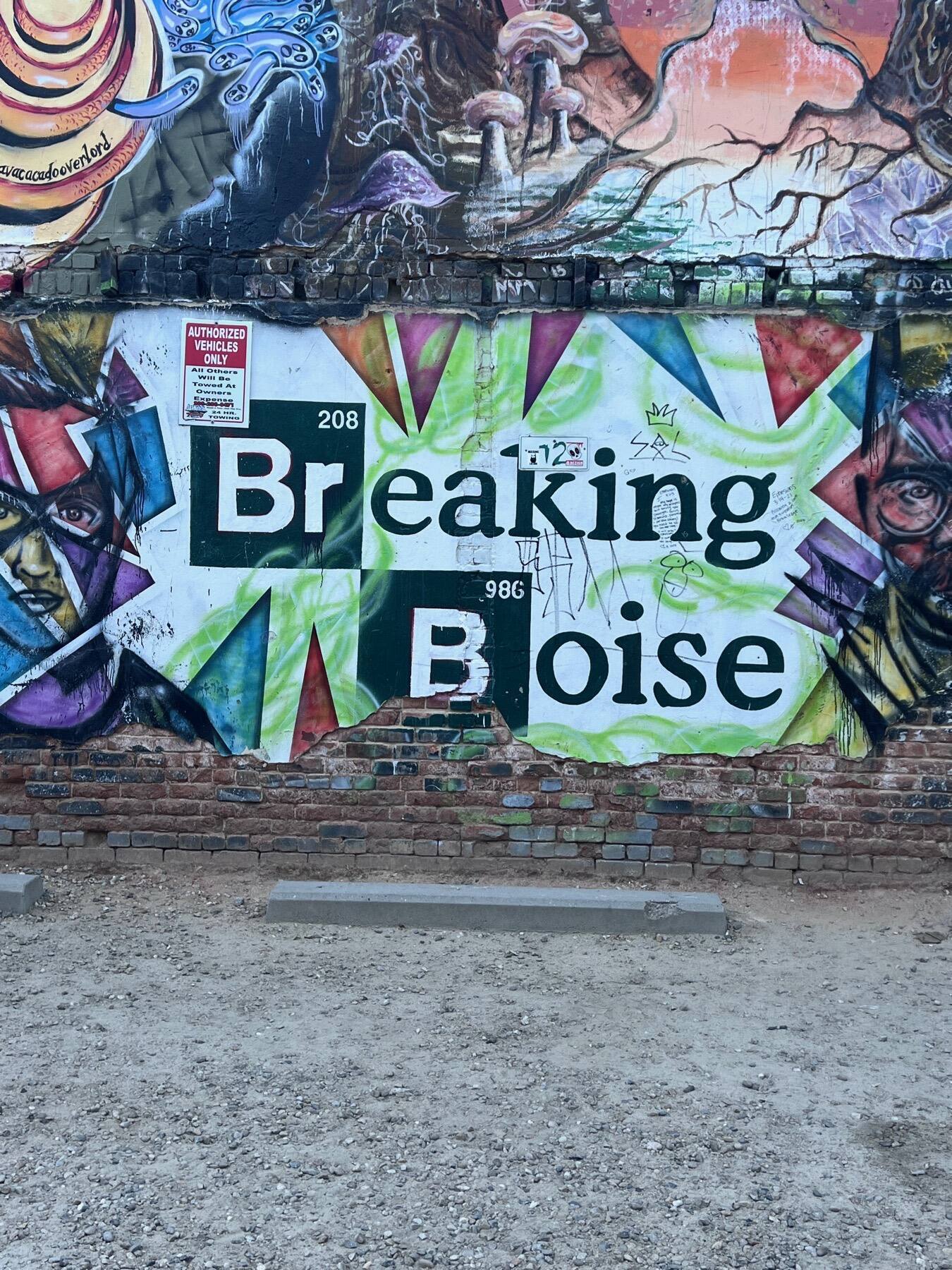
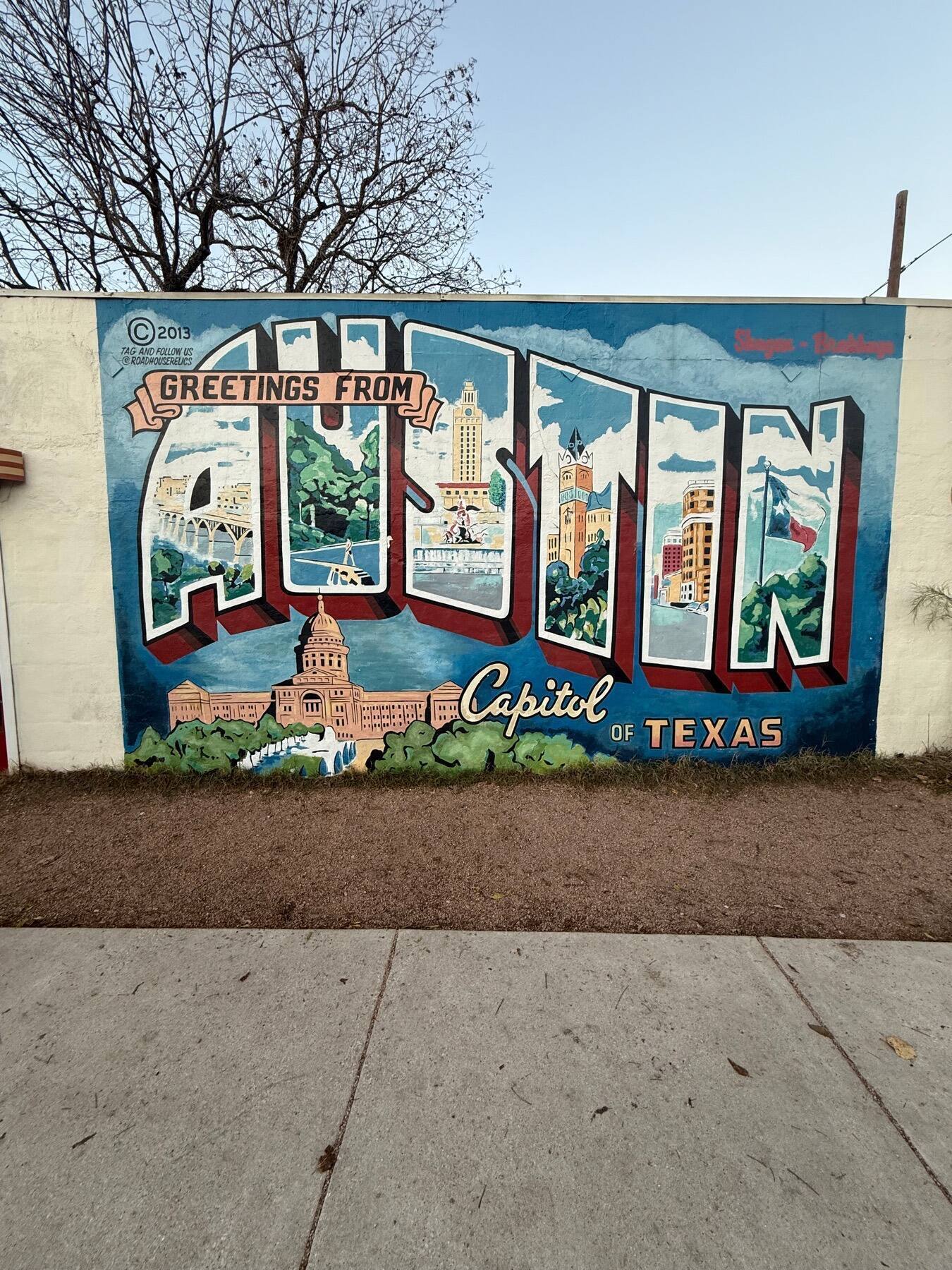
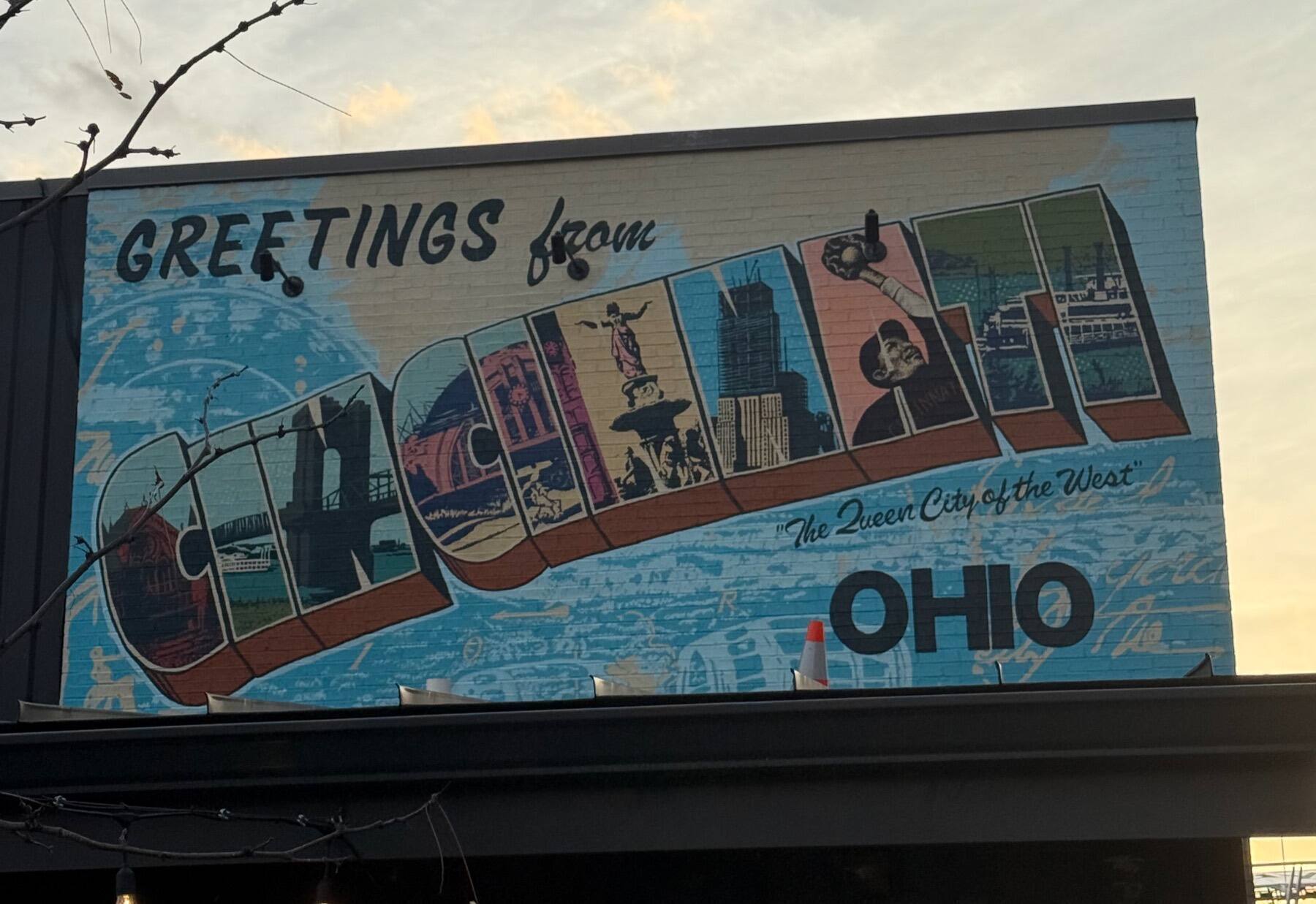
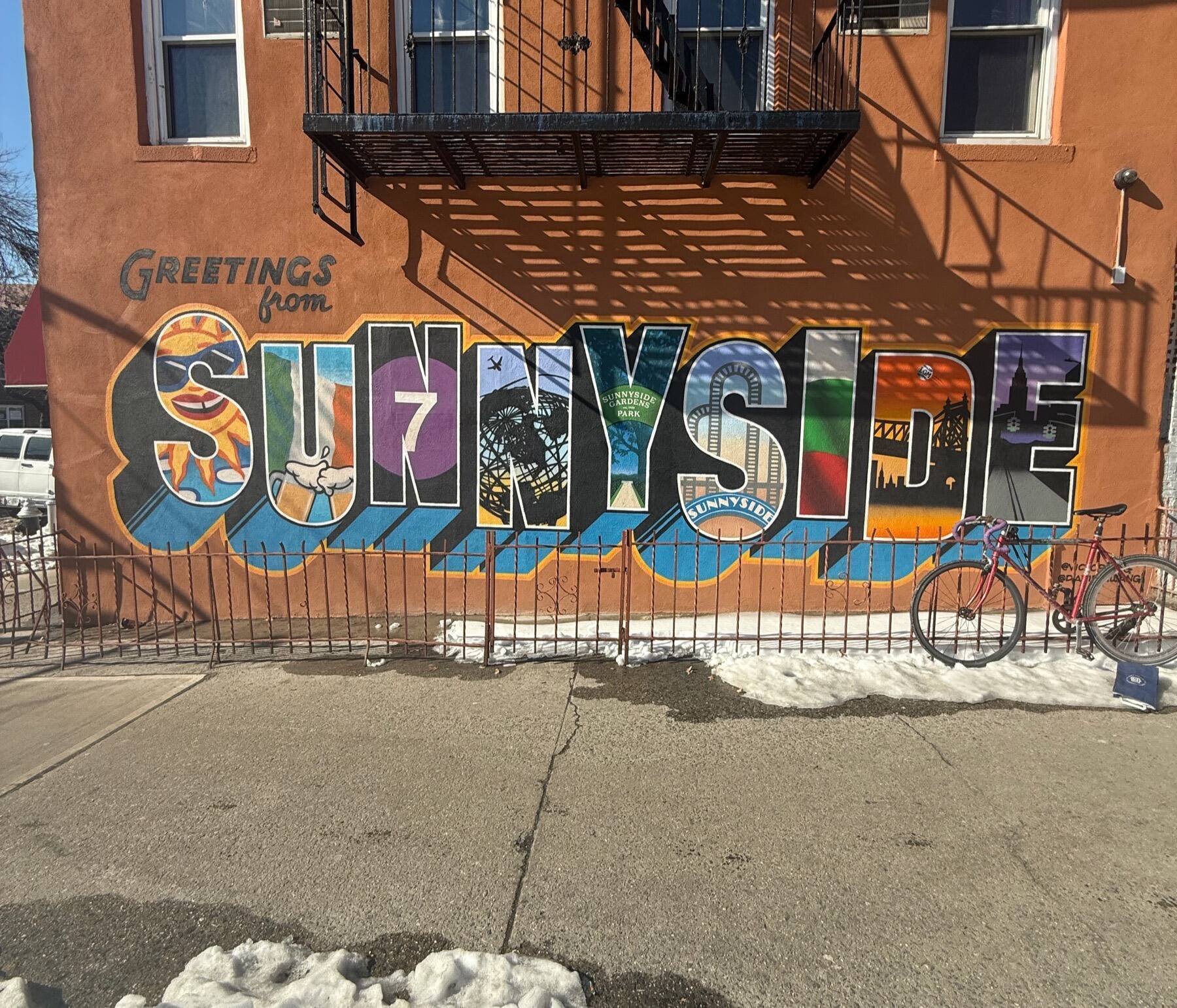
These walls carry more than paint. They carry ancestry. The faces, the symbols, the colors -- all of it passed down, remixed, and raised back up in defiance of erasure.
Standing in front of them, you feel it. This isn't nostalgia. It's lineage made visible. Pride that doesn't ask permission. A truth that stretches further than any border -- and refuses to stay quiet on a side street in Tulsa or a back alley in San Francisco.
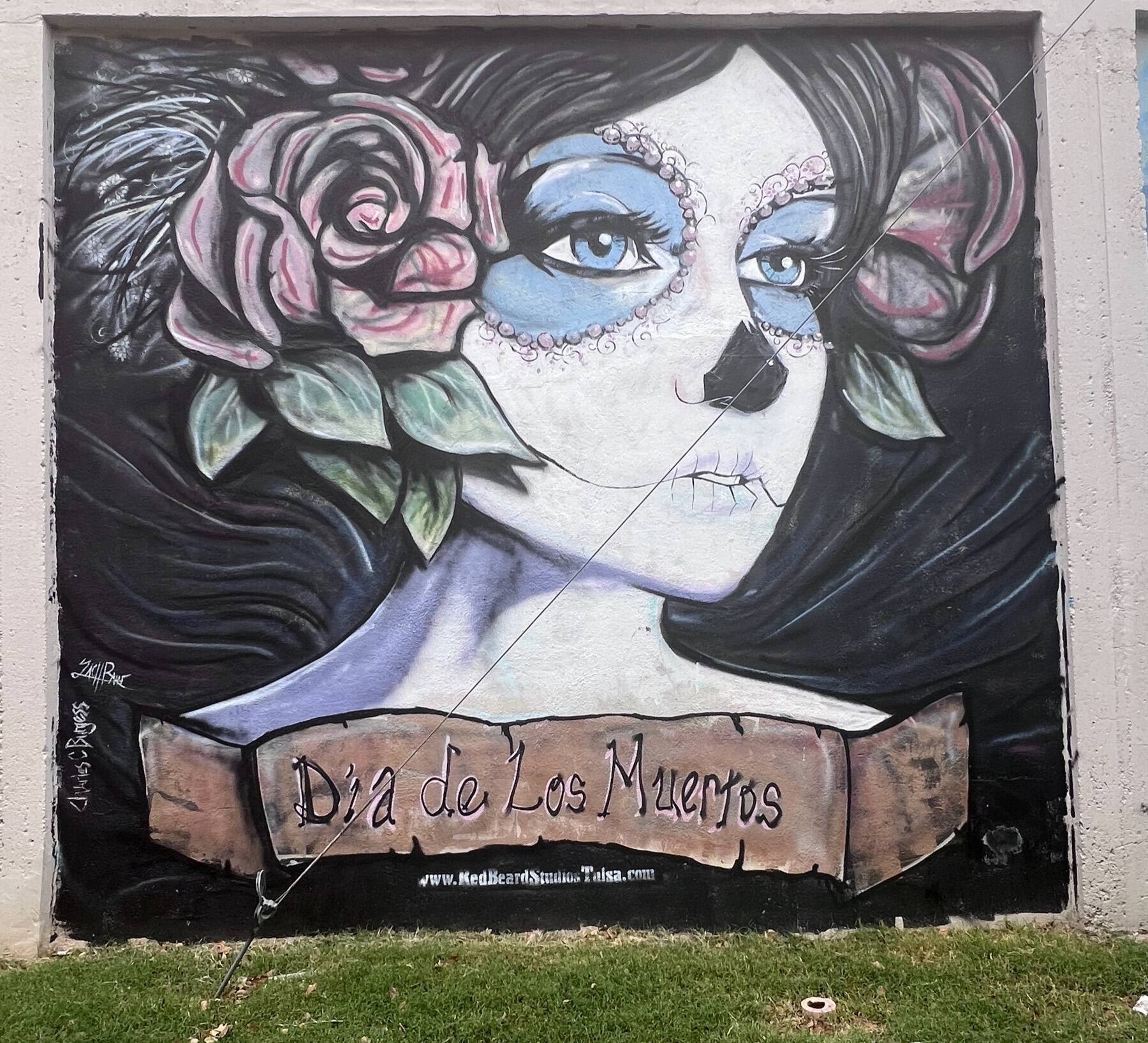
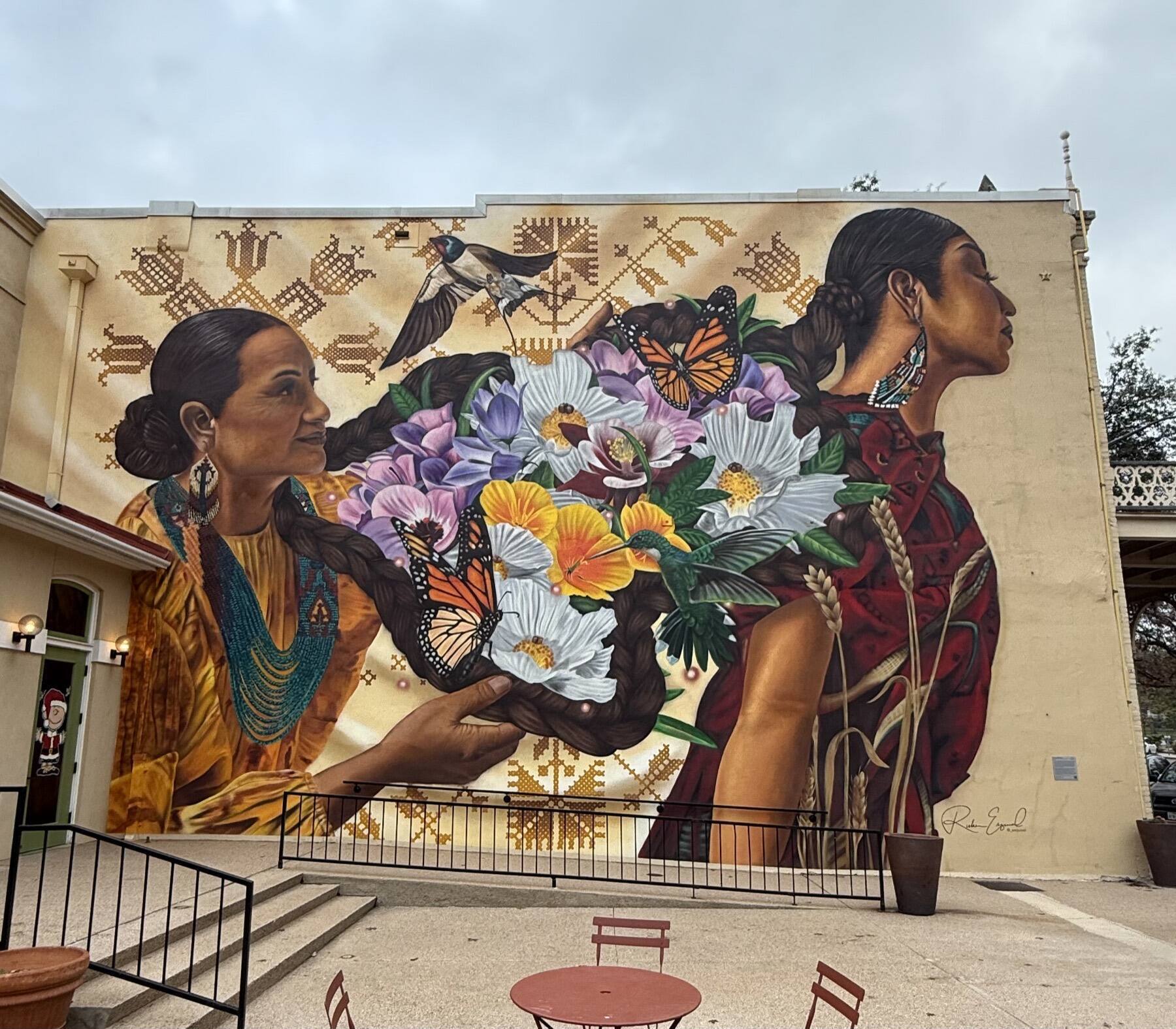
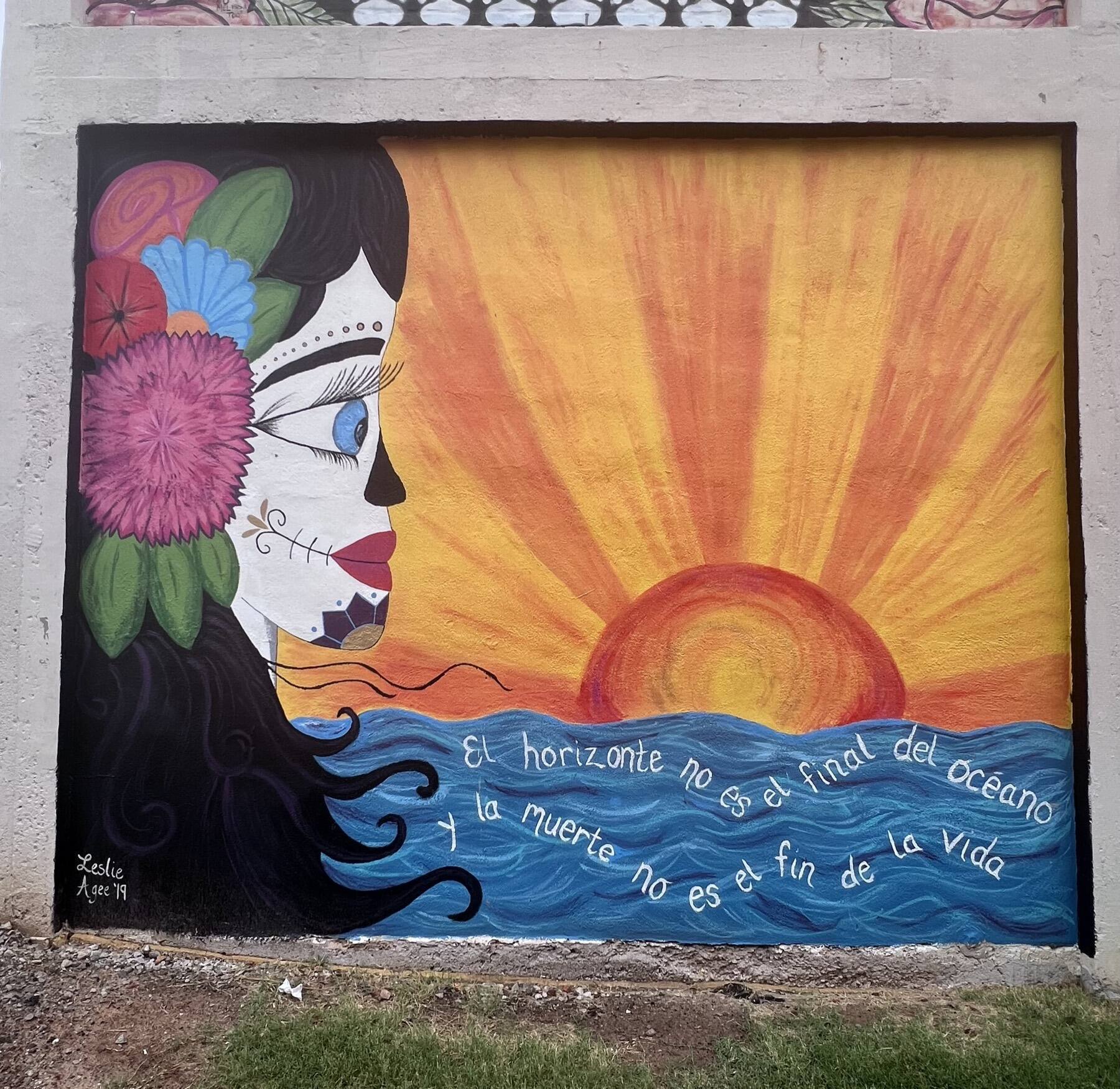
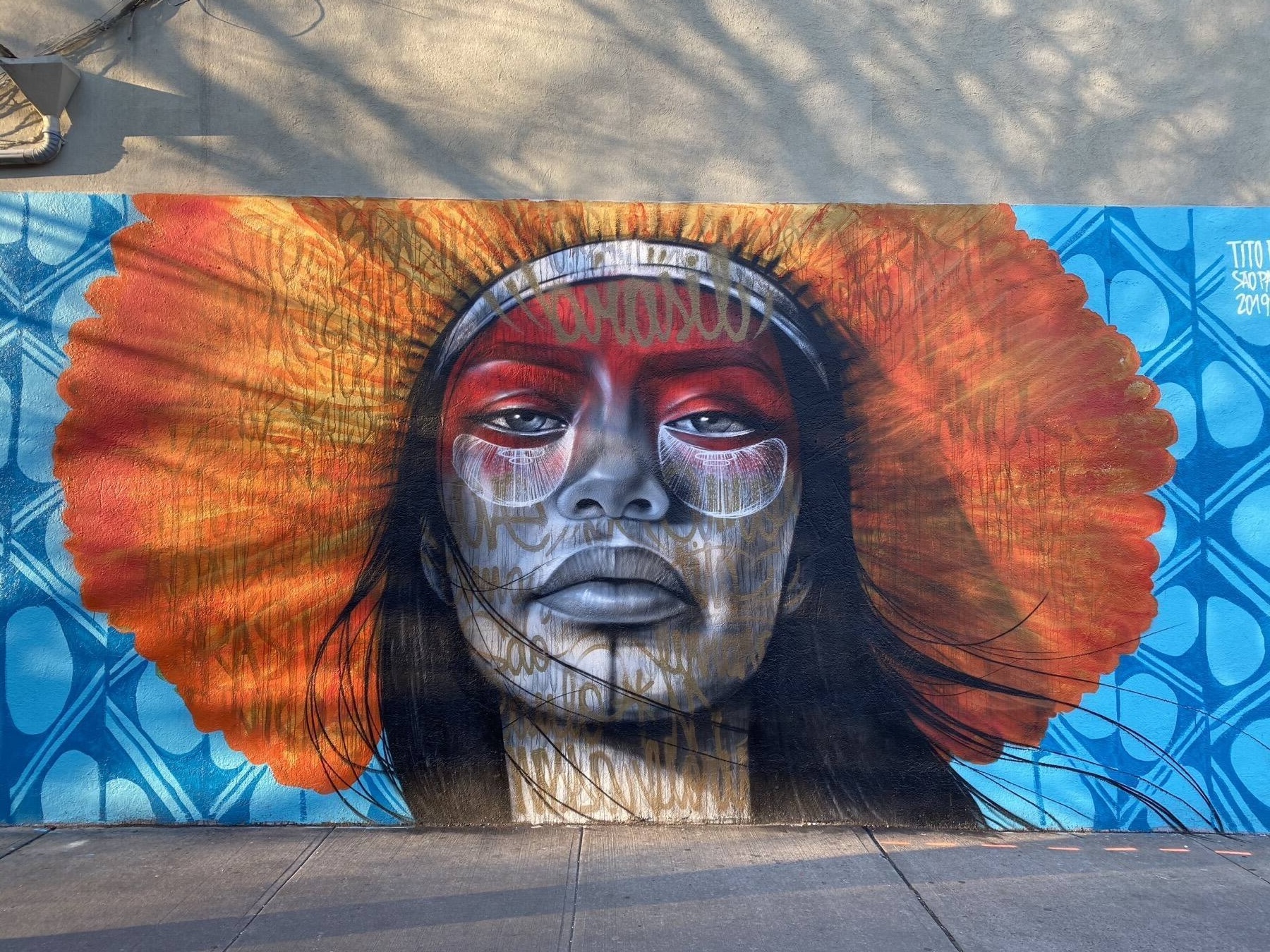
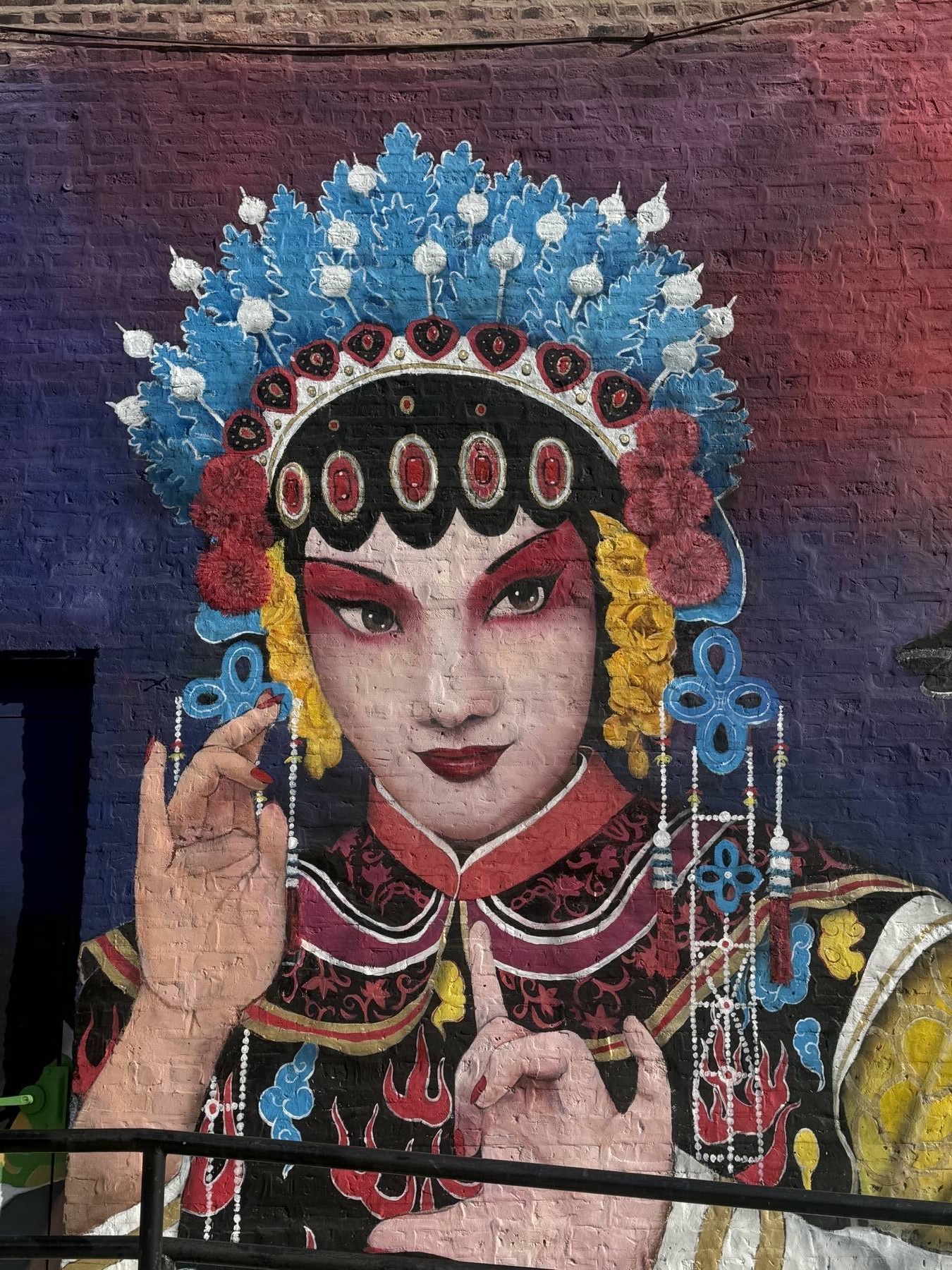
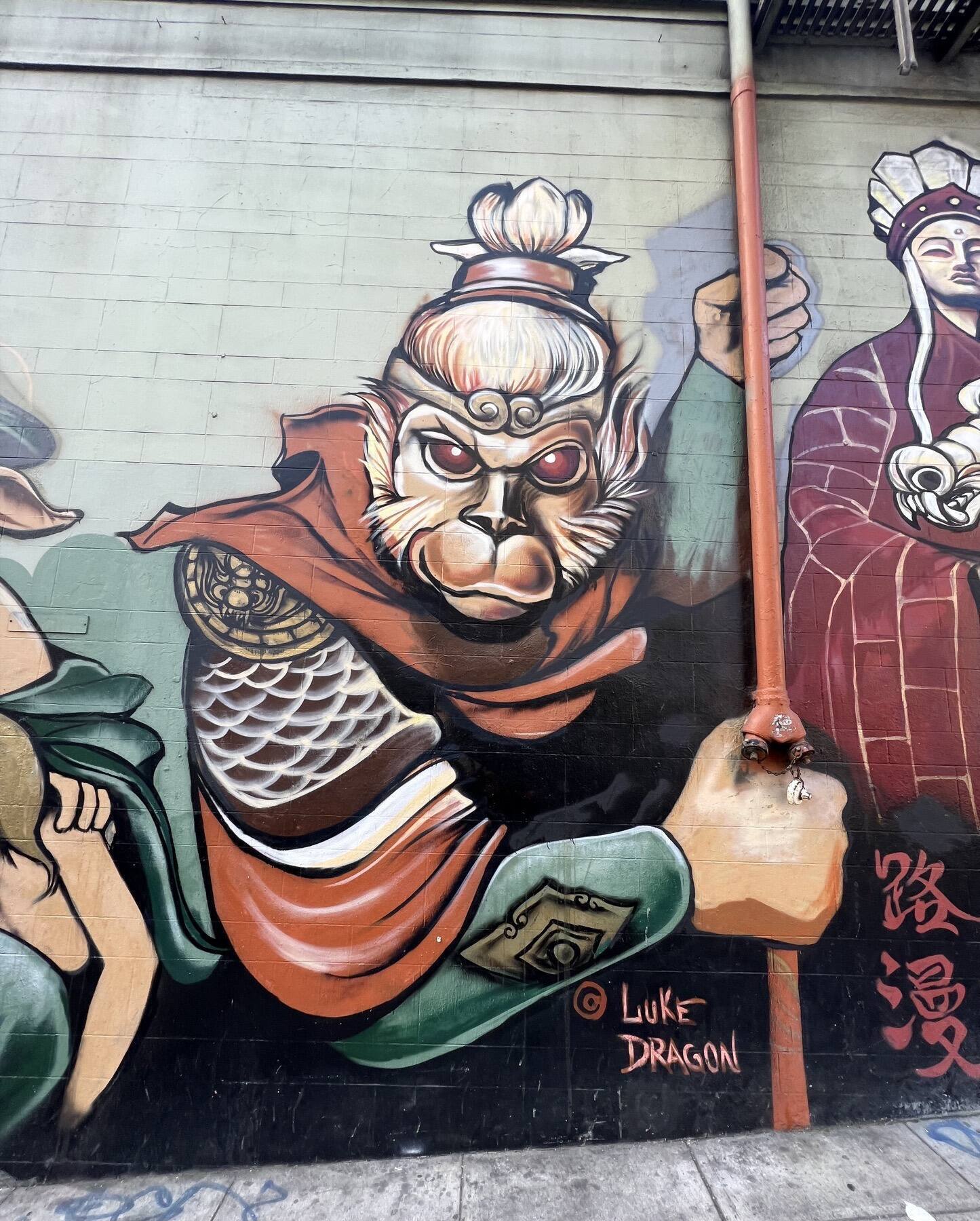
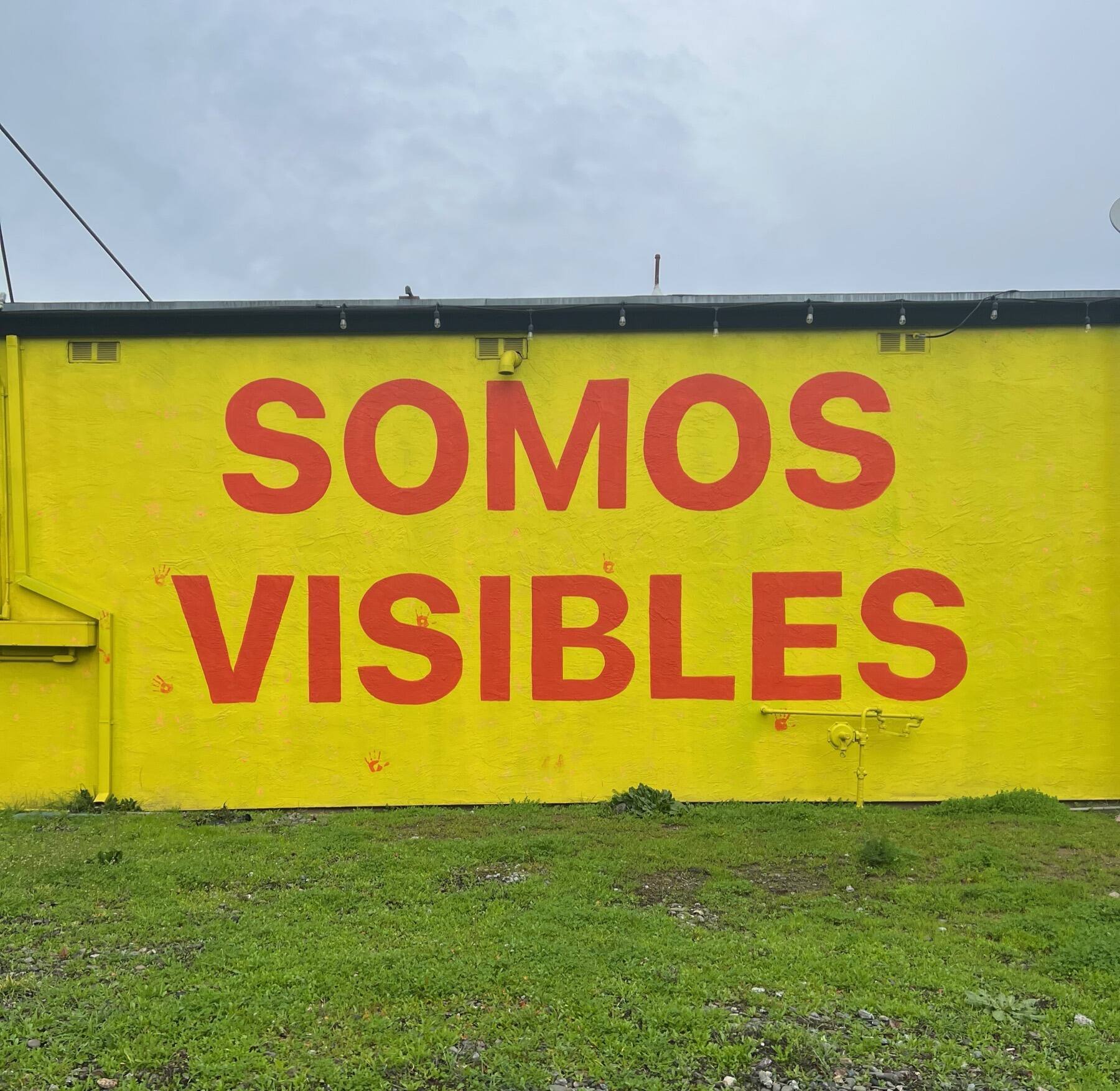
These walls don't whisper; they testify. They don't decorate; they declare. On the backs of buildings, under highways, across forgotten walls, they give color to what America tries to mute. They carry the voices of a restless nation. They are protests and prayers, memorials and megaphones. Some demand justice. Others extend grace. In every brushstroke: memory, resistance, resilience. All of them insist: we are here.
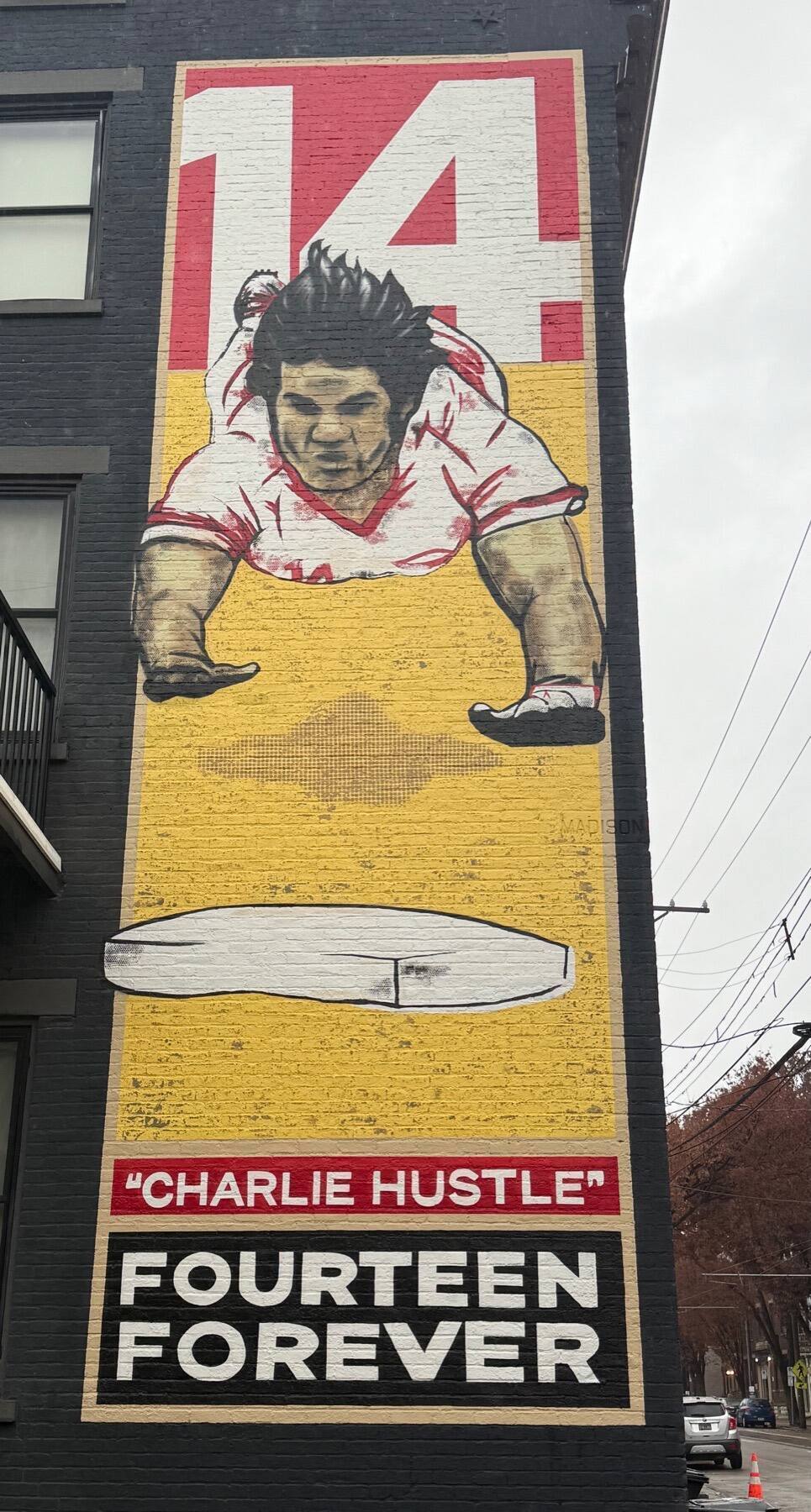
I look for them wherever I go. And once you see them, you can't look away. Whether it was Austin, Cincinnati, Napa, Richmond, or Tulsa, I found myself in front of these walls as if summoned. Each one felt like a dispatch from a nation mid-sentence. You don't just observe them. You stand inside them. And you carry their echo with you.
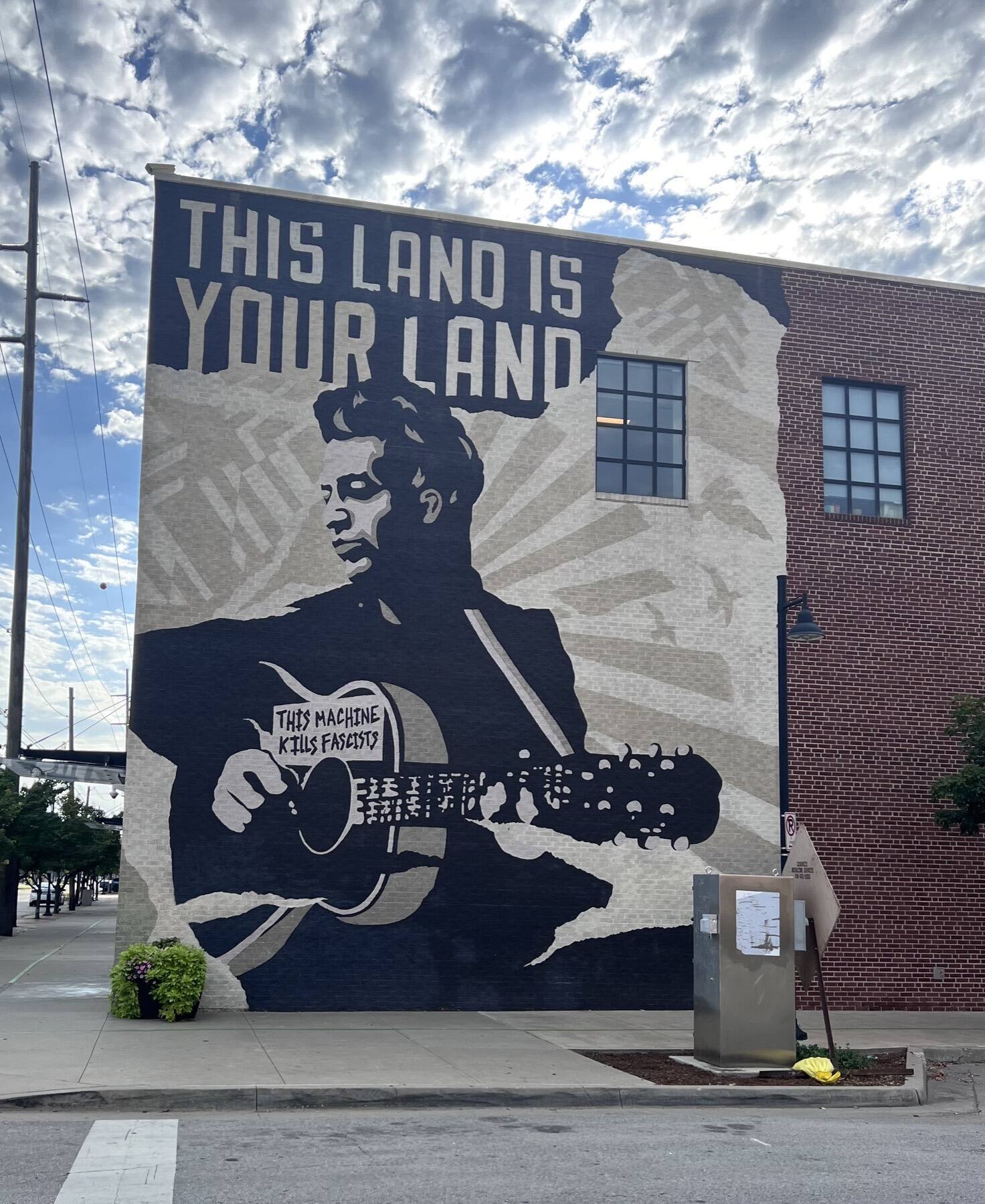
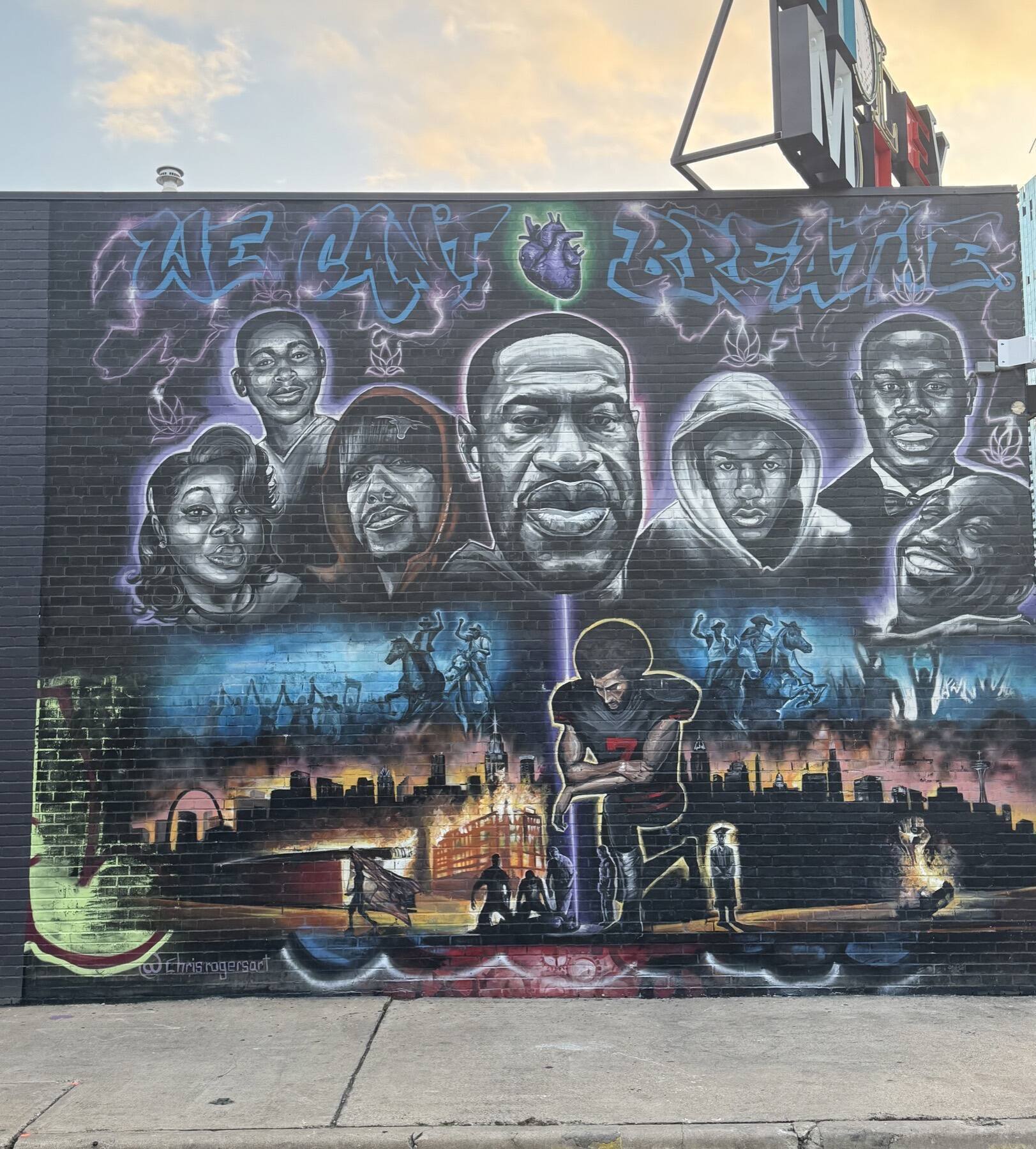
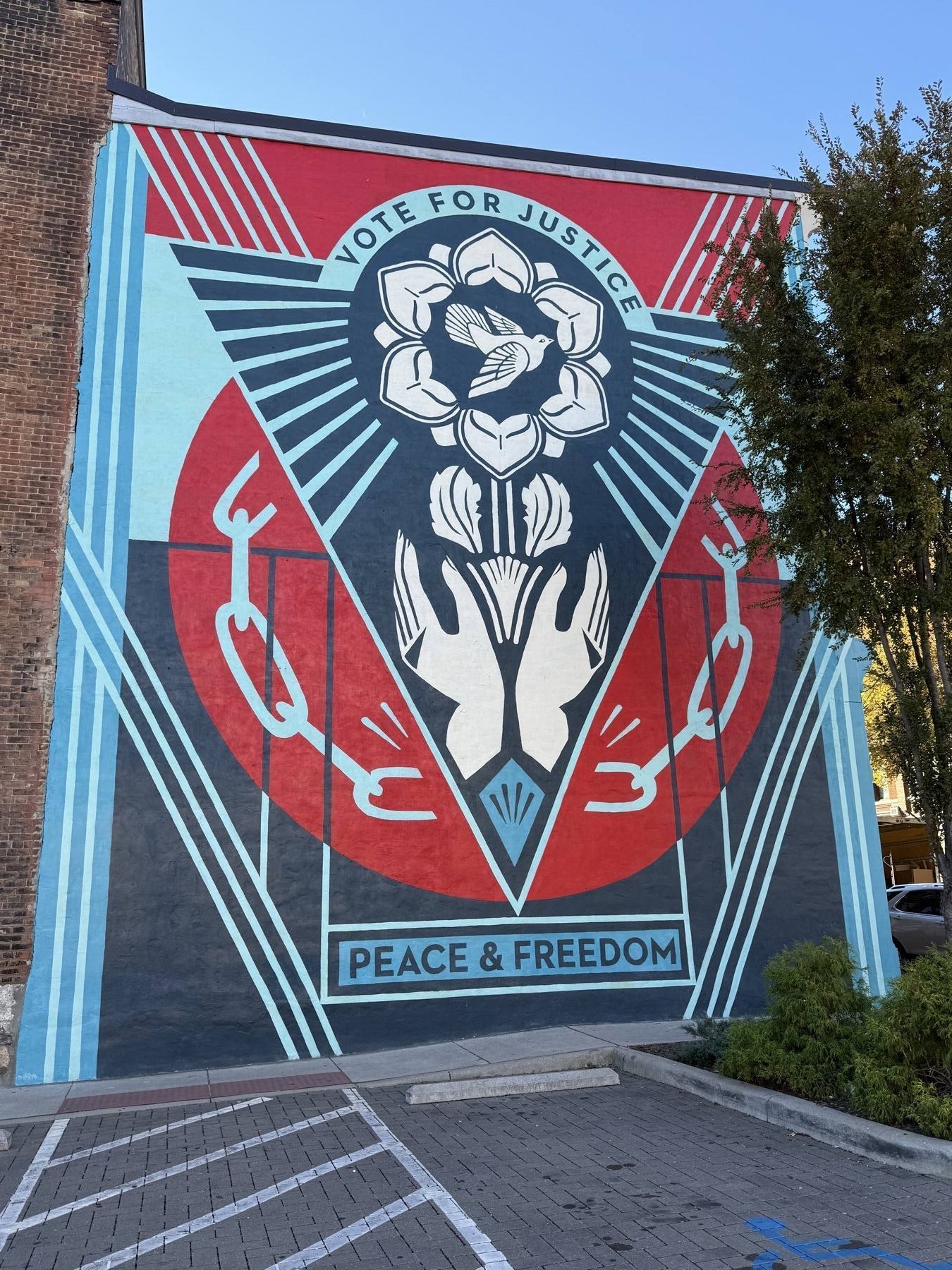
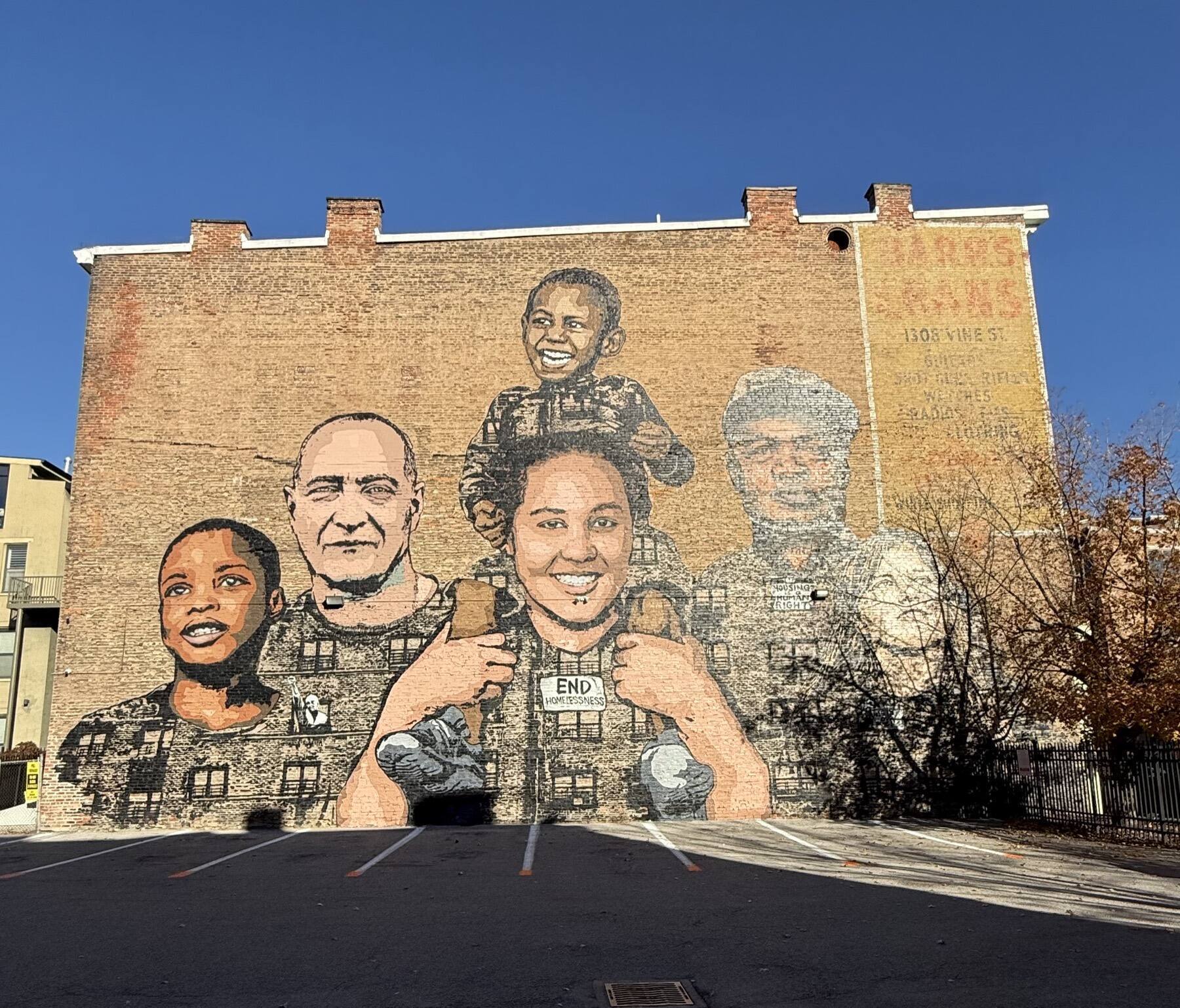
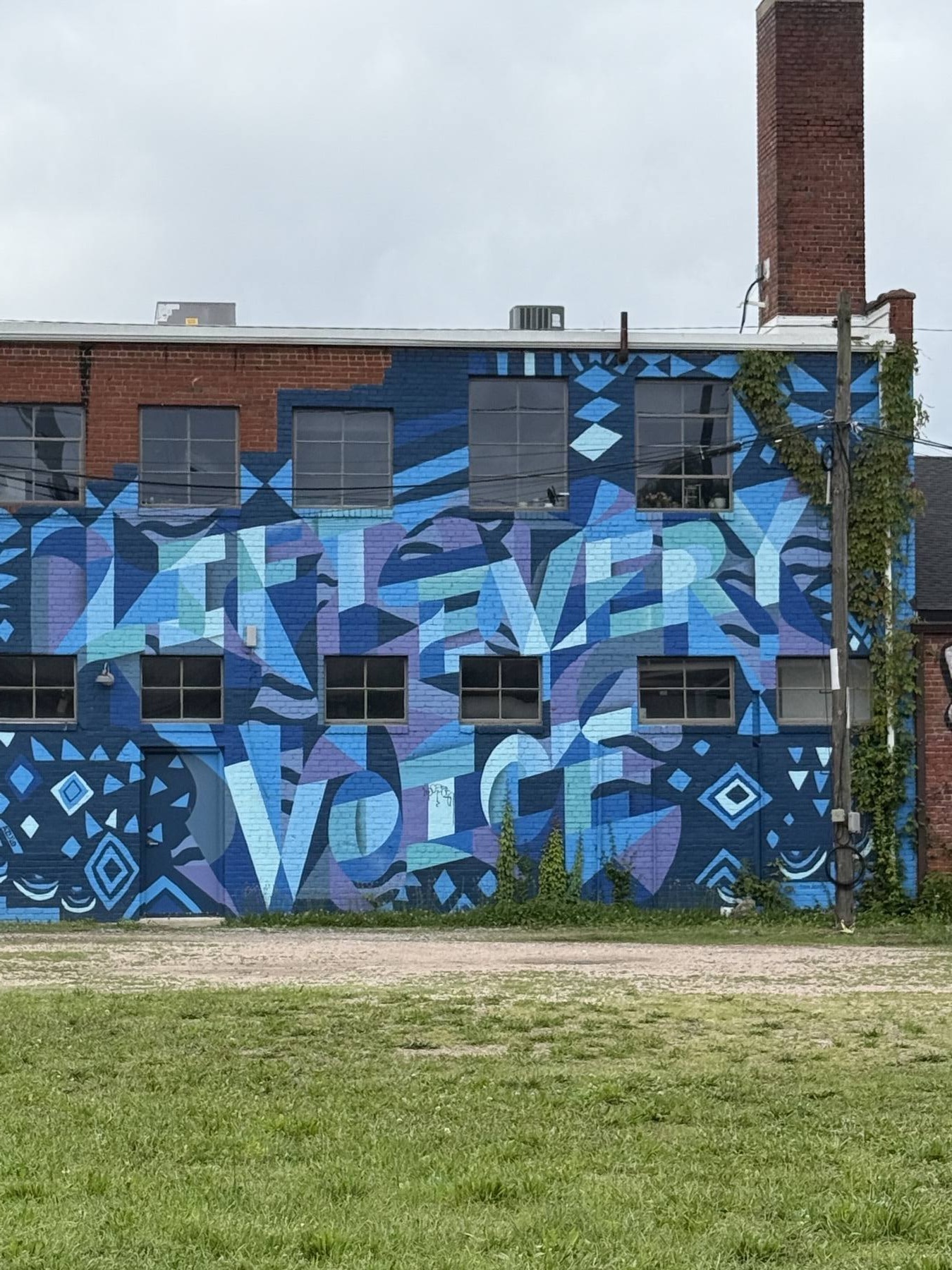
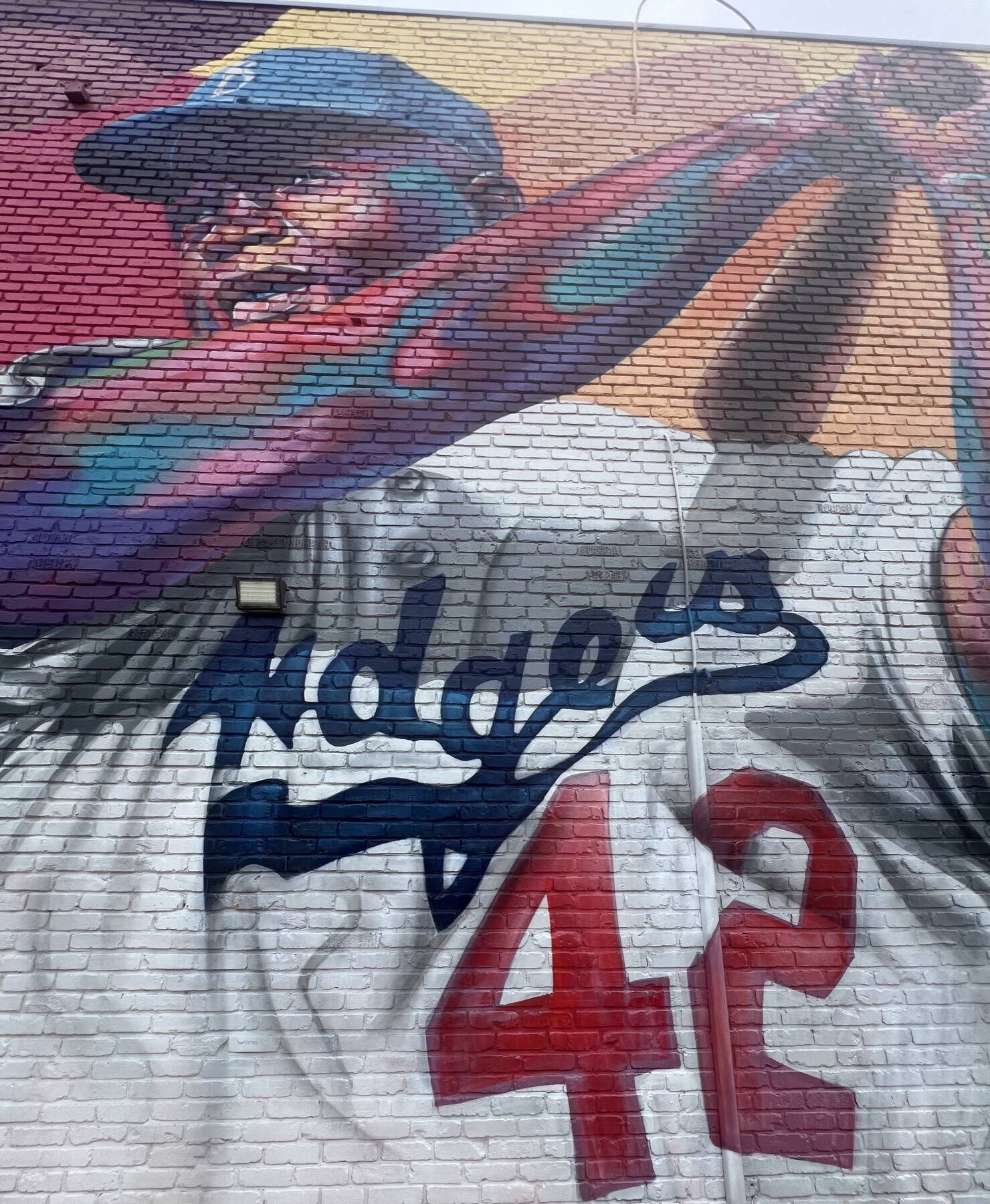
They stare out from brick and concrete with paint still wet on history. Some are legends, others laborers. A few changed the world. Others just made it a little more beautiful. These are the faces that shape our dreams, define our grit, and remind us what's possible.
Not all are American. But all have become part of America's story.
Because who we choose to paint says as much about us as the people we're painting. They track who we long to become, who we still grieve, and who we quietly thank for getting us this far. These aren't just portraits -- they're public devotions. And in a country often too busy to remember, they hold memory still. They live among us, scaled to size, reminding us what brilliance, courage, rebellion, and grace look like when made flesh.
And whether the face is famous or familiar, the message is the same: someone mattered here.