01
Two Countries, One Sky
The border fence runs along a dirt access road at the city's edge, close enough that Juárez resolves into rooftops and water towers -- a city that reads as adjacent, not foreign.
Read note →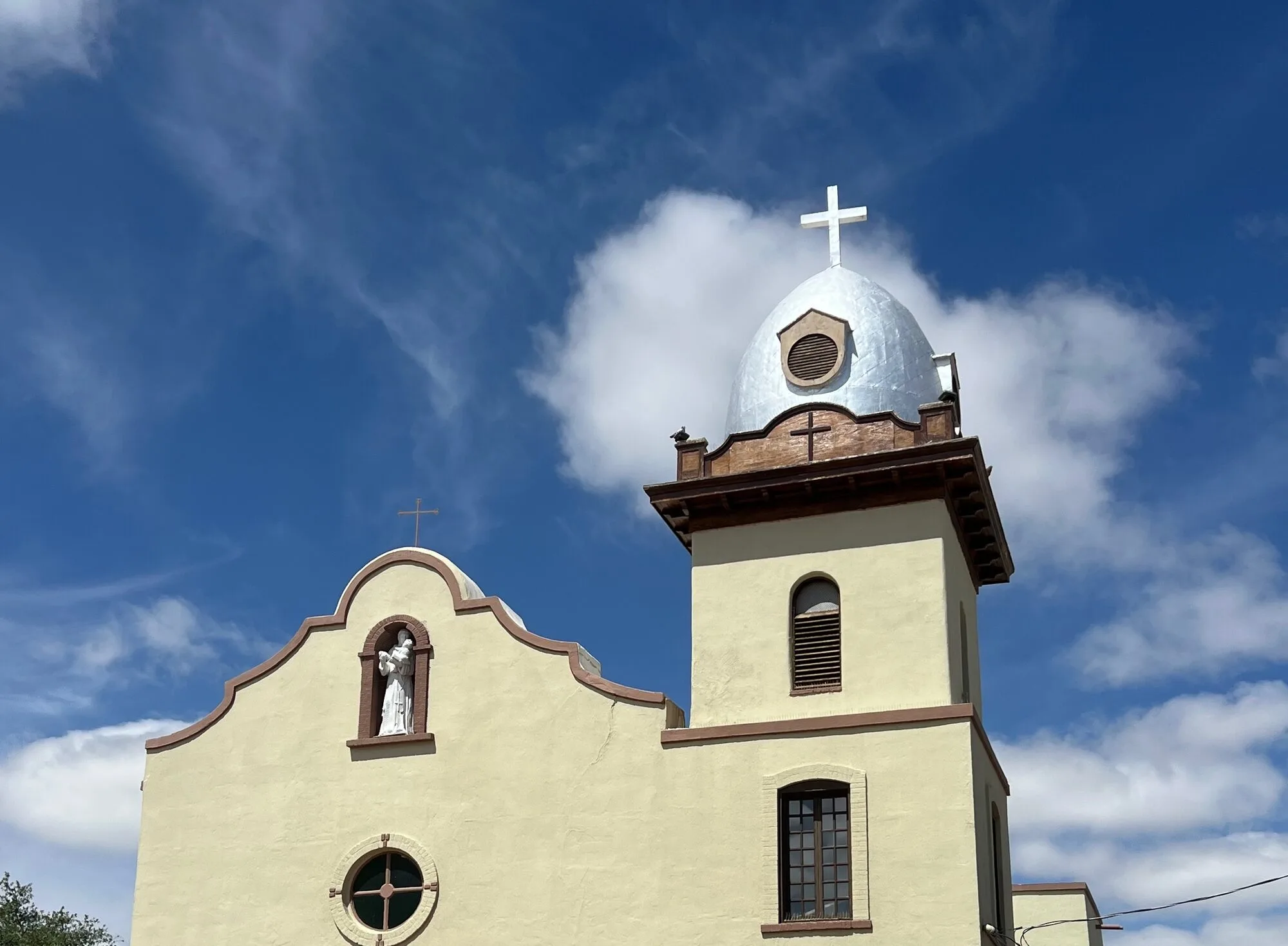
I expected El Paso to be a city defined by a border. Three weeks in, the border explained surprisingly little. Missions predate the line by centuries, murals hold memory better than monuments, and two countries share one sky, one river, and more family than the map admits.
What a hundred-person line outside a hunger relief center reveals about dignity, need, and the distance between security and hardship -- measured in weeks, not miles.
Missions, murals, the border, and the things that sent me down another path.
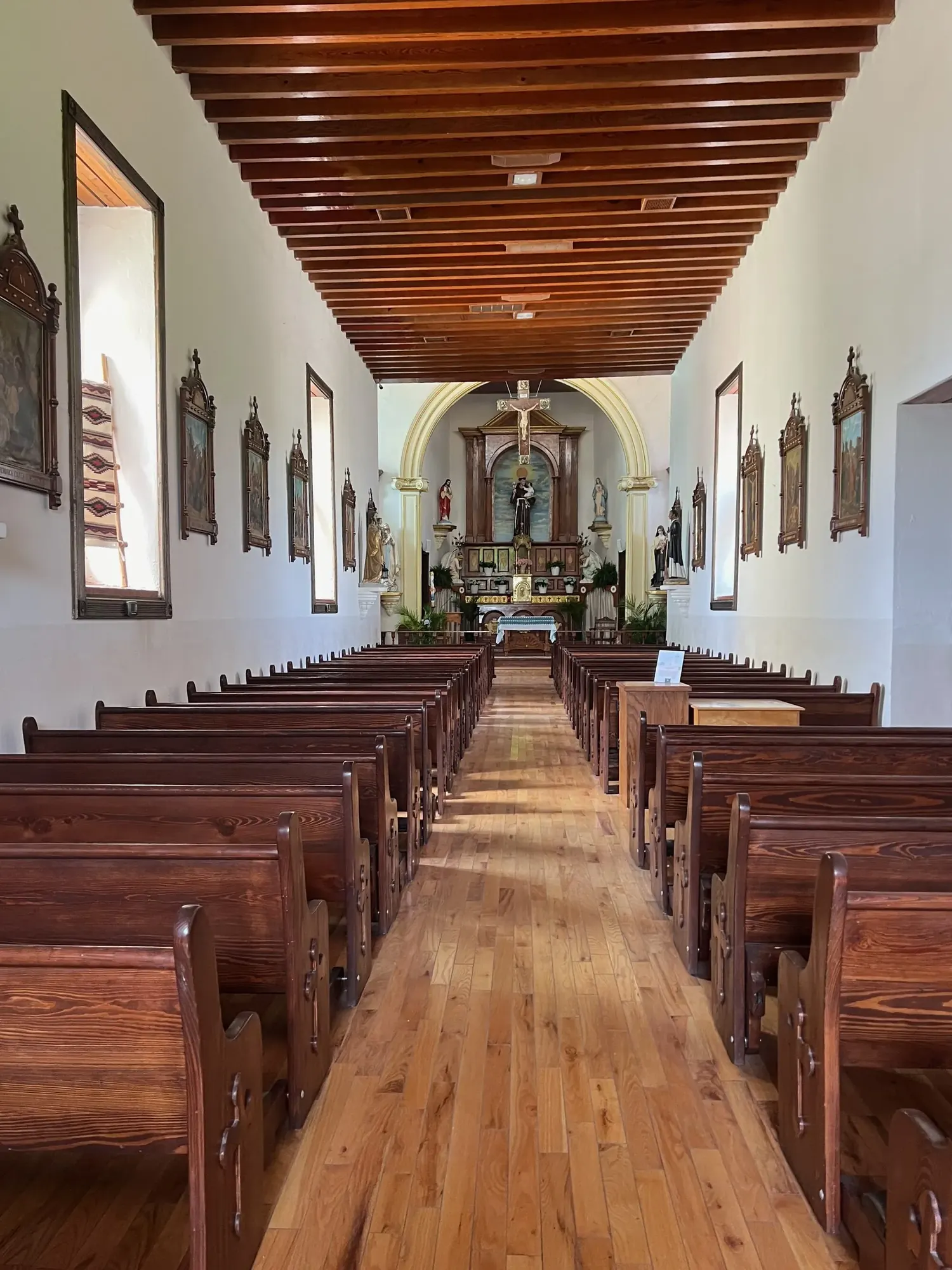
At Ysleta del Sur Pueblo, a mission older than Texas itself, and a border that arrived long after the people it now divides.
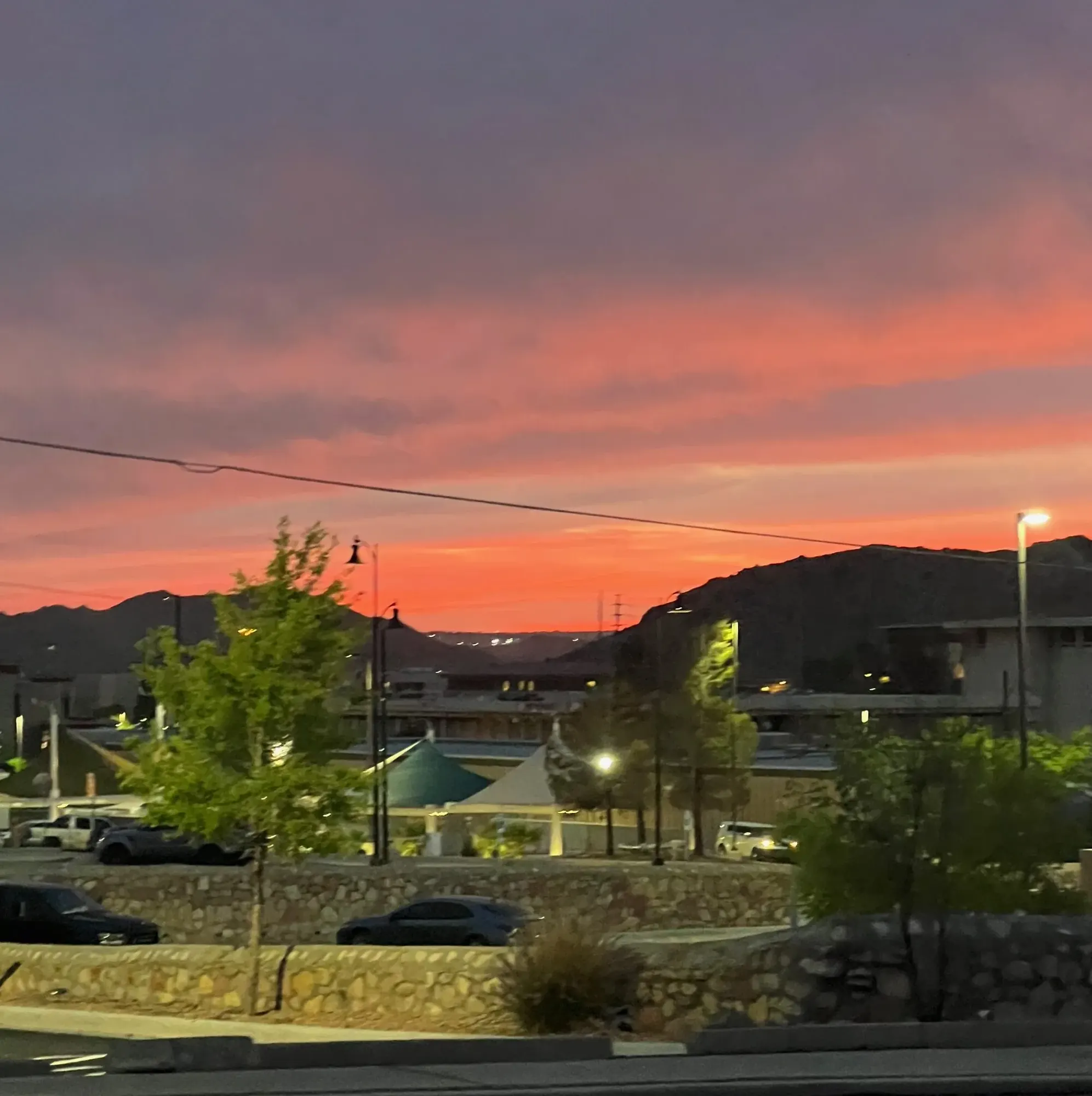
Standing at the border fence, what struck me wasn't danger. It was proximity.
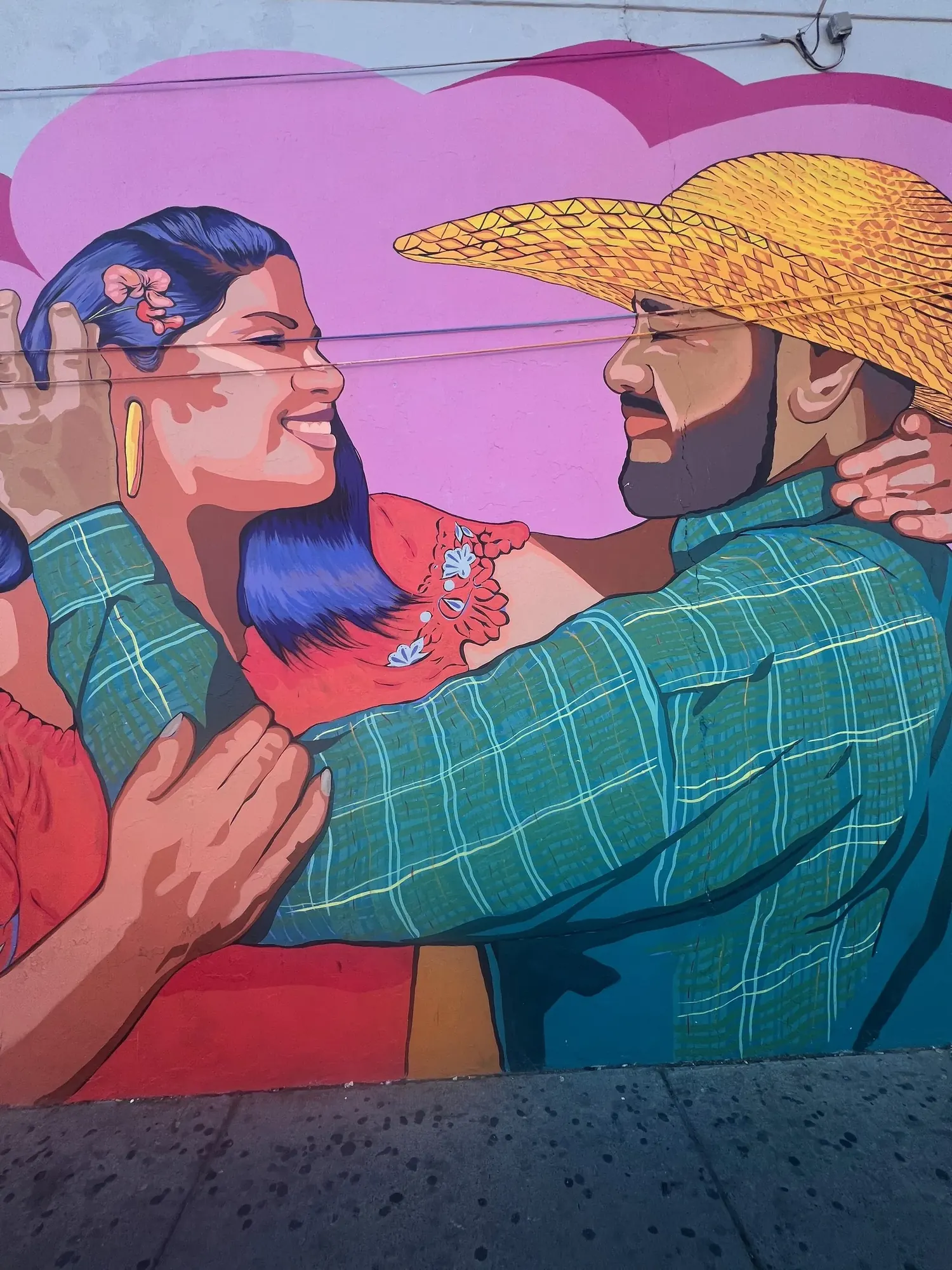
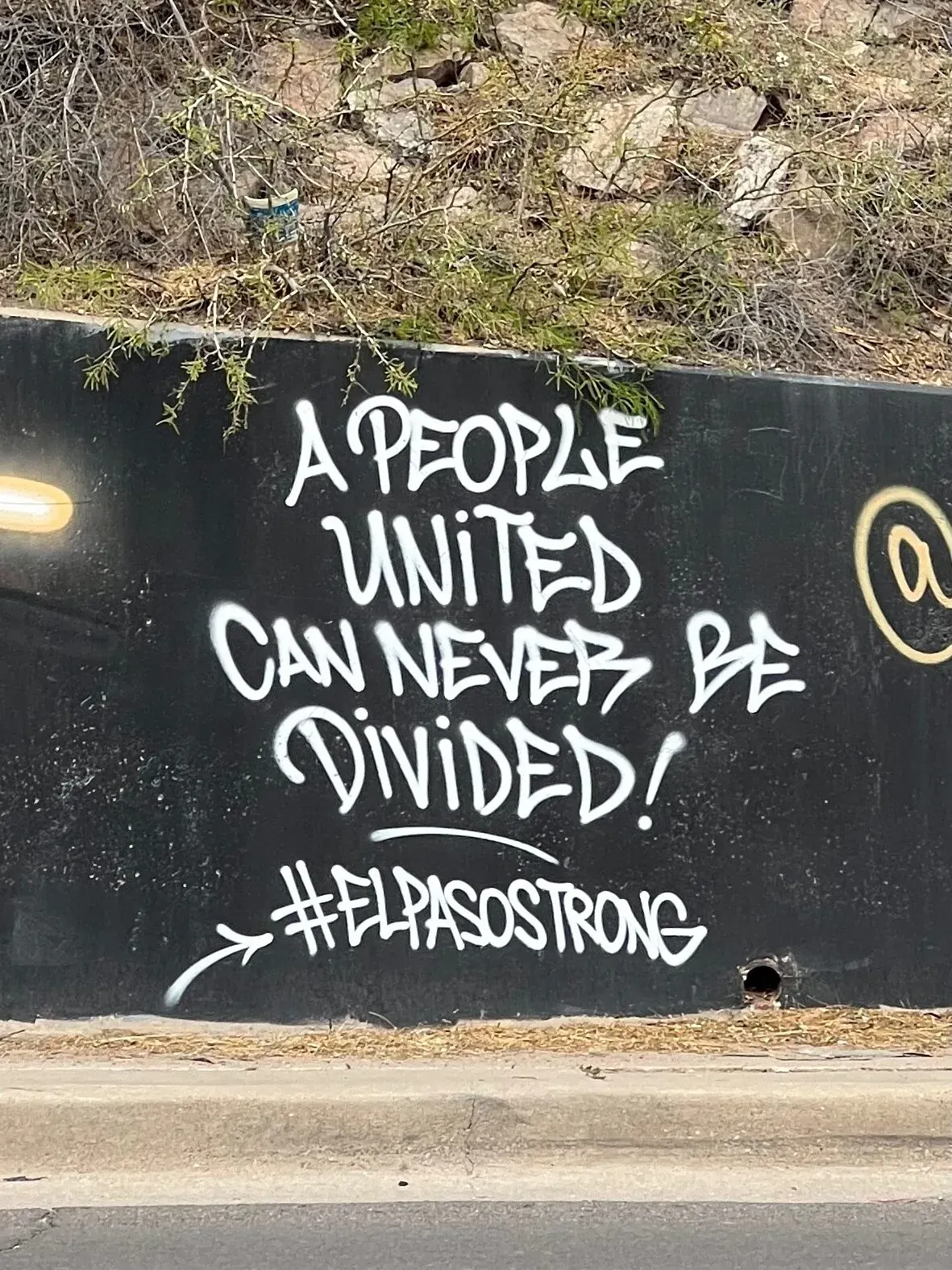
El Paso's murals don't decorate -- they speak, in plain block letters, at the scale of a building.
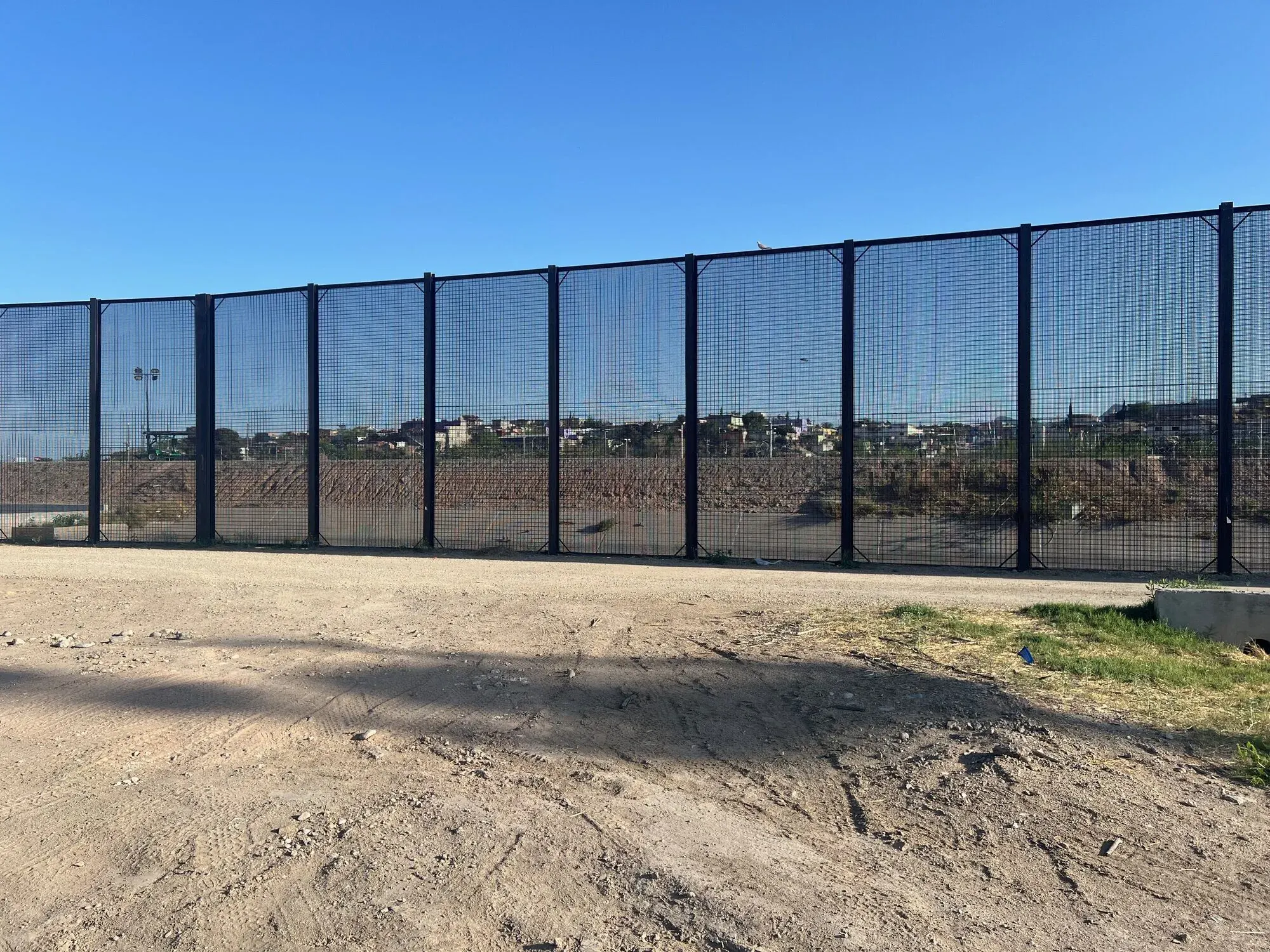
The border fence runs along a dirt access road at the city's edge, close enough that Juárez resolves into rooftops and water towers -- a city that reads as adjacent, not foreign.
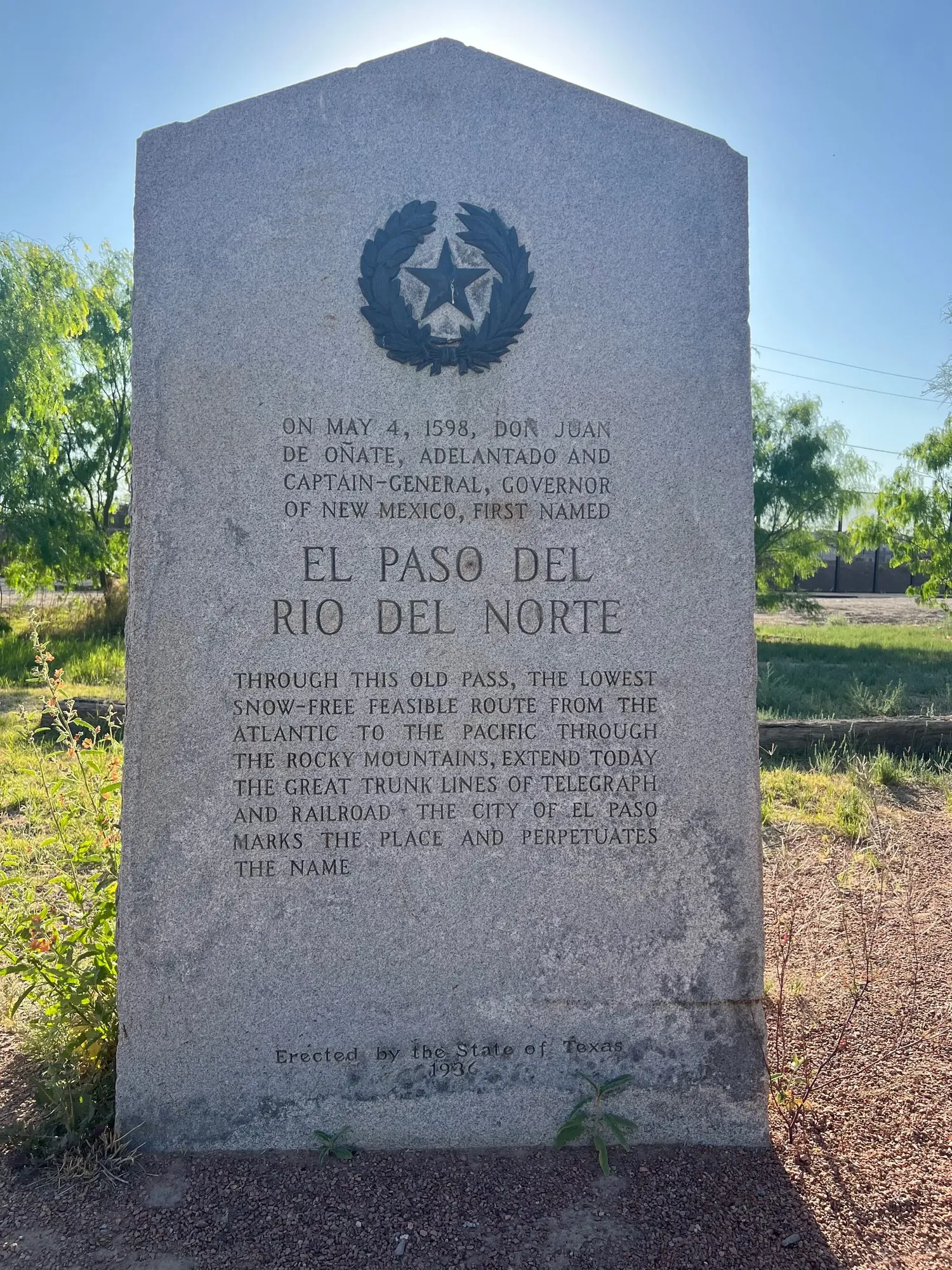
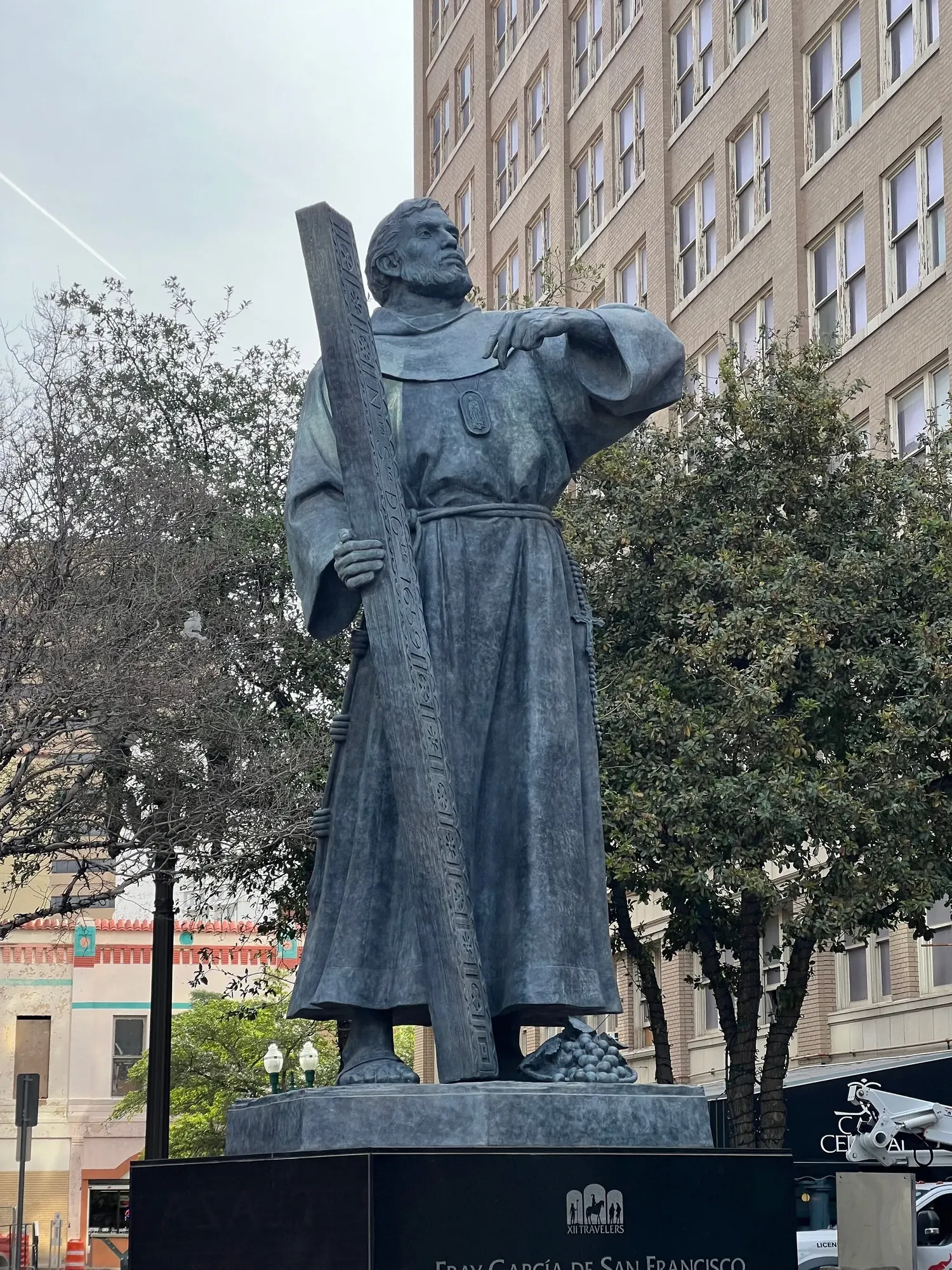
Read note →A Camino Real marker on a residential corner, an empty Fort Bliss officers' quarters, a Taft-Díaz march poster framed in a downtown gallery -- history scattered rather than curated.
Read note →El Paso's murals and gallery walls speak in plain language, at building scale, made by and for the people who walk past them every day.
Read note →A visual notebook from three weeks along the border.