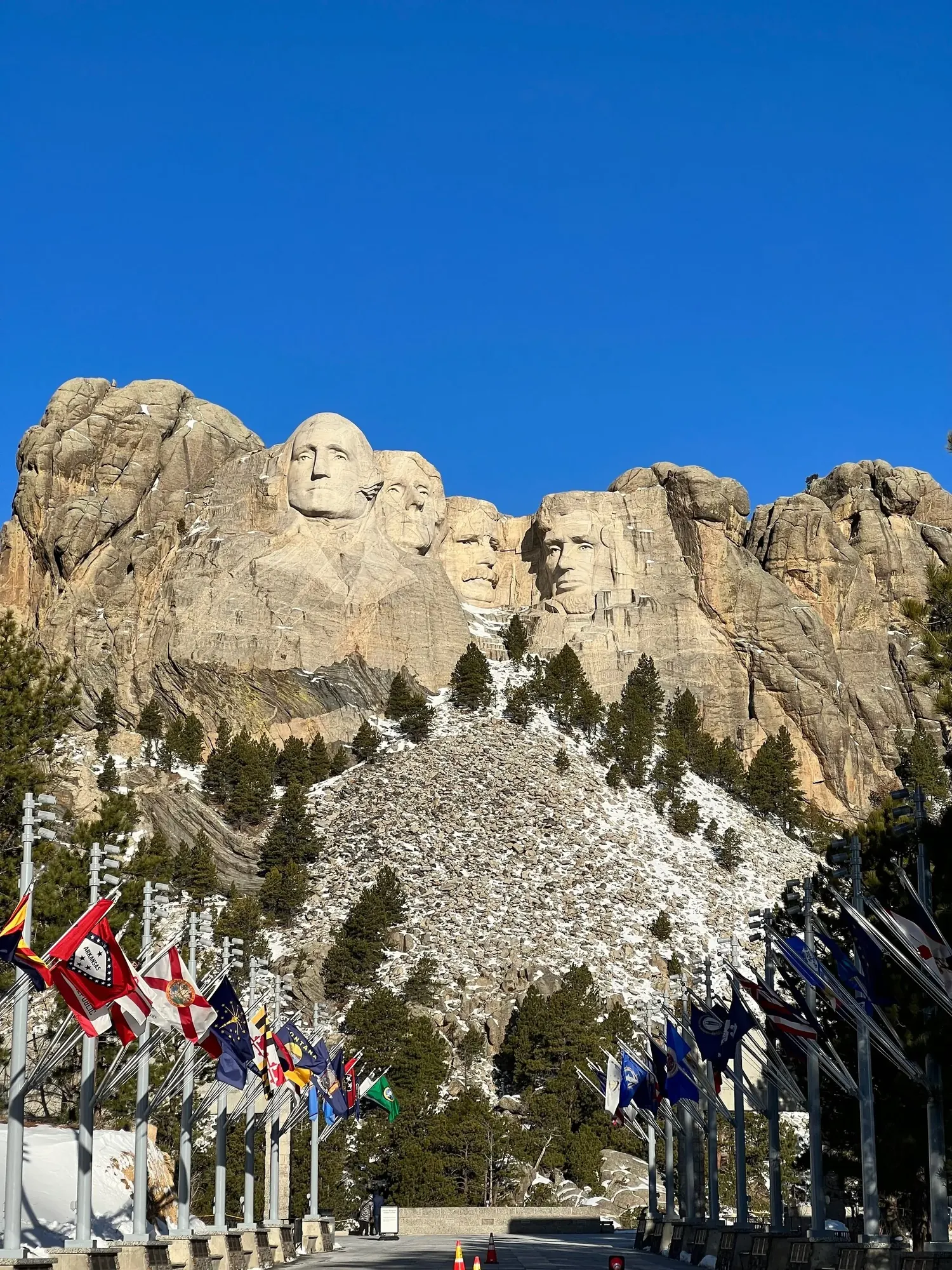
Mount Rushmore · South Dakota
For four years, I kept stopping in front of the things Americans had built to remember themselves.
I didn't set out to photograph monuments. I was moving from place to place, usually staying long enough for the obvious landmarks to give way to ordinary streets, conversations and routines, but I kept finding myself stopping in front of them. Sometimes I went looking for a monument because I already knew its name. Other times I came across one because I turned a corner, parked on the wrong street or followed a suggestion from someone I had met. Only later did I realize how often I had been photographing the stories America chooses to make permanent.
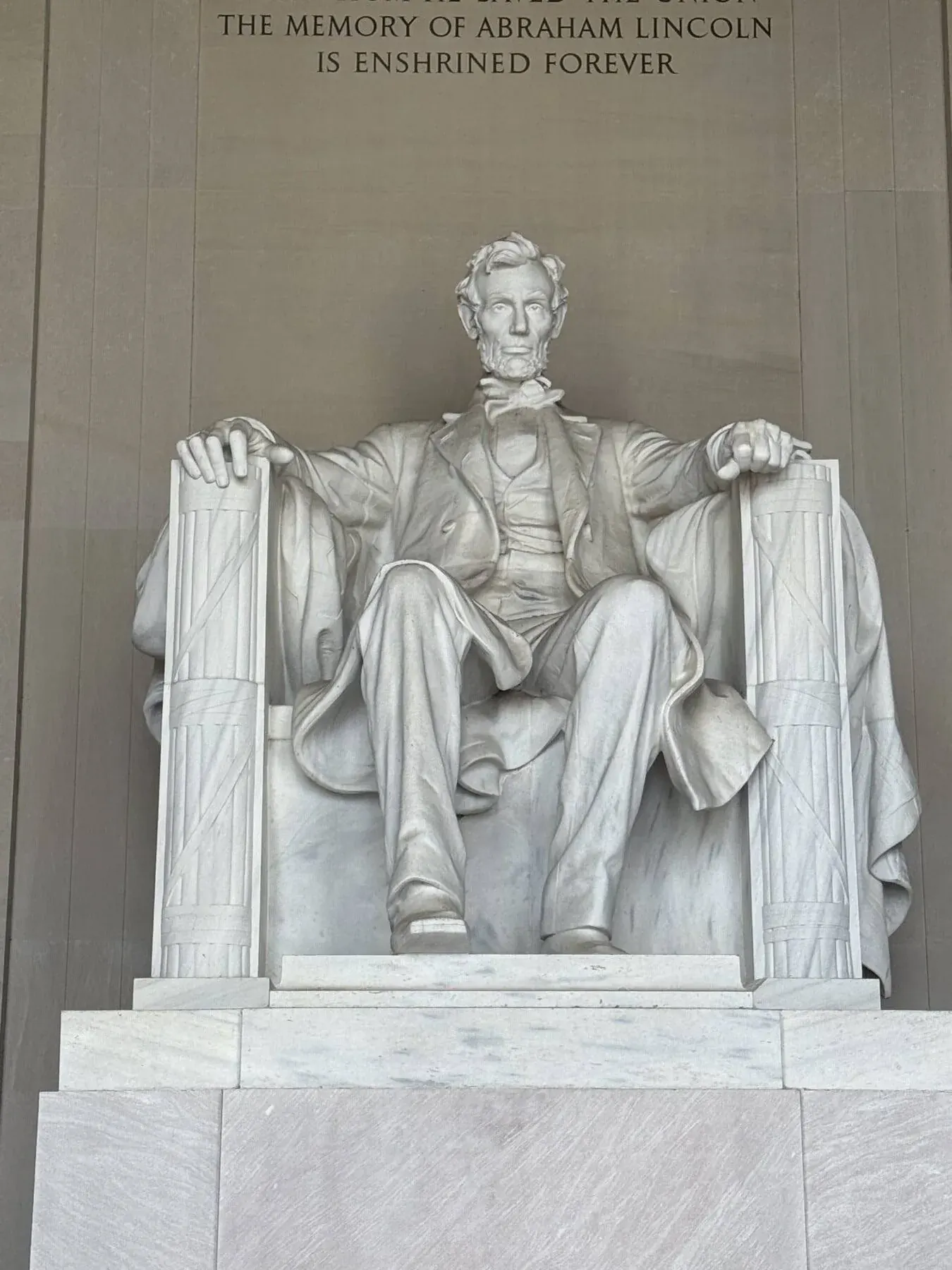
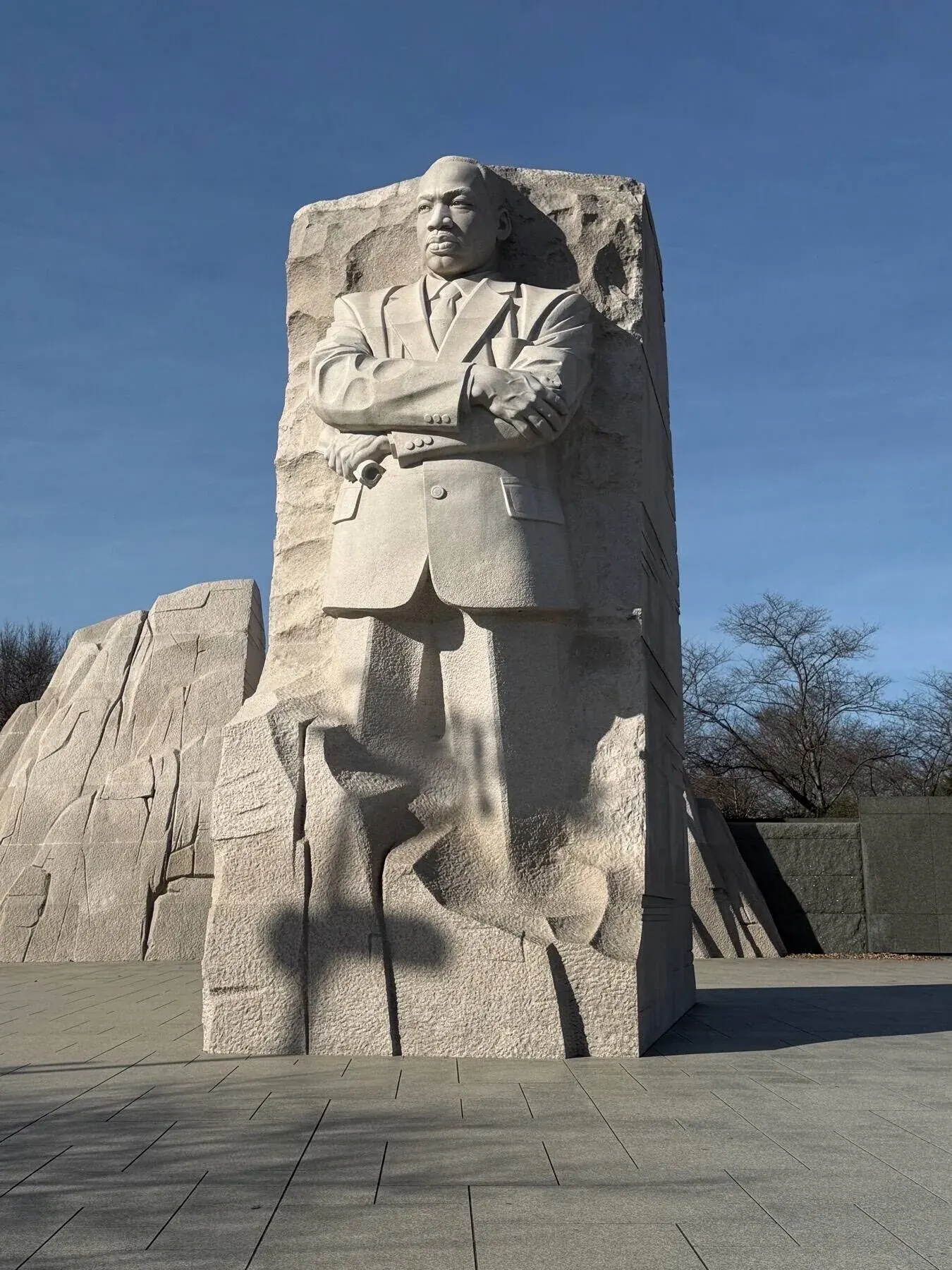
In Washington, those stories are built at a scale intended to endure. Every time I walk into the Lincoln Memorial, the size of the place still stops me. Lincoln sits above the room, looking out toward the nation he helped preserve. Not far away, Martin Luther King Jr. emerges from stone, another figure connected to another chapter in the country's long argument over freedom. The monuments are separated by history, but standing among them, the stories begin to speak to one another.
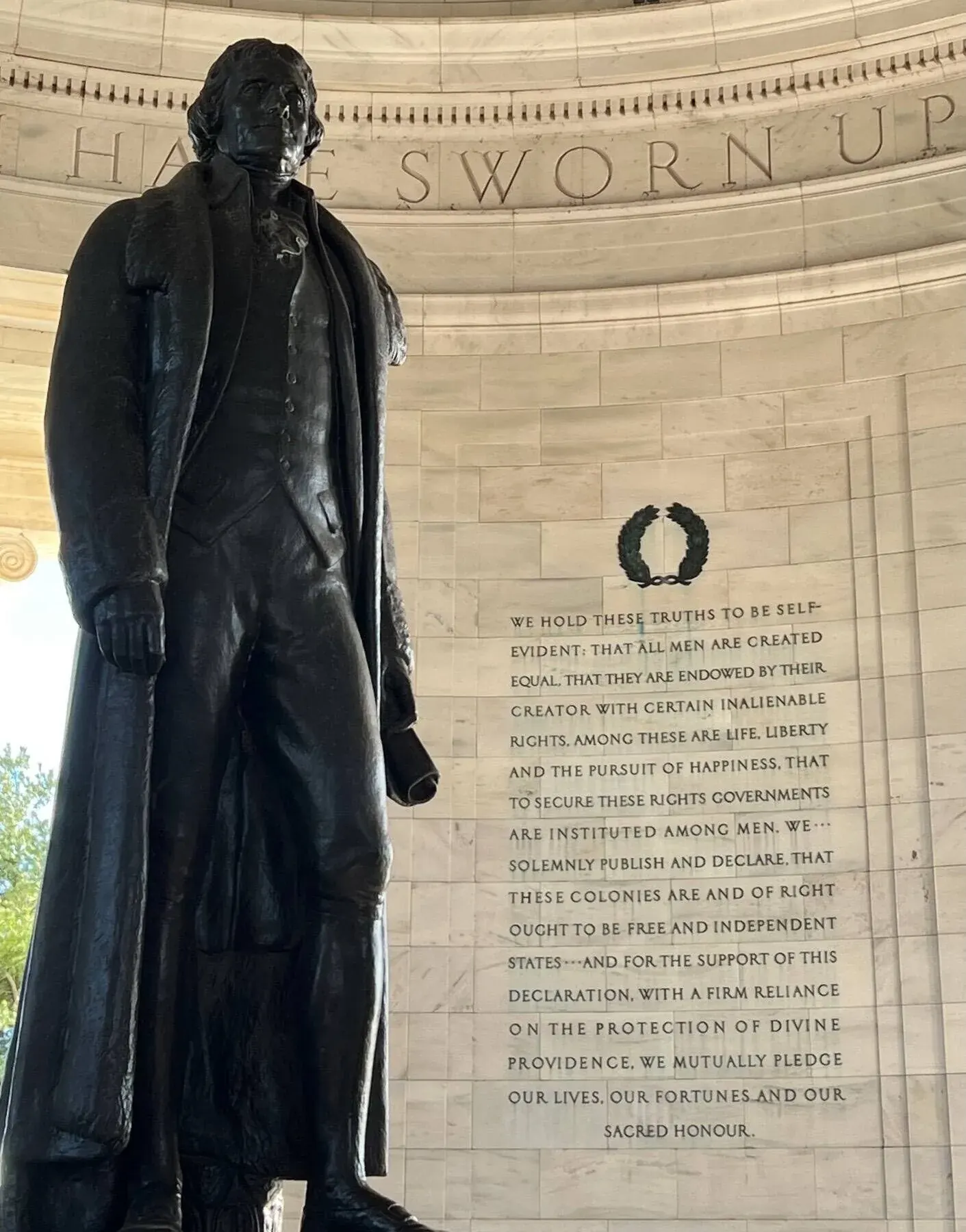
Washington is filled with places that ask us to look upward toward presidents, founders, leaders and ideals rendered in marble and stone. I still feel the awe of those places, but over time I also began paying more attention to the distance between the ideals carved into them and the histories that unfolded around them. In Richmond, I encountered a different kind of public memory. At the Emancipation and Freedom Monument, two figures stand almost back to back: a woman holding a child and a document, and a man breaking free from chains.
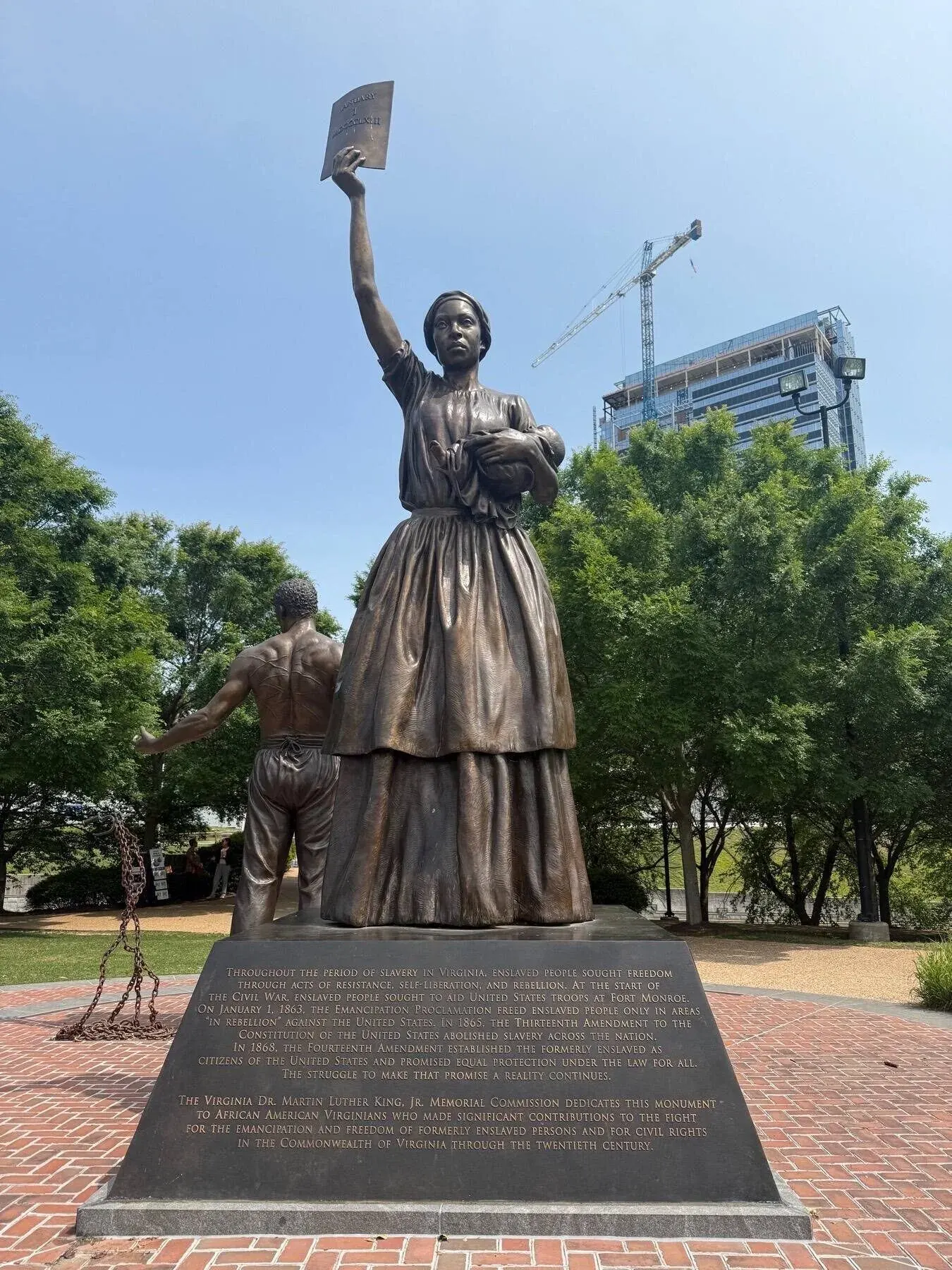
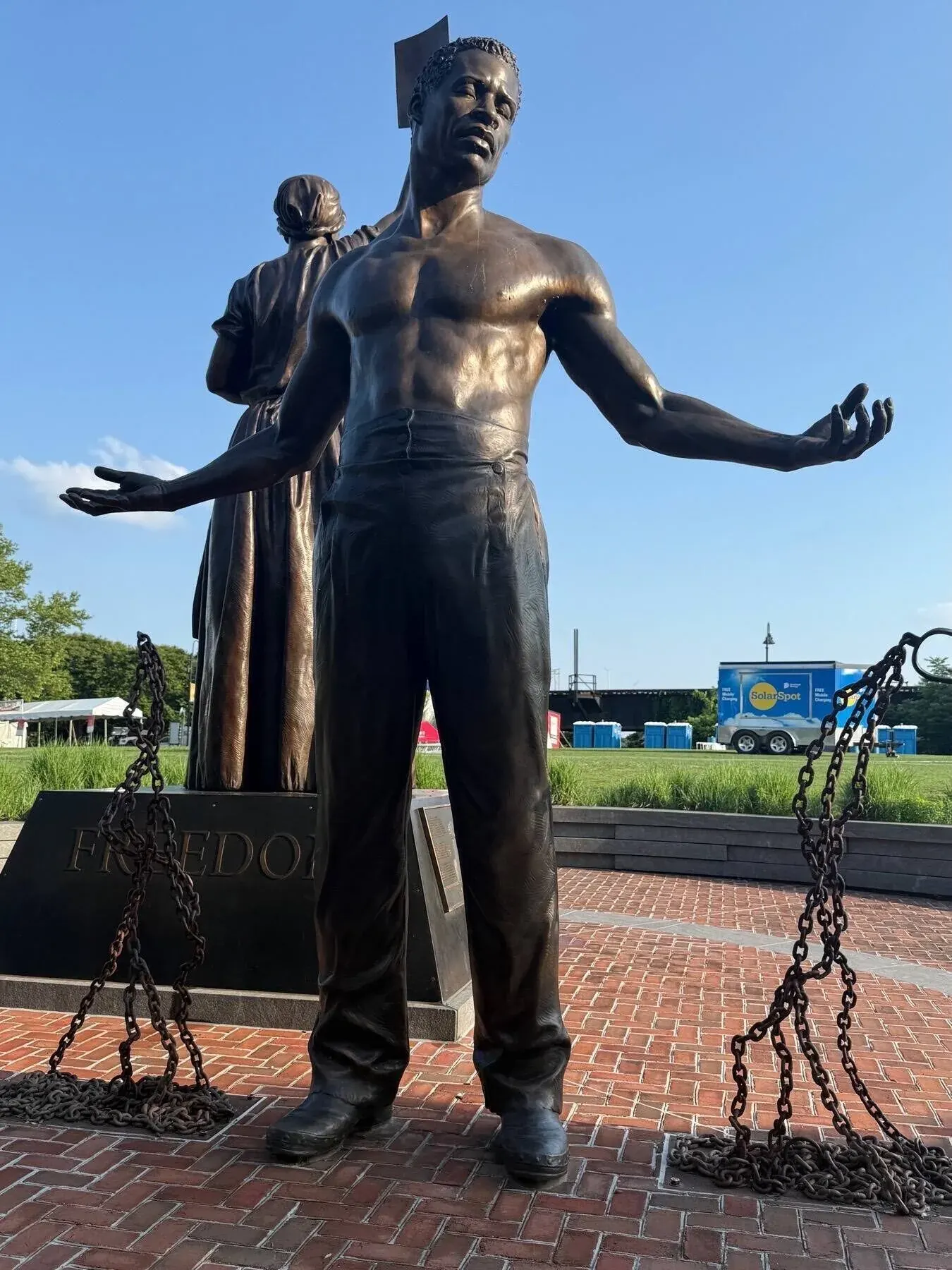
They are not commemorating freedom only as an idea; they place people who had been denied it inside the public story. These monuments came later, and that matters. Public memory is not fixed. New monuments do not necessarily settle arguments about the past, but sometimes they reveal how incomplete an older version of the story had been.
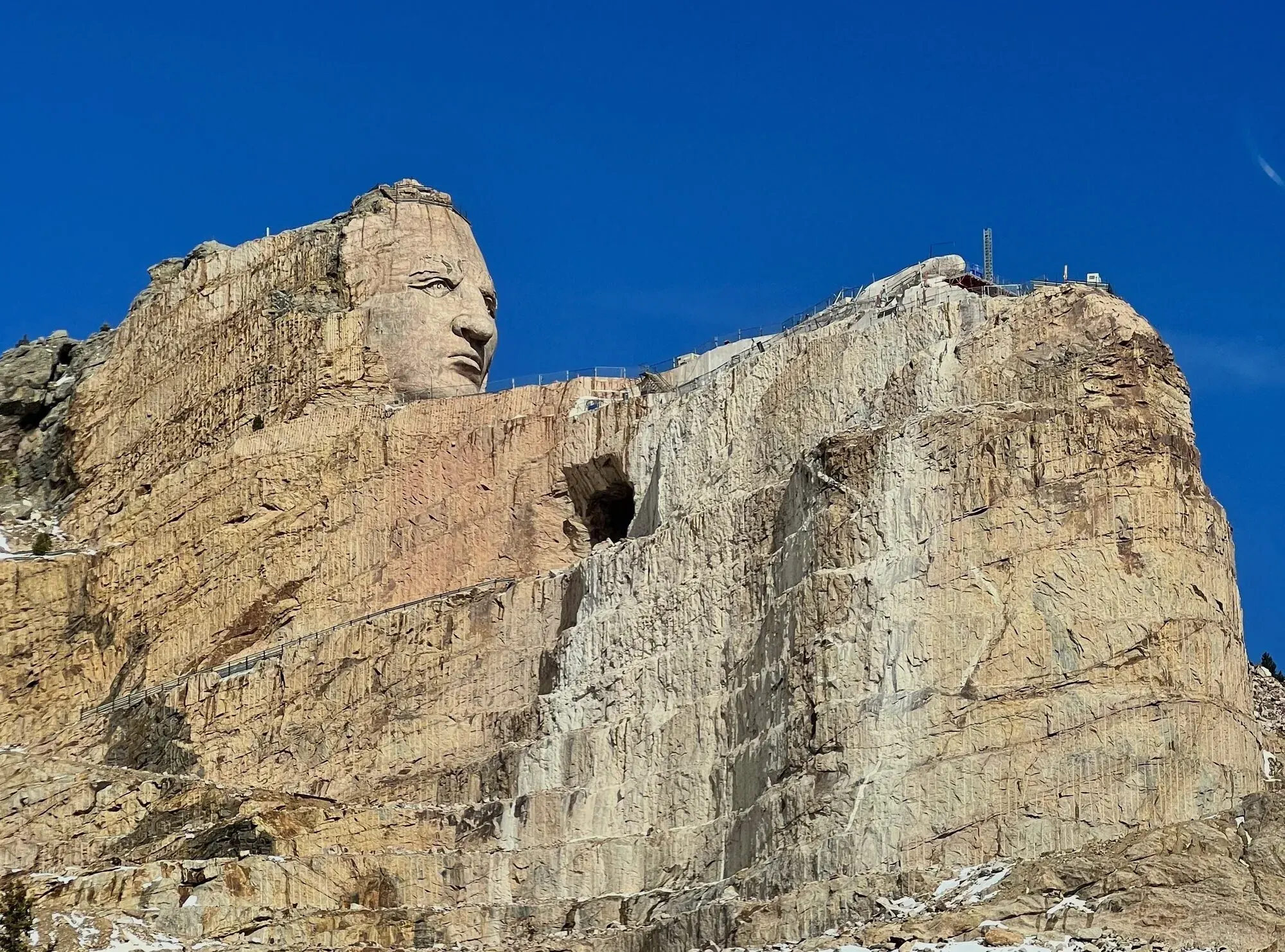
As I traveled, one place began changing what I could see in the next. I did not arrive in the Black Hills with a theory about monuments or public memory. I remember the anticipation of driving toward Mount Rushmore and finally seeing those enormous faces emerge from the mountain. Whatever I knew about the history, there was still awe in the encounter. Then I drove seventeen miles to Crazy Horse. It would be easy to turn those two mountains into a simple argument, one monument answering the other, but the more time I spent in the Dakotas, the less simple the story became.
At the Sitting Bull Visitor Center on the Standing Rock Sioux Reservation, I spent time talking with Jennifer Martell. I had come to learn more about Sitting Bull, Standing Rock and a history that I had mostly encountered from somewhere else. Being there did not resolve that history into a cleaner story; it complicated what I thought I knew. Before I left, Jennifer suggested one more stop. On my way back toward Des Moines, she told me to stop in Chamberlain and see Dignity.
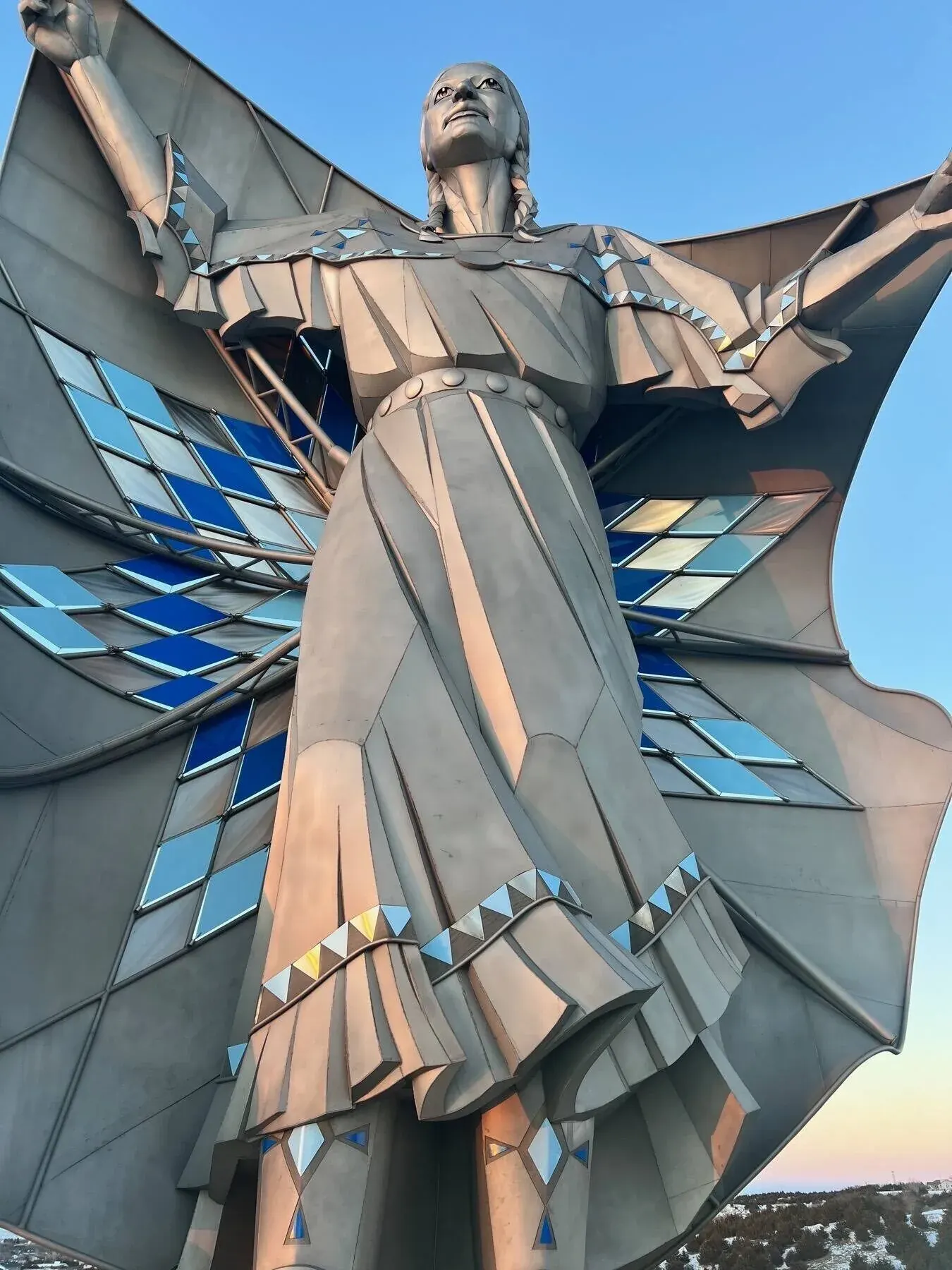
I had not found Dignity on a list of monuments I wanted to photograph. I went because someone I met along the way told me I should see her. Some places I sought out. Others entered the journey through people I met, and once they did, they changed what I noticed next.
Omaha was one of those places where I was not looking for a monument at all. I parked on North Capitol Street and started walking toward the Old Market when I came upon Pioneer Courage Park: wagons and figures cast in bronze, a westward journey rendered as determination, courage and possibility. Had I encountered it before the Dakotas, I might have seen only that story.
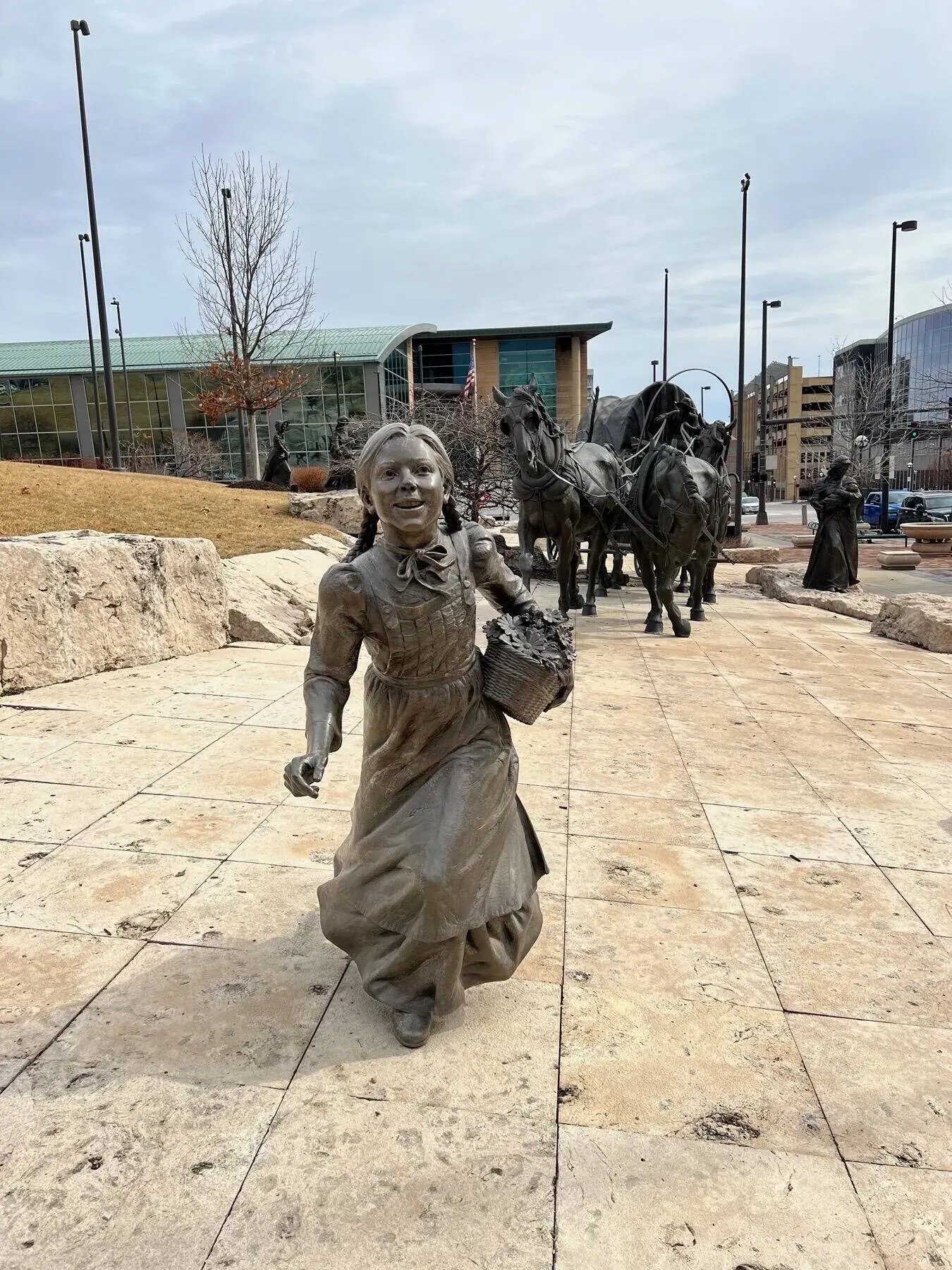
The monument itself had not changed because of where I had been, but I had. That became part of the experience of traveling this way. Each place traveled with me into the next one, and a monument was no longer only the object in front of me. I found myself asking what story it was trying to preserve, who had been placed inside that story and what remained beyond its edges.
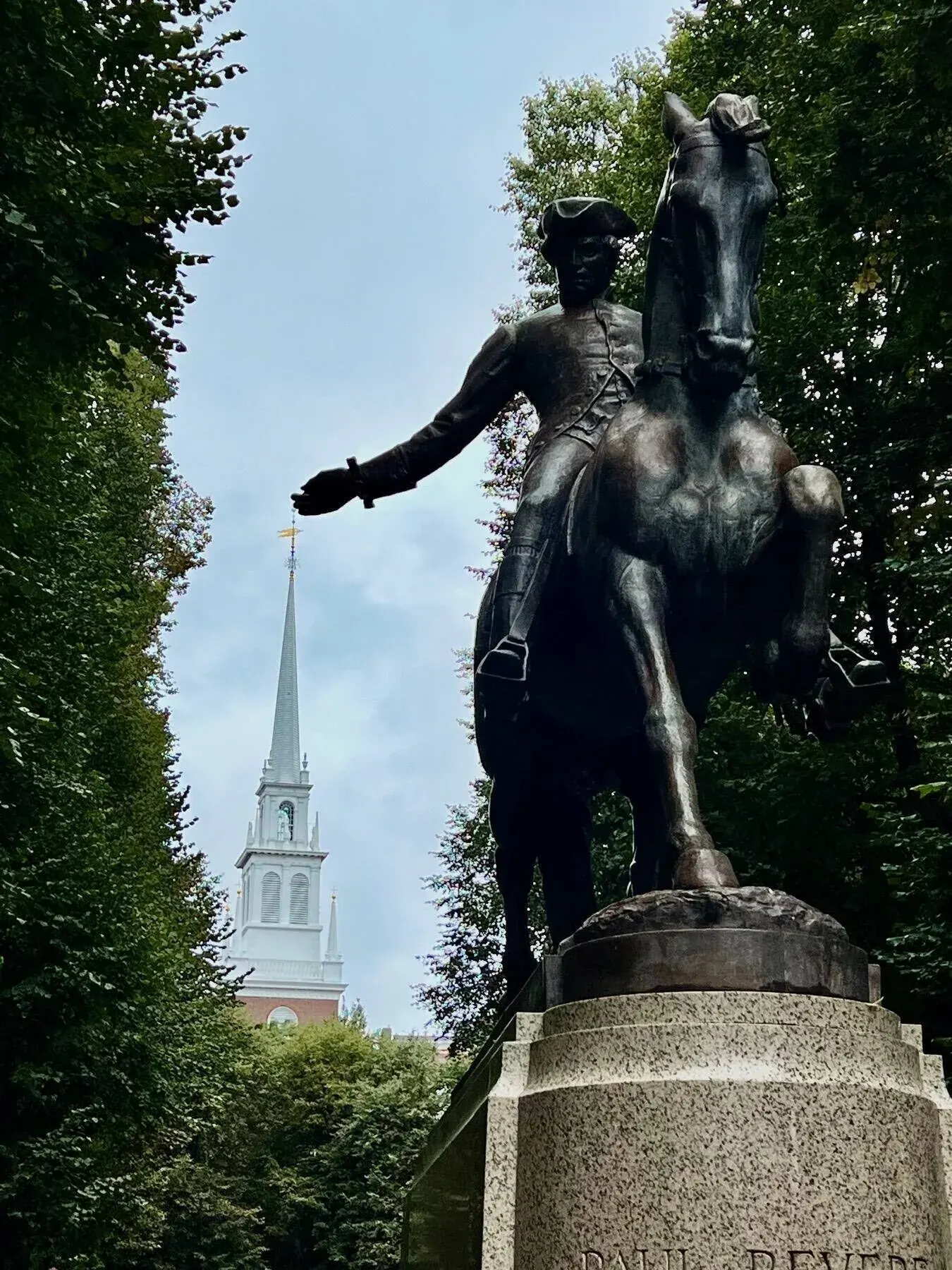
Some of those stories are so familiar that they have become part of the national vocabulary. Paul Revere is one of them: the midnight ride, the Revolution, a nation moving toward independence. Standing in front of the statue in Boston, I was thinking less about whether the familiar version of the story was true or false than about how certain stories become the ones almost everyone knows.
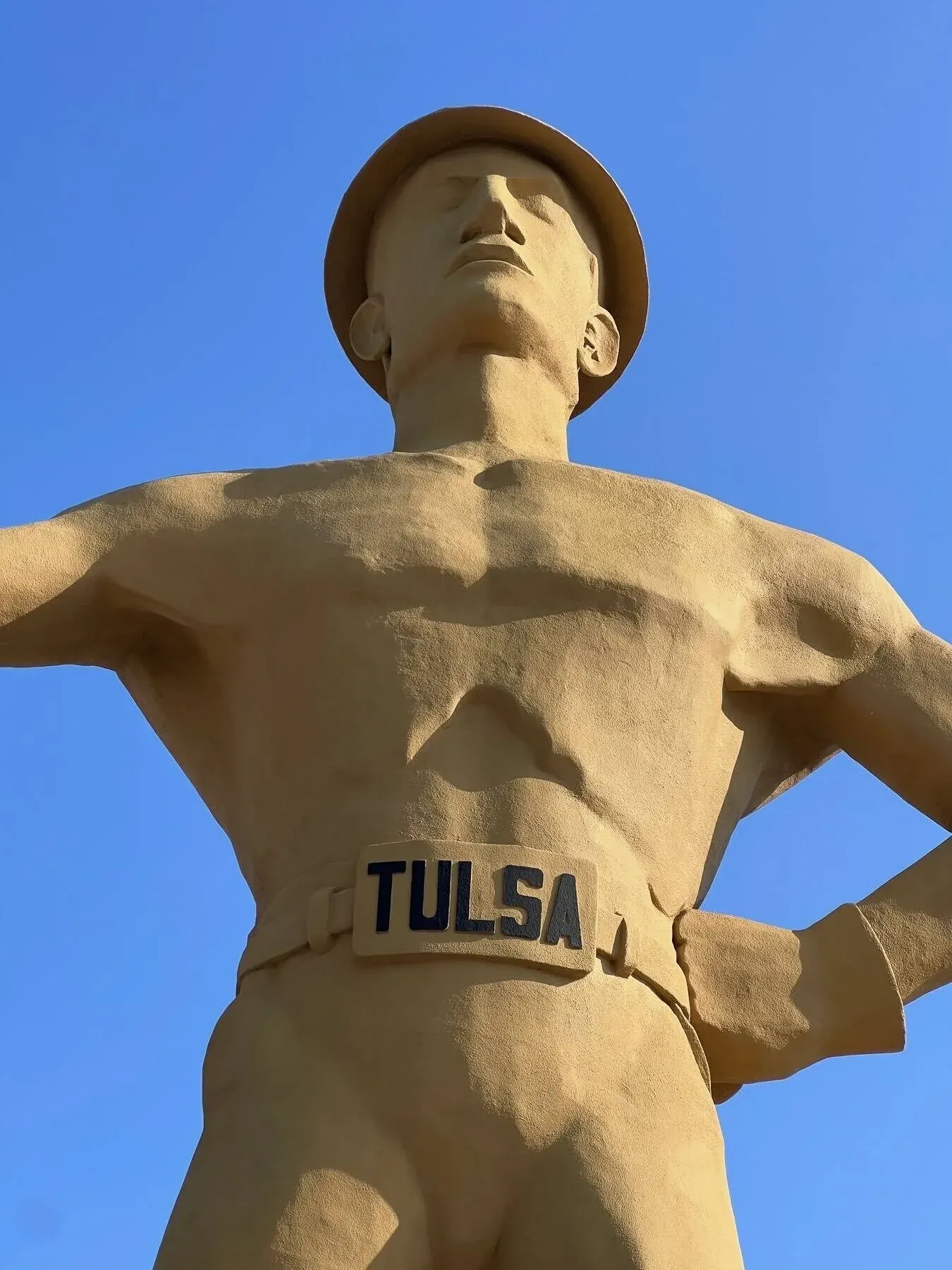
Elsewhere, the stories were different. In Tulsa, oil became a giant worker standing over the fairgrounds and Route 66 became roadside mythology.
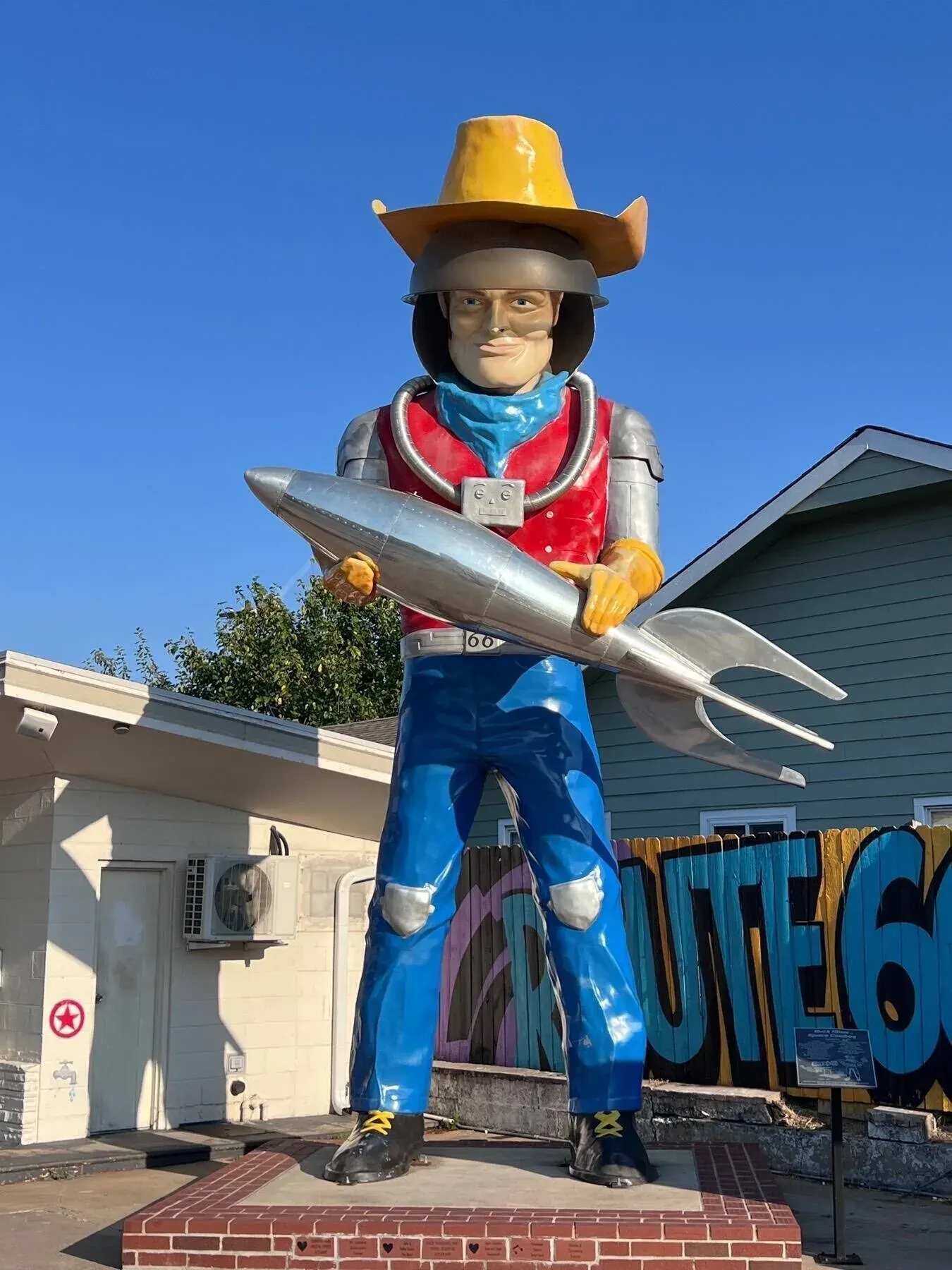
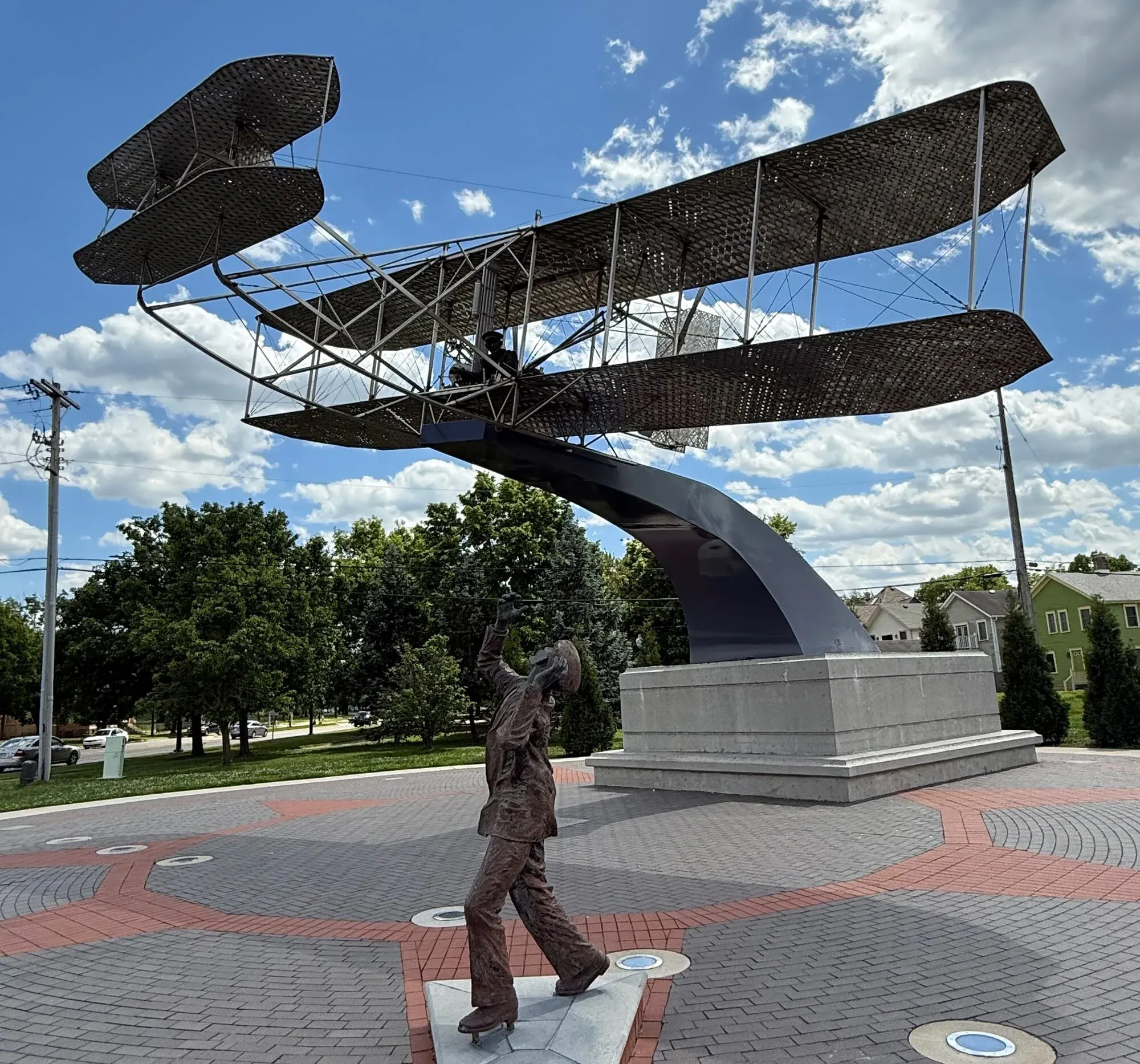
In Dayton, the Wright brothers became part of a story about invention and the possibility of going somewhere humans had never gone before. Presidents and revolutionaries, workers and inventors: all had found their way into the landscape.
These photographs are not a survey of America's monuments. They are simply some of the ones I kept stopping for over four years of travel. Some I sought out because I had known their names for most of my life. Others appeared unexpectedly, and one came because someone I met told me to change my route. What connects them for me is not a single judgment about what America should remember, but the realization that monuments are one of the ways a country tells stories about itself. Some stories have occupied the landscape for generations. Others arrived later, complicating what was already there.
Four years of moving through these places did not give me cleaner answers. Usually the opposite happened. One place complicated the next, and only later did I understand what I had been photographing all along: stories about America, made permanent.