Right Now, I Live Here: A Case for Slow Travel
After 2.5 years living in 30 places, I've learned that slow travel isn't about where you go — it's about how you stay
After 2.5 years living in 30 places, I've learned that slow travel isn't about where you go — it's about how you stay
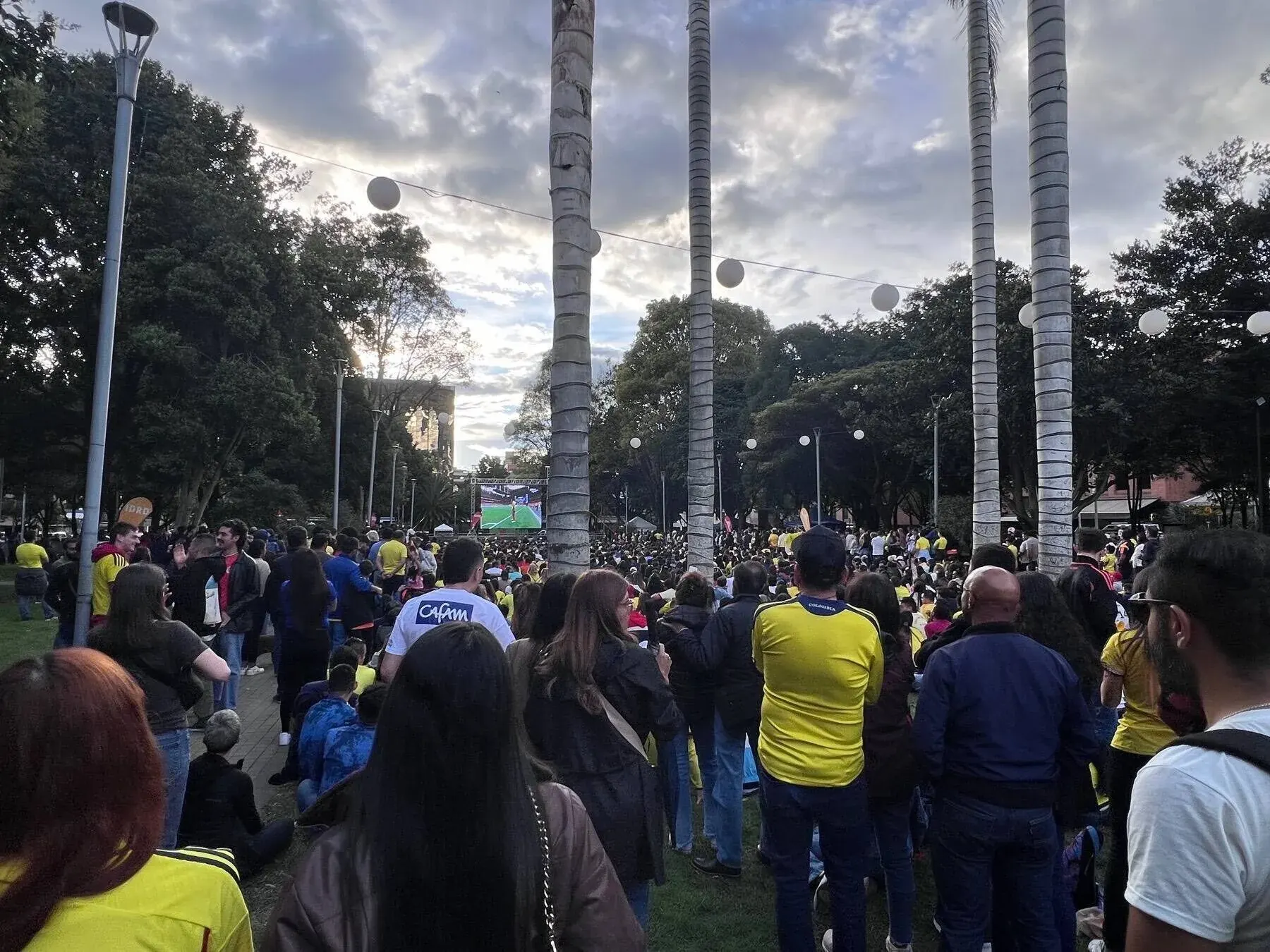
Parque 93, Bogotá (Michael Holland)
"But where do you actually live?"
I've been asked that question in thirty communities across three continents. My answer is always the same: "Right now, I live here." Not passing through. Not visiting. Here -- wherever that is -- is where I go to the grocery store, find the coffee shop that remembers my order, and learn which streets to avoid after dark. For a month, sometimes six weeks, it is home.
Of course, there are many forms of tourism, and all have their benefits. Whether it's a traditional vacation, weekend getaway, family trip, or adventure travel, each has opportunities to relax and enjoy the time away. I have often seen U.S. colleagues take a week off in the summer or, if they are parents, structure a trip around a school holiday. Unless it is something unique or special, asking for two or more weeks off from work can be challenging. And over the years, I've heard everything from "This was exactly what I needed to recharge," to "I need a vacation to recover from my vacation." They also commented about the difficulty of fully breaking away from work, whether checking emails, joining a call, or using the day before they return to the office to clear out the inbox. European friends and colleagues take an entirely different approach and will often take most of or the entire month of August off, and additional breaks throughout the year.
Slow travel is a mindset -- an intentional approach to making a temporary home in a place. Unlike traditional tourism's rushed itineraries and must-see attractions, it embraces a more deliberate pace, encouraging you to immerse yourself in one location for an extended period. It may not provide the "escape" that many vacations promise, but it offers something potentially richer: a chance to see a place as it truly is, and to catch a glimpse of yourself in a new light.
But the things that make slow travel enriching are also what make it challenging. There are good reasons why most people default to quick weekend getaways or traditional vacations. Jobs, families, and even our habits and routines can make the idea of spending weeks in one place feel out of reach. Before I go too far in romanticizing this lifestyle, it's worth looking at the practical limitations that keep most travelers moving fast. Some are systemic, some personal — but all of them are real.
Let's not sugarcoat it: slow travel can be awkward or disorienting when starting, especially when you are more accustomed to weekend or one-week vacations. To spend up to a month or more in one location can be jarring. And, yes, it can be occasionally lonely. To combat loneliness, I build in daily rituals that create opportunities for familiarity. When I was in Dayton, I would go to Biggby Coffee each morning, and over time, the staff remembered me and my order. And I will also pick locations where family and friends are, so I have more opportunities to spend time with them than I would normally have.
Importantly, you're not just sightseeing — you're building a version of your life in a place where everything is unfamiliar. Grocery shopping becomes a puzzle. Ordering dinner might involve wild guesses. Even silence can feel louder when you're a stranger somewhere. But here's the thing: while discomfort is part of the deal, it's where the magic happens. Struggling to do simple things rewires you. You learn patience, humility, and how to laugh at yourself. There's something quietly radical about being a little lost and realizing... you're okay. You figure things out. You adapt. And that adaptation changes you more than any landmark ever could. Slow travel doesn't just show you the world — it shows you your world, reframed. When you live by another culture's rhythms, your habits and assumptions start to differ. You start to learn and unlearn.
Something real happens when you let a place shape you instead of trying to conquer it.
Slow travel may not be ideal for everyone, and I don't believe it should be. But for those who can try it, even once, it leaves something behind that lasts longer than a photo album. It's not about becoming someone else; it's about discovering parts of yourself that only surface when life slows down. You might find clarity in the quiet. You might become more curious, resilient, and at ease with the unknown. You might even come home a little changed, with a new rhythm and way of seeing. It doesn't have to be forever. It doesn't have to be far. But something real happens when you let a place shape you instead of trying to conquer it.
You don't have to move. You don't have to quit your job. But if you're willing to pause in one place, to let a city meet you halfway, you might just feel what I did: that here, wherever that is, is enough for now.