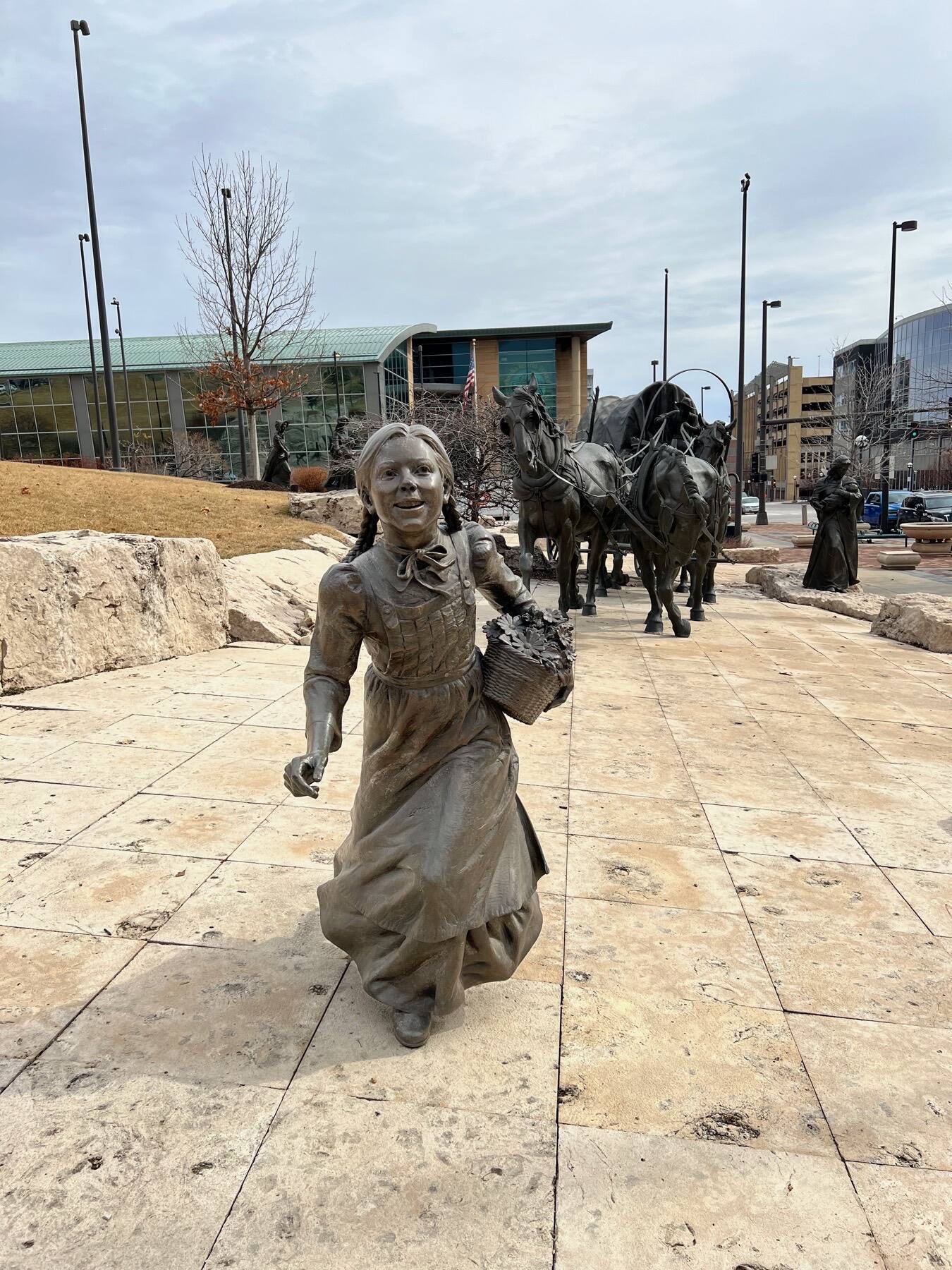
You don't stumble upon these places. You seek them out, or they find you on a long highway, at the top of a hill you didn't know you'd be climbing, in a plaza that insists you stop moving.
I've stood before scores of them now, across 28 states. Bronze and granite. Pedestals and plinths. Founders and folk heroes, liberators and the newly unshackled. Each one a decision someone made about what deserves to last.
That's what I keep coming back to. These are not spontaneous gestures. They are sanctioned stories, installed in public view to suggest permanence. And every pedestal tells us as much about the present as it does the past.
Who gets to be lionized? Who is left in the shadows?
The monuments may be still. But the questions they raise are very much alive -- and in a country still negotiating whose history deserves to be cast in stone, they are the most honest conversation we're not quite having.
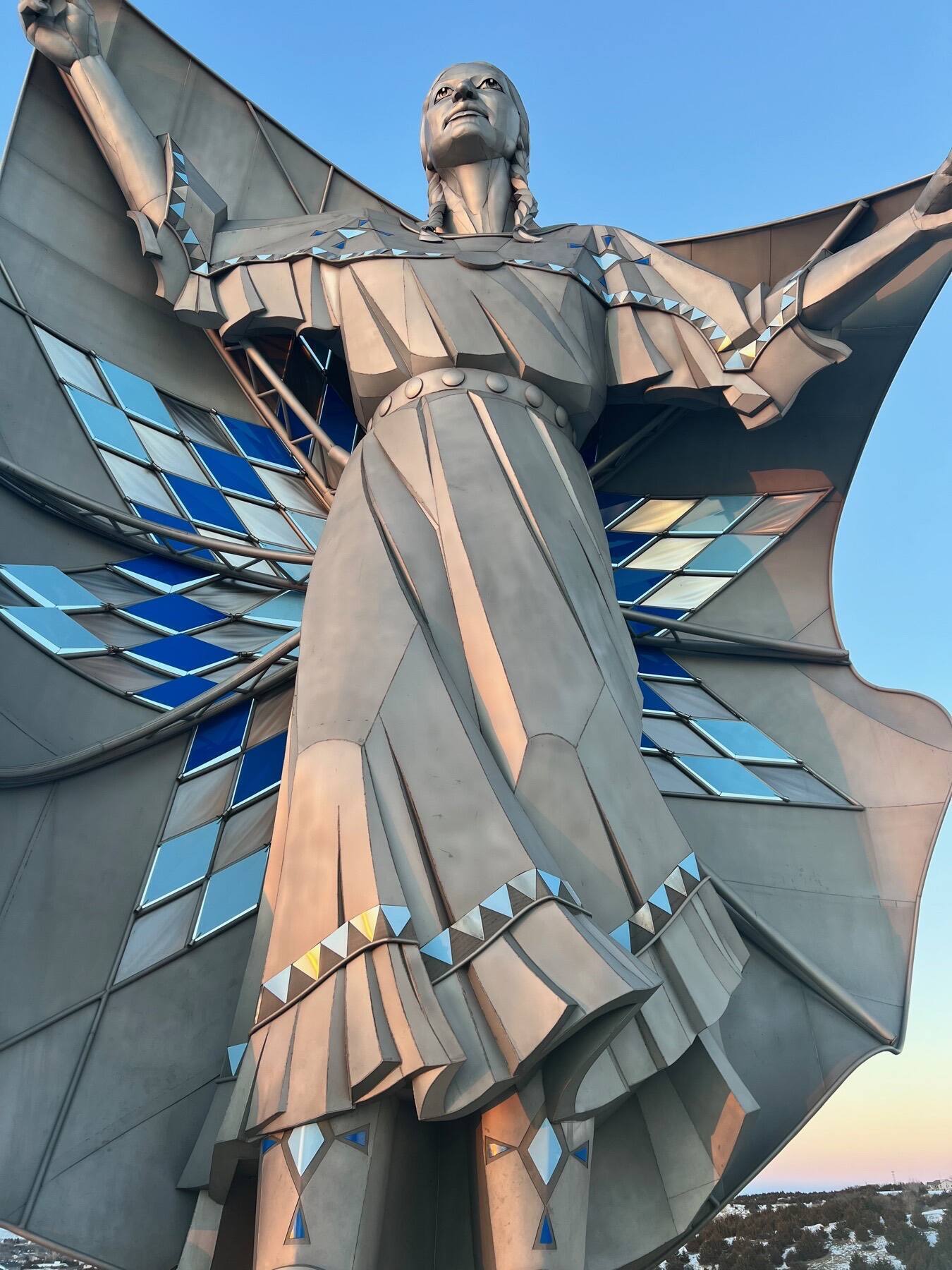
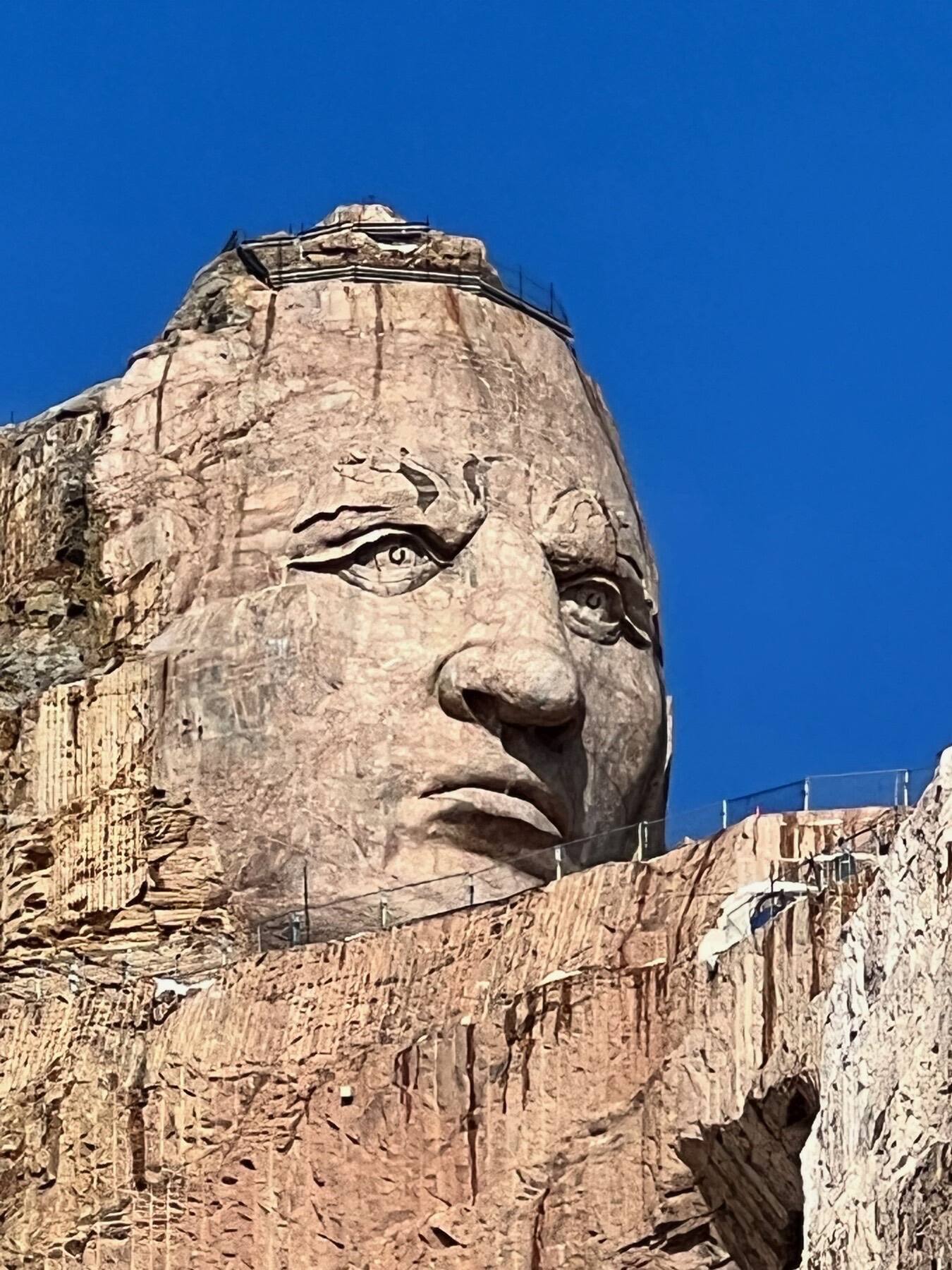
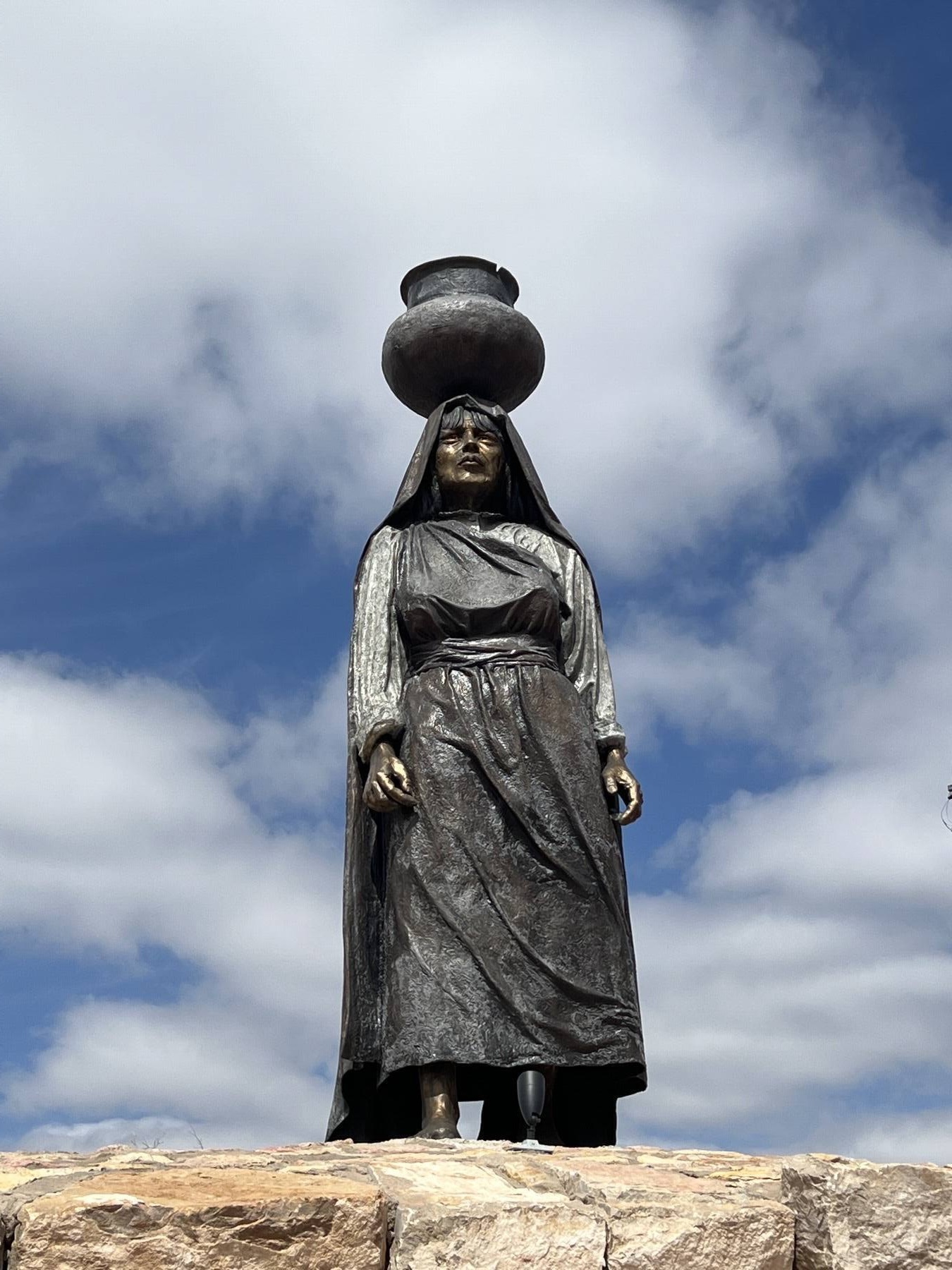
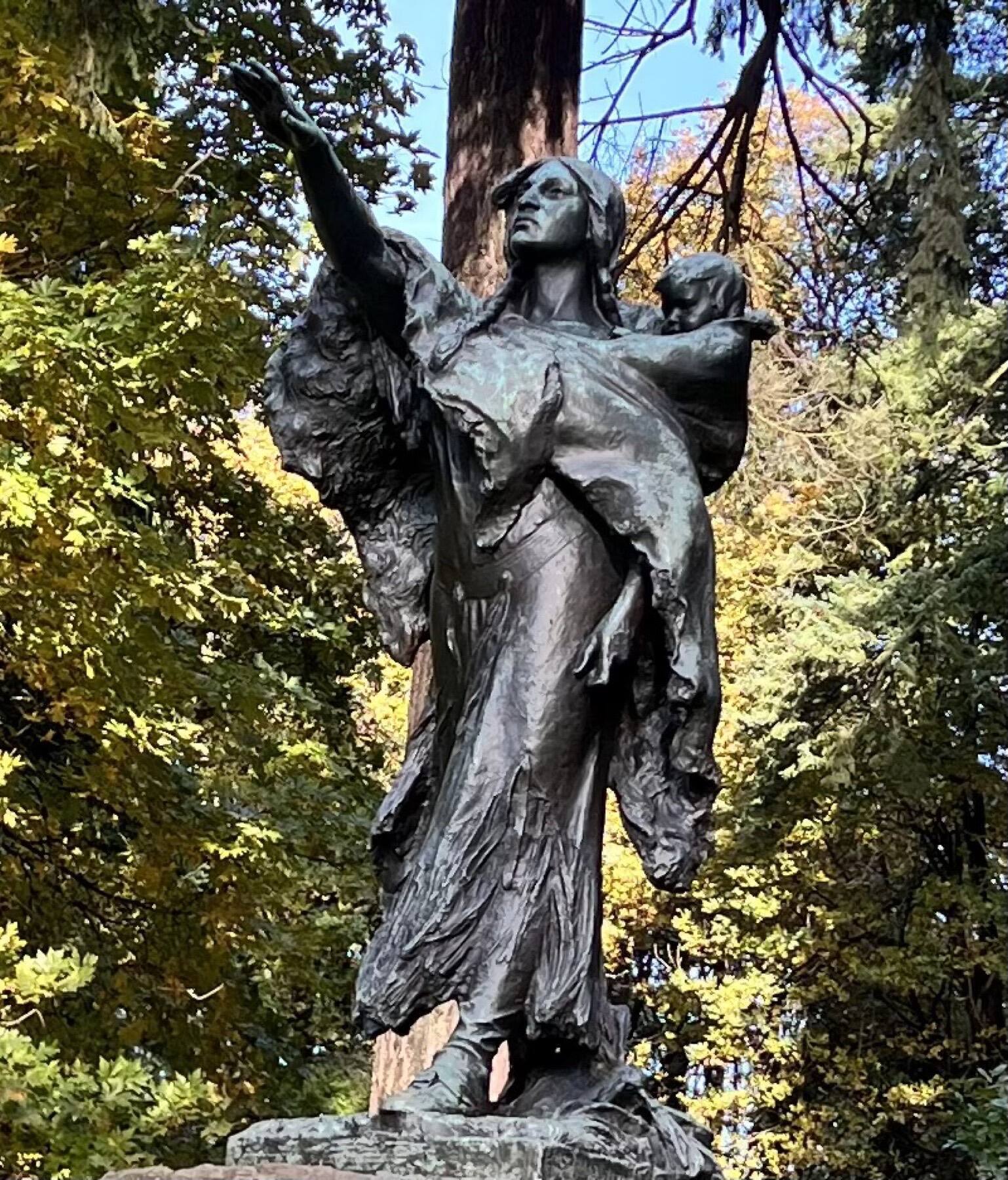
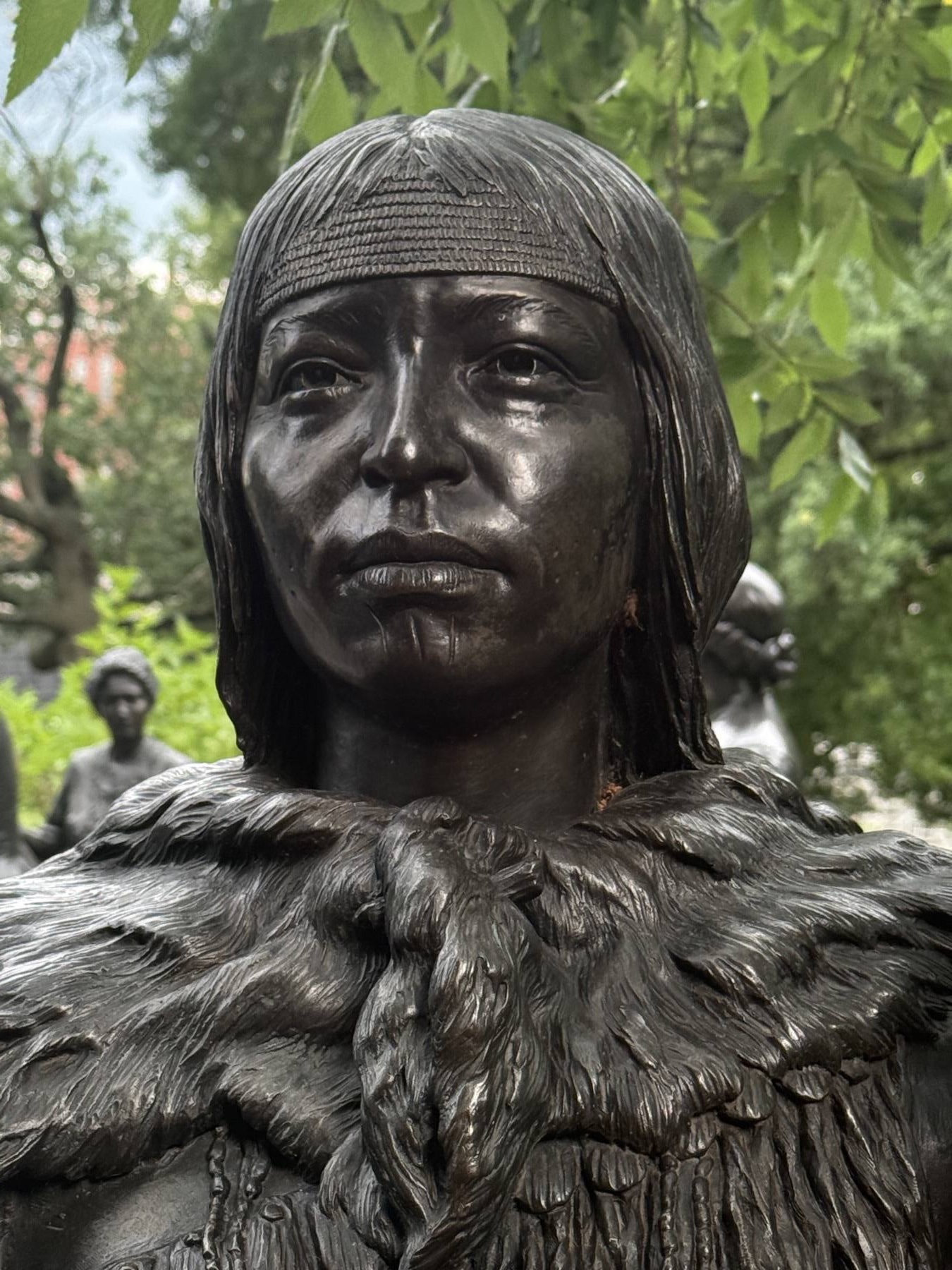
These monuments do not announce themselves in passing. You don't stumble upon them by accident. They are placed with intention, rooted in land that remembers more than we do.
I encountered them slowly: a turnoff on a long highway, a hill you have to climb, a plaza that insists you stop moving. South Dakota. Texas. Oregon. Virginia. Crazy Horse. Sacagawea. Cockacoeske. Dignity. Standing beneath them, I understood. These were not monuments to conquest or victory, but to endurance. To nations that stood long before the map learned their names. Shoshone. Lakota. Pamunkey. Tigua.
Photographing them felt different. Quieter. Heavier. Less about framing the shot, more about holding still. These statues do not demand reverence. They assume it. And in a country still negotiating whose history deserves permanence, their presence is both overdue and unmovable. Not symbols of the past, but proof that survival itself is worthy of stone.
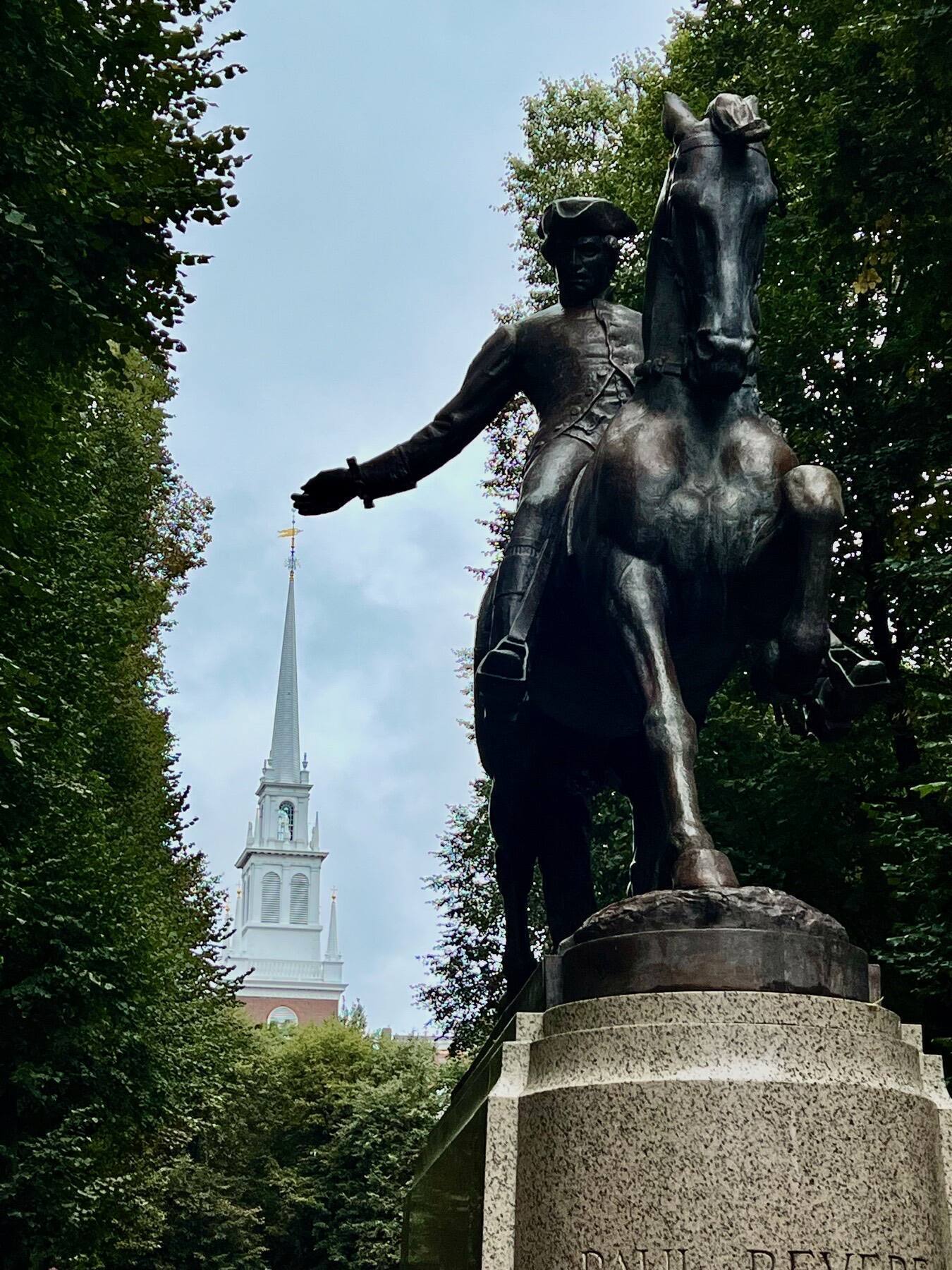
Washington, Jefferson, Lincoln: figures so foundational they've become more symbol than man. These are the architects of the American experiment, etched in marble and granite, sitting eternal and immovable while the country they shaped continues to wrestle with its own ideals.
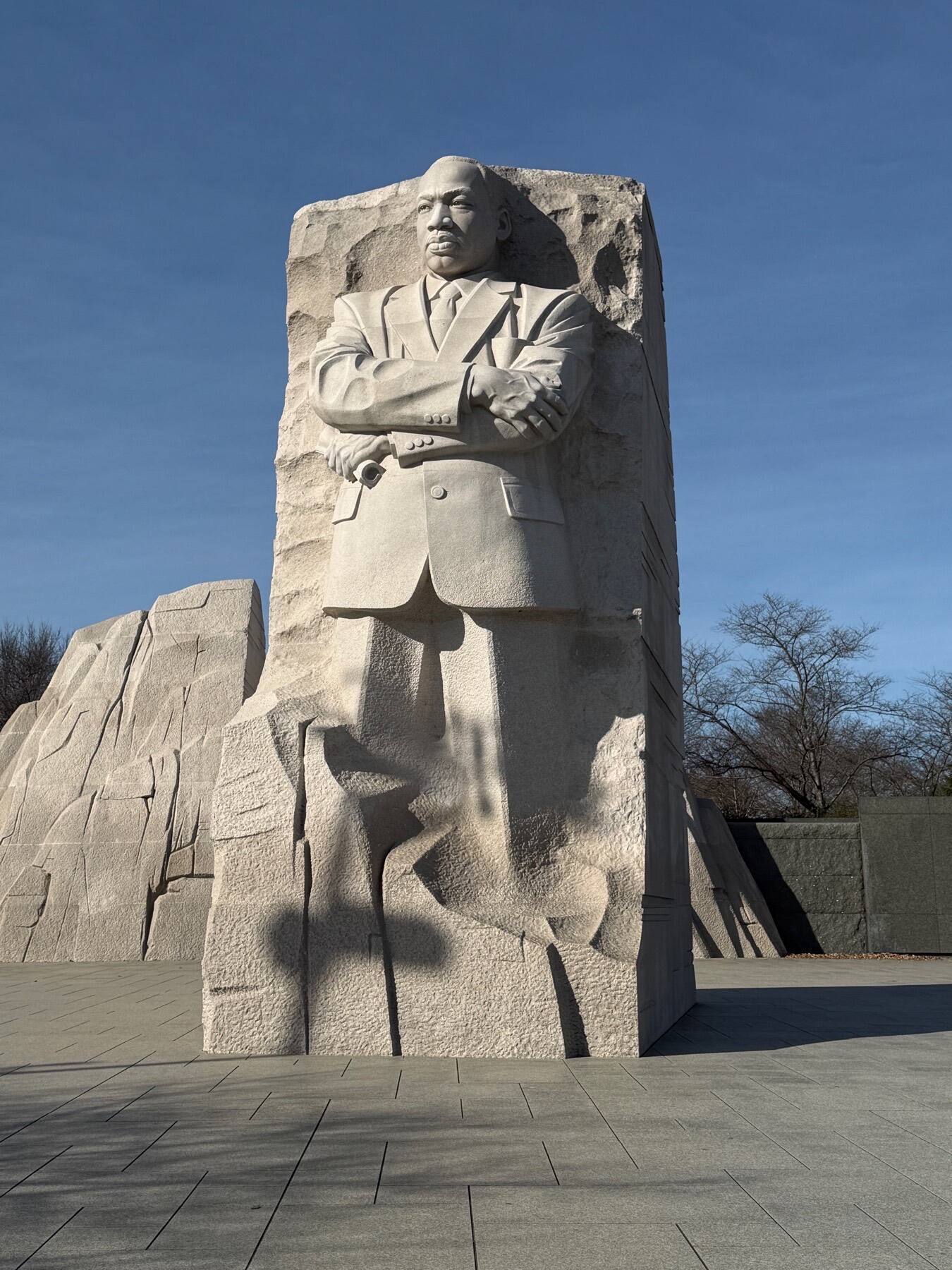
I visited these places with the weight of knowing what they represent, and what they omit. Mount Rushmore. The Lincoln Memorial. The Jefferson Memorial. Statues on pedestals in city squares and Capitol rotundas. Each one built to last, to instruct, to inspire. But also, to declare: This is who we are, and this is where we come from.
They are as much about power as memory: unblinking embodiments of ambition, contradiction, and vision. To stand in their presence is to feel the scale of nation-building and the cost of the stories we chose to preserve in stone.
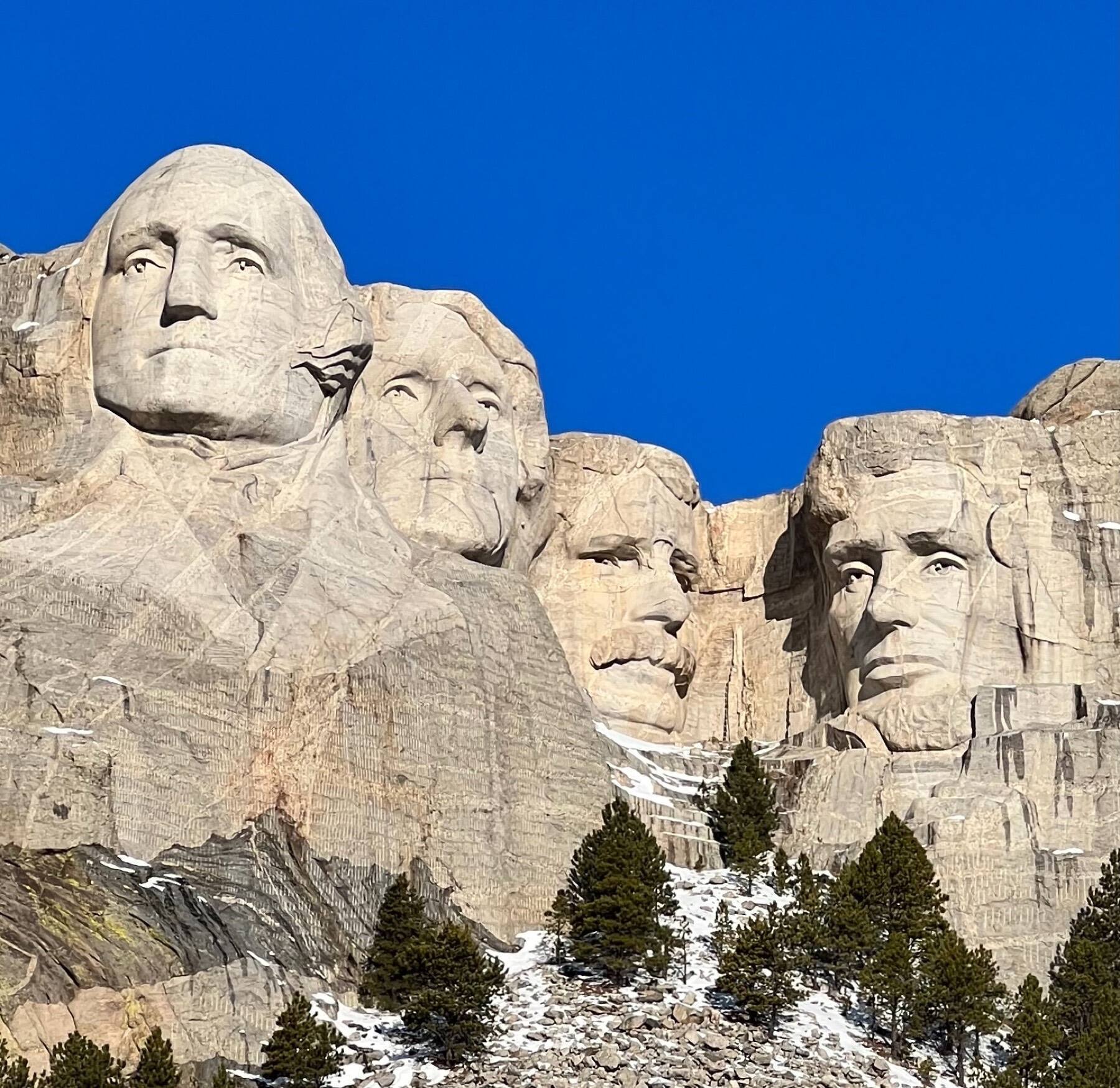
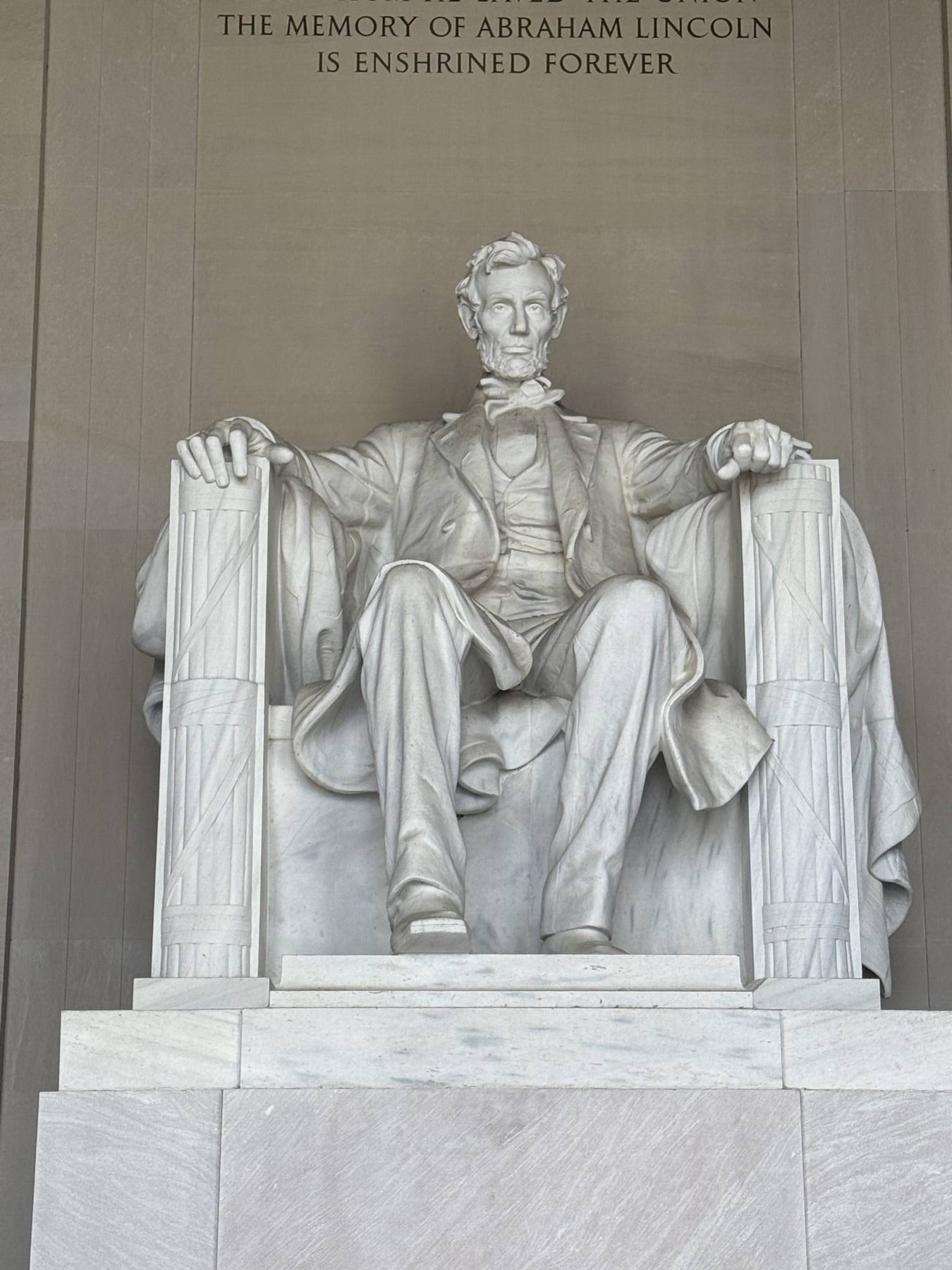
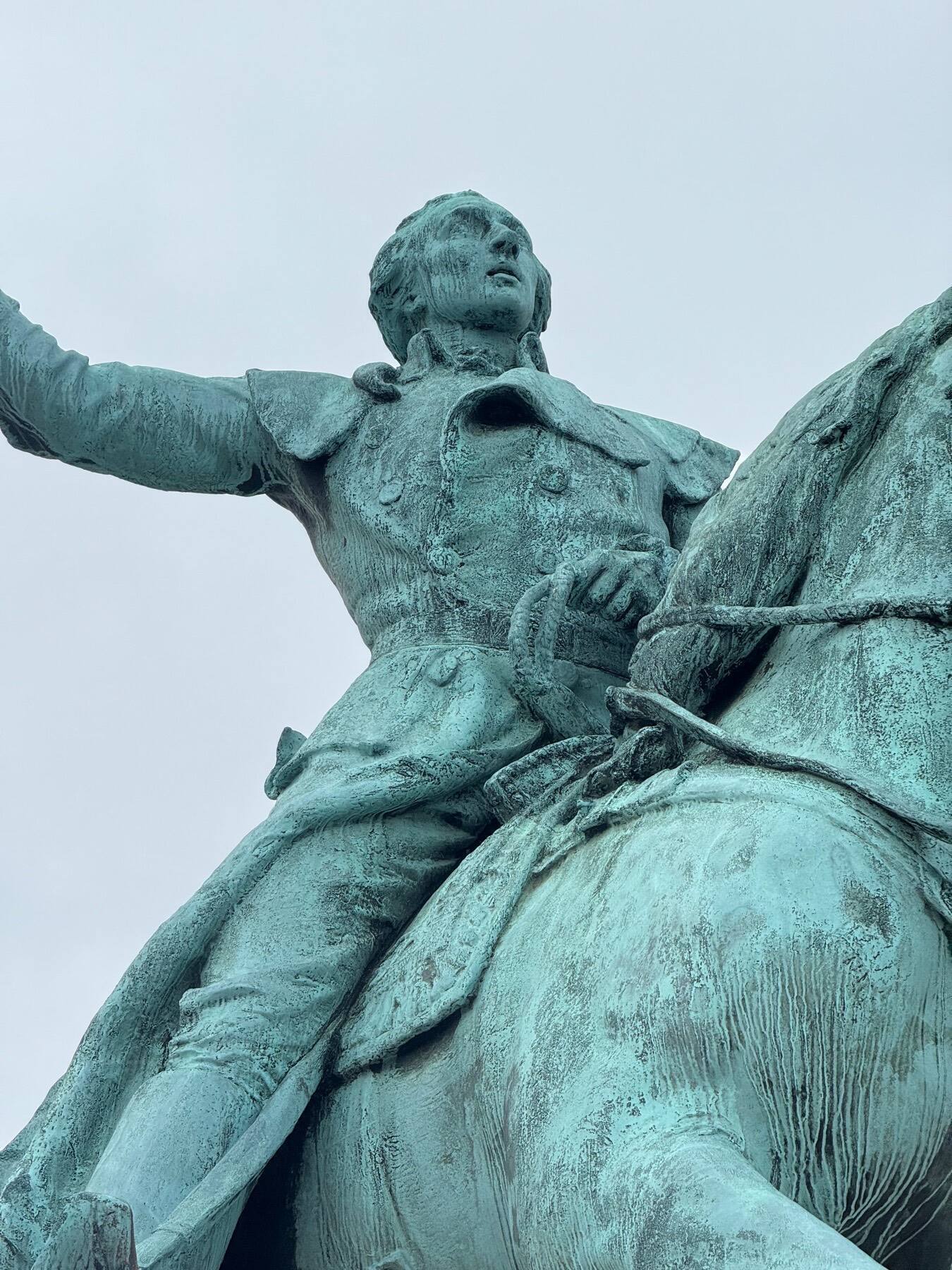
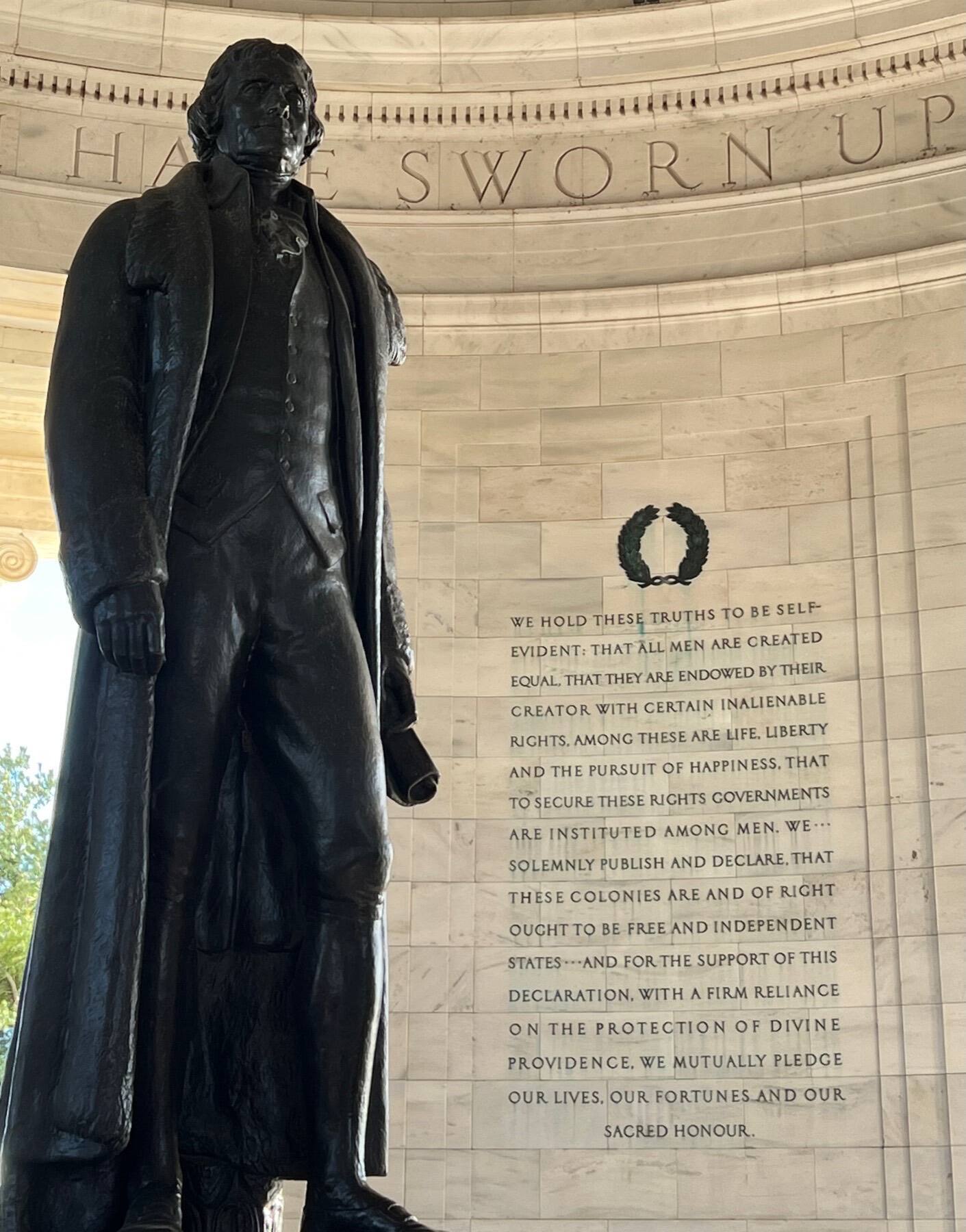
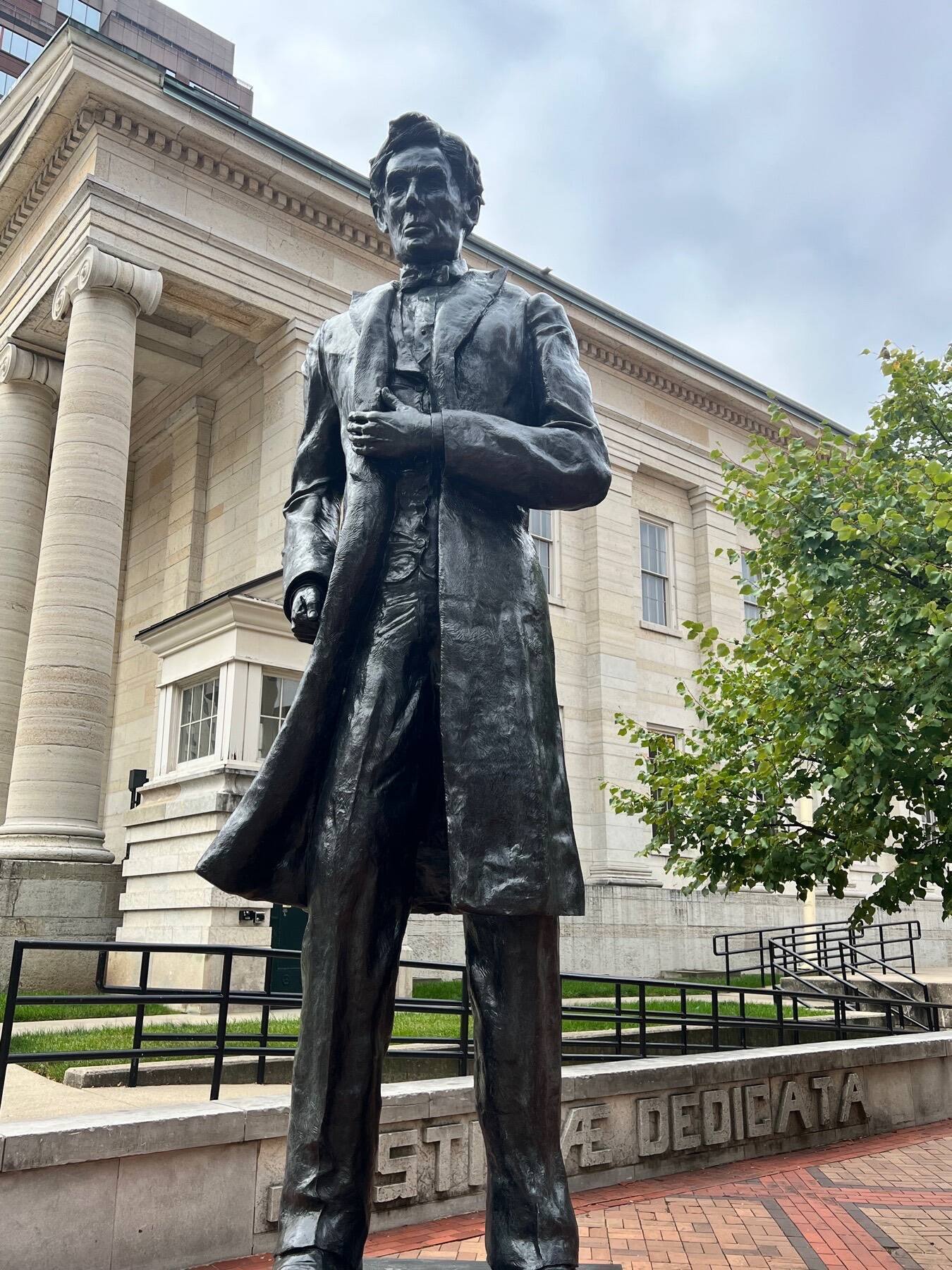
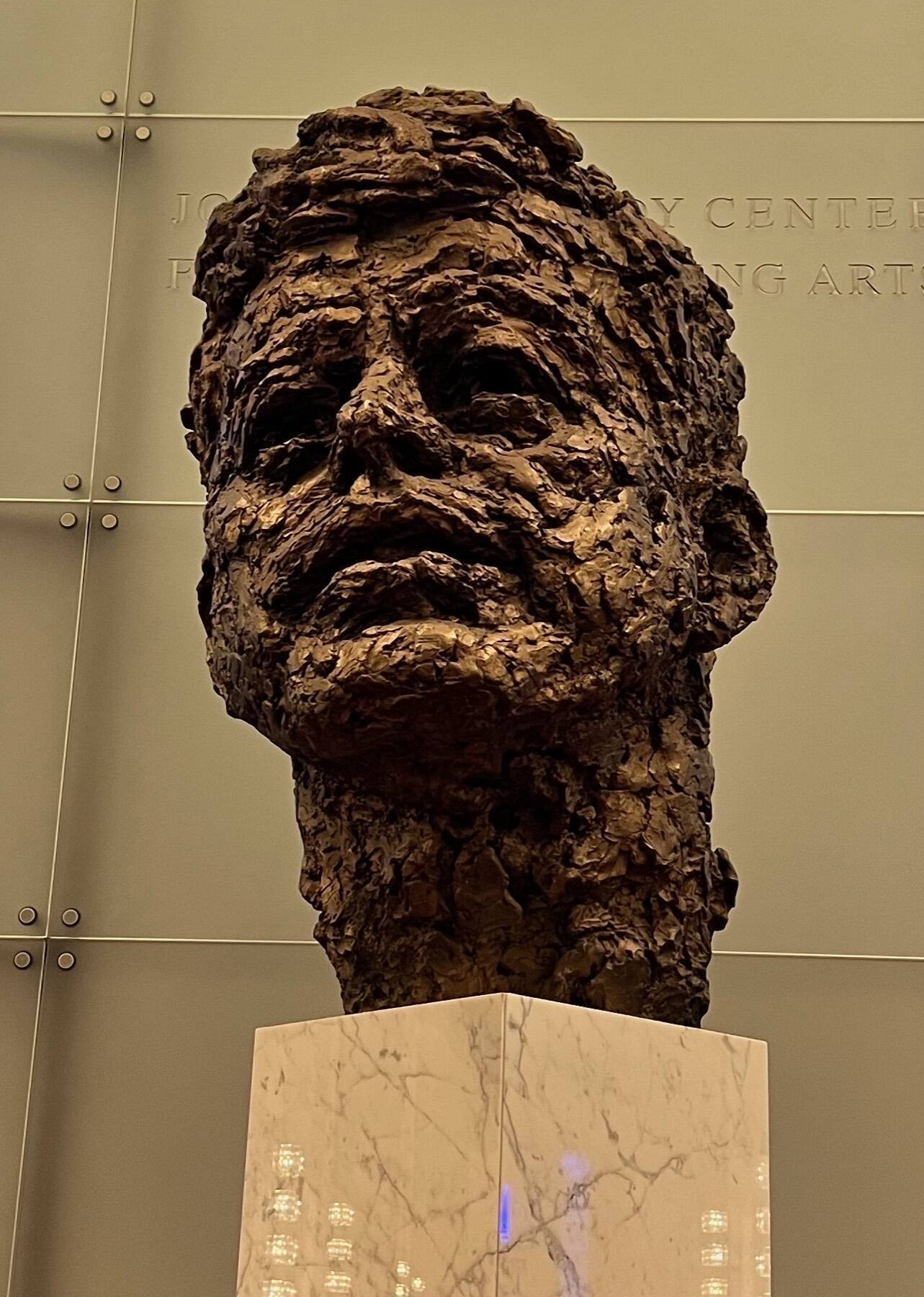
These monuments do not whisper about the past. They rise, unbound and upright, into the public square. They do not apologize for their presence. They testify to it.
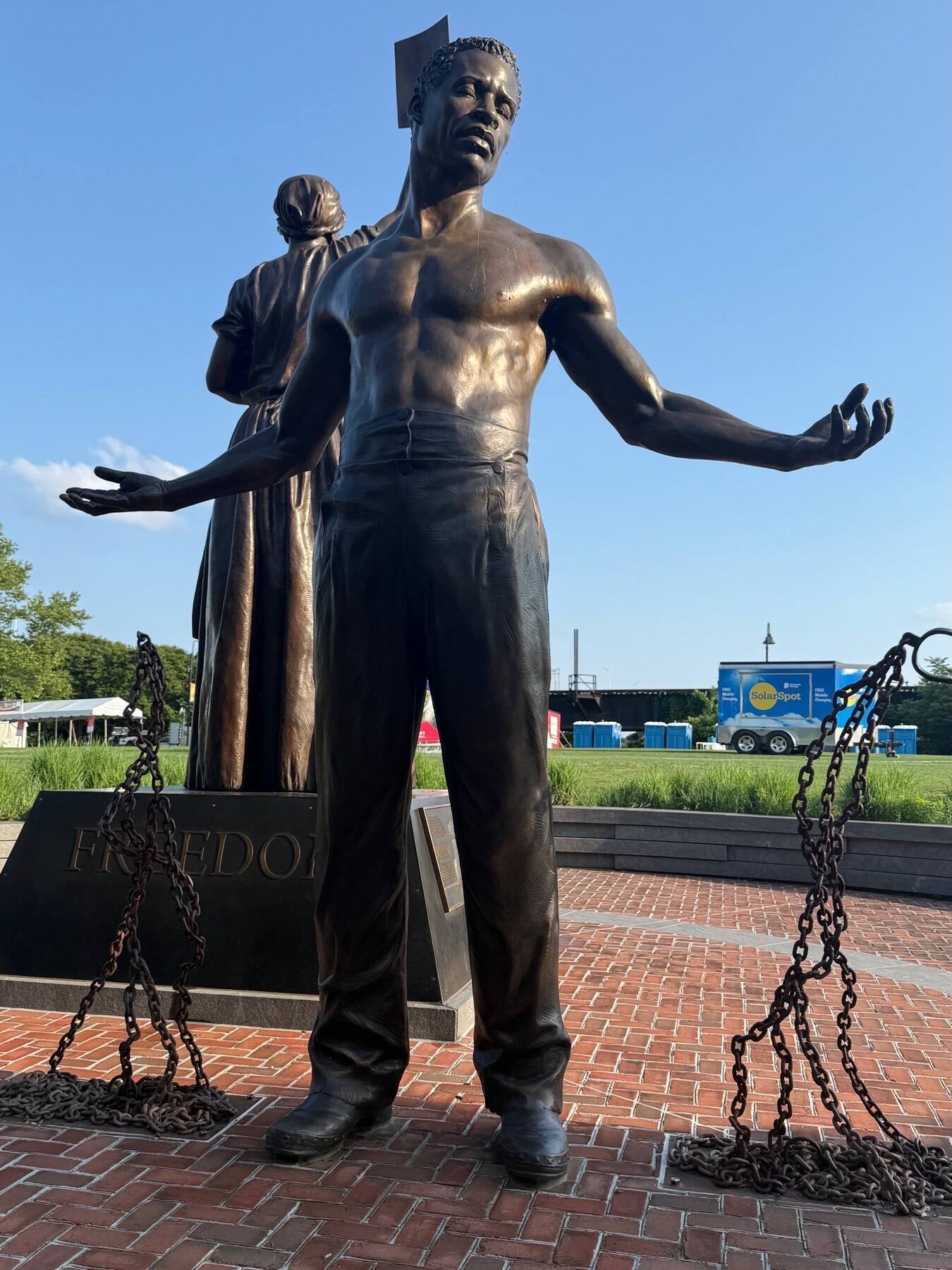
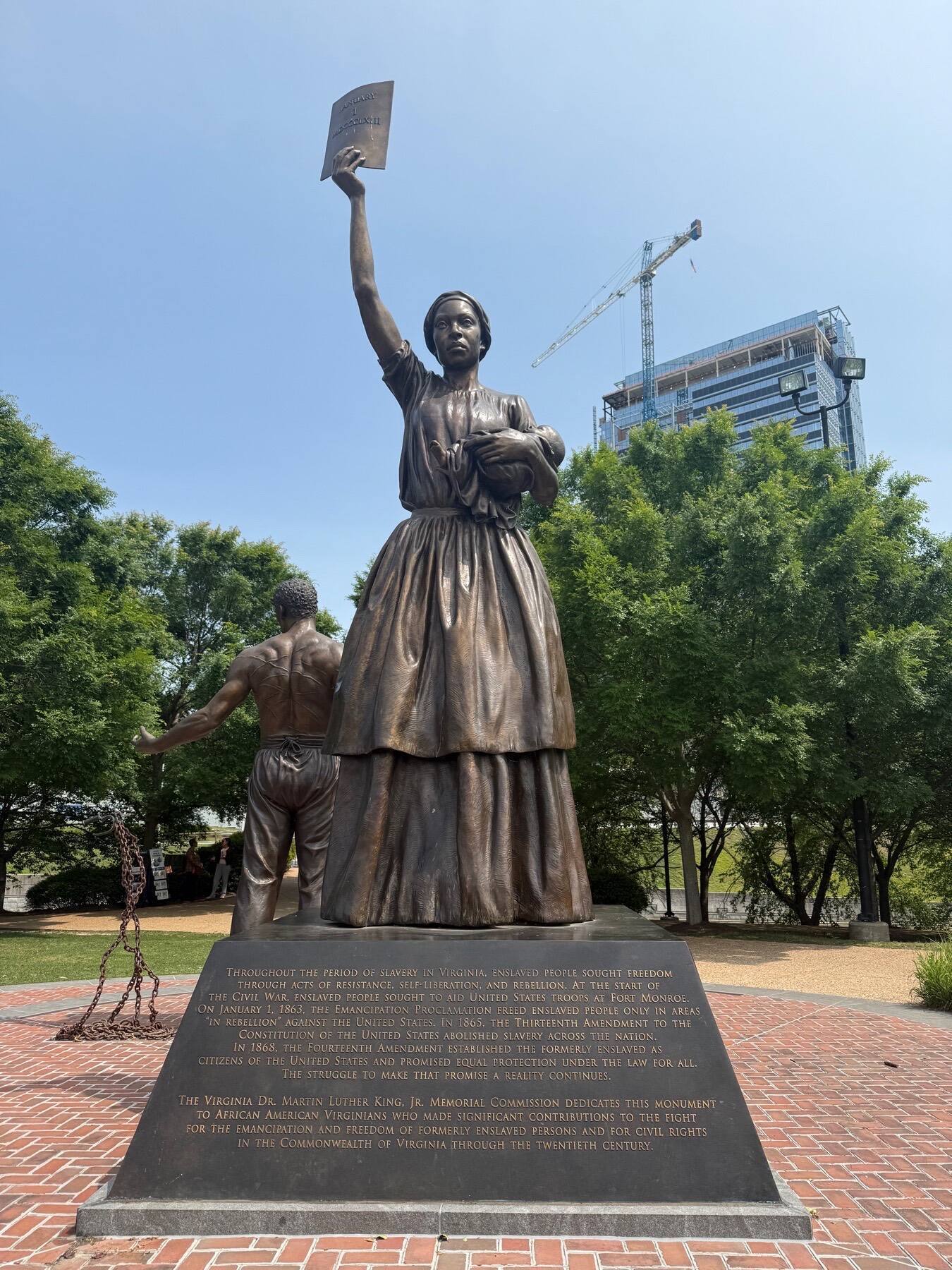
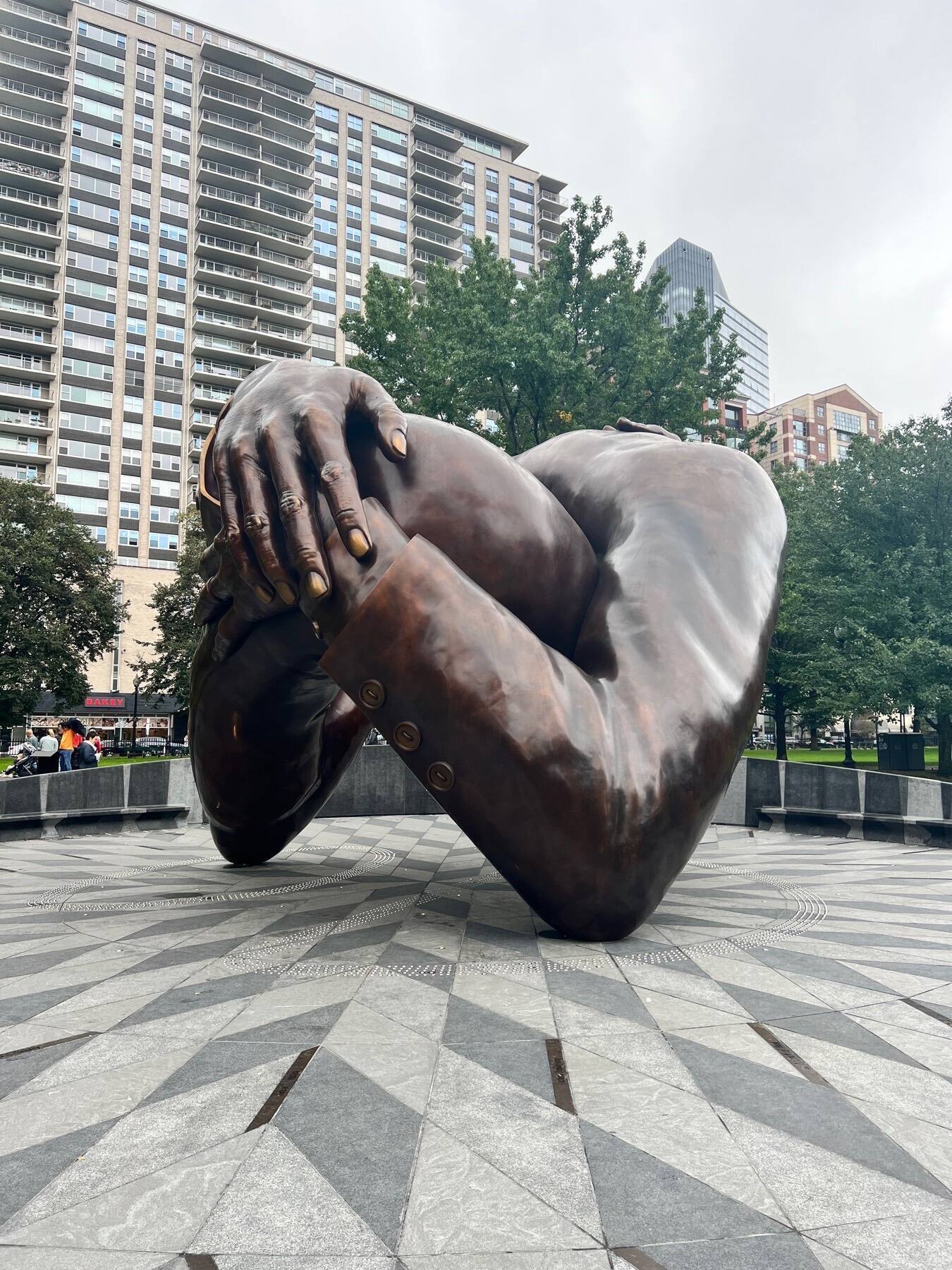
In Richmond, a man stands newly freed, chains broken but posture intact. Beside him, a woman lifts her child, the next generation carried forward in her arms and in her gaze. In Boston, The Embrace wraps around a moment of triumph and tenderness, where Dr. King is not posed alone but remembered through connection. Arms entwined, power expressed in intimacy. These are not static tributes. They are living declarations of presence, protection, and perseverance.
What was long suppressed is now sculpted in bronze -- not as resolution, but as insistence. Dignity cast into permanence. These figures do not simply commemorate. They confront. They ask us not just to remember, but to reckon.
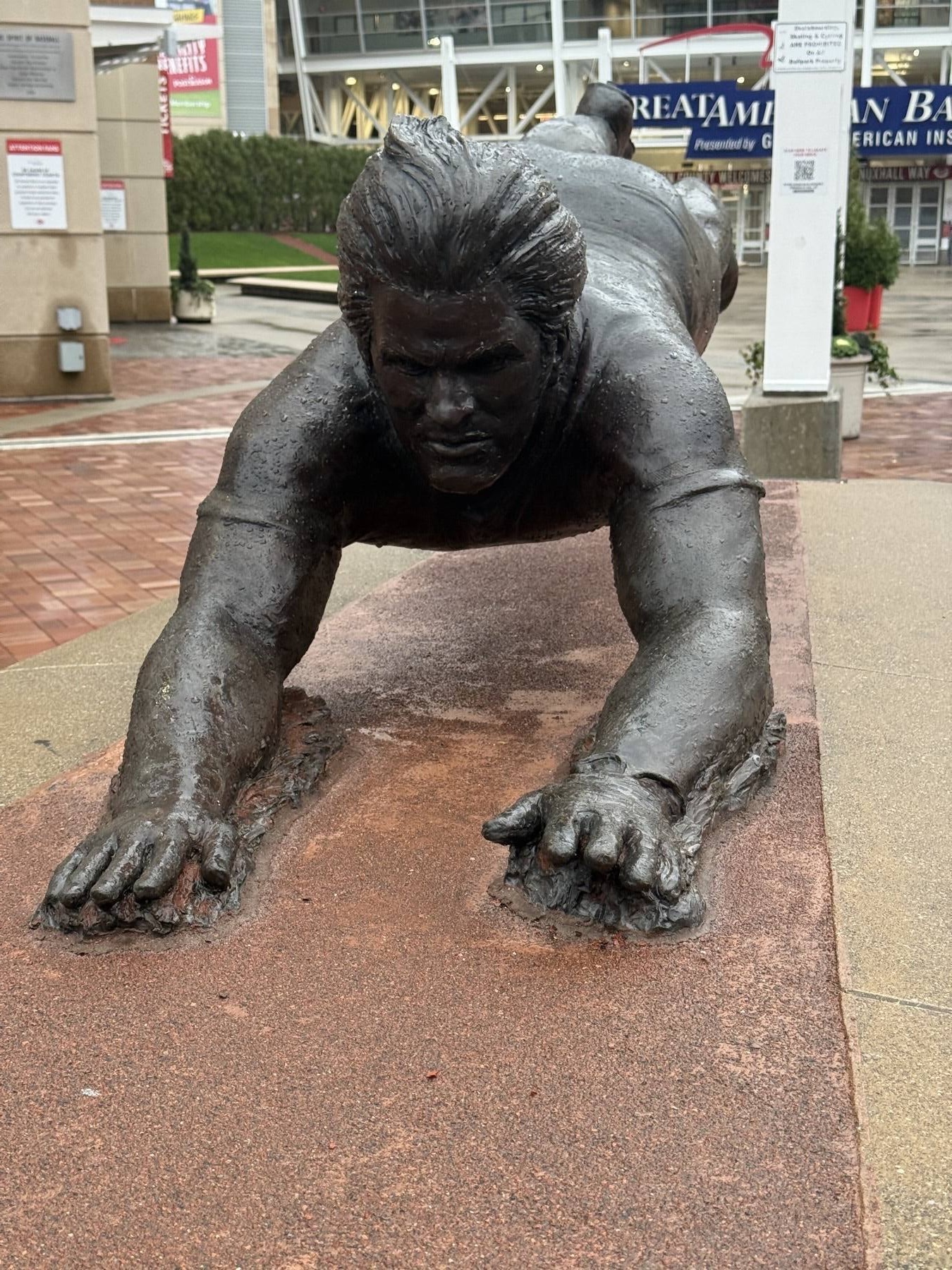
Not all monuments are carved in honor of presidents or prophets. Some rise from industry, others from spectacle, sport, or legend. They do not always commemorate greatness in the traditional sense, but they do tell us something vital about what this country values, who it remembers, and how it builds its myths.
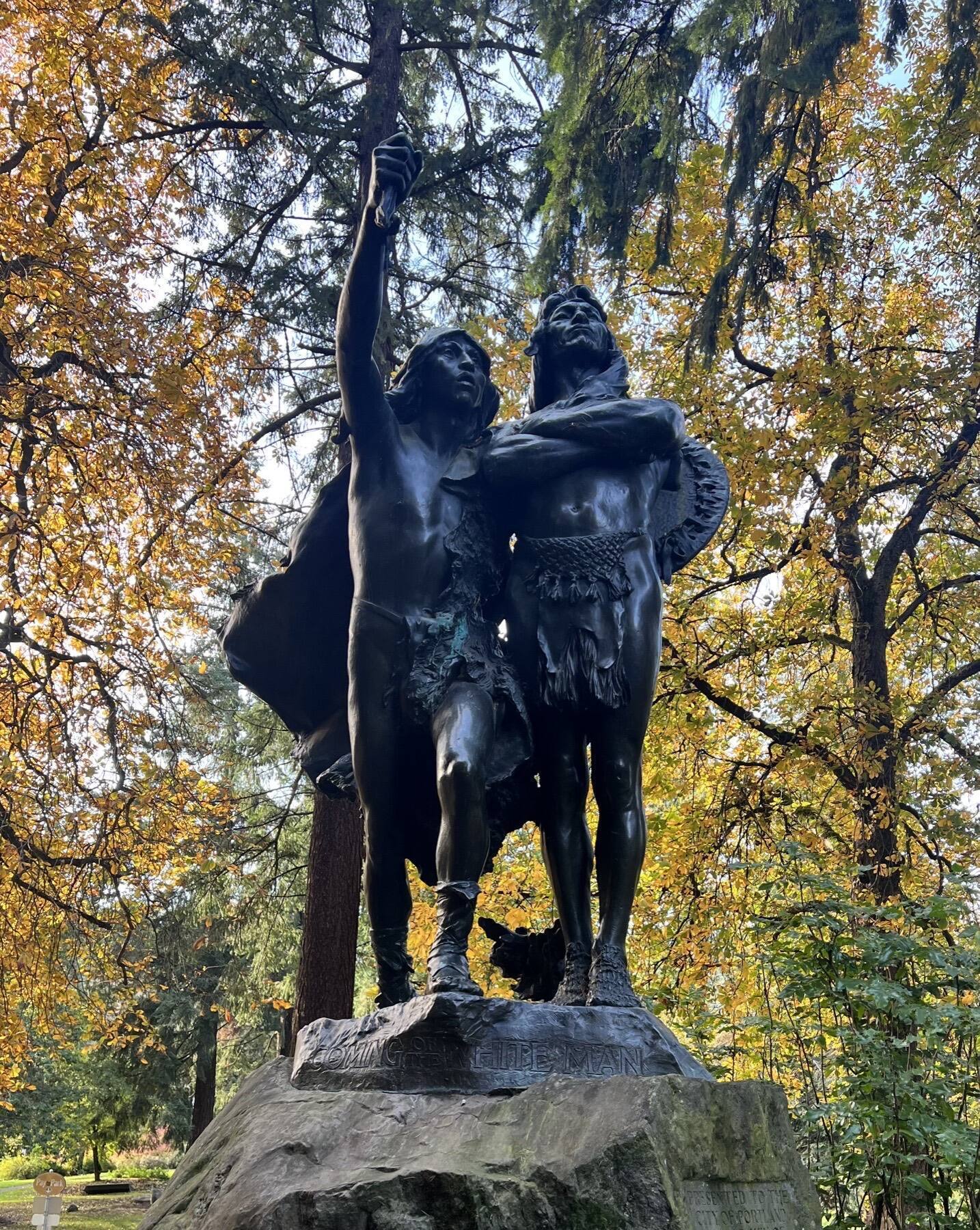
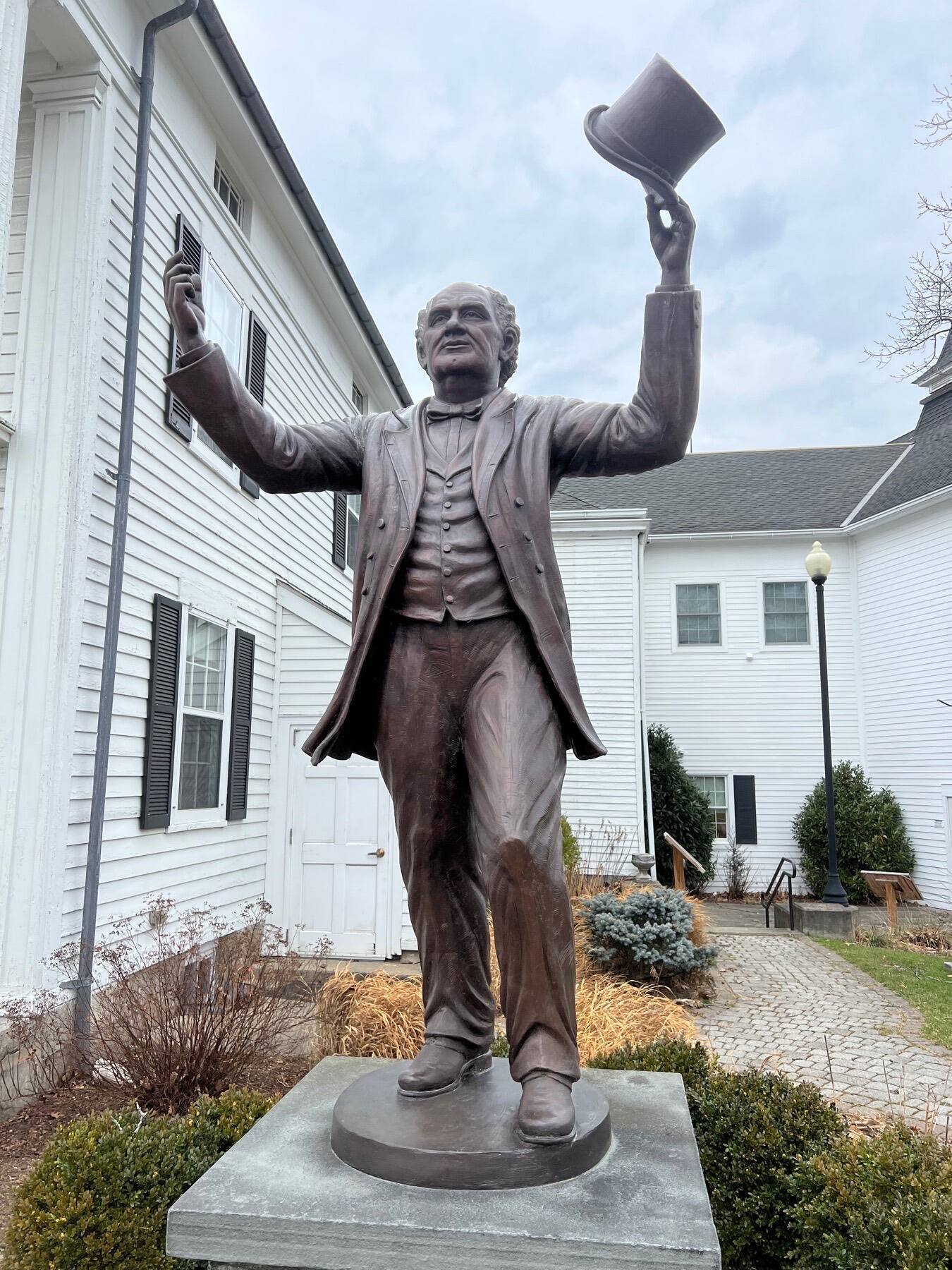
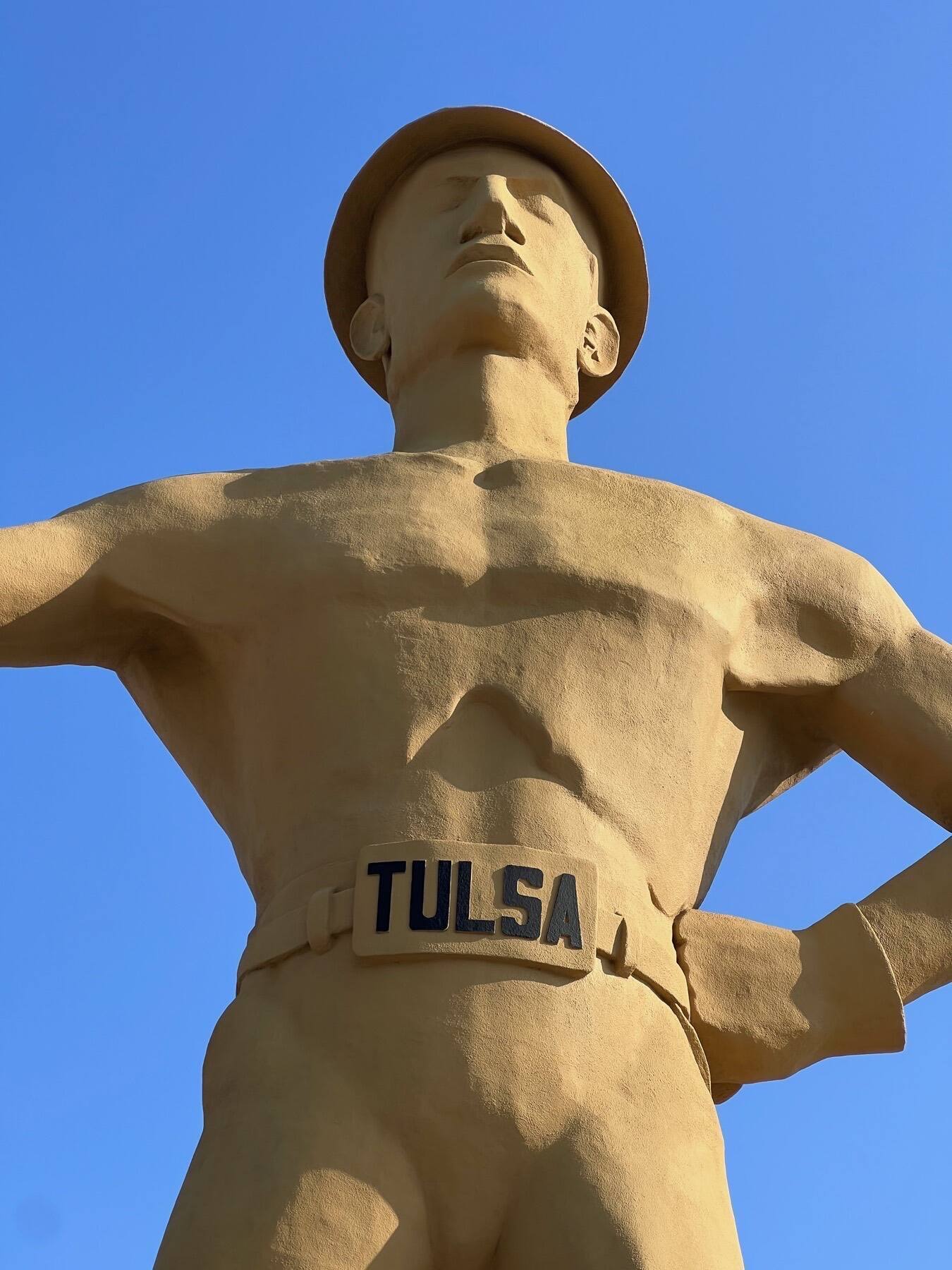
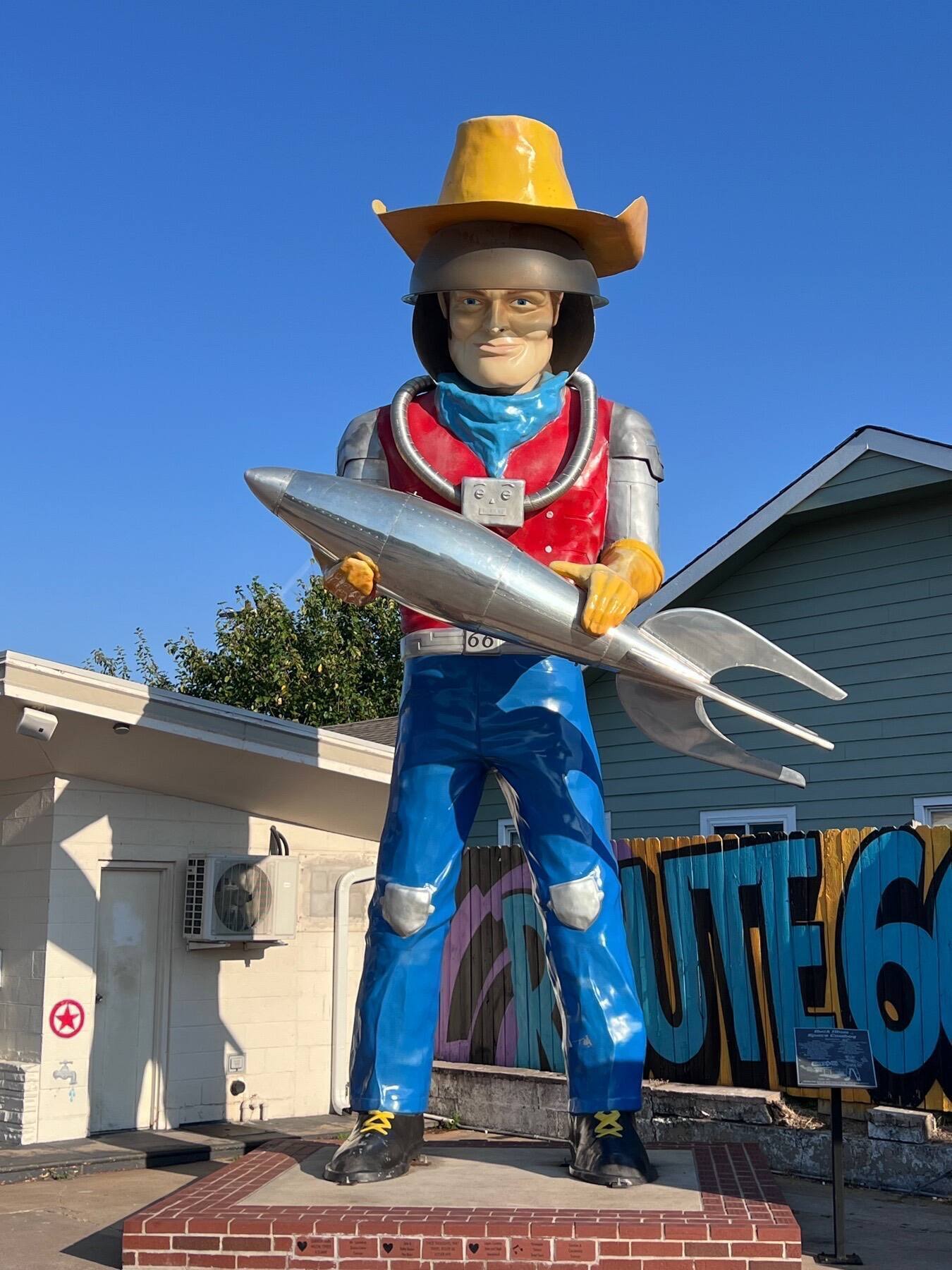
I found these scattered across cities and highways: a driller towering over Tulsa's fairgrounds, a showman tipping his top hat in Connecticut, explorers locked in bronze in a Portland park, and a space cowboy frozen mid-stride on Route 66. They stand in parks and plazas, parking lots and roadside stops, each one part roadside attraction, part civic assertion.
Some are kitsch, some are reverent, and some are both. Not saints, not founders -- just folk heroes of a different kind, remembered not for what they ruled or wrote, but for what they meant to the people who put them there.