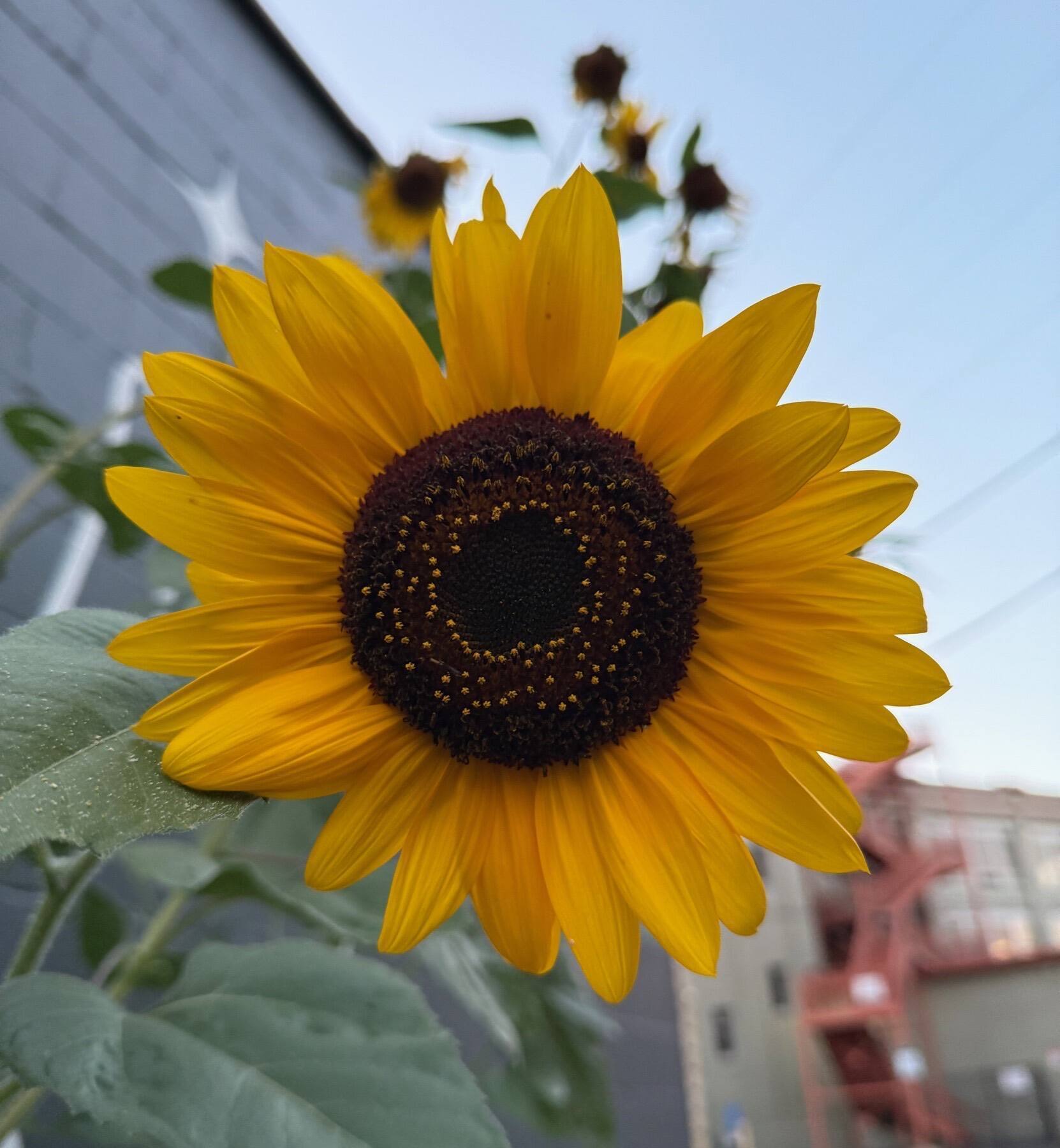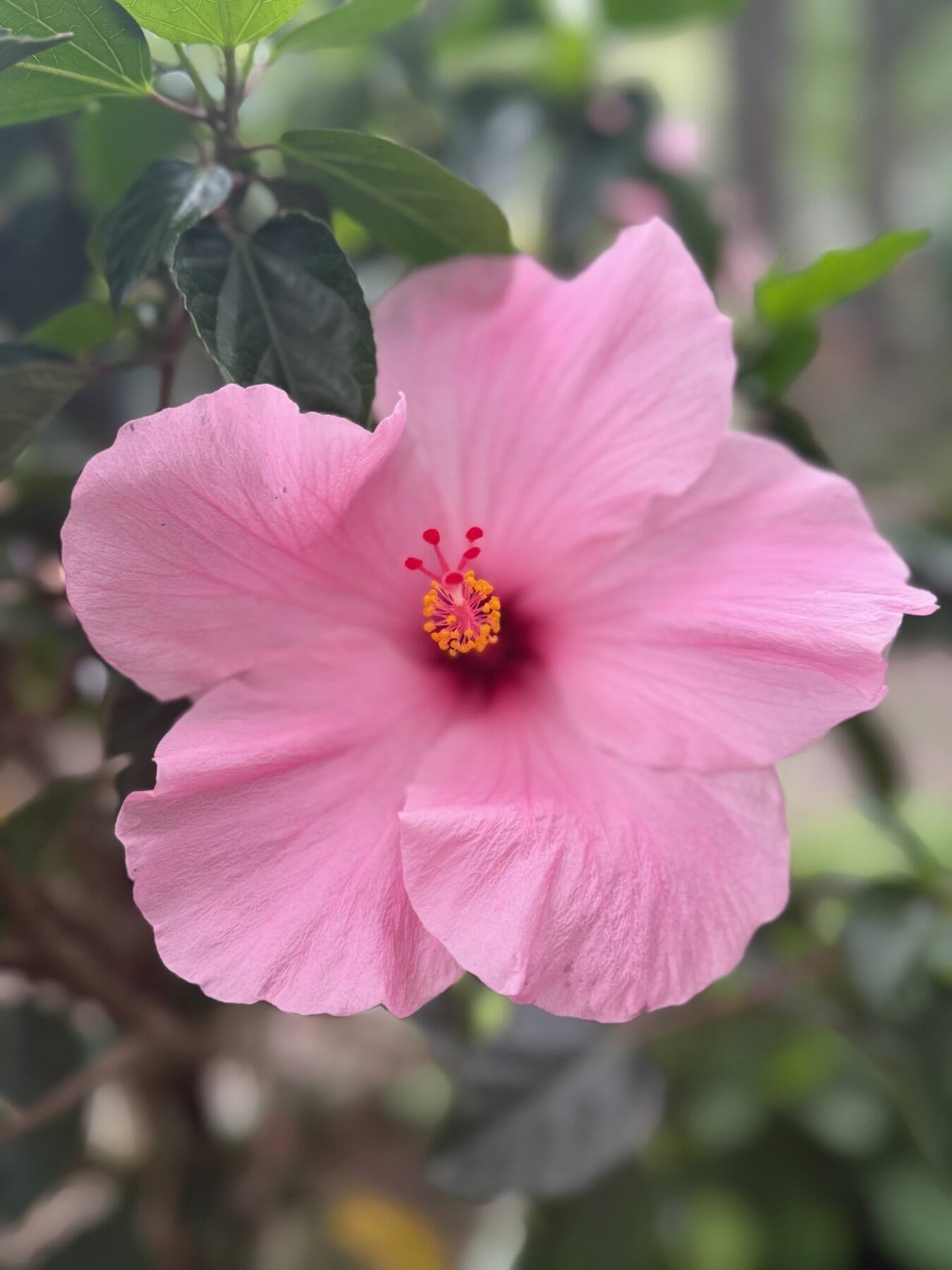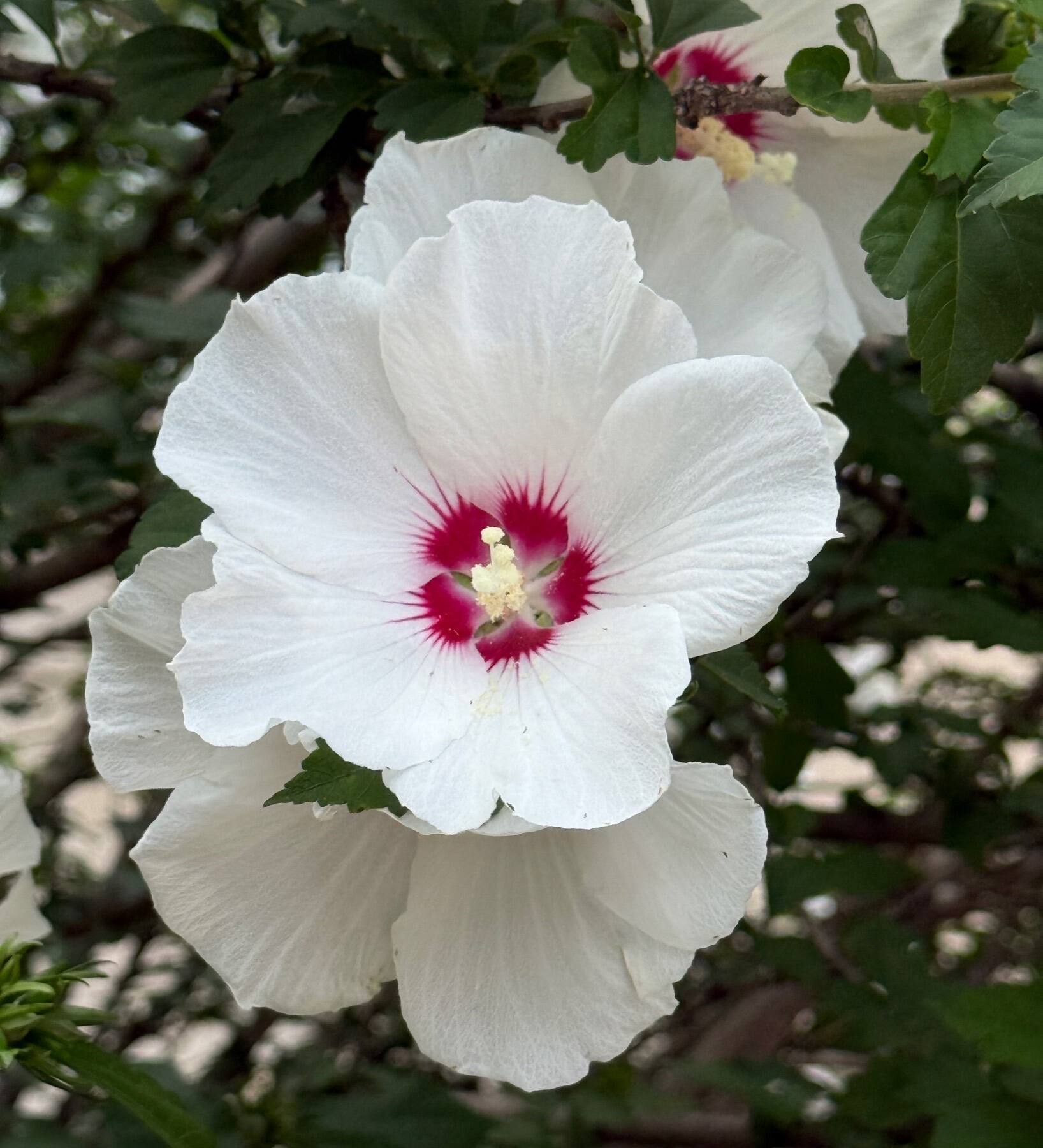
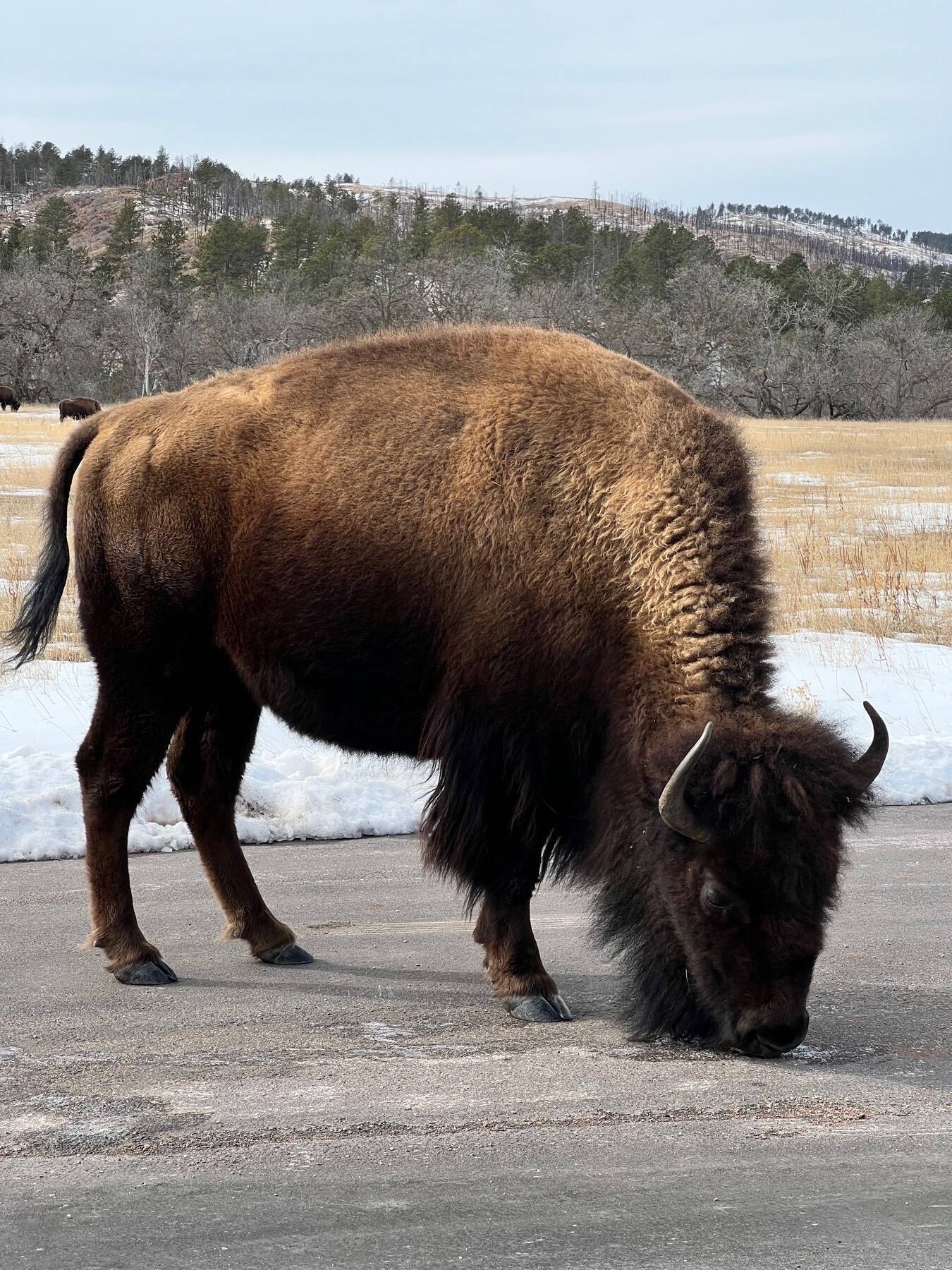
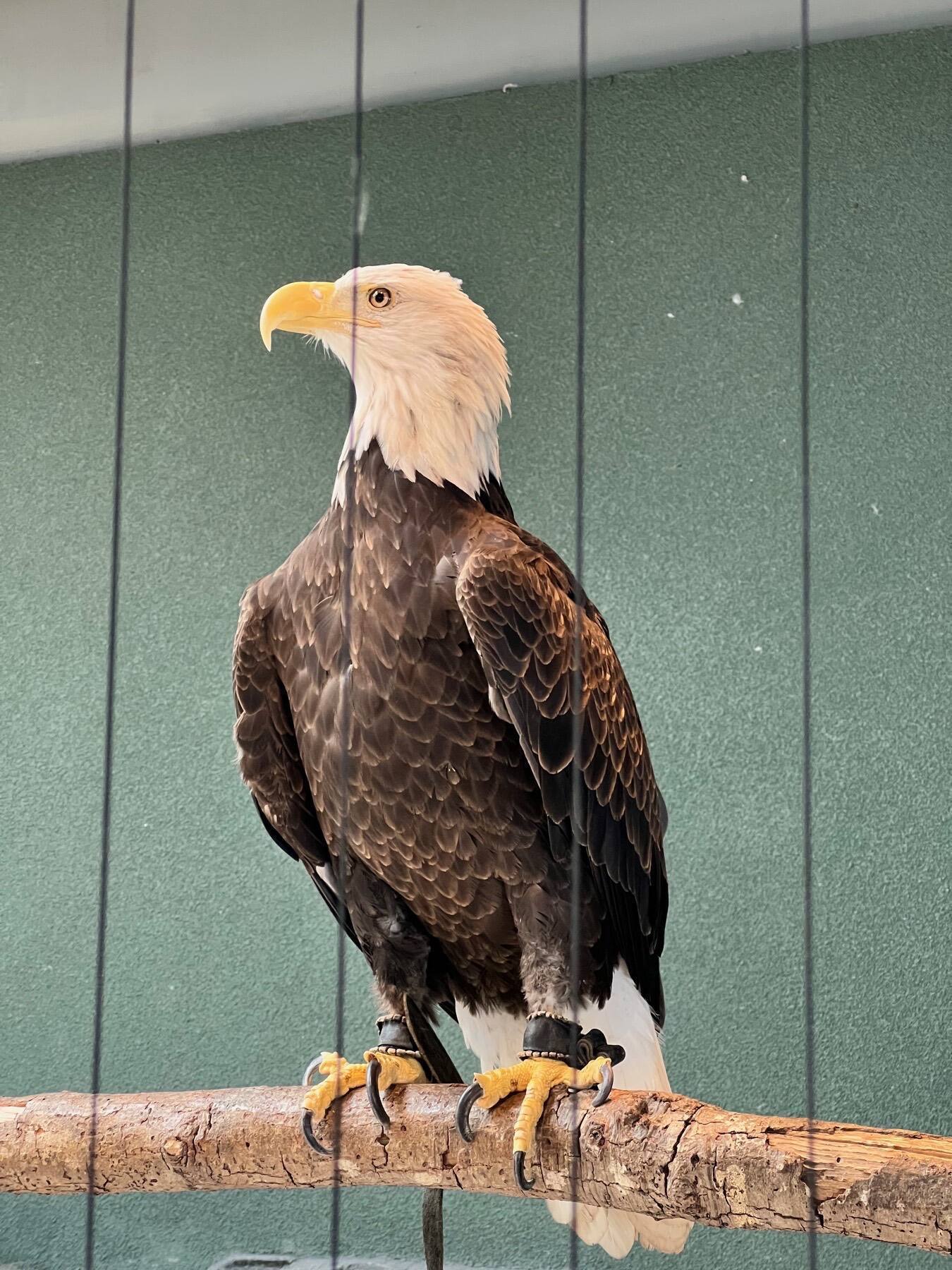
America is not only its cities, its arguments, or its headlines. It is also this: a bison standing in the road at dawn. A redwood canopy closing over your head like a cathedral. A bald eagle on a branch, watching you watch it. A flower so precise and strange it stops you mid-stride.
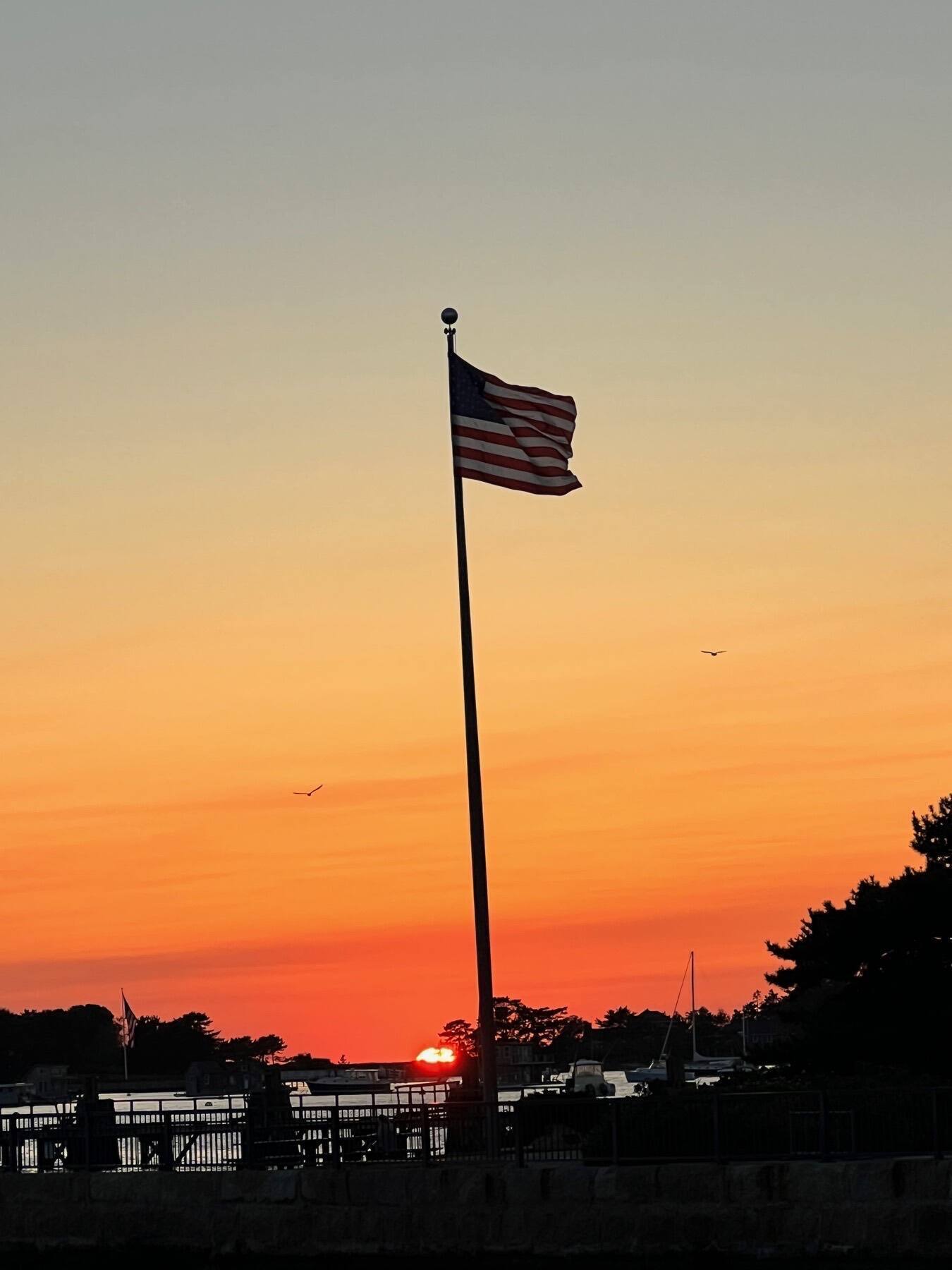
Four years of slow travel across 28 states taught me that the natural world does not care about the noise. It simply keeps being extraordinary. The plains stretch in every direction. The mountains rise without warning. The sky performs at dusk with an indifference to audience that is its own kind of grandeur.
I did not set out to document the natural world. I set out to document America. But the land kept interrupting. The creatures kept appearing. The flowers kept opening. And eventually I understood that you cannot separate the country from the ground it stands on, the sky it lives under, or the living things it shares space with.
These photographs are from that interruption.
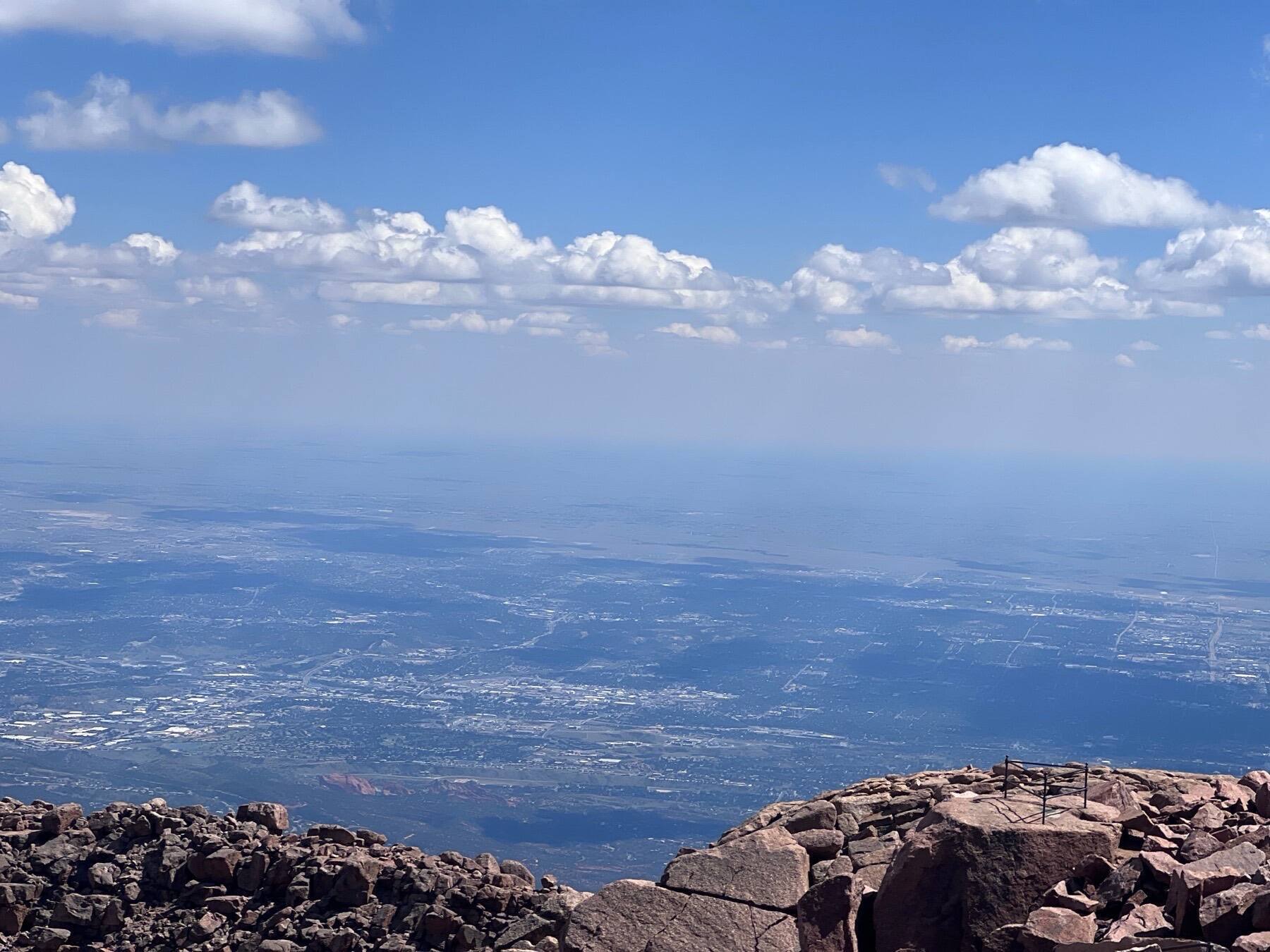
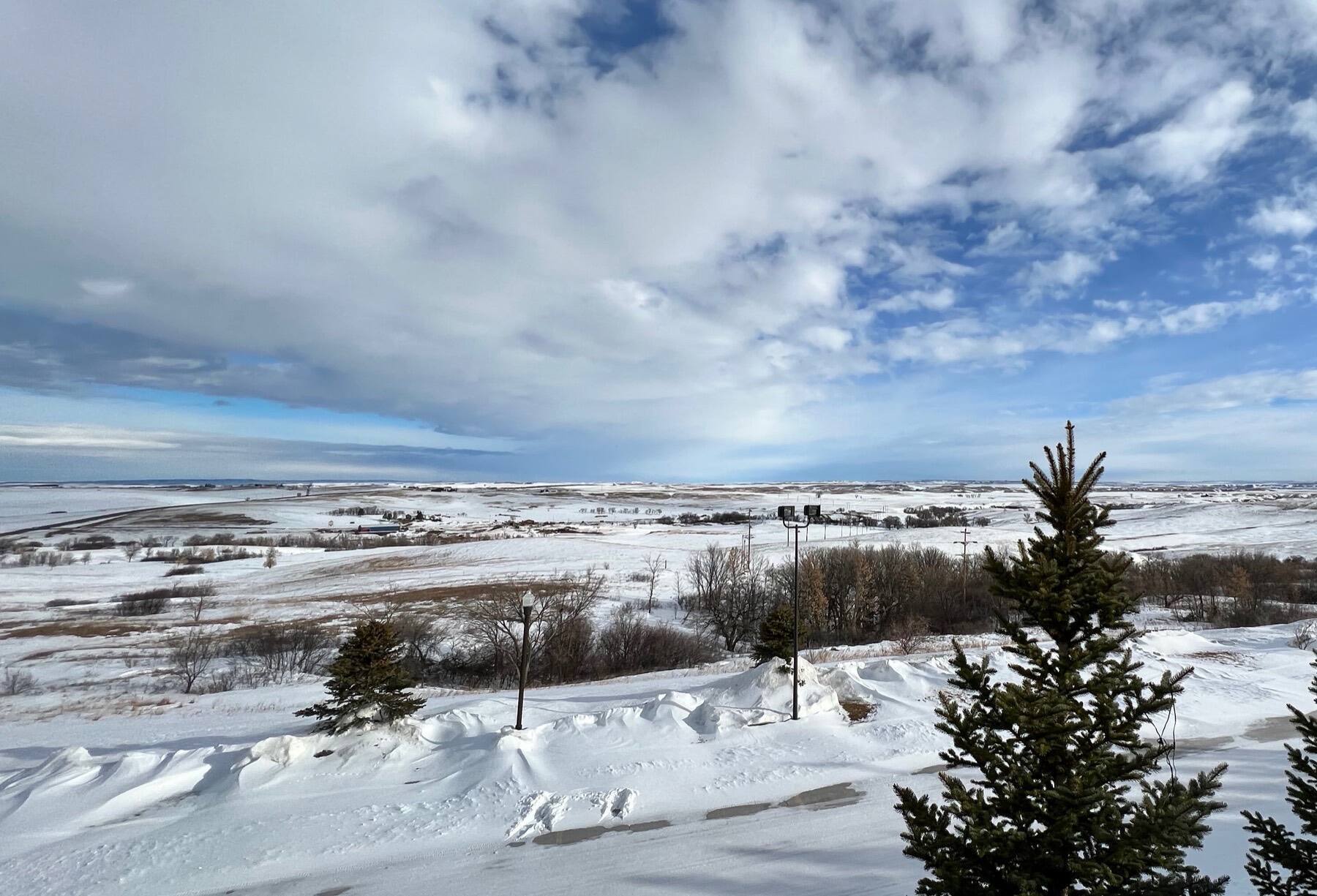
America is bigger than any argument about it. Drive long enough and the scale becomes undeniable -- the Great Plains stretching to a horizon you cannot reach, the Rockies rising out of nowhere, the sky doing things no forecast predicted. These are not scenic backdrops. They are the actual country, the one that existed before the maps and the flags and the arguments about what it means.
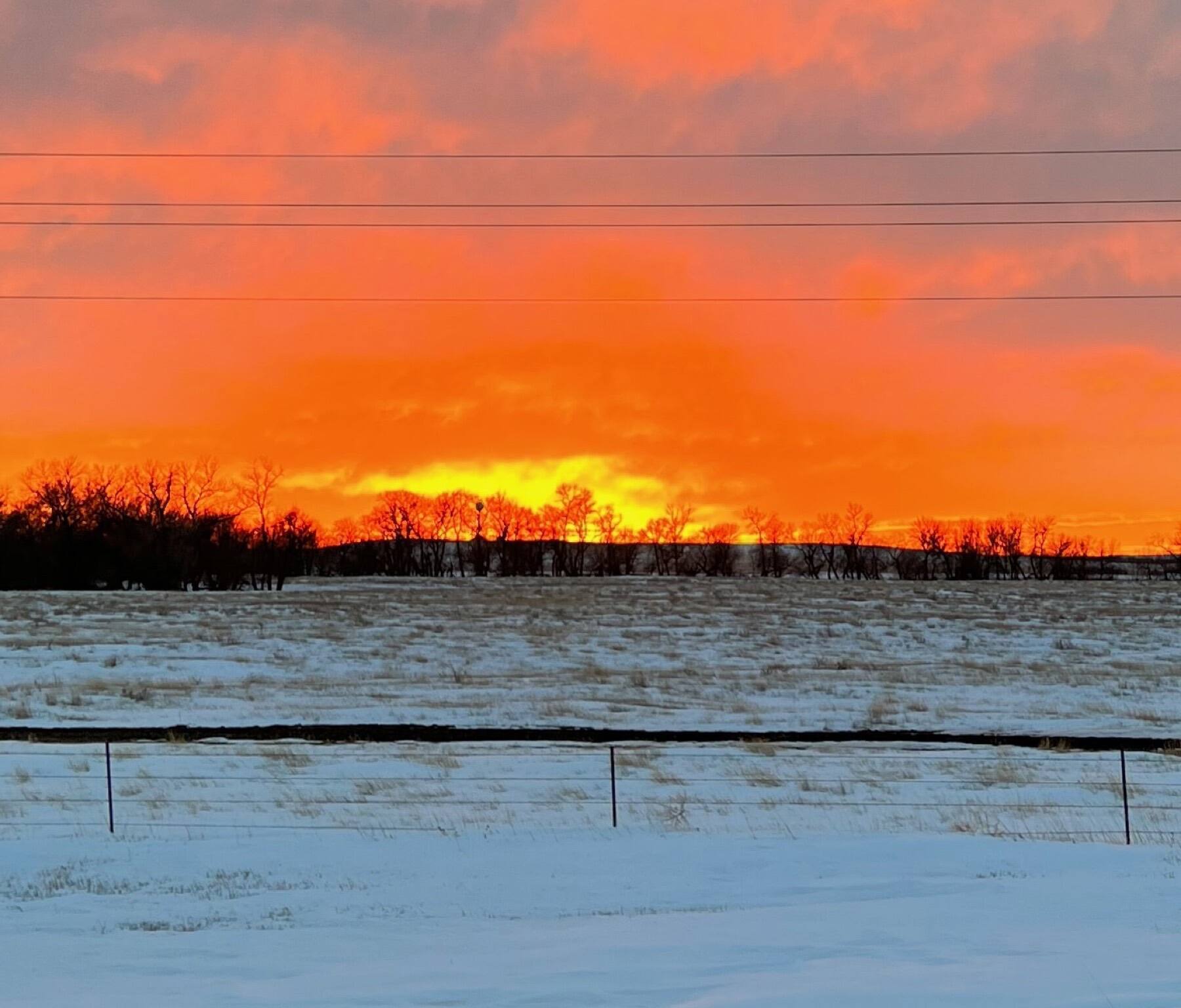
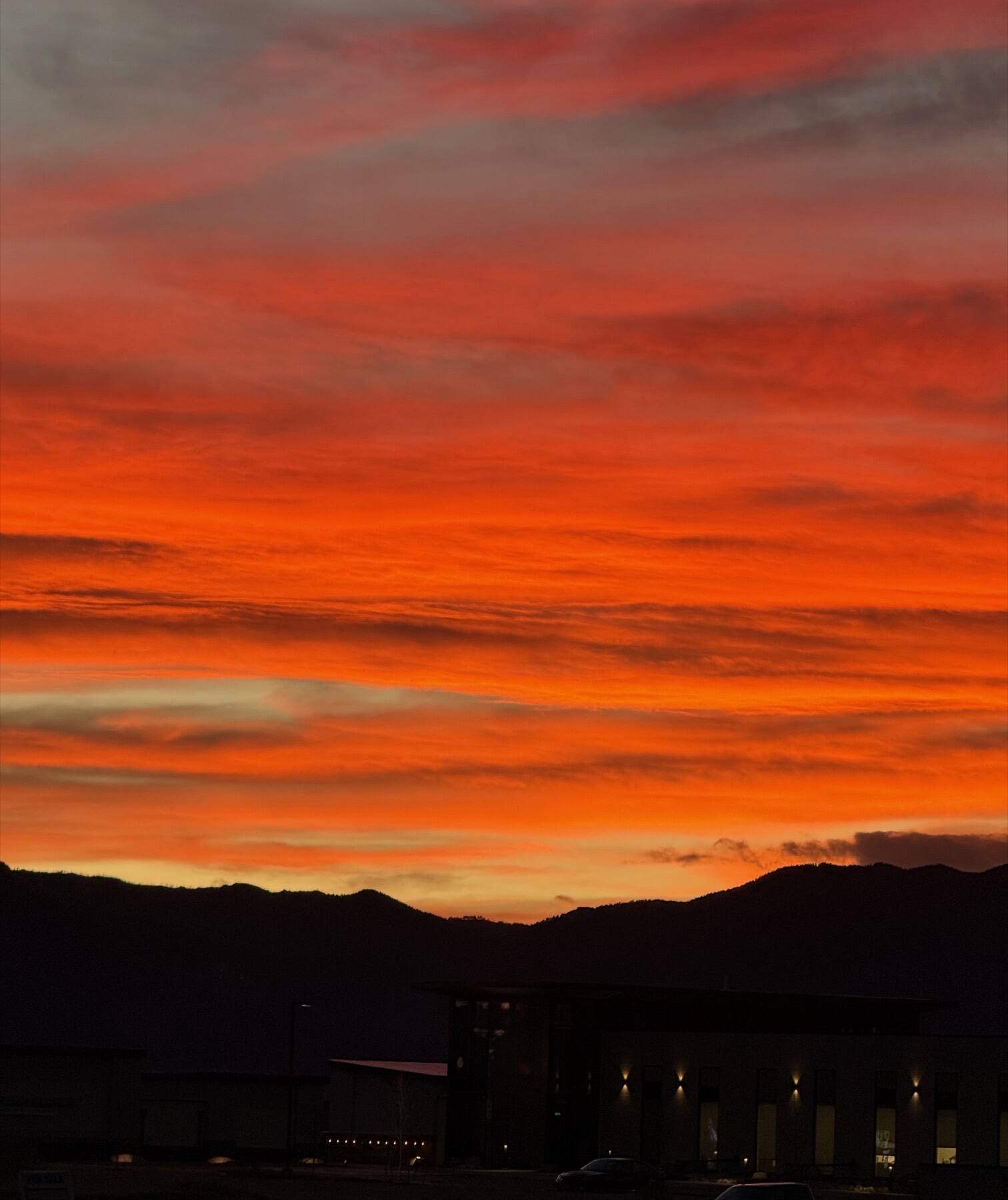
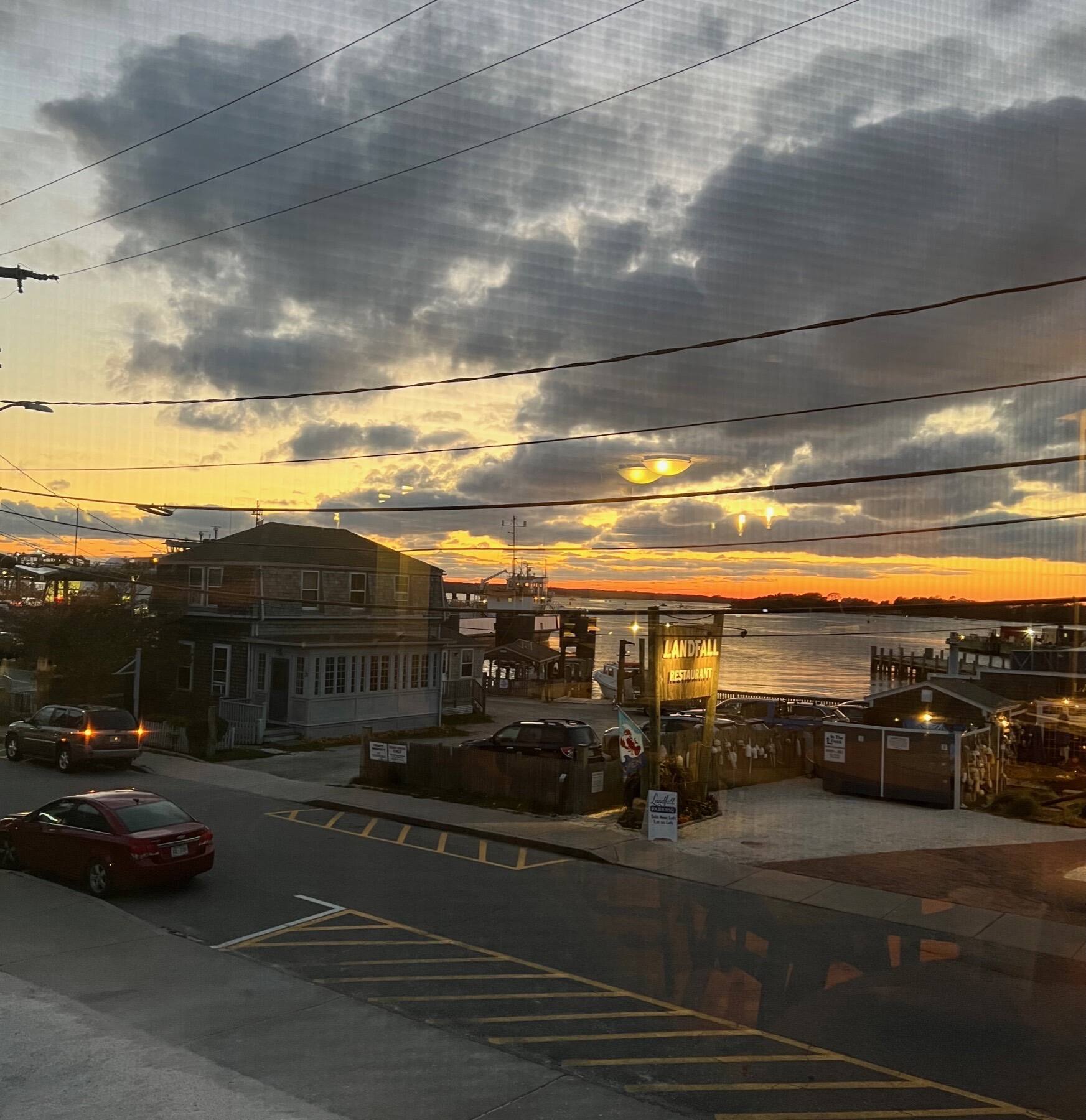
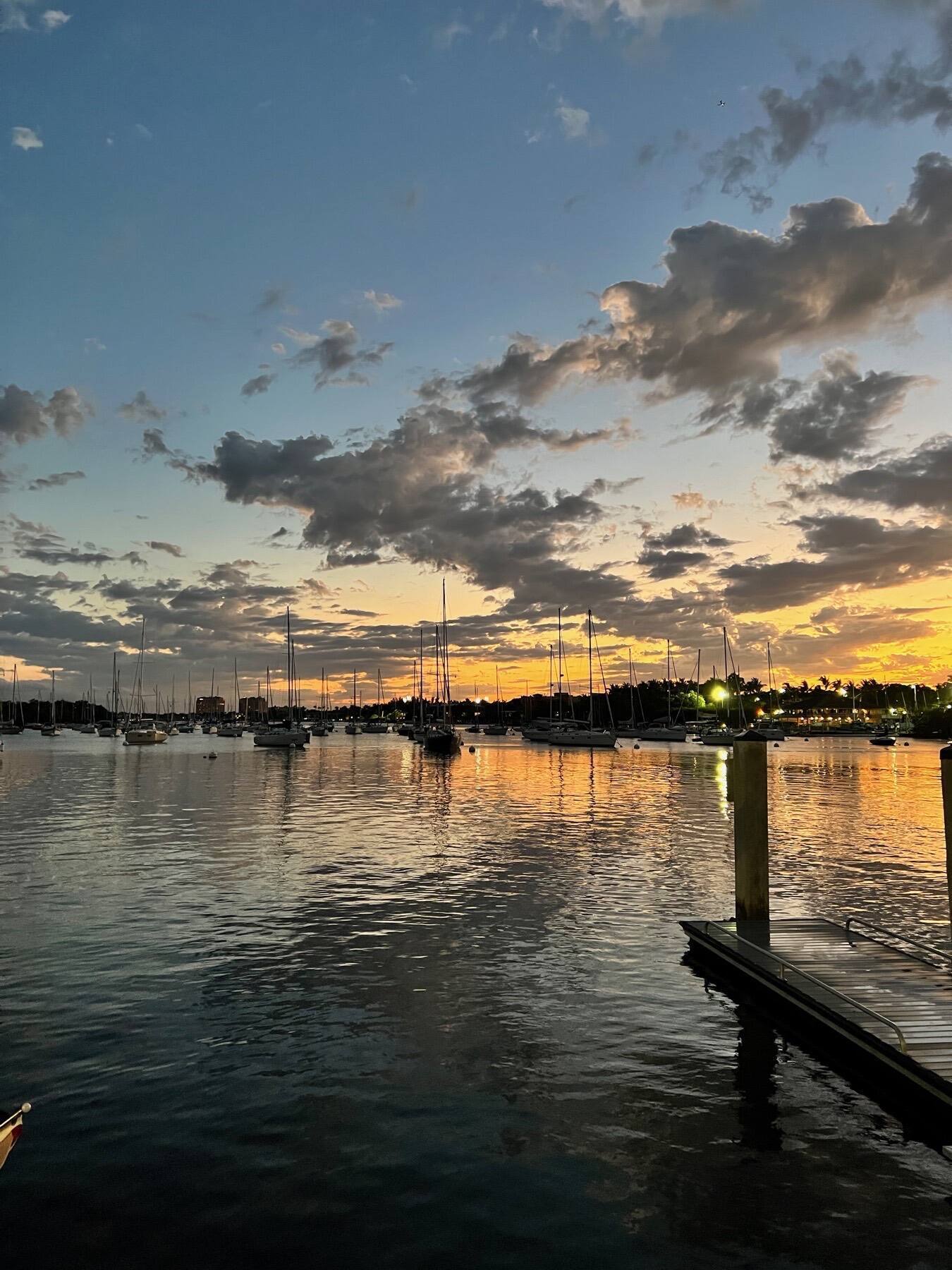
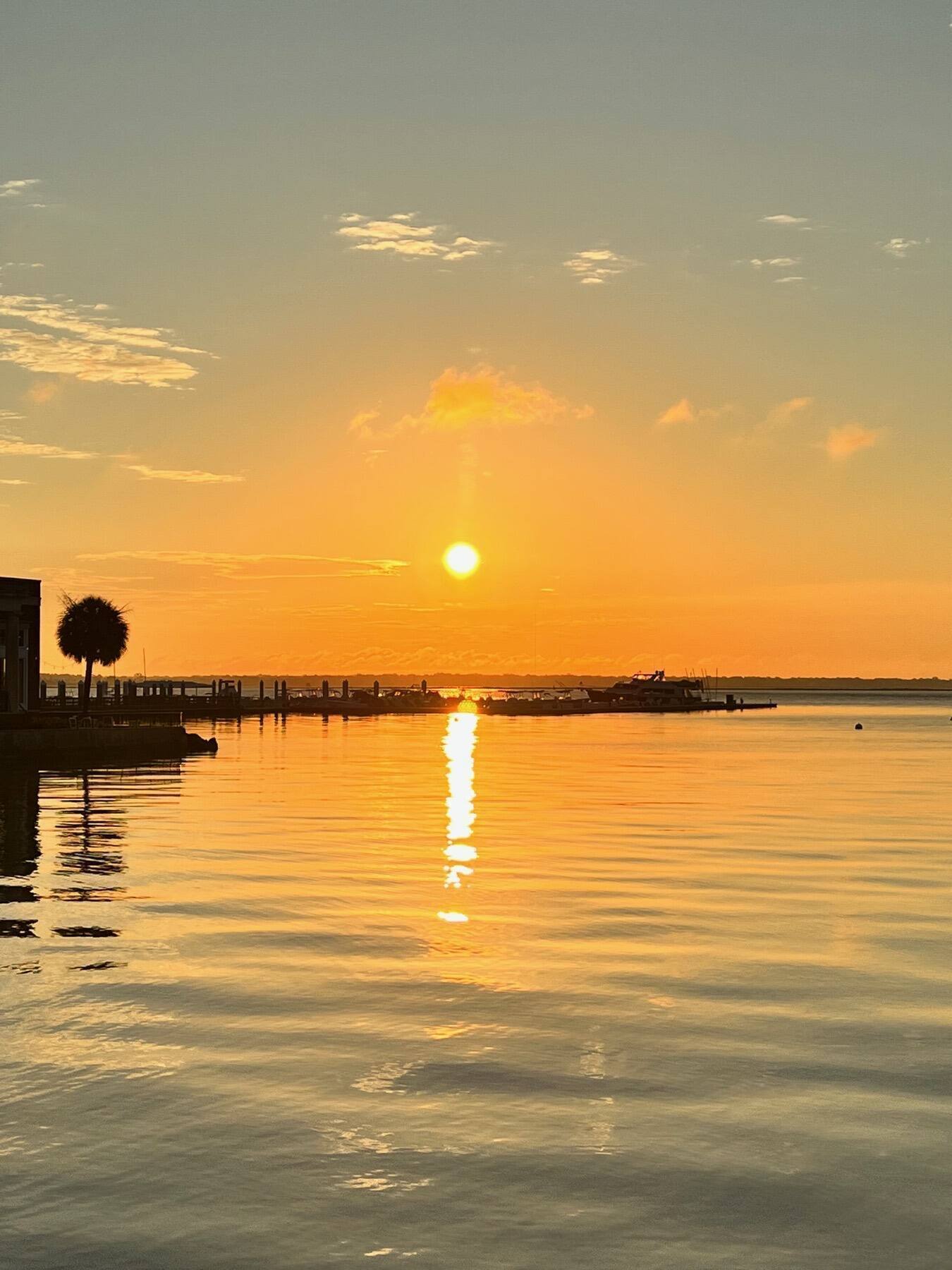
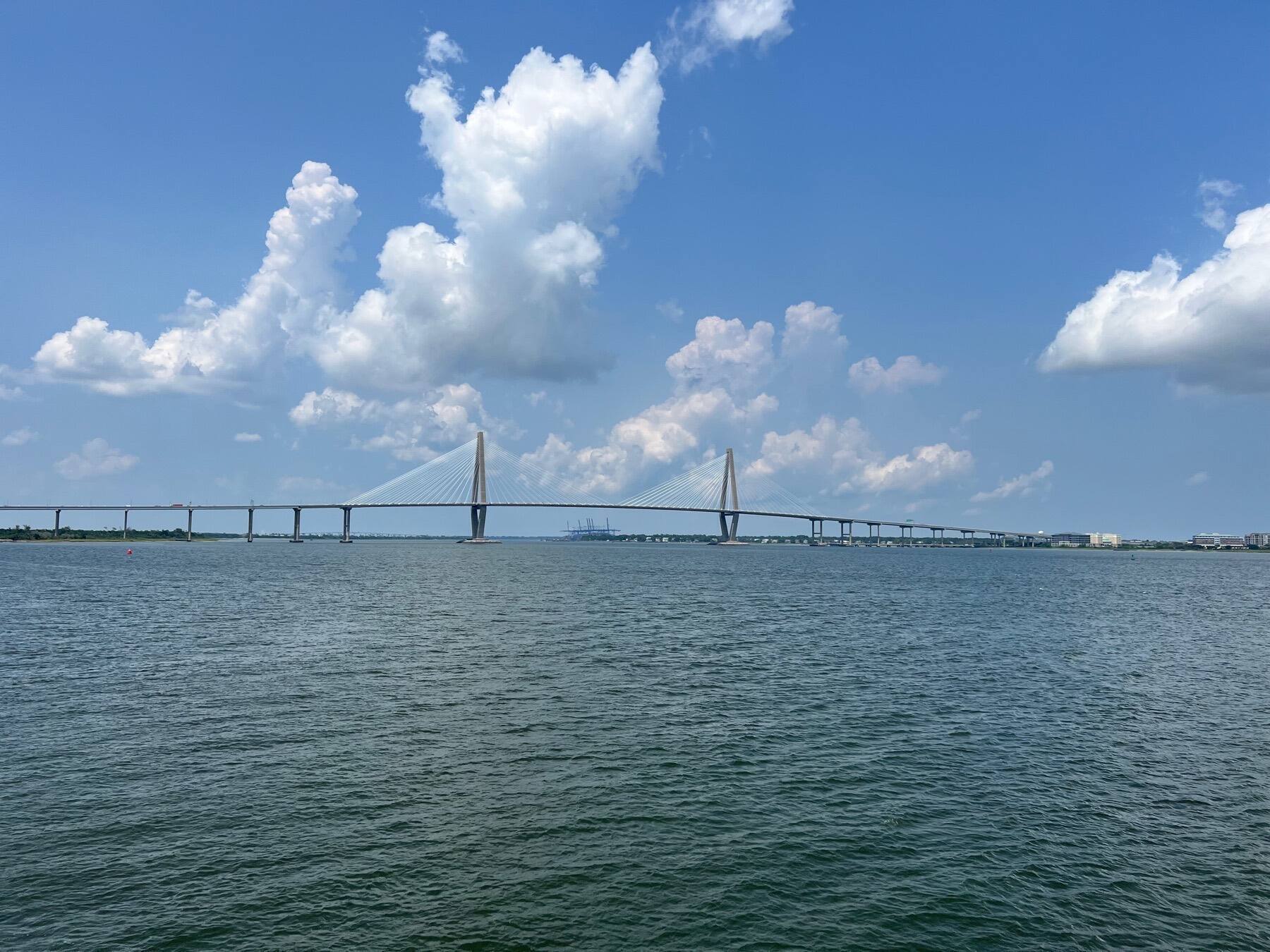
I pulled over for most of these. Stood on the side of a road in South Dakota at sunset when the sky turned the color of a fire. Climbed to 14,000 feet in Colorado and looked out over a landscape that made human scale feel irrelevant. Stood at the edge of Charleston Harbor as the bridge disappeared into the distance and felt, for a moment, the size of everything.
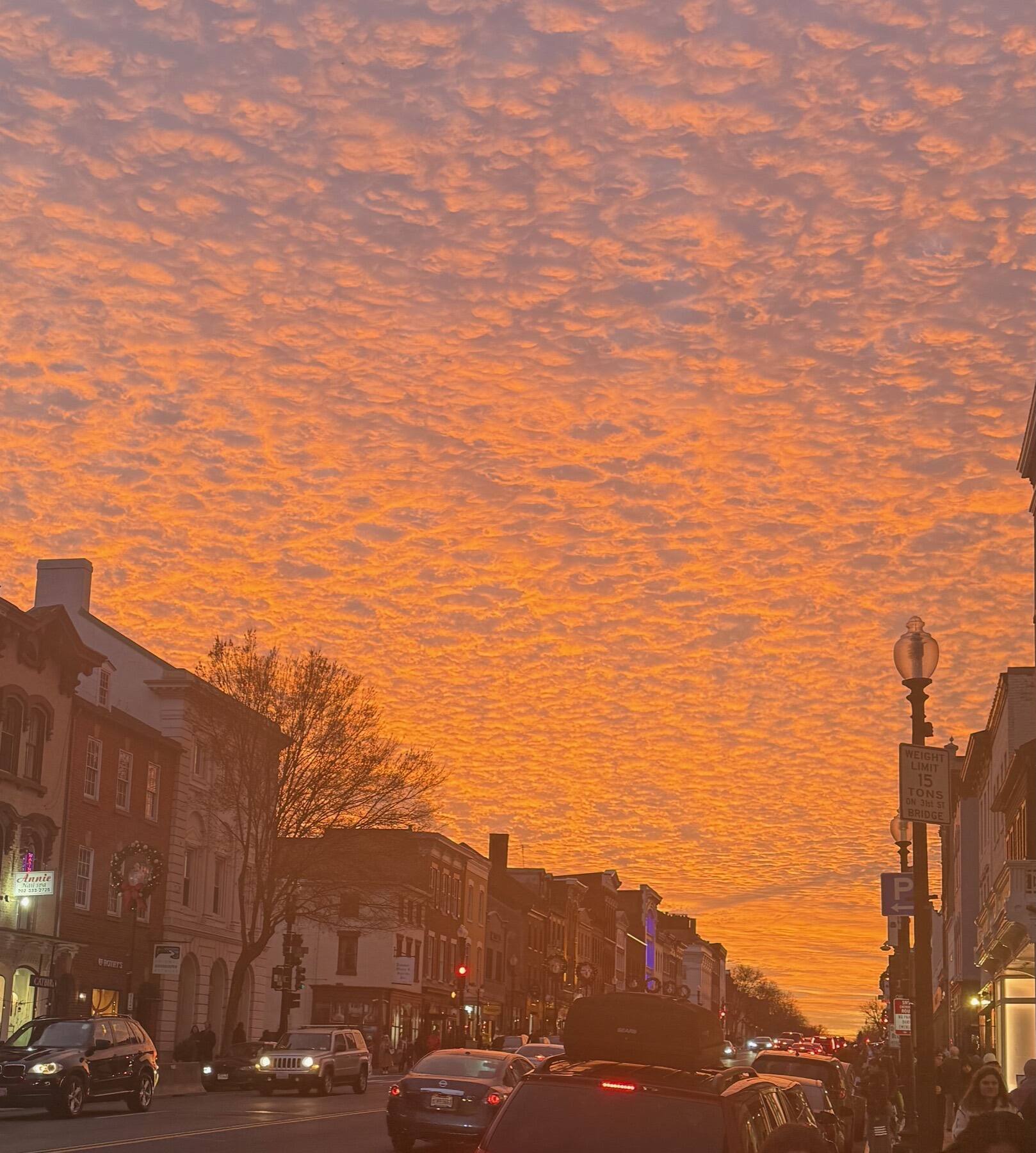
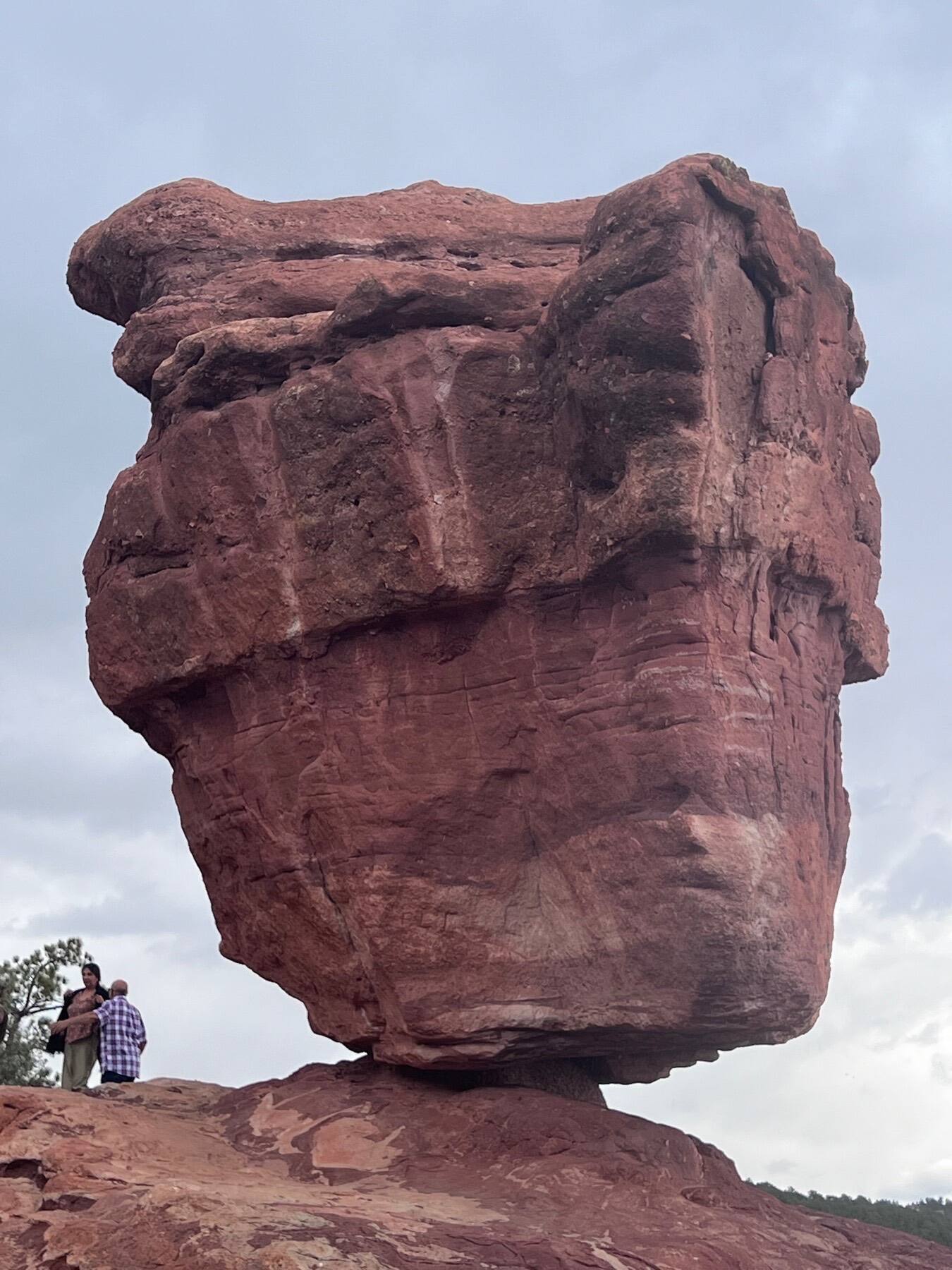
The land does not take sides. It does not perform for the camera or wait for consensus. It simply is -- fractured and vast and indifferent and, in that indifference, deeply reassuring. Whatever we are fighting about, the mountains are still there. The plains are still rolling. The sun is still going down in colors that have no name.
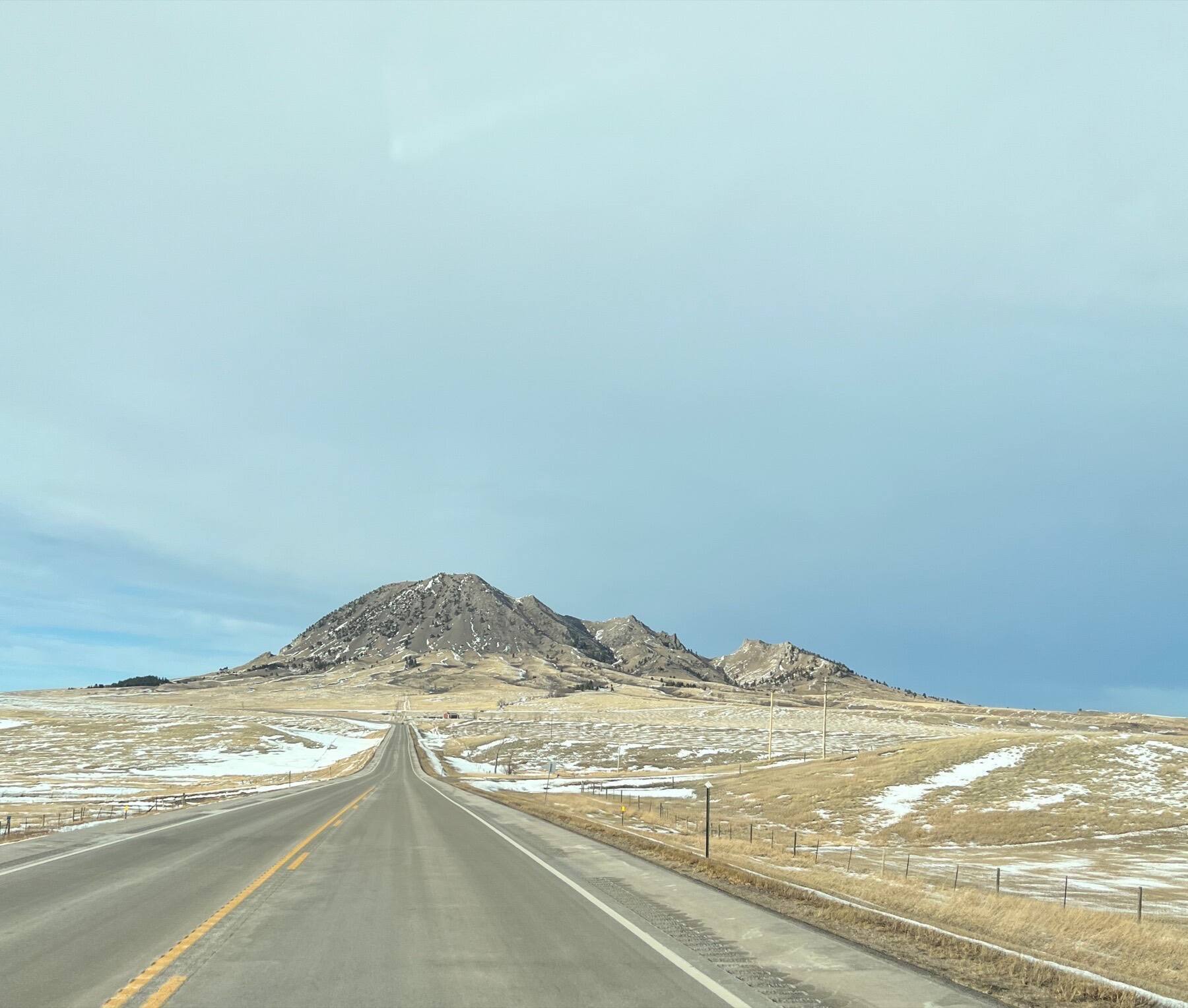
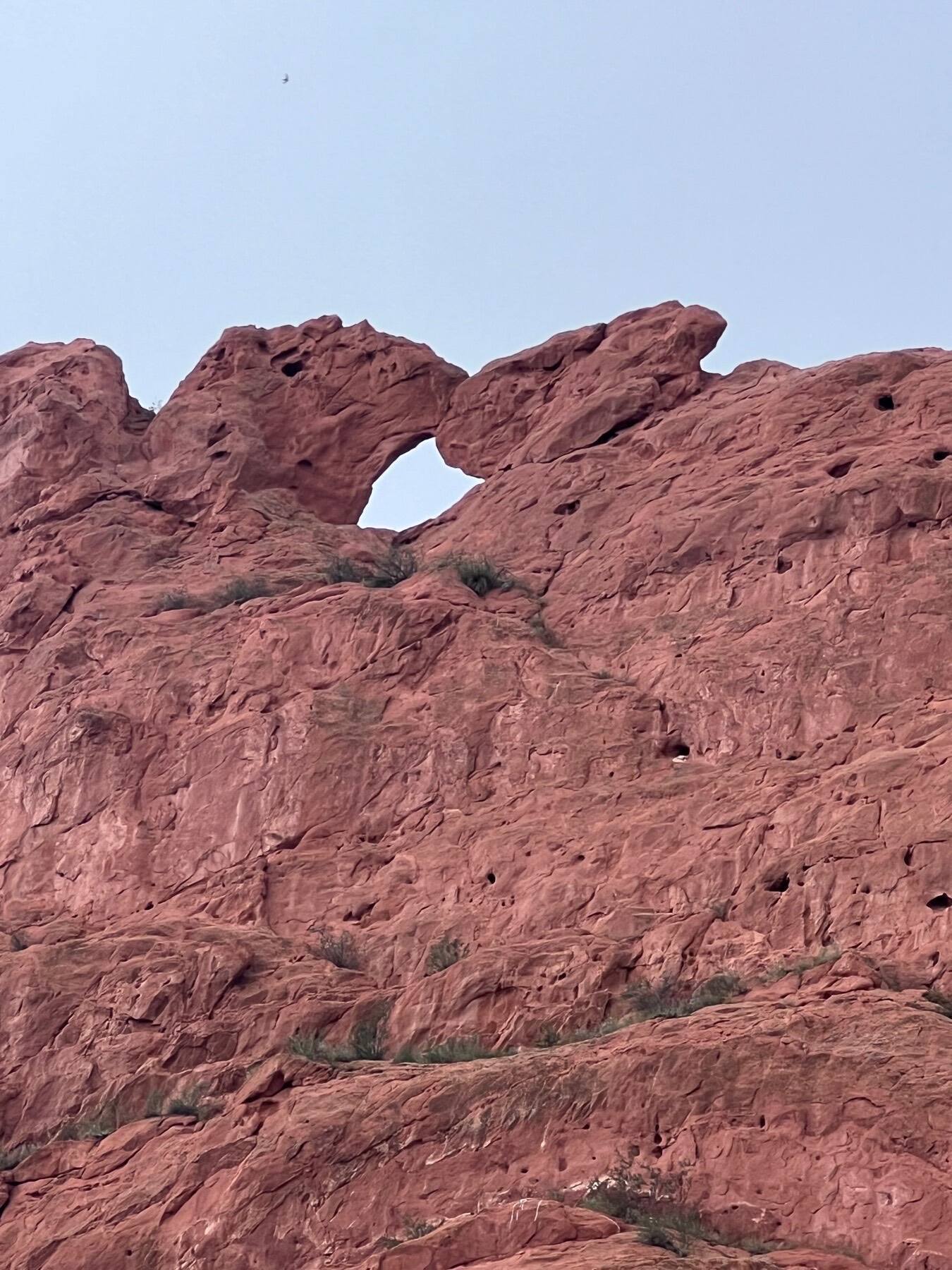
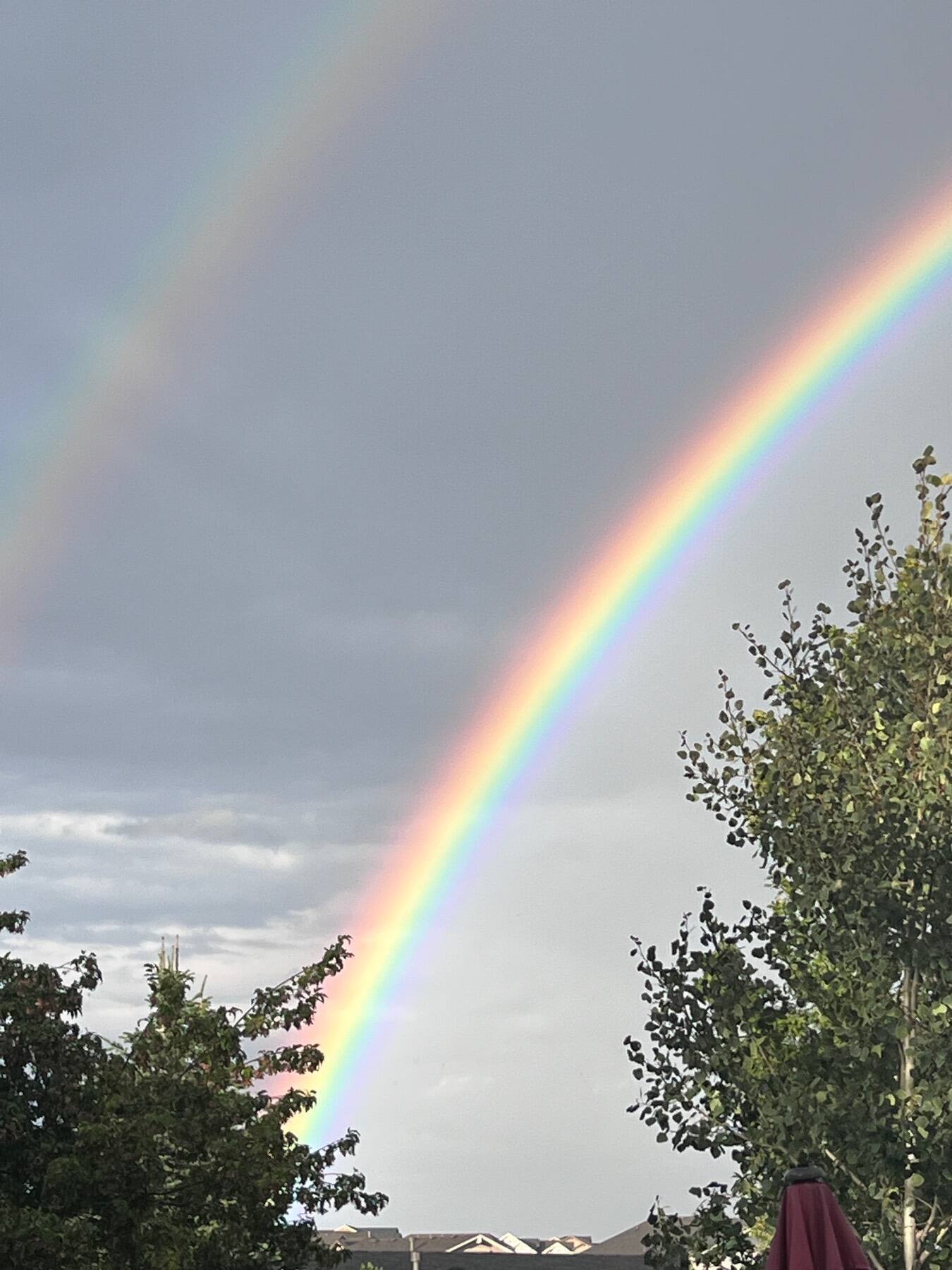
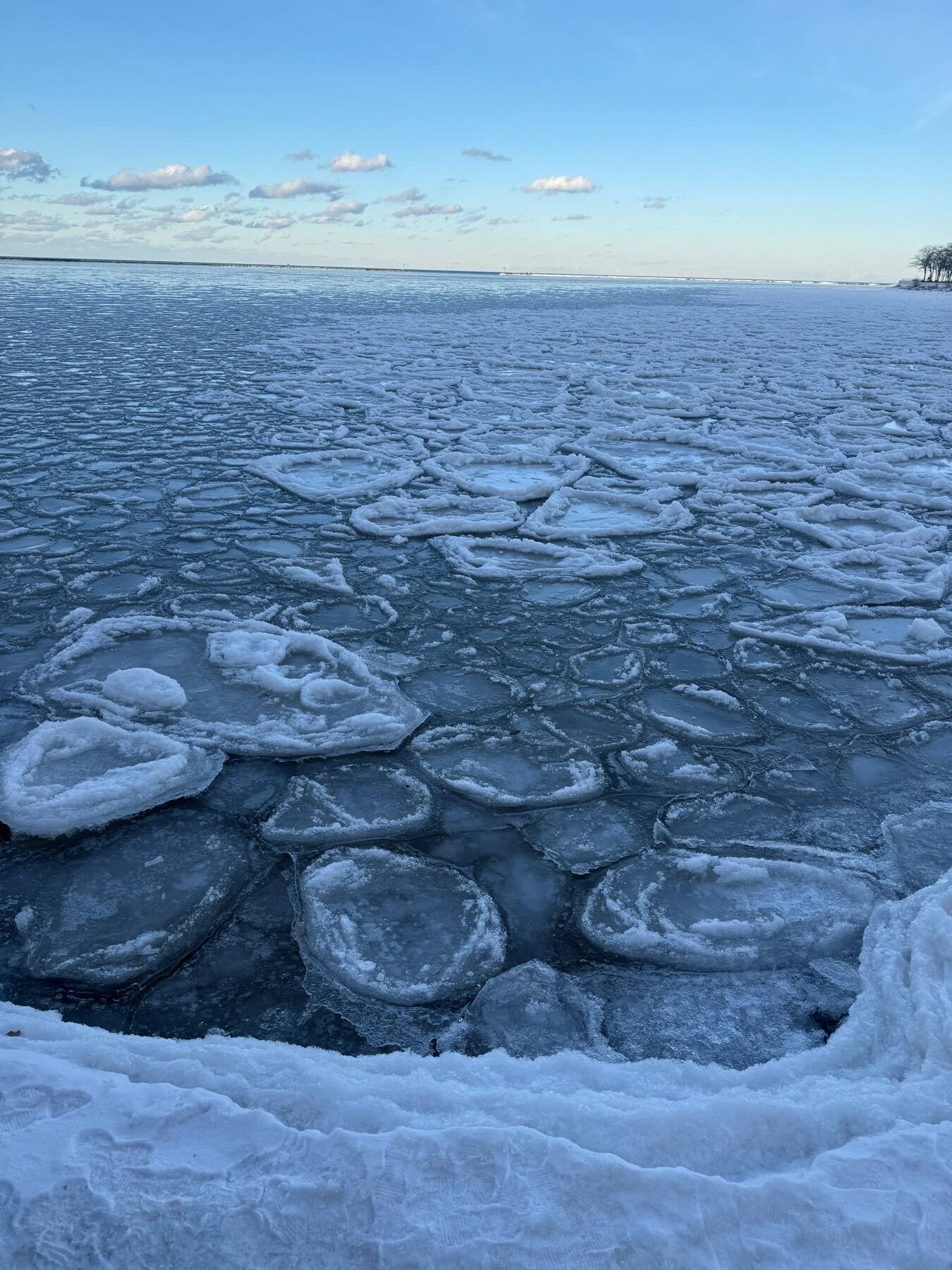
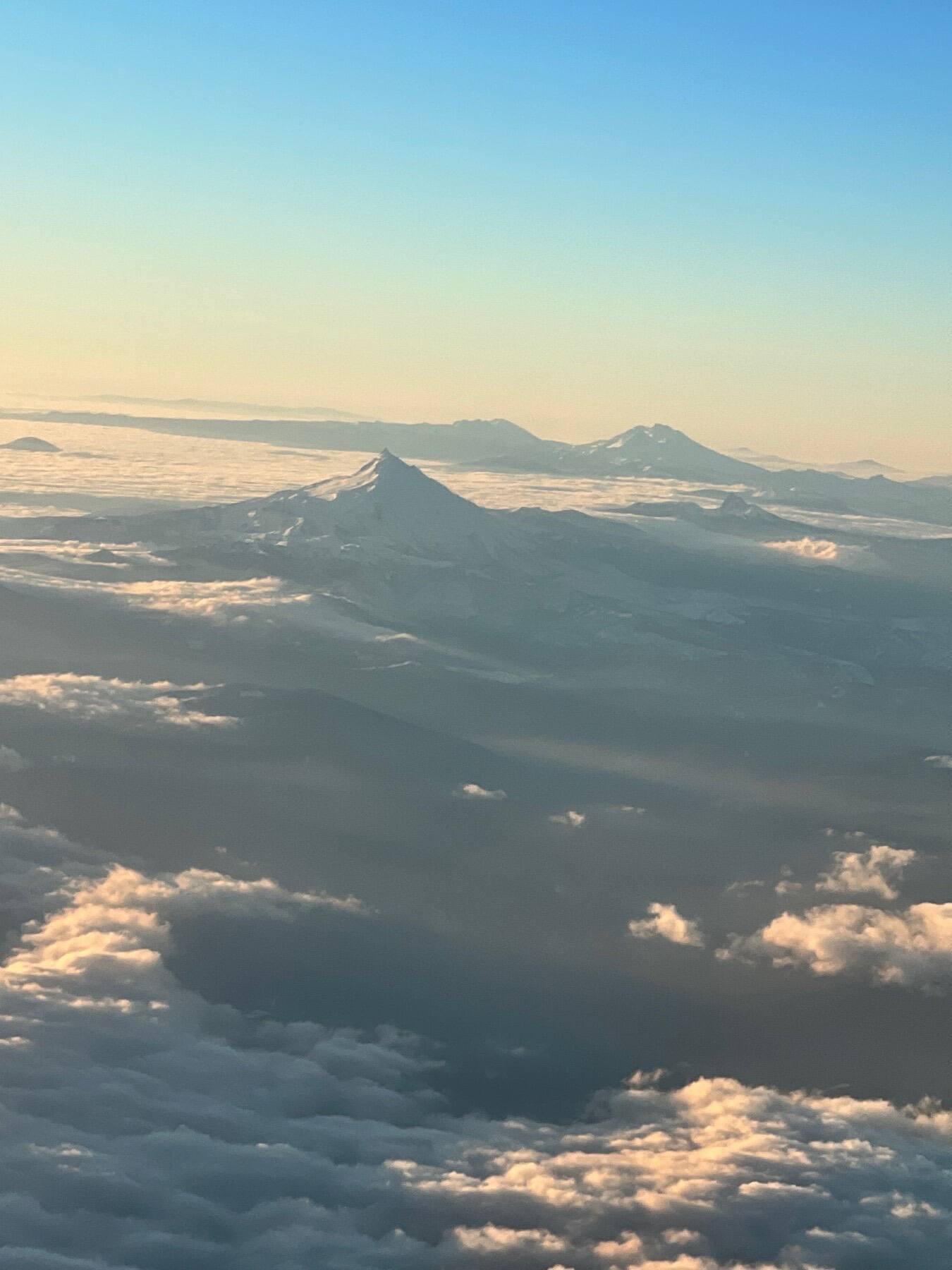
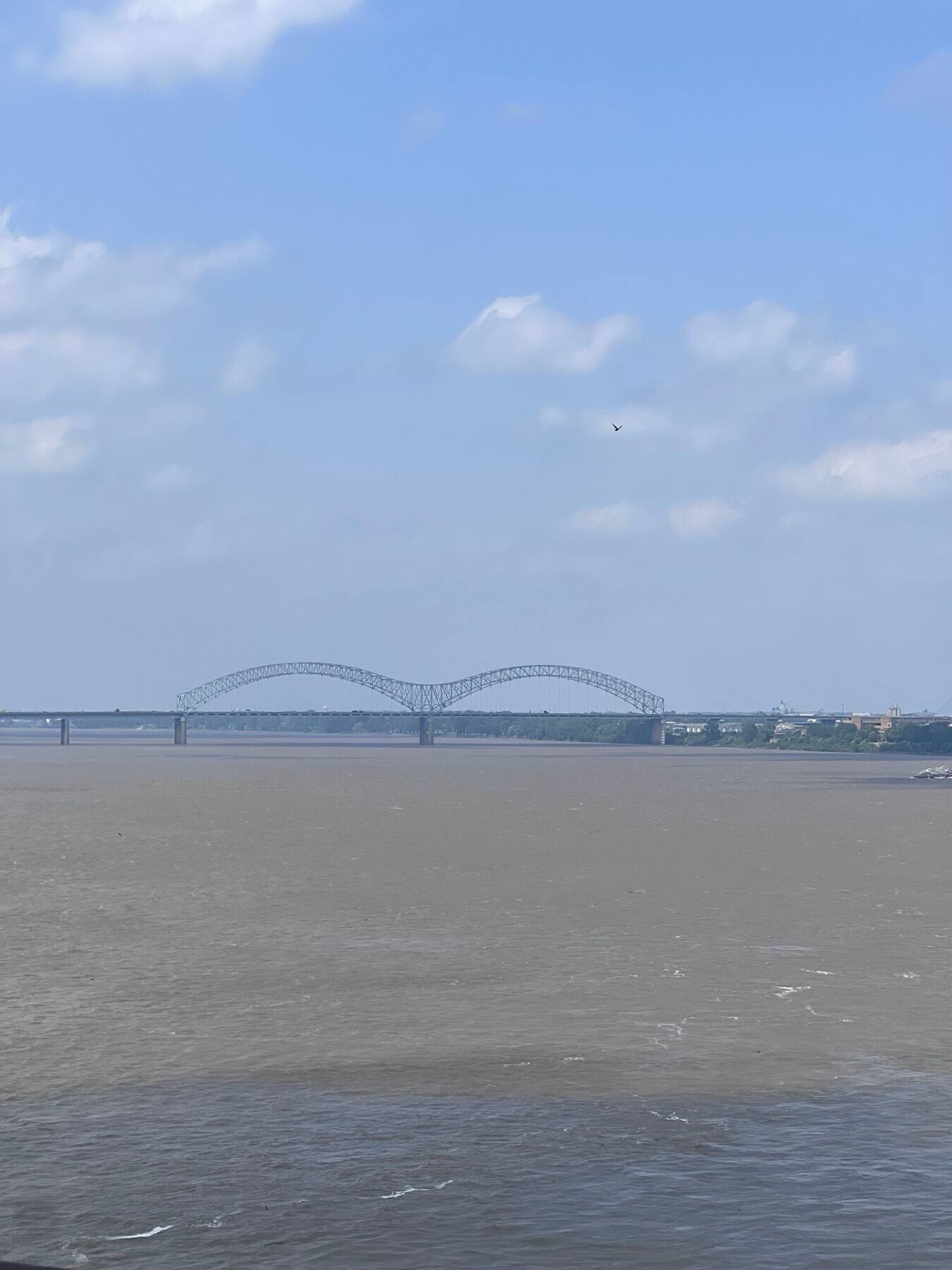
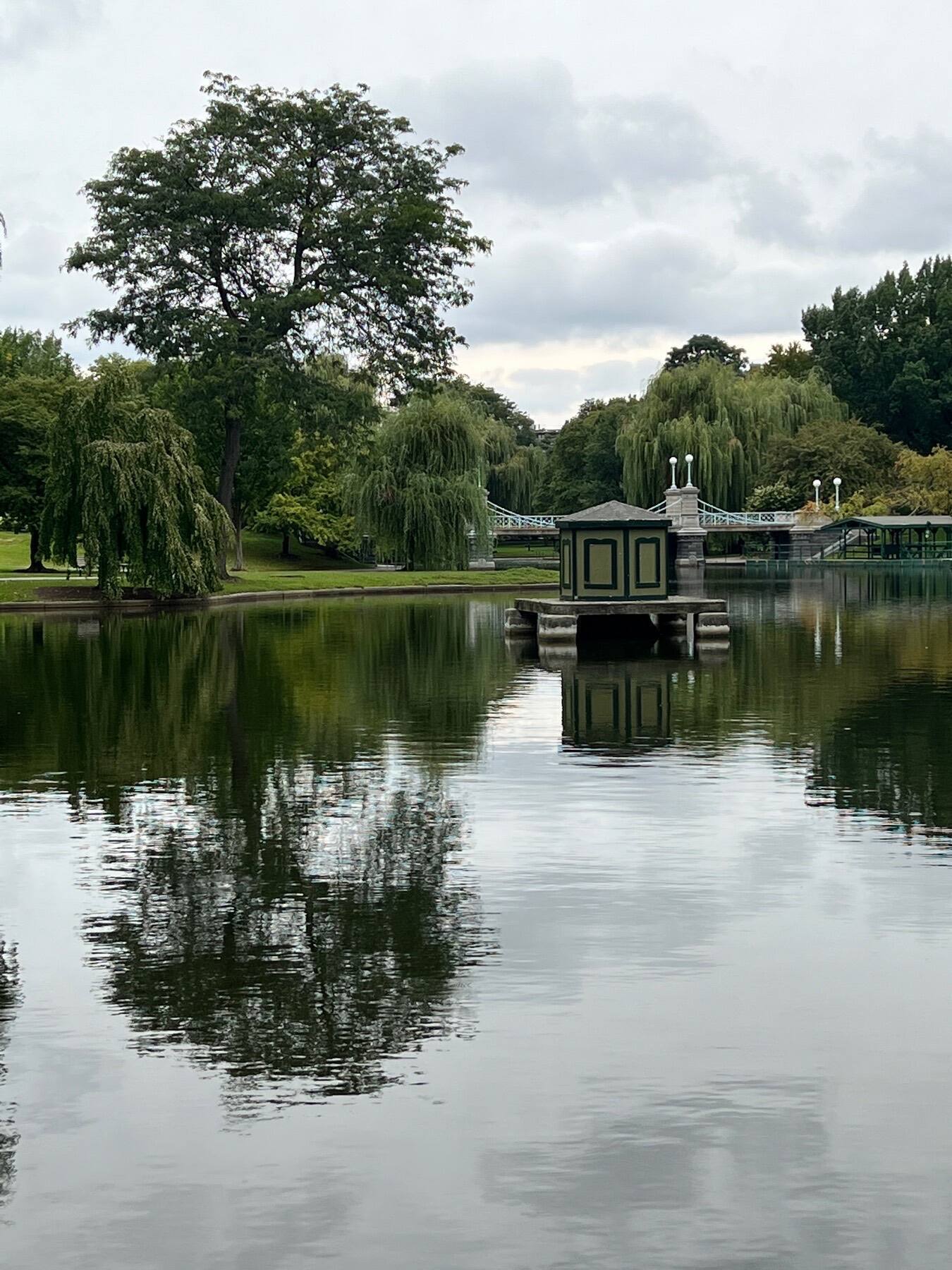
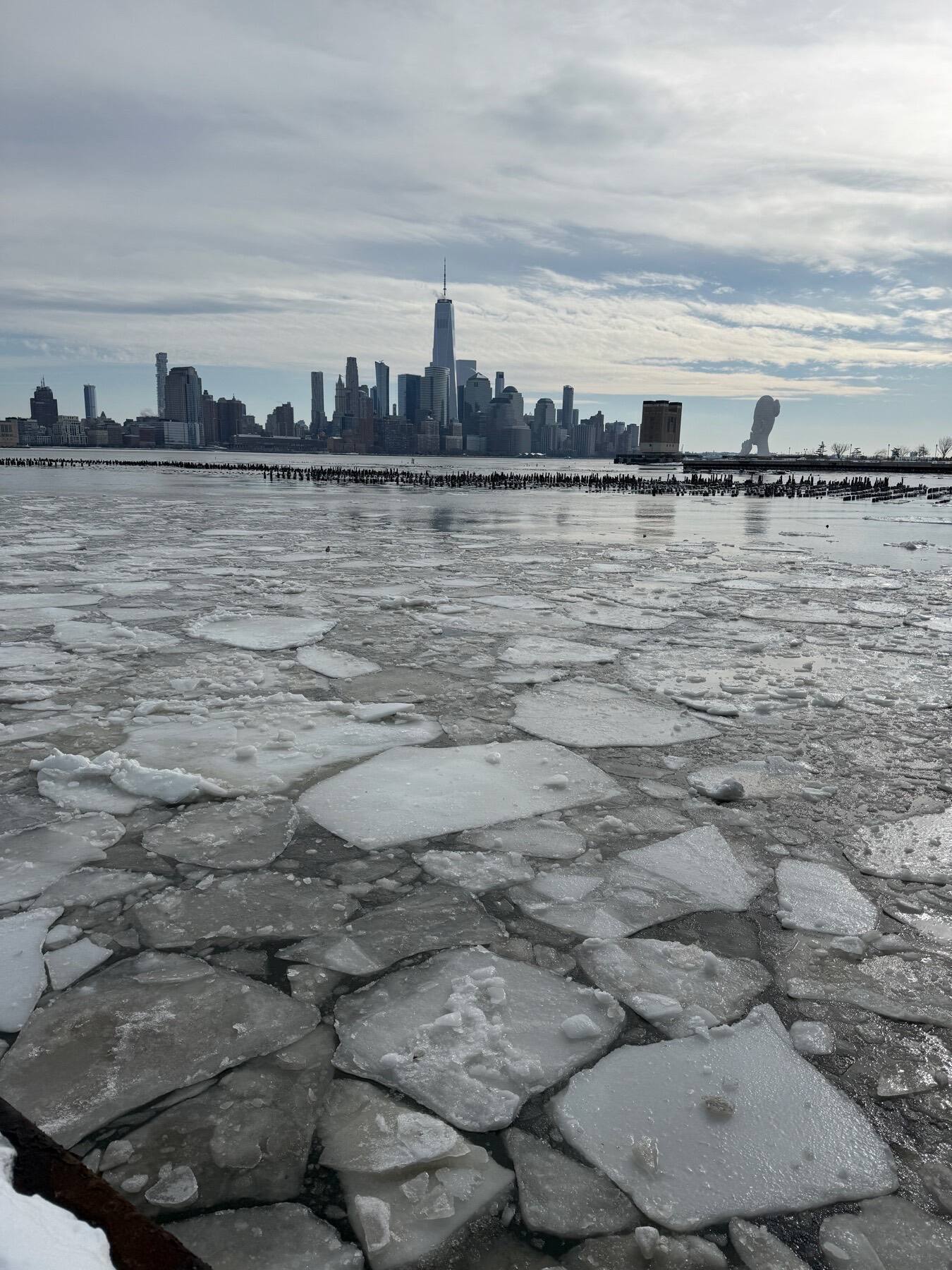
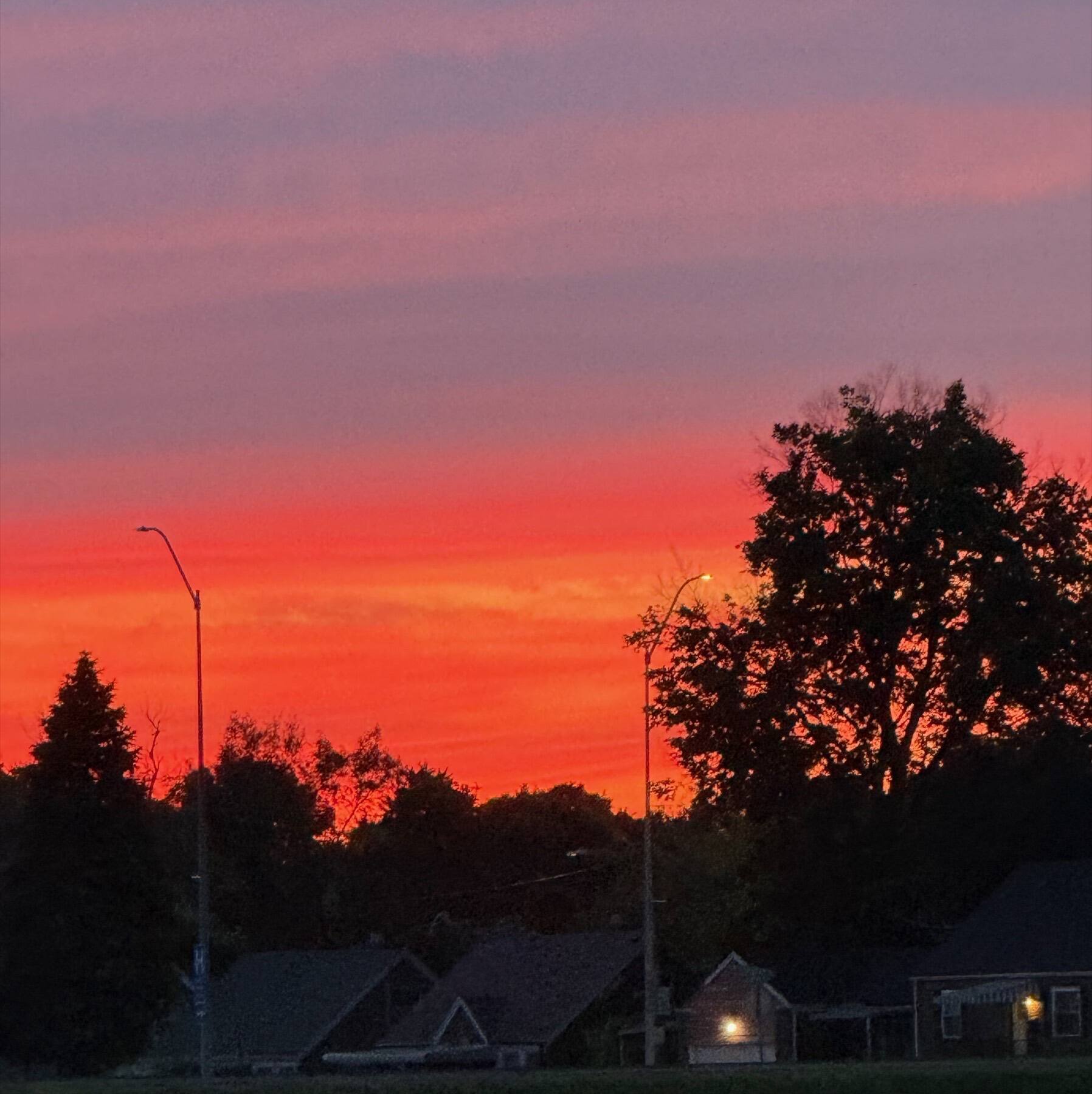
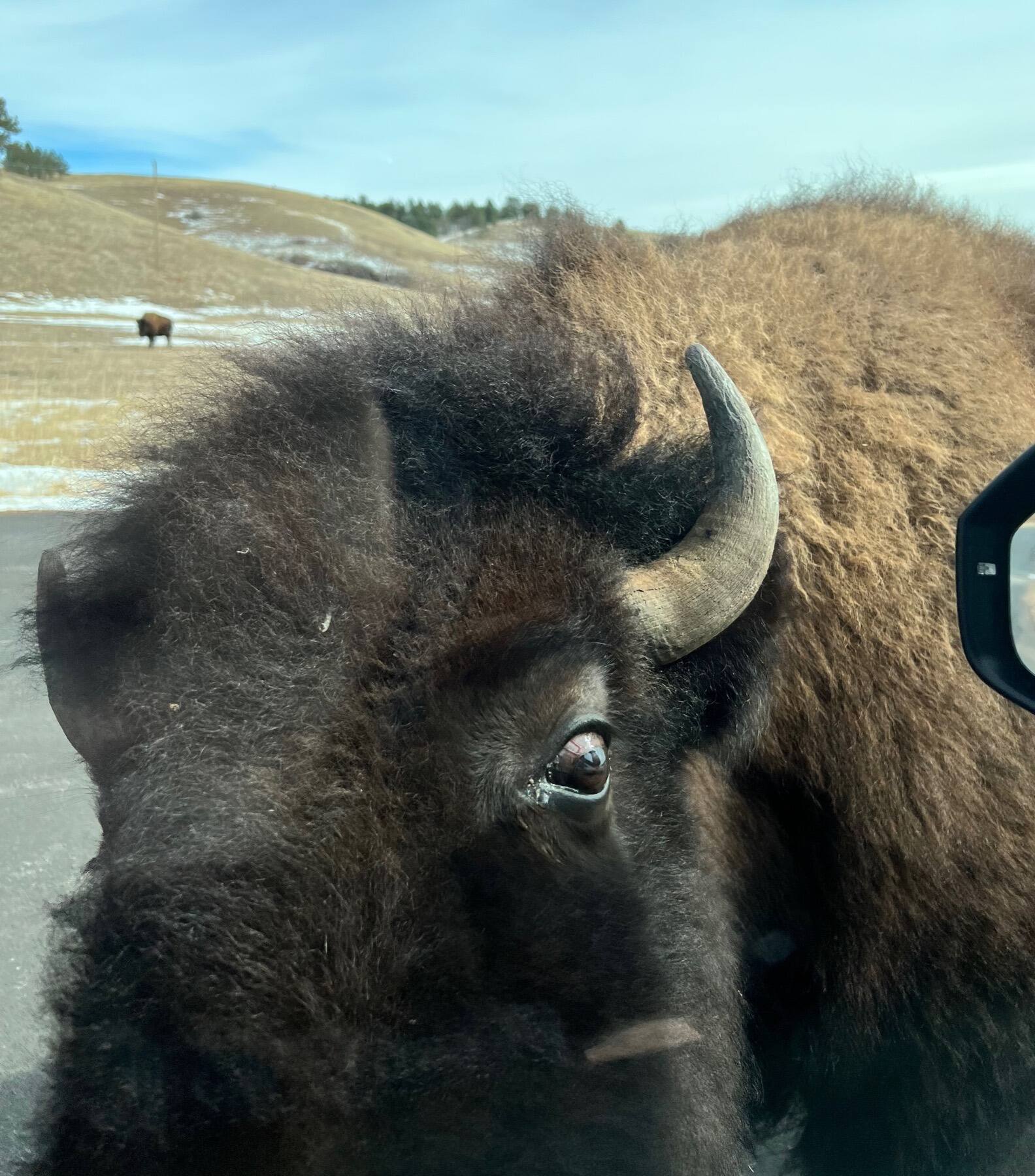
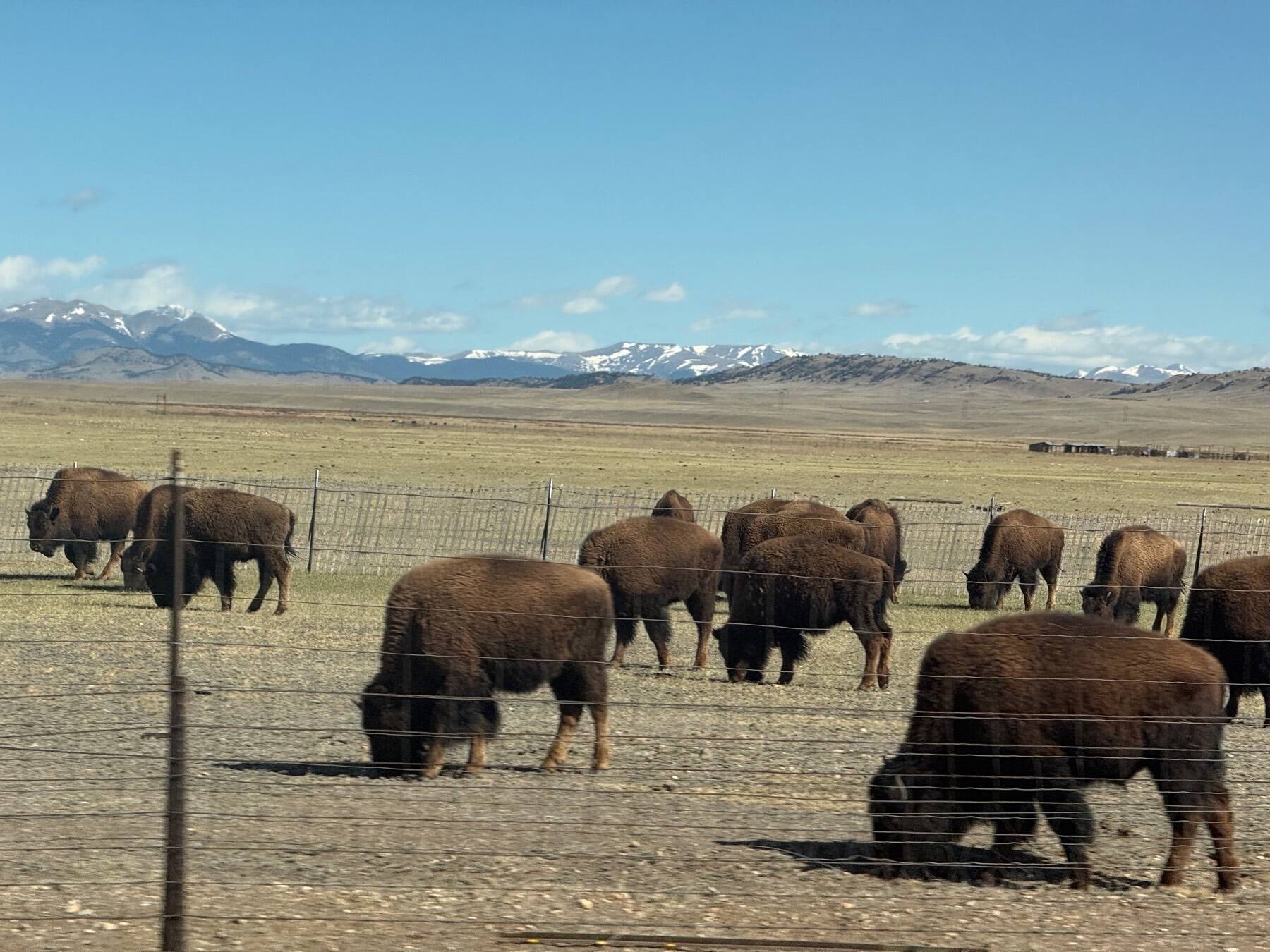
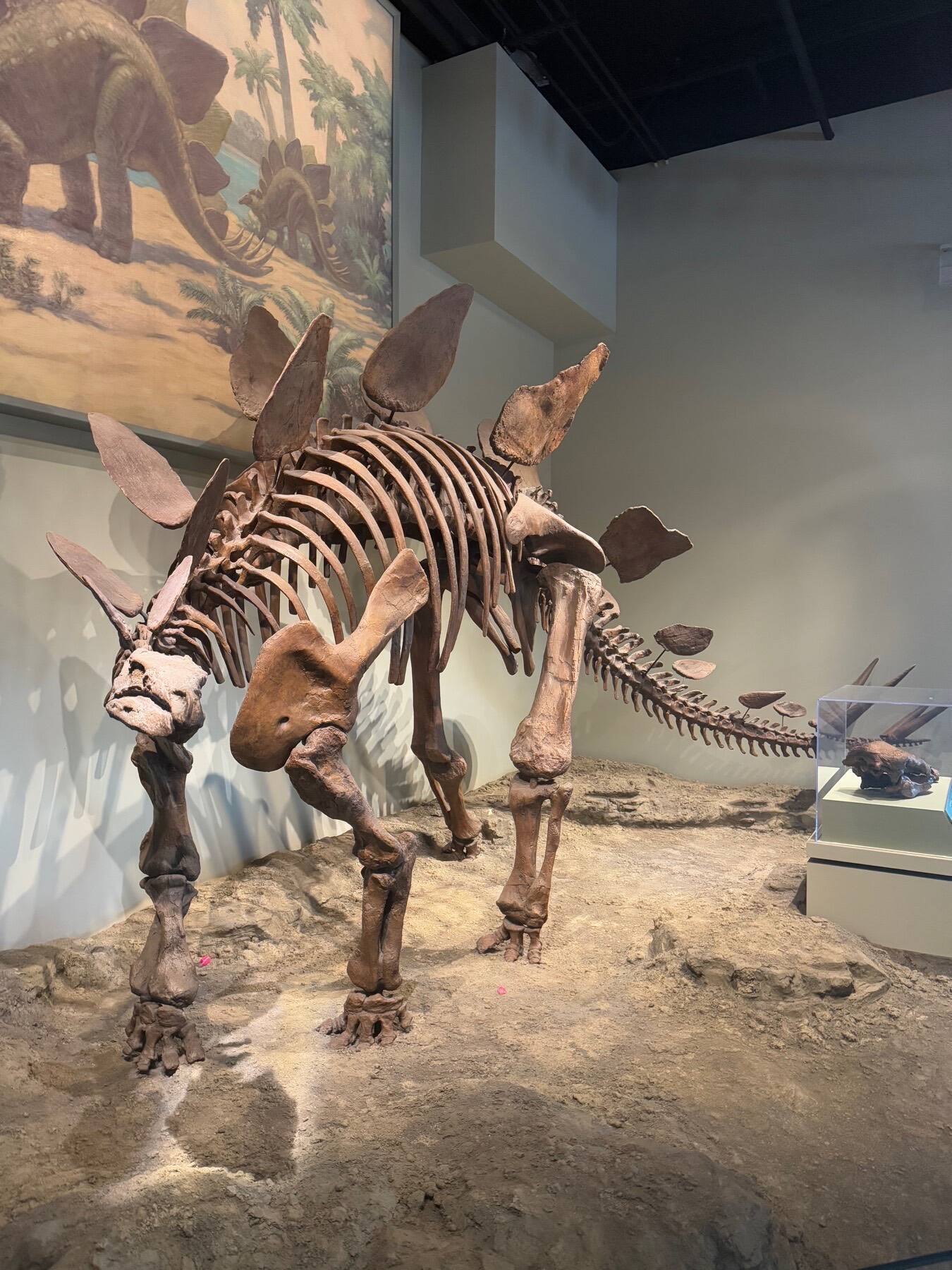
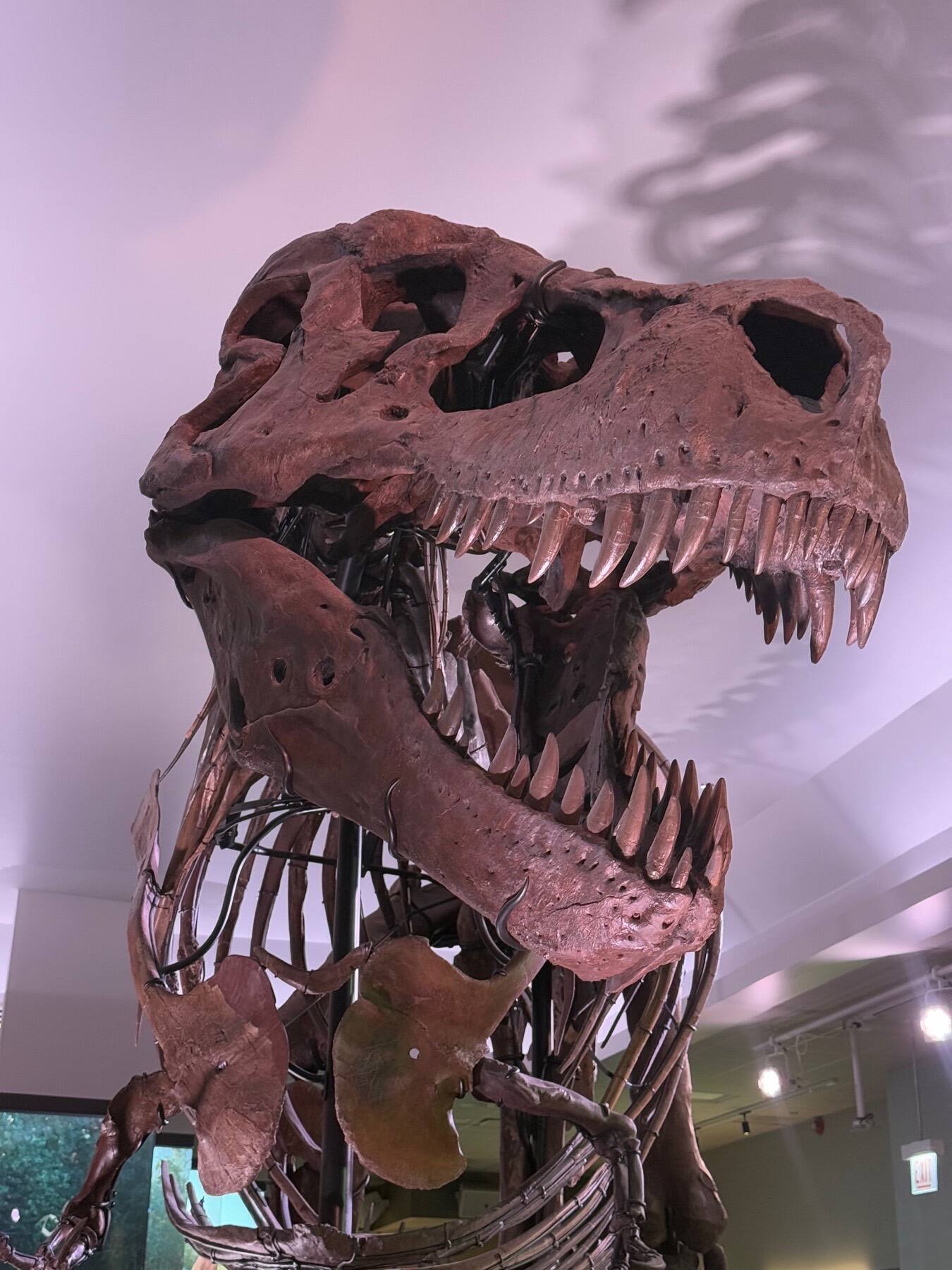
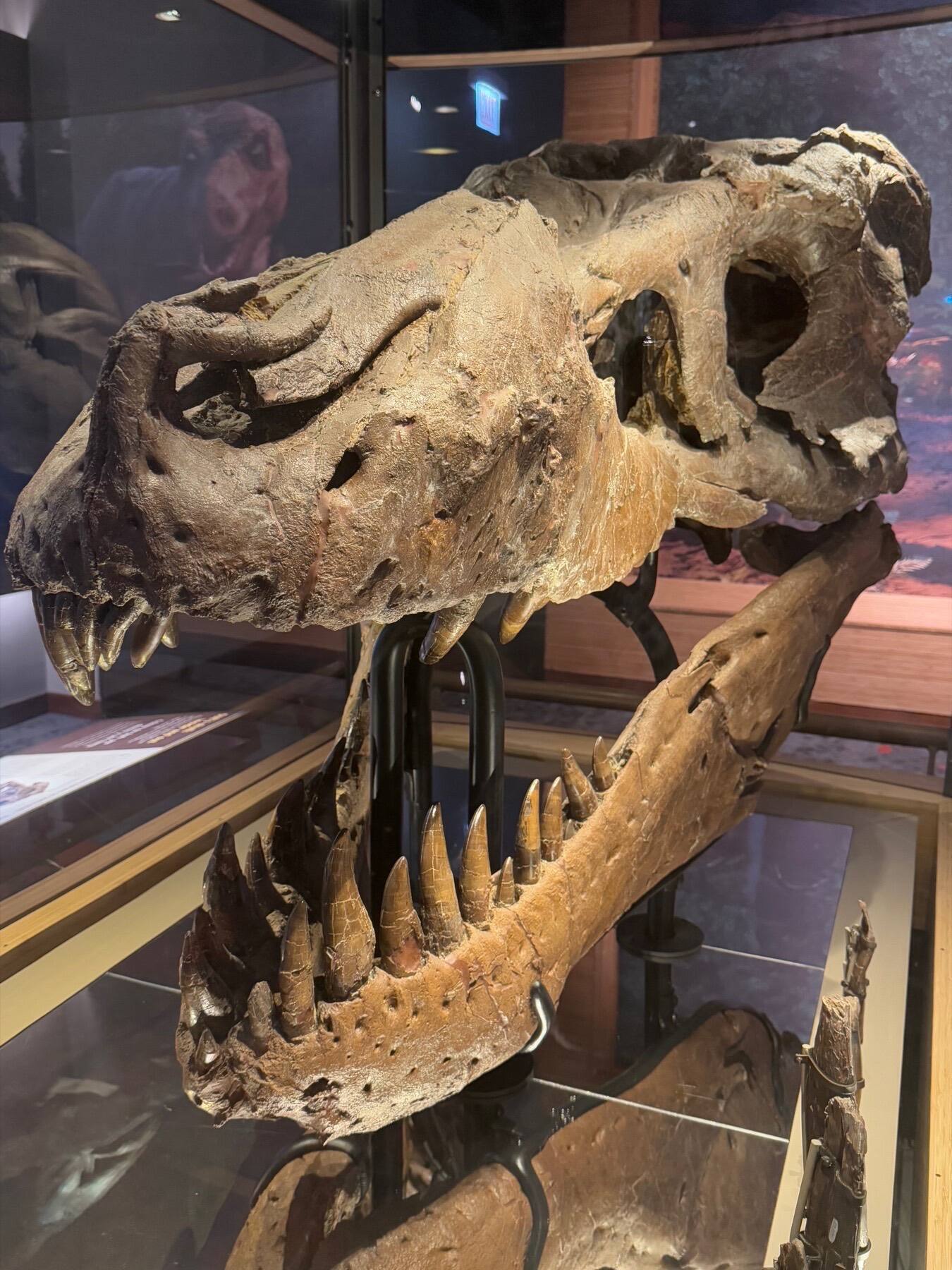
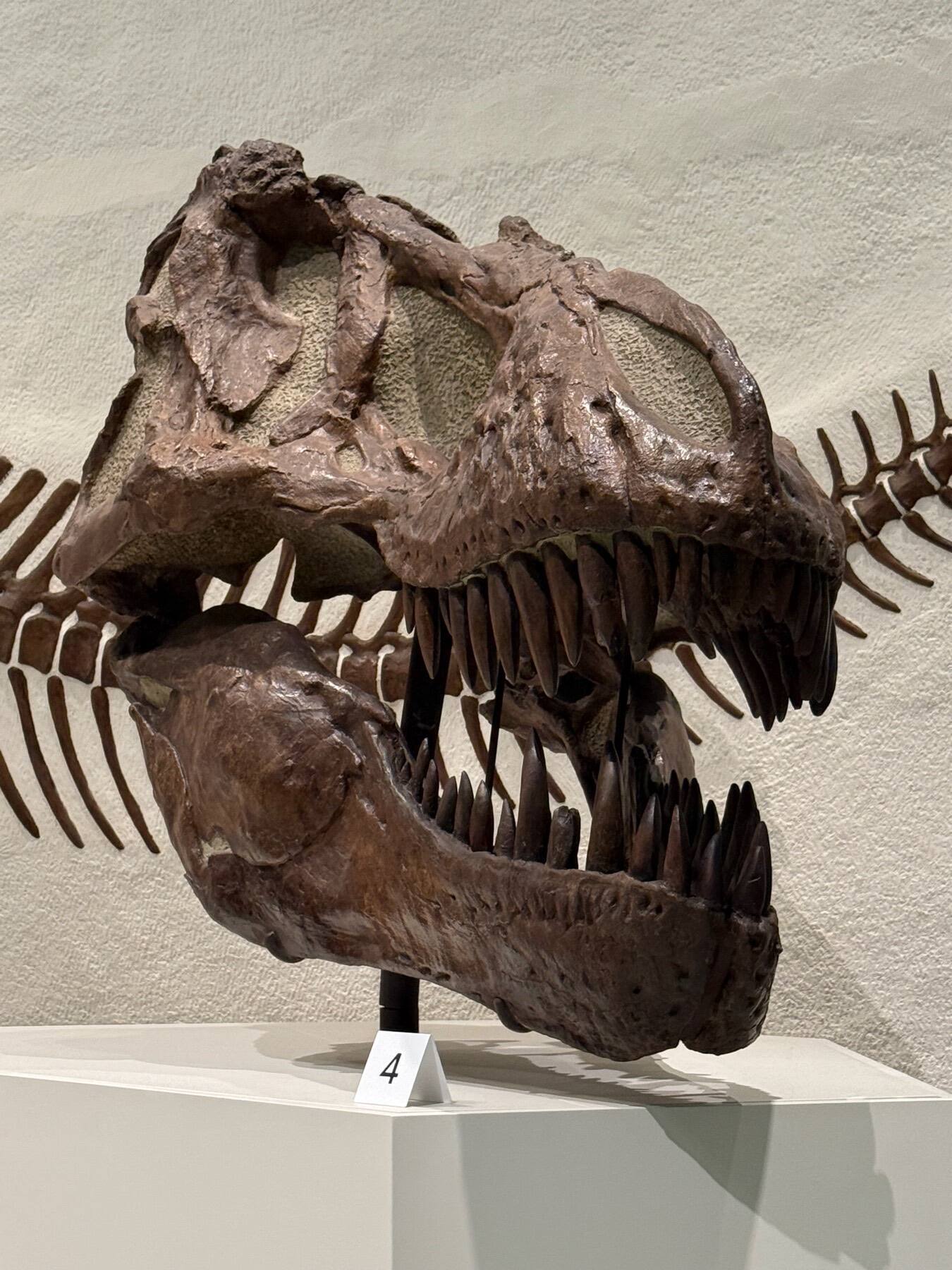
They were here before us and they will outlast us. In four years of fieldwork, I met bison at arm's length on the roads of South Dakota -- which do not yield, do not hurry, and do not particularly acknowledge your presence. I watched eagles from ten feet away in Charleston. I stood in rooms full of creatures that walked the earth 65 million years ago and felt, very suddenly, the brevity of everything human.
What struck me most was the indifference. The bison on the road does not know it is iconic. The eagle does not know it is the national symbol. The dinosaur, of course, knows nothing at all anymore. But in each encounter there was a quality of pure existence -- no performance, no narrative, no argument -- that felt like a corrective to almost everything else I was documenting.
America argues about its symbols constantly. But the bison was here before the argument. And if we are honest with ourselves, it will be here after it too.
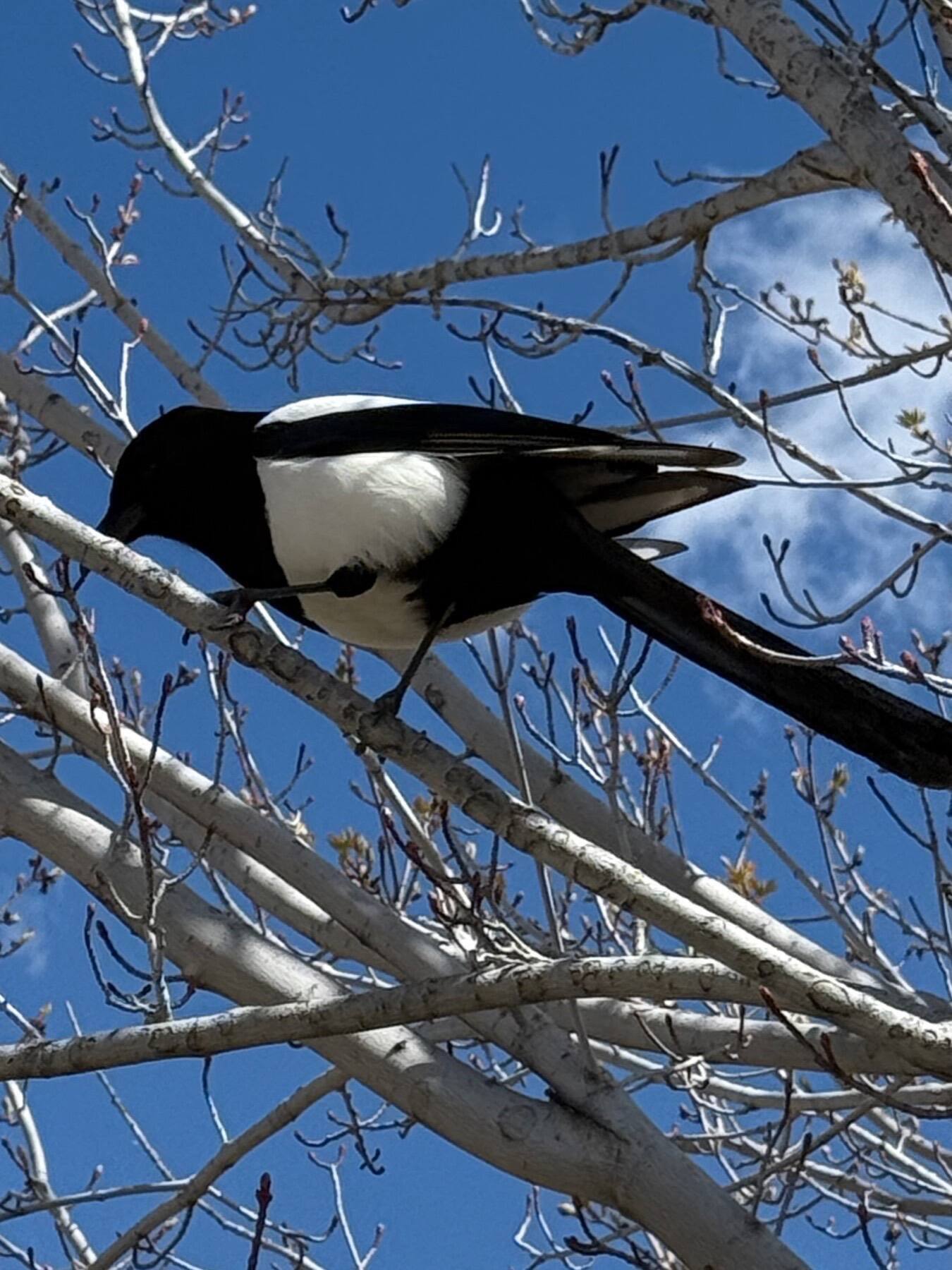
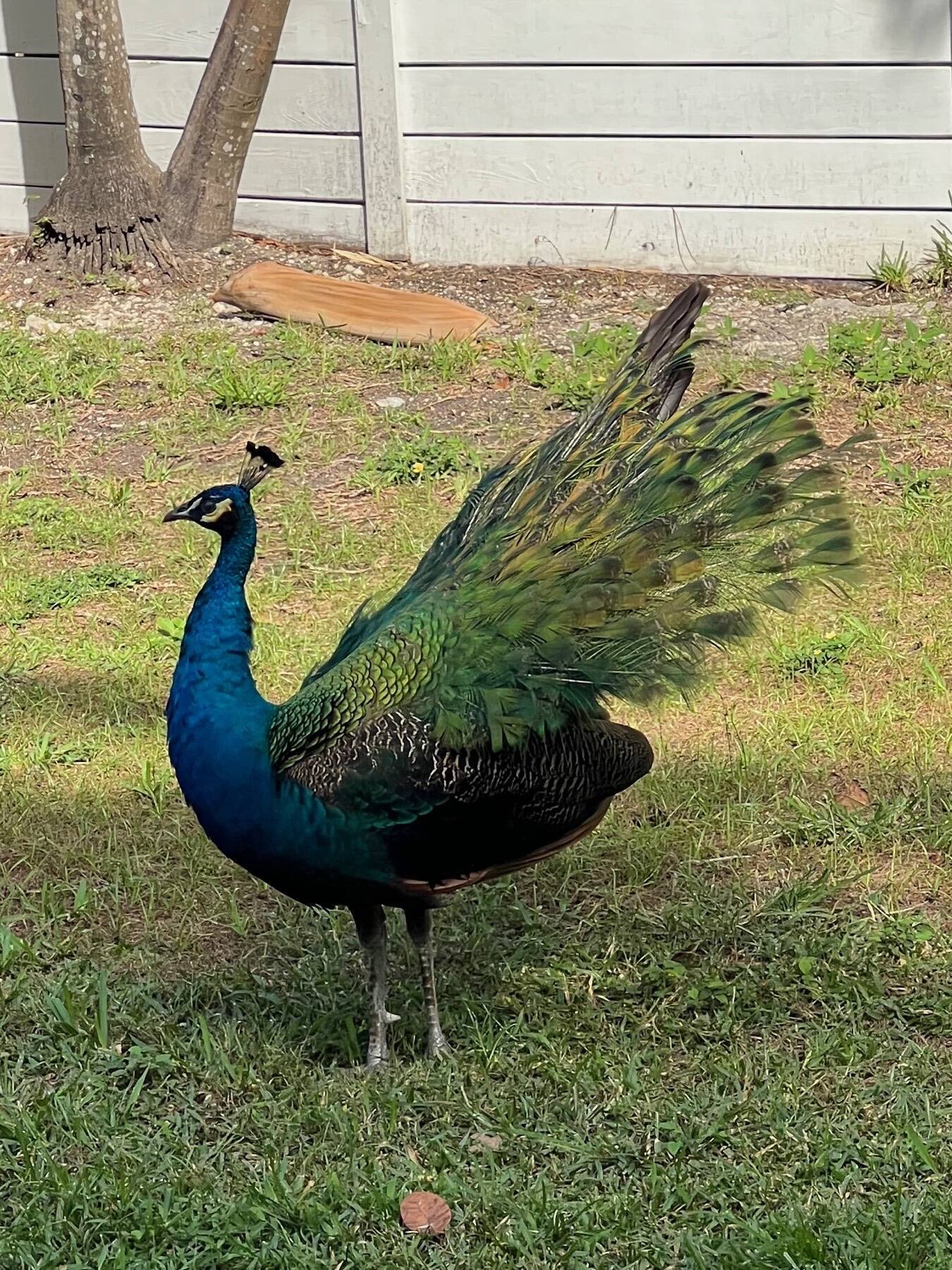
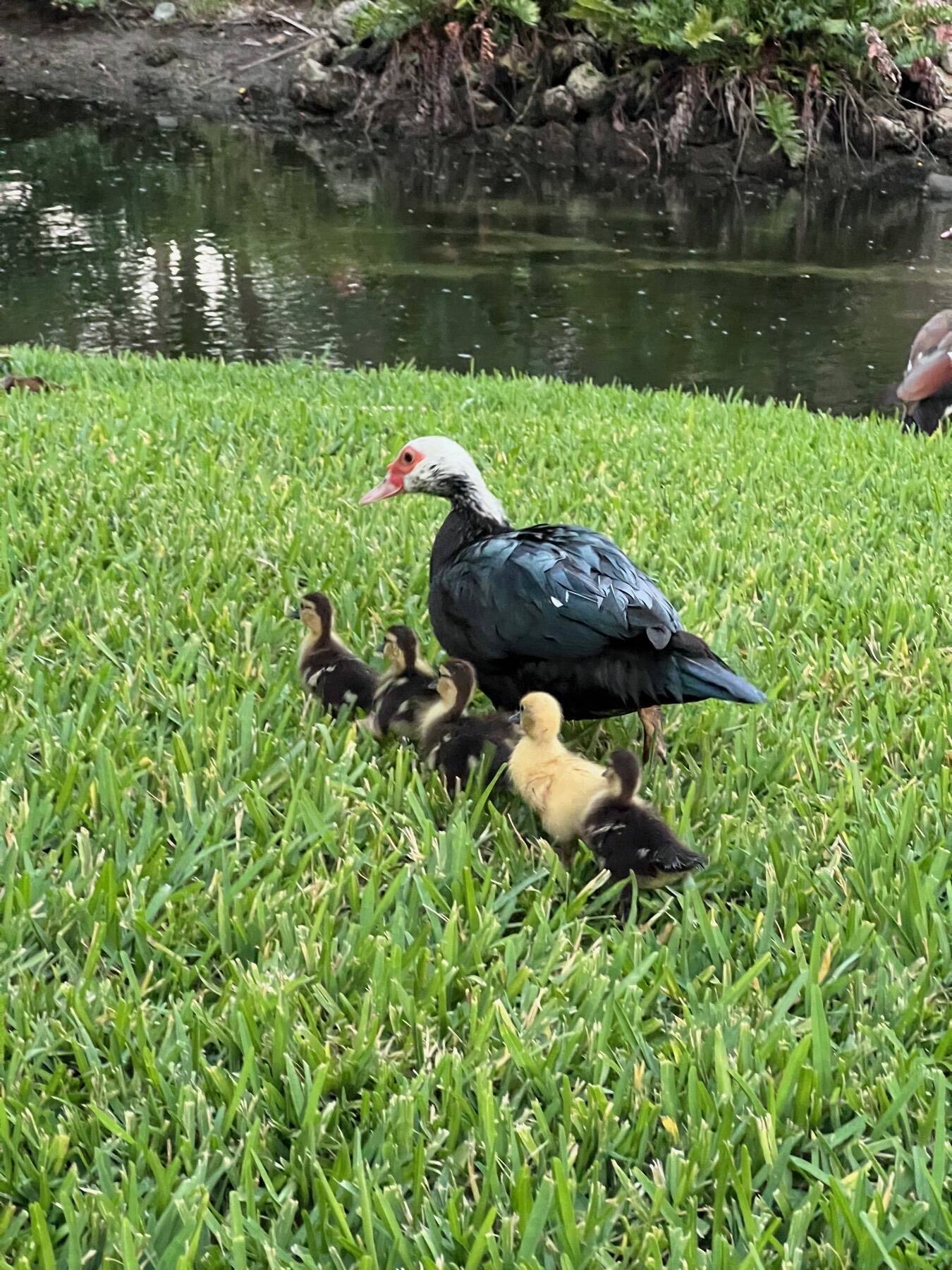
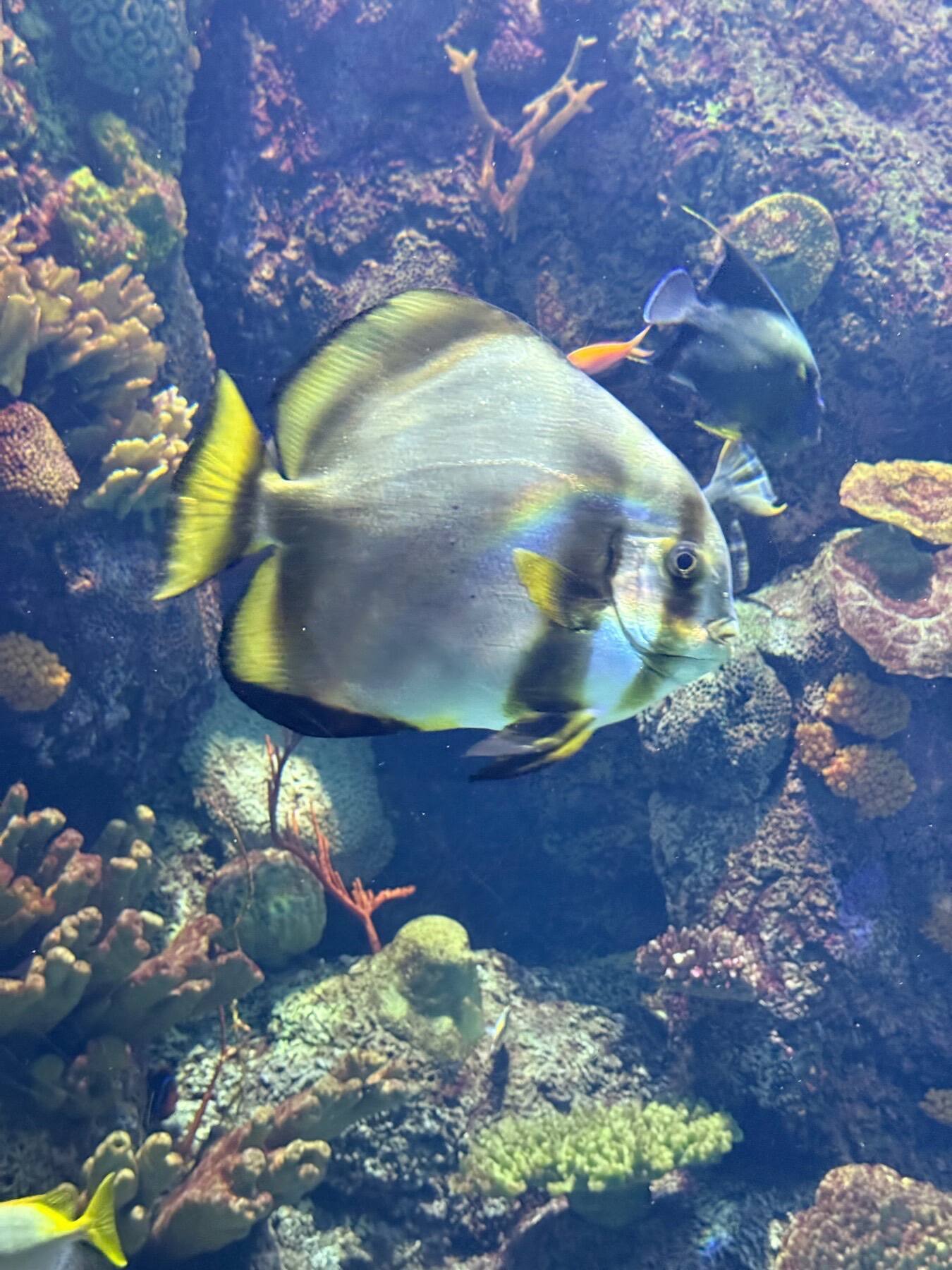
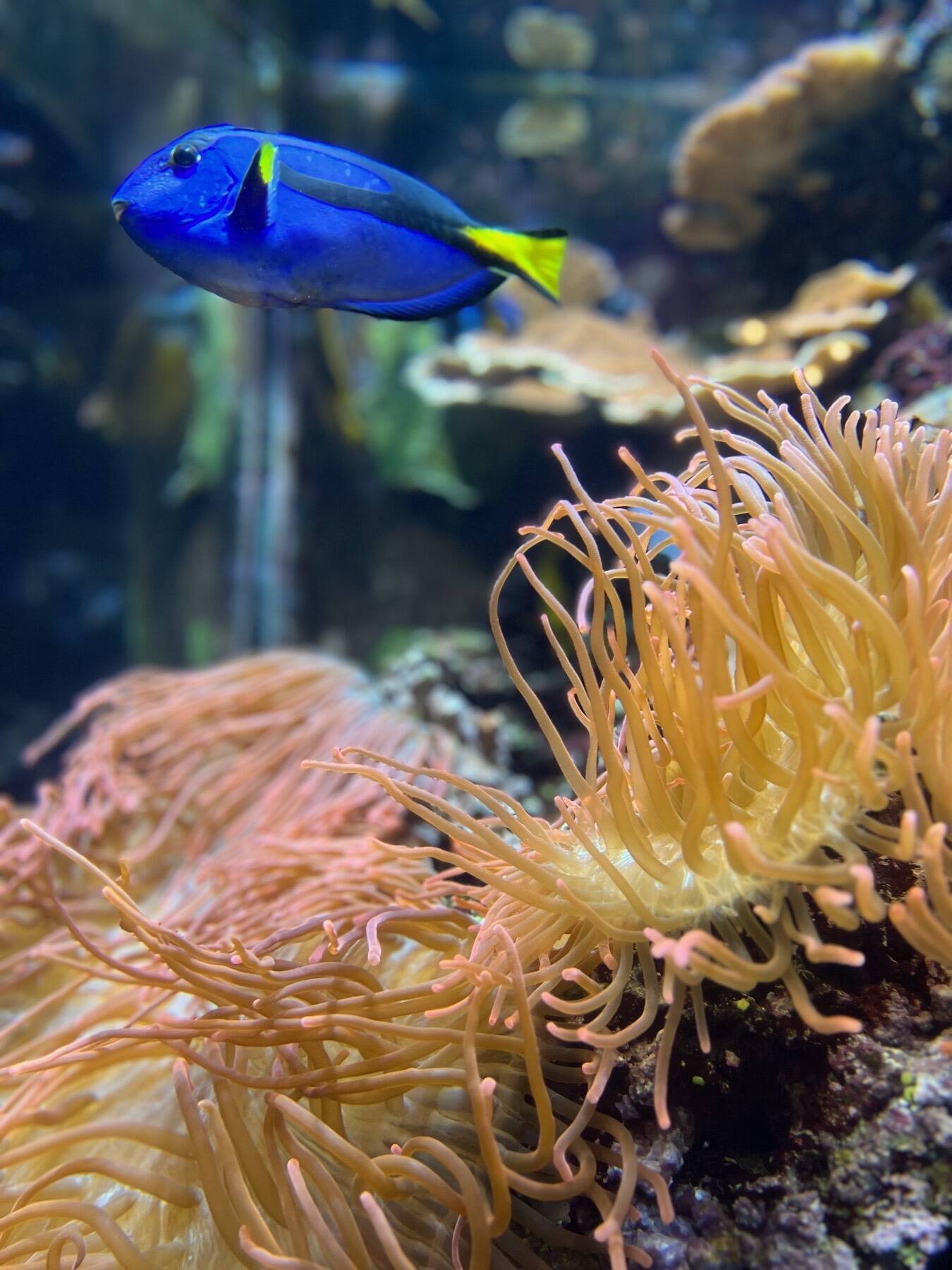
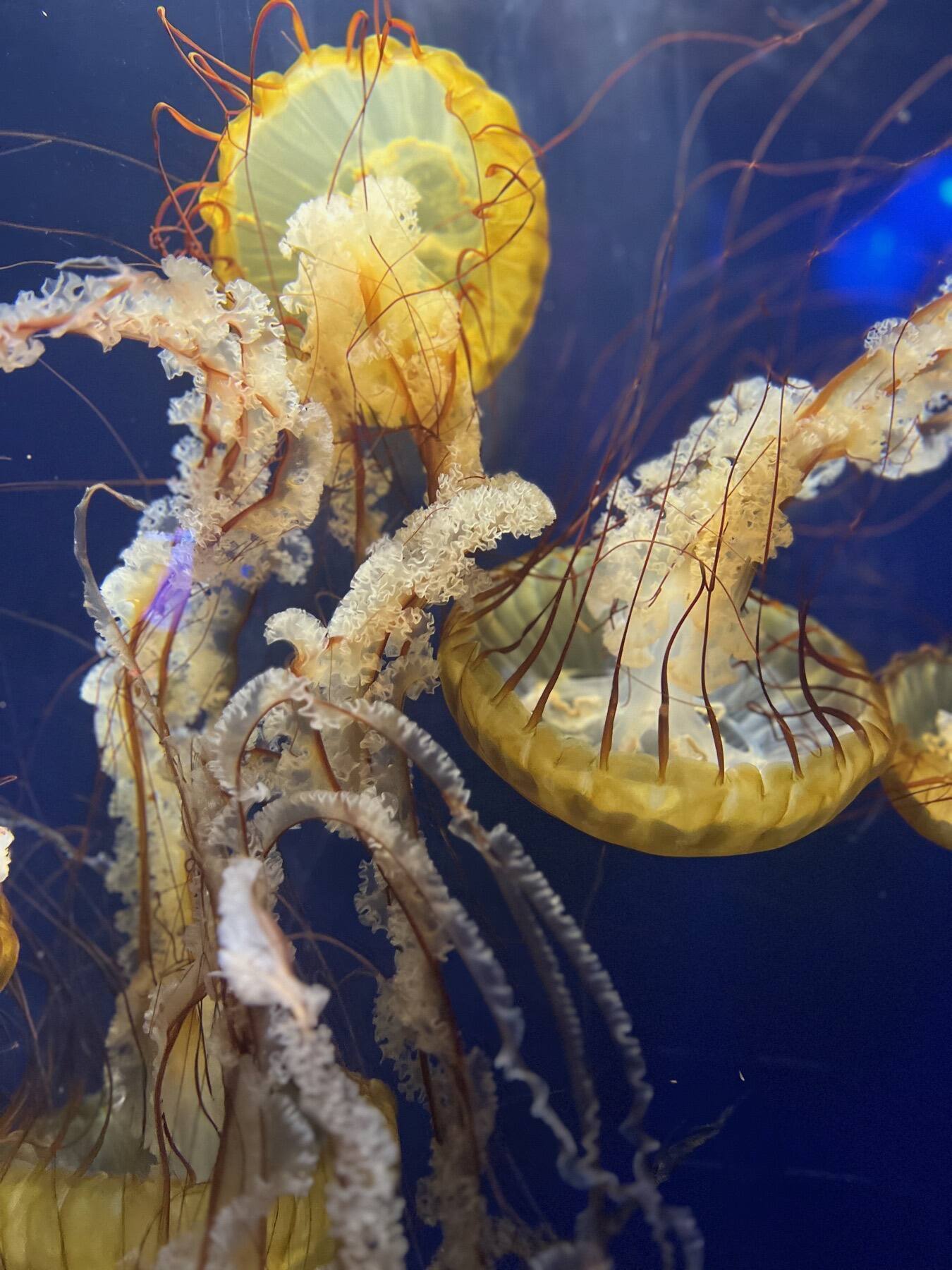
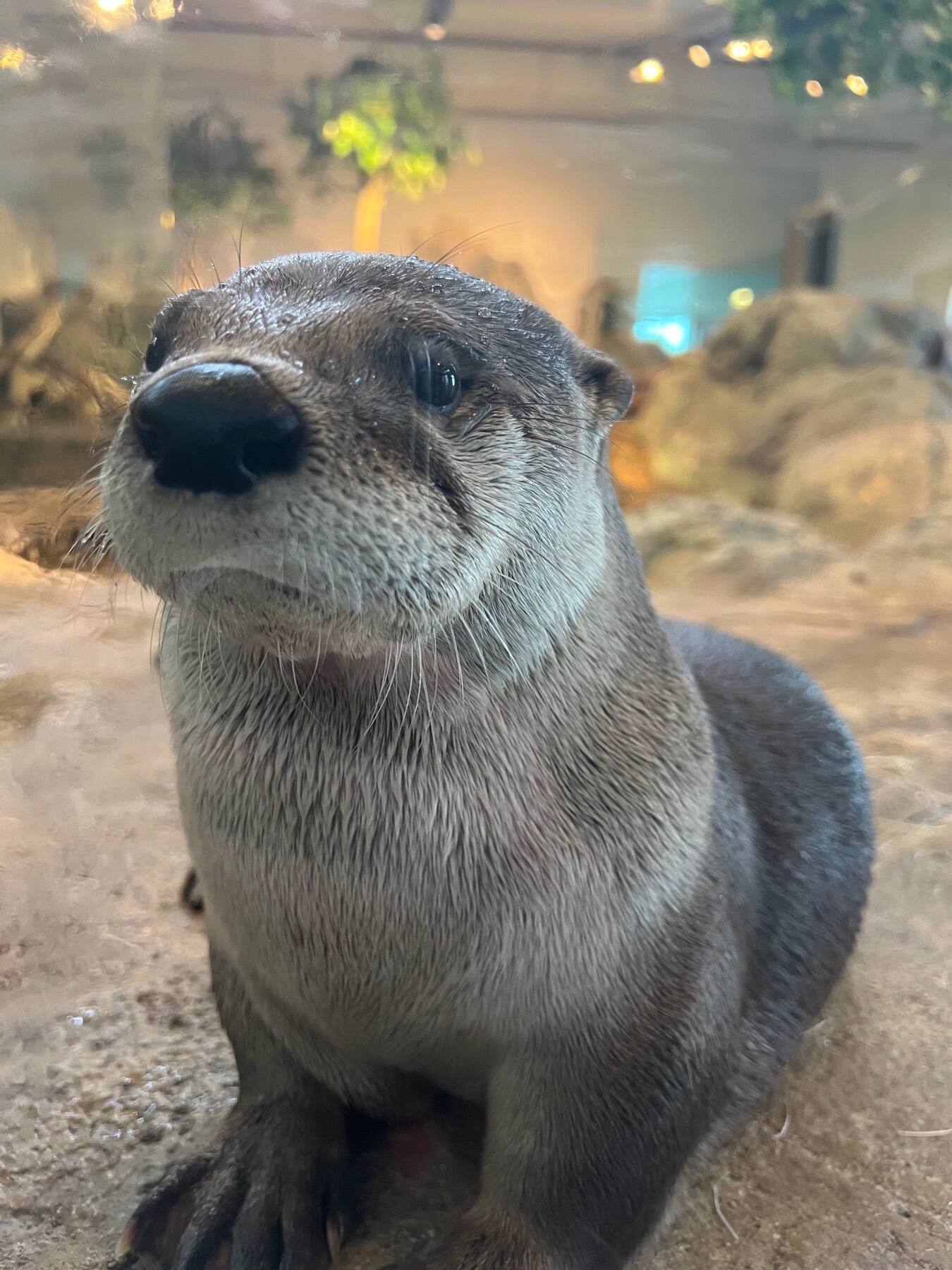
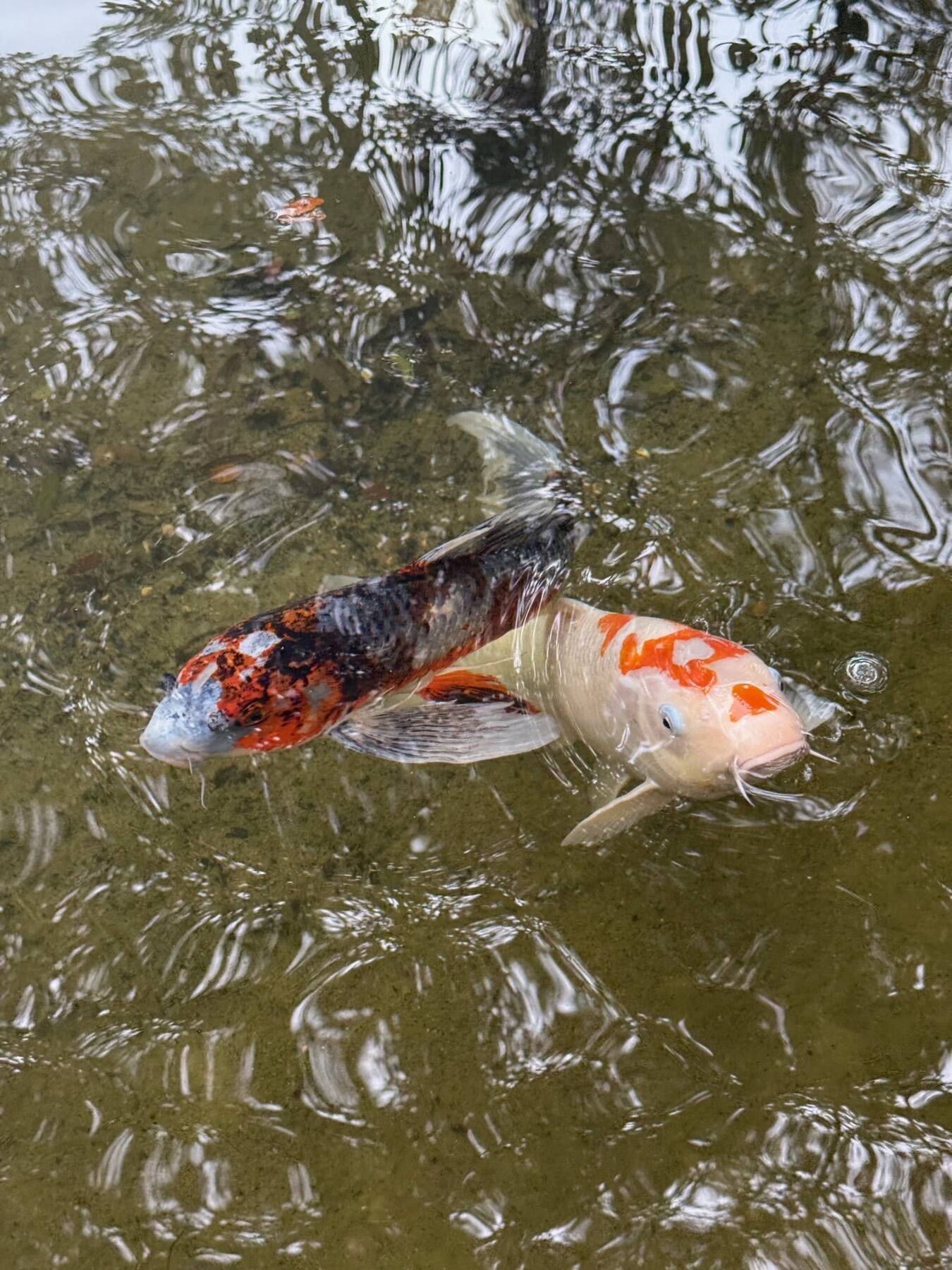
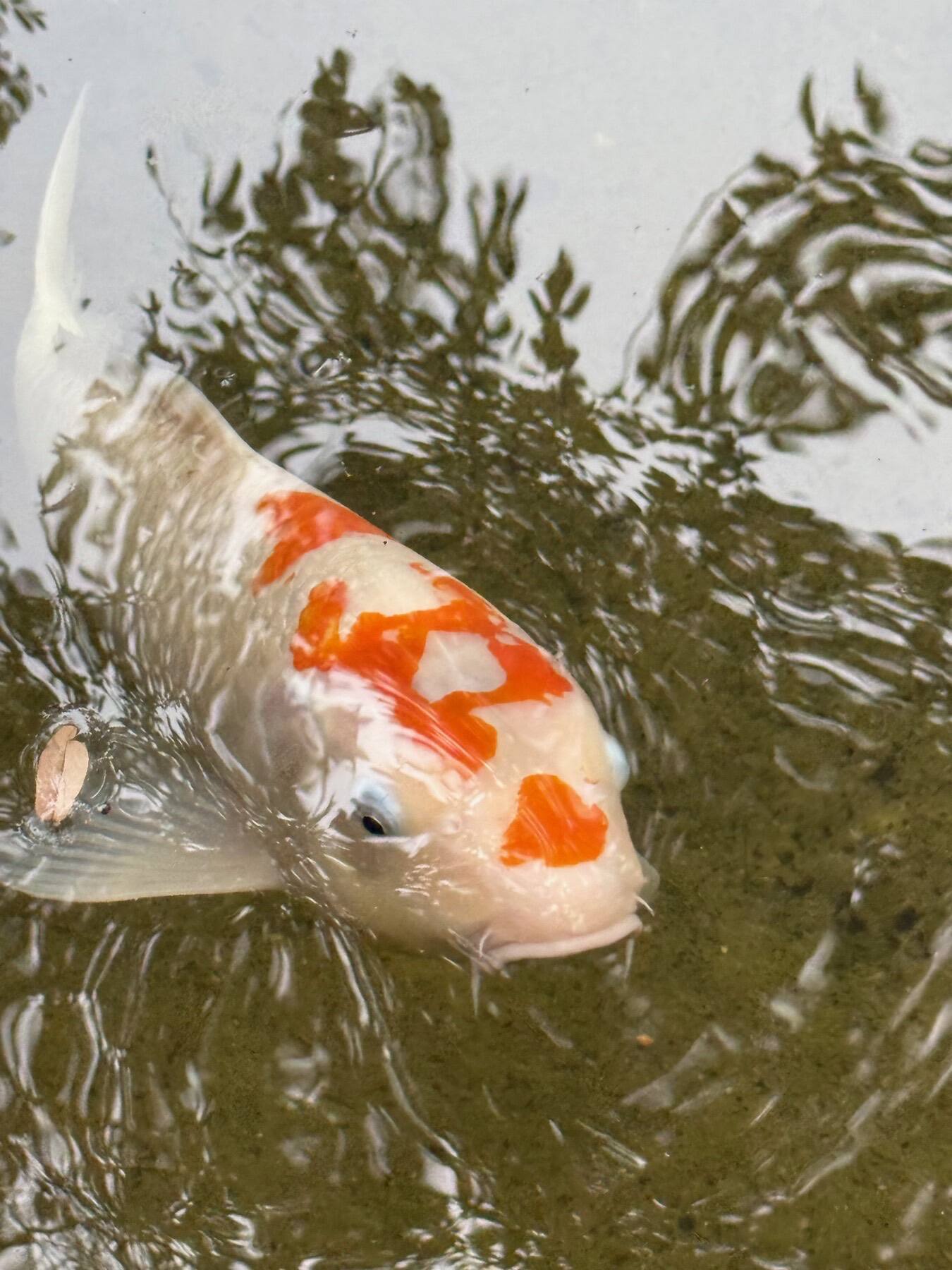
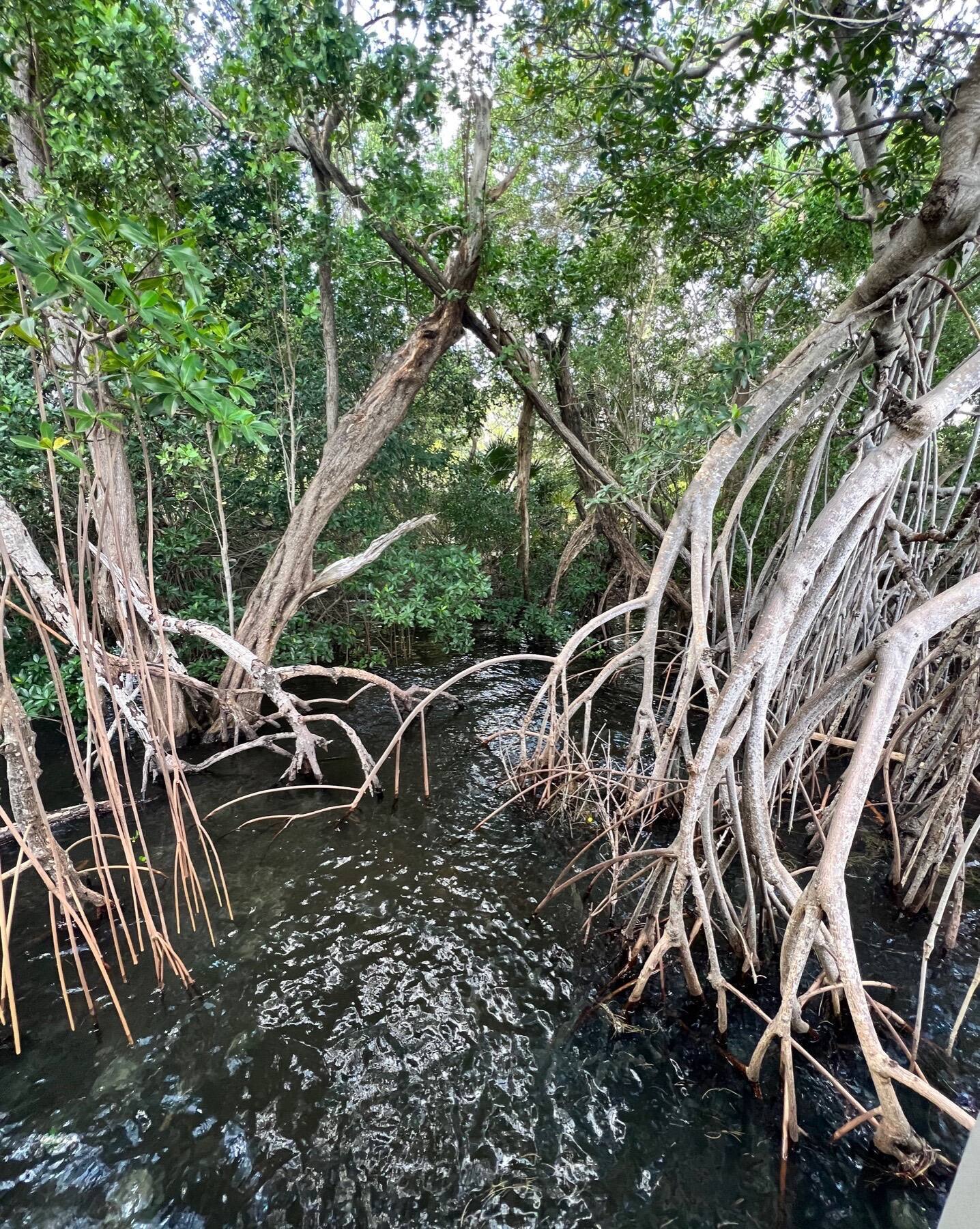
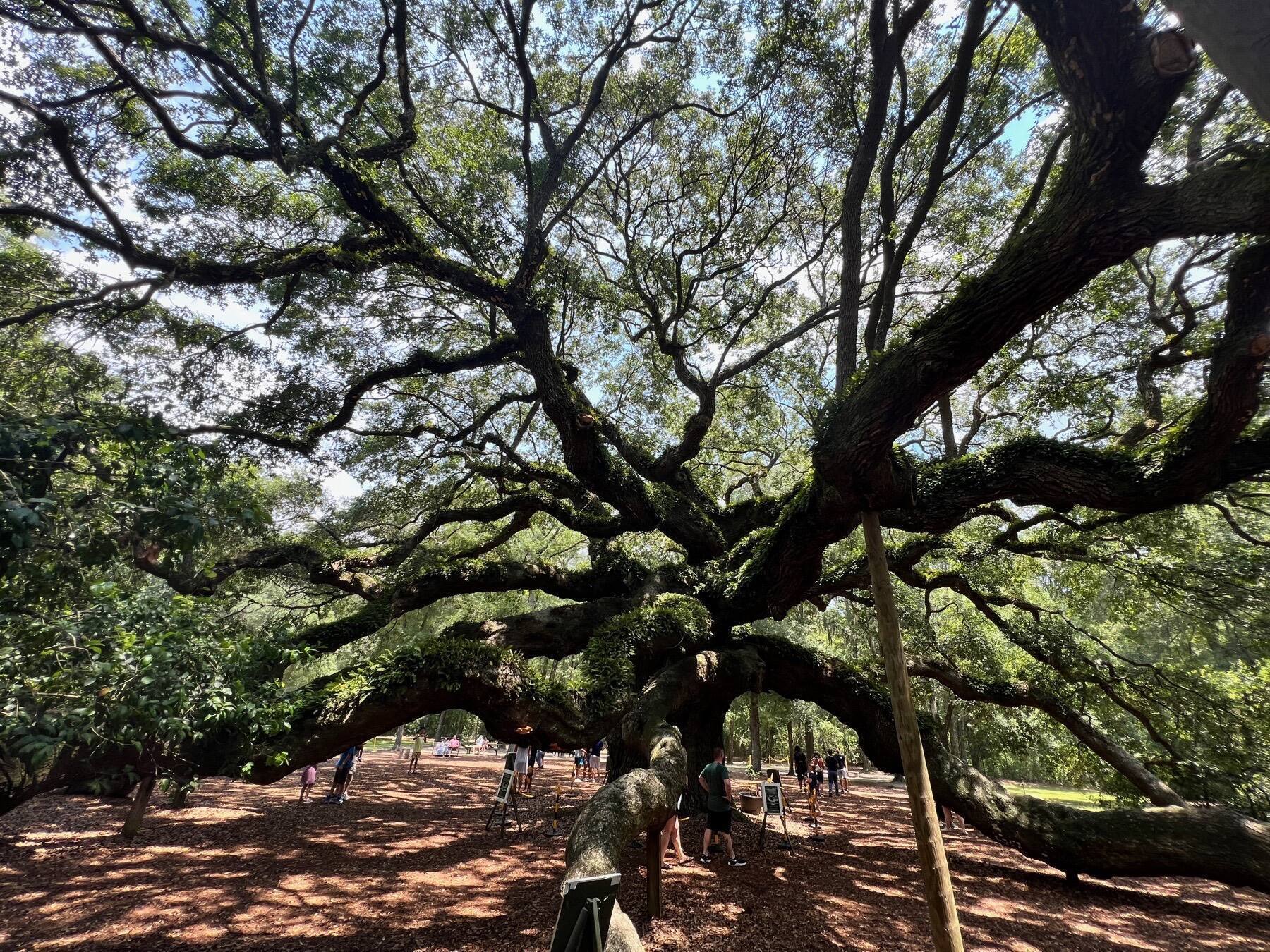
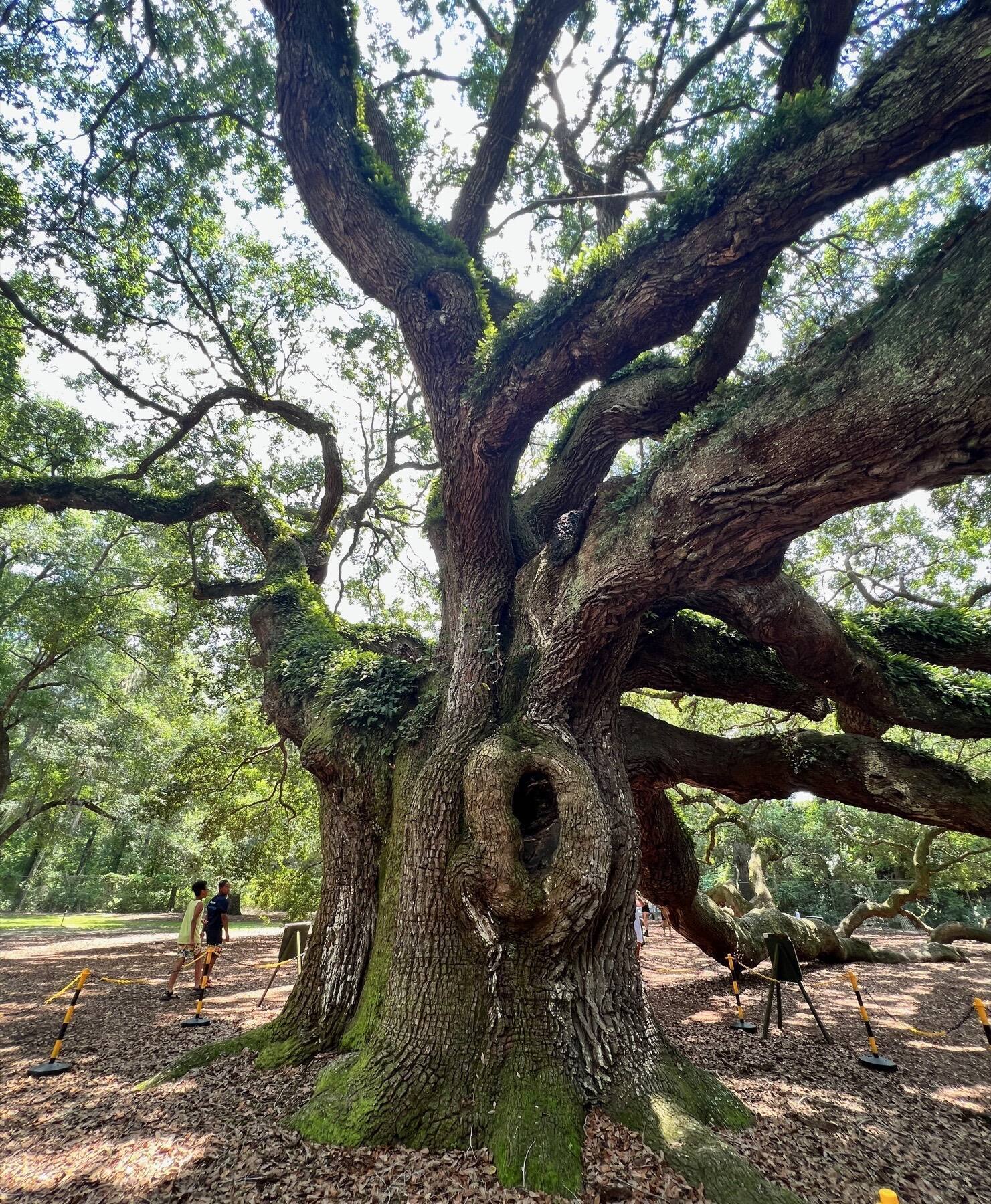
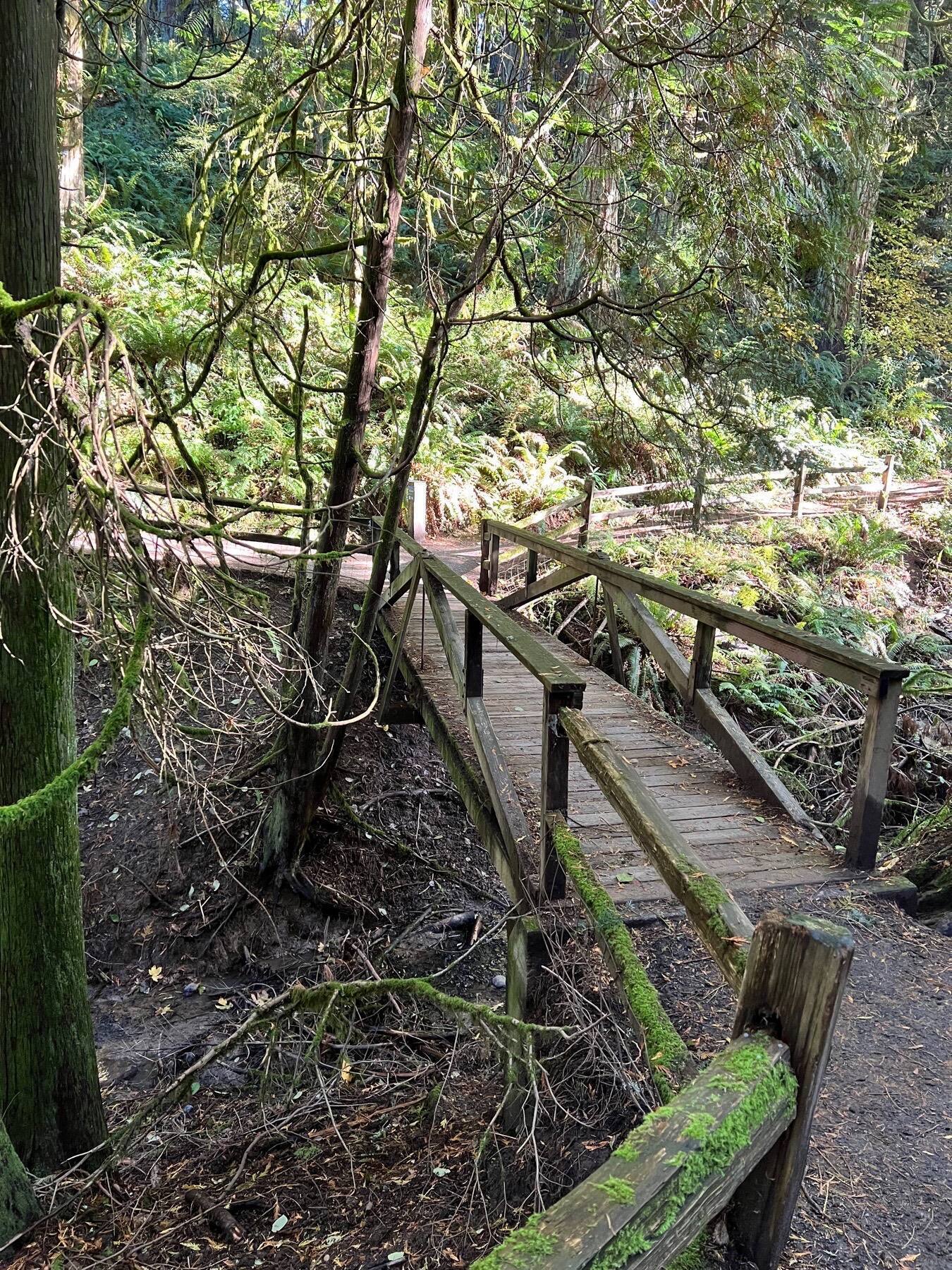
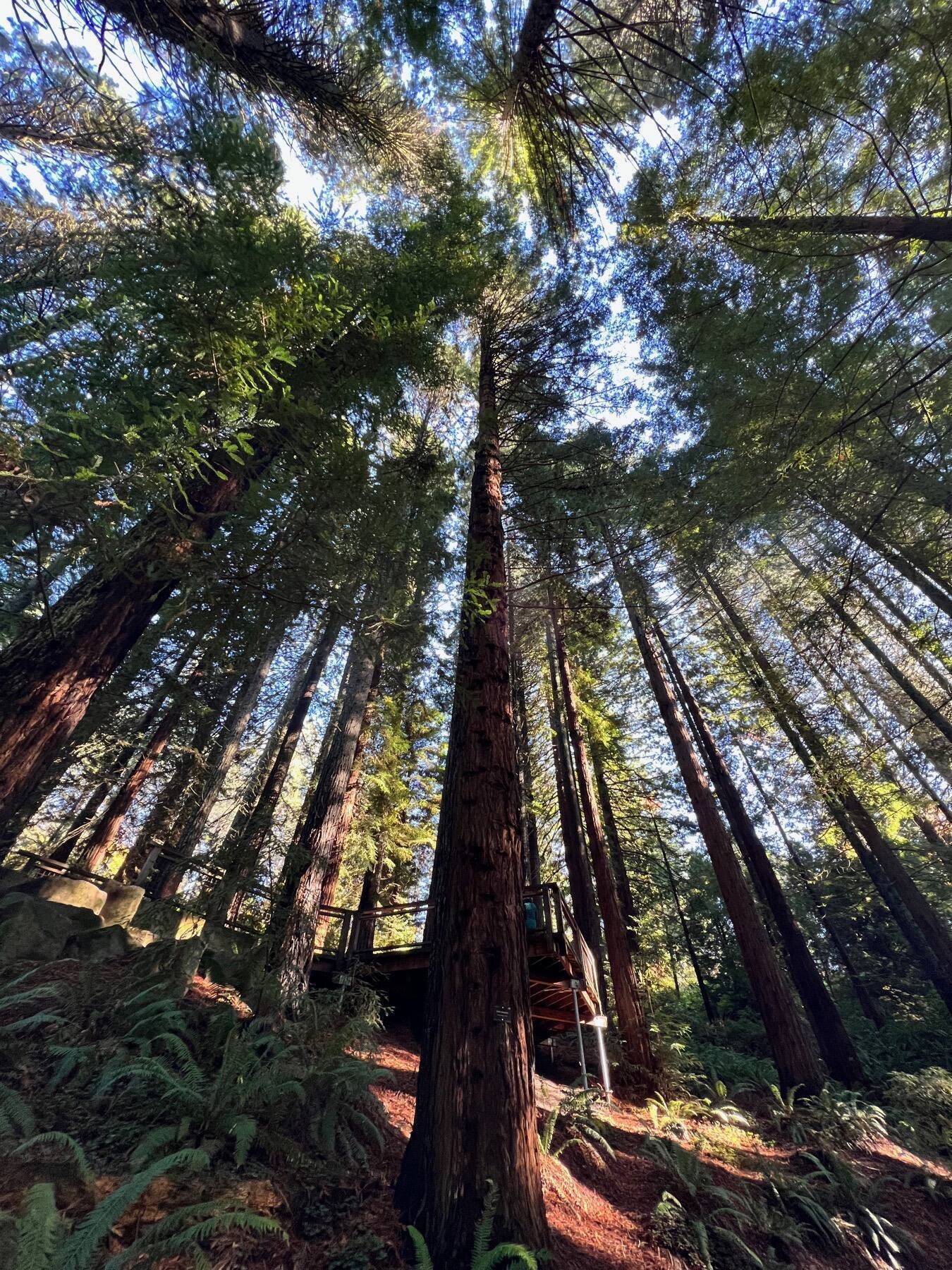
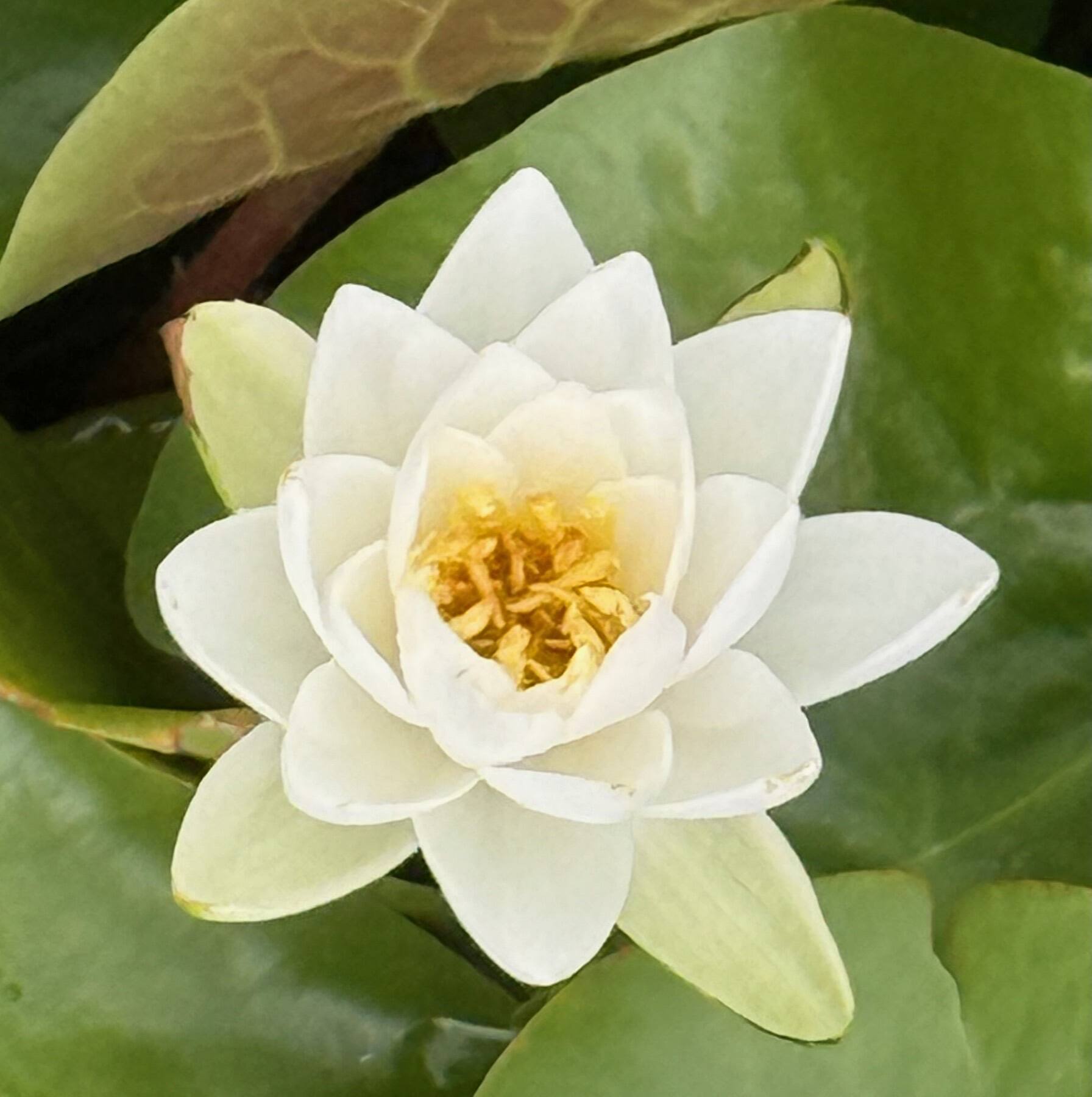
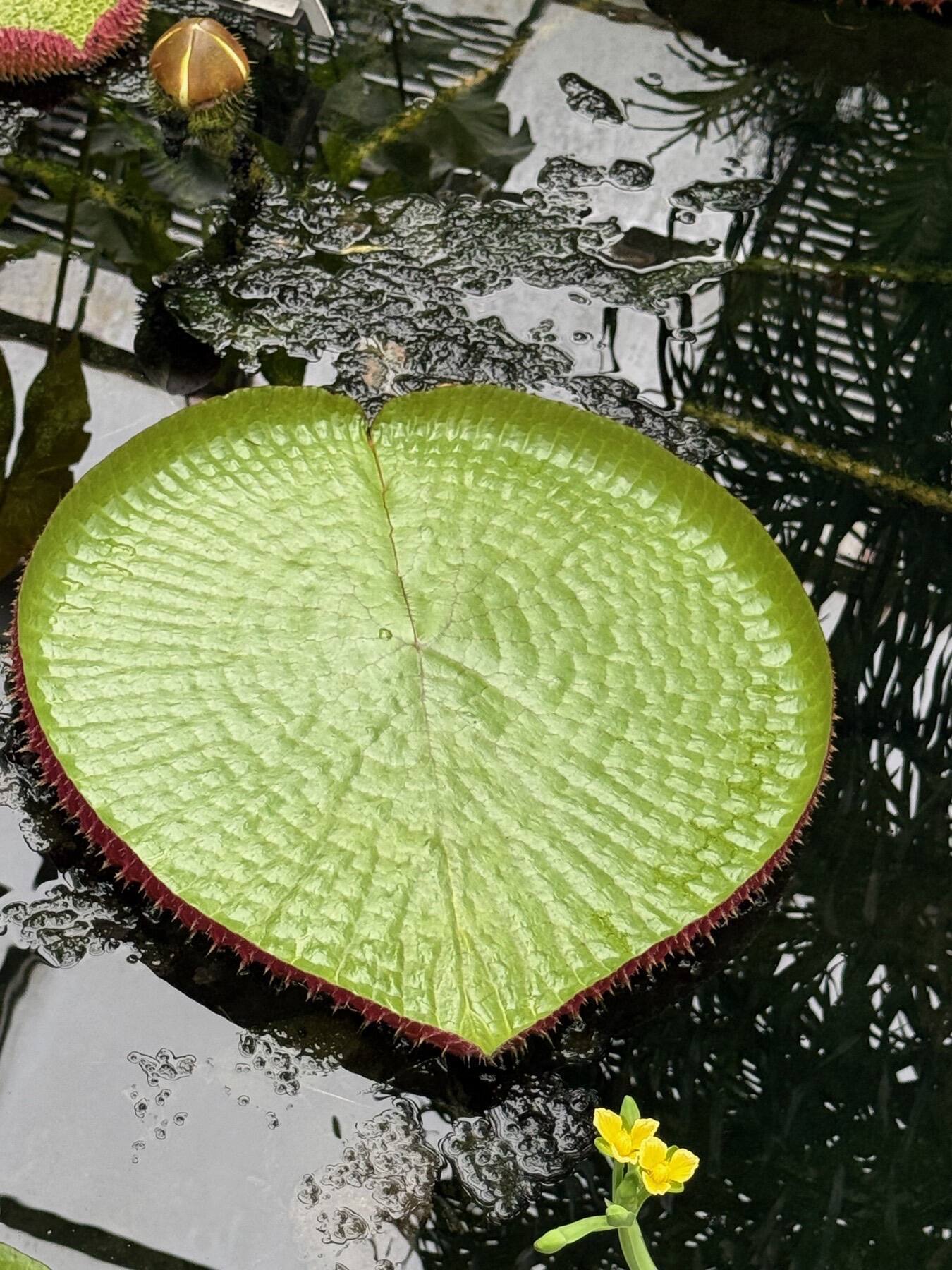
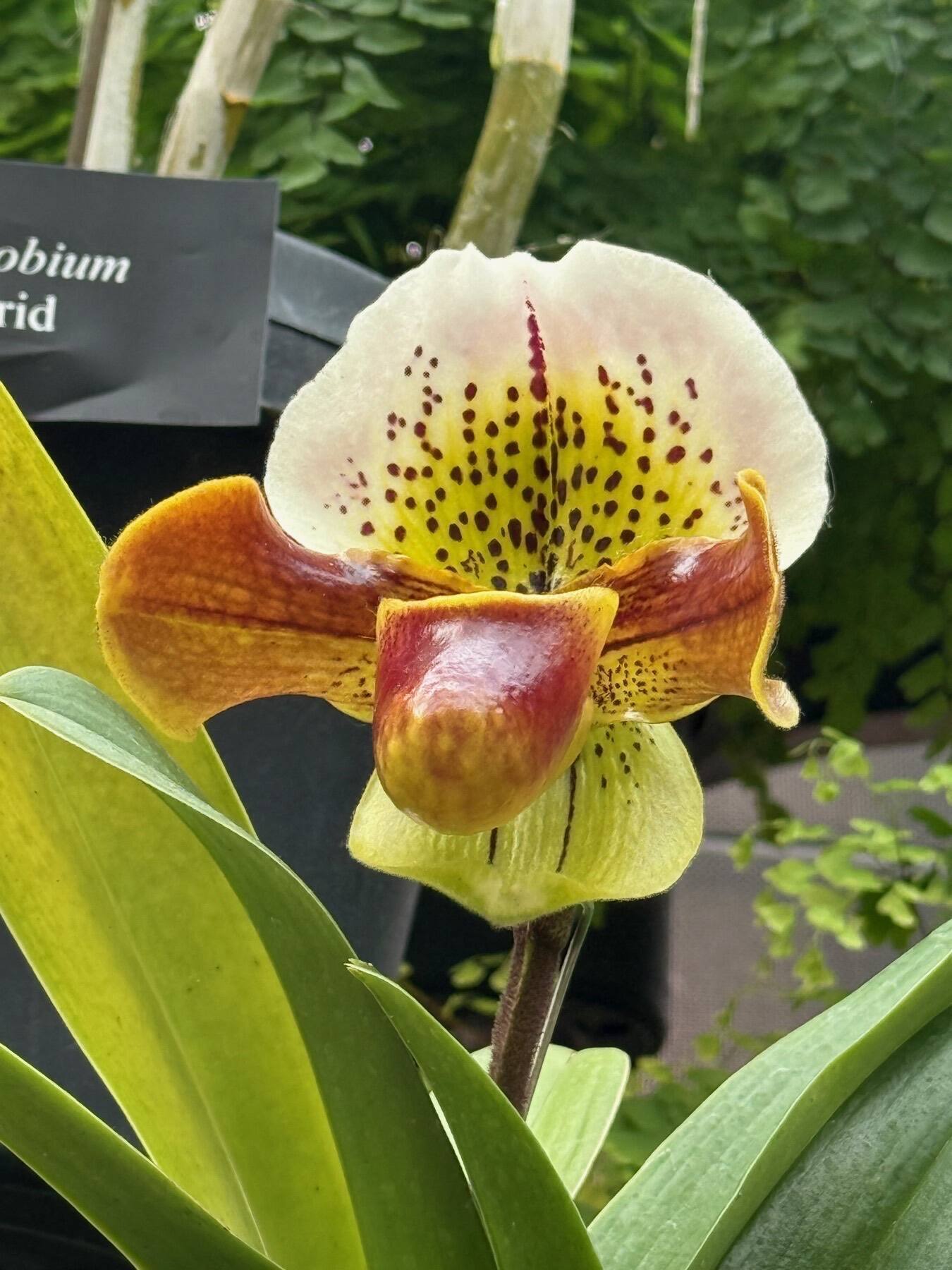
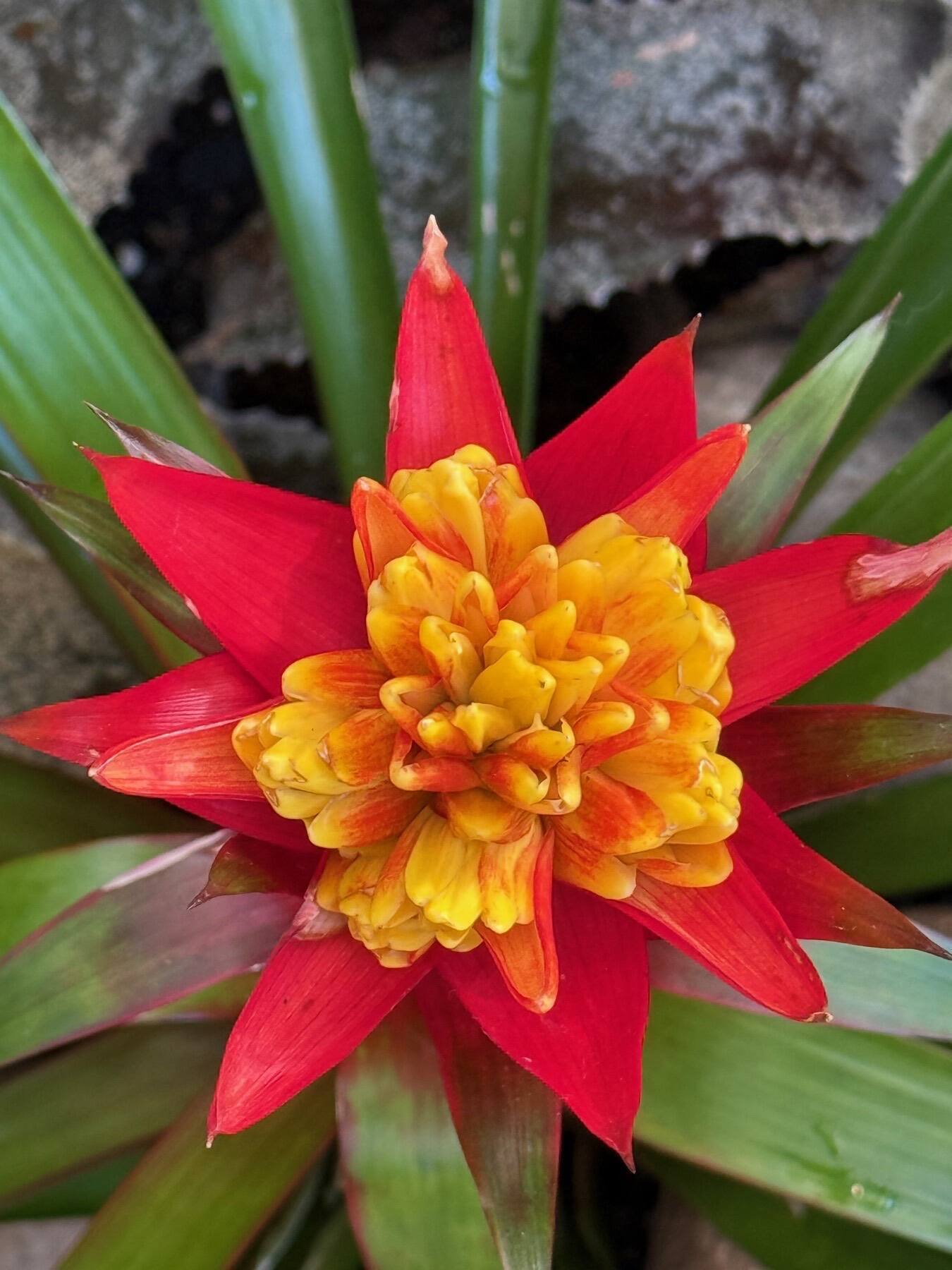
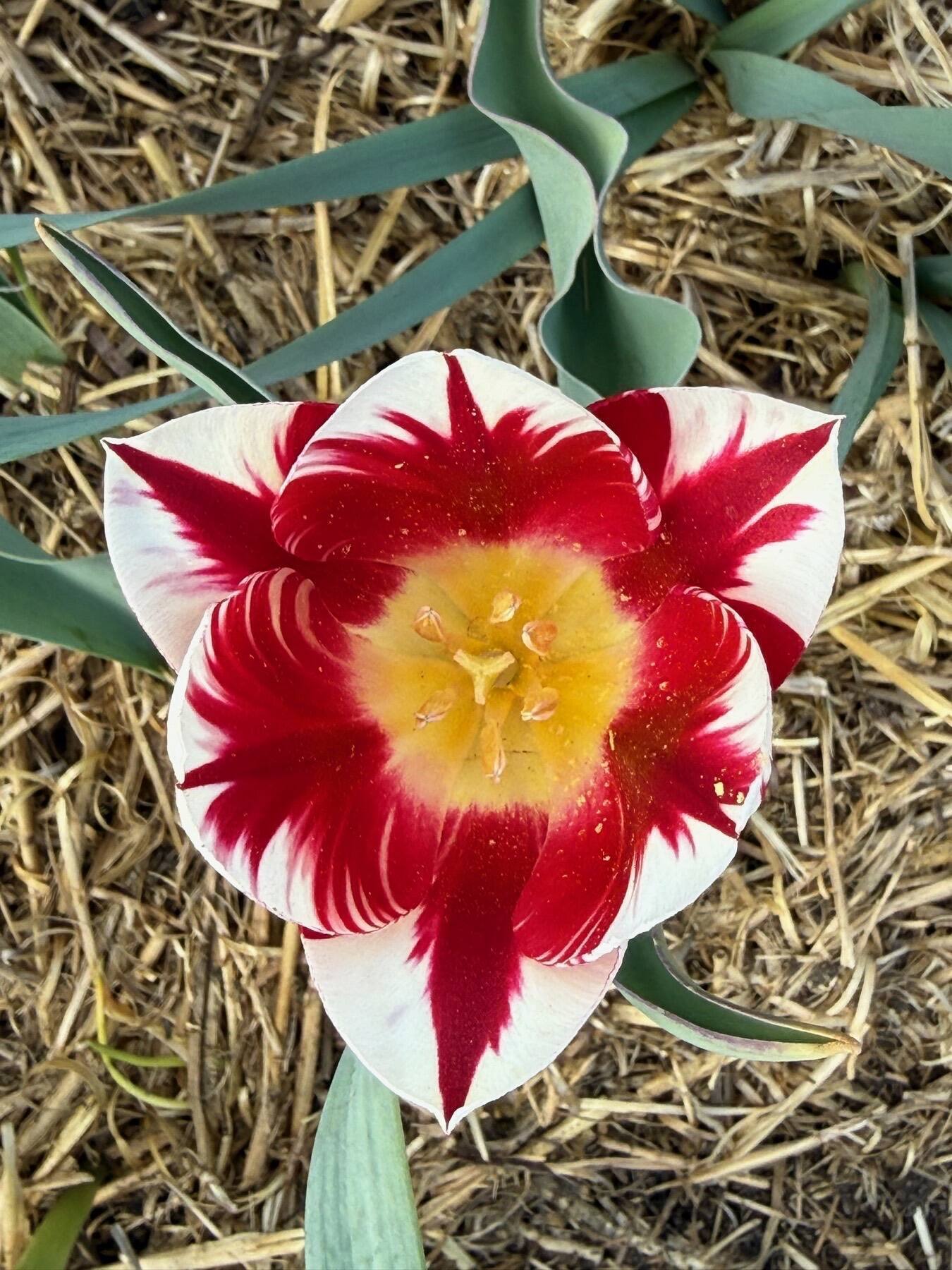
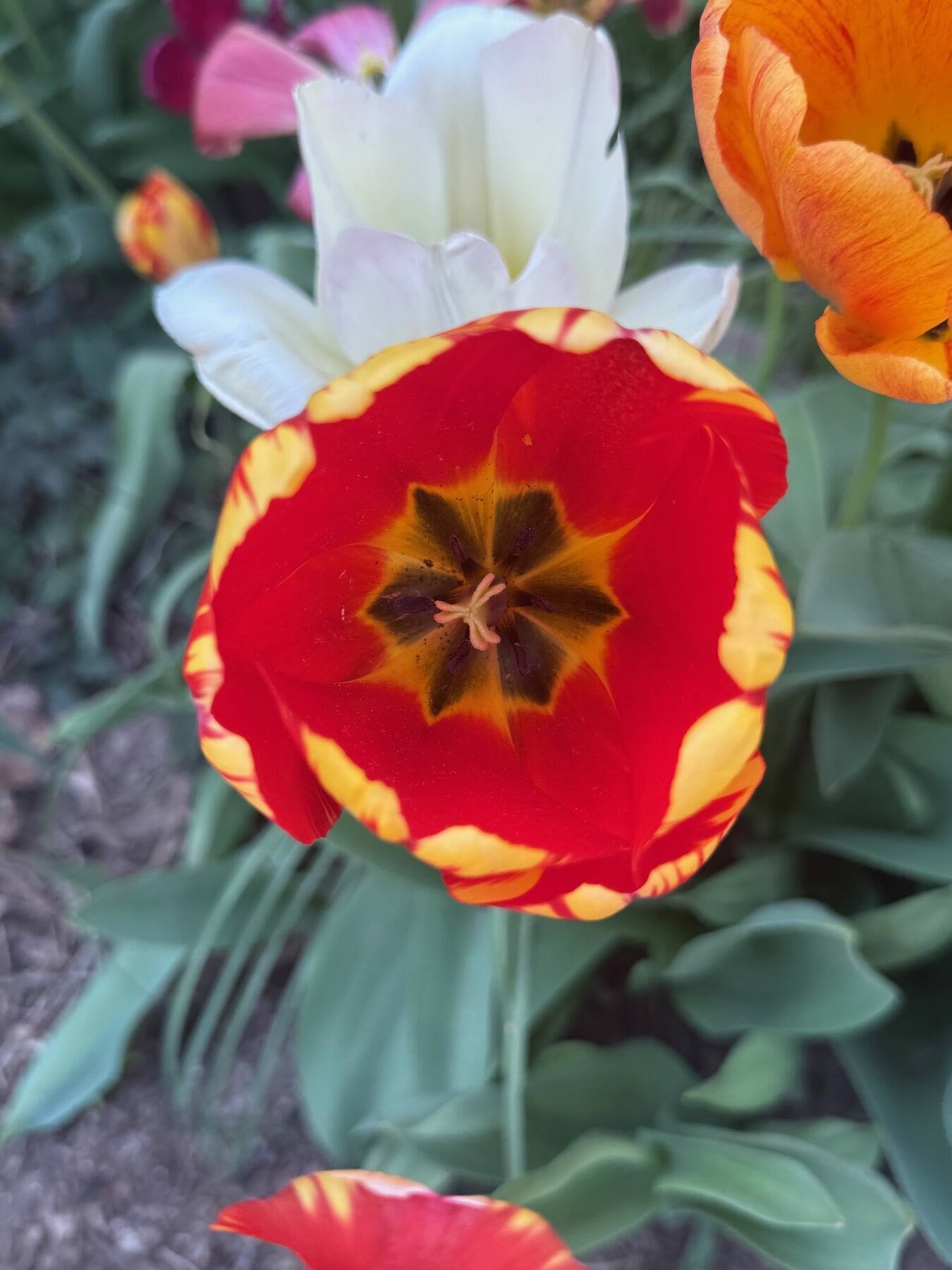
I started photographing flowers and trees almost by accident. Then I couldn't stop. There is something in the precision of a flower -- the geometry of a water lily, the architectural ambition of an orchid, the sheer improbability of a sunflower -- that insists on being looked at carefully. The natural world's smallest details are often its most astonishing.
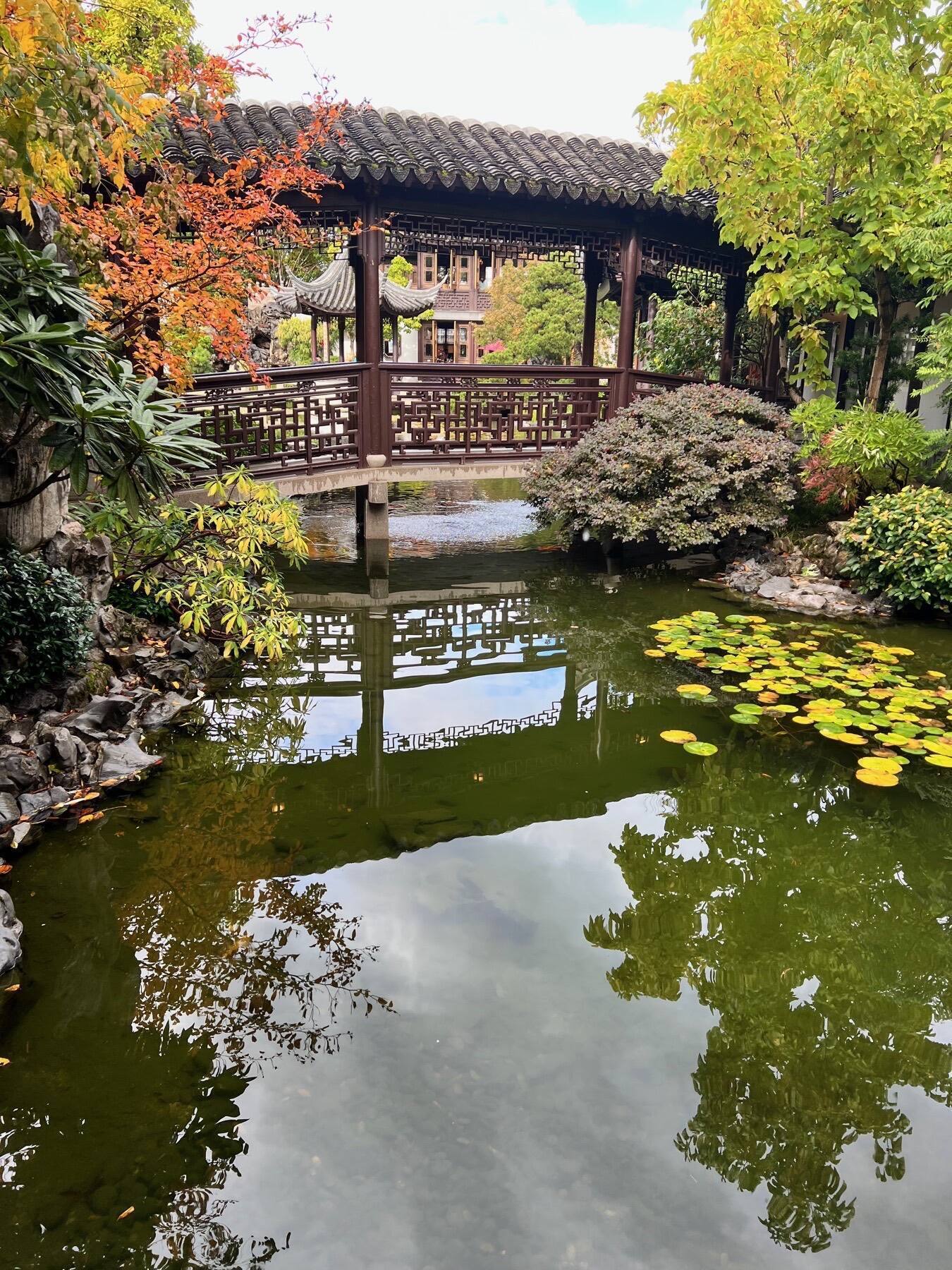
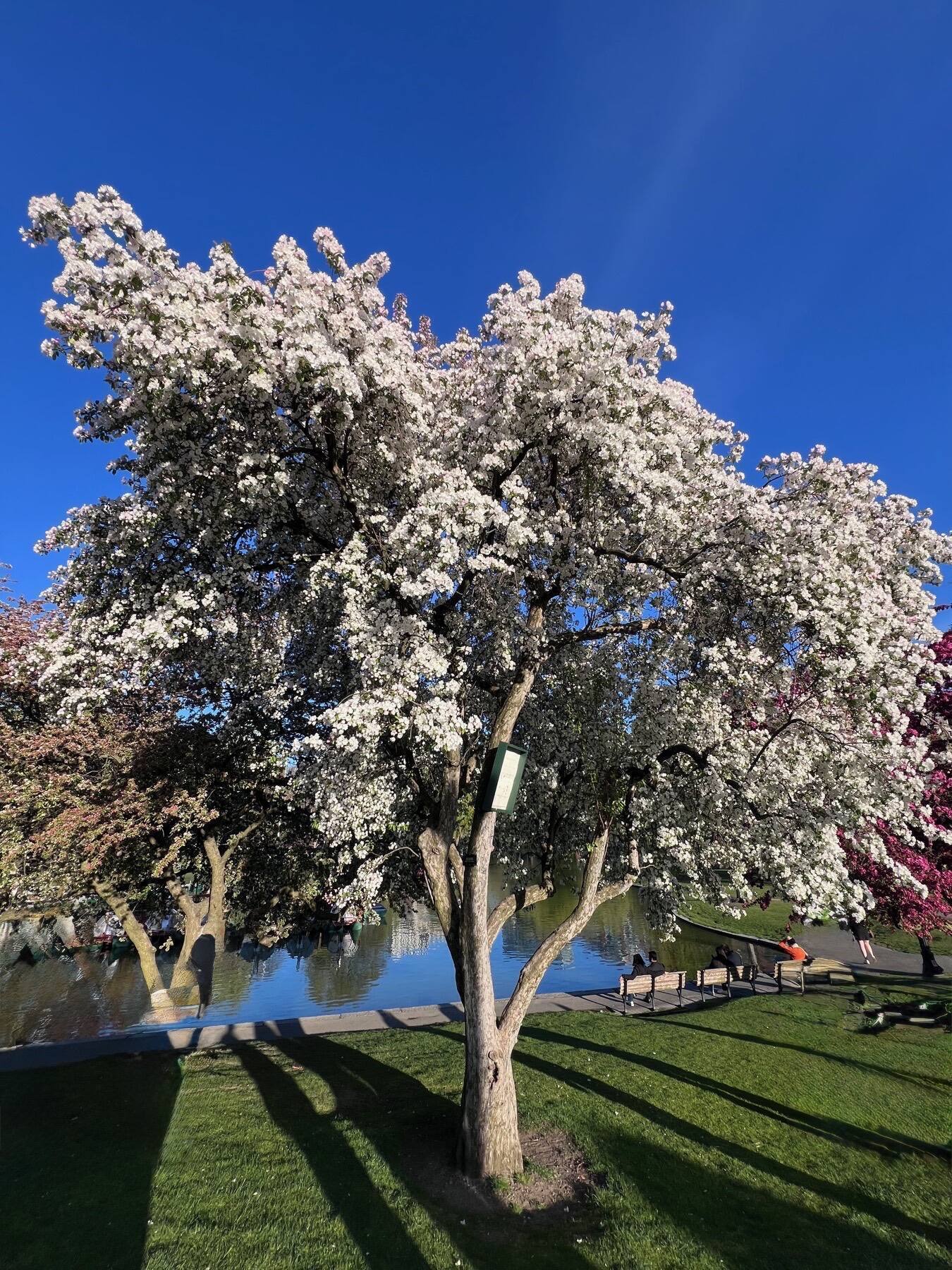
I found them in botanical gardens in Portland and Colorado Springs. In city parks in Charleston and Miami. On roadsides in South Dakota. In places I was visiting for entirely different reasons, and the flower was simply there, doing what flowers do, indifferent to the context.
There is an argument for America in a sunflower. In a water lily floating on a still pond. In a redwood rising 300 feet into coastal fog. The argument is simpler than that. It is about what grows here, what has always grown here, and what will keep growing long after we have finished debating everything else.