A Version of My Life
On routine, Spanish, and what it means to make a temporary place feel like home
On routine, Spanish, and what it means to make a temporary place feel like home
By the time a waitress at Culto asked whether I was a writer, I had learned enough Spanish to confuse someone in a more complicated way.
I was sitting with a notebook, writing by hand. I had done that often enough that the people working there recognized me. At first I was another foreigner trying to order in basic Spanish. Now someone was curious about the pages. At the time, I was doing research for a potential book about climate refugees. I tried to explain that in Spanish. From her expression, I think it is possible that I said, or she thought I said, I was a climate refugee writing a book.
I tried again. I am not sure I repaired the sentence.
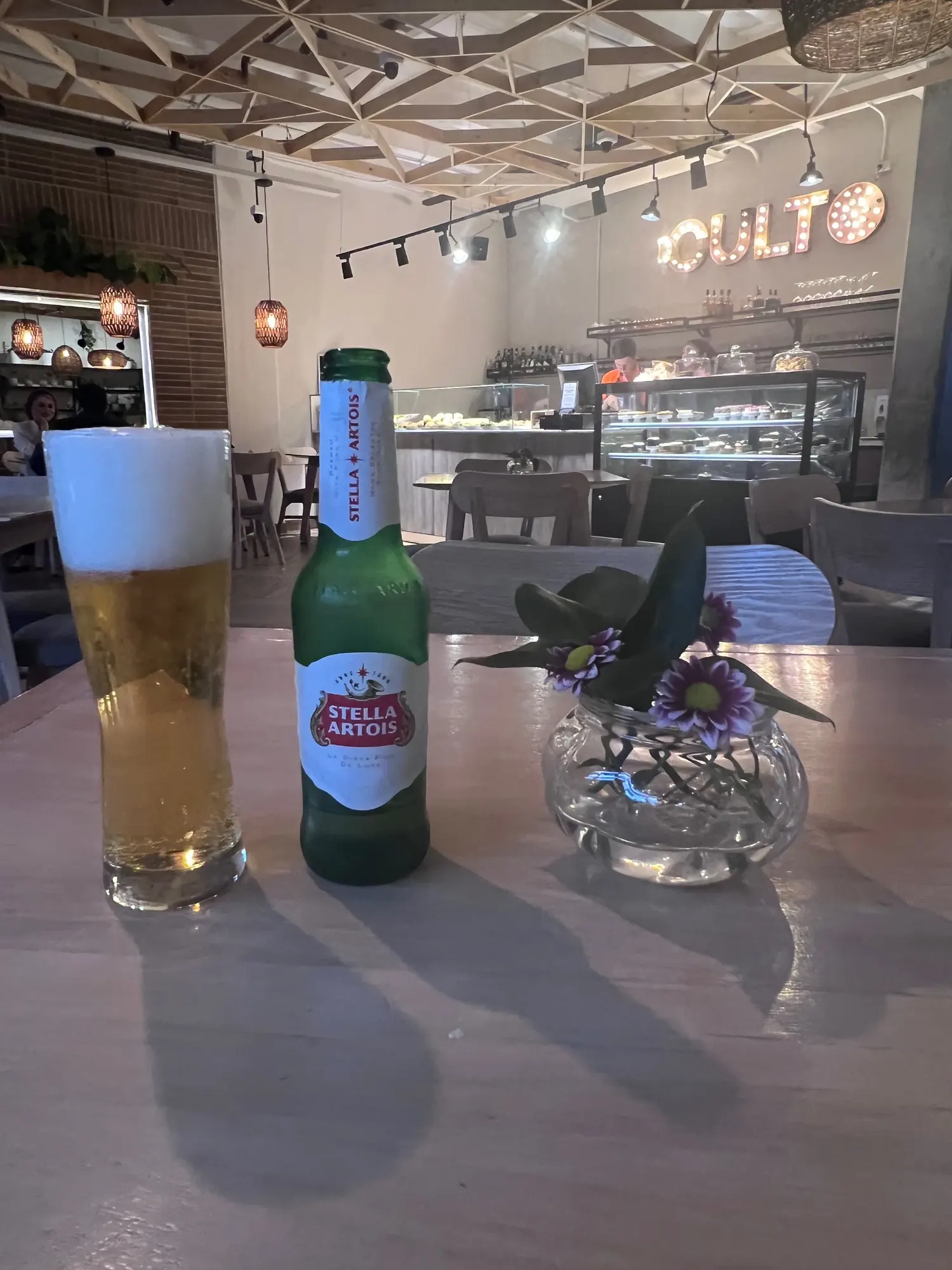
Culto, the cafe attached to the building where I rented a studio · Bogotá, Colombia (Michael Holland)
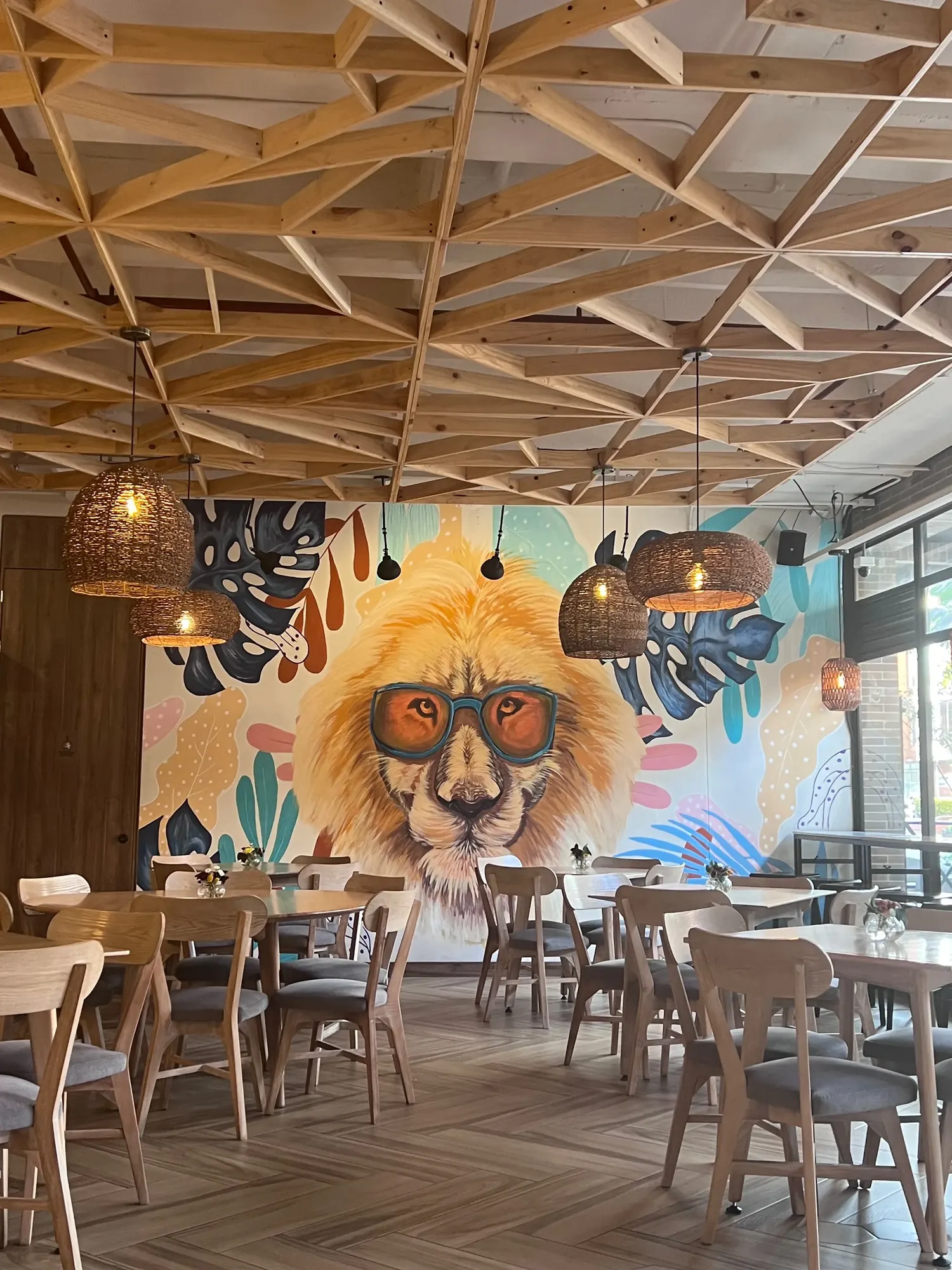
Culto was attached to the building where I rented a studio. A croissant and cappuccino cost the equivalent of only a few dollars, and they became a small daily indulgence that would have cost considerably more at home. I had come to Bogotá partly because I wanted to return to Colombia and immerse myself in Spanish. The daily croissant was a bonus.
I had also arrived during a transition in my professional life, without knowing exactly what would come next. The relatively open calendar gave me time, but it did not feel like freedom every day. Some of the time I was exploring Bogotá. Some of the time I was hiding out in it.
There was a Carulla FreshMarket grocery store within walking distance. Laundry was downstairs. The machines worked through an app on my phone, in Spanish, with the occasional complication of Wi-Fi. I found a place to buy protein powder and a shaker. I learned where to stand when I called an Uber and where a driver could find me again.
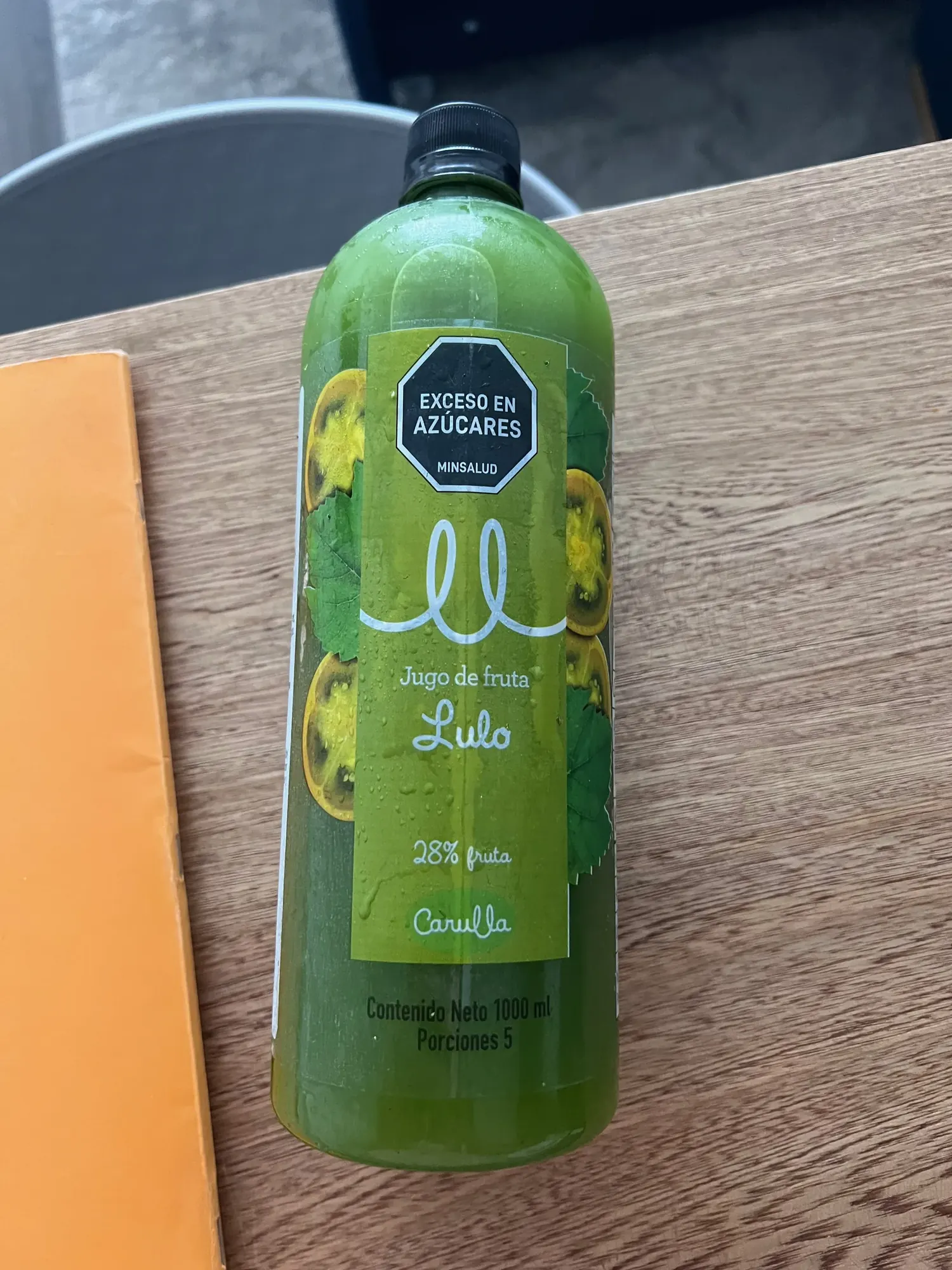
A bottle of lulo juice from the Carulla FreshMarket down the street (Michael Holland)
At first each errand required attention. I practiced in my apartment before I left. I had to anticipate language, payment, directions, the possibility that I would not understand the next question. Then repetition took some of the tension away. The grocery store became the grocery store. Laundry became laundry. At Culto, I could order and sit with the notebook.
The same thing happened with the streets. Most days I walked from my apartment across the footbridge over Diagonal 92, down Calle 94, and turned onto Avenida Carrera 15 toward the Andino area. Sometimes I came back the same way. Other times I returned along Carrera 13. At first I watched the map on my phone. Eventually I knew where to turn.
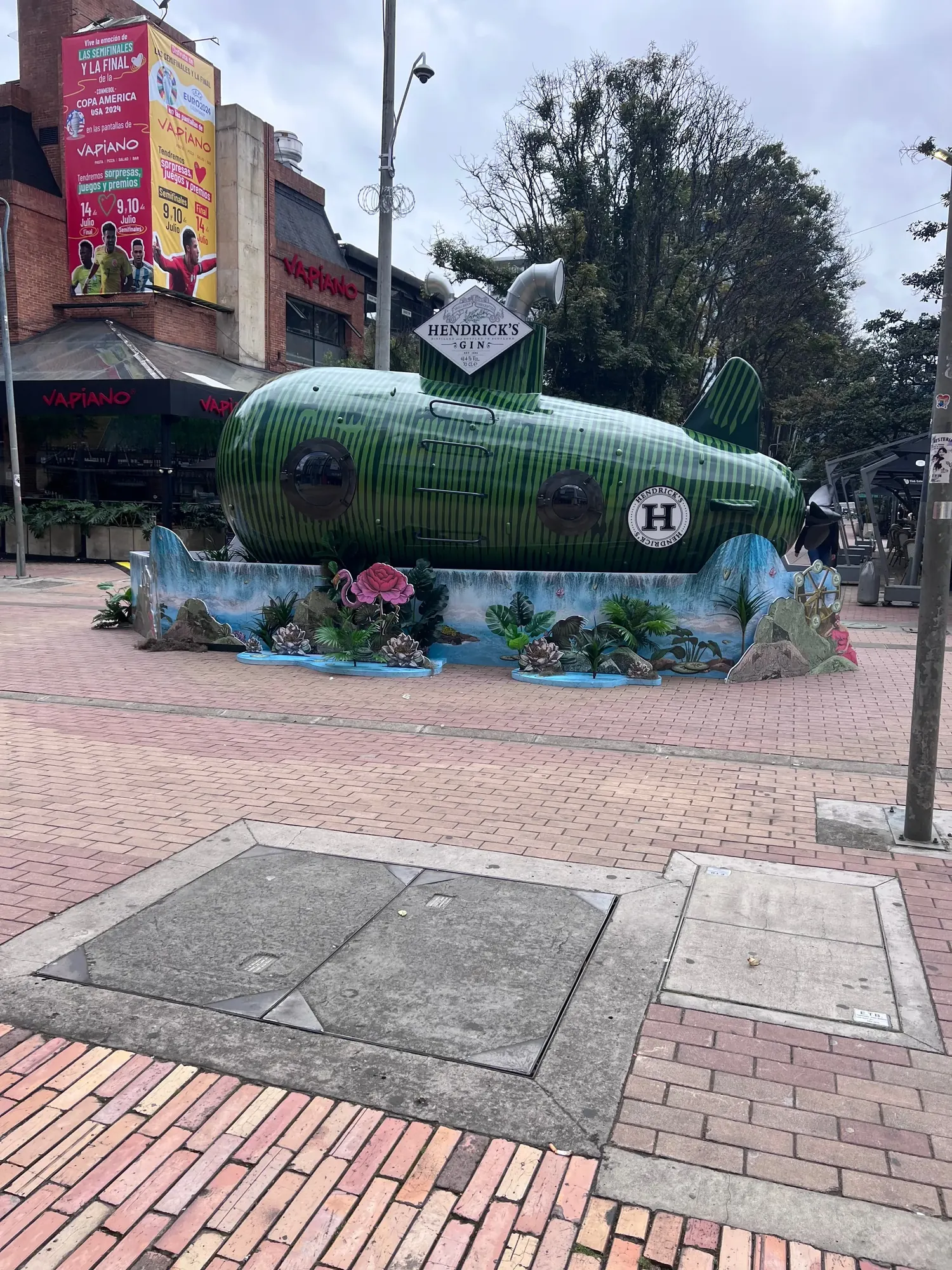
Ordinary sights along the same walked routes · Bogotá, Colombia (Michael Holland)
It was not much of Bogotá. That was partly the point. The enormous city was becoming familiar to me through one small piece of it. On other days I went farther into the city to museums, parks, crowded streets or a guided tour. But most days also contained the smaller journeys: the café, the grocery store, the familiar walk.
The enormous city was becoming familiar to me through one small piece of it.
Near the end of the stay, I recorded some reflections and said that I had created a home. I didn't mean that I had established a permanent one. I had simply been there long enough that the next day did not begin from zero.
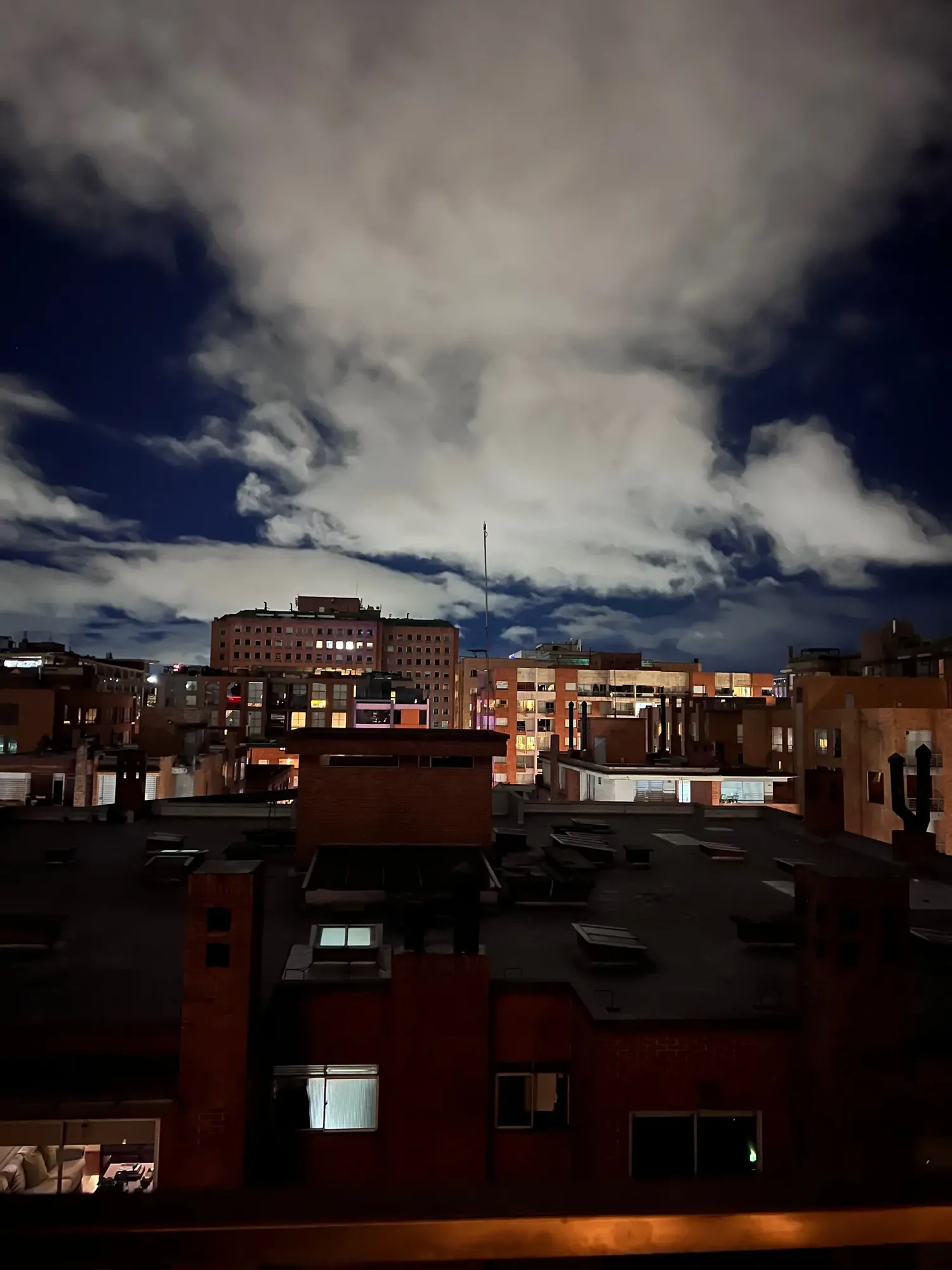
The view from the apartment, most nights · Bogotá, Colombia (Michael Holland)
Which may be why I remember the waitress at Culto. Her question came after I had been there long enough to have a routine. I had gone to the café often enough to be recognized. I had sat with the notebook often enough for someone to wonder what I was doing.
Then I packed the apartment and left.