Issue 24 · October 30, 2026
I was walking along South Sixth Street toward the Harley-Davidson Museum when the buildings came into view. Beyond the Sixth Street South Bascule Bridge stood a complex dominated by a black building whose scale was almost intimidating.
I had come to Milwaukee with a conventional picture of Harley-Davidson. The open road. Leather jackets. Rugged independence. A certain defiance of convention. I recognized the imagery and the sound, but I had never owned a motorcycle and had ridden on one only once.
I was not, by any reasonable definition, a Harley guy. Still, I wanted to understand the enthusiasm.
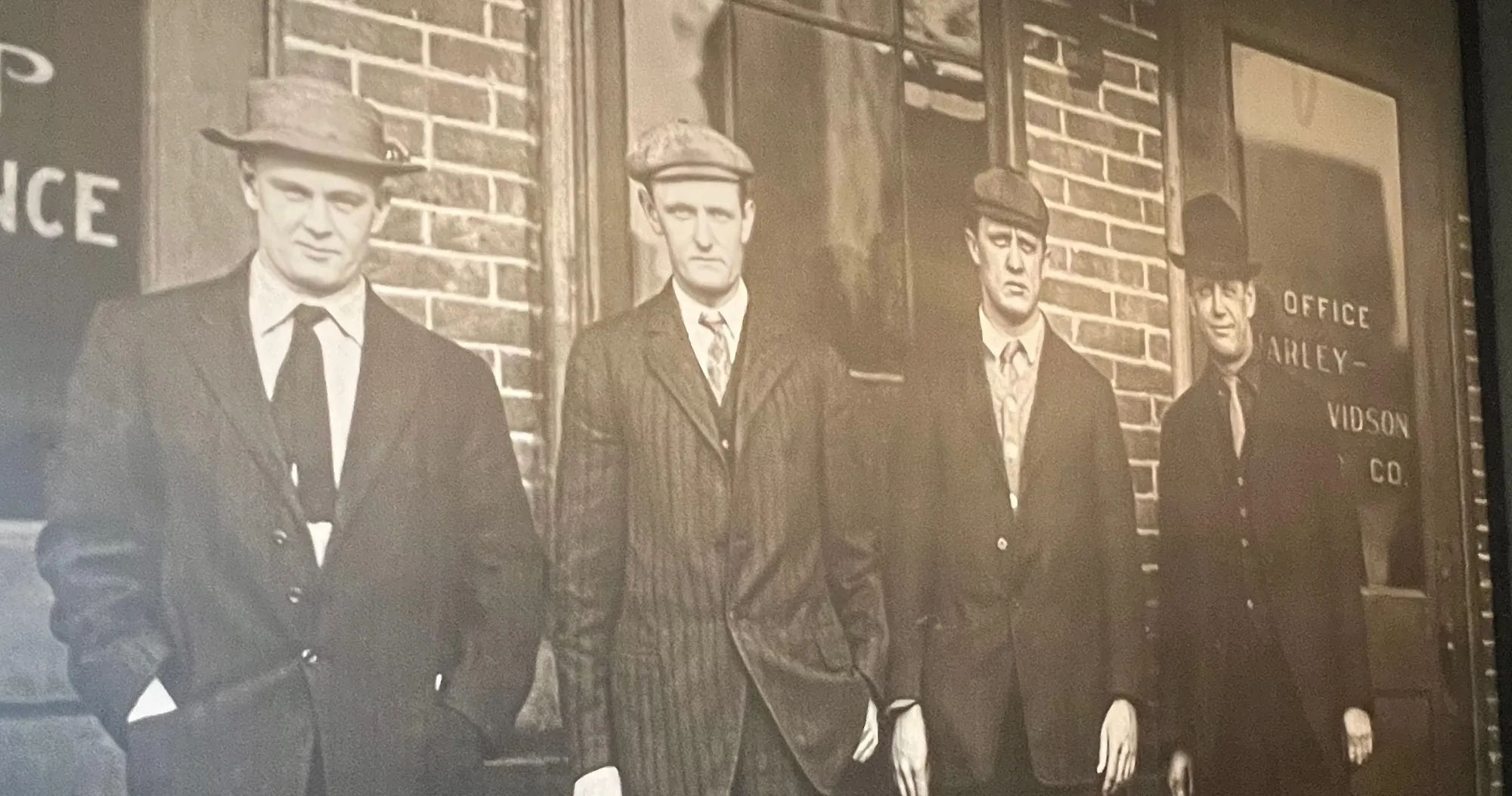
One of the first things that struck me inside was an enormous historical photograph of Harley-Davidson’s four founders. There they stood in suits and hats outside a brick industrial building, looking less like the creators of a cultural phenomenon than the businessmen and inventors they were.
Milwaukee had become an important center of machinery production, acquiring the nickname “Machine Shop of the World” by 1900. William Harley and Arthur Davidson were young men working in that industrial environment, imagining how they might build a motorized bicycle.
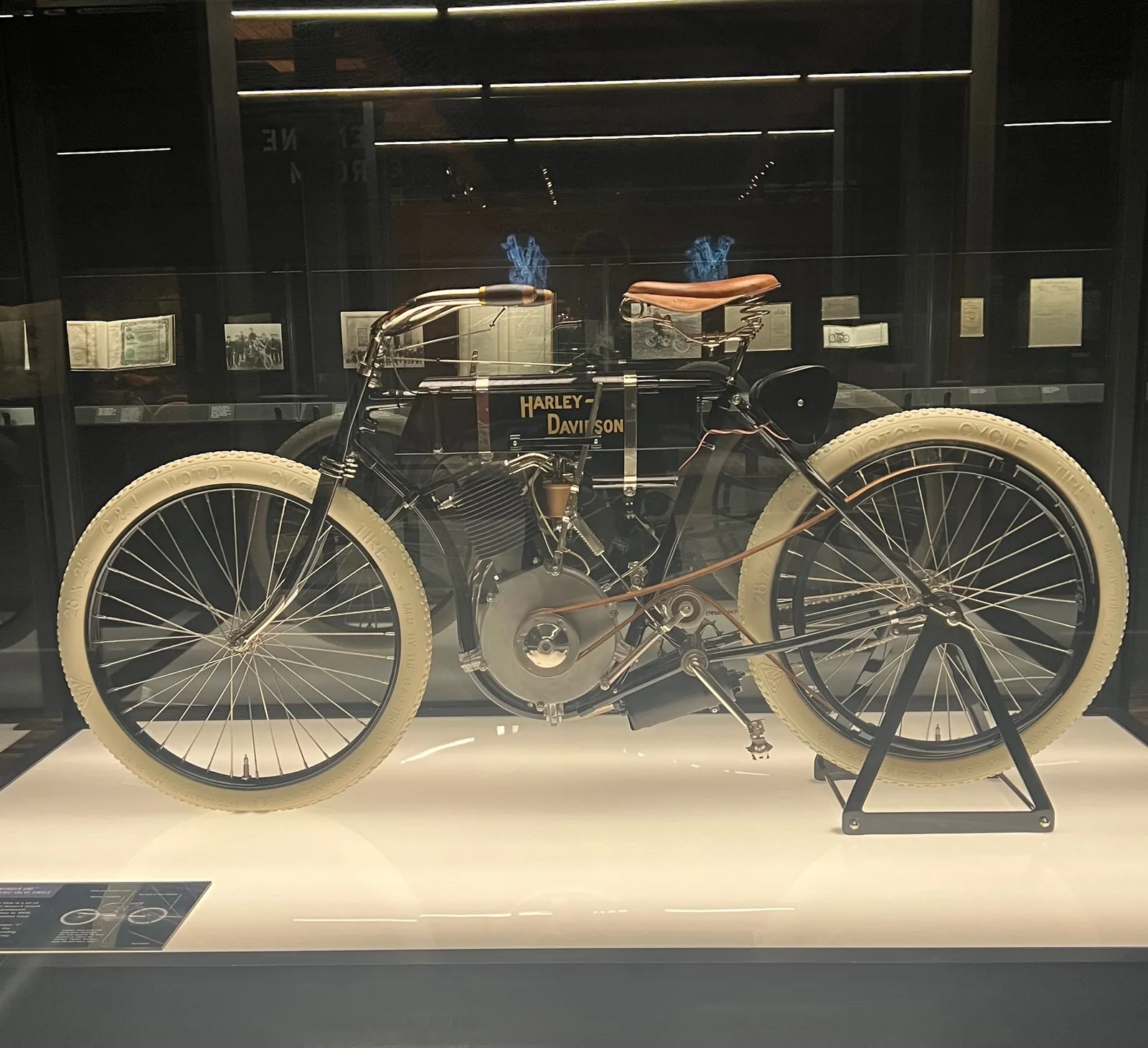
The museum was filled with evidence of invention and adaptation. Serial Number One. Racing machines. Engines and mechanical components. Motorcycles built for military service, including a U.S. Army machine equipped with a windshield, storage boxes, and leather bags.
I could admire the ingenuity without pretending to understand the engineering. And some of the most memorable objects required no mechanical expertise at all.
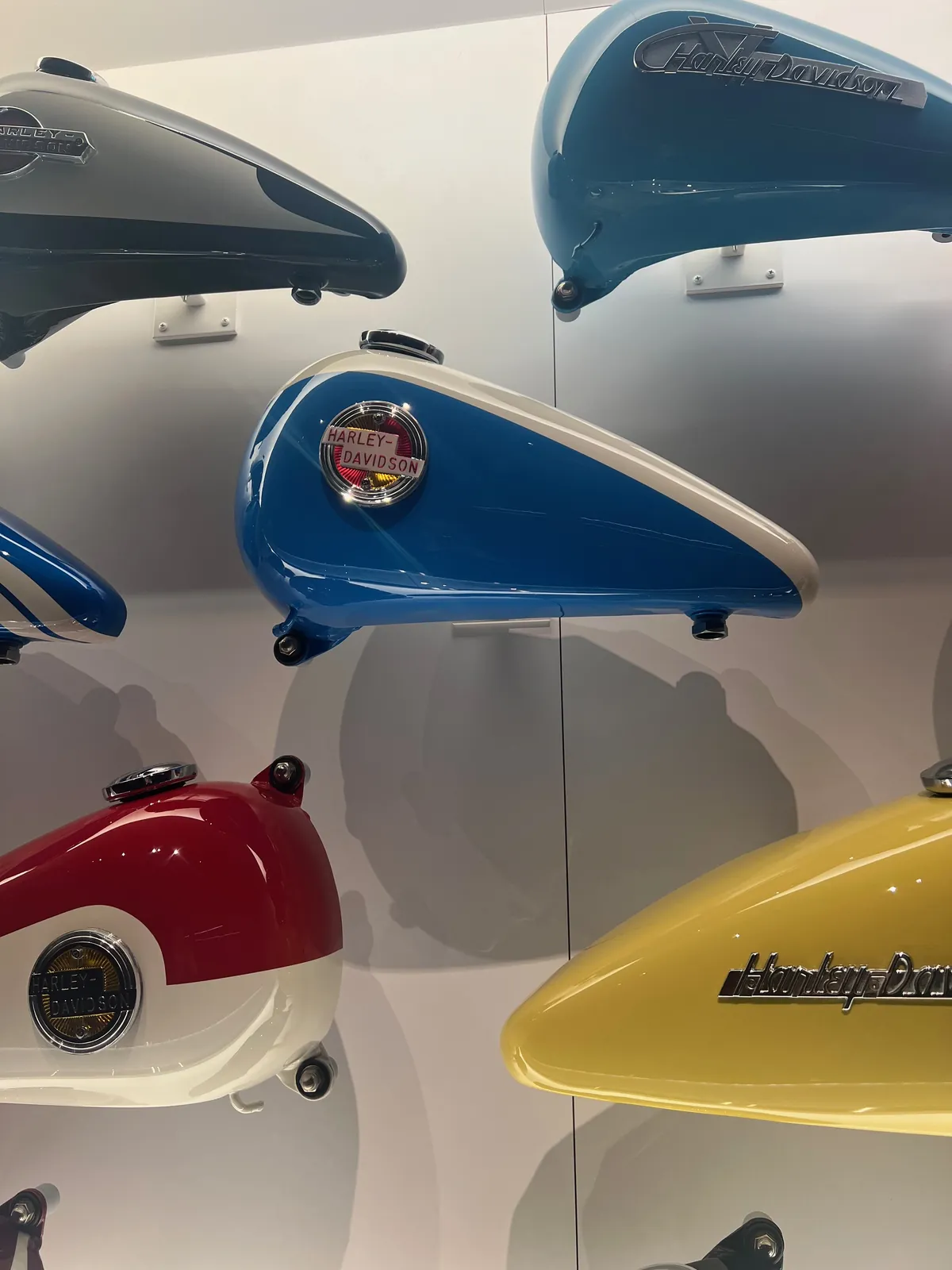
A wall of fuel tanks stopped me. Blue, red, yellow. Different shapes, badges, and lettering. Separated from the motorcycles to which they had once belonged, they were beautiful objects in their own right. I knew almost nothing about the models they represented, but I kept taking photographs. Each tank reflected someone’s attention to how a machine should look, not simply how it should function.
Then there were the patches.
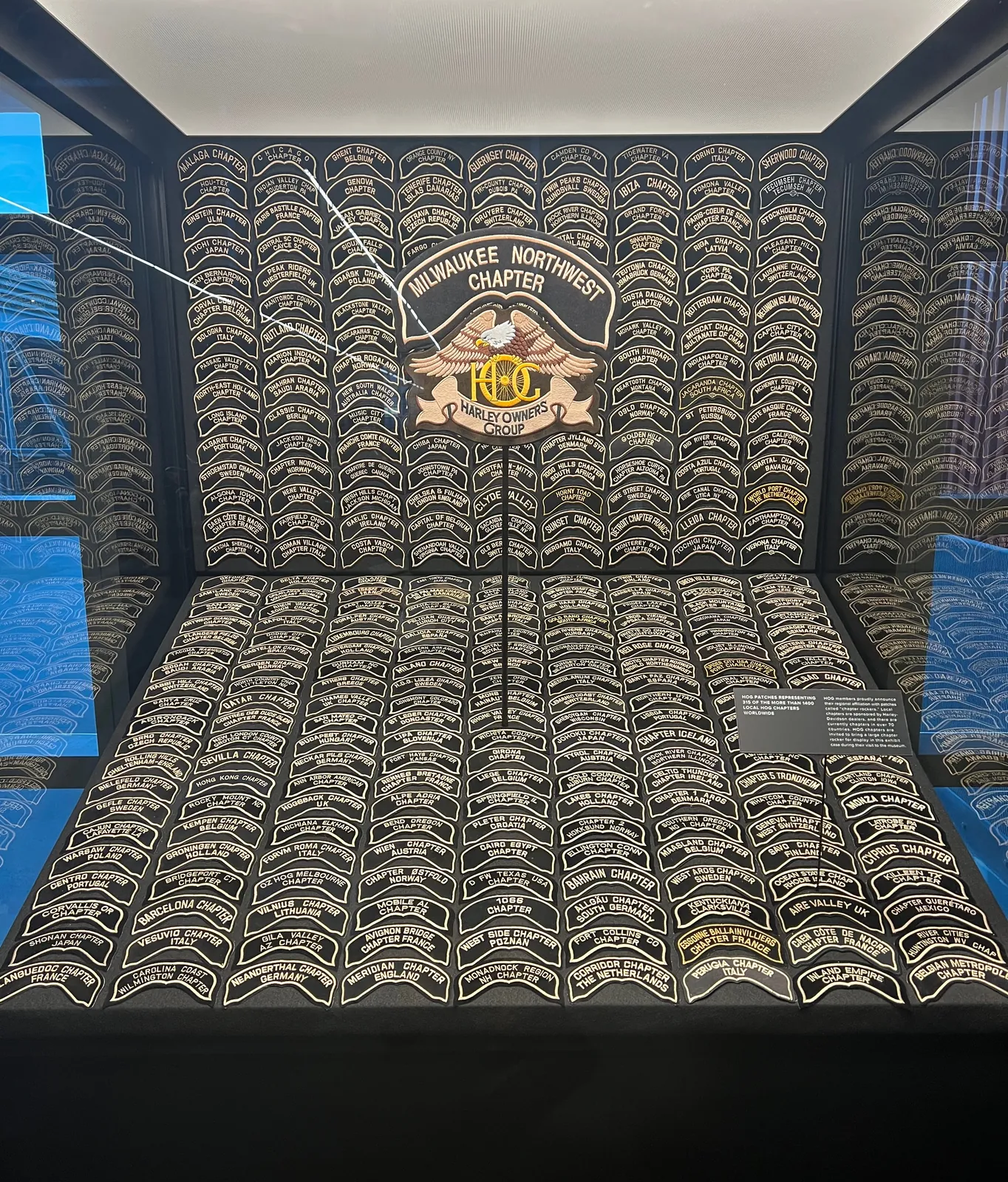
One museum display presented an extraordinary collection of Harley Owners Group chapter emblems. At its center was a large Milwaukee Northwest Chapter patch, surrounded by an elaborate arrangement of smaller emblems. The display caught my eye, and I moved closer, expecting to find chapters from across the United States.
Instead, I began reading names from Germany, the Netherlands, Japan, Bahrain, Cyprus, Egypt, and dozens of other places. American cities and towns appeared alongside communities on the other side of the world. Expressions of belonging around a machine so closely tied to individual freedom. What attracted someone in Japan might differ from what attracted someone in Egypt or Germany. I couldn’t know.
I recognized something of that attachment in myself. I’ve traveled to places associated with Ernest Hemingway, Mark Twain, and Edgar Allan Poe, sometimes standing in rooms another visitor might regard as little more than old furniture and walls. I arrive knowing the writers and their work, and that knowledge makes those places meaningful to me.
I could understand why someone devoted to Harley-Davidson would want to make a pilgrimage to Milwaukee. But visiting a literary landmark is not the same as belonging to a Harley Owners Group chapter. I did not speak with those riders, and I cannot know what friendships, journeys, or memories their emblems represent.
For years, I’ve traveled across America, often driving long distances simply to see what was beyond the next stretch of highway. I love the anticipation of arriving somewhere unfamiliar and the freedom to change direction when something catches my attention.
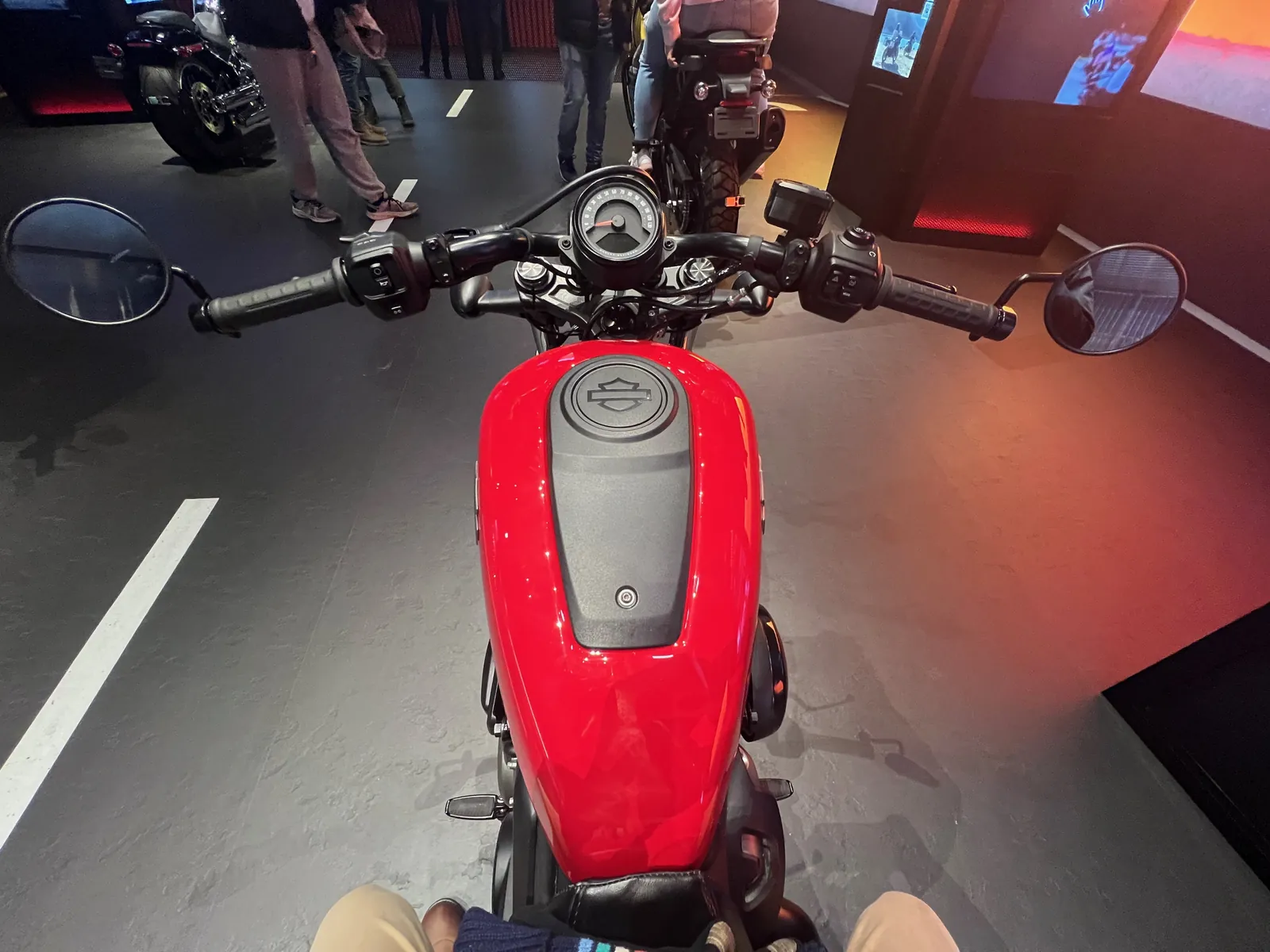
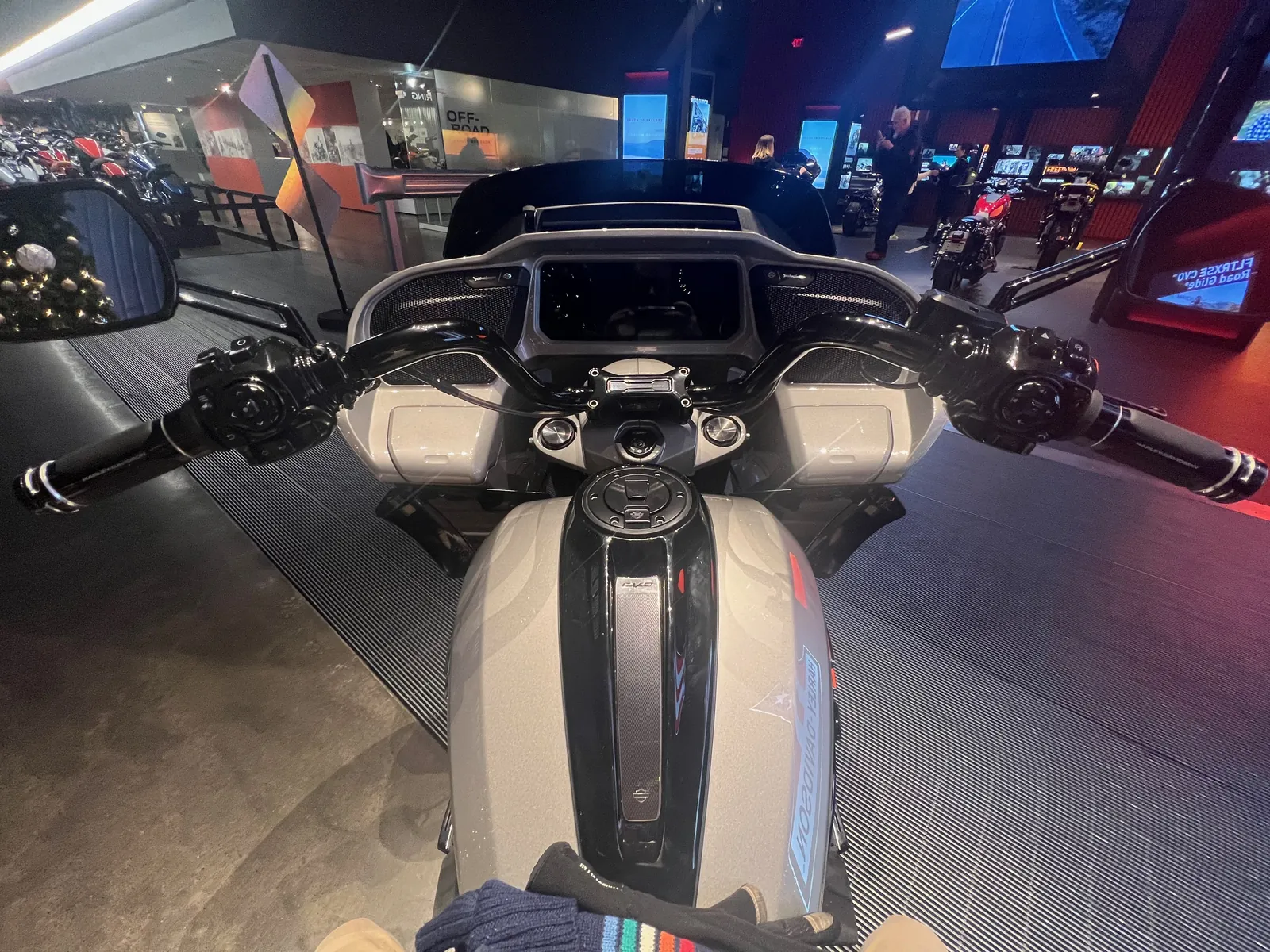
Near the museum’s exit, I waited my turn to sit on several motorcycles in the Experience Gallery. From behind the handlebars, I imagined leaning into a turn, accelerating down an open road, feeling the wind against my face. I thought about taking a riding class. It was winter, though, and I never took one.