Issue 26 · November 13, 2026
America’s oldest continuously operating public art museum is in Hartford and it was high on my list of things to do while I was living there. In the days leading up to my visit, I had walked past The Wadsworth on Main Street many times to admire the Gothic Revival building, which resembles a small castle. But on that cold winter’s morning I arrived well before opening time and what I thought was the front entrance appeared to be closed up.
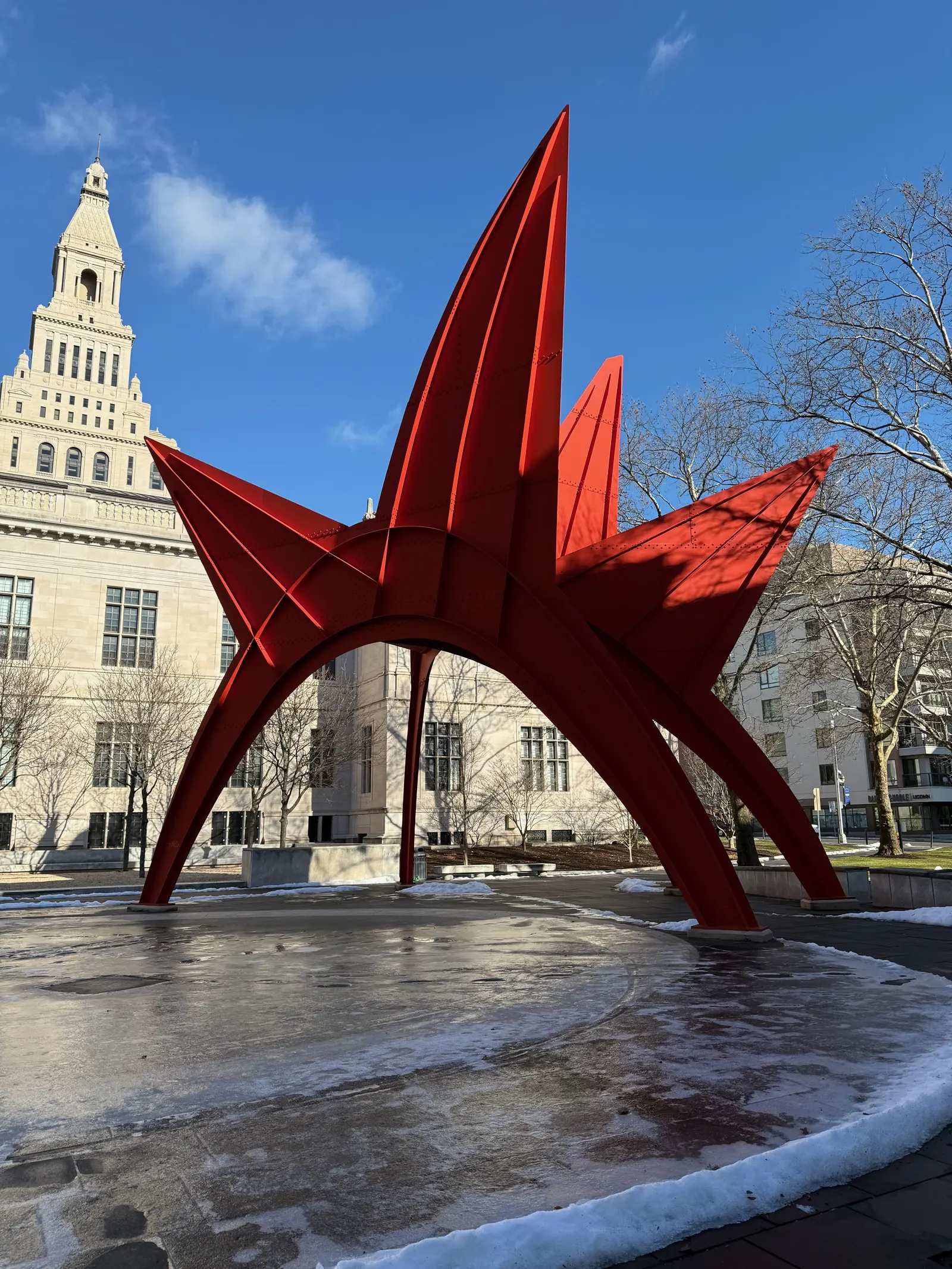
Undeterred, I kept walking down the street past the Calder Stegosaurus toward another magnificent building with a sculpture out front. This, I said to myself, must be the entrance. When I confidently walked into the building, I immediately understood my mistake. This was not an art gallery, but Hartford City Hall. Of course, I walked purposefully through and out the side door back to Burr Mall, trying to look as though this had been my intention all along.
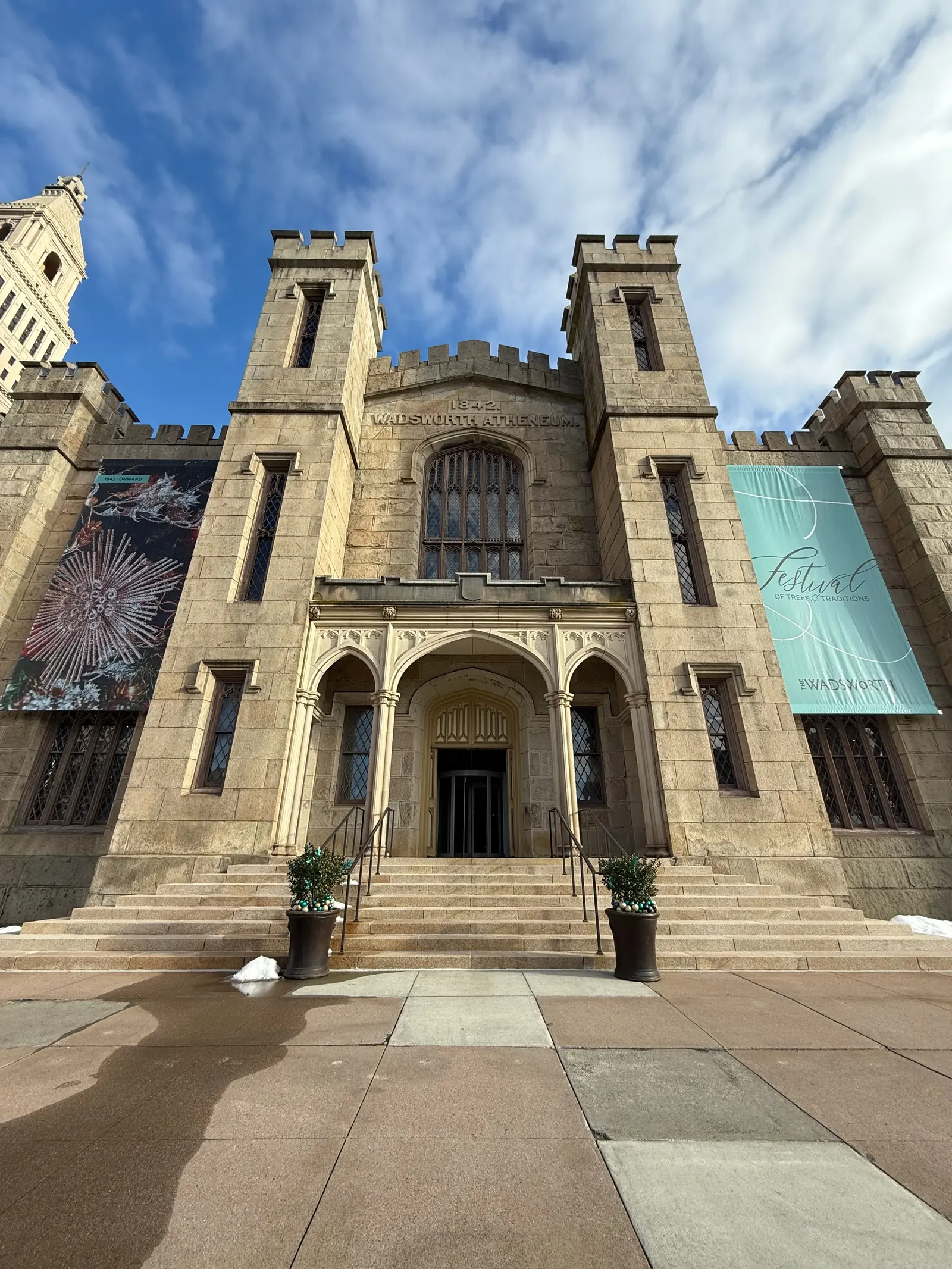
Eventually, I found the side museum entrance on Atheneum Square. The people at the desk greeted me as if they were patiently awaiting my arrival, armed me with a map, and sent me into a wide, open Avery Court to begin my exploration.
The Wadsworth opened to the public in 1844, growing from Daniel Wadsworth’s planned art gallery into an atheneum devoted to art, literature, history and learning. In 1931, the Wadsworth presented America’s first exhibition of Surrealist art. Inside, the building itself kept drawing my attention: galleries, arches, staircases, and architecture that seemed as worthy of looking at as anything hanging on the walls.
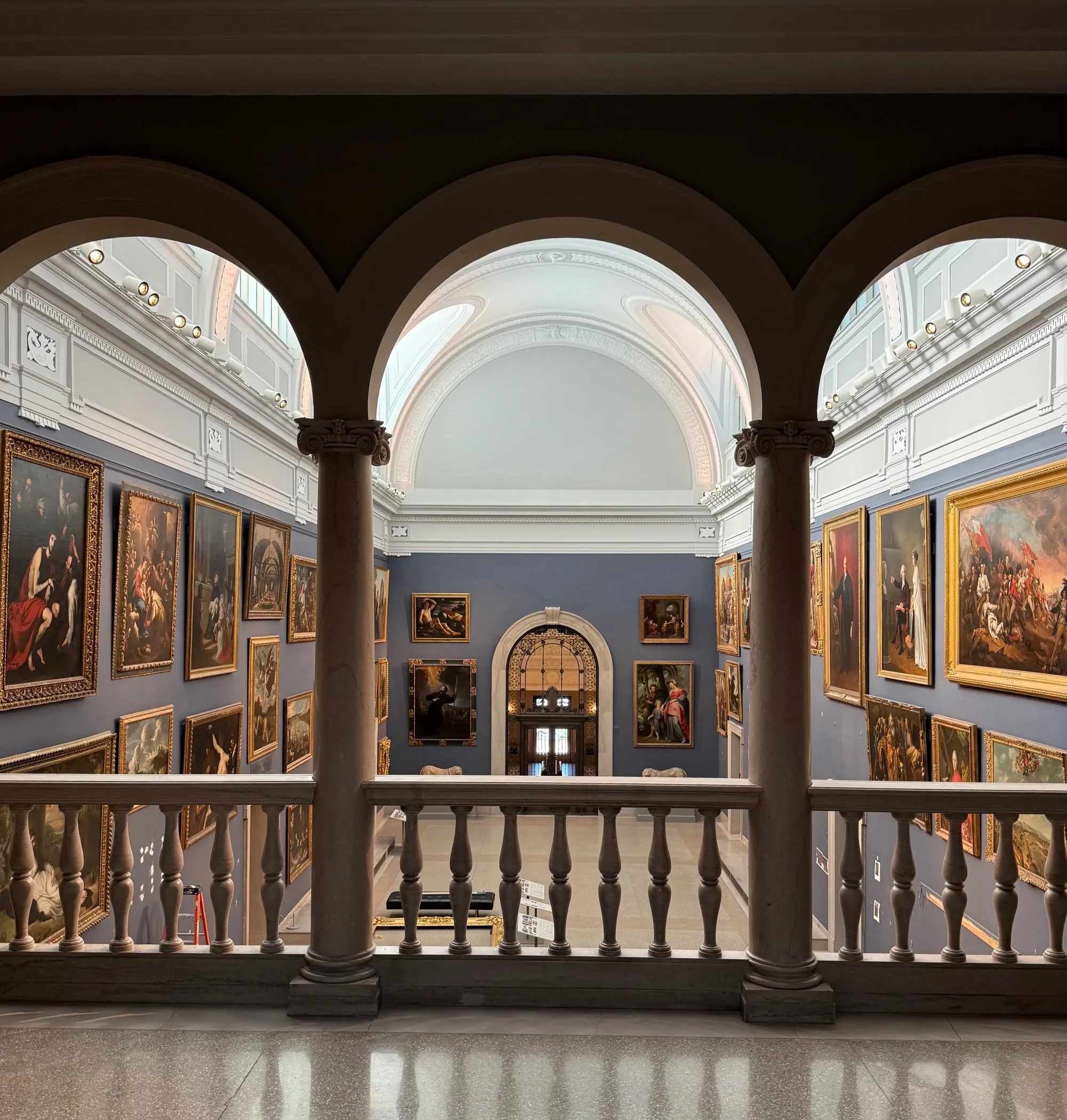
Many of the Impressionist and Modernist paintings that I wanted to see were on the second floor of the Avery, but I first wanted to find the Great Hall in the Morgan Wing. As I navigated my way, I found the main entrance, which was now open, and was guided down the hallway past the courtyard to find my destination. From the second floor, I looked through three arches into the Great Hall, its blue walls filled with paintings in elaborate gold frames beneath a high, vaulted ceiling.
Back in the Avery galleries, I found Monet’s The Beach at Trouville, Renoir’s Monet Painting in His Garden at Argenteuil, and Dalí’s Apparition of Face and Fruit Dish on a Beach.
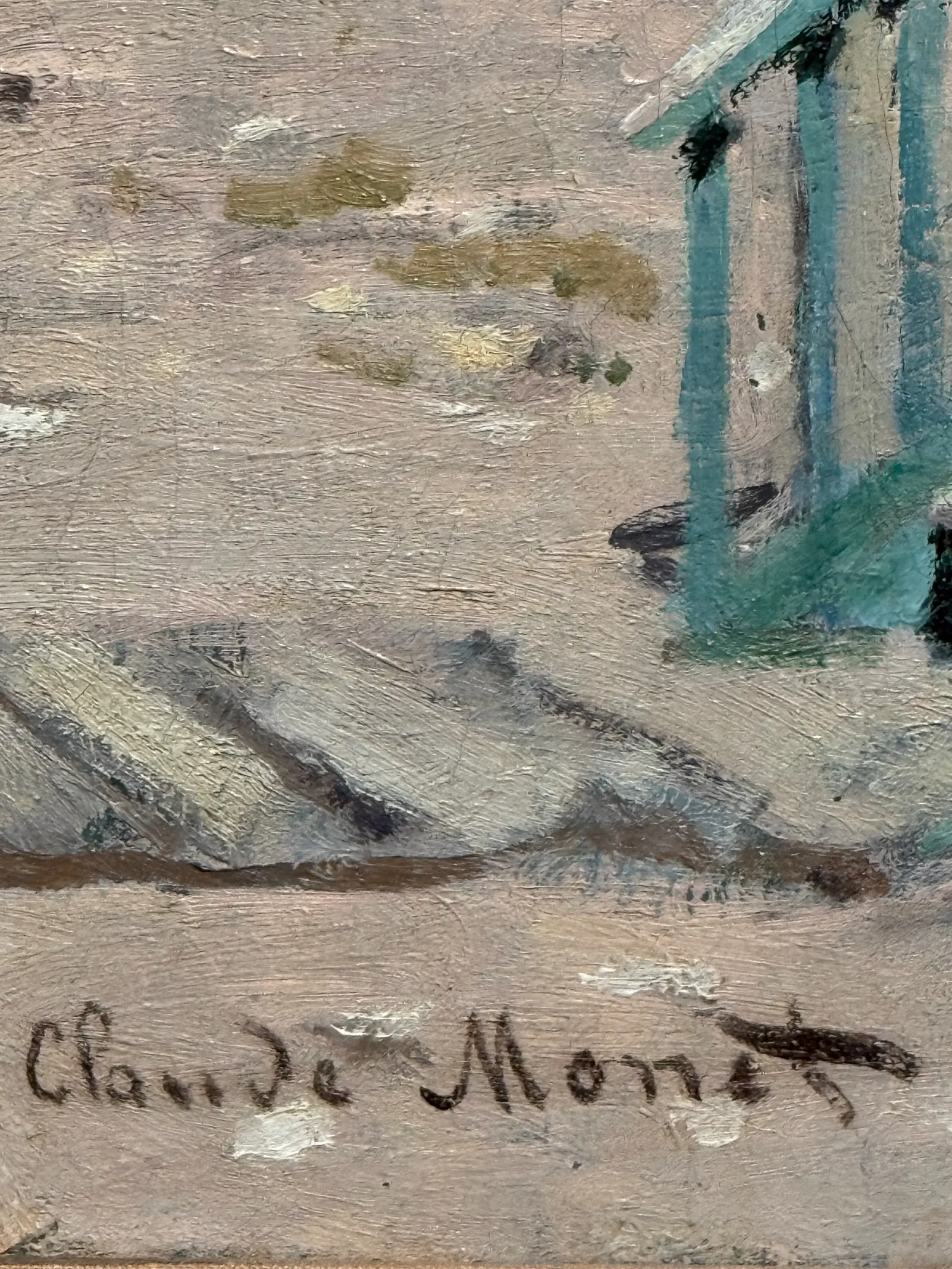
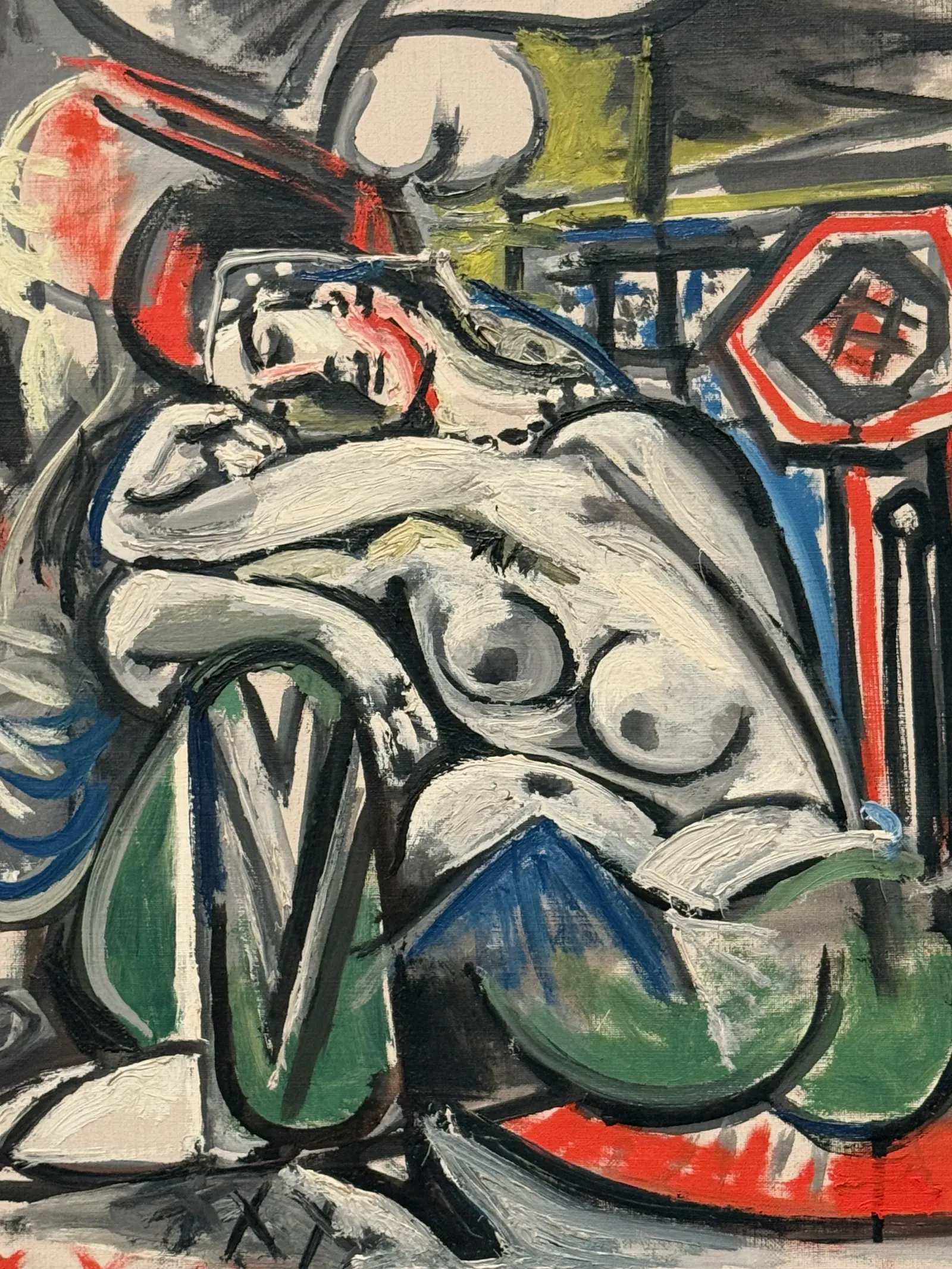
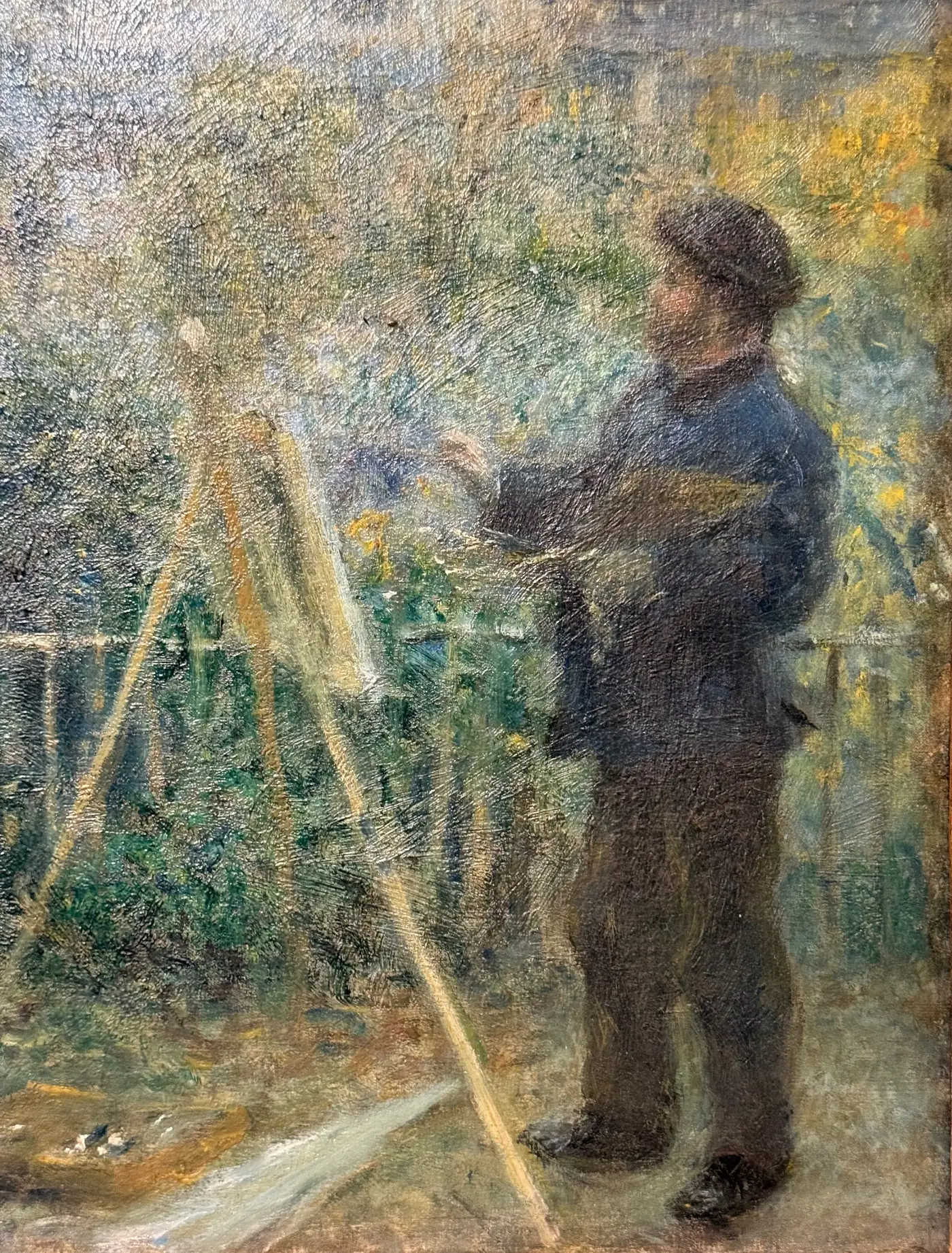
I tend to admire a painting for several minutes before taking photographs, including the card beside it so I can remember the details. But what always fascinates me is standing close enough to see the individual brushstrokes, the language of the artist in the ridges of paint on the canvas.

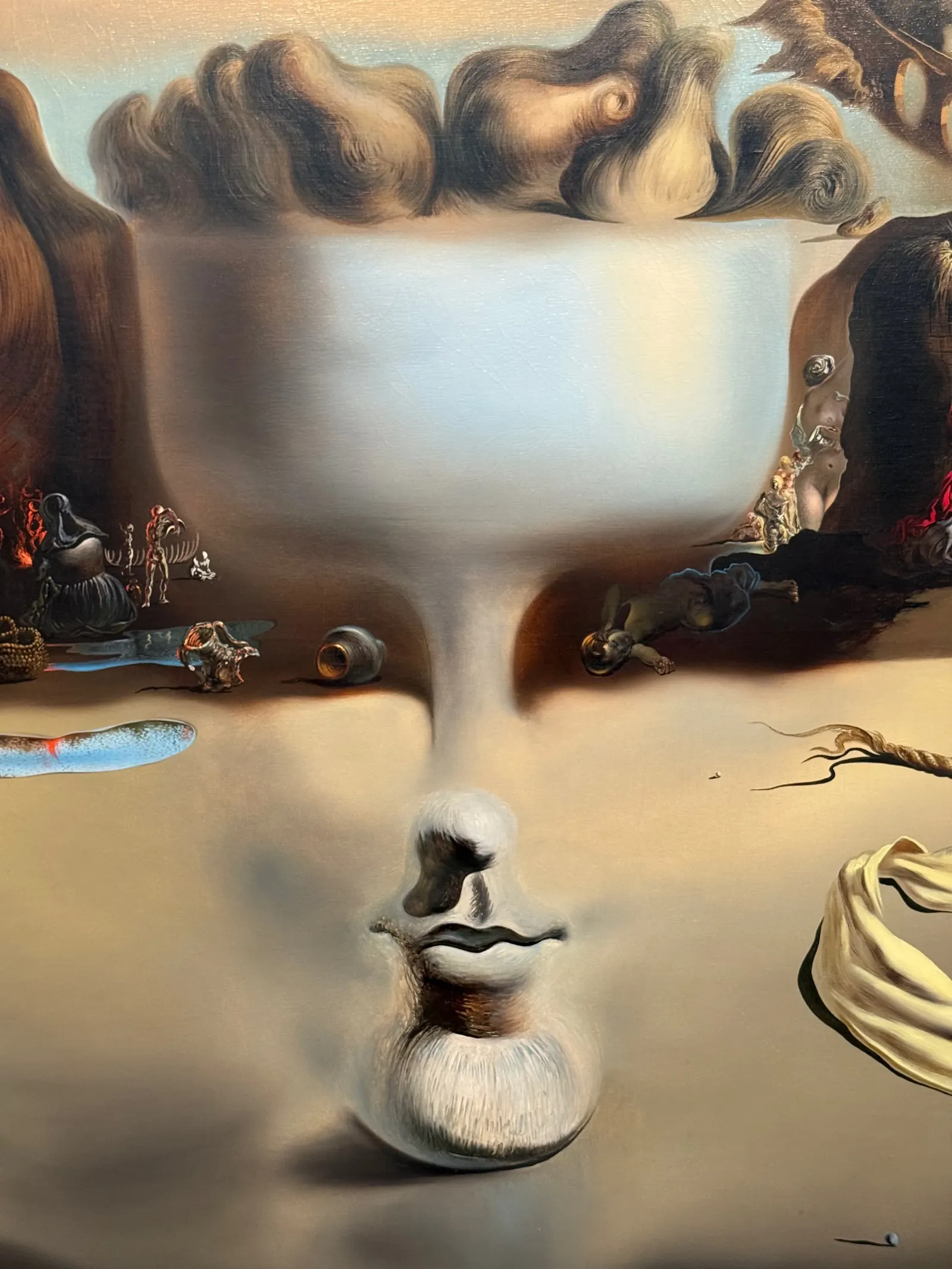
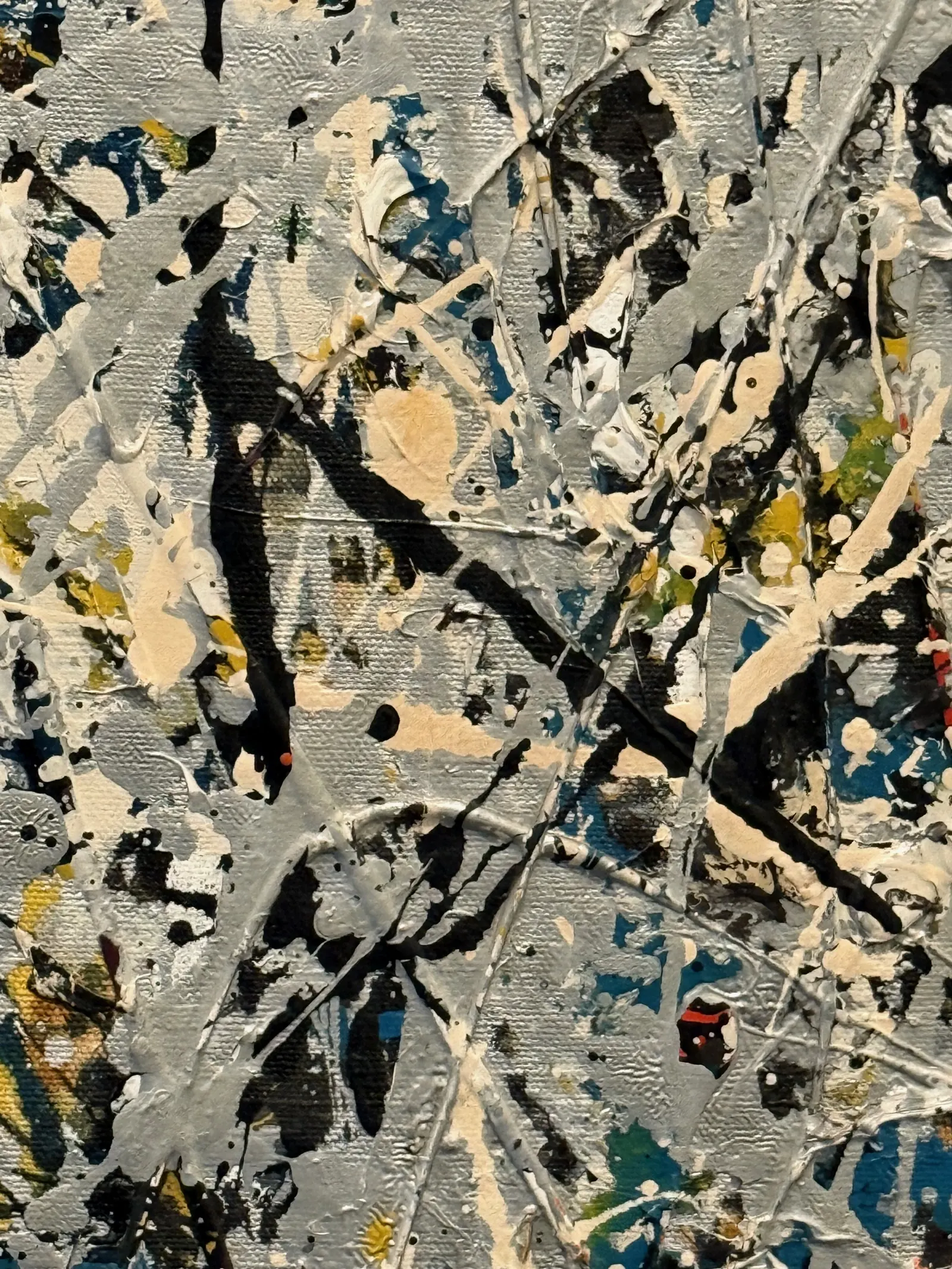
In each city where I’ve lived these last four years, I always try to visit an art museum. I think now about the expectations I bring to these places. In New York, Chicago, or Paris, I expect to encounter celebrated artists. In Hartford, I knew enough to seek out The Wadsworth, yet its collection still felt like a beautiful surprise. I had grown up in the state without developing much appreciation for what our capital held. The museum had been here all along, across from the Travelers building, on Main Street. On a cold January day, I went looking for Monet.